Harsil Valley
About Harsil Valley
Harsil Valley: Apple Orchards and Himalayan Stillness
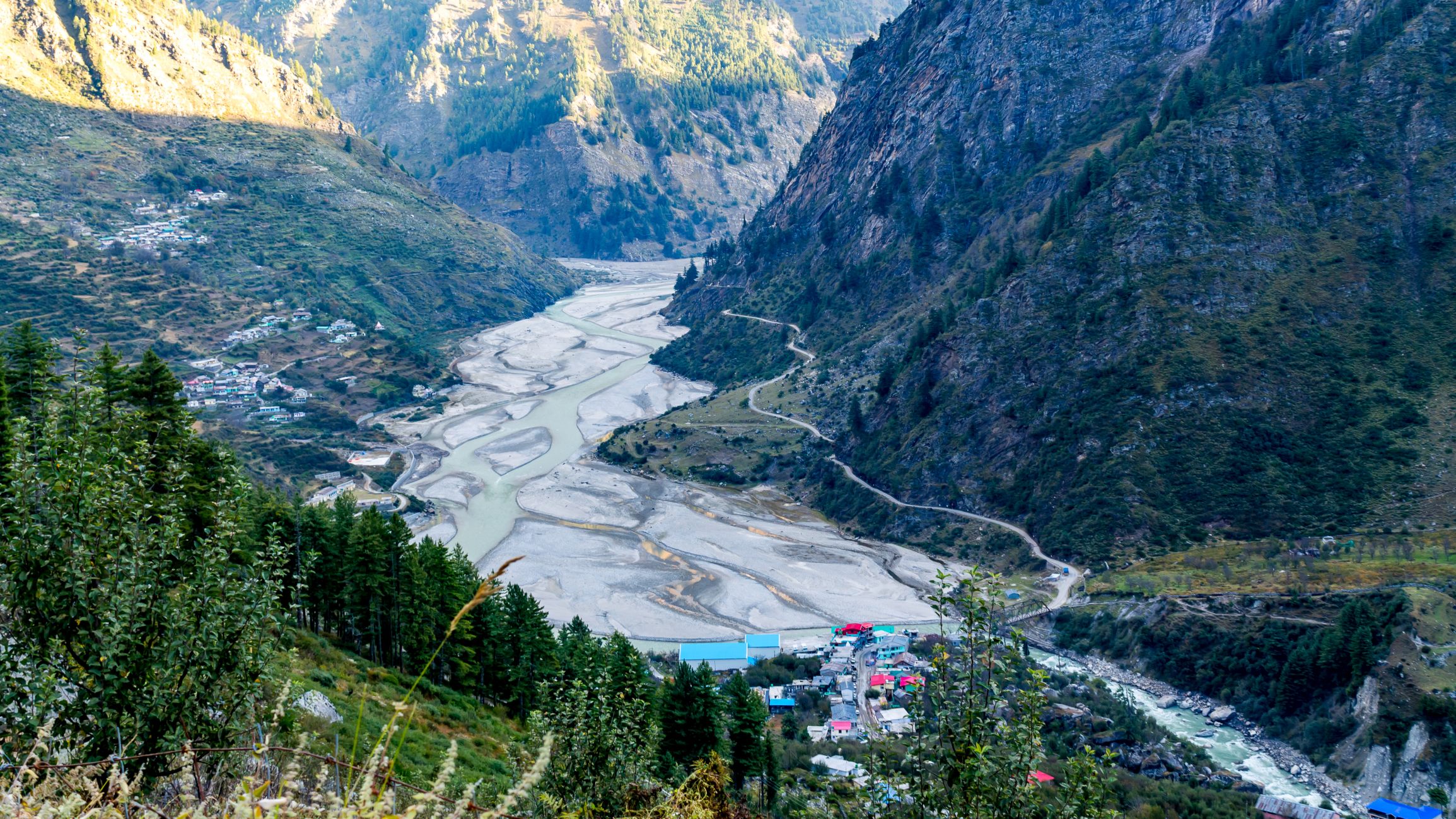
Harsil Valley, situated in the Garhwal Himalayas of Uttarakhand, is a retreat where nature whispers to its visitors with the muted tones of the day, apple orchards, and light timber forests, punctuated by the peaceful music of the Bhagirathi River. The place is far from the bustling popular hill stations and indeed offers with its pristine beauty, rooted civilization, and tranquil Himalayan nature.
Plan your next adventure easily with Travellinglark Post Travel — your smart travel companion!
Cultural and Historical Gems
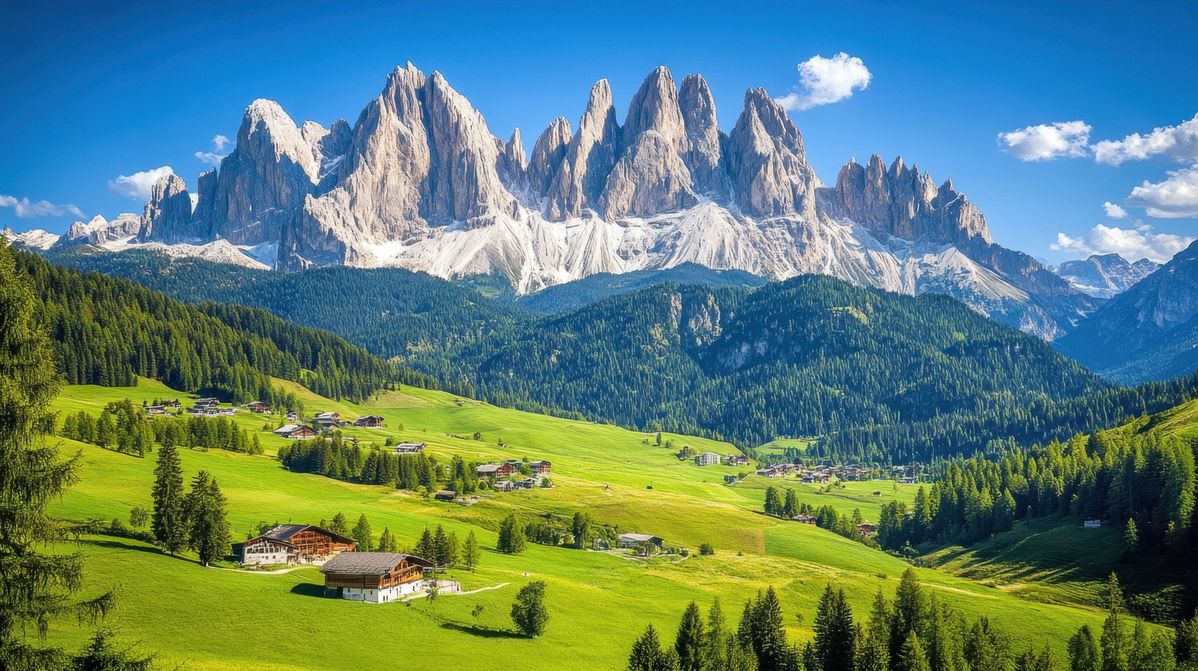
Harsil Valley is a powerful bearer of rich culture, which has been enriched by the ancient Hindu and Tibetan influences. The valley has been cutting off the historic route to Gangotri, one of the Char Dham pilgrimage sites, thereby claiming its spiritual significance for so long. The local villagers are now preserving ancient ways such as wooden architecture, folk practices, and nature-friendly customs. Moreover, the region is associated with General Wilson, a British officer who practically made a living here in the 19th century by introducing apple farming. Temples, prayer flags, and village rituals keep the mountain lifestyle simple yet very spiritual.
Top Attractions
1. Harsil Village
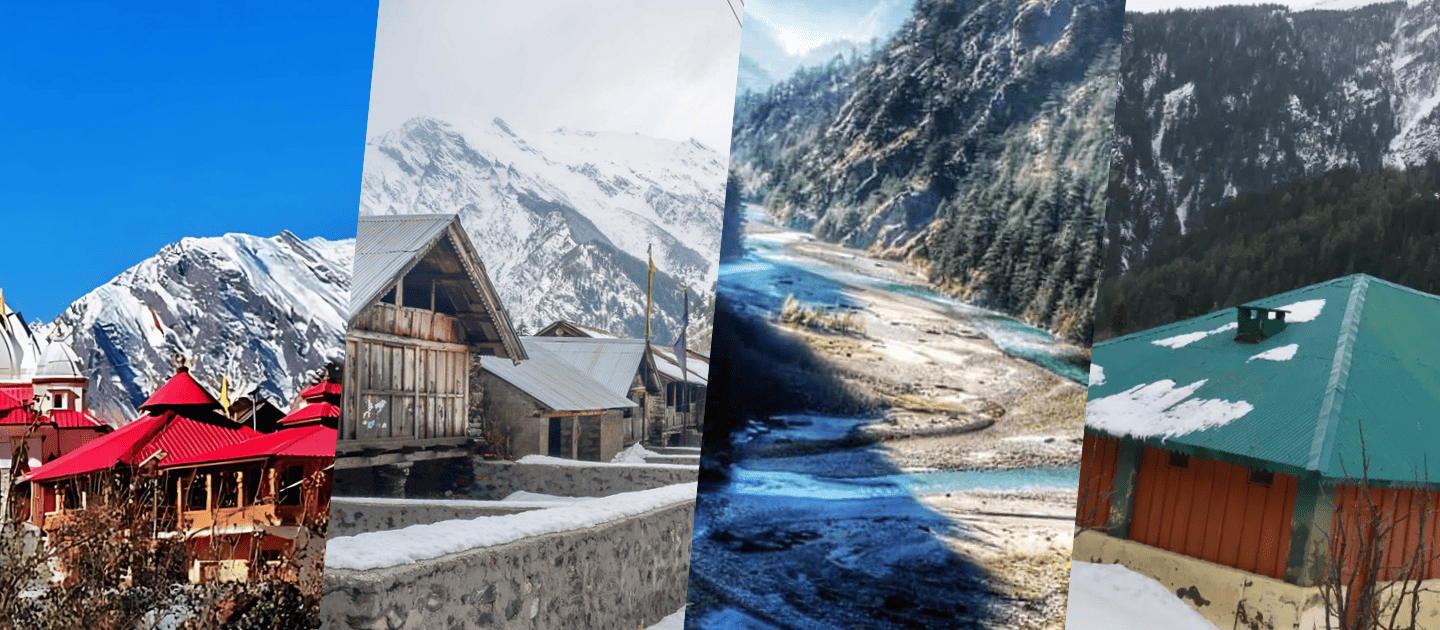
Harsil Village is the valley's center and the best place to start its exploration. The village is overpowered by deodar forests and snow-covered peaks, making it feel ancient and quiet. The village is based around the traditional wooden houses, small apple orchards, and kind-hearted inhabitants. The experience of walking through the village gives you the chance of seeing mountain culture, slow living, and beautiful views of the Himalayas behind every turn. The gentle flow of the Bhagirathi River is a near-complete miracle that has made the surroundings more calming. Harsil Village is a photographer's paradise, a nature-walks place, and a favorite of travelers looking for real mountain life away from commercialization.
2. Bagori Village
Bagori Village, having been founded a long time ago, is likewise a cultural gorge of Harsil Valley. This preserved heritage village, with its wooden homes decorated by skilled carpenters, is a direct representative of traditional Garhwali architecture. Moreover, Bagori is a spot of local includes the legends and gods and gods and trade routes that link Tibet. The lifestyle of the locals, the narrow lanes, stone paths, and terraced fields all whisper of a world not far away from the modernistic one; hence, they still maintain their character of being a non-touristy place. People can get in touch with the people of the village, collect knowledge on the traditional methods of selling and preparing food and see the folk practices that have been keeping alive for many generations. Both the mesmerizing mountain landscapes and the rich and vibrant cultural life go hand in hand at Bagori.
3. Bhagirathi River Banks
The Bhagirathi River, which is a river associated with Hindu gods and is, therefore, a sacred river, flows smoothly through Harsil Valley. Its clear, quick-moving water makes a sharp contrast with the surrounding forests of green and rugged mountains. Strolling along the riverbanks brings to the person walking moments of contemplation and tranquility, thus being perfect for meditation and nature lovers. The river is most beautiful at dawn and dusk as the light plays on the water and the peaks. Even though the ecosystem is protected so cannot have many adventurous activities, the riverbanks are still considered the most calm and quiet places in the whole valley.
4. Wilson Cottage
Wilson Cottage is a historical site that has been closely associated with Frederick "Pahari" Wilson, a British officer who came to Harsil and stayed there in the 1800s. The cottage, which is surrounded by forests and apple trees, is a combination of Indian and British architecture during the colonial period. While it is not easy to get inside the cottage, the area around it is very attractive due to its historical importance and natural beauty. Wilson's influence made it possible to introduce apple farming which later became one of the characteristics of the region.
Top Local Dishes to Try
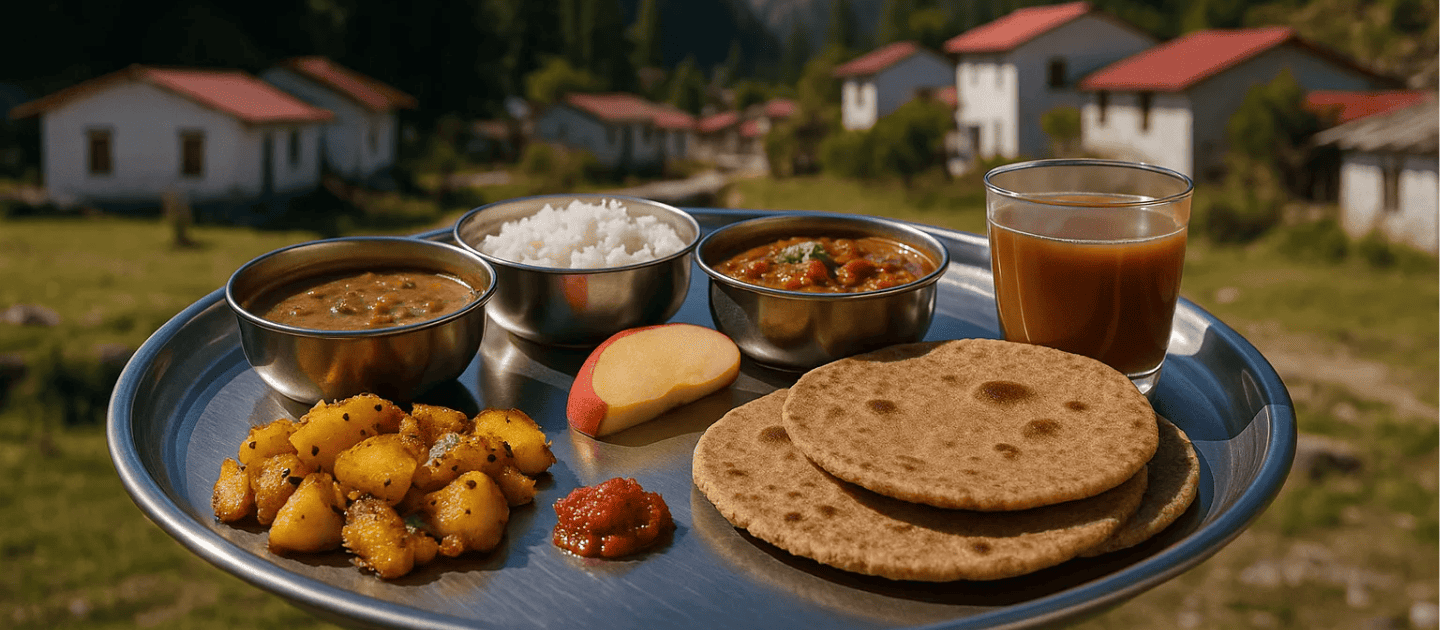
- Mandua Roti: A wholesome flatbread of finger millet origin, usually paired with seasonal vegetables.
- Chainsoo: A dish of roasted black gram as its basic ingredient, rich in protein and with a peculiar earthy flavor.
- Aloo Ke Gutke: Sizzling earthy potatoes flavored with Indian spices and fresh herbs; usually they are one of the delicacies during local festivals.
- Kafuli: A classical Garhwali curry prepared using green leafy vegetables and gentle spices.
- Jhangora Kheer: A sweet dish that comes from barnyard millet, mixing it with milk and adding dried fruits.
- Local Apple Produce: The freshest apples, juices, and homemade preserves directly from the orchards.
The Best Restaurants & Hotels
- GMVN Tourist Rest House Canteen: Dependable meals consisting of North Indian and Garhwali dishes that are uncomplicated.
- Local Dhabas in Harsil: Tiny restaurants providing freshly made mountain food that tastes like home.
- GMVN Harsil: Basic but scenic views provided by the government-run accommodation that is comfortable.
- Apple Orchard Homestays: Stays run by families that are warm, provide local food and cultural interaction.
Ultimate Shopping Destinations
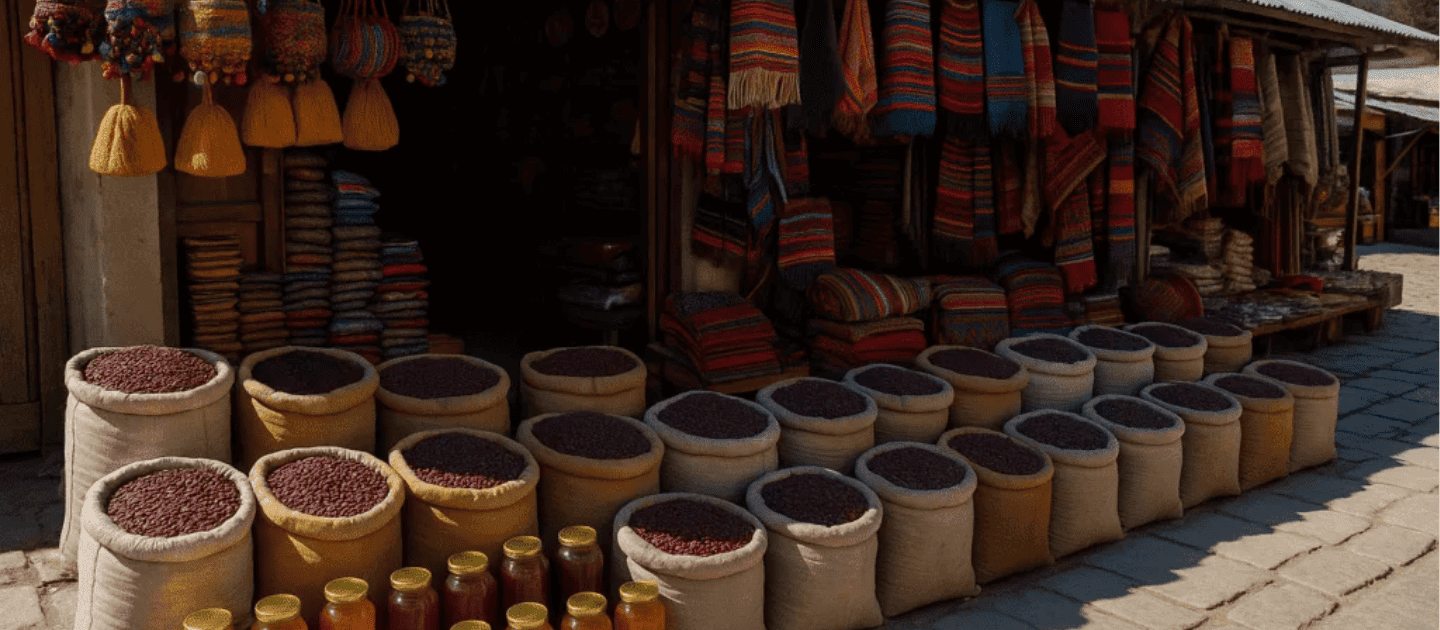
- Local Village Markets: The best place for bespoke woollens, caps, and shawls.
- Apple Products Stalls: Fresh apples, jams, and juices that come straight from the orchards.
- Handicraft Shops in Uttarkashi: Wooden artifacts, traditional jewelry, and mementoes.
- Temple Markets Near Gangotri Route: Religious articles, local herbs, and tiny handicrafts.
Night/Day Life what’s best?
Harsil Valley's lifestyle is completely in sync with nature and not at all with the nightlife. Besides, the days are spent taking village walks, visiting orchards, doing photography, and relaxing by the riverside. The mornings are tranquil, with the mountain mist and temple bells creating the mood. The evenings are often muted and spent around the fire, tasting local food, and having a look at the stars. Thus, the nightlife here means silence, open skies, and the wind whispering through the woods. The lack of commercial entertainment is a big plus in Harsil Valley, and it attracts only those who want to refresh their minds and get rid of the digital devices.
How To Reach
- By Air: Jolly Grant Airport, Dehradun, the nearest airport, is about 230 km away. From there, you can find taxis and buses going to Uttarkashi and Harsil.
- By Train: Dehradun and Rishikesh are the nearest railway stations. They are both connected to many Indian cities. Then, the road travel takes over.
- By Bus: Between Dehradun, Rishikesh, and Uttarkashi, and Harsil, especially in tourist seasons, there are regular bus and shared taxi services.
The Best Time to Visit
The best time for visiting Harsil Valley is during April to June and September to November. The spring and summer give very pleasant weather, blooming orchards, and clear mountain views, all of which are great for sightseeing. Autumn is characterized by crisp air and golden landscapes that are perfect for photography. The winter months are all about heavy snow which can be visually stunning for the brave travelers but it makes travelling really difficult at the same time. Monsoon time must be avoided at all costs since landslides and road closures will be the consequences. Getting the right season to travel means safe travel and the opportunity to enjoy the beauty of nature at its finest in Harsil.
Conclusion
Harsil Valley, the secretive paradise of the Himalayas, is where nature, culture, and peace harmoniously live together. The valley's apple gardens, holy riverbanks, and village life are characteristics of a place that is not yet discovered by mass tourism. If you are in search of a tranquil spiritual life, you are lucky for Harsil is offering a proper experience that is very simple and true. Unlike the busy stations, it encourages the weary travelers to make their movements slower and to get back to nature. A visit to Harsil Valley is, in fact, not just a journey but a serene journey into the heart of the Himalayas.
About Us
Trip planning could seem to be cumbersome but TravellingLark makes it easy by linking travelers with professional travel agencies that provide customized travel proposals. Instead of spending hours searching for the most appropriate vacation package, travelers can post their trip details and receive several personalized offers.
TravellingLark is not only a destination for travelers but the most powerful network for travel agencies, hotels, and travel vendors. Travel agencies can sign up for free listing of their offerings and display packages for holiday tours, hotels, and travel experiences. Travel is a business but no commission hefty charged like other platforms; we give businesses free travel leads to achieving their patronage.
Whether you are a travel agency searching for clients, a hotel requiring more bookings, or a travel vendor offering services, TravellingLark has just opened direct access to tourists searching for these offerings.
- Hassle-Free Trip Planning: Every traveler gets a tailor-made travel offer, with other requirements left to him/her.
- Join for Everyone: Signing up is completely free for all users and businesses. While basic access stays free, vendors now have the option to purchase premium leads to connect with more potential customers and grow their sales.
Join TravellingLark now and make a smarter future in planning, booking, and growing in the travel industry!
Planning a trip to Harsil Valley?
Post your upcoming travel details and get personalized quotations from multiple verified travel agencies.
Fast response • Custom offers • Verified agents
Current Weather
Live Forecast
Explore Packages in Harsil Valley
Planning a trip to Harsil Valley?
Post your upcoming travel details and get personalized quotations from multiple verified travel agencies.
Fast response • Custom offers • Verified agents
Bigger Group? Get Special Offers Up to 50% Off!
Planning a trip for friends, family, or corporate teams to Harsil Valley? We create unforgettable customised adventures with exclusive group pricing!
Current Weather
Live Forecast
Why travelers choose
TravellingLark?
Thoughtfully planned journeys, crafted for unforgettable experiences.
Built Around You
Personalized trips based on your style, interests and budget.
Handpicked Trips
Curated itineraries designed with love and local expertise.
Transparent Pricing
Clear package pricing with no hidden charges or surprises.
Personalized Planning
Every trip is tailored to your interests, pace and preferences.
Best Value Always
Get the best experiences at the best value for your money.
Global Destinations
Explore handpicked destinations across India and the world.
24/7 Trip Assistance
We're with you before, during and after your journey.
Built Around You
Personalized trips based on your style, interests and budget.
Handpicked Trips
Curated itineraries designed with love and local expertise.
Transparent Pricing
Clear package pricing with no hidden charges or surprises.
24/7 Trip Assistance
We're with you before, during and after your journey.
Personalized Planning
Every trip is tailored to your interests, pace and preferences.
Best Value Always
Get the best experiences at the best value for your money.
Global Destinations
Explore handpicked destinations across India and the world.
Hassle-Free Journey
Enjoy a smooth travel planning experience from start to finish.
Traveler Reviews for Harsil ValleyReviews for Harsil Valley
Verified ratings and genuine travel experiences from our community
No Reviews Yet
Have you explored Harsil Valley? Share your experience to help fellow travelers plan their trip!
Frequently Asked Questions about Harsil Valley
Apple farming was introduced by General Frederick "Pahari" Wilson, a British officer who settled in the valley in the 19th century.
Bagori Village is a preserved heritage site known for its traditional wooden homes decorated by skilled carpenters and its history as a trade stop linking Tibet.
Yes, the valley is located on the historic route to Gangotri, one of the Char Dham pilgrimage sites, giving it significant spiritual importance.
You should try Mandua Roti (finger millet flatbread), Chainsoo (roasted black gram dish), and fresh local apple produce like juices and preserves.
The best time to visit is from April to June for pleasant weather and September to November for crisp air and golden autumn landscapes.