Ranthambore
About Ranthambore
Ranthambore: Tigers, Forts, and Forest Legends
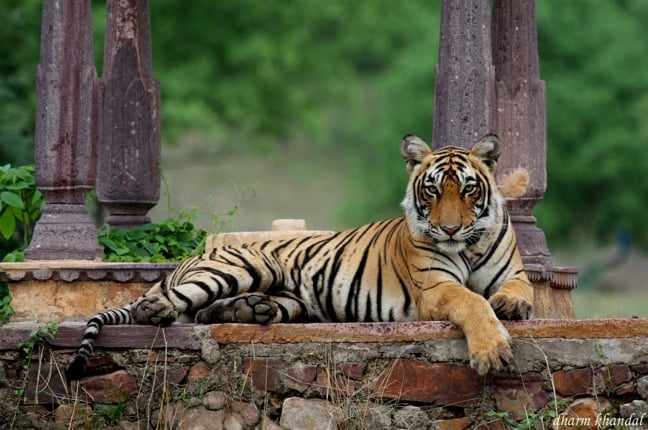
Ranthambore National Park, located in the center of Rajasthan, is one of the most prominent and well-known wildlife sanctuaries in India. This ex-royal hunting ground blended with nature offers a great experience for travelers and wildlife lovers both because of its magnificent Bengal tigers, ruins of the past, and picturesque landscapes.
Plan your next adventure easily with Travellinglark Post Travel — your smart travel companion!
Cultural and Historical Gems
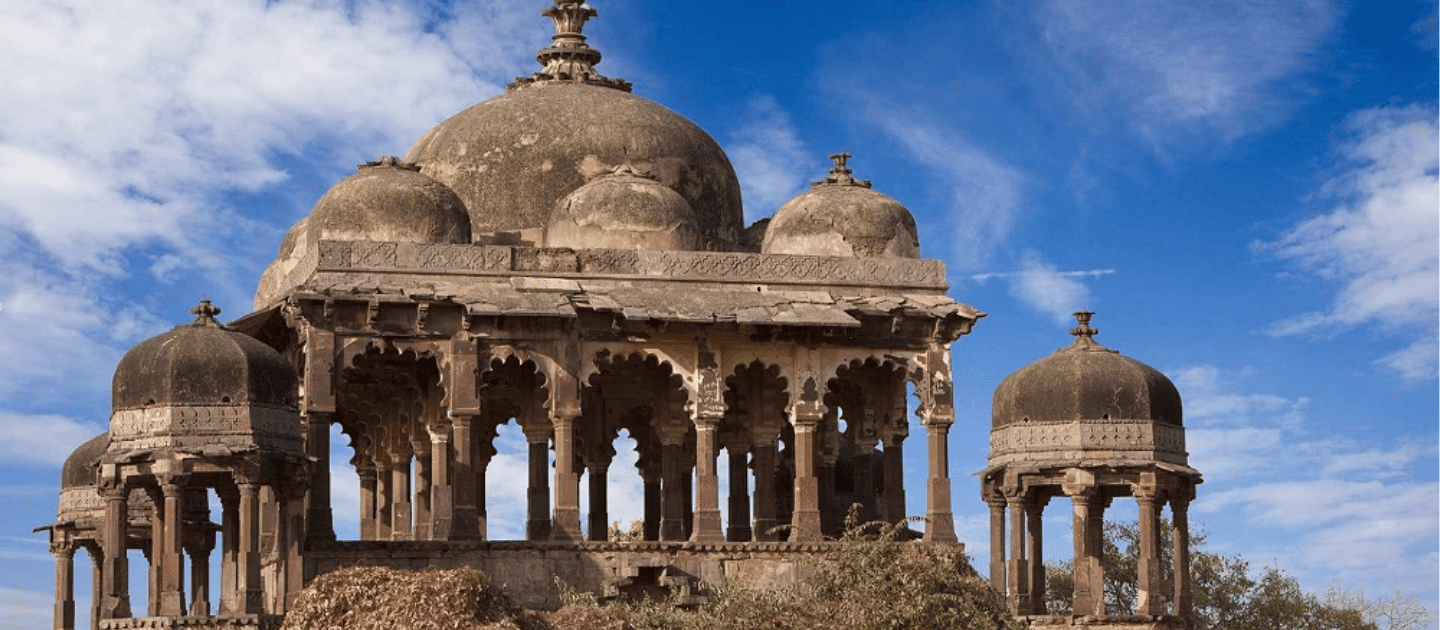
Ranthambore, a wildlife paradise, is a living canvas of Indian culture and history. The splendid Ranthambore Fort, a UNESCO World Heritage Site, which is the root of this park and has its origin around the 10th century, is the center of India's cultural heritage. The fort, located on a hill, narrates tales of bravery, kings, and their ways and customs of the past centuries. The ancient temples of Ganesha, Shiva, and Ramlalaji are still there and inside the strong walls of the fort, connecting the spiritual devotion of past times with the present. The nearby ruins, memorials, and water wells are similar in design to that of the period when Rajasthan was under the rule of kings and are really impressive, thus unlocking for the tourists a time when Ranthambore was a military stronghold and a cultural center at the same time.
Top Attractions
1. Ranthambore Fort
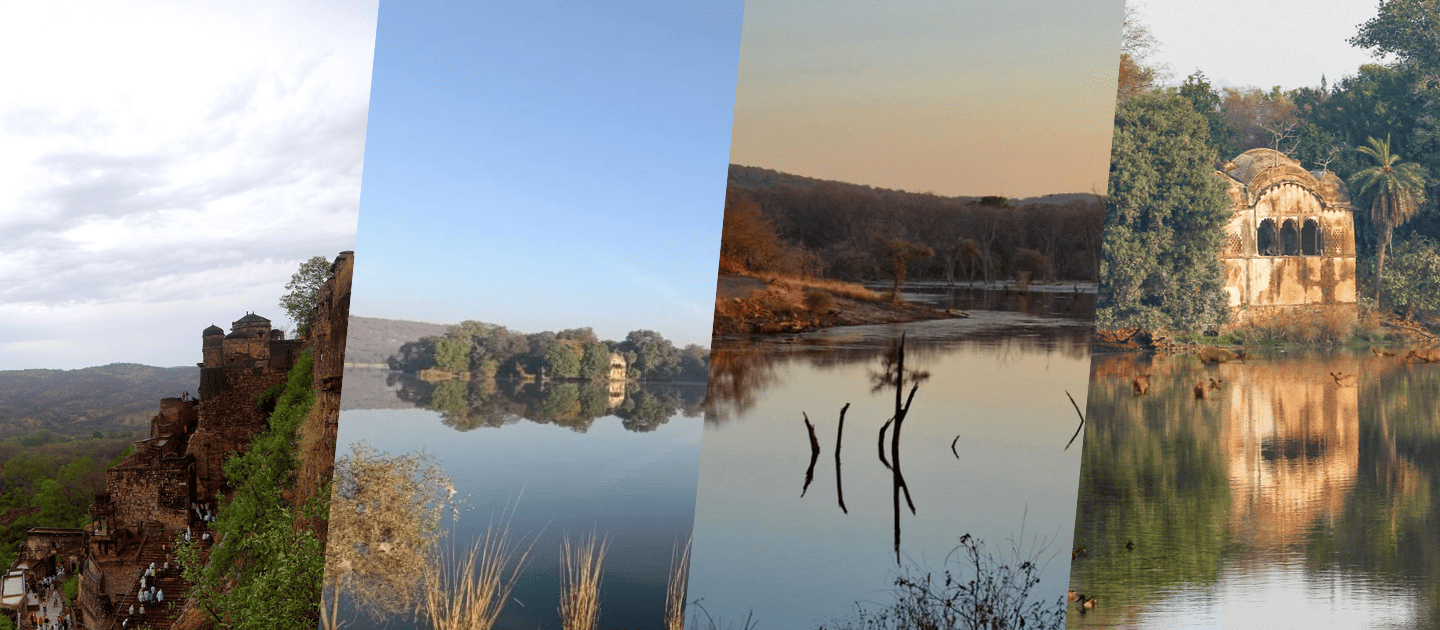
The spectacular Ranthambore Fort is a witness to the history of the vast area of Ranthambore National Park and looks like a sentinel of ancient times. The fort is a marvel of architecture built by the Chauhan emperors in the 10th century and is a mixture of brave history, and romanticism. Its heavy gates, walls made of stones, and the fine carving work done with the stones tell the stories of kings and queens' bravery and battles fought long ago. The fort has within it, temples, residences, and wells which all epitomize the opulence of the Rajput style of building. The holy Trinetra Ganesh Temple, who the lord Ganesha is worshiped, attracts the devotees from all parts of India. The visitors while walking up on the winding path of the fort see the vista of the forests, lakes, and valleys around them which is a perfectly rewarding sight.
2. Padam Talao
Padam Talao is not only the biggest lake but also the most peaceful and beautiful site in the Ranthambore National Park that shows the region’s natural beauty. The calmness and the beauty created by the lake's reflecting surface capturing the nearby hills and thick forests attracts every visitor. The lake gets its name from the lotuses that bloom profusely on its surface and thus adds a gentle charm to the wild area. Adjacent to the lake is the Jogi Mahal, which is a historic red sandstone guesthouse and is iconic. The Jogi Mahal was once a place where royal guests and dignitaries were entertained. The area is also a hotspot for wildlife—deer, peacocks, and even the elusive Bengal tiger are often seen sipping from its waters during the early morning and late evening hours.
3. Surwal Lake
Surwal Lake is a less-known but still equally stunning treasure that is located a very short distance from Ranthambore and provides a different experience from the park’s tough landscape. Migratory birds flock to this seasonal lake during winter turning it into a brilliant and energetic place full of colors and sounds. Huge birds like flamingos, pelicans, herons, and kingfishers are often seen taking effortless rides on the water, which makes the spot perfect for both birdwatchers and photographers. Surwal Lake is not like the crowded tourist areas; rather it has a lonely and tranquil atmosphere where one can really be one with nature. The sunrise is the best time to visit because the lake is covered with soft morning light in the colors of pink and gold and the still air is saturated with birdsong.
4. Raj Bagh Ruins
These ruins of Raj Bagh, concealed in the deep woods of Ranthambore National Park, are the silent witnesses of the park's royal history. The Raj Bagh ruins—decayed arches, stone pavilions, and domical structures—were, in the past, the islands of royalty among the gardens that were the hunting grounds of the Maharajas of Jaipur. Nature has taken over large parts of the ruins, mixing history with the wilderness in a very enchanting way. The ruins attract tigers and other wild animals frequently, and this makes it possible for the tourists to get an extraordinary glimpse of history mixed with the wild's rawness. The Raj Bagh Ruins have a haunting beauty that seems almost eternal as the sun rays filter through the trees and bounce off the stones covered with moss.
Top Local Dishes to Try
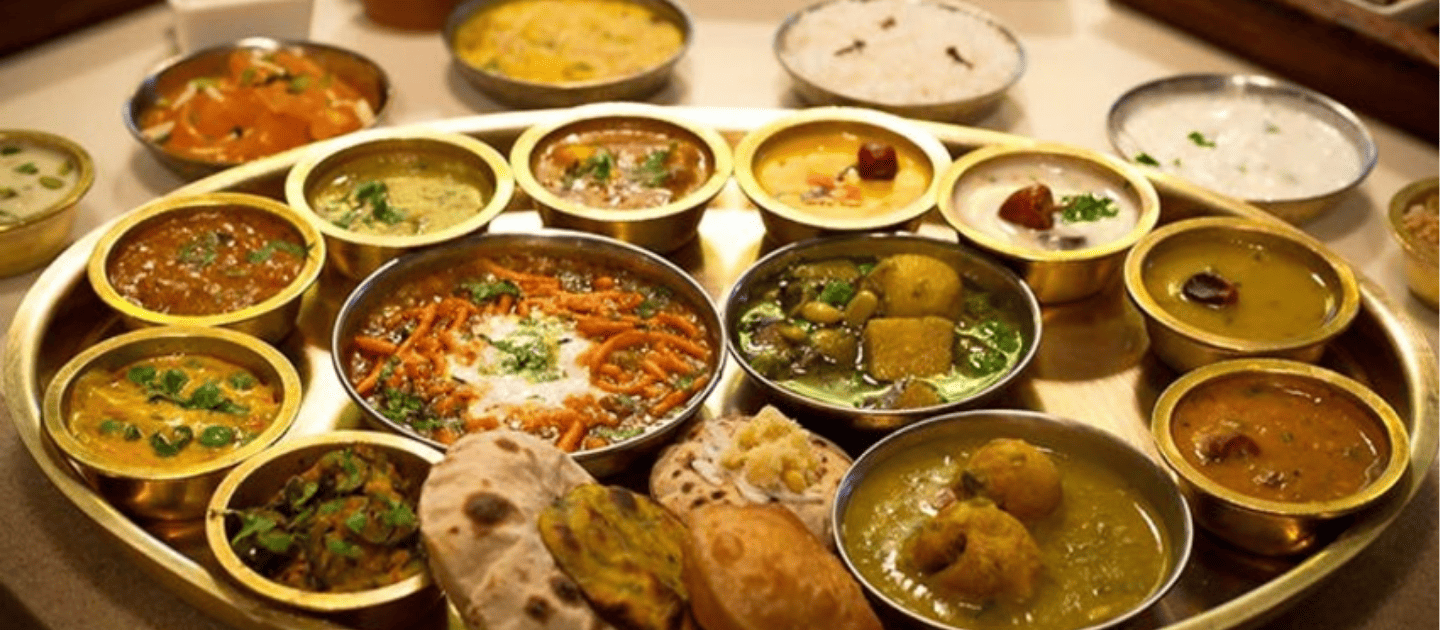
- Laal Maas: A spicy mutton curry from Rajasthan cooked with the vibrant mix of red chilies, garlic, and aromatic spices, recommended for the people who love spicy food.
- Dal Baati Churma: The typical Rajasthani dish consists of baked wheat balls (baati) with spiced lentils (dal) and sweet crushed wheat (churma) as an accompaniment.
- Gatte Ki Sabzi: The vegetarian dish of the region consists of gram flour dumplings cooked in a tangy, spiced yogurt-based curry.
- Ker Sangri: The preparation of a desert vegetable with local spices made from dried berries (ker) and beans (sangri).
- Rajasthani Kachori: A deep-fried pastry stuffed with lentils or peas and spices, usually consumed as a snack or for breakfast.
- Bajre Ki Roti with Lashun Chutney: The region’s rustic culinary traditions were reflected in the spicy garlic chutney served with millet flatbread.
- Malpua: The deep-fried sweet pancakes soaked in sugar syrup are now often served during festivals and special occasions.
- Mawa Kachori: The dessert pastry filled with sweetened condensed milk (mawa) and dry fruits is rich and popular among local and tourist alike.
The Best Restaurants & Hotels
- The Oberoi Vanyavilas Restaurant: Provides a luxurious dining experience with gourmet Indian and international cuisines, set in the middle of lush gardens and wildlife-inspired decor.
- Tiger Moon Restaurant: A lovely, rustic restaurant located close to the park, famous for its genuine Rajasthani dishes and traditional thalis, which are ideal for a local culinary experience.
- The Oberoi Vanyavilas: A 5-star luxury resort with lavish tents, private pools, spa services, and guided safaris for an immersive wildlife experience.
- Nahargarh Ranthambhore: A heritage-inspired resort with elegant rooms, fine dining, and close national park access, combining comfort with Rajasthani charm.
Ultimate Shopping Destinations
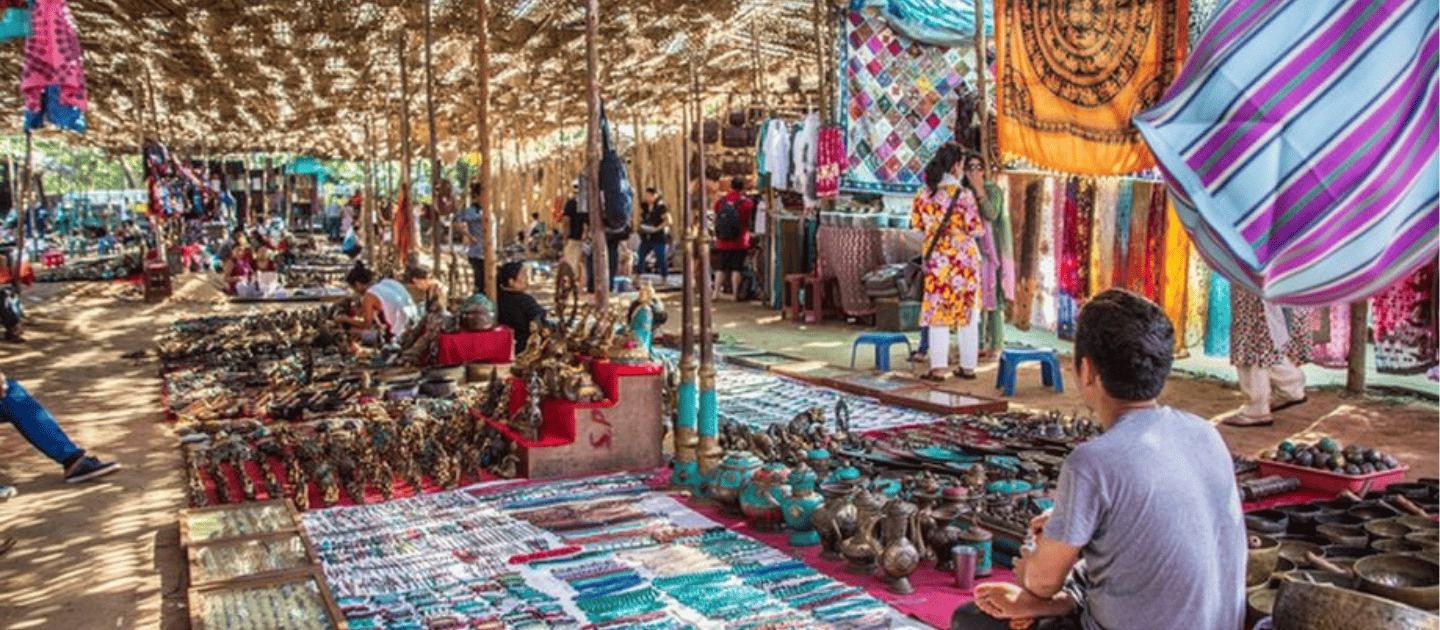
- Ranthambore Market: A lively local market where you can find traditional Rajasthani handicrafts, textiles, jewelry, and souvenirs that are tourist-friendly.
- Sawai Madhopur Handicraft Shops: Famous for colorful tie-dye fabrics, block-printed clothes, and earthware, which are all the result of the local artists' incredible creativity.
- Local Tribal Crafts Stalls: Located in the villages around the park, these stalls offer one-of-a-kind goods such as wooden carvings, leatherware, and beadwork.
- Rajasthali Emporium: This shop presents a wide variety of genuine Rajasthani artifacts, miniature paintings, and decorative home accessories.
- Bapu Bazaar (Nearby Jaipur): If you are a traveler not afraid to go off the beaten path and willing to go beyond Ranthambore, this market is the perfect place to find exquisite Rajasthani textiles, footwear, and traditional jewelry.
Night/Day Life what’s best?
The Ranthambore National Park has a very fascinating character and even more than that, it is a place of wild animals and human's historical sites, providing an experience of a mix of daytime adventure and peaceful nights. The park immortalizes its wildlife through exciting safari rides which allow the visitors to see Bengal tigers, leopards, deer, and a large number of birds in the sunlit forests and around the ancient ruins. Local villages are active all day long with their bright-style markets, traditional craft demonstrations, and many more. Later at night, the area becomes quiet and the tourists are offered the opportunity of a tranquil retreat. Resorts and lodges have the romantic ambience of warm, bubbling bonfires, cultural performances, and sumptuous Rajasthani food that further immerse the guests in the experience. The starry night over the forest makes the area magical and very suitable for storytelling, meditation, or simply listening to the wilderness.
How To Reach
By Train: Ranthambore is easily accessible by train, with the nearest big station being Sawai Madhopur Railway Station which is located just a few kilometers away from the national park. The trains from Jaipur, Delhi, and Mumbai frequently halt here.
By Air: The nearest airport is Jaipur International Airport which is about 180 km away. From the airport, the travelers can either get taxis or take buses to reach Ranthambore. Kota and Udaipur airports can be considered as alternative airports but these are not so convenient.
By Bus: There are regular buses run by the state and also by private operators from Jaipur, Kota, and other adjacent cities to Ranthambore. Buses of different categories such as Volvo and deluxe buses make it absolutely comfortable for tourists to reach Ranthambore.
The Best Time to Visit
Ranthambore is undoubtedly one of the best wildlife viewing spots, especially at the time when the weather is pleasant. Between October and June, you can experience the cooler months from October to March when the park is at its most beautiful after the rains and the animals are really easy to spot. The most popular months are those during which tourists actually visit the park across the world since temperatures are nice for safaris and outdoor activities. The dry season also helps to facilitate animals' congregating near the few remaining water sources making it dying off of Bengal tigers, leopards, and many other animals easier. The monsoon season when rains are heaviest and park only partially accessible deters many visitors from coming and exploring thus making the park a vibrant-green paradise.
Conclusion
Ranthambore, bringing its historical and cultural aspects into play. Besides, visitors to the park were given a chance to participate in different activities such as spotting Bengal tigers through thick forests, visiting ancient ruins, and tasting Rajasthani cuisine, which would cater to the needs of nature lovers, history buffs, and thrill seekers inclusive of all. The Indian subcontinent’s outstanding cultural and wildlife side was highlighted through this exciting and serene morning safari adventure, lake-side sunset calmness, and village crafts enchantment—this is what memories Ranthambore came up with: however, they were not ready to leave India yet.
About Us
Trip planning could seem to be cumbersome but TravellingLark makes it easy by linking travelers with professional travel agencies that provide customized travel proposals. Instead of spending hours searching for the most appropriate vacation package, travelers can post their trip details and receive several personalized offers.
TravellingLark is not only a destination for travelers but the most powerful network for travel agencies, hotels, and travel vendors. Travel agencies can sign up for free listing of their offerings and display packages for holiday tours, hotels, and travel experiences. Travel is a business but no commission hefty charged like other platforms; we give businesses free travel leads to achieving their patronage.
Whether you are a travel agency searching for clients, a hotel requiring more bookings, or a travel vendor offering services, TravellingLark has just opened direct access to tourists searching for these offerings.
- Hassle-Free Trip Planning: Every traveler gets a tailor-made travel offer, with other requirements left to him/her.
- Join for Everyone: Signing up is completely free for all users and businesses. While basic access stays free, vendors now have the option to purchase premium leads to connect with more potential customers and grow their sales.
Join TravellingLark now and make a smarter future in planning, booking, and growing in the travel industry!
Planning a trip to Ranthambore?
Post your upcoming travel details and get personalized quotations from multiple verified travel agencies.
Fast response • Custom offers • Verified agents
Current Weather
Live Forecast
Planning a trip to Ranthambore?
Post your upcoming travel details and get personalized quotations from multiple verified travel agencies.
Fast response • Custom offers • Verified agents
Bigger Group? Get Special Offers Up to 50% Off!
Planning a trip for friends, family, or corporate teams to Ranthambore? We create unforgettable customised adventures with exclusive group pricing!
Current Weather
Live Forecast
Why travelers choose
TravellingLark?
Thoughtfully planned journeys, crafted for unforgettable experiences.
Built Around You
Personalized trips based on your style, interests and budget.
Handpicked Trips
Curated itineraries designed with love and local expertise.
Transparent Pricing
Clear package pricing with no hidden charges or surprises.
Personalized Planning
Every trip is tailored to your interests, pace and preferences.
Best Value Always
Get the best experiences at the best value for your money.
Global Destinations
Explore handpicked destinations across India and the world.
24/7 Trip Assistance
We're with you before, during and after your journey.
Built Around You
Personalized trips based on your style, interests and budget.
Handpicked Trips
Curated itineraries designed with love and local expertise.
Transparent Pricing
Clear package pricing with no hidden charges or surprises.
24/7 Trip Assistance
We're with you before, during and after your journey.
Personalized Planning
Every trip is tailored to your interests, pace and preferences.
Best Value Always
Get the best experiences at the best value for your money.
Global Destinations
Explore handpicked destinations across India and the world.
Hassle-Free Journey
Enjoy a smooth travel planning experience from start to finish.
Traveler Reviews for RanthamboreReviews for Ranthambore
Verified ratings and genuine travel experiences from our community
No Reviews Yet
Have you explored Ranthambore? Share your experience to help fellow travelers plan their trip!
Frequently Asked Questions about Ranthambore
The park is dominated by the Ranthambore Fort, a UNESCO World Heritage Site from the 10th century featuring massive walls and ancient temples like the Trinetra Ganesh Temple. You can also visit the Raj Bagh Ruins, which are ancient stone pavilions and arches hidden in the deep woods.
Padam Talao is the largest and most beautiful lake, known for its lotus blooms and the historic Jogi Mahal on its bank. It is a hotspot for seeing deer, peacocks, and even Bengal tigers drinking water.
You must try Laal Maas (spicy mutton curry), Dal Baati Churma (baked wheat balls with lentils), and Gatte Ki Sabzi (gram flour dumplings in yogurt curry). For dessert, try the rich Mawa Kachori or Malpua.
The easiest way is by train to Sawai Madhopur Railway Station, located just a few kilometers away. If flying, the nearest airport is Jaipur International Airport (approx. 180 km away), followed by a taxi or bus ride.
You can shop for colorful tie-dye fabrics, block-printed clothes, and earthenware at the Sawai Madhopur Handicraft Shops. The local tribal craft stalls also offer unique wooden carvings and beadwork.