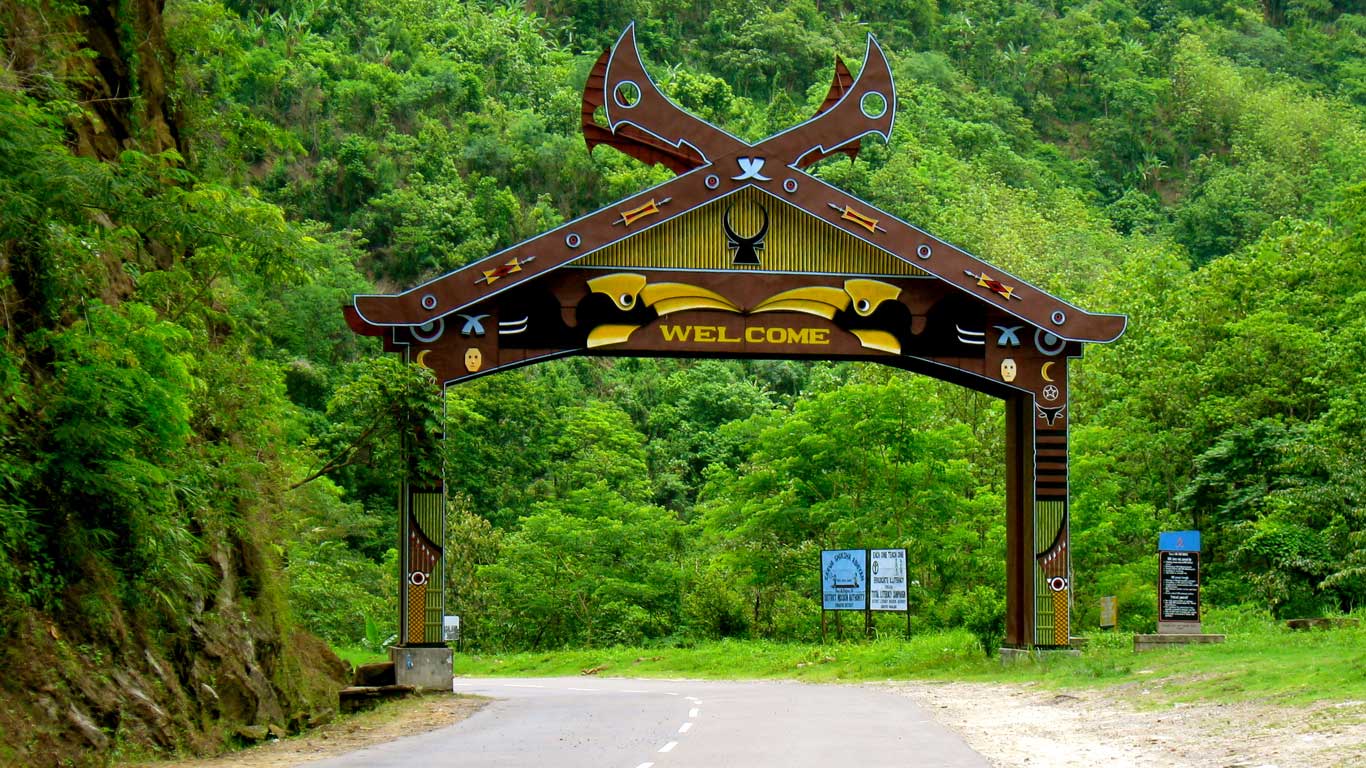
Nagaland
About Nagaland
Nagaland: Hornbill Culture and Highland Beauty
Nagaland is where a colorful tribal life meets panoramic highland views. It is a treasure house of colorful festivals, friendly people, and unspoiled nature. Be it culture, food, or adventure, this state greets you with a charm that feels raw, real, and refreshingly different.
Cultural and Historical Gems
Nagaland's culture is uniquely a fusion of ancient tribal customs and contemporary expressions. The state is a living museum with 16 major tribes, each presenting its own attire, music, and traditions. The Hornbill Festival, organized annually in December, is a colorful celebration of dances, crafts, and traditional games, rightly showcasing the pride of the tribes. The historical and globally significant World War II Cemetery in Kohima is another place where visitors are welcomed. Life in the villages like Khonoma and Mokokchung symbolizes sustainable living and war heroes. The art of oral storytelling, handicrafts combined with all-existing traditions makes Nagaland a cultural gem worth exploring.
Top Attractions
Hornbill Festival, Kisama: Celebrated every December at the Kisama Heritage Village, the Hornbill Festival gathers all the tribes of Nagaland for a weeklong celebration of traditional dances, wrestling, music, and mouth-watering food. The festival spreads the message of unity and immerses visitors in an unforgettable experience of tribal culture and customs against the breathtaking backdrop of lush green hills.
Dzükou Valley: The Dzükou Valley is heaven for trekkers located on the Nagaland-Manipur border. Ideally suited for nature lovers with luxuriant green meadows, rare flowers, and misty backdrop that offer breathtaking views, the valley appears to be the sweetest of hidden garden charms during the full-blown seasonal changes. The cool breeze through the serene trails constitutes peace in its beauties.

Kohima War Cemetery: This place of remembrance was built after World War II to honor the soldiers who fought and died in the Battle of Kohima in 1944. The cemetery is looked after by the Commonwealth War Graves Commission and serves as a quiet retreat for reflection. Beautifully landscaped gardens and moving epitaphs remind one of Nagaland's place in world history and human sacrifice.
Khonoma village: Khonoma, the first green village in Asia, it is remarkable for its eco-friendliness and rich warrior history. Being completely surrounded by thick forest, this village of India is a model for community-led conservation. The traditional homes, terraced fields, and guided village walks enhance the experience. Meet some local people to know their customs and to witness their tradition here, blended with sustainability.
Top Local Dishes to Try
Smoked Pork with Bamboo Shoot: Nagaland's unique signature dish consists of soft pieces of pork cooked in fermented bamboo shoot, which gives a tangy or sometimes a bit sour flavor and smokes nice aroma. It's loaded, very hearty, and usually eaten with rice. Each family adds a different twist to the traditional dish so that it also indicates their taste.
Axone (Fermented Soybean): Axone is a fermented soybean product from which many Naga dishes are prepared. It's smell is very strong and pungent that may sound like a surprise to the first-timers, but the locals are crazy about it. Be it meat or vegetables, axone mixed with anything makes it full of umami flavor. It's not food; it's comfort and part of culture within Naga homes.
Galho: A one-pot meal from Nagaland, Galho is made of rice, vegetables, and sometimes smoked meat. This dish is very light in weight yet quite substantial. Healthy, simple, and great for a cold day, it can derive all these from available seasonal greens and local herbs.
Anishi Curry: Anishi refers to the fermented yam leaves usually cooked along with pork or smoked meat. The earthy and rich flavor makes it very delicious to the people of the Ao tribe. This curry simply reveals the love for fermentation and traditional modes of preservation among the people of Nagaland.
The Best Restaurants & Hotels
The Heritage, Kohima: Located at Kisama Heritage Village, the hotel has historical cottages with modern comforts. The Hornbill Festival stays with this place as very much the center of cultural events. The surroundings and tribal ambiance give the guests a very Naga experience.
Dream Café, Kohima: A small café situated right at the center of Kohima, Dream Café is the perfect place for lazy and comfortable food. It has everything in terms of sandwiches and Naga-style snacks. It is a perfect place to unwind after visiting places. Friendly staff, good coffee, and a cozy atmosphere make it a local favorite.
Hotel Vivor, Kohima: An upscale hotel yet again combining modern luxury with the charm of Naga. Spacious rooms, warm service, and scenic views of the hills make the choice among families and business travelers. The in-house restaurant serves continental and regional dishes.
Ethnic Table, Dimapur: Taste the real tribal recipes with Ethnic Table. The environment and fresh ingredients provide great memories with every single serving. For a complete Naga ate-out experience in an upscale setting, this is perfect for exploring Naga cuisine.
Ultimate Shopping Destinations
Naga Emporium, Kohima: Kohima, in the heart of the state of Nagaland, has a great shopping center for traditional shawls, handwoven textiles, bamboo products, and bead jewelry. The articles are authentic and generally made by local artisans. This is just the right place for those who find value in their souvenir collection.
Dimapur Hong Kong Market: Located at Dimapur, this market is indeed very fantastic for all trendy clothes and accessories, and gadgets and electronics at very cheap prices. Not really traditionalistic; however, it draws locals as well as tourists alike. For you a good bargainer, there are still heavenly offers on imported goods here.
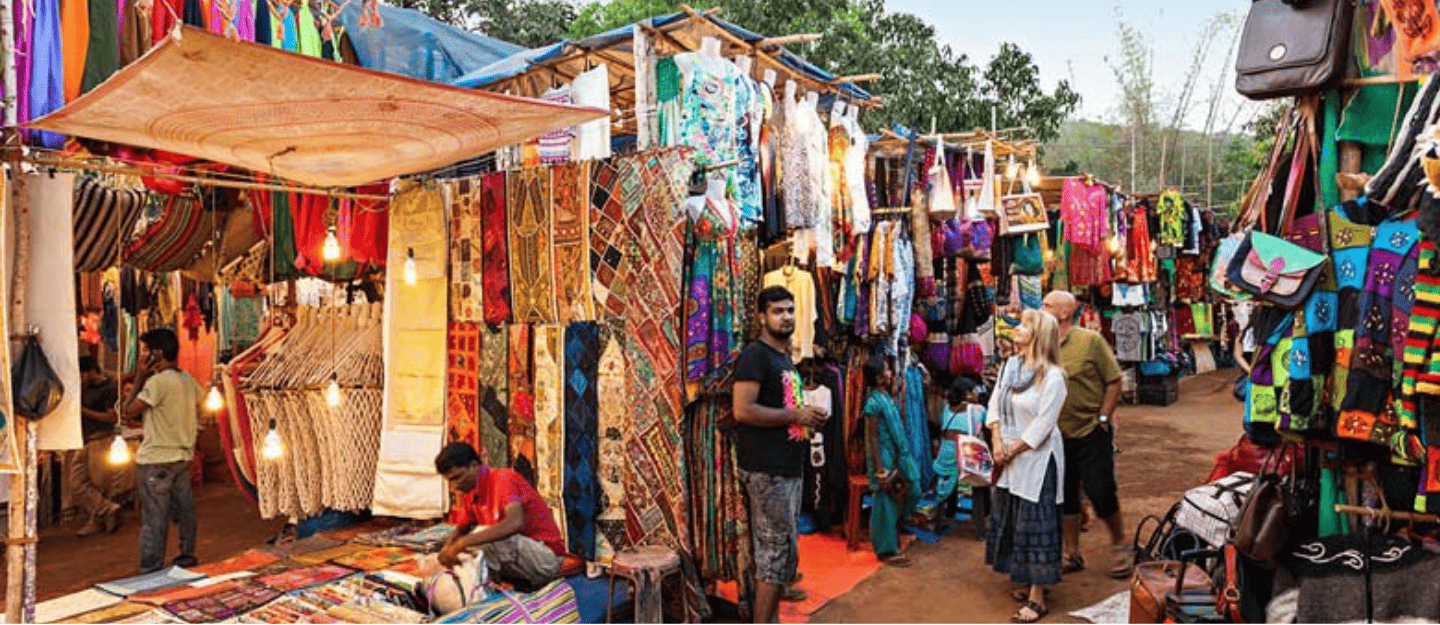
Ruzaphema Market, Kohima: Ruzhaphe is colorful roadside market well known for traditional Nagas attire, handmade crafts, and woven baskets. The stalls are full of Naga life and speak different tribal heritage. This is the right place for those who are hunting for unique, handcrafted stuff from the local communities.
Craft Centre, Diezephe Village: This village-based center in Diezephe, near Dimapur, features bamboo works and woodcrafts. Tourists can see artisans doing their business, take pieces home, and help the livelihood support of the locality while getting genuinely handcrafted pieces.
What Not to Do
Don’t Disrespect Religious Sites or Customs: However, they should not be disrespecting places of worship and customs. Cover your head when entering gurdwaras like Harmandhir. Remove your shoes and wear modest clothes. Don't use feet to point at sacred objects like the Guru Granth Sahib, clicking selfies in prayer halls, or violating the queue for entry. Respect and silence need this venue.
Don't Refuse Langar (Community Meal) Rudely: The meal offered at the gurdwaras is not just a meal; it's much more about the heritage of oneness and service. If you're not feeling hungry, politely decline, but never have a word with the food or waste it. Volunteers make great efforts in preparing it, so it is deemed too disrespectful to take it lightly.
Don't Enter Rural Areas Without Permission: Punjab's villages are inviting but tight-knit. You almost invade their privacy when you step into people's lands or homes without an invitation and take photographs. Ask permission, greet locals properly, and don't act as if you own the place. Humility can bring you to receive many big smiles and maybe even a glass of fresh lassi.
Don't Ignore Repeated Traffic Laws With Local Driving Norms: Roads in Punjab get really strange, especially in cities like Ludhiana or Amritsar. Honking is pretty normal but try not to drive outrageously while ignoring local signals. Unless you're confident enough to drive in unpredictable traffic, avoid renting cars-hiring a local driver is usually smarter and the safest choice.
Don't Mimic Accents or Stereotypes: Punjabis are very proud, warm, and expressive. Avoid impersonating the accent and don't joke about their loudness or Balle Balle culture. These things begin to appear harmless but can hurt. Sincerely communicate with them, and then you will find their sense of humor, hospitality, and heart far richer than any cliche.
Do Not Travel Without Cash to Small Towns: While cities are mostly used to cash or cardless payments, small towns and villages seem to be very cash-preferred. Hence, ATMs could be scarce in rural areas, raising the chances of a mobile signal dropping as well. Carry enough cash in small denominations just to make local purchases use transport and buy snacks, avoiding unnecessary stress.
The Best Time to Visit
Winter (November to February): With the December Hornbill Festival attracting large numbers of tourists, winter is the most popular time to visit Nagaland. With cool and dry weather, this is the perfect time to explore the villages, participate in various cultural events, and trek. Clear skies along with a festive vibe make it an attractive time for first-time visitors.
Spring (March-April): Temperatures are now pleasant and flowers bloom all over the hills. Modes of exploration within nature trails and rural life will now be quiet, without the crowding of festival visitors. The valleys are abundant, and farms are just beckoning. This is a serene experience.
Monsoon (June-September): Monsoon is characterized in Nagaland with heavy rainfall. Although traveling might become difficult since the roads are wet, the forest and the views are green all over. The offbeat adventure seekers and photographers will find it a good time, but not really for trekking or hosting festivals.
Autumn (September-October): Autumn signifies the retreating monsoon, making way for clear skies and lush green fields. The cool, soothing air and lively surroundings are tempting for outdoor excursions. During this time, some smaller festivities light up the landscape, giving guests an early taste of tribal culture.
Thrilling Outdoor Activities
Dzukou Valley Trekking: The trekking in Dzukou valley is one of Nagaland's famous outdoor adventures. The trails starting from Viswema or Zakhama offer pleasant views, cool weather, and myriad flowers, including the rare Dzukou lily. It is a medium-difficulty trekking, intended for the enjoyment of travelers with rolling green hills and utter serenity.
Camping in Khonoma: Khonoma is an ancient Angami village famous for eco-camping within the forests and farmland of rice terraces. Here, you can camp under the bright stars, wake up to chirping birds, share meals cooked outdoors over an open fire, and experience guided nature walks and storytelling.
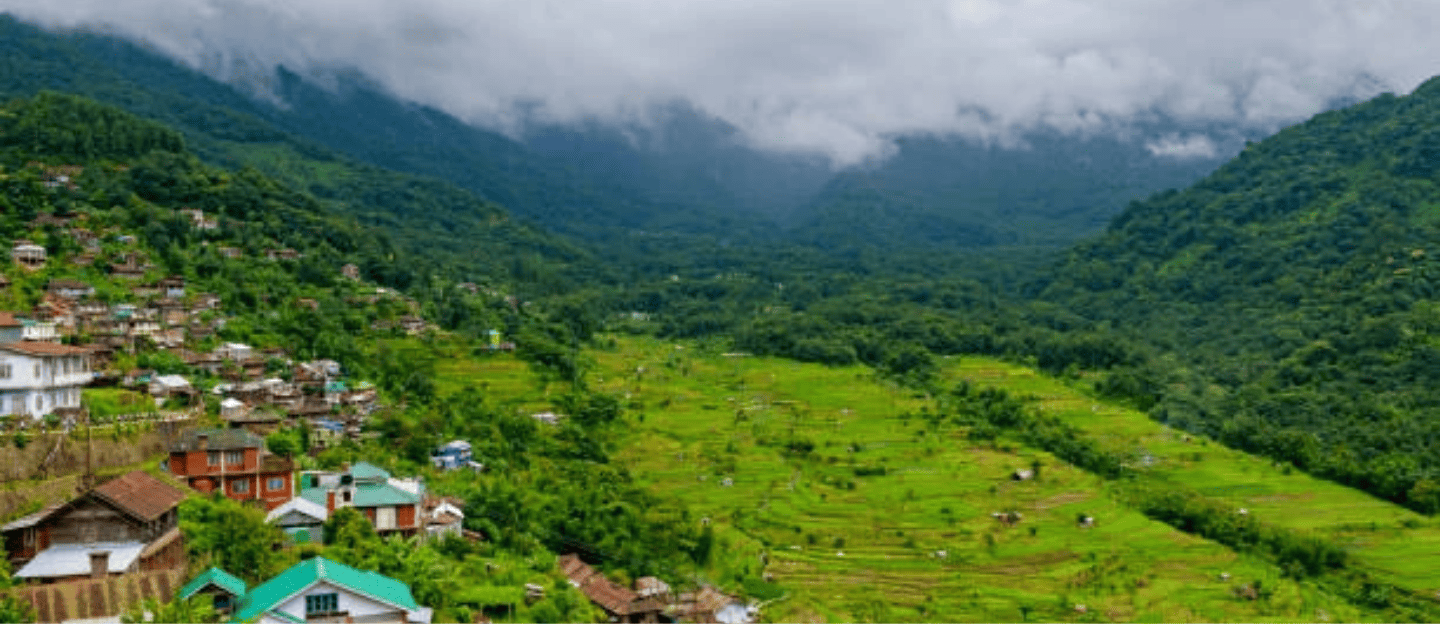
Mountain Biking in and Around Pfutsero: Pfutsero is Nagaland's highest town and a favourite among mountaineers. The hilly landscape, pine forests, and chill wind is an adrenaline-pumping adventure. A splendid way to discover the rural life and beauties while on two wheels.
Bird Watching in Fakim Wildlife Sanctuary: Perched in the Kiphire district, the sanctuary stands as a haven for birdwatchers and nature lovers alike. Besides, the sanctuary has rare species, such as Blyth's tragopan, with the forests thick and the trails hidden enough for a peaceful yet stimulating exploration.
Conclusion
Nagaland is not just a trip; it is an emotional experience filled with culture, nature, and traditions. With great charm, the loud Hornbill Festival and the calmness of the Dzukou Valley seem to infuse every second spent here with life and everlasting memories. Nagaland gives you memories of smoky pork, crisp cool air on misty trails, and conversations with village folks. The unique blend of tribal warmth, breathtaking scenery, and adventure is fun and great for inquisitive travelers. So if you are looking for the bare, the untainted, and something refreshingly different, Nagaland is it. Come with an empty heart, and you will go home with stories worth telling for a lifetime.
About Us
Trip planning could seem to be cumbersome but TravellingLark makes it easy by linking travelers with professional travel agencies that provide customized travel proposals. Instead of spending hours searching for the most appropriate vacation package, travelers can post their trip details and receive several personalized offers.
TravellingLark is not only a destination for travelers but the most powerful network for travel agencies, hotels, and travel vendors. Travel agencies can sign up for free listing of their offerings and display packages for holiday tours, hotels, and travel experiences. Travel is a business but no commission hefty charged like other platforms; we give businesses free travel leads to achieving their patronage.
Whether you are a travel agency searching for clients, a hotel requiring more bookings, or a travel vendor offering services, TravellingLark has just opened direct access to tourists searching for these offerings.
Hassle-Free Trip Planning: Every traveler gets a tailor-made travel offer, with other requirements left to him/her.
Join for Everyone: Signing up is completely free for all users and businesses. While basic access stays free, vendors now have the option to purchase premium leads to connect with more potential customers and grow their sales.
Join TravellingLark now and make a smarter future in planning, booking, and growing in the travel industry!
Hassle-Free Trip Planning: Every traveler gets a tailor-made travel offer, with other requirements left to him/her.
Join for Everyone: Signing up is completely free for all users and businesses. While basic access stays free, vendors now have the option to purchase premium leads to connect with more potential customers and grow their sales.
Planning a trip to Nagaland?
Post your upcoming travel details and get personalized quotations from multiple verified travel agencies.
Fast response • Custom offers • Verified agents
Current Weather
Live Forecast
Planning a trip to Nagaland?
Post your upcoming travel details and get personalized quotations from multiple verified travel agencies.
Fast response • Custom offers • Verified agents
Bigger Group? Get Special Offers Up to 50% Off!
Planning a trip for friends, family, or corporate teams to Nagaland? We create unforgettable customised adventures with exclusive group pricing!
Current Weather
Live Forecast
Why travelers choose
TravellingLark?
Thoughtfully planned journeys, crafted for unforgettable experiences.
Built Around You
Personalized trips based on your style, interests and budget.
Handpicked Trips
Curated itineraries designed with love and local expertise.
Transparent Pricing
Clear package pricing with no hidden charges or surprises.
Personalized Planning
Every trip is tailored to your interests, pace and preferences.
Best Value Always
Get the best experiences at the best value for your money.
Global Destinations
Explore handpicked destinations across India and the world.
24/7 Trip Assistance
We're with you before, during and after your journey.
Built Around You
Personalized trips based on your style, interests and budget.
Handpicked Trips
Curated itineraries designed with love and local expertise.
Transparent Pricing
Clear package pricing with no hidden charges or surprises.
24/7 Trip Assistance
We're with you before, during and after your journey.
Personalized Planning
Every trip is tailored to your interests, pace and preferences.
Best Value Always
Get the best experiences at the best value for your money.
Global Destinations
Explore handpicked destinations across India and the world.
Hassle-Free Journey
Enjoy a smooth travel planning experience from start to finish.
Traveler Reviews for NagalandReviews for Nagaland
Verified ratings and genuine travel experiences from our community
No Reviews Yet
Have you explored Nagaland? Share your experience to help fellow travelers plan their trip!