Jim Corbett National Park
About Jim Corbett National Park
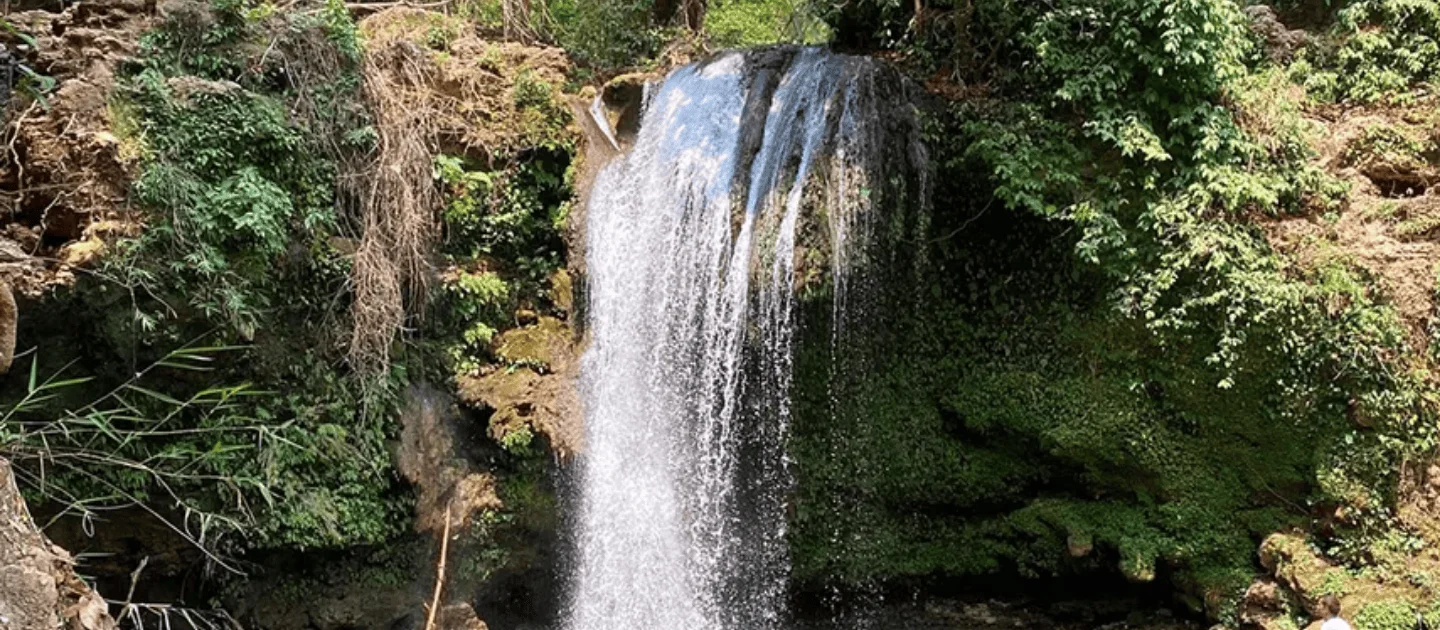
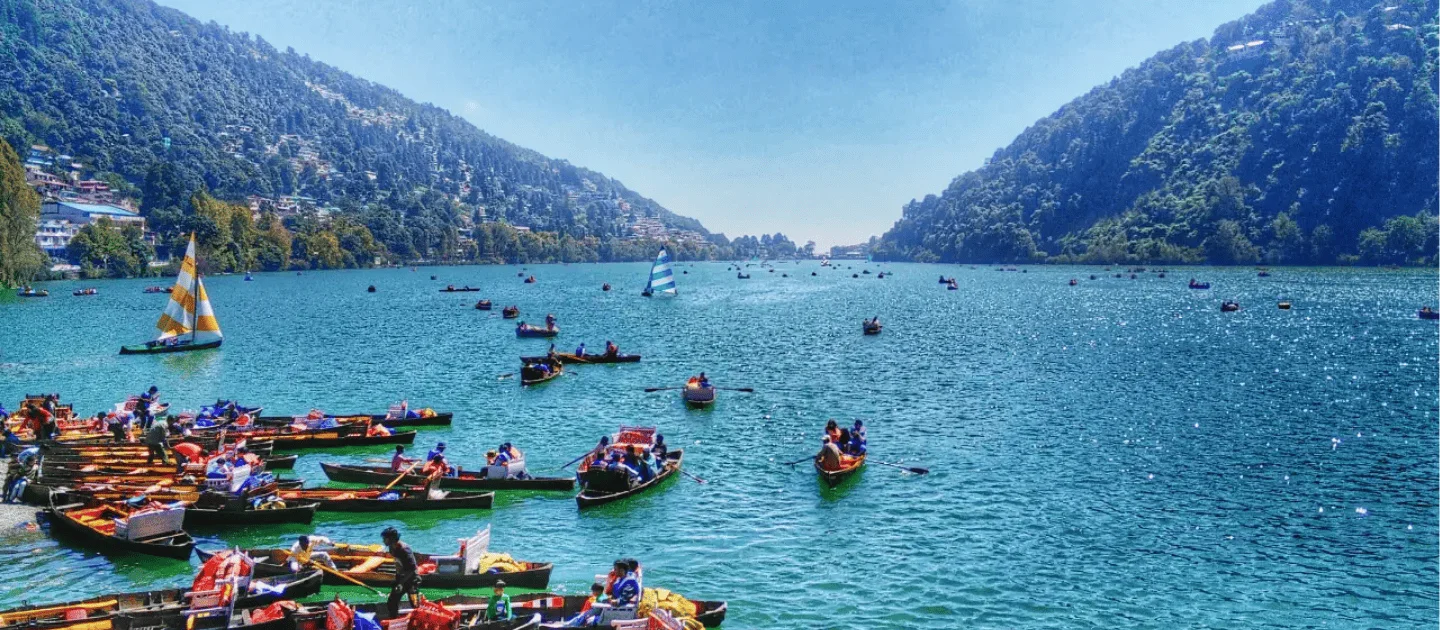
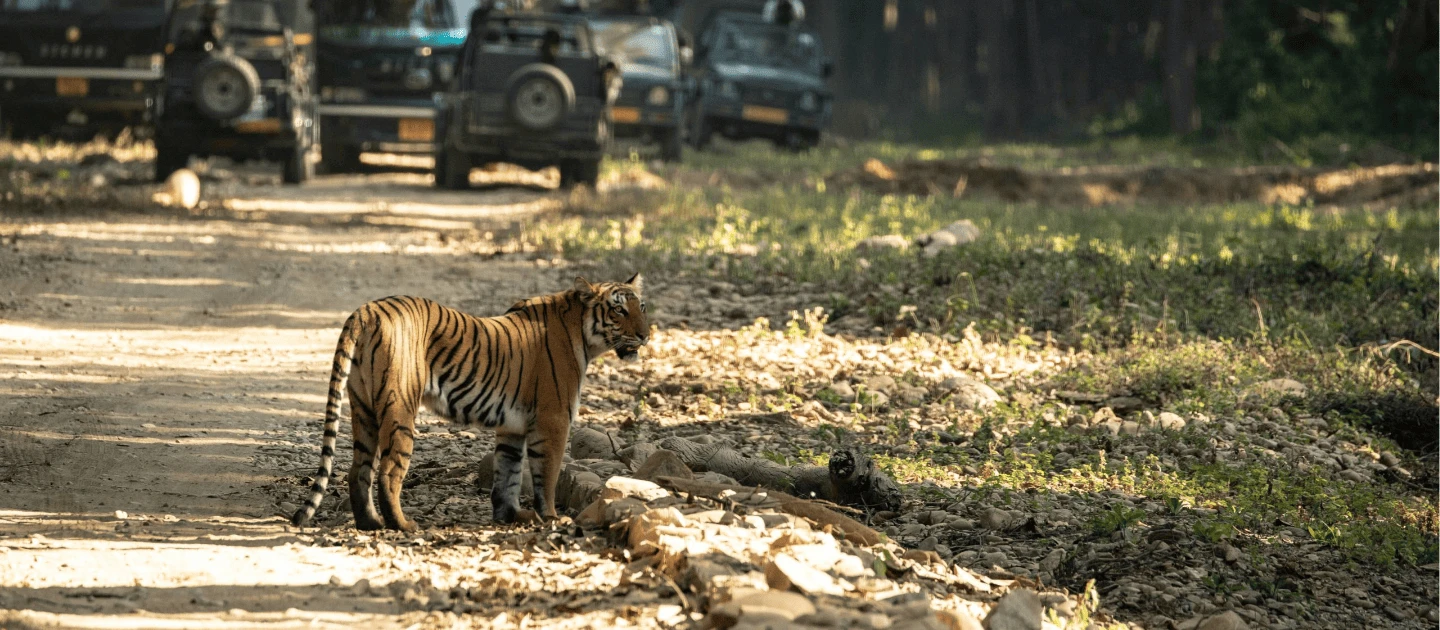
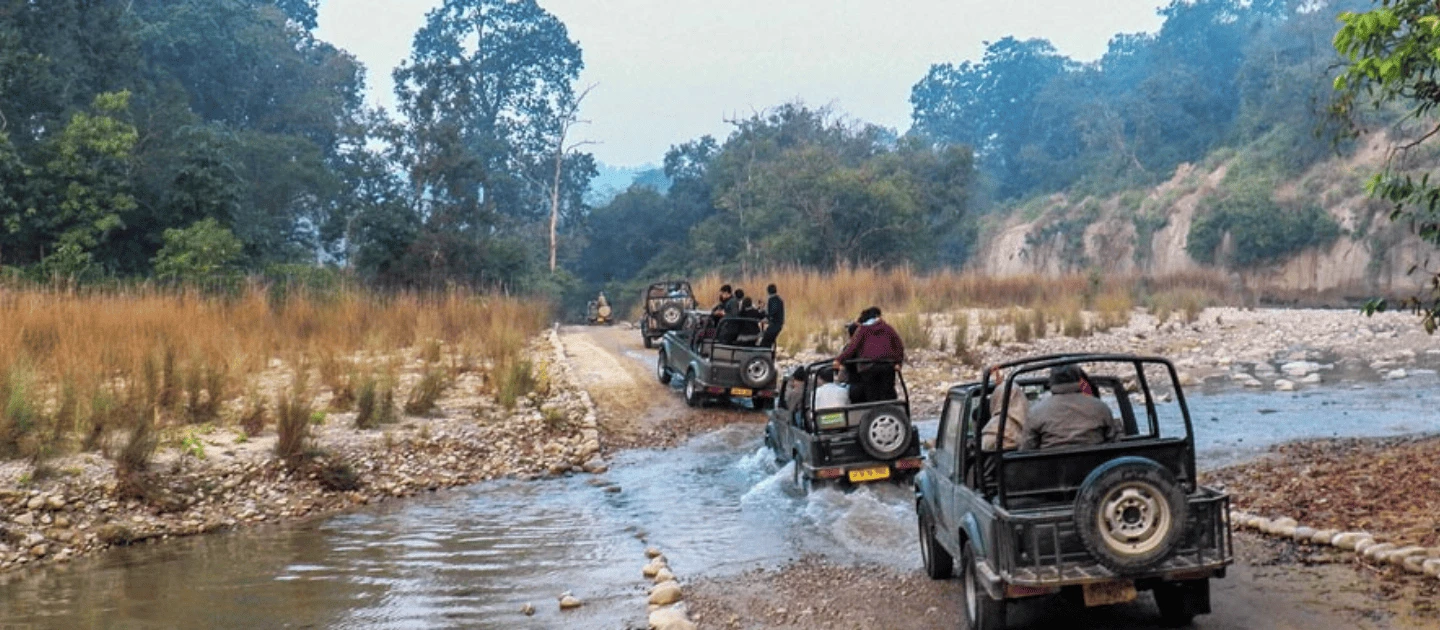
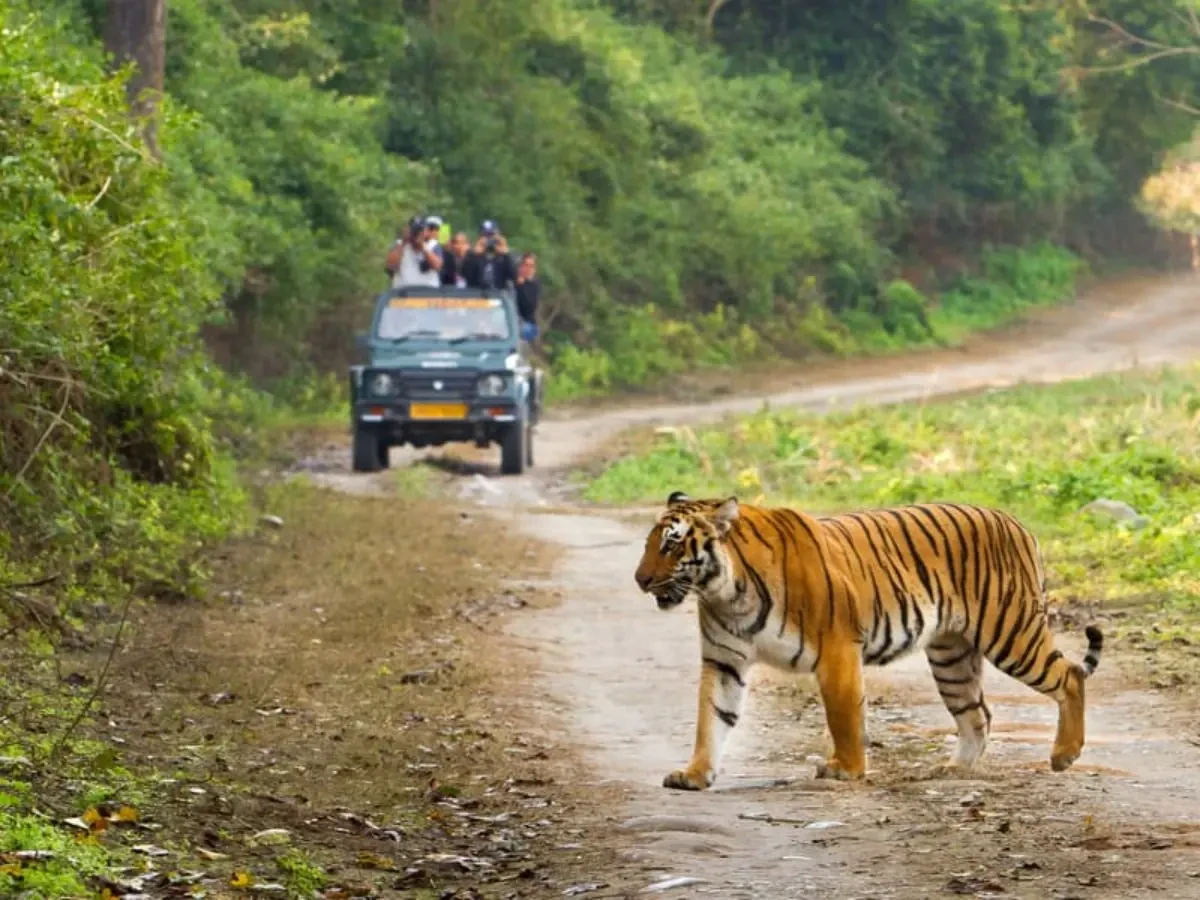
Jim Corbett: Jungle Safari and Wild Nature It’s kind of calming, you know , stepping into a forest before sunrise. The air feels colder than you expect. The roads go quiet, like someone turned the volume down. Even the birds sounds get sharper , almost too clear. That is the feeling many travelers take back from Jim Corbett. And it’s not only a wildlife destination. It feels slower , like life in the city was left behind. Also a bit more raw than what most people are used to. This national park in Uttarakhand pulls in folks who want a break from noise, and the same routine again and again. Families come for a peaceful holiday. Couples show up for long drives and those riverside evenings. Solo travelers arrive with cameras and backpacks , ready for quiet hours. Some people come just for the thrill of seeing a tiger. Others prefer to sit close to the forest and honestly, do nothing , for a whole day. A trip to Jim Corbett doesn’t always work out the way you imagined. Sometimes you spot deer every ten minutes but there’s no tiger. Sometimes rain shifts your safari plans and you end up waiting longer. Still, people keep coming back. That says plenty, even without big speeches. Plan your next adventure easily with Travellinglark Post Travel — your smart travel companion! Many wildlife parks in India feel kinda crowded during tourist season. This place though, keeps a softer mood, almost like it doesn’t try too hard. The roads around the forest run past villages, river bits, old trees and small tea stalls. It never really feels too polished, somehow. One thing that really stands out in Jim Corbett is the variety in the landscapes. You’ll go from thick jungle to open grasslands in a short while. Then, all of a sudden there is a river that’s flowing right beside the road. During winter mornings, mist hangs over the forest for hours, and it looks kind of unreal for a moment too. The forest area is big. That fact helps the whole experience stay natural, instead of forced. In many safari parks you can see jeeps lined up one behind another, like a chain. Here there are still stretches where all you hear is wind moving through the trees. The quiet, it turns into part of the memory. People often talk about tiger sightings, sure. But the smaller moments seem to linger. Like watching elephants cross a muddy track. Or seeing spotted deer stop and freeze after a sound, even a minor one. And then listening to monkeys shouting warnings from the branches. Little by little, these things build up the mood of the trip. The park has these different safari zones. Honestly each one feels kind of unique. Some spots are thicker, like more forest cover, and you get this shaded calm. Other places open out, you can see farther, and it feels like your chances for animal sightings are a bit better. Dhikala is the one people talk about the most. It’s the Dhikala zone Jim Corbett visitors mention so often, with huge grasslands and long stretches of deep forest. Sleeping inside this area overnight feels different, mornings start with animal calls not traffic or anything like that. It’s a strange kind of special. Bijrani is another favorite zone. It is easier to reach and it works well if you only want a short trip. The forest here feels dense and alive, like it’s always doing something. If you’re into photography, that early light in this area looks really beautiful, very soft but still bright. Jhirna stays open through most months of the year. You might spot wild boars deer and elephants there. Birdwatchers also like it a lot because many species show up around the water patches, it’s not just one type either, it can feel kind of busy in a quiet way. Garjia Temple is another stop people usually add in. The temple sits near the Kosi River. In the evenings the whole place becomes lively, families hang around near the riverbank, and nearby local shops sell snacks and tea. You end up feeling like you’re part of the routine not only the wildlife trip. Corbett Falls is simple but it’s peaceful. It isn’t one of those dramatic, loud waterfalls, still the sound of water mixed with that forest air makes it relaxing. Sometimes the quiet corners turn out to be the most memorable ones. And if you do a short drive around the villages near the park, that can feel rewarding too. Local homes, small farms, and roadside fruit sellers give this more real look at Uttarakhand wildlife tourism, beyond those neat safari photos people post. A Corbett jungle safari usually kicks off super early , like before sunrise. You get up , grab a quick tea, and then you step out while it is still properly dark outside. During winter months the cold air hits hard, like really hard. Still, as soon as the jeep enters the forest, nobody really complains, not even for a minute. The guides know the forest in a deep, practical way. They spot things most people simply overlook broken branches, alarm calls, fresh paw marks, and even faint movement inside the bushes. Travelers often miss those small signals. A good guide, kind of changes the whole thing, you feel it. The tiger safari that Jim Corbett travelers dream about depends on timing and luck, a lot. Some people see a tiger in the first hour. Other folks go through three full days and still don’t spot one. That uncertainty is what keeps the safari exciting, it keeps your mind switched on. In Jim Corbett, elephant sightings show up more in certain seasons. The herds sometimes cross the path slowly, and the jeeps just wait back at a distance. Watching them quietly , no noise, no rushing, feels almost stronger than any zoo visit. Birdwatchers also get pulled in here. Eagles, kingfishers, owls, hornbills, and lots of migratory birds appear especially during winter. Even the people who normally ignore birds start catching colors and sounds after a while, it just happens. Try not to spend the whole safari only chasing tigers. The forest has more to offer. Dry leaves shifting under sunlight. River reflections that look unreal. Sudden monkey calls from tall branches. Those little scenes, they make everything feel alive, even when you think you’re just waiting. The area near the park has a lot of stay options, honestly. You might go for basic guesthouses, riverside cottages , forest lodges, or even the luxury kind of properties. Costs seem to swing a fair bit depending on the season , too. A Corbett wildlife resort close to the river can feel really calm during winter mornings. A lot of these places also set up bonfires, folk music nights , and dinners with local food. Some of them are quite modern in a clean way. Others keep more of a rustic forest vibe, like you can still smell the trees after evening. If you’re traveling with family, it helps to book somewhere near the safari gate. Those long early drives can get tiring, especially for kids. Couples usually like resorts that are a little away from the busy market roads, just for the quieter mood. Even budget travelers can still pull off a good trip without going overboard on spending. Smaller homestays and local guesthouses often give neat rooms and simple meals. At times the owners also share safari booking advice, like they’ve done it before for many visitors. One small detail people often forget is the sound at night. Crickets get louder, and then dogs bark from distant village pockets. In colder months the wind moving through the trees can sound almost like rain. It feels very different from sleeping in a city hotel, that’s for sure. The park kind of changes mood with every season, like it cant decide. Winter is still the most comfortable period for a lot of travelers. The weather stays cool and safaris feel pretty nice during those early morning hours, when everything seems calmer. From November to February, the forest ends up looking fresh and green again after the monsoon season. Birds become easier to catch with your eyes during this stretch, and the misty mornings also make photography look way better, like the light is softer or something. Summer months from March to June are warmer but they are useful for animal sightings. Water sources start getting limited, so animals naturally gather near rivers and ponds. If your main goal is wildlife spotting, summer can work surprisingly well even if its hotter than you expect. The monsoon season feels beautiful, but certain safari zones close because the roads become unsafe. Heavy rain can mess up travel plans too. Still, the forest looks rich and dramatic during this period, so it has a real kind of show to it. People often ask about the best time to visit Jim Corbett National Park for first time visitors, and usually winter is the safest answer. The weather stays fairly balanced, and travel feels easier, overall. By Road: Most people go from Delhi, Noida, and the surrounding places by car. It feels a lot simpler once you get past the crowded parts of the city. The whole drive normally takes about six to seven hours from Delhi, it depends on the traffic and the weather a bit, you know. By Train: The nearest railway stop for Jim Corbett National Park is Ramnagar railway station. Direct trains from Delhi run on certain days. Once you reach the station, taxis and local cabs are easily found for resorts and for safari zones too. By Air: The closest airport is Pantnagar Airport in Uttarakhand. From there, Ramnagar is roughly two to three hours by road. Some travelers also land in Delhi, then they continue the remaining journey by train or by road, whichever fits them best. Day One Reach Ramnagar by afternoon, and check in for your stay. Spend the evening around the river-side, or maybe the local market area . Try to keep things light, because the next morning starts early anyway. Try local food at a small restaurant, don’t rush into activities right away. A slower evening fits this place really well, it just feels calmer and a bit more grounded. Day Two Take the morning safari, usually that’s the best highlight of the trip. Come back for breakfast and then rest for a while. In the afternoon, go to Garjia Temple or Corbett Falls. Sit close to the river during sunset, the air gets cooler and somehow quieter after evening. If your resort sets up cultural activities, hang around for it. Those simple bonfires can feel oddly comforting, especially after a long day on safari. Day Three If you still have time, take one more safari. Different zones, different vibe, so a second route often ends up being worth it . After breakfast, start your return journey slowly. Most people leave feeling worn out but also mentally lighter, like the trip shifted something inside. Food around the park kinda stays simple, and comforting in a quiet way. You can spot North Indian meals easily in a lot of restaurants and resorts. Fresh rotis, dal rice, vegetables and grilled snacks are pretty common too, no big drama. Tea really sets the travel mood here. In the early morning, tea before a safari feels almost necessary, like you can’t skip it. After cold jungle drives even those roadside tea stalls start to feel… memorable, somehow. The local people are mostly warm and helpful. A lot of families nearby rely on tourism for income. So drivers, guides, shopkeepers, and hotel staff often trade small stories about the forest, very casual, very natural. Try not to expect luxury everywhere. Some roads stay rough, even when you think you’ve handled the route. Mobile signals get weak in a few areas. But honestly, that pause from constant phone use feels good, like a reset. Evenings by the river are calm, you know, peaceful. Travelers sit quietly, children run and play in open spaces, and the sound of flowing water gradually takes over the background noise. Carry light woollens even in those mild winter months, because the morning safaris feel a little colder than what you expect. Try to book your safari permits as early as you can, particularly on long weekends and holiday stretches. A lot of folks end up searching online on how to book Jim Corbett jungle safari once they’ve already reached town, but the permits can get exhausted sooner than people think. Wear comfortable outfits in neutral shades. Those brighter colors can end up startling animals during the safari rides, so better stick to subdued tones. Keep your expectations realistic, because wildlife sightings are never something you can count on every single day. The whole outing improves a lot when you take time to enjoy the forest itself not only the animals. In Jim Corbett, the mornings start very early, and nights go quiet pretty fast. If possible, adjust your sleep routine a few days before the trip. Carry some cash for smaller stalls and shops, since digital payment networks sometimes fail around more remote pockets. Also, avoid playing loud music inside the safari vehicles, or near forest edges. Quietness helps you notice more of nature’s own sounds, way better than you might expect. For daily activities, a small backpack with water, sunglasses, basic medicines, and a light jacket usually does the trick. A trip to Jim Corbett isn’t just about ticking a wildlife spot off a list. It feels more like taking a breath, slowing down for a few days, kind of without you really noticing. The forest sort of changes your pace, not by pushing you, but by letting everything settle in place. You wake up earlier, you talk a little softer. You start catching small sounds more carefully. Between the river roads, those dusty safari tracks and that bit of cold morning air, the usual stress from everyday life starts fading quietly , like it never had a claim to you in the first place. Some people come back with tiger photos. Others return with memories of misty woods and quiet evenings. And honestly, both kinds of returns feel worthwhile in their own way. If you like nature, calm journeys, and places that still seem slightly unrestrained this part of Uttarakhand will leave a solid impression. It’s not loud. Not dramatic. Just plain real, and deeply peaceful. Trip planning could seem to be cumbersome but TravellingLark makes it easy by linking travelers with professional travel agencies that provide customized travel proposals. Instead of spending hours searching for the most appropriate vacation package, travelers can post their trip details and receive several personalized offers. TravellingLark is not only a destination for travelers but the most powerful network for travel agencies, hotels, and travel vendors. Travel agencies can sign up for free listing of their offerings and display packages for holiday tours, hotels, and travel experiences. Travel is a business but no commission hefty charged like other platforms; we give businesses free travel leads to achieving their patronage. Whether you are a travel agency searching for clients, a hotel requiring more bookings, or a travel vendor offering services, TravellingLark has just opened direct access to tourists searching for these offerings. Hassle-Free Trip Planning: Every traveler gets a tailor-made travel offer, with other requirements left to him/her. Join for Everyone: Signing up is completely free for all users and businesses. While basic access stays free, vendors now have the option to purchase premium leads to connect with more potential customers and grow their sales. Join TravellingLark now and make a smarter future in planning, booking, and growing in the travel industry!Why Jim Corbett Feels Different
Places to Visit in Jim Corbett
Best Safari Experience in Jim Corbett
Staying Around Jim Corbett
Best Time to Visit Jim Corbett National Park
How to Reach
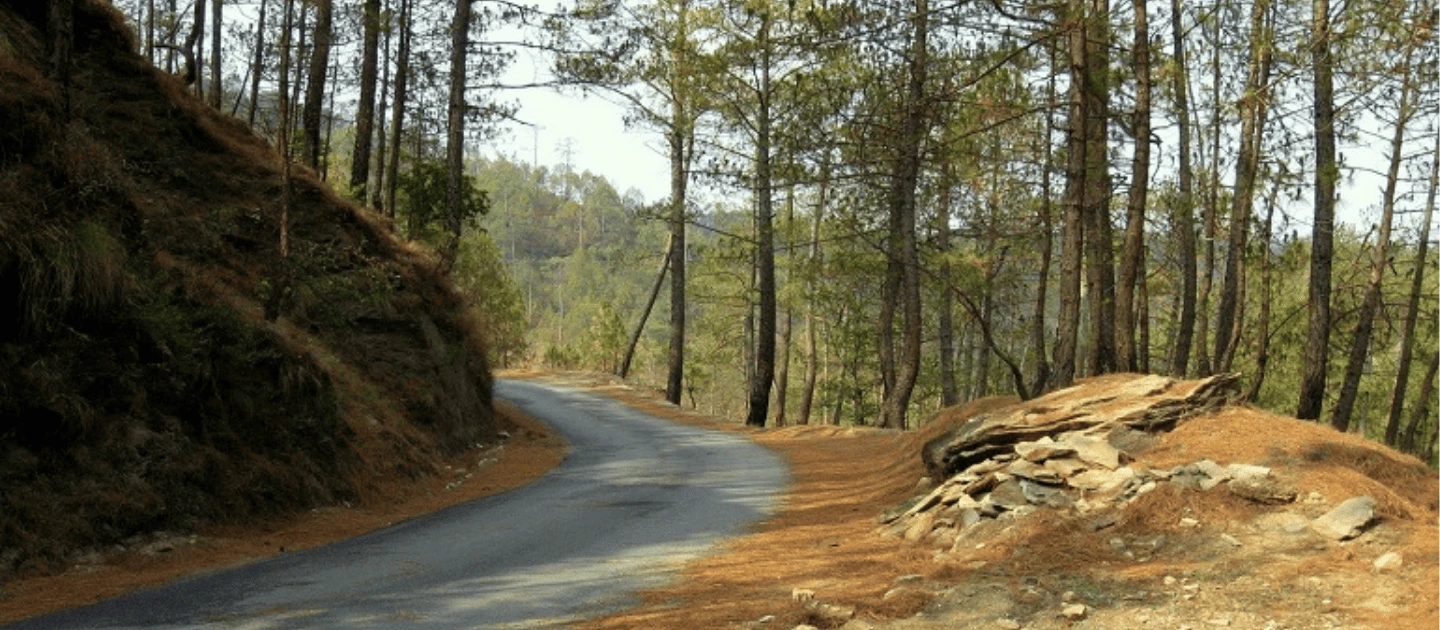
A Simple Jim Corbett Trip Plan
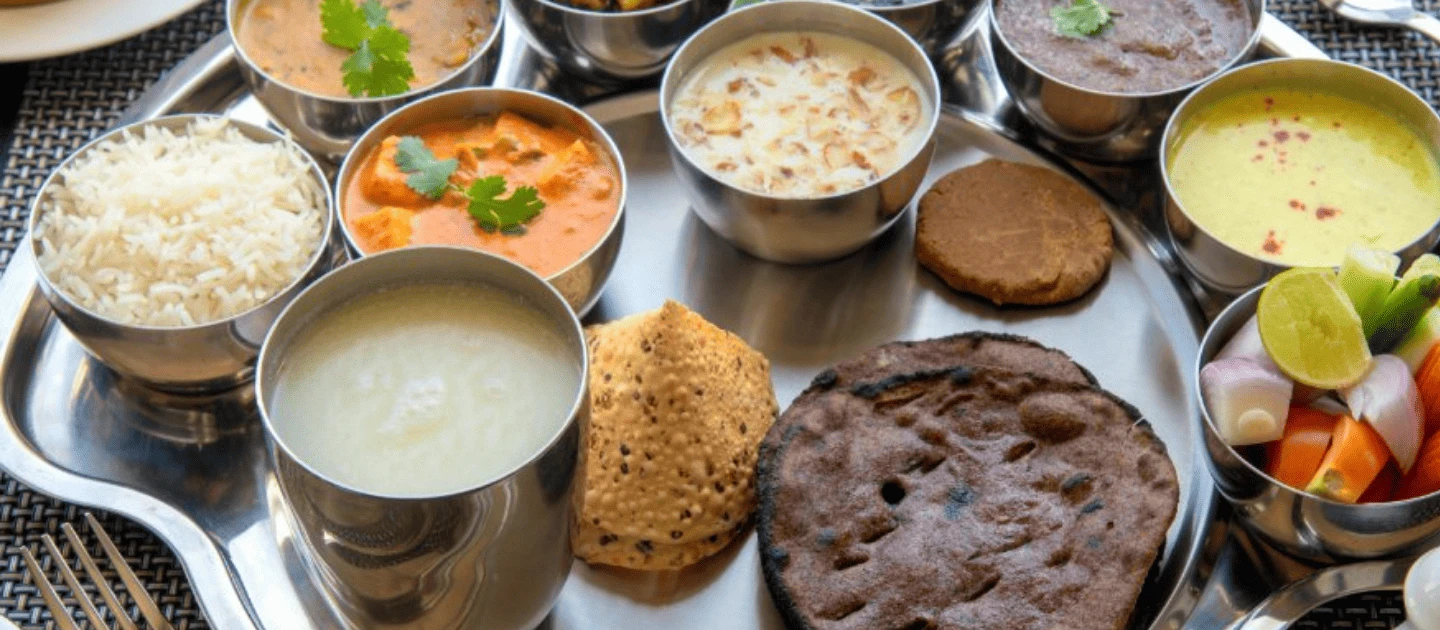
Food and Local Feel Around Jim Corbett
Travel Tips for Jim Corbett
Final Thoughts
About Us
Planning a trip to Jim Corbett National Park?
Post your upcoming travel details and get personalized quotations from multiple verified travel agencies.
Fast response • Custom offers • Verified agents
Current Weather
Live Forecast
Explore Packages in Jim Corbett National Park

Planning a trip to Jim Corbett National Park?
Post your upcoming travel details and get personalized quotations from multiple verified travel agencies.
Fast response • Custom offers • Verified agents
Bigger Group? Get Special Offers Up to 50% Off!
Planning a trip for friends, family, or corporate teams to Jim Corbett National Park? We create unforgettable customised adventures with exclusive group pricing!
Current Weather
Live Forecast
Why travelers choose
TravellingLark?
Thoughtfully planned journeys, crafted for unforgettable experiences.
Built Around You
Personalized trips based on your style, interests and budget.
Handpicked Trips
Curated itineraries designed with love and local expertise.
Transparent Pricing
Clear package pricing with no hidden charges or surprises.
Personalized Planning
Every trip is tailored to your interests, pace and preferences.
Best Value Always
Get the best experiences at the best value for your money.
Global Destinations
Explore handpicked destinations across India and the world.
24/7 Trip Assistance
We're with you before, during and after your journey.
Built Around You
Personalized trips based on your style, interests and budget.
Handpicked Trips
Curated itineraries designed with love and local expertise.
Transparent Pricing
Clear package pricing with no hidden charges or surprises.
24/7 Trip Assistance
We're with you before, during and after your journey.
Personalized Planning
Every trip is tailored to your interests, pace and preferences.
Best Value Always
Get the best experiences at the best value for your money.
Global Destinations
Explore handpicked destinations across India and the world.
Hassle-Free Journey
Enjoy a smooth travel planning experience from start to finish.
Traveler Reviews for Jim Corbett National ParkReviews for Jim Corbett National Park
Verified ratings and genuine travel experiences from our community
No Reviews Yet
Have you explored Jim Corbett National Park? Share your experience to help fellow travelers plan their trip!
Frequently Asked Questions about Jim Corbett National Park
Morning safaris usually give better chances to see wildlife. Animals are more active early in the day. Winters and early summer feel great for safari. The forest looks fresh and open then. Tiger sightings also feel slightly more likely.
You can book safari online through the official forest website or trusted tour operators. Booking early is smart because seats fill quickly in popular zones. Carry ID proof during safari. Entry without permit is not allowed.
Dhikala zone is the most famous. It offers wide grasslands and river views. Bijrani and Jhirna zones are also good for wildlife sightings. Each zone has its own forest feel. Many visitors try different zones for variety.
Tiger sightings are possible but never guaranteed. The park is a natural forest, not a zoo. Sometimes visitors spot deer, elephants, birds, and crocodiles more often. Still many people do get lucky and see a tiger.
Two to three days feel comfortable for most visitors. This allows you to enjoy two or three safaris. You also get time to relax near the river and explore nearby villages. Rushing in one day feels a bit hectic.
Recently Asked Questions about Jim Corbett National Park
Yes, booking earlier is recommended now. Many zones allow limited vehicles each day. During weekends and holidays seats fill quickly. Booking online saves time and avoids last minute stress at the entry gate.
Private cars are not allowed inside safari zones. Visitors must enter using registered safari jeeps or canter vehicles. These are operated by trained drivers and guides who know the forest routes well.
Yes, the Ramnagar area has many resorts and hotels. Options range from budget stays to luxury jungle resorts. Many properties are located near forest entry gates which makes safari travel easy.