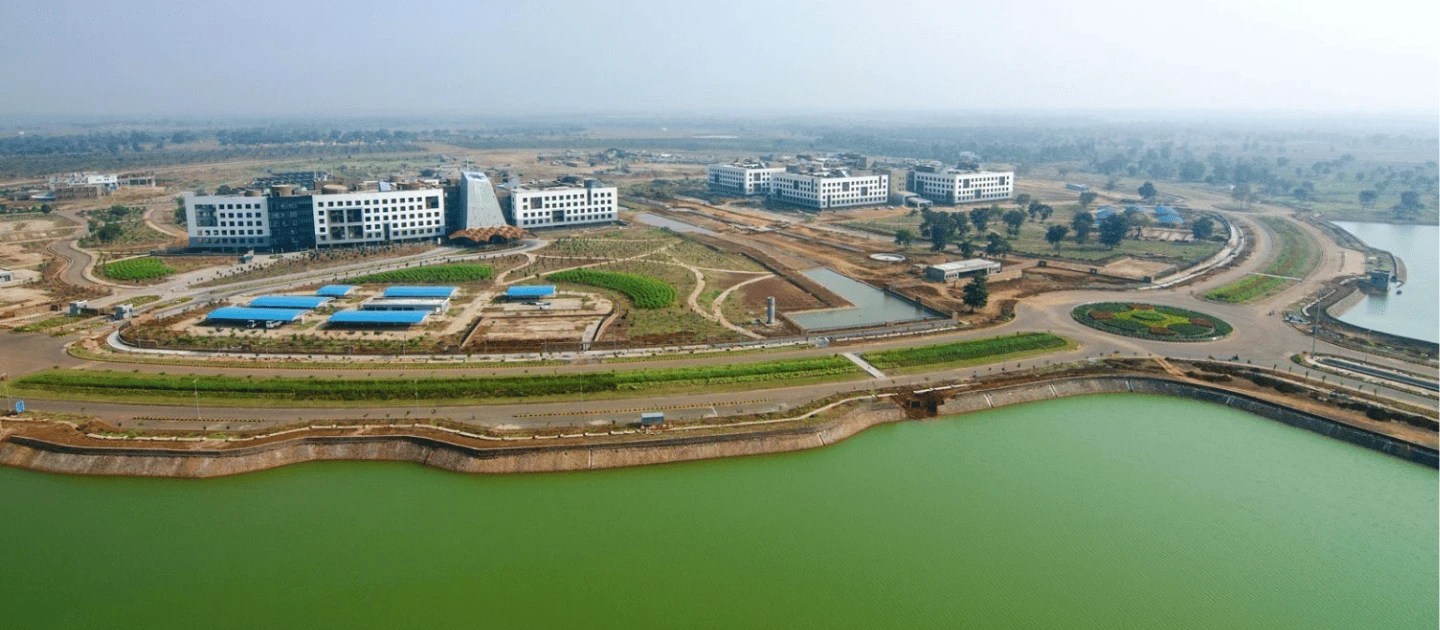
Raipur
About Raipur
Raipur: Tribal Roots and Urban Growth The road trip toward central India always feels a bit warm and dusty, you know, but at the same time it has this living mood. In the middle of Chhattisgarh there is a city that grows slowly but surely, like it cant decide between old habits and new habits, so it just mixes them. That place is Raipur, and it can surprise travelers who arrive with almost zero expectations, or only “quick stop” thoughts. When you first arrive in Raipur, the air feels different. It is not overly noisy the way big metro cities can be, but it is also not that village quiet, you get me? It sits in between, somehow. Raipur shows wide roads, small markets, and people who look like they are always doing something, yet somehow they remain composed in their own quiet way. The initial feel of Raipur is plain, but it sticks. What really makes Raipur stand out is how it keeps tradition and change right next to each other. You can see modern buildings coming up, and only a few streets away you run into old local bazaars that seem to have kept their rhythm for years. Raipur does not act like it is trying too hard to impress, still it leaves a mark on you, maybe not loudly, but clearly. A lot of visitors reach Raipur for work, or simply as a stopover, and at first you might think, okay, just another city. But slowly you start picking up its charm. It is not boisterous, it is more like steady. The warmth in how people talk, the simple meals you find, and the slower pace of the days make Raipur feel personal. You even begin spotting small stuff, morning chai counters, and those evening strolls that feel easy, like the city is not rushing you. In many ways, Raipur is still getting to know itself, still becoming. And that in itself is what makes it interesting. Plan your next adventure easily with Travellinglark Post Travel — your smart travel companion! Travelers often ask like, why they should spend time in Raipur. And the answer is, well not just one single thing. It’s more like a bundle of small experiences that seem very real, kind of grounded. Raipur is not really about high-end luxury tourism, or those famous global landmarks everyone chases. It’s about daily life that feels honest, maybe even a bit unpolished, in a good way. Raipur has local markets, and there you find handicrafts , metal work, and lots of traditional items from tribal communities. These places show cultural depth without shouting. You can walk slowly, chat with sellers, and you start to feel that simple tempo of trade. It’s not rush, more like steady movement, and for some people that alone becomes a reason to stay longer. Then there is the food, another big reason. The taste here is local, spicy, and comforting. Small restaurants serve dishes that feel, home-made in a simple honest way. No big show, no fancy tricks, just real food that actually fills you up, and it makes you smile a little, even when you didn’t expect it. People also visit Raipur because of its location. It connects many parts of central India, so travelers often pause here, before moving onward. But if you linger, you notice Raipur has its own personality. Like a quiet identity that doesn’t need to prove anything. And there is a calm side too. Parks, lakes , and open areas give visitors somewhere to rest. Even with development going on, Raipur still keeps some breathing room, like it remembers that not every moment has to be loud. So when people come here they don’t just see a city. They live through a lifestyle that feels slow, steady, and grounded, almost as if the place gently keeps you there for a moment longer. To understand Raipur, you really have to get the feel of its cultural roots, not only the “facts”. The area around Raipur has a long tribal past, and that influence is still kinda seen in everyday life. Like, art, dance, and crafts they carry stories from one generation to the next, without any big break. In Raipur, this tribal culture isn’t kept away in museums, it’s not hidden only behind glass. It shows up in clothing patterns , in handmade goods and also in those small local gatherings that just happen in neighborhood spaces. Even if nobody is calling it a “festival”, it still feels like culture moving. If you walk through Raipur you might spot artwork made from natural materials. Those pieces are not just decoration, they’re more like a sign of identity and memory. Communities here have lived for centuries, so the meaning stays close. The people of Raipur they’re proud of this connection. And even when the city keeps growing , they try to keep their cultural roots active. The festivals might be simple, but they are meaningful. Music and dance often bring communities together, like naturally. Another nice thing about Raipur is how smoothly this heritage sits next to modern life. You might see a new shopping complex near a spot where traditional crafts are still made by hand. There’s no real fighting , no “either or”. Everything just exists side by side, in a calm way. For travelers, that creates a deeper sense of connection. You’re not only looking at buildings or roads. You’re actually seeing living culture, in real time. So in Raipur, tradition isn’t something stuck in the past. It’s something alive right now, in the present moment. Life in Raipur kind of moves at a medium pace. Not too fast, not too slow. In the morning it starts early, with tea stalls opening and people going towards work. The streets slowly fill up with activity, and somehow it just feels steady. Markets in Raipur feel full of color. Vegetables, clothes, spices, and everyday essentials are sold in small shops. There’s always a sound around, but it never becomes overwhelming, not really. It feels natural, like it belongs there. As the day goes on, Raipur turns warmer and a bit quieter in some parts. People take small respites, shops slow down, and the sun feels strong enough to notice. Then later, in the evening, the whole city wakes back up again. Evenings in Raipur are special. Families go out for walks, food stalls open, and children run around in open spaces. You can feel that community vibe, it’s easy, not forced, not complicated. The modern side of Raipur shows new cafes , shopping areas, and office spaces too. But even there the atmosphere stays relaxed. Nothing feels rushed, everything just flows. What stands out most is the friendliness. People in Raipur often speak openly, they help visitors, they even guide you when you look lost. There’s no sharp edge in daily interaction, everything feels simple and direct, kind of straightforward. That balance is what makes Raipur comfortable for travelers who want to step away from nonstop metropolitan stress. There are a lot of small and kinda meaningful places to see in Raipur. They might not be world famous, but they still hold local importance, you know. One popular spot is the city lakes, where people usually go for evening walks. The water mirrors soft light and somehow the whole atmosphere feels calm, sort of rested. Local temples in Raipur also pull in visitors. Those spots are not only about faith, they feel like cultural meeting points too. You will often find people sitting together, chatting, and just using quiet time, no rush. Then you have the markets in Raipur, another real highlight. They show the city’s everyday rhythm in a natural kind of way. If you walk through them, you get this strong feeling of being connected. There are also parks where families actually spend time together. Children run around and play, while older people sit on benches talking about daily life, in a slow manner. For people interested in crafts, there are small shops selling handmade items. Each piece seems to carry quiet stories of tradition and skill, like it was made with care and patience. Every place in Raipur feels close to real life. Nothing feels overly polished or set up for show. That’s what makes exploring the city pretty special. A relaxed visit to Raipur can be planned in a kind of simple way, you don’t need to rush or stick to a rigid routine, not really. On the first day in Raipur, it is a good idea to drift through nearby markets and try local food spots. Just walk slowly, look around, and catch little moments of daily life. That way you start to feel the city’s rhythm without even trying. On the second day, go for cultural and traditional places. Spend a little time learning local crafts, also history, in a calm manner. In the evening, sit in parks or near lakes, wherever the air feels easy. On the third day, explore the newer, more modern areas of Raipur. Cafes, shopping places, and fresh developments show a different mood of the city. Overall it keeps things balanced, so you don’t see only one side. Getting around within Raipur is straightforward. Local transport, taxis, and even walking work well depending on distance. The roads are simple enough to understand, so you don’t feel lost. This type of plan stays light. No pressure, just steady exploration, and you can adjust as you go. In general, Raipur doesn’t need a packed schedule. It feels better when you experience it slowly, bit by bit. The best time to visit Raipur is usually in the cooler stretch, from October through February. The weather tends to feel steady, sort of pleasant and easy, so you can walk around the city without getting bothered too much. Daytime is warm but not brutal, and by the evenings it gets calm,almost gentle. That season feels right for exploring the markets, parks, and nearby lakes, because the comfort level stays high all day, not just a little bit. In contrast, summer months in Raipur can get extremely hot, so outdoor moving around during the daytime becomes kind of hard. Then monsoon arrives, and yes, the whole place looks greener with better views, but you also get heavy humidity plus sudden showers. Winter, on the other hand, feels like the most balanced time for traveling around, doing local sightseeing, and joining cultural visits too. Overall, this period tends to give a relaxed experience of Raipur, with its slower, welcoming rhythm that many people notice right away. By Air: Raipur is served by Swami Vivekananda Airport, which is not too far from the city center, so that helps, a lot. There are regular flights that link Raipur with major Indian cities such as Delhi, Mumbai, Kolkata and Bengaluru, and maybe others too. Once you land, taxis along with local cabs are usually right outside the airport, and it makes getting into different parts of Raipur feel easy ,like you dont wait much. By Train: Raipur has a main railway junction, with pretty solid connectivity across India. Trains coming in from Delhi, Mumbai, Chennai, Kolkata and other big cities arrive almost every day. The station can be busy, but it is also organized, so thats a good thing. And once you step out, autos, taxis and buses are easy to spot. For most travelers, rail travel is often affordable ,and comfortable for reaching Raipur. By Road: Raipur is connected by national highways that link nearby states and cities smoothly. Buses, private cars, and taxis keep moving to Raipur from places like Bilaspur, Nagpur, and Bhilai. The roads are generally smooth and the routes feel direct enough. On the way in, road travel offers a more slow scenic view of countryside areas before you enter the Raipur city area. Travel is not always about famous places, no. Sometimes it is more about cities that feel real and grounded like in your hands. Raipur is one of those spots. It does not really try to look perfect, it just goes on in its own way, growing step by step. And in that steady change it gives visitors something honest, you know. When you leave Raipur, you might not recall huge monuments or those loud landmarks. But you will still keep small moments. Like a quiet street, a warm cup of tea, and a simple smile, nothing more. That is the kind of memory Raipur leaves behind with this easy kind of calm. Trip planning could seem to be cumbersome but TravellingLark makes it easy by linking travelers with professional travel agencies that provide customized travel proposals. Instead of spending hours searching for the most appropriate vacation package, travelers can post their trip details and receive several personalized offers. TravellingLark is not only a destination for travelers but the most powerful network for travel agencies, hotels, and travel vendors. Travel agencies can sign up for free listing of their offerings and display packages for holiday tours, hotels, and travel experiences. Travel is a business but no commission hefty charged like other platforms; we give businesses free travel leads to achieving their patronage. Whether you are a travel agency searching for clients, a hotel requiring more bookings, or a travel vendor offering services, TravellingLark has just opened direct access to tourists searching for these offerings. Hassle-Free Trip Planning: Every traveler gets a tailor-made travel offer, with other requirements left to him/her. Join for Everyone: Signing up is completely free for all users and businesses. While basic access stays free, vendors now have the option to purchase premium leads to connect with more potential customers and grow their sales. Join TravellingLark now and make a smarter future in planning, booking, and growing in the travel industry!Why People Travel Here
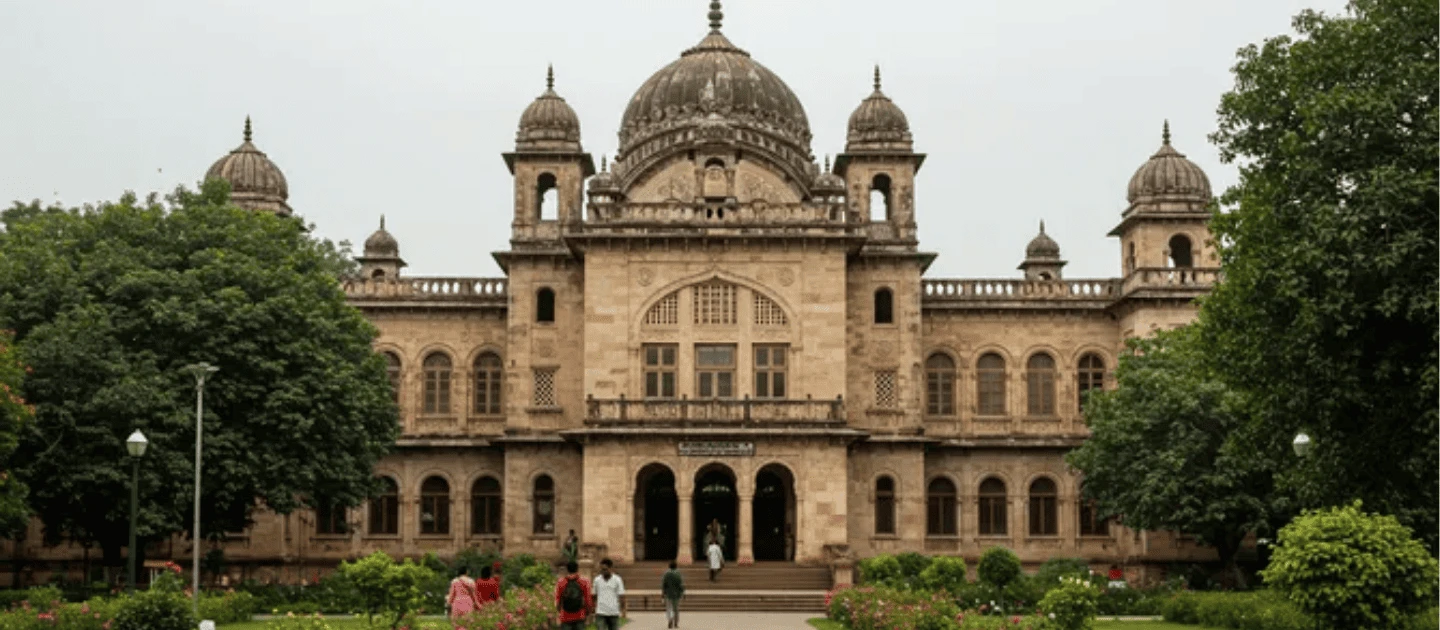
Tribal Roots and Local Culture
City Life and Everyday Feel
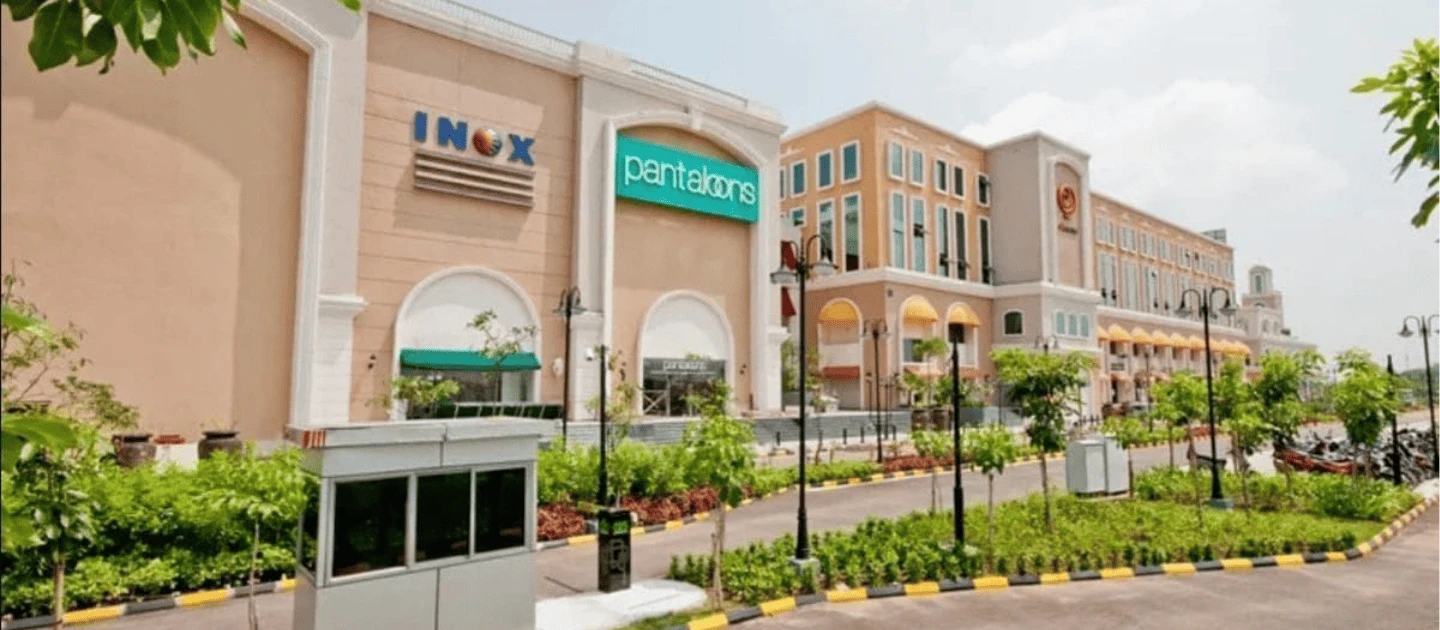
Places to Explore Around the City
Simple Travel Plan for a Few Days
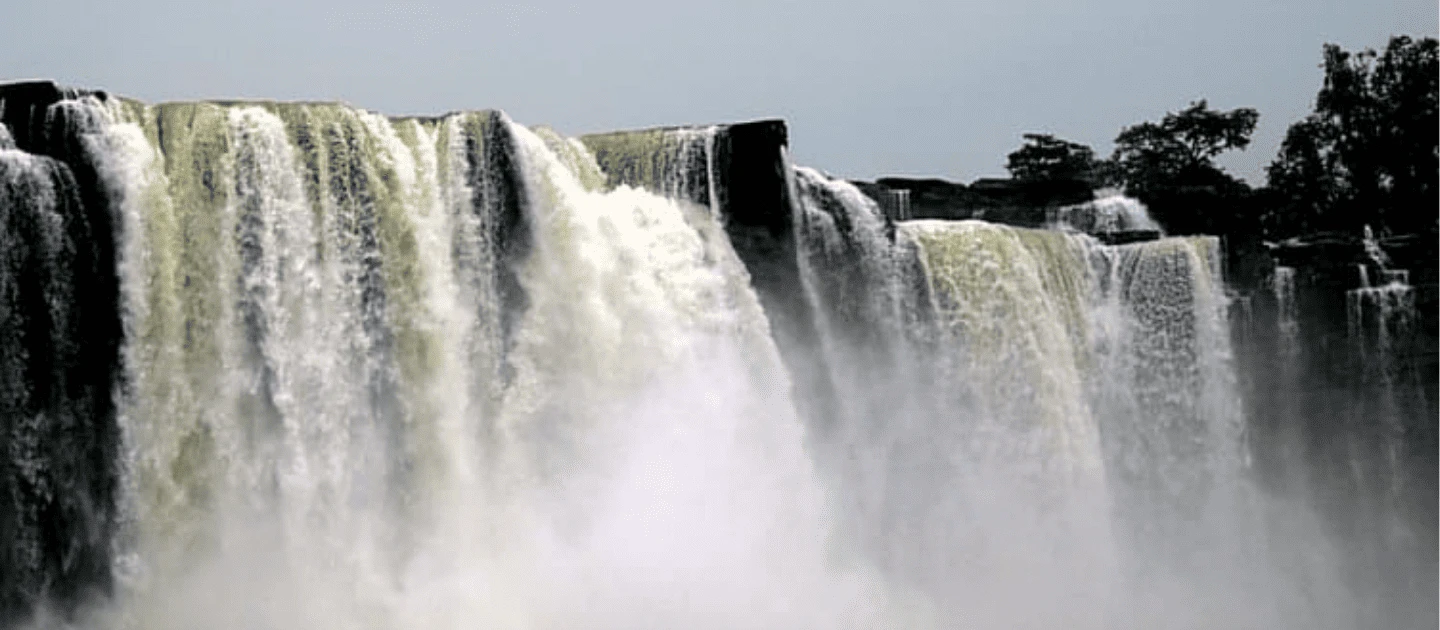
Best Time to visit
How to reach
Conclusion
About Us
Planning a trip to Raipur?
Post your upcoming travel details and get personalized quotations from multiple verified travel agencies.
Fast response • Custom offers • Verified agents
Current Weather
Live Forecast
Planning a trip to Raipur?
Post your upcoming travel details and get personalized quotations from multiple verified travel agencies.
Fast response • Custom offers • Verified agents
Bigger Group? Get Special Offers Up to 50% Off!
Planning a trip for friends, family, or corporate teams to Raipur? We create unforgettable customised adventures with exclusive group pricing!
Current Weather
Live Forecast
Why travelers choose
TravellingLark?
Thoughtfully planned journeys, crafted for unforgettable experiences.
Built Around You
Personalized trips based on your style, interests and budget.
Handpicked Trips
Curated itineraries designed with love and local expertise.
Transparent Pricing
Clear package pricing with no hidden charges or surprises.
Personalized Planning
Every trip is tailored to your interests, pace and preferences.
Best Value Always
Get the best experiences at the best value for your money.
Global Destinations
Explore handpicked destinations across India and the world.
24/7 Trip Assistance
We're with you before, during and after your journey.
Built Around You
Personalized trips based on your style, interests and budget.
Handpicked Trips
Curated itineraries designed with love and local expertise.
Transparent Pricing
Clear package pricing with no hidden charges or surprises.
24/7 Trip Assistance
We're with you before, during and after your journey.
Personalized Planning
Every trip is tailored to your interests, pace and preferences.
Best Value Always
Get the best experiences at the best value for your money.
Global Destinations
Explore handpicked destinations across India and the world.
Hassle-Free Journey
Enjoy a smooth travel planning experience from start to finish.
Traveler Reviews for RaipurReviews for Raipur
Verified ratings and genuine travel experiences from our community
No Reviews Yet
Have you explored Raipur? Share your experience to help fellow travelers plan their trip!