Rishikesh
About Rishikesh
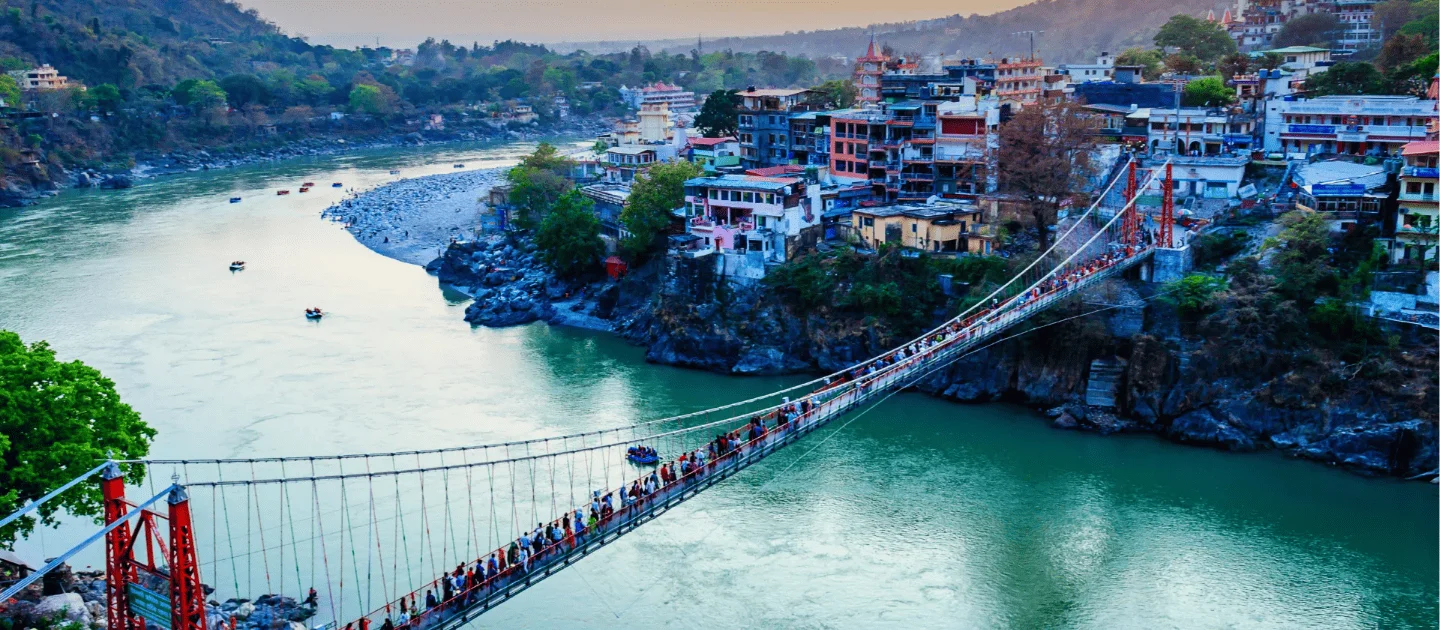
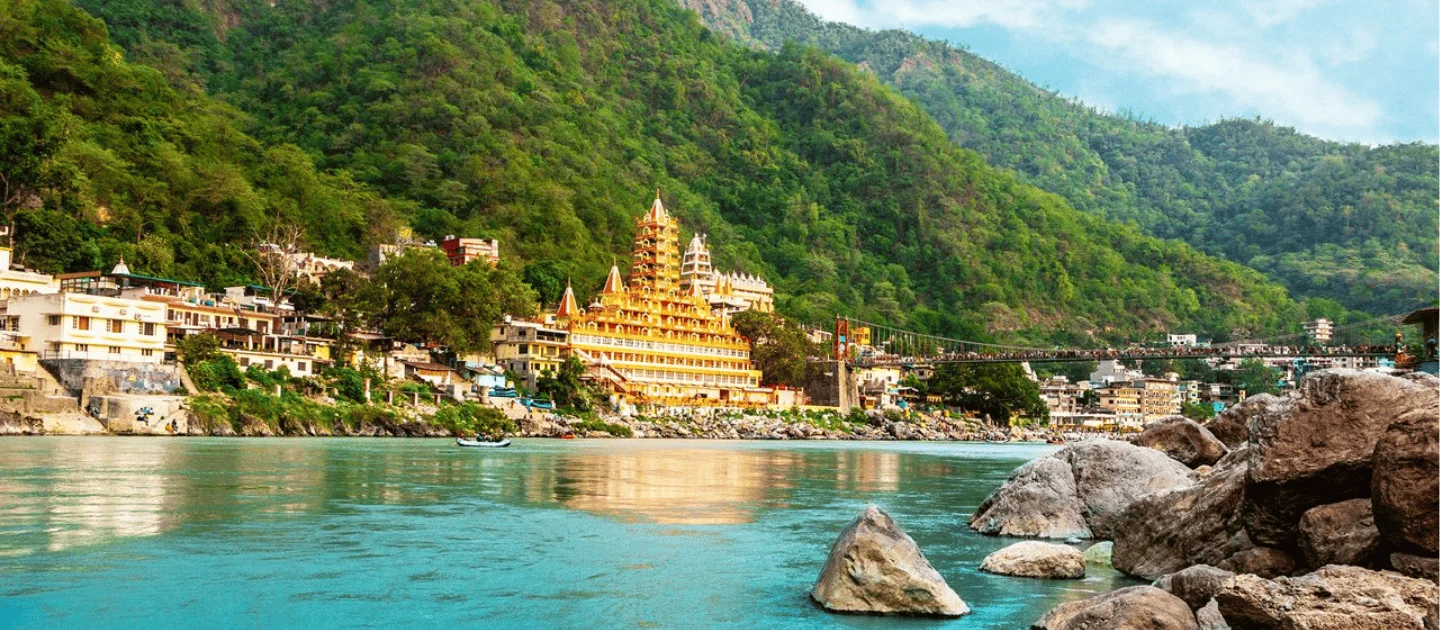
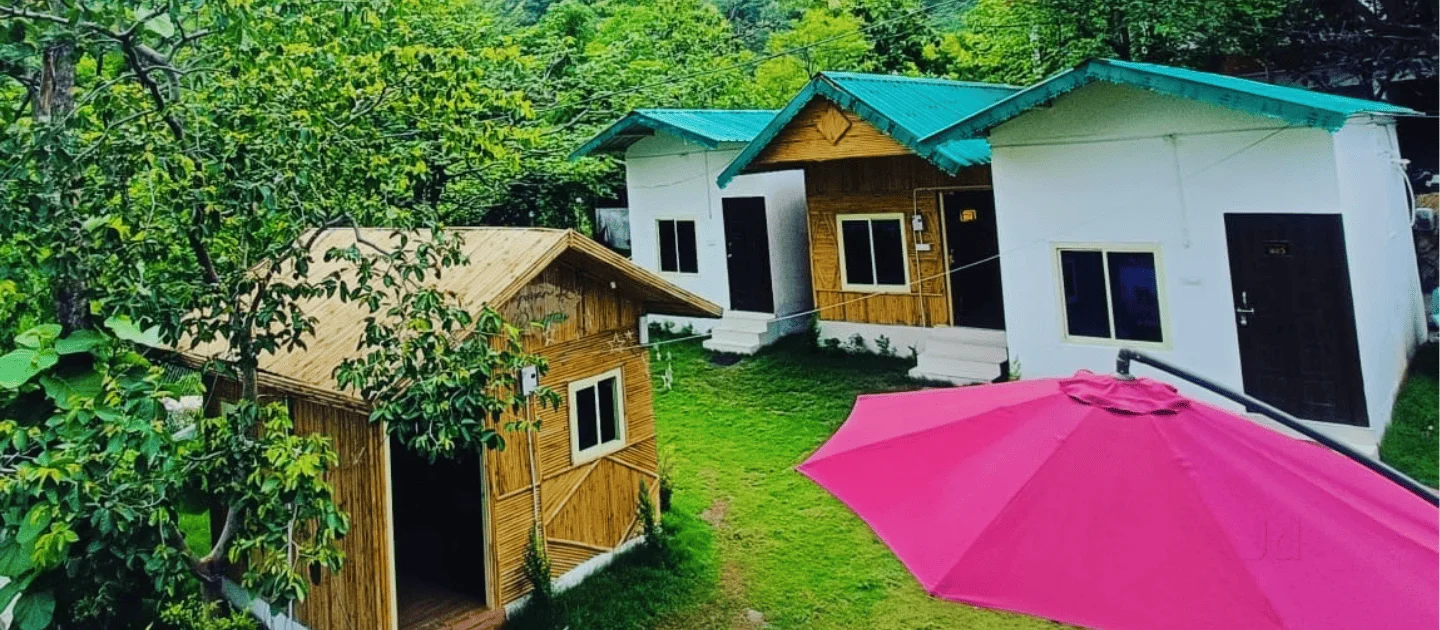
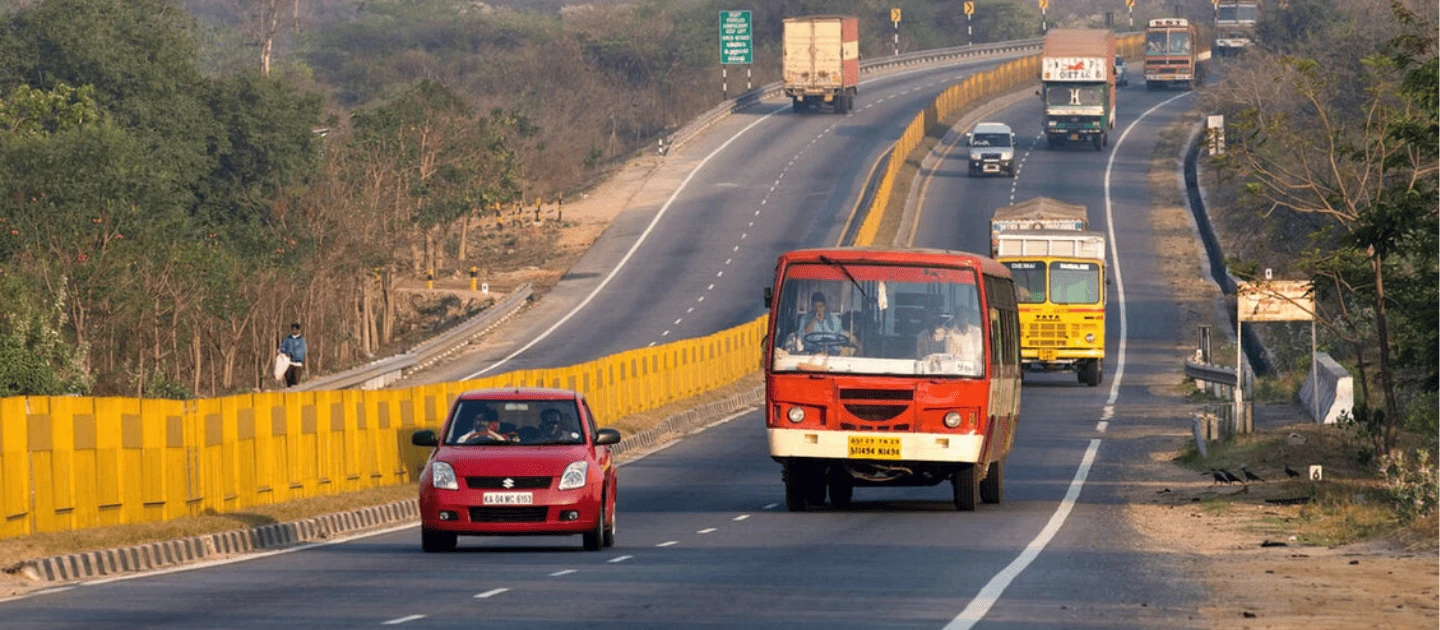
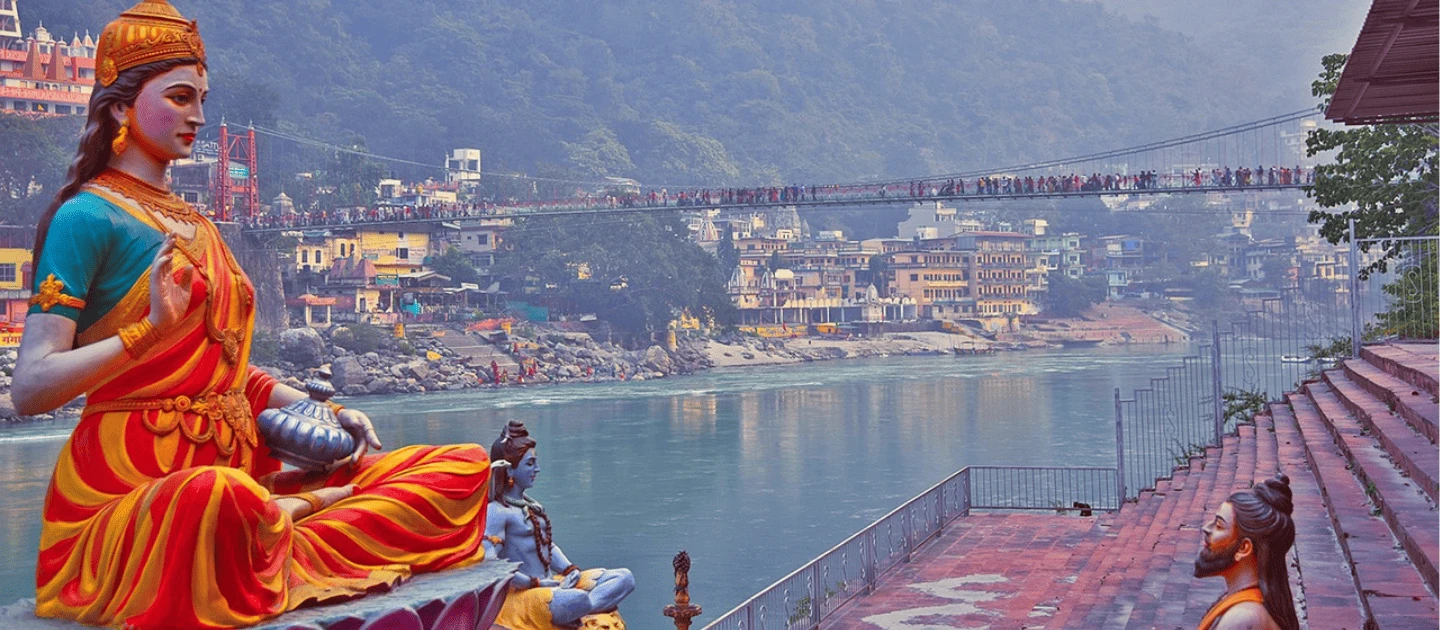
Rishikesh: River Adventures and Spiritual Peace Rishikesh sits by the Ganga with this calm that kind of stays with you, even after you leave. Some places feel busy from the first minute. This one does not. It opens slow, like you’re arriving without asking permission. There’s a little noise here, a little prayer there, a little wind in between. Then it settles, right into your mind and you don’t really notice when it started doing that. People come to Rishikesh for many reasons. Some come for river rafting. Some come to do yoga in Rishikesh. Some come because they want to watch the river moving, and do nothing else, not even much talking. That is the charm. The town gives you a lot, but it never pushes you to rush, or makes you feel you’re late. Plan your next adventure easily with Travellinglark Post Travel — your smart travel companion! So if you’re planning a Rishikesh trip, here’s the first thing to keep in mind. The town is simple. It’s tourist friendly, in a way that still feels normal. It can feel lively near the bridges. But it can also feel deeply quiet near the ghats and ashrams. That mix, right there, is what makes Rishikesh tourism so special. The best part, honestly, is the balance. In one part of the day you might be crossing the main bridge with bikes around you and little bells in the air. In another part you’re sitting by the Ganga and the only sounds are water and mantras, like everything else stepped back. It’s a very human kind of place. Not perfect. Not polished. But warm, and a little uneven, in a good way. Many travelers look for places to visit in Rishikesh and they only think about the famous spots. Sure, those are good. But the real feeling comes from the in between spaces. Like a tea stall in the morning, a small lane with bookshops, a sunset near the river. Or a casual chat with a local shopkeeper. Those small moments linger longer than photos ever do. For first time visitors the top attractions are easy to handle. You don’t need to make the trip too heavy or complicated. Keep it light. Walk more. Sit more. And leave some time, the kind with no plan at all. People also come for different moods. Some want adventure. river rafting Rishikesh is the big one. The rapids feel exciting, but they’re still manageable for most beginners If you are putting together a Rishikesh travel guide for yourself, start by thinking about the riverside first. Laxman Jhula Rishikesh is one of the most known spots. The bridge area has this lively, almost buzzed feel to it. Cafes, shops, and small little corners where people kind of linger for a while. It is not fancy at all. That’s part of the charm, really. Ram Jhula Rishikesh feels similar, but not the same. There’s a rhythm to it: you walk, you pause, you look at the river, then you go again. It is one of those places where time seems to crawl a bit slower than you expected. The ghats are a totally different mood. They are better for quiet mornings, and for evening walks. The water, the steps, the lamps. Everything feels gentle, like it is asking you to slow down without saying it. Tapovan is another good area to stay or just spend time in. It feels slightly calmer, and it tends to suit travelers who want cafés, yoga spaces, and easy paths toward the river routes. For a lot of people, the best place is simply near the Ganga. That is where the heart of the whole trip really sits. A good trip here does not need some super packed list. Still, there are a few things that are hard to skip. Start with the river, again. If the season is right, try river rafting. It’s one of the most popular experiences here, and also one of the most talked about things. Go with a licensed operator. Wear the right gear, listen carefully to the guide, then enjoy it properly. Then, spend one evening at Ganga Aarti Rishikesh. The bells, the lamps, and the crowd, they make a mood that feels both simple and strong at the same time. You don’t need to know the ritual deeply to feel what’s happening. Just sit and watch. Make time for yoga in Rishikesh too. Even one class can shift the pace of your day. Most people are not coming here as full yoga experts. They arrive as beginners, and that is completely fine. The town actually welcomes that kind of start. Also walk around the markets. Pick up a book, buy chai, find a bench, and let the day loosen up. And don’t miss a slow sunrise, or a slow sunset, either The best time to visit Rishikesh Uttarakhand is basically from October to March. During these months, the atmosphere stays cool and somehow quite pleasant, so it feels right for sightseeing, river-side strolls, yoga sessions and other outdoor pursuits. This stretch is also the best window to enjoy river rafting in Rishikesh, wander around Laxman Jhula Rishikesh, stop by Ram Jhula Rishikesh, and catch the lovely Ganga Aarti in the evening, because that time vibe just hits different. If you like fewer crowds February and March can give you a calmer stay, with comfortable temperatures, and less rush on the ghats. Try not to pick the monsoon spell from July to September, heavy showers can mess up rafting plans and day to day travel inside the area. Also winter mornings can turn chilly, so bring a light jacket, just in case. By Air: The nearest airport is Jolly Grant Airport in Dehradun, located about 20 kilometers away from Rishikesh. There are regular flights from major Indian cities like Delhi, Mumbai, and Bengaluru. Once you land, getting to Rishikesh is easy by hiring a taxi or taking a local bus, it usually takes around 40 to 50 minutes. By Train: Rishikesh itself has a small railway station, with limited train services. Most visitors usually arrive at Haridwar Railway Station, around 25 kilometers away, since it has better connectivity to many parts of India. From Haridwar, you can find taxis, buses and even shared auto rickshaws all through the day. By Road: Rishikesh is connected through highways, and you can reach it comfortably via bus, taxi, or private car. Regular government and private buses run from Delhi, Haridwar, Dehradun, and other nearby towns. The drive from Delhi often takes about 5 to 7 hours, though it depends a lot on traffic. Day 1 is kinda about arriving and doing the easy stuff , like first sightseeing. Check in, rest a bit, then head toward the bridge side areas, local markets, and the river ghats. Finish the day with the Ganga Aarti at Rishikesh, it’s usually the highlight. Day 2 could be more adventure plus food. If the season cooperates, go for river rafting. After that do a slow lunch , not the rushed kind. Later you can wander near cafes, or just drop into a yoga class if that feels right. Day 3 feels quieter. Visit an ashram, then spend time by the river. Sit , watch people come and go. This is often where the place starts to feel the most real , like, less “tour mode” and more you know… life. If you have extra time, add nearby cafés, local strolls, and an extra morning with no schedule at all. Honestly , that can be the best part. Carry light clothes in warm months. In winter, bring a jacket. Evenings can feel cooler than you expect, so don’t assume. Wear shoes that are easy for walking, because the town kinda wants you to move around more than you plan. Keep some cash for small purchases. Some spots take digital payments, but not every one of them does. Respect the quiet spaces, this matters. A peaceful vibe fits better than loud behavior, even if you are just talking normally.Try early mornings. The town feels softer then, less traffic, less hurry , more breathing room.And don’t try to see everything in one day. The best experience comes when you slow down, even a little. Couples usually like the river views, cafe corners, and sunset walks or whatever, you know. In the quieter stretches there feels like enough privacy, and in the bridge areas there is this steady energy. It’s kind of balanced in a way that makes both kinds of people relax. Families often lean into the easy sightseeing, temples nearby, quick food breaks, and the riverfront time that just flows. If it’s planned well, it ends up being a pretty simple holiday, not too stressful or forced. Solo travelers also tend to feel okay here too. There are a lot of spots to sit, pause, and watch things without looking out of place. That is rare, and honestly it feels really good. So, no matter how you travel, this place slips in nicely, like it can bend around your style instead of the other way around. The food scene is not complicated at all. It’s plain, and it’s friendly. You’ll get North Indian meals, cafe style plates, tea, and a bunch of basic traveler food too. Some people look for healthy bowls and smoothie places. Others just want a hot plate of dal chawal after a long day, period. Both work, no big deal. What stays with you is the mood. The bridge at night, the river sound that keeps going, a monk moving past like it’s the most normal thing, a group of friends laughing after rafting, and even a family sitting quietly near the steps. These moments feel minor, but they stack up and somehow shape the trip. That’s why a visit here isn’t just about seeing things. It’s more like you feel the place in pieces, little by little. When travelers finally leave, they usually carry a few clear memories. First, it’s the water. The Ganga has a strong presence here, like it’s impossible to ignore. Second, the bridges. Laxman Jhula Rishikesh and Ram Jhula Rishikesh aren’t only dots on a map. They’re woven into the town’s daily rhythm. Third, the evening prayer. Ganga Aarti Rishikesh slows people down, even the ones who arrived with a too-busy mind. Fourth, the quiet. A lot of people don’t expect quiet in such a famous place, but they end up finding it anyway. That blend is what makes the area special, and A trip here does not really need to be expensive. You can keep it simple, and still enjoy quite a lot. Stay in a guesthouse, or a basic hotel, if you’re trying to save money. Eat at local cafes for some meals and keep one or two nicer meals as a treat. It works out fine like that. Book river activities with a little care. Don’t just pick the cheapest option without checking what is actually included. Safety is more important than saving a small bit. Also, ask about transport and gear, and if the guide’s fee is already part of the price. Those small details they matter more than they seem, honestly. For shopping, keep it light. A few books, maybe a warm shawl, and perhaps some simple snacks for the road. There’s no need to buy too much. The place already leaves you with enough things you carry back in your head, not in a bag. If your time is short then focus on three things. One, spend time near the river without checking your phone too much. Two, watch the evening prayer at least once. Three, leave space for one quiet hour with zero plan at all. That last one sounds small, but it turns into the memory people talk about later. The town has this way of making normal moments feel kind of full. A lot of destinations try hard to impress. This one does not have to. It just stays itself, plain and steady. That’s why travelers remember it. Not because of one single huge attraction. Not only for the adventure. Not only for the prayer. It is really the gentle mix of both. So go with a light bag. Go with slow steps, and go without trying to perfect the day. The trip might end up better like this. If you’re planning a Rishikesh trip, keep your plan simple. Leave room for surprises, and room for a slow cup of tea. Leave space for one extra walk by the river. It isn’t only for adventure lovers either. It’s also for people who want a soft reset from normal life. It’s for people who want to breathe a little better for a few days. Trip planning could seem to be cumbersome but TravellingLark makes it easy by linking travelers with professional travel agencies that provide customized travel proposals. Instead of spending hours searching for the most appropriate vacation package, travelers can post their trip details and receive several personalized offers. TravellingLark is not only a destination for travelers but the most powerful network for travel agencies, hotels, and travel vendors. Travel agencies can sign up for free listing of their offerings and display packages for holiday tours, hotels, and travel experiences. Travel is a business but no commission hefty charged like other platforms; we give businesses free travel leads to achieving their patronage. Whether you are a travel agency searching for clients, a hotel requiring more bookings, or a travel vendor offering services, TravellingLark has just opened direct access to tourists searching for these offerings. Hassle-Free Trip Planning: Every traveler gets a tailor-made travel offer, with other requirements left to him/her. Join for Everyone: Signing up is completely free for all users and businesses. While basic access stays free, vendors now have the option to purchase premium leads to connect with more potential customers and grow their sales. Join TravellingLark now and make a smarter future in planning, booking, and growing in the travel industry!A place that feels alive and peaceful
Why people visit
Best experience areas
Things to do without rushing
Best time to visit
How to reach
A simple 3 day flow
Local tips that help
Best for couples, families, and solo travelers
Food, mood, and small moments

The places people remember most
Budget and comfort balance
What not to miss
Conclusion
About Us
Planning a trip to Rishikesh?
Post your upcoming travel details and get personalized quotations from multiple verified travel agencies.
Fast response • Custom offers • Verified agents
Current Weather
Live Forecast
Explore Packages in Rishikesh

Planning a trip to Rishikesh?
Post your upcoming travel details and get personalized quotations from multiple verified travel agencies.
Fast response • Custom offers • Verified agents
Bigger Group? Get Special Offers Up to 50% Off!
Planning a trip for friends, family, or corporate teams to Rishikesh? We create unforgettable customised adventures with exclusive group pricing!
Current Weather
Live Forecast
Why travelers choose
TravellingLark?
Thoughtfully planned journeys, crafted for unforgettable experiences.
Built Around You
Personalized trips based on your style, interests and budget.
Handpicked Trips
Curated itineraries designed with love and local expertise.
Transparent Pricing
Clear package pricing with no hidden charges or surprises.
Personalized Planning
Every trip is tailored to your interests, pace and preferences.
Best Value Always
Get the best experiences at the best value for your money.
Global Destinations
Explore handpicked destinations across India and the world.
24/7 Trip Assistance
We're with you before, during and after your journey.
Built Around You
Personalized trips based on your style, interests and budget.
Handpicked Trips
Curated itineraries designed with love and local expertise.
Transparent Pricing
Clear package pricing with no hidden charges or surprises.
24/7 Trip Assistance
We're with you before, during and after your journey.
Personalized Planning
Every trip is tailored to your interests, pace and preferences.
Best Value Always
Get the best experiences at the best value for your money.
Global Destinations
Explore handpicked destinations across India and the world.
Hassle-Free Journey
Enjoy a smooth travel planning experience from start to finish.
Traveler Reviews for RishikeshReviews for Rishikesh
Verified ratings and genuine travel experiences from our community
No Reviews Yet
Have you explored Rishikesh? Share your experience to help fellow travelers plan their trip!
Frequently Asked Questions about Rishikesh
Yes, Rishikesh is generally very safe for solo travelers. I've seen many people traveling alone here and they manage just fine. The town is used to tourists and locals are welcoming. Just use common sense like you would anywhere else. Avoid walking around very late at night in isolated areas. Keep your belongings secure. Most solo travelers feel comfortable exploring the town during the day.
The stretch between Rishikesh town and Shivpuri is perfect for beginners. The rapids here are exciting but not overwhelming. You'll feel the adrenaline rush without being terrified. The guides are experienced and know exactly how to handle first timers. Water level matters though. In monsoon it's more intense. In summer it's calmer. Many beginners go for the September to November period when conditions are just right.
Absolutely yes. Most ashrams and yoga centers in Rishikesh welcome complete beginners. They teach you from scratch. You don't need to be flexible or strong. Yoga is about progress not perfection. The instructors here are patient and used to teaching foreigners. Start with basic classes and build up from there. Even doing yoga for three to four days makes a difference in how you feel.
You can take a train which is cheaper but takes longer around eight to ten hours. Or you can drive which takes about five to six hours depending on traffic. There are also buses available. Many tourists rent a car with a driver. Flights don't go directly to Rishikesh. You'd have to fly to Delhi or Dehradun and then travel to Rishikesh. Driving or taking a train is the most practical option.
Not really expensive compared to other tourist places in India. Budget accommodation costs around five hundred to one thousand rupees per night. Mid range hotels are one thousand five hundred to three thousand rupees. Food is cheap especially if you eat local. Adventure activities have different price points. Basic activities are affordable. Expensive activities like paragliding cost more. Overall it's a budget friendly destination if you plan properly.
Recently Asked Questions about Rishikesh
Visit during shoulder seasons like September or late February. Avoid peak months like December and January. Come on weekdays instead of weekends. Wake up early and visit famous spots first thing in the morning. The Beatles Ashram and Lakshman Jhula get crazy around ten in the morning. If you come at seven, you'll have them almost to yourself. Stay away from the main streets during evening hours when everyone's out.
Definitely. Many people do Rishikesh then head to Auli for skiing or paragliding. Or go to Mussoorie which is close by. Some people combine it with Haridwar which is just thirty kilometers away. You can make a whole trip of the Uttarakhand region. A week or ten days allows you to experience multiple places. Rishikesh works as a good starting point because the transport connections are good.
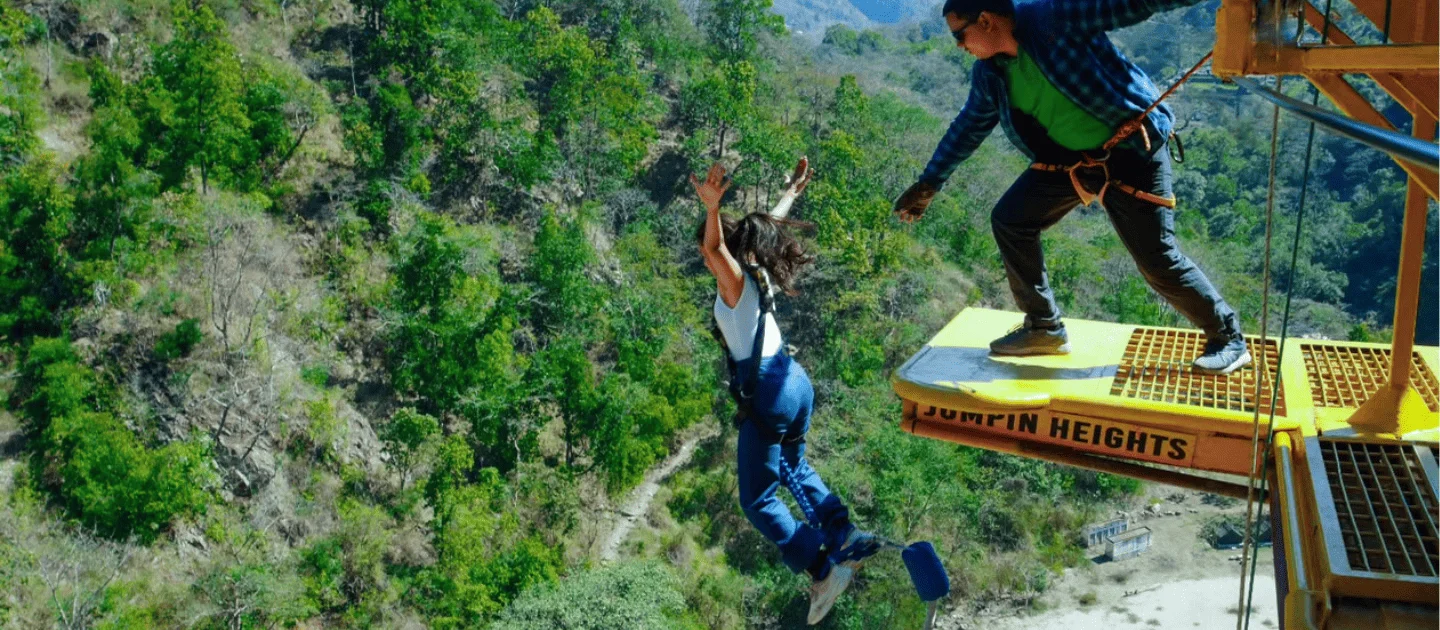
Yes they are regulated. The popular activities like bungee jumping and paragliding follow safety standards. The operators are professionals who do this every day. They check equipment regularly. They brief you on safety before starting. Of course there's always some risk with adventure sports but these places maintain proper standards. Read reviews online before booking. Stick with established operators rather than random people offering deals.