Srinagar
About Srinagar
Srinagar: Lakeside Beauty and Mughal Gardens
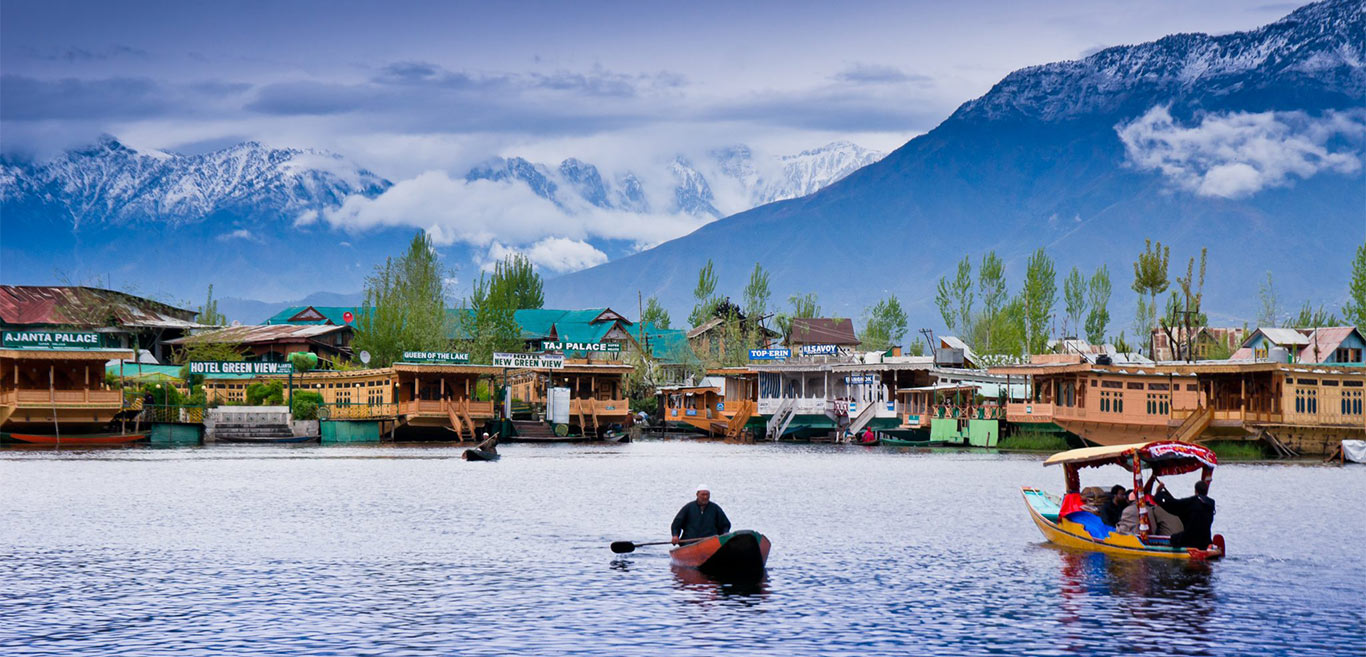
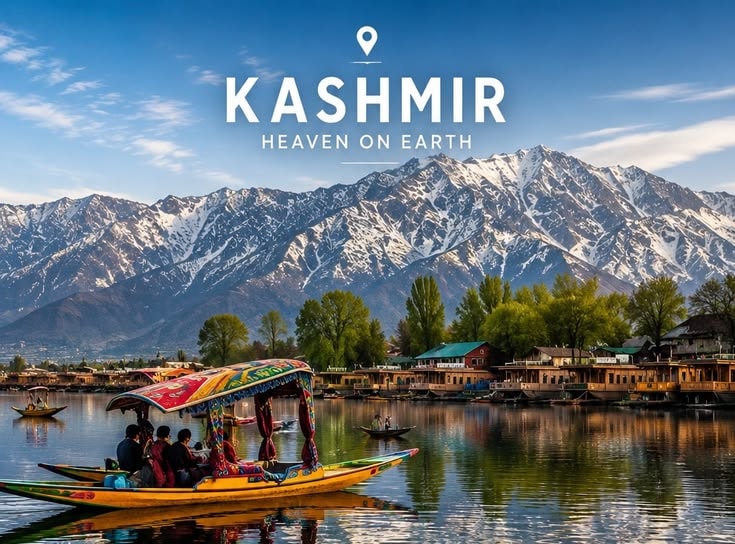
If there was an address for heaven, it would definitely be Srinagar. In the middle of Kashmir Valley, Srinagar is not only a city; it is a fantasy that is brought to life with lakes of blue colors, snowy-peaked mountains, and lively Mughal gardens. Each part of this area has its own narrative—some are about love, some about royalty, and some about the tranquility that only nature can provide. No matter if you are riding a shikara on Dal Lake or strolling in the Mughal emperors’ perfumed gardens, Srinagar appears to be a masterful poem created by nature itself.
Plan your next adventure easily with Travellinglark Post Travel — your smart travel companion!
Cultural and Historical Gems
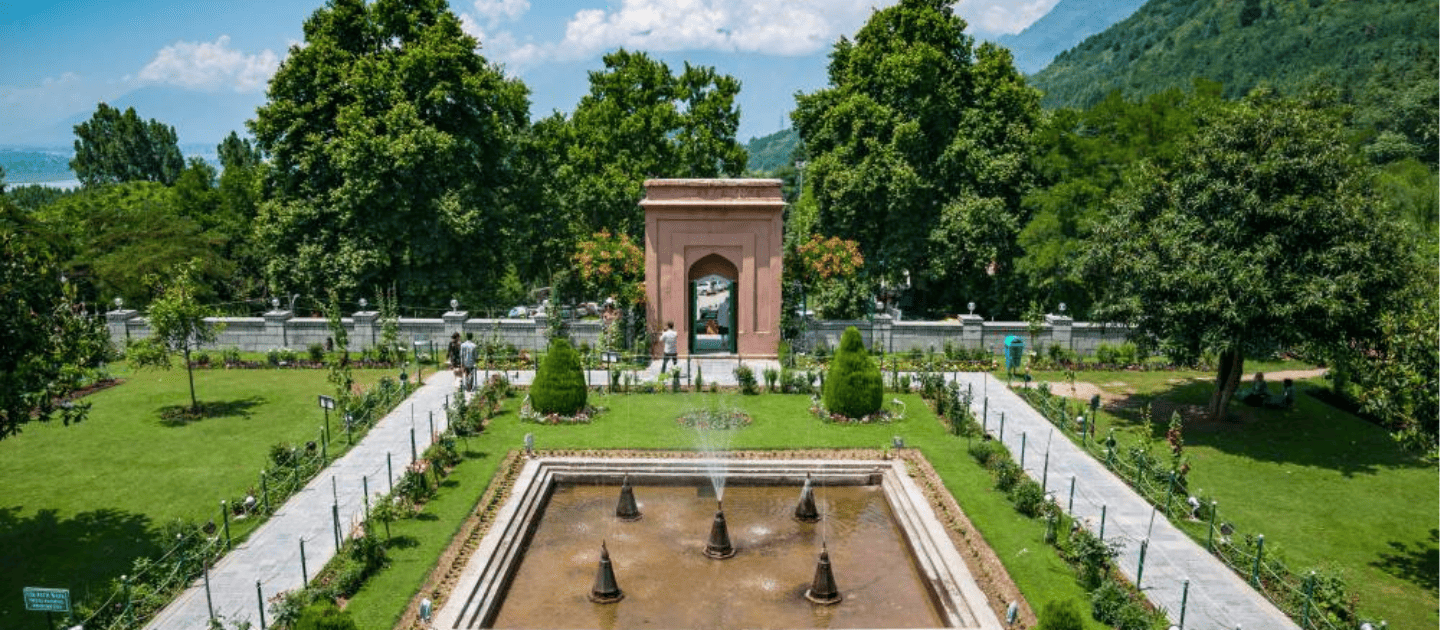
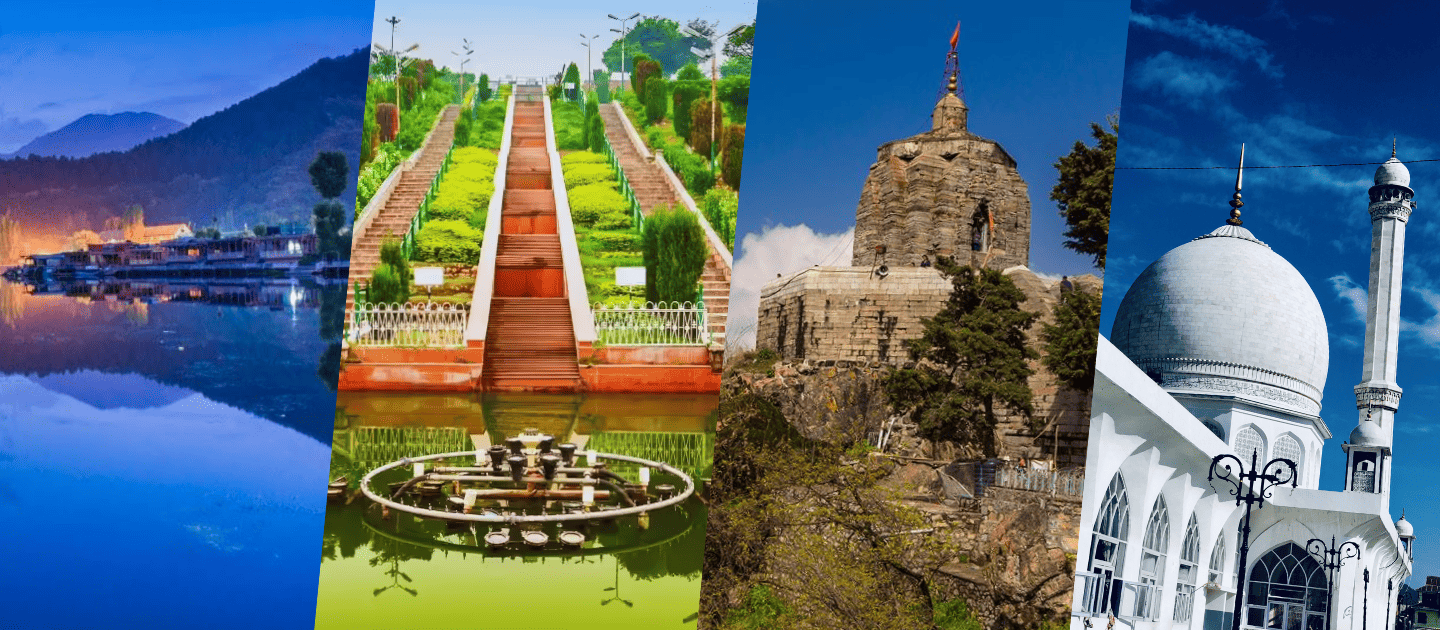
Srinagar, Jammu, and Kashmir's summer capital, is a city where history and culture exist in perfect harmony. Besides the stunning Dal Lake and the famous houseboats, it has preserved the most marvelous collection of heritage sites. Mughal gardens—Shalimar Bagh, Nishat Bagh, and Chashme Shahi—all of them very closely associated with Persian and royal styles, while Shankaracharya Temple and Hazratbal Shrine tell the stories of spirituality and the coexistence of religions with their centuries-old structures.
Among the local crafts passed from one generation to another are stunningly delicate Pashmina shawls and handwoven carpets that reflect Kashmiri artists' skills. When they stroll through the old town, tourists are treated to lively markets, age-old wooden buildings, and a culture that has not only survived but has been nurturing through history, music, and gastronomy.
Top Attractions
1. Dal Lake
Dal Lake, which is generally referred to as the "Jewel of Srinagar," is a beautiful freshwater lake that has been washed over by high mountains and well-maintained gardens. The lake is famous for its houseboats that are an integral part of its tourism and accommodation. Shikara rides allow the tourists to have a close-up view of floating markets, lotus flowers, and picturesque reflections.
The mist that forms on the lake during the early morning hours gives a magical and dreamlike atmosphere. Besides being a major tourist attraction, the lake also facilitates local life with the fishing and water-based trade industries coexisting along with tourism. Dal Lake is the soul of Srinagar’s picturesque beauty and cultural essence.
2. Mughal Gardens
The Mughal Gardens of Srinagar that include Shalimar Bagh, Nishat Bagh, and Chashme Shahi are not only beautiful but also are the finest examples of the Mughal horticultural know-how. All three gardens were built with symmetry, had cascading fountains, and were full of colorful flowerbeds, thus, showing the Persian-inspired Mughal's passion for nature and leisure.
Among the three, Shalimar Bagh is the largest and was built for the royal family’s recreation and enjoyment, while Nishat Bagh has an even better and unhindered view of Dal Lake and offers a full array of mountain vistas. Chashme Shahi, popular due to its natural spring water, marries peacefulness and architectural fineness. A visit to these gardens is akin to time traveling, as every trail and fountain recounts a royal tale. They continue to be a cultural center, drawing both historians and nature lovers in equal measure.
3. Shankaracharya Temple
The Shankaracharya Temple is a period and a place where man with God; it is the site where humans and God meet. Above all, it is the smelliest place on the earth. The beauty of the city of Srinagar and Dal Lake can be well observed from this temple, which is a spiritual as well as scenic highlight of the area. For over a thousand years the temple has been visited with stories linking it to the sage Adi Shankaracharya.
The route to the temple is a climbing of craggy and smooth stones, where one can take the passage as a meditation amidst green plants and quiet places. The temple with its detailed carvings, ancient deities, and sacred practices gives a glimpse of the long-lasting religious traditions and architectural heritage of Kashmir that is undoubtedly a combination of faith with mesmerizing views.
4. Hazratbal Shrine
The Hazratbal Shrine, which is built on the north side of Dal Lake, is a major site where Muslim pilgrims come to pray, and it is honored for having a relic that is thought to be a hair of the Prophet Muhammad. The white marble building of the shrine and its calm environment are full of peace and worship.
The shrine gets a large number of people during religious celebrations, especially on Fridays and Islamic holidays. The still waters of Dal Lake mirror the shrine, which adds to its spiritual aura. Hazratbal is a religious hub and a cultural marker, at the same time, of Kashmir’s blended traditions. Its building style, customs, and idyllic setting make it an unmissable place in Srinagar.
Top Local Dishes to Try
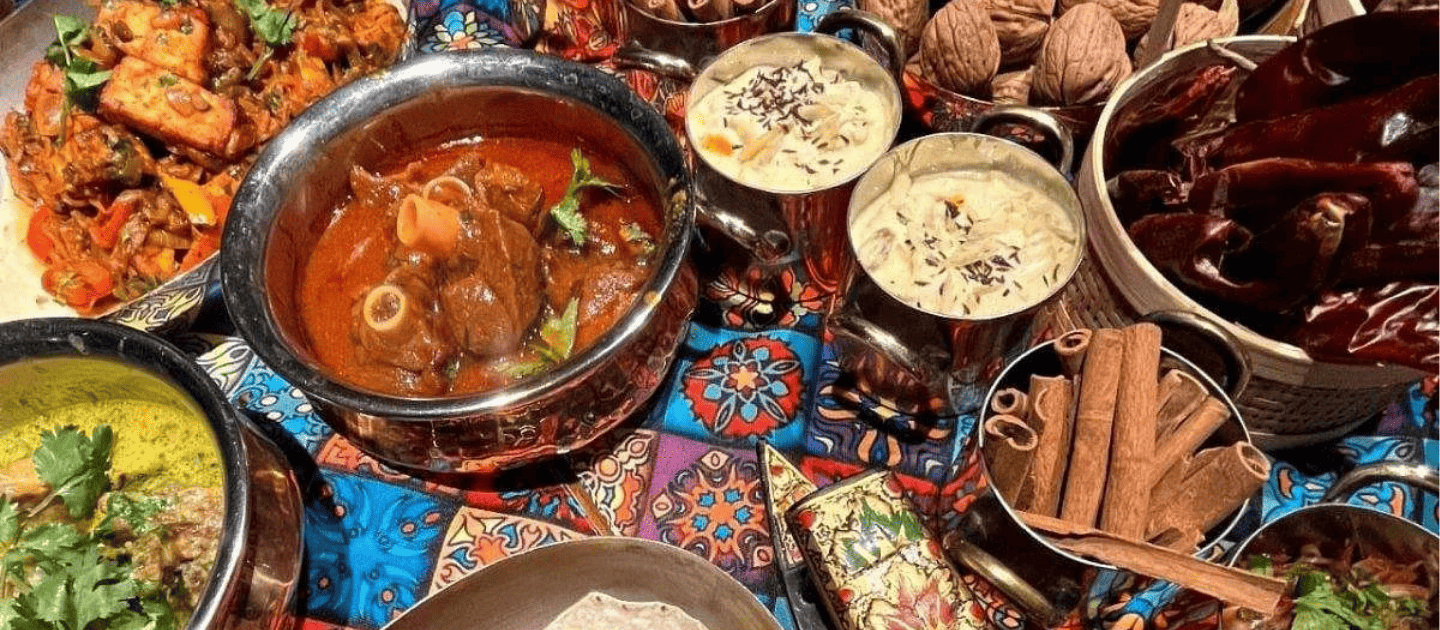
- Rogan Josh: Traditionally Kashmiri curry which is made by delicately lamb cooked in yogurt and aromatic spices, thus the rich and flavorful warmth is delivered.
- Gushtaba: Ground mutton meatballs in a thick and creamy yogurt gravy, their serving is reserved for wedding and special occasions.
- Yakhni: A mild and refreshing mutton broth based on yogurt and enhanced with gentle spices, e.g. fennel and cardamom, is calming for the palate and thus suitable for the palate.
- Kahwa: The brewing of traditional Kashmiri green tea with saffron, cinnamon, and almonds, is a practice that usually follows meals and is done for relaxation purposes.
- Modur Pulao: Rice with sweet saffron, dry fruits, and sugar to a lesser extent, usually served with spicy curries for festive meals.
- Haak: Though simple, this stir-fried or boiled Kasmiri greens dish is very nutritious and is lightly spiced with mustard oil and garlic.
- Tabak Maaz: Crispy fried lamb ribs that are first marinated in spices, thus offering a crunchy and savory delicacy for meat lovers.
The Best Restaurants & Hotels
- Ahdoos Restaurant: A timeless place providing the classic Kashmiri dishes, such as Rogan Josh, Gushtaba and Yakhni, in a very nice and traditional modern atmosphere.
- Shamyana Restaurant: Besides the magnificent views of Dal Lake, it also serves a combination of Kashmiri and North Indian dishes with the use of fresh local ingredients.
- The Lalit Grand Palace Srinagar: An extravagant heritage property giving the royal treatment accommodations, gorgeous views of Dal Lake, and top-notch hospitality.
- Houseboats on Dal Lake: Very special water stays decorated in a traditional Kashmiri style, allowing for a tranquil experience and being in the middle of local culture.
Ultimate Shopping Destinations
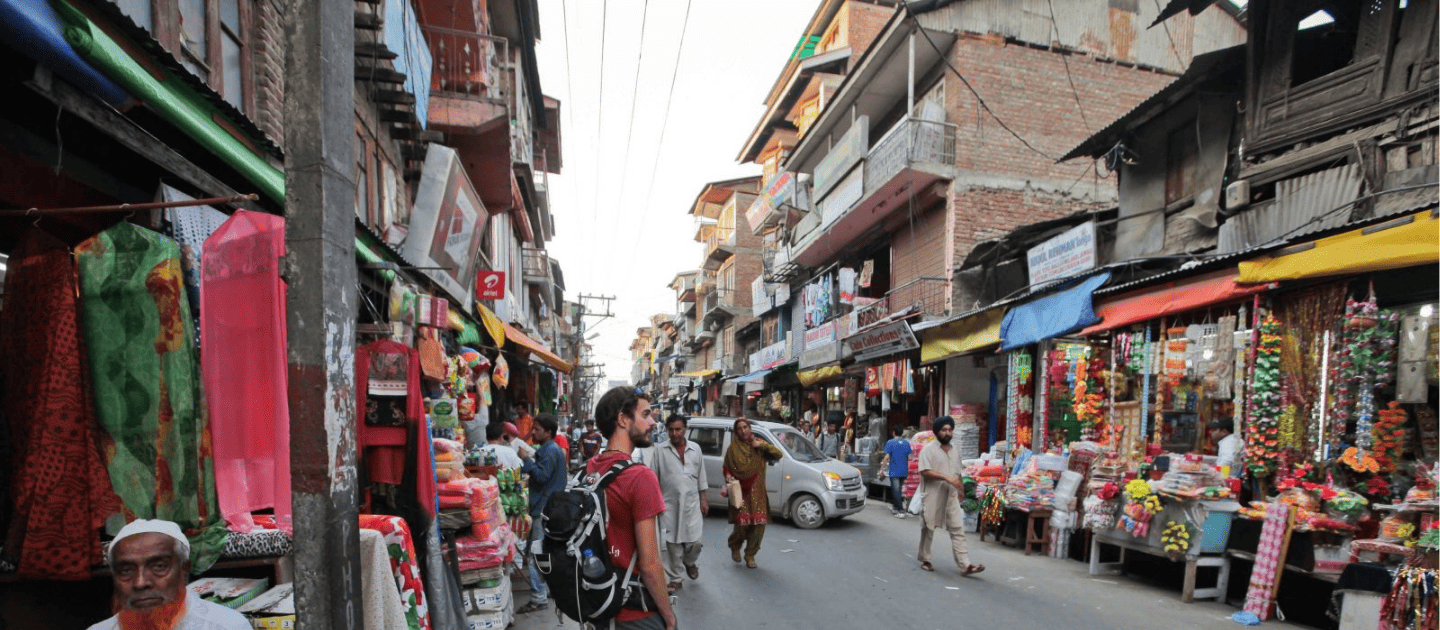
- Lal Chowk Market: The lively core of Srinagar where the traditional Kashmiri handicrafts, jewelry, and textiles are found.
- Polo View Market: Renowned for genuine Pashmina shawls, carpets, and dry fruits, which are excellent for presents and souvenirs.
- Residency Road: A lively shopping street with local handicrafts, embroidered cloth, and Kashmiri souvenirs.
- Mughal Road Bazaars: Best places for buying papier-mâché pieces, wooden carvings, and beautiful jewelry.
- Srinagar Handicraft Emporium: A government-operated shop where the authentic crafts like carpets, silverware, and traditional Kashmiri art are displayed.
- Nigeen Lake Area Shops: Tiny shops close to the lake with local textiles, souvenirs, and Kashmiri spices.
Night/Day Life: What’s best?
Srinagar's day and night life are serene with a hint of vibrancy; thus, a picture of the city is painted that is different from any other. The city moves slightly under the day light—shikara rides on the lakes, crowded markets like Lal Chowk, and serene visits to the Mughal gardens or temples are going on in a lively but peaceful rhythm. At dusk, Srinagar displays a pretty, almost enchanting aura. The illuminated houseboats, the lakefront cafes that are quiet, and the slow walks along the lakeside are all inviting to the refreshment and the contemplation. The nightlife is subtle, yet it is filled with traditional music concerts, cultural gatherings, and dining along the river which all provide locals and tourists with intimate and unforgettable evenings.
How To Reach
Reaching Srinagar is easy through air, road or rail. The city has a direct connection via Sheikh ul-Alam International Airport to almost all important Indian cities, like Delhi, Mumbai or Bangalore. Taxis and buses are the modes of transport for the onward journey from Jammu Tawi Railway Station, which is around 270 km away, the closest railhead. The Jammu–Srinagar National Highway is a scenic route that takes through valleys, tunnels, and mountains, turning the trip into a wonder as mesmerizing as the city itself.
The Best Time to Visit
The timing of your visit to Srinagar will depend mainly on what you want to experience because the city has different attractions in all the seasons. Spring (March to May) is the time for the Mughal gardens to show their beauty with vivid colors and to have the weather that is pleasant and mild. Summer (June to August) wins the tourists over by offering very comfortable temperatures, which make shikara riding, trekking, and shopping in local markets very easy and enjoyable. During autumn (September to November), the trees change color, and the city gets a golden appearance, which turns out to be the best time for photography. Winter (December to February) covers Srinagar with snow, so it becomes a winter fun place for snow and stays in-houseboats, and the visitation of some areas is limited due to the cold.
Conclusion
Srinagar is more than a mere tourist spot; it is a tingling emotion. It is in the gentle movements of Dal Lake, the sweet scent of flowering gardens, and the smiling faces of the people who live there. You might come as a tourist, but you will go as a storyteller — full of the tales of sunsets, breezes, and the serenity that only Srinagar offers. Thus, make your luggage ready, set your mind free of concerns, and let Srinagar reveal its beauty to you — simple, everlasting, and from the core.
About Us
Trip planning could seem to be cumbersome but TravellingLark makes it easy by linking travelers with professional travel agencies that provide customized travel proposals. Instead of spending hours searching for the most appropriate vacation package, travelers can post their trip details and receive several personalized offers.
TravellingLark is not only a destination for travelers but the most powerful network for travel agencies, hotels, and travel vendors. Travel agencies can sign up for free listing of their offerings and display packages for holiday tours, hotels, and travel experiences. Travel is a business but no commission hefty charged like other platforms; we give businesses free travel leads to achieving their patronage.
Whether you are a travel agency searching for clients, a hotel requiring more bookings, or a travel vendor offering services, TravellingLark has just opened direct access to tourists searching for these offerings.
- Hassle-Free Trip Planning: Every traveler gets a tailor-made travel offer, with other requirements left to him/her.
- Join for Everyone: Signing up is completely free for all users and businesses. While basic access stays free, vendors now have the option to purchase premium leads to connect with more potential customers and grow their sales.
Join TravellingLark now and make a smarter future in planning, booking, and growing in the travel industry!
Planning a trip to Srinagar?
Post your upcoming travel details and get personalized quotations from multiple verified travel agencies.
Fast response • Custom offers • Verified agents
Current Weather
Live Forecast
Explore Packages in Srinagar
Planning a trip to Srinagar?
Post your upcoming travel details and get personalized quotations from multiple verified travel agencies.
Fast response • Custom offers • Verified agents
Bigger Group? Get Special Offers Up to 50% Off!
Planning a trip for friends, family, or corporate teams to Srinagar? We create unforgettable customised adventures with exclusive group pricing!
Current Weather
Live Forecast
Why travelers choose
TravellingLark?
Thoughtfully planned journeys, crafted for unforgettable experiences.
Built Around You
Personalized trips based on your style, interests and budget.
Handpicked Trips
Curated itineraries designed with love and local expertise.
Transparent Pricing
Clear package pricing with no hidden charges or surprises.
Personalized Planning
Every trip is tailored to your interests, pace and preferences.
Best Value Always
Get the best experiences at the best value for your money.
Global Destinations
Explore handpicked destinations across India and the world.
24/7 Trip Assistance
We're with you before, during and after your journey.
Built Around You
Personalized trips based on your style, interests and budget.
Handpicked Trips
Curated itineraries designed with love and local expertise.
Transparent Pricing
Clear package pricing with no hidden charges or surprises.
24/7 Trip Assistance
We're with you before, during and after your journey.
Personalized Planning
Every trip is tailored to your interests, pace and preferences.
Best Value Always
Get the best experiences at the best value for your money.
Global Destinations
Explore handpicked destinations across India and the world.
Hassle-Free Journey
Enjoy a smooth travel planning experience from start to finish.
Traveler Reviews for SrinagarReviews for Srinagar
Verified ratings and genuine travel experiences from our community
No Reviews Yet
Have you explored Srinagar? Share your experience to help fellow travelers plan their trip!