Luxembourg
About Luxembourg
Discover Luxembourg: The Hidden Jewel in the Heart of Europe

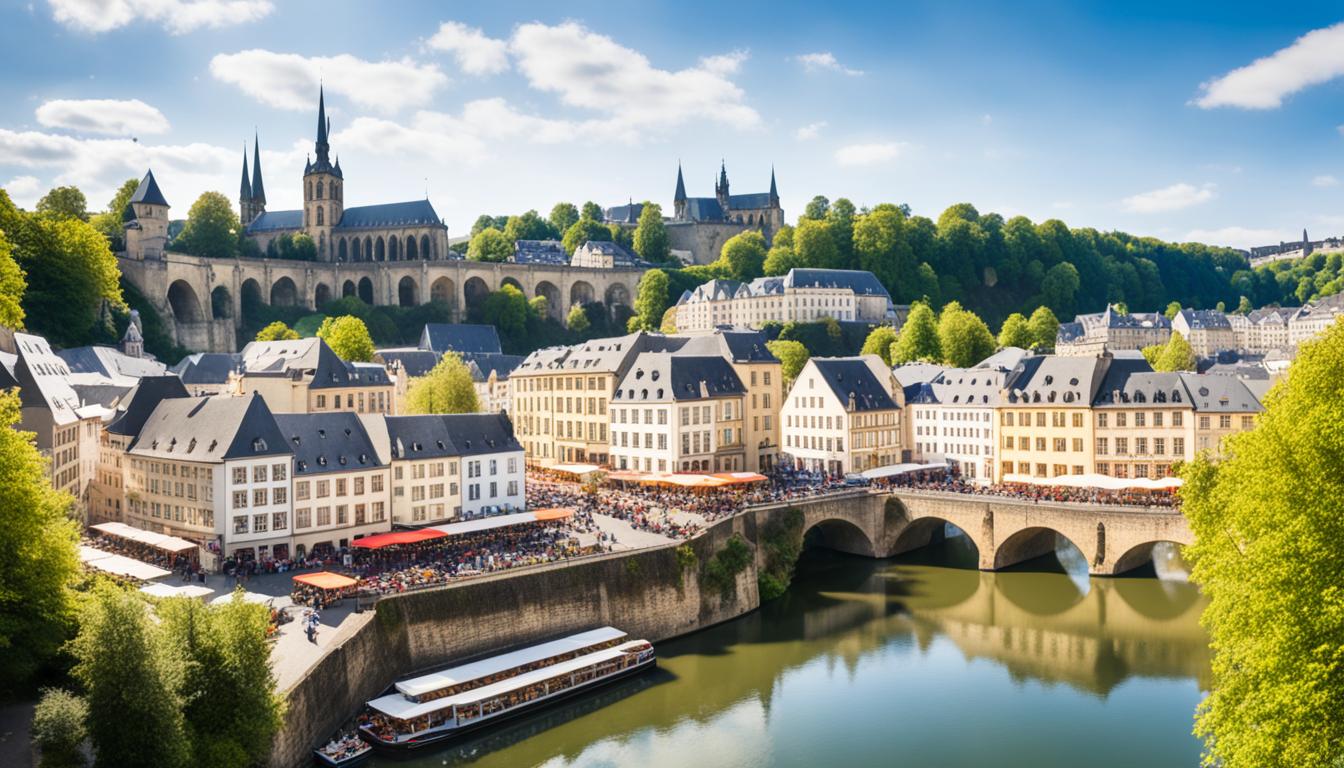
Smack in between Germany, Belgium, and France, little Luxembourg is a charming country with a rich heritage, salient landscapes, and a special blend of cultures. It's a land known for its medieval castles, quaint towns, and even unique art scenes, often bypassed by travelers. Here's your guide to exploring the best of this somewhat forgotten European gem.
A Glimpse into History: The Discovered Heritage of Luxembourg

Luxembourg is steeped in its medieval past, with castles and fortifications that tell a story of its gallantry. The capital of Luxembourg, Luxembourg City, is on the UNESCO World Heritage list for its well-preserved old town and impressive fortifications. Whether underground or above ground, one of the most interesting sites in the city is the Bock Casemates-a 17th-century system of underground tunnels that allows for a deep view into the military history of the city, offering great views of the surrounding landscape. Equally appealing, the Grand Ducal Palace is situated right in the heart of Luxembourg City. It is the official residence of the Grand Duke of Luxembourg, and while guided tours can be taken during the summer, the surroundings provide a nice square where one can take great shots and appreciate the building architecture. A short trip from the capital brings you to Vianden Castle, one of the most iconic landmarks in Luxembourg. This medieval castle sits on a hill and commands a complete view of the town below; inside the castle, one can also visit well-preserved interior spaces in search of enlightenment regarding the history associated with it.
Nature in Full Glory: Landscapes of Luxembourg

From rolling hills to lush forests, Luxembourg has everything that would make a vacationer's dream come true for outdoor enthusiasts. It is called Luxembourg's Little Switzerland, and the Müllerthal Region is famous for its fantastic rock formations, dense wood, and attractive paths. The Müllerthal Trail consists of several hiking routes that are differently tailored for various skill levels; therefore, it is equally befitting for casual walkers and serious hikers. Other picturesque regions include the Moselle Valley on the Moselle River, which is famous for beautiful vineyards and villages. In this region, guests will be able to take casual bikes along the river, stopping to taste wine at various local wineries with views overlooking a rolling hillside covered with vines. Several nature parks give Luxembourg much beauty; such as Upper Sûre Nature Park and Éislek Nature Park. These parks have many trails, perfect for hiking, cycling, and simply enjoying the peaceful surroundings.
Cultural Experiences: Immerse Yourself in Luxembourgish Life

Luxembourgish culture is a curious blend of French, German, and Belgian influences that reflect in the language, food, and festivals. And of course, no visit to Luxembourg would ever be complete without tasting its national dish, judd mat gaardebounen, a combination of smoked pork with broad beans; equally famous are the gromperekichelcher, which are potato fritters. This is available in local markets and bistros. It is also home to several vibrant festivals showcasing its culture, such as the giant annual Schueberfouer and National Day on June 23rd. Accompanied by music, dance, and typical food, these reveal the ebullient spirit of this country. For those who love art and music, The Philharmonie Luxembourg is a fantastically designed concert hall offering classical to modern-day concerts in a breathtakingly beautiful architectural environment.
Picturesque Towns: The Hidden Treasures of Luxembourg

Apart from the capital, Luxembourg is full of charming towns that afford glimpses of a high richness of tradition. Consider the historic town of Echternach: a beautiful Benedictine abbey and generally picture-postcard old part. Take narrow old-town streets, halt in Echternach Abbai, explore the whole environment, and enjoy many outdoor pursuits further down in nearby Sauertal. In the north, there is Clervaux with an incredible castle and a fascinating Family of Man photography exhibition of famous photographer Edward Steichen. Very quiet and picturesque, this little town is just great for relaxation. The famous Diekirch Brewery houses beer culture in the center of Diekirch. Visitors can stroll the quaint streets of the town, visit the National Military History Museum, and have some local brews at a nearby café.
Travel Tips: Useful Information
The best time to visit Luxembourg is during spring-from April to June-and during autumn-from September to October-when the weather is fine and the countryside is at its best. Getting around is easy: Luxembourg is well-connected by public transport, with trains and buses making it easy to get around. Consider purchasing a public transport pass for unlimited travel during your stay. Being a multicultural country, one should respect local customs and traditions. The ability to speak basic phrases in Luxembourgish will enrich interaction with locals.
Takeaway
Although small, Luxembourg is full of history, natural beauty, and a lively culture. Be it the exploration of medieval castles, the hiking through stunning landscapes, or the tasting of local cuisine, there is so much to see and do in Luxembourg that will leave you with memories to last a lifetime. Welcome the charm of this hidden treasure and find out why Luxembourg should be on your bucket list.
Planning a trip to Luxembourg?
Post your upcoming travel details and get personalized quotations from multiple verified travel agencies.
Fast response • Custom offers • Verified agents
Current Weather
Live Forecast
Planning a trip to Luxembourg?
Post your upcoming travel details and get personalized quotations from multiple verified travel agencies.
Fast response • Custom offers • Verified agents
Bigger Group? Get Special Offers Up to 50% Off!
Planning a trip for friends, family, or corporate teams to Luxembourg? We create unforgettable customised adventures with exclusive group pricing!
Current Weather
Live Forecast
Why travelers choose
TravellingLark?
Thoughtfully planned journeys, crafted for unforgettable experiences.
Built Around You
Personalized trips based on your style, interests and budget.
Handpicked Trips
Curated itineraries designed with love and local expertise.
Transparent Pricing
Clear package pricing with no hidden charges or surprises.
Personalized Planning
Every trip is tailored to your interests, pace and preferences.
Best Value Always
Get the best experiences at the best value for your money.
Global Destinations
Explore handpicked destinations across India and the world.
24/7 Trip Assistance
We're with you before, during and after your journey.
Built Around You
Personalized trips based on your style, interests and budget.
Handpicked Trips
Curated itineraries designed with love and local expertise.
Transparent Pricing
Clear package pricing with no hidden charges or surprises.
24/7 Trip Assistance
We're with you before, during and after your journey.
Personalized Planning
Every trip is tailored to your interests, pace and preferences.
Best Value Always
Get the best experiences at the best value for your money.
Global Destinations
Explore handpicked destinations across India and the world.
Hassle-Free Journey
Enjoy a smooth travel planning experience from start to finish.
Traveler Reviews for LuxembourgReviews for Luxembourg
Verified ratings and genuine travel experiences from our community
No Reviews Yet
Have you explored Luxembourg? Share your experience to help fellow travelers plan their trip!