Ajmer
About Ajmer
Ajmer: A city that reeks of history, culture, and spirituality.

Ajmer is a city located in the heart of Rajasthan, with immense historic, cultural, and spiritual values. It is basically famous for its religious aspects, architectural wonders, and natural beauty. Ajmer provides a perfect blend of tradition and modernity. Be it a history buff, a pilgrim, or one searching for a peaceful retreat, Ajmer has something to offer for everyone.
Ajmer: The Spiritual Heart
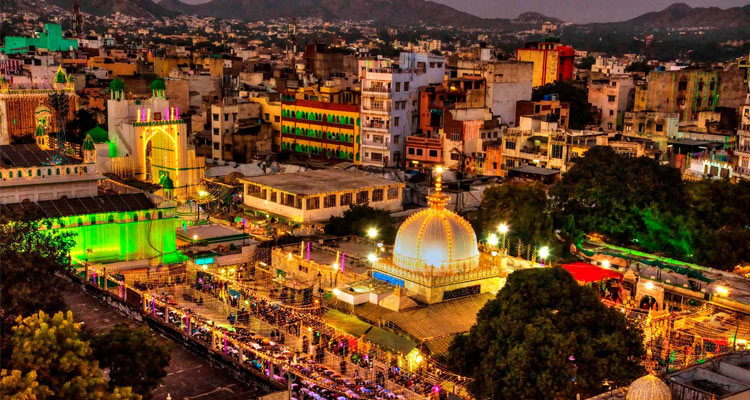
Ajmer is considered the seat of spiritual activities, with prominent recognition in Sufism. It houses the famous Ajmer Sharif Dargah, the final resting place of the holy Sufi saint Khwaja Moinuddin Chisti, which attracts thousands every year from all religious backgrounds for solace and blessings.
Ajmer Sharif Dargah is one of the most-visited pilgrimages of the country. With Mughal architecture, amidst serenity, it becomes a place for reflection and prayer. The annual Urs festival celebrating Khwaja Moinuddin Chisti's death anniversary is a high point, with qawwalies and festive decorations attracting crowds from across the globe.

Adhai Din Ka Jhonpra: This was a historical building that has been believed to be built within two and a half days hence was named "Adhai Din." It was a mosque built by incorporating the Indo-Islamic architecture, with beautifully engraved pillars and inscriptions that make this an architectural delight.
Anasagar Lake and Daulat Bagh: This ancient lake, built by Maharaja Anaji, is surrounded by some enchanting gardens, one of which is the Mughal garden, Daulat Bagh. It is a perfect place to sit, enjoy boating, or simply bask in the serenity away from the maddening rush of the city.

History in a Tapestry
Ajmer is one city in Rajasthan that boasts of a rich history, tracing its roots back to the 7th century, influenced by the Rajput, Mughal, and Maratha dynasties. Forts, tombs, and palaces dot the city, standing as a legacy to this fact.
Taragarh Fort: Known as the "Star Fort," this 14th-century hilltop fort commands an all-around view of the city. Built by Rajputs, it contains underground tunnels and is a must-visit for history lovers and photographers.

Ajmer Jain Temple and Soni Ji Ki Nasiyan: Ajmer Jain Temple, dedicated to Lord Adinatha, is a house of quietitude with lots of marble carvings. In close proximity to this stands the Soni Ji Ki Nasiyan, a Jain temple made of gold inside, stands tall as a marvel of artistic brilliance and worth visiting because of its exquisite craftsmanship.
Ajmer Government Museum and Mayo College: The museum has an interesting collection of sculpture, armor, and other relics revealing the rich cultural background of Ajmer. In the close neighborhood is located one of the most aristocratic schools in India—the Mayo College, housed in beautiful British Gothic architecture.
Ajmer, the Natural Beauty
Ajmer is not only about historical and spiritual landmarks but also about natural beauty, especially from the surrounding Aravalli Hills.
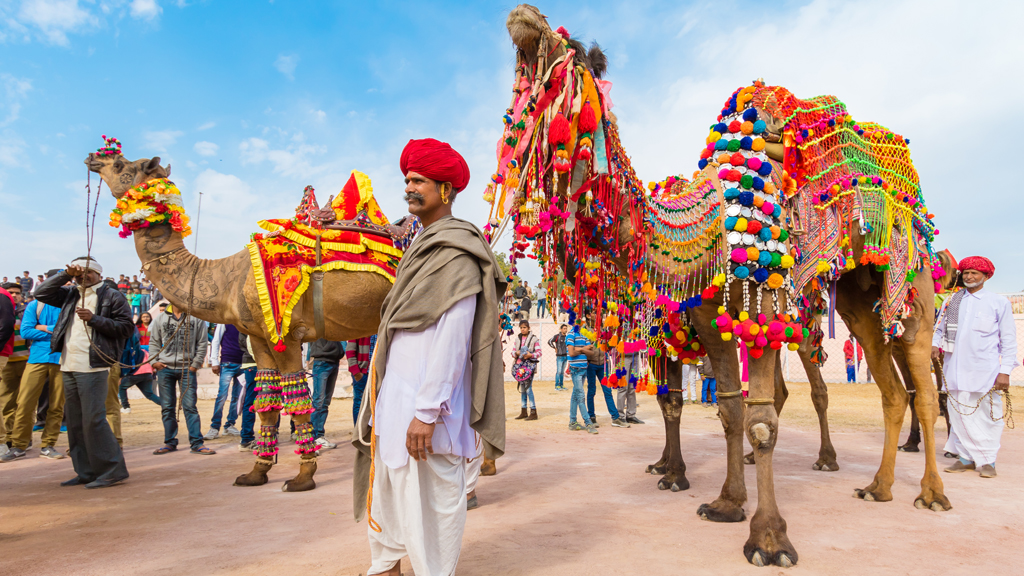
Pushkar Lake: Lying just a few kilometers away from Ajmer, Pushkar Lake is among the holiest places in India. Surrounded by temples and ghats, it becomes especially vivacious during the month of November when the Pushkar Fair is held, where one gets to enjoy camel races, folk music, and dances portraying the traditional lifestyle of Rajasthan.
Foy Sagar Lake: A quiet 19th-century lake among the hills, Foy Sagar is the place for nature walks and picnics. The quiet surroundings give a welcome break to the hustle-bustle of the city.
Nareli Jain Temple: Nestled in the Aravalli Hills, this modern white marble temple invites one into a world of peace and tranquility. For those who are interested in spiritual peace and architecture, this is the best place.

Festivals and Cultural Events
The festivals of Ajmer bring to light the rich cultural traditions of the city in all their varied religious expressions.
Urs Festival: This is one of the biggest religious festivals in this region and is held at Ajmer Sharif Dargah. It attracts people from all parts of the world to celebrate the life and works of Khwaja Moinuddin Chisti with qawwalies, prayers, and lights.

Pushkar Fair: Although Pushkar is a separate town, most of the tourists coming to Ajmer pay their visit. This happens to be one of the world's biggest fairs concerning livestock and also boasts races of camels and huge musical and dancing ceremonies concerning traditional music, dances, and the reflection of real Rajasthan culture.

Teej and Gangaur Festivals: These are two famous festivals of Rajasthan, celebrated with brilliant processions and folk dances, dedicated to Goddess Parvati. The entire atmosphere remains pulsating, along with the cultural customs of the State.
Local Food and Retail
Food and shopping in Ajmer are as tempting as its attractions.
Rajasthan Cuisine: No visit to Ajmer is complete without its Dal Baati Churma, Gatte ki Sabzi, and Ker Sangri—a desert bean and a berry. Sweet of mouth should be satiated with the must-try items that include Ghewar, Mawa Kachori, and Churma Ladoo.

Shopping in Ajmer Bazaar: The bustling markets of Ajmer offer a number of traditional Rajasthani handicrafts, block prints and textiles, embroidered attire, and brassware—all making perfect souvenirs or gifts.
Best Time to Visit
The best time to visit Ajmer is between October and March, when the climate is cool and ideal for sightseeing. Summers, between April and June, are very hot, while the monsoon months of July to September have lush greenery but heavy rainfall that might disrupt travel plans.
Travel Tips
The best time to tour Ajmer is during its winter months, which fall from October to March, and at the time of events. This is the peak time when the climate is fine for sightseeing. If you want to experience all the spiritual, historical landmarks of the city, Ajmer Sharif Dargah, and Taragarh Fort, you should definitely visit during this time. If you want to experience the full cultural vibe of the region, try visiting the place during the Urs Festival or Pushkar Fair. Comfortable shoes are also a good idea for sightseeing purposes, as one needs to cover distances on foot between famous Taragarh Fort and Anasagar Lake besides other places. Try to manage some time and relish Rajasthani food along with going shopping for typical handicrafts in different bazaars of Ajmer. Ajmer will remain remembered because of its blend of perfect spirituality, history, culture, and nature. Whether it would be historical monuments, spiritual experience, or just the relaxed atmosphere in Ajmer, this part of India will make its place in memory once witnessed.

Planning a trip to Ajmer?
Post your upcoming travel details and get personalized quotations from multiple verified travel agencies.
Fast response • Custom offers • Verified agents
Current Weather
Live Forecast
Explore Packages in Ajmer
Planning a trip to Ajmer?
Post your upcoming travel details and get personalized quotations from multiple verified travel agencies.
Fast response • Custom offers • Verified agents
Bigger Group? Get Special Offers Up to 50% Off!
Planning a trip for friends, family, or corporate teams to Ajmer? We create unforgettable customised adventures with exclusive group pricing!
Current Weather
Live Forecast
Why travelers choose
TravellingLark?
Thoughtfully planned journeys, crafted for unforgettable experiences.
Built Around You
Personalized trips based on your style, interests and budget.
Handpicked Trips
Curated itineraries designed with love and local expertise.
Transparent Pricing
Clear package pricing with no hidden charges or surprises.
Personalized Planning
Every trip is tailored to your interests, pace and preferences.
Best Value Always
Get the best experiences at the best value for your money.
Global Destinations
Explore handpicked destinations across India and the world.
24/7 Trip Assistance
We're with you before, during and after your journey.
Built Around You
Personalized trips based on your style, interests and budget.
Handpicked Trips
Curated itineraries designed with love and local expertise.
Transparent Pricing
Clear package pricing with no hidden charges or surprises.
24/7 Trip Assistance
We're with you before, during and after your journey.
Personalized Planning
Every trip is tailored to your interests, pace and preferences.
Best Value Always
Get the best experiences at the best value for your money.
Global Destinations
Explore handpicked destinations across India and the world.
Hassle-Free Journey
Enjoy a smooth travel planning experience from start to finish.
Traveler Reviews for AjmerReviews for Ajmer
Verified ratings and genuine travel experiences from our community
No Reviews Yet
Have you explored Ajmer? Share your experience to help fellow travelers plan their trip!