Hampi
About Hampi
Hampi: Stone Ruins and Lost Kings
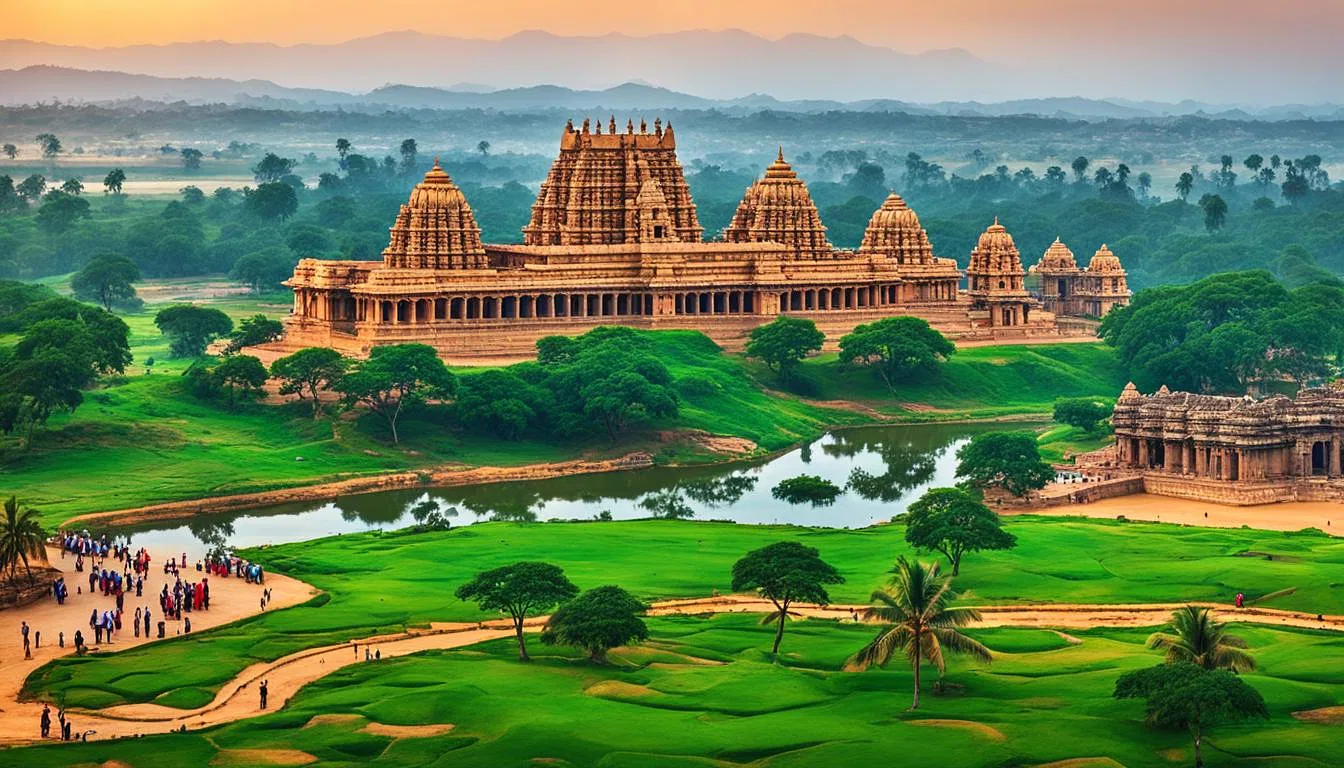
Hampi is not only a UNESCO World Heritage Site in Karnataka, India, but also a marvelous concoction of history, architecture, and nature that is utterly mesmerizing. The flourishing capital of the Vijayanagara Empire lures the visitors in with its picturesque temples, illustrious ruins, and mind-blowing boulder-strewn landscapes. It is, therefore, a paradise for both history lovers and adventurers.
Plan your next adventure easily with Travellinglark Post Travel — your smart travel companion!
Cultural and Historical Gems
Hampi is a cultural and historical wonderland, a mirror of the Vijayanagara Empire's grandeur, which ruled South India for nearly two centuries (14th to 16th centuries). The ruins of the city spread over a vast area and exhibit the most delicately carved temples, palaces, and monuments that testify to the brilliance of architecture and the perfection of art. Famous sites like the Virupaksha Temple, the Vittala Temple with its renowned stone chariot, and the Lotus Mahal represent the empire's advanced city planning, religious devotion, and appreciation of beauty. Hampi, with its beautiful ruins and temples, is a living museum where every corner tells you a story about the civilization that cherished art, culture, and spirituality, thus, being an everlasting symbol of India's rich heritage.
Top Attractions
1. Virupaksha Temple
Virupaksha Temple is not only the most important sight of Hampi but also a working place of worship for Lord Shiva. It was constructed in the 7th century and exposes the Vijayanagara Empire architecture with its high beautifully painted temple tower, beams of carved pillars, and figurines of gods and goddesses. The temple area encompasses a vast open space, a small museum, and the holy river Tungabhadra flowing nearby, which all contribute to the spiritual atmosphere. Events like Maha Shivaratri attracts large crowds of pilgrims and tourists who participate in the celebrations which are marked by vibrant colors. Virupaksha Temple is not only a spiritual center but also a living proof of Hampi's past and cultural heritage.
2. Vittala Temple and Stone Chariot
The stone chariot, the emblem of Hampi, and the temple complex of Vittala are famous for the beauty of their architecture and the nonpareil chariot made of stone. During the reign of the Vijayanagara Empire, the temple was built with the wondrously carved columns, the so-called 음악의 pillars that produce different sounds when gently struck, and monumental open spaces. The temple was dedicated to Lord Vittala, a form of Lord Vishnu, and it is an amazing building that combines worship and craftsmanship. The Stone Chariot, simulating a wooden structure hewn from granite, is a dream both for photographers and history-mad people. The temple complex of Vittala provides a complete experience of Hampi’s abundance in culture and art.
3. Lotus Mahal
Lotus Mahal which is in Hampi's Zenana Enclosure is a gorgeous structure representing the fusion of Indo-Islamic architecture. It is the perfect blend of charming and intricate arches along with Vijayanagara stylistic elements. Lotus Mahal is mostly recognized for its lotus-shaped domes and not only beautiful but also very well-designed balconies which were meant for the royal ladies. The building itself is surrounded by a garden that is very well taken care of, and this way a peaceful place is formed in the middle of the rocky landscape. Lotus Mahal's fine and delicate carvings, perfectly symmetrical design and historical importance all together make it the main attraction for tourists going to Hampi. It gives a sneak peek into the royal family's lifestyle while at the same time being a hallmark of the architectural excellence of the Vijayanagara period.
4. Hampi Bazaar
Hampi Bazaar, which is located in front of the Virupaksha Temple, used to be a bustling center of commerce in the Vijayanagara Empire. The bazaar extended for more than a kilometer and the remains of pavilions made of stone, streets for markets and stalls of merchants are all part of the tracing back to the old days of commerce. The area has turned into a small town which is lively with shops for tourists selling souvenirs, stalls for handicrafts, and eateries for snacks which are small. Hampi Bazaar is a place of cultural immersion where visitors can see local crafts, traditional jewelry, and handwoven textiles. The ruins of historic structures and temple complexes surrounding the bazaar depicts Hampi's dynamic past and at the same time it offers a very lively experience in today's modern world.
Top Local Dishes to Try
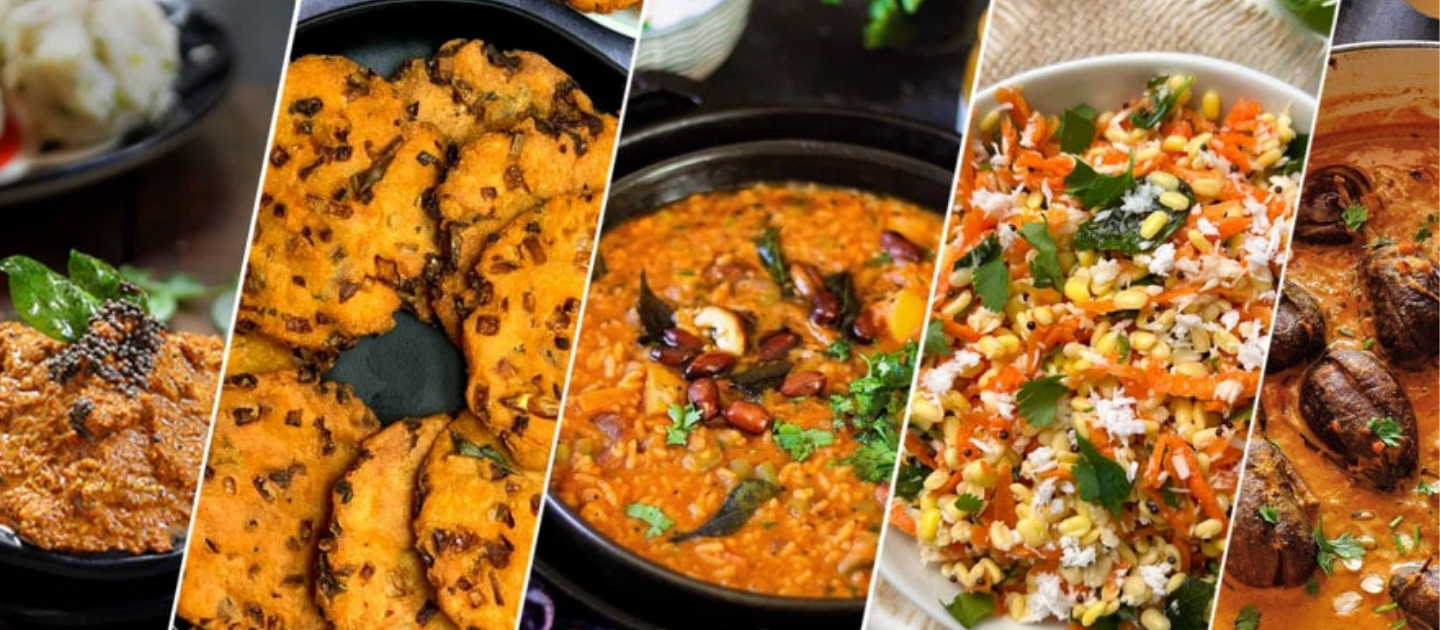
- Ragi Mudde: An excellent traditional dish consisting of finger millet flour, which is usually served with spicy sambar or lentils.
- Bisi Bele Bath: A delicious mixture of rice and lentils, spiced, sour and with vegetables
- Jolada Rotti: Thin, crunchy unleavened bread made with jowar flour, frequently served with chutney or spicy curries.
- Ennegai: Small, whole eggplants adorned with a piquant, spiced peanut or sesame dressing and fried in oil.
- Neer Dosa: Soft, superfine rice pancakes, which go with coconut chutney or vegetable curry.
- Mysore Pak: A rich, smooth-sweet experience produced from gram flour, ghee, and sugar.
- Obbattu/Holige: Sweet bread made of lentils, jaggery or coconut, usually made during festivals.
The Best Restaurants & Hotels
- Mango Tree: A riverside place providing peace with its combination of North and South Indian dishes, and is noted for freshness in the ingredients as well as traditional flavors.
- Gopi Guest House & Restaurant: Renowned for its real local food, especially thalis and vegetarian specialties, it is with a homely and welcoming atmosphere.
- Evolve Back Hampi: A five-star resort that has a mix of heritage-inspired architecture and modern amenities, it provides breathtaking views of Hampi’s rocky landscapes.
- Clarks Inn Hampi: A pleasant stay in nicely furnished rooms, excellent service, and easy access to the main attractions like Virupaksha Temple and Hampi Bazaar.
Ultimate Shopping Destinations

- Hampi Bazaar: Uncover local made crafts, traditional jewelry, and textiles, and buy gifts in and around the historic market streets.
- Virupaksha Temple Market: The temple is surrounded by a lot of small stalls that sell spiritual artifacts, prayer beads, and handmade mementos.
- Local Handicraft Shops: Located in various parts of Hampi, the shops demonstrate not only stone carvings but also wooden crafts, and miniature replicas of Hampi monuments.
- Artisan Workshops near Tungabhadra River: Fabrics, pottery, and tribal paintings that are directly from the local craftsmen are available for sale.
- Street Vendors near Royal Enclosures: Perfect for getting unique souvenirs, postcards, and cultural motifs.
Night/Day Life what’s best?
Hampi isque a distinctive combination of day and night experiences that suit every kind of traveller, from adventure to history seekers. During the day, tourists can walk through the massive ruins, temples, and rocky landscapes, all of which will be illuminated by the sun while engaging in activities like coracle rides on the Tungabhadra River, cycling through ancient places, and enjoying the magnificent sunrise views from Hemakuta Hill. Hampi, at night, changes into a peaceful retreat where the stillness of the streets, the gently lit monuments, and the sky full of stars all contribute to a tranquil atmosphere. Relaxed evening meet-ups at cafés and riverside restaurants take place while sometimes cultural acts and folk music bring life to the night, thus indicating the town's ageless allure.
How To Reach
By Train: Hospet Junction is the closest train station, linked to the primary cities such as Bangalore, Hyderabad, and Pune. Hampi is only 13 km from Hospet, which can be accessed by taxis, auto-rickshaws, or local buses.
By Air: The nearest airports are Hubli Airport (about 165 km) and Belgaum Airport (about 260 km). The international choice is Kempegowda International Airport in Bangalore (around 350 km). At these airports, one can either take a taxi or a bus or drive themselves to get to Hampi.
By Bus: Hampi is easily reachable from the near cities like Bangalore and Hyderabad through state-run and private bus services. Livestock and private luxury bus companies have both overnight and day routes to Hospet from where one can take a short trip to Hampi.
The Best Time to Visit
The best time to visit Hampi, according to ChatGPT, is from October to March when the temperature is pleasantly cool, which is the most suitable time for exploring the ruins and outdoor attractions. During this time, the maximum temperatures will be very pleasant at 20-30°C, which will make the activities like sightseeing, trekking, and riverside activities fun. The post-monsoon season helps Hampi to look even more beautiful with its greenery, rivers, and blue heavens all very conducive for photography. Don’t go during the hot months of April to June when the heat can be unbearable, and do so if you want hassle-free travel and outdoor activities during the rains because the monsoon season comes with heavy showers that not only disrupt but delay activities.
Conclusion
The Hampi ruins represent an ageless evidence of the glorious past of India, wonderful architecture, and vibrant culture. The Vijayanagara Empire's opulence narrates through every feature of the site with its grand temples, royal grounds, and even the picturesque riverside along with the lively markets. Hampi presents not only its ruins but also local food, captivating shopping, and quiet places for contemplation or thrill, which makes it an attraction for historians, tourists, and photographers alike. Hampi's day exploration or peaceful night experience leaves an indelible mark, thus, inviting tourists to travel back in time and revel in the enchantment of one of India's most prominent heritage sites.
About Us
Trip planning could seem to be cumbersome but TravellingLark makes it easy by linking travelers with professional travel agencies that provide customized travel proposals. Instead of spending hours searching for the most appropriate vacation package, travelers can post their trip details and receive several personalized offers.
TravellingLark is not only a destination for travelers but the most powerful network for travel agencies, hotels, and travel vendors. Travel agencies can sign up for free listing of their offerings and display packages for holiday tours, hotels, and travel experiences. Travel is a business but no commission hefty charged like other platforms; we give businesses free travel leads to achieving their patronage.
Whether you are a travel agency searching for clients, a hotel requiring more bookings, or a travel vendor offering services, TravellingLark has just opened direct access to tourists searching for these offerings.
- Hassle-Free Trip Planning: Every traveler gets a tailor-made travel offer, with other requirements left to him/her.
- Join for Everyone: Signing up is completely free for all users and businesses. While basic access stays free, vendors now have the option to purchase premium leads to connect with more potential customers and grow their sales.
Join TravellingLark now and make a smarter future in planning, booking, and growing in the travel industry!
Planning a trip to Hampi?
Post your upcoming travel details and get personalized quotations from multiple verified travel agencies.
Fast response • Custom offers • Verified agents
Current Weather
Live Forecast
Planning a trip to Hampi?
Post your upcoming travel details and get personalized quotations from multiple verified travel agencies.
Fast response • Custom offers • Verified agents
Bigger Group? Get Special Offers Up to 50% Off!
Planning a trip for friends, family, or corporate teams to Hampi? We create unforgettable customised adventures with exclusive group pricing!
Current Weather
Live Forecast
Why travelers choose
TravellingLark?
Thoughtfully planned journeys, crafted for unforgettable experiences.
Built Around You
Personalized trips based on your style, interests and budget.
Handpicked Trips
Curated itineraries designed with love and local expertise.
Transparent Pricing
Clear package pricing with no hidden charges or surprises.
Personalized Planning
Every trip is tailored to your interests, pace and preferences.
Best Value Always
Get the best experiences at the best value for your money.
Global Destinations
Explore handpicked destinations across India and the world.
24/7 Trip Assistance
We're with you before, during and after your journey.
Built Around You
Personalized trips based on your style, interests and budget.
Handpicked Trips
Curated itineraries designed with love and local expertise.
Transparent Pricing
Clear package pricing with no hidden charges or surprises.
24/7 Trip Assistance
We're with you before, during and after your journey.
Personalized Planning
Every trip is tailored to your interests, pace and preferences.
Best Value Always
Get the best experiences at the best value for your money.
Global Destinations
Explore handpicked destinations across India and the world.
Hassle-Free Journey
Enjoy a smooth travel planning experience from start to finish.
Traveler Reviews for HampiReviews for Hampi
Verified ratings and genuine travel experiences from our community
No Reviews Yet
Have you explored Hampi? Share your experience to help fellow travelers plan their trip!
Frequently Asked Questions about Hampi
Hampi is in Karnataka state in India. It is near a small town called Hospet. When you reach there, you will see rocky hills and old ruins everywhere. It feels a bit remote, but that is part of its charm honestly.
Hampi is around 340 km from Bangalore. The journey takes almost 6 to 7 hours by road. Many people prefer night buses. I tried train once, it was slower but more comfortable in a way.
Yes, it is quite easy now. Google Maps works fine in most areas. Sometimes network drops in some spots, but not a big issue. Just download offline map before going, helps a lot.
The nearest station is Hospet Junction. It is about 13 km from Hampi. From there, autos and local buses are easily available. The ride is short and simple, nothing confusing.
It depends on season. During winter months, it gets busy but still peaceful compared to big cities. Early mornings are very calm. I liked exploring at that time, less noise and better vibe.
Recently Asked Questions about Hampi
No direct airport in Hampi. The nearest airport is in Hubli or Bellary. From there, you need to take a cab or bus. It adds some travel time, but roads are decent overall.
Yes mostly roads are fine now. Highways are smooth from major cities. Last few km may feel a bit rough, but manageable. Nothing too bad honestly.
Yes, but better to be careful. Roads are quiet at night. If you are new, try reaching before evening. Locals are helpful, but still, day travel feels more relaxed.