Ellora
About Ellora
Ellora: Rock-Cut Wonders and Sacred Diversity
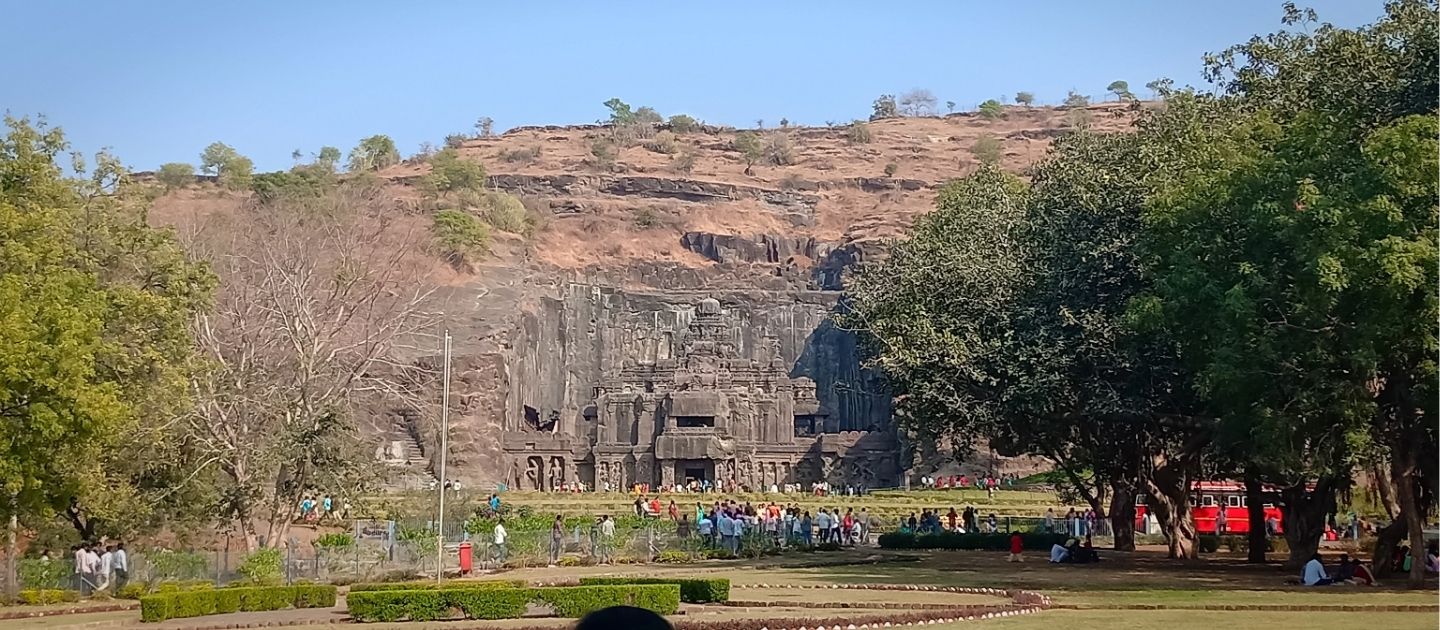
Ellora, a city in the state of Maharashtra, India, is an exemplary blending of ancient culture and spiritual harmony undoubtedly a grand manifestation of the ancient period's architectural skill. It is best known for its rock-cut caves and the combination of Hinduism, Buddhism, and Jainism being practiced together in that period and place is portrayed through that site. Its age-long rich history and uniqueness in art give the area to be the one most worth visiting by tourists who are in search of places where they can be culturally immersed and where they can find awe-inspiring architecture.
Plan your next adventure easily with Travellinglark Post Travel — your smart travel companion!
Cultural and Historical Gems
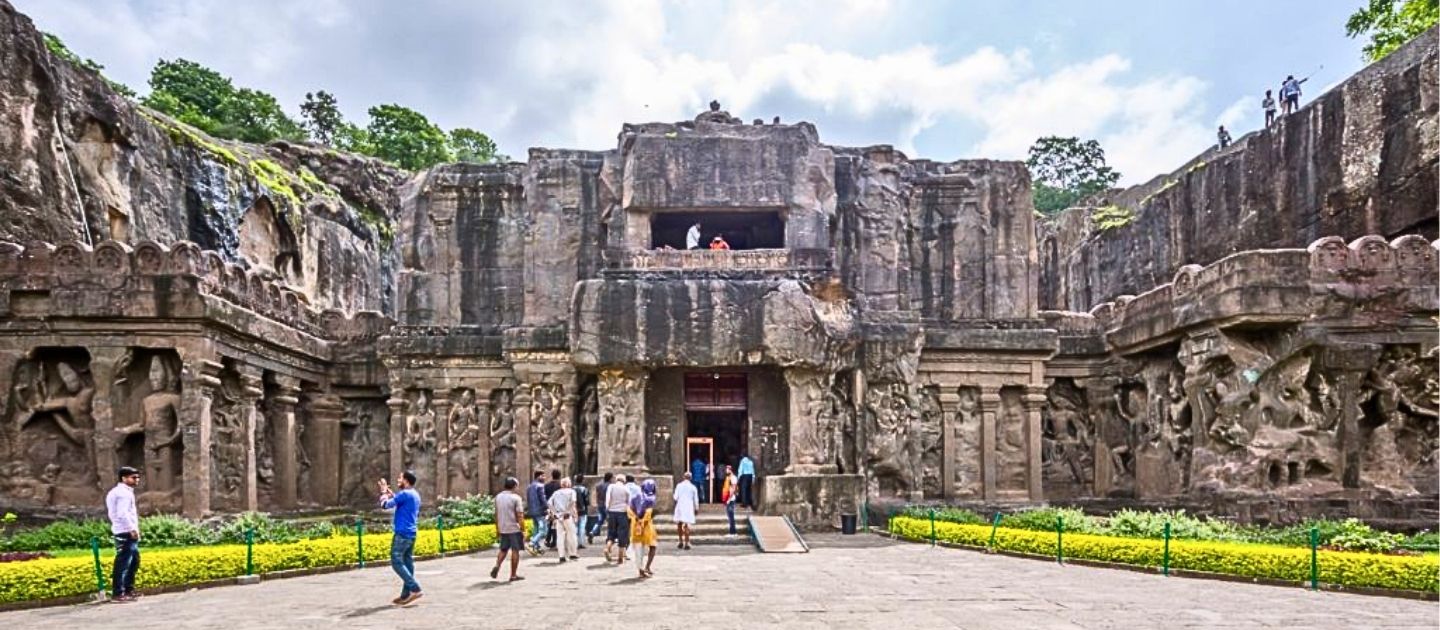
Ellora Caves, a UNESCO World Heritage Site, represent the zenith of India's ancient stone carving tradition. The complex has 34 caves, which are home to centuries worth of religiously-inspired art reflecting mainly Buddhists monks, Hindu deities, and Jains hermitages. The most remarkable one among the group is Cave 16, the Kailasa Temple, an awe-inspiring feat of engineering as it is created as one massive rock-cut monument. Daily life, mythology, and spirituality of the period can be traced through the skillfully executed reliefs, sculptures, and painting of the caves. To cut a long story short, Ellora is not only an archaeological wonder but also a vibrant icon of the multitude of cultural and religious backgrounds that made up the Indian subcontinent.
Top Attractions
1. Kailasa Temple (Cave 16)
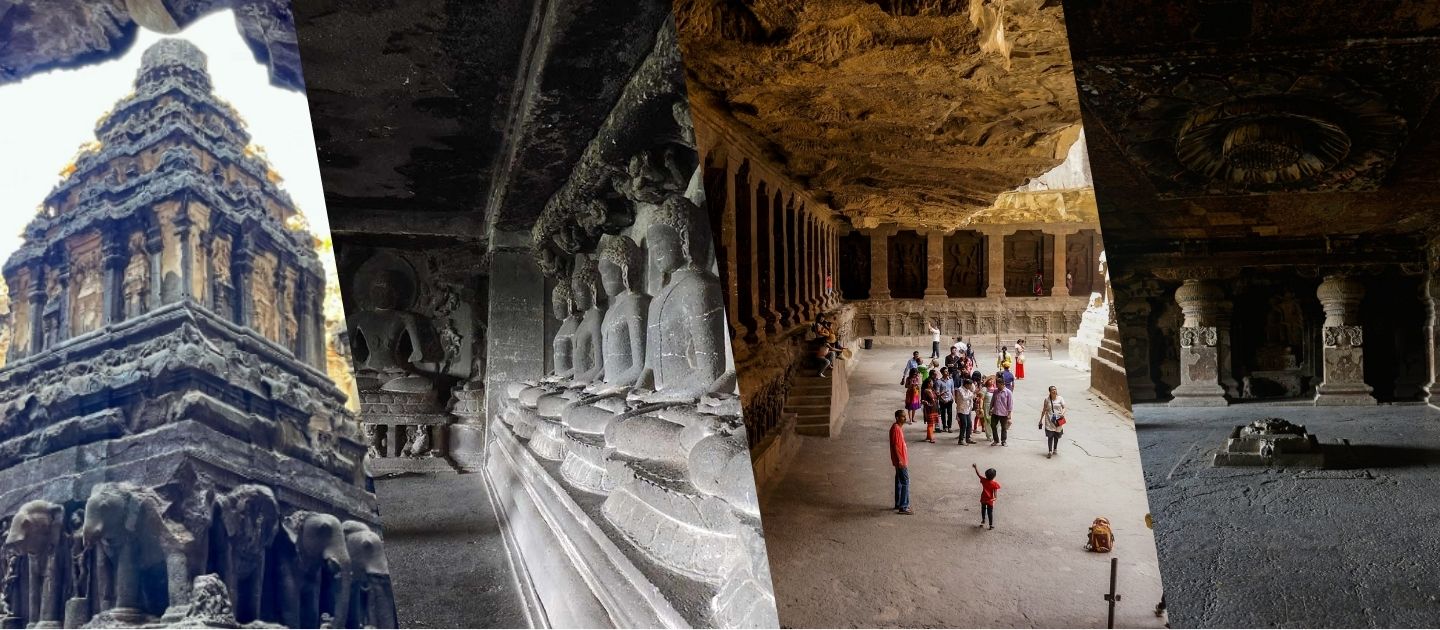
Kailasa Temple is the star attraction in Ellora that has been hewn out of a single piece of rock. Stretching over 2 acres, it stalls the scenes from the Hindu epics like Ramayana and Mahabharata in a highly detailed manner carved along with the rest of the temple's pillars. The temple's vast courtyard, the gods' and the animals' and the mythological scenes' elaborately carved figures and the extraordinarily constructed multi-tiered buildings are all showcasing the unmatched skill of the woodworkers and stone masons and thus the entire area becomes a mesmerizing place for the visitors.
2. Buddhist Caves (Caves 1–12)
Essentially, the Buddhist caves at Ellora, which were hewn between the 5th and 7th centuries, were mainly used as monasteries and places of worship. The caves, which comprise chaityas (prayer halls) and viharas (monastic cells) of great sophistication, are decorated with the finest sculptures of the Buddha, Bodhisattvas, and stories from Jataka tales. Cave 10, also called the “Vishwakarma Cave,” is notable for its large chaitya hall featuring a magnificent stupa, while Cave 12 displays intricate sculptural panels. The serene environment and artistic heritage of the past turn these caves into perfect places for meditation and introspection.
3. Hindu Caves (Caves 13–29)
Hindu caves, dating back to the 6th and 9th centuries, illustrate the multiplicity of Hindu rituals. They comprise sanctuaries for Shiva, Vishnu, and other gods, where intricate sculptures depict the mythological tales. The pillars, doorways, and ceilings are richly carved with images of animals, deities, and heavenly beings. Cave 21, the Rameshwar Temple, and Cave 26 are exemplars of the period's creative brilliance. The caves were not only the sites of worship but also the centers of culture, reflecting the impact of different dynasties.
4. Jain Caves (Caves 30–34)
The Jain caves of the 9th and 10th centuries are smaller but their intricacy is very high. In them are the delicately carved images of the Tirthankaras and the finely executed reliefs narrating Jain legends. The masterful work is characterized by the use of light and shadow, which enhance the spiritual aspect, and it includes the construction of pillars and ceilings with domes. Cave 32, the one for the Tirthankara Adinatha, is the most admired in terms of finesse. These caves are the evidence of the Jain community's focus on meditation and spirituality as well as the diversity of religions that existed in Ellora's beautiful fabric.
Top Local Dishes to Try
- Puran Poli: A delightful sweet flatbread filled with a paste of lentils and jaggery, nothing but a traditional Maharashtrian dish.
- Misal Pav: A hot and spicy dish of sprouted lentils with soft bread, topped with onions and a crunchy snack called farsan.
- Vada Pav: One of the most loved snack items from the street, consisting of a bun stuffed with a fried potato patty, generally along with chutneys.
- Poha: A typical breakfast of the Indian subcontinent, made of flattened rice cooked with mustard seeds, turmeric, onions, and peanuts.
- Sabudana Khichdi: A dish of tapioca pearls stir-fried with peanuts, green chilies, and spices, perfect for days of fasting.
- Modak: Delicious coconut and jaggery stuffed dumplings that are considered Lord Ganesha’s favorite.
The Best Restaurants & Hotels
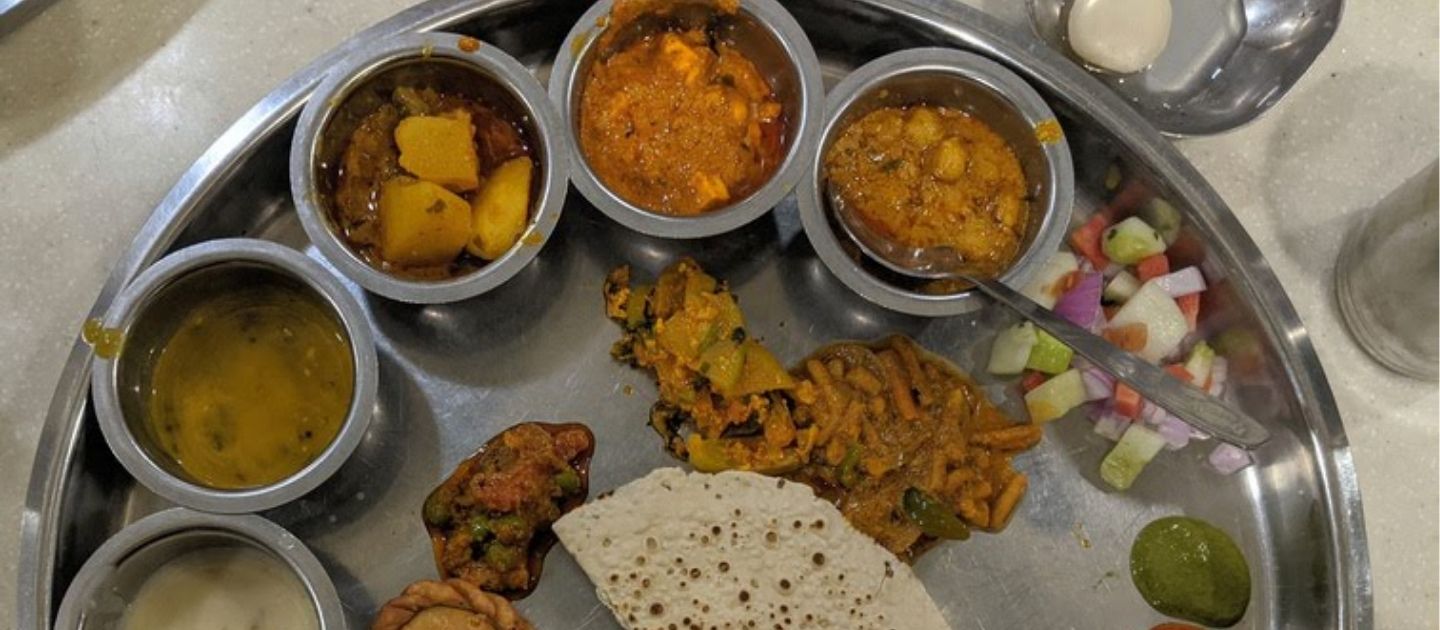
- Shiv Shakti Restaurant: Offering hospitable Maharashtrian thalis, thus presenting a range of the traditional dishes in a friendly atmosphere.
- Green Leaf Restaurant: It has an excellent vegetarian menu, fresh ingredients, and a friendly atmosphere.
- Hotel Kailas: Comfortable accommodation with modern conveniences and very close to Ellora caves, thus ideal for tourists.
- Ellora Heritage Resort: A combination of luxury and the comforts of nature, spacious rooms and beautiful gardens are the main features.
Ultimate Shopping Destinations
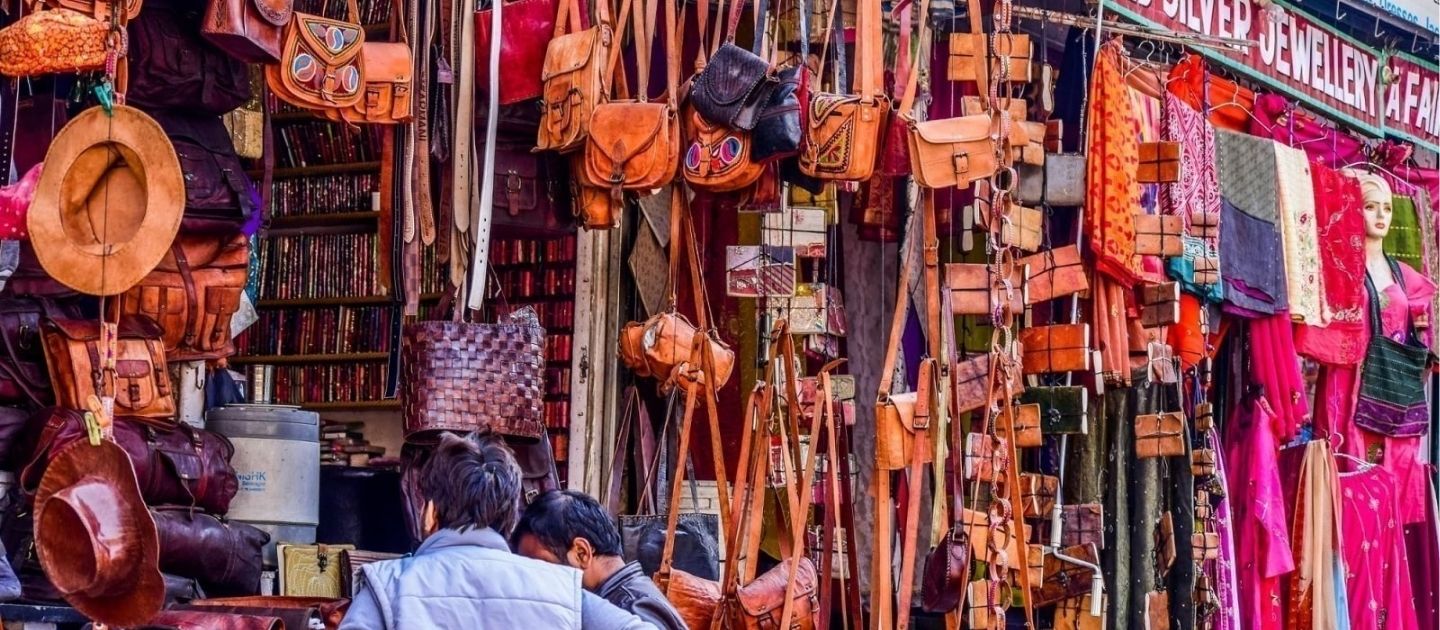
- Aurangabad Handicraft Market: A place where one can find local handicrafts, textiles, and traditional ornaments.
- Ellora Souvenir Shops: Miniature sculptures, religious artifacts, and cave carvings replicas are among the various items sold here.
- Panchakki Bazaar: A place famous for its local snacks, spices, and handmade gifts.
- Textile Markets: Bright sarees, scarves, and embroidered fabrics that show Maharashtrian culture are the main products in these markets.
- Street Stalls near Ellora Caves: The most affordable mementos, postcards, and small statues of Hindu, Jain, and Buddhist deities can be found here.
Night/Day Life what’s best?
Ellora is a place of calm and tranquility that mirrors its spiritual heritage. The whole day is perfect to visit the caves, take guided tours, and snap photos of the detailed carvings. Evenings are peaceful, with views of the sun setting over the rock formations and temples. The town of Aurangabad nearby has a more vibrant nightlife with places like cafes, cultural activities, and music concerts. Visitors can have classes in local Maharashtrian food in restaurants, participate in light and sound shows close to the caves, or go on silent strolls on the nearby trails. The region is a haven for both cultural lovers and those looking for serene, introspective moments amid the glorious ruins of the past.
How To Reach
- Train: Aurangabad Railway Station which is the nearest major station, is about 30 km away from Ellora, and there are regular trains connecting it with Mumbai, Pune, and Delhi.
- Airport: Aurangabad Airport which is 40 km away from Ellora, operates domestic flights to and from major Indian cities.
- Bus: Tourists can choose between state-run and private buses that operate between Aurangabad and Ellora for their convenient travel options.
The Best Time to Visit
The best time to travel to Ellora is from October to March, which is the winter season in India. The temperature is between 15°C and 30°C, making it very nice and easy to see places and go around. The rainy season, which is from June to September, causes heavy rain, and thus, the caves become less accessible, but still, the rain promotes the surrounding area’s greenery. The winter visit guarantees nice weather, and clear skies along with good chances for photography. One such event is Mahashivratri, which is a local festival that draws a lot of people and gives one the opportunity to witness the religious practices of the locals. Therefore, if you plan your trip during this time, you would be very comfortable and have a lot of potential for sightseeing and cultural experiences as well.
Conclusion
Ellora is a stunning merging of history, art, and spirituality. The rock-cut caves, each representing one of three religions—Hinduism, Buddhism, and Jainism—invite a traveler to come and experience these epochs of architectural mastery and the mixing of cultures through the centuries. But, of course, Ellora also has a lot more to offer such as a variety of local food, pleasant places to stay, and shopping that may be a bit too vibrant. The tranquil atmosphere mixed with the nearby activity of Aurangabad offers exploration of local culture through either calmness or reflection depending on one's preference. Ellora is the place for single- or mass -history lovers, spiritual searchers, and the like—curious travelers—promising to leave unforgettable moments that not only enlighten the Indian heritage, but also religious harmony, done artistically with one breathtaking destination.
About Us
Trip planning could seem to be cumbersome but TravellingLark makes it easy by linking travelers with professional travel agencies that provide customized travel proposals. Instead of spending hours searching for the most appropriate vacation package, travelers can post their trip details and receive several personalized offers.
TravellingLark is not only a destination for travelers but the most powerful network for travel agencies, hotels, and travel vendors. Travel agencies can sign up for free listing of their offerings and display packages for holiday tours, hotels, and travel experiences. Travel is a business but no commission hefty charged like other platforms; we give businesses free travel leads to achieving their patronage.
Whether you are a travel agency searching for clients, a hotel requiring more bookings, or a travel vendor offering services, TravellingLark has just opened direct access to tourists searching for these offerings.
- Hassle-Free Trip Planning: Every traveler gets a tailor-made travel offer, with other requirements left to him/her.
- Join for Everyone: Signing up is completely free for all users and businesses. While basic access stays free, vendors now have the option to purchase premium leads to connect with more potential customers and grow their sales.
Join TravellingLark now and make a smarter future in planning, booking, and growing in the travel industry!
Planning a trip to Ellora?
Post your upcoming travel details and get personalized quotations from multiple verified travel agencies.
Fast response • Custom offers • Verified agents
Current Weather
Live Forecast
Planning a trip to Ellora?
Post your upcoming travel details and get personalized quotations from multiple verified travel agencies.
Fast response • Custom offers • Verified agents
Bigger Group? Get Special Offers Up to 50% Off!
Planning a trip for friends, family, or corporate teams to Ellora? We create unforgettable customised adventures with exclusive group pricing!
Current Weather
Live Forecast
Why travelers choose
TravellingLark?
Thoughtfully planned journeys, crafted for unforgettable experiences.
Built Around You
Personalized trips based on your style, interests and budget.
Handpicked Trips
Curated itineraries designed with love and local expertise.
Transparent Pricing
Clear package pricing with no hidden charges or surprises.
Personalized Planning
Every trip is tailored to your interests, pace and preferences.
Best Value Always
Get the best experiences at the best value for your money.
Global Destinations
Explore handpicked destinations across India and the world.
24/7 Trip Assistance
We're with you before, during and after your journey.
Built Around You
Personalized trips based on your style, interests and budget.
Handpicked Trips
Curated itineraries designed with love and local expertise.
Transparent Pricing
Clear package pricing with no hidden charges or surprises.
24/7 Trip Assistance
We're with you before, during and after your journey.
Personalized Planning
Every trip is tailored to your interests, pace and preferences.
Best Value Always
Get the best experiences at the best value for your money.
Global Destinations
Explore handpicked destinations across India and the world.
Hassle-Free Journey
Enjoy a smooth travel planning experience from start to finish.
Traveler Reviews for ElloraReviews for Ellora
Verified ratings and genuine travel experiences from our community
No Reviews Yet
Have you explored Ellora? Share your experience to help fellow travelers plan their trip!