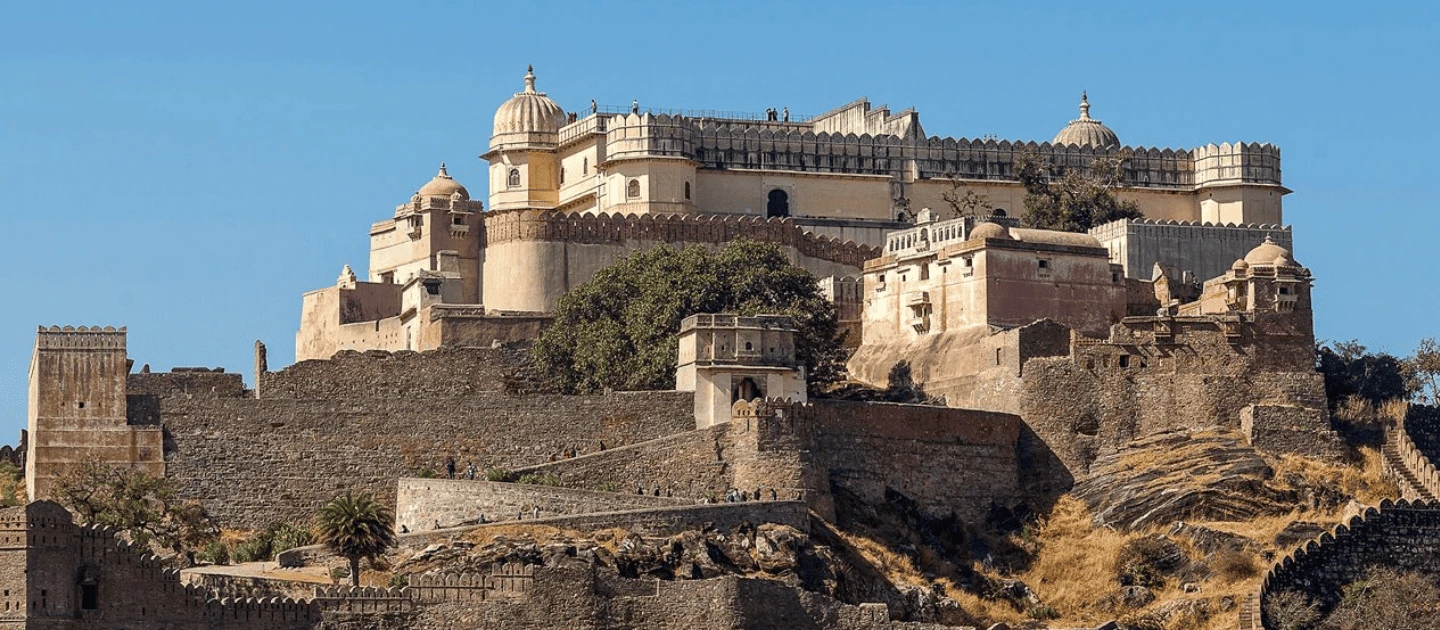
Kumbhalgarh Fort
About Kumbhalgarh Fort
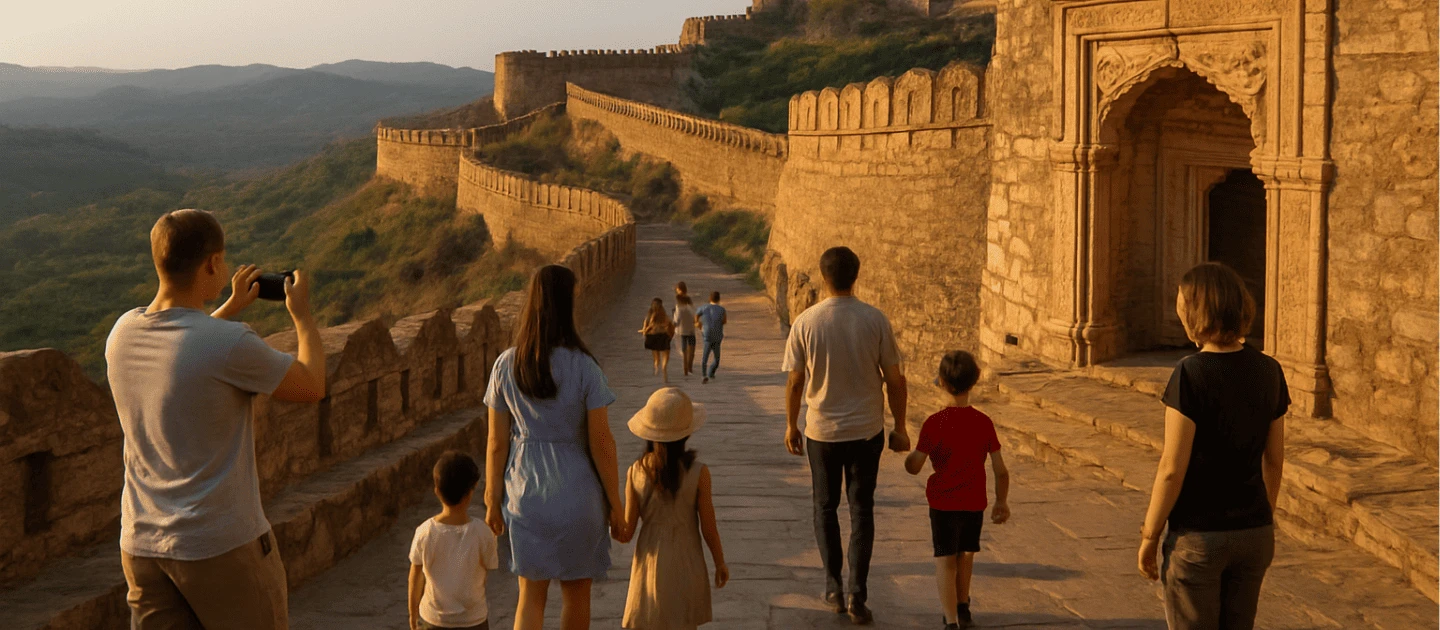
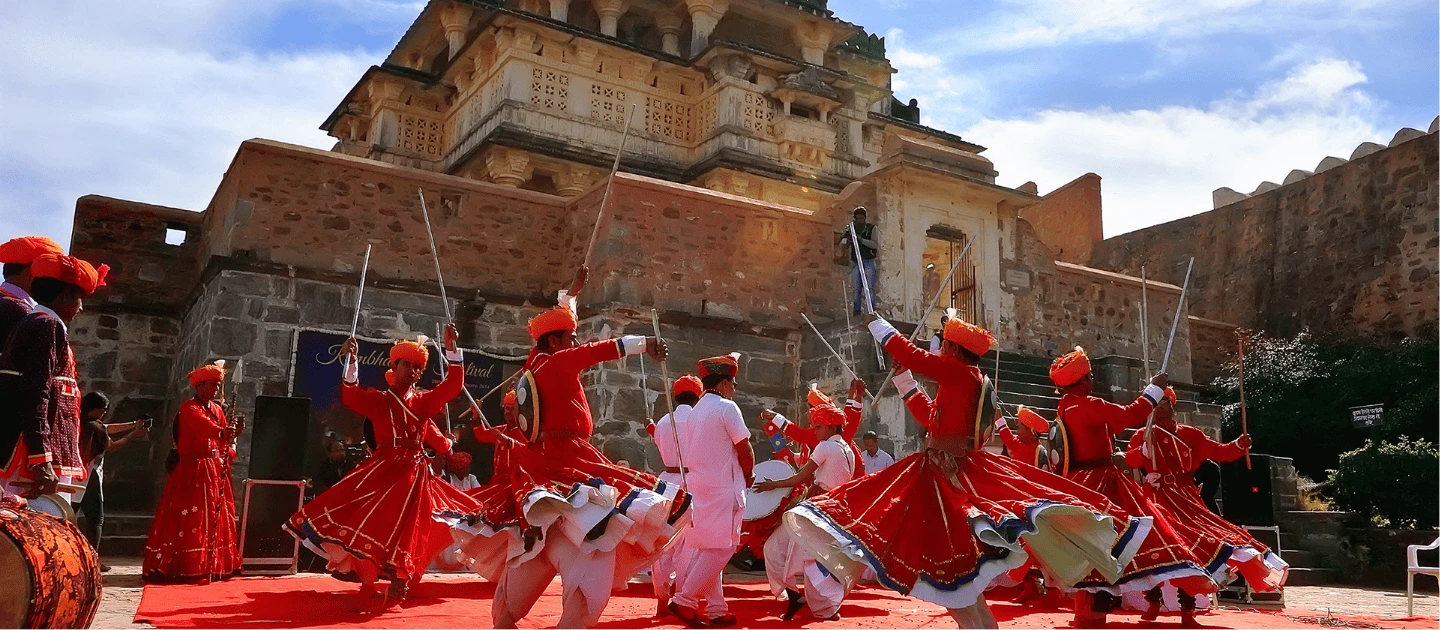
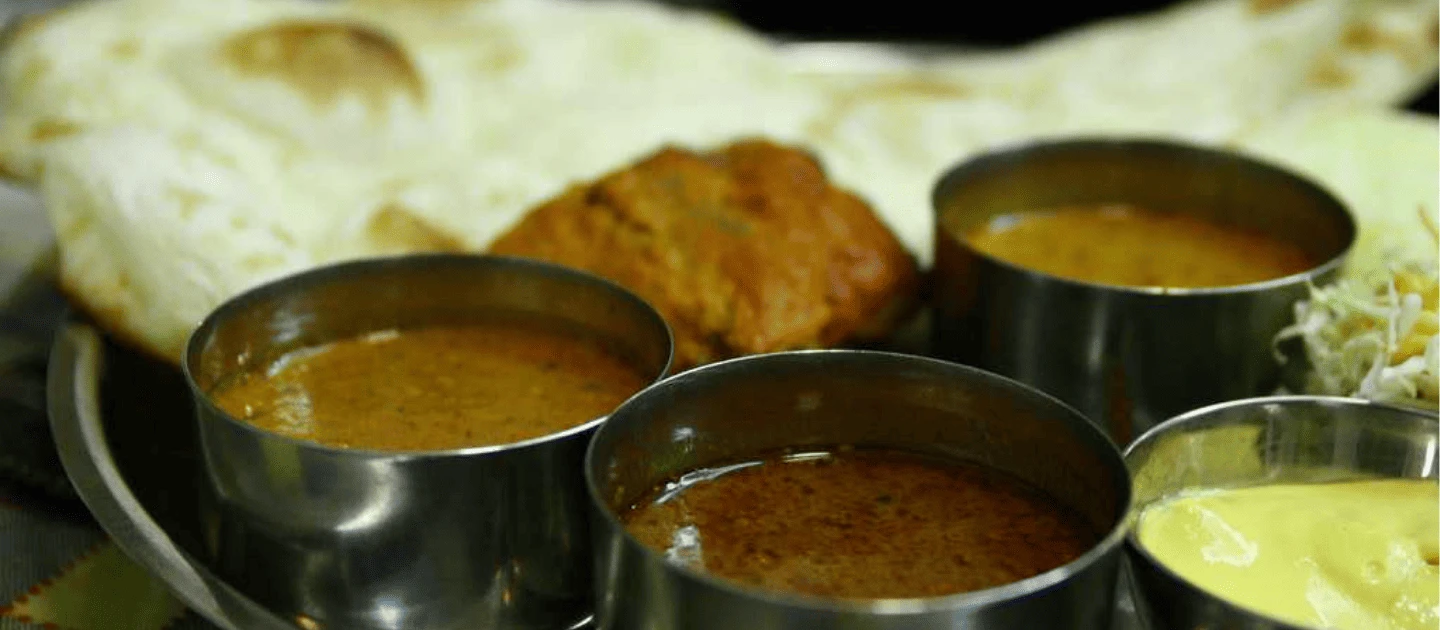
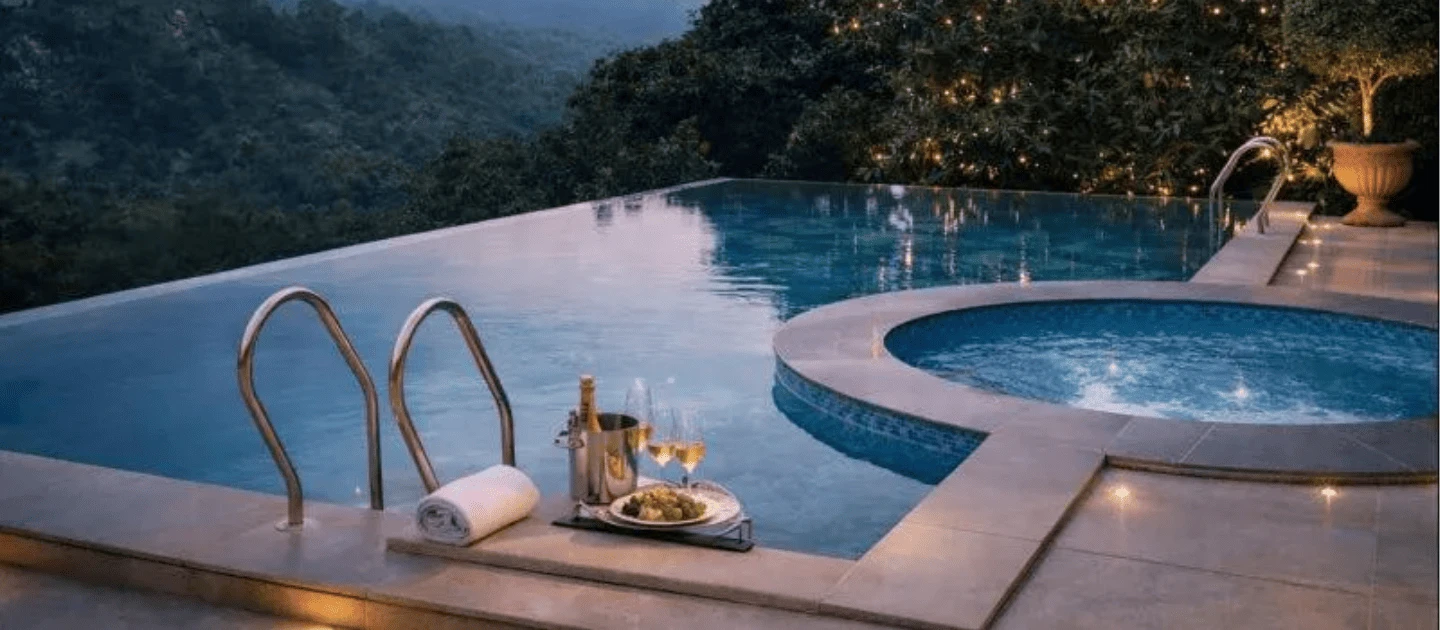
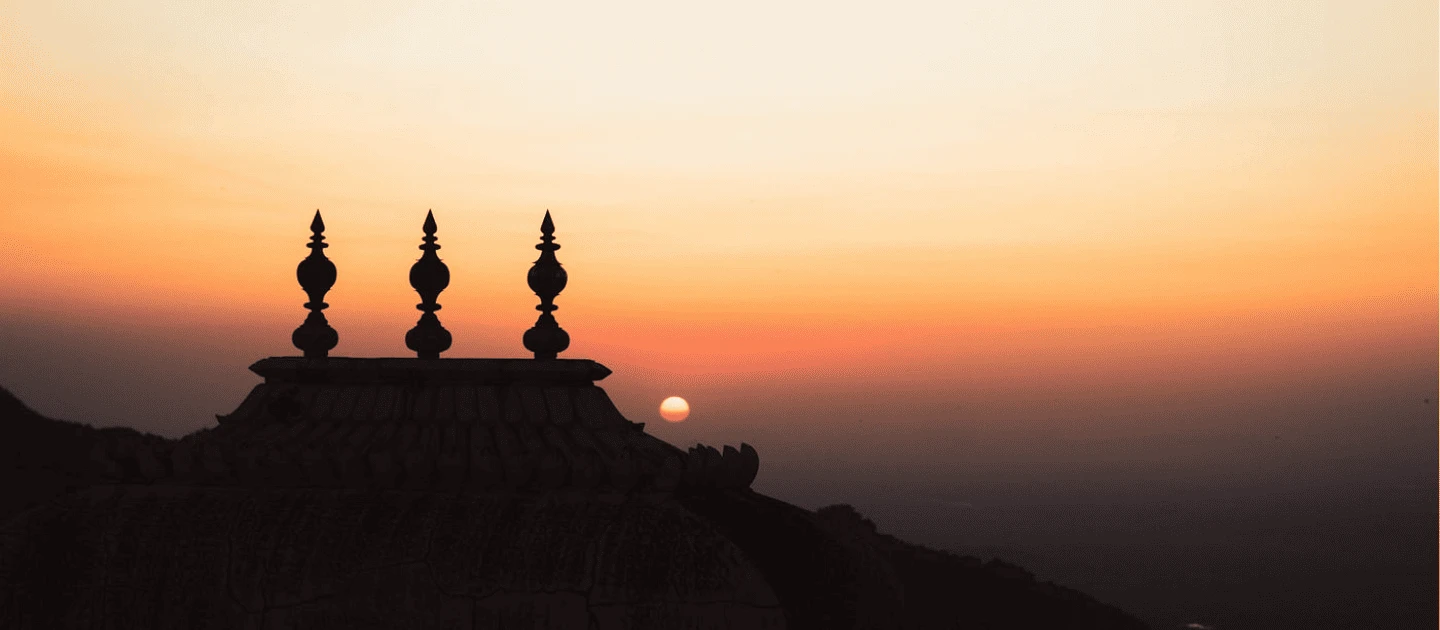
Kumbhalgarh: The Great Wall of India There are places in Rajasthan that feel loud and busy. And then there are other places that move slow, like kinda slowly. Kumbhalgarh is, this second kind. After a point the roads turn quiet , not totally, but enough. Hills start showing up. The air feels different, a bit softer somehow. Even the sky seems wider there , almost like it is breathing. I reached this side of Rajasthan in late monsoon. The ground was still green, like freshly held in that rain. Clouds kept wandering around the hills all day. From far away the fort walls looked endless. Honestly it did not feel real at first, like i was watching something that should be behind glass. Most people know Jaipur and Udaipur. Fewer folks bother to come here. Maybe that is why the place still feels calm, not careful, just calm. You can walk around without being rushed. You can sit near the old walls and hear almost nothing, for a while at least. This area is known for massive walls, old temples, mountain views, and quiet sunsets. A lot of travelers call it the Great Wall of India. Once you see those long stone lines stretching across the hills, you get it why. Plan your next adventure easily with Travellinglark Post Travel — your smart travel companion! People usually come here for the massive fort. But after spending a day or two, you sort of notice, there is more to enjoy. The atmosphere feels different from crowded tourist cities. Like, there are forests nearby, and villages sit between the hills. You spot small tea stalls along the curved roads too. Even the simplest moments feel memorable, somehow. Some travelers come for photography. Some arrive for history reasons. Families like the open spaces and scenic drives. Couples prefer the quiet evenings. Solo travelers often stay longer than planned. It has that kind of effect, you know. The fort itself is tied to Rajput pride and the legacy of Maharana Kumbha,fort traditions. The structure rises in the Aravalli hills and still looks powerful. Some parts of the wall stretch for many kilometers. Locals will even proudly compare it with the Great Wall of India, Kumbhalgarh story, the one travelers hear about so often. Honestly the biggest attraction here is Kumbhalgarh Fort. It was built in the fifteenth century by Maharana Kumbha, you know, the ruler. He was look ing for a solid defensive fort up in the hills, sort of like a calm bulwark, and the result turned into one of the most important forts for Rajasthan heritage tourism. The walls are like the first thing people notice. They run across the hills in a dramatic way, in some places you can see several people walking side by side on top of them. During sunrise, the light lands on the stones and makes this soft golden color. It feels beautiful without needing to show off too much. Once you’re inside the fort area, there are temples , gateways, old palaces, and open courtyards. Nothing feels overly decorated. The charm is mostly in the scale and the quiet, like the whole place is breathing slowly. One interesting detail that many travelers remember is that this fort is connected to Maharana Pratap’s childhood. Stories from that era still, somehow, keep appearing in local conversations. The guides talk about it with pride, and older villagers also enjoy sharing little parts of history with visitors. Also, the fort is part of the UNESCO Forts of Rajasthan circuit. That recognition brought more attention, but thankfully it still feels less commercial than so many well known destinations. You really should leave enough time for exploring, I mean… not rush it, people always think like two hours is enough, but no they aren’t. The climb inside can get a little draining during the afternoon heat, and it’s easy to pretend you’re fine until you’re not. If you can, start early. Bring water, wear those simple walking shoes, the kind you can actually trust. Also, some stone paths are a bit uneven, so watch your steps now and then. The main gates are big, really huge and impressive. After you go through, every turn seems to open another viewpoint, like the place is quietly unfolding. Sometimes you see hills fading into the distance, and other times you spot tiny temples just standing there under old trees, quiet as if they’ve been waiting. One of my favorite moments, happened near sunset. A cool breeze began moving through the walls, and then you notice how the air changes. Birds circled above the hills, the light turned softer, like someone adjusted it. For a few minutes, everything looked still, almost paused. Honestly that feeling stayed with me longer than the photographs did, and I still remember it when I scroll back. Not far from the fort, lays the famous Kumbhalgarh Wildlife Sanctuary. The forest area, changes the whole mood… really. After you spend some time by stone walls and history stuff, suddenly that green landscape feels refreshing , like it needed that breath of air. Inside the sanctuary you get dry forests, rocky hills, and quiet roads. Wildlife sightings are mostly luck, and also the season. To be honest, it’s not something you can force. But the drive itself is enjoyable enough that you forget the waiting. You might spot deer, birds, wild boar, or even leopards if you go deeper in. Though leopards are not that common for everyday visitors. Early morning tends to work best, especially if you want calmer light and more movement. Nature lovers usually end up enjoying this side of the region more than they thought, and it kind of balances the historical side of the trip, so everything feels connected instead of separate. The charm of this place is not only in side the fort complex, sort of. The roads around it are still equally memorable, i mean you notice them too. Tea shops serve hot masala chai in small cups and you keep tasting that warmth. Local people speak gently , and they move without hurry. Sometimes children wave at passing vehicles, like it’s a small ritual. Women in bright traditional clothes walk through village lanes, carrying water pots, quietly steady. Those little visuals stay in your head. At night, the hills become very dark. City noise disappears. If your hotel is a bit outside the main area, you can even see clear stars on some nights. That quietness is rare now, really rare. There are enough spots close by for a relaxed two or three day trip , honestly. Badal Mahal This palace sits at a higher point inside the fort area, so the whole place feels kinda elevated. The views from here are excellent. During monsoon season, clouds sometimes move really close to the windows , like they’re almost touching them. Neelkanth Mahadev Temple The temple has a peaceful atmosphere. Stone carvings and older pillars add to the beauty. Even non religious travelers usually stop here for a while , before heading onward. Vedi Temple This lesser known structure has a simple charm, no big performance just calm. It is quieter compared to the more busy sections inside the fort. Jungle Routes and Viewpoints The roads outside the main complex offer some wonderful scenic points. Sunset drives work really well here, especially when the light softens. These are among the top historical places to visit in Kumbhalgarh for travelers who enjoy both culture and landscape, and they’re worth mixing into a short escape. First time visitors usually make one mistake… they rush. This destination works better when you slow down a bit, don’t try to bite off every corner at once. Just sit somewhere and breathe, watch the hills for a while. Walk, but maybe do not keep checking your phone every few minutes like it is urgent or something. A proper Kumbhalgarh travel guide should really nudge you to keep space in your schedule for doing nothing too. Yes, that sounds boring, but it is part of the experience. Another handy suggestion is to plan an overnight stay instead of only squeezing it into a rushed day trip. The fort looks different in morning light, and again in evening light. Even night views feel special, particularly when the walls are lit up. The best time to visit Kumbhalgarh is generally from October to March, when the weather stays cool and pretty pleasant. Most days feel mild, so roaming around Kumbhalgarh Fort becomes easier, without that harsh sun. In winter the mornings are fresh ,and the evenings are really nice for seeing the sunset over the Aravalli hills. Also this is kinda peak season for Kumbhalgarh tourism, so most facilities stay active and traveling becomes less annoying. On the other hand the monsoon months from July to September bring greener surroundings and misty views, which many travelers like for photography. Summer time from April to June is very hot ,so outdoor sightseeing is kinda tough. Overall winter is still the most recommended period to plan your trip around. By Air: You can fly into the nearest airport, which is Udaipur. It s links up nicely with most major cities across India. After you land, Kumbhalgarh is still a few hours away, mostly by road, so you ll want to plan for the drive. You can book a taxi or just take a private cab. The route goes through hills and nearby villages, so honestly the whole trip feels quiet and very scenic for travelers. By Train: The closest railheads are in Udaipur and Falna. Between the two, Udaipur is the more convenient option with better train access. Once you reach the station, you ll find taxis and buses ready for onward travel. The road stretch from either station to Kumbhalgarh goes through the Aravalli hills, small towns, and open natural areas, so it kind of eases you into the whole fort experience step by step. By Road: Kumbhalgarh is connected well by road from Udaipur, Jaipur, and other nearby places. The usual route is from Udaipur, and it generally takes a few hours. The roads are hilly in some sections, but they’re still manageable. A lot of travelers prefer driving themselves or hiring a cab, because the view along the way is peaceful and enjoyable. Day One Start early from Udaipur or the nearby town area, try to move out before the day really heats. Aim to reach before noon, then just check into your hotel and sort things out. Rest a little, even if you feel energetic at first, it helps later. Go to the fort in the late afternoon. Wander slowly, like no rush vibe, and try to be there for sunset if you can. It’s really something watching the evening lights show up on the walls, one by one, softly. Then have a relaxed dinner. Sleep early, honestly you will need it. Day Two Wake up before sunrise, the morning views feel calmer and the air is cooler too. After breakfast, explore some nearby temples and viewpoints. Later on, do a short nature drive around the sanctuary side, keep it easy. Don’t over-plan every minute. Spend a bit of quiet time before leaving, there’s no need to hurry back right away. This simple outline works really well for a Kumbhalgarh travel guide for first time visitors, because it actually leaves room for rest, not just marching from one place to another. Food here is simple yet oddly satisfying, like you will get full without thinking too much. You can usually find Rajasthani traditional meals, the basic North Indian dishes, and also a few tourist friendly cafes that sort of wait for you. Dal baati is, in particular, really good after long walks around the fort, it just feels right then. The local garlic chutney is spicy though, and it can hit harder than you expect. So try it bit by bit if you are not used to heat. As for staying, hotels vary a lot from budget stays to more heritage style resorts. Quite a few places have hill views, which is pretty relaxing. Some also have open terraces, so you can sit there in the evening hours, quietly, with not much noise around. If you want a calmer vibe, try choosing a stay a little outside the crowded market zone. It feels more breathable, honestly. People who are into photography, often say they really love this region. The thing is, the textures of old walls, the sky that keeps changing colors, and those mountain views— they kind of make solid frames all by themselves, you know. In the morning there’s light that feels gentle and warm, soft tones all around. By evening it gets more dramatic, with strong shadows running across the fort walls, like something intentional. Then monsoon season shows up, brings mist ,plus green hills in the back, sort of hazy and alive. During winter you get cleaner skies too, very clear and steady. So for folks doing Kumbhalgarh sightseeing, the sunset viewpoints are usually the part that sticks in your mind the most. This place works pretty well for a lot of traveler types, honestly. Couples tend to love the calm scenery and that slower, unhurried rhythm. Families often value the open plots of land and the historical mood, it feels almost easy going. Solo travelers usually enjoy the quiet mindset and a safe setting too. Even older travelers can have a comfortable experience , so long as they skip the hottest afternoon hours. And if you’re into adventure, you might blend the stop with trekking or extended road journeys across Rajasthan. Bring water with you while you’re out exploring the fort maybe. Put on comfy shoes, since walking is basically unavoidable. Try to avoid the afternoon heat during summer days, it can be quite. Keep some cash on hand for small shops and tea stalls too. Don’t expect fast nightlife or crowded shopping streets, this area is more for the mood and the faraway views. Spend one evening just watching the hills slowly change colors. It sounds dull, I know, but it turns into one of the best memories. Some historical places get over-commercial, a bit too fast, and it kind of takes away the feel. This one though still keeps a piece of its old mood, somehow. You can stand by those ancient gateways and just picture how folks once guarded these hills , even if it is only in your head. The wind slides through the same stone passages even now. It gives this strangely real kind of connection, like you’re not really imagining it. The strong walls, they nudge you to think about old battles and royal ambition. Still, the quiet surroundings settle everything down, creating a balance you can feel. That push and pull, it makes the visit memorable, not only “nice”. People who are curious about Kumbhalgarh history usually come for the architecture first, but they end up leaving with the atmosphere more than anything. Travel doesn’t always mean you must follow tightly packed schedules and fight through famous city crowds. Sometimes, a quieter spot gives you more room to breathe, and lets you notice things properly, even if it feels a bit slower at first. Kumbhalgarh has this mix of history , mountain views, and a kind of silence that lands in your mind. It also keeps a slower rhythm, which many travelers sort of miss during modern trips. The giant fort walls are obviously impressive, yes. Yet it’s that calm atmosphere around them that somehow stays with you longer, like a small echo. If you like journeys that feel meaningful with less noise and more personality, then this place really deserves your time. Take the road slowly, don’t rush it. Stay one more evening if you can. Watch the sunset from the hills, and let the old stones—quietly—explain their story. Trip planning could seem to be cumbersome but TravellingLark makes it easy by linking travelers with professional travel agencies that provide customized travel proposals. Instead of spending hours searching for the most appropriate vacation package, travelers can post their trip details and receive several personalized offers. TravellingLark is not only a destination for travelers but the most powerful network for travel agencies, hotels, and travel vendors. Travel agencies can sign up for free listing of their offerings and display packages for holiday tours, hotels, and travel experiences. Travel is a business but no commission hefty charged like other platforms; we give businesses free travel leads to achieving their patronage. Whether you are a travel agency searching for clients, a hotel requiring more bookings, or a travel vendor offering services, TravellingLark has just opened direct access to tourists searching for these offerings. Hassle-Free Trip Planning: Every traveler gets a tailor-made travel offer, with other requirements left to him/her. Join for Everyone: Signing up is completely free for all users and businesses. While basic access stays free, vendors now have the option to purchase premium leads to connect with more potential customers and grow their sales. Join TravellingLark now and make a smarter future in planning, booking, and growing in the travel industry!Why People Visit Kumbhalgarh
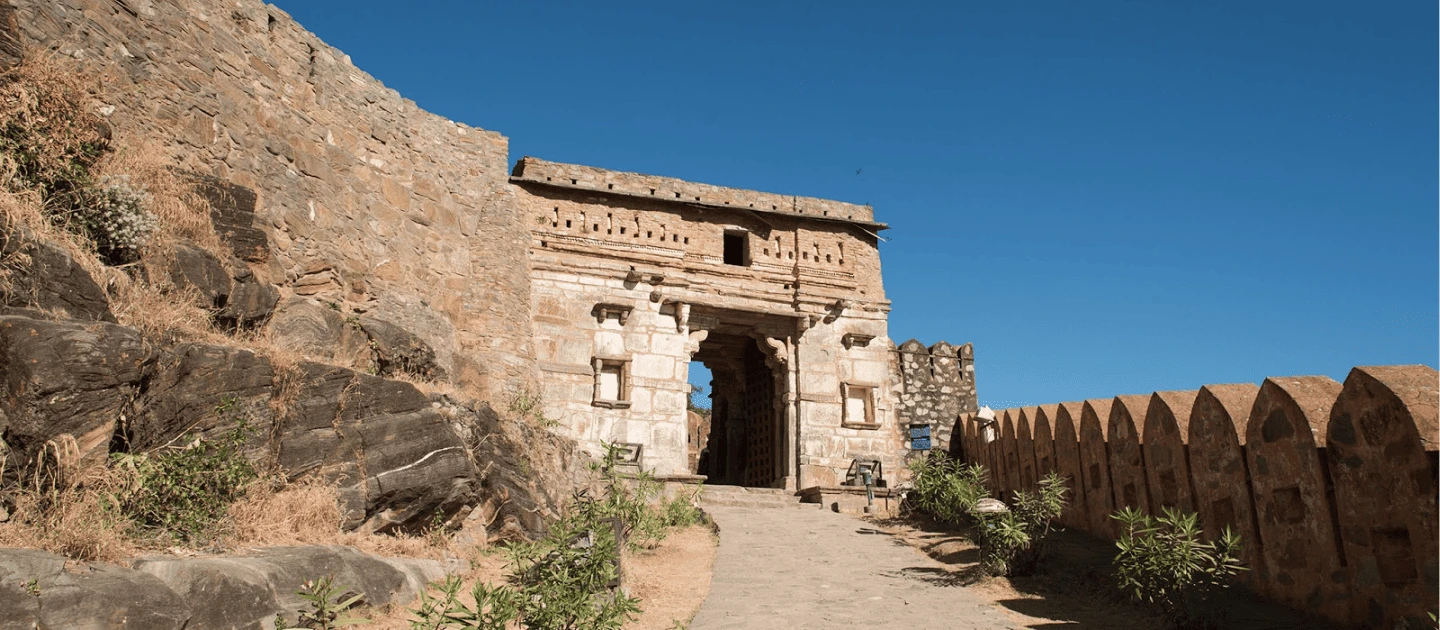
The Story Behind Kumbhalgarh Fort
Walking Through the Fort Area
Kumbhalgarh Wildlife Sanctuary
Local Feel and Small Experiences
Best Places to Visit in Kumbhalgarh
Kumbhalgarh Tourism for First Time Visitors
Best Time to Visit
How to Reach the Area
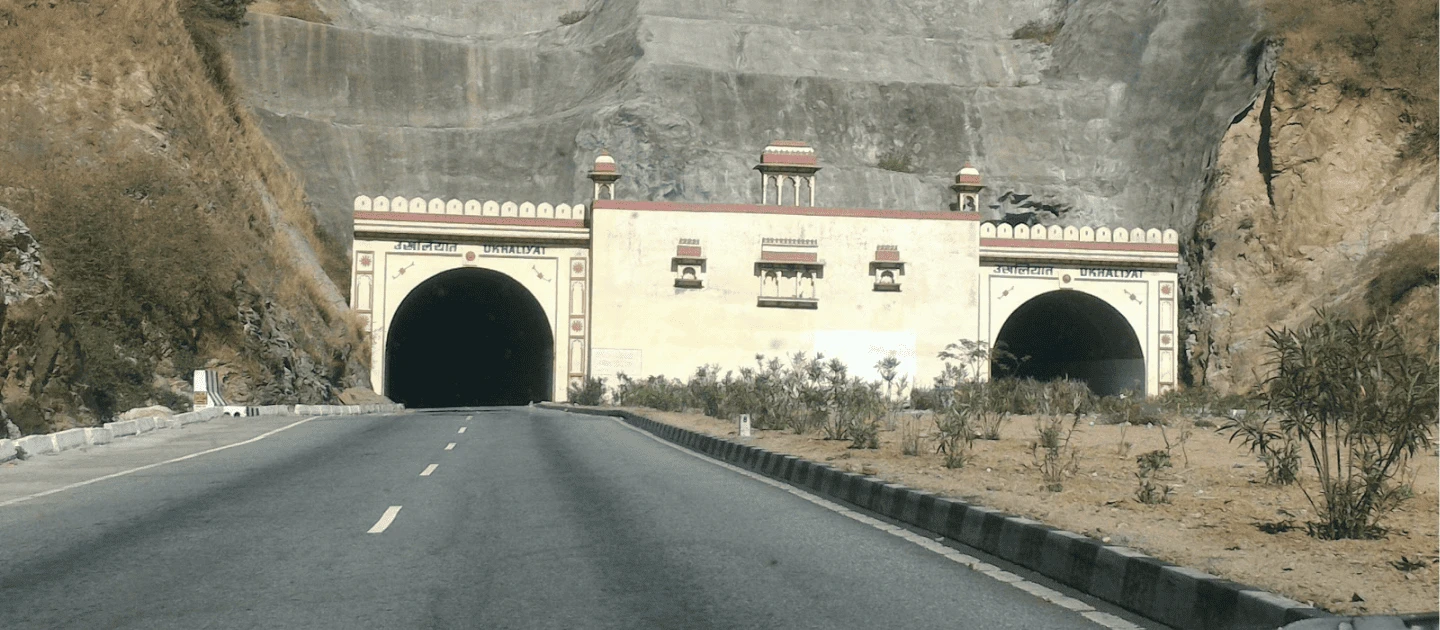
A Simple Two Day Itinerary
Food and Stay Experience
Photography and Sightseeing
Ideal Travel Style
Local Tips That Actually Help
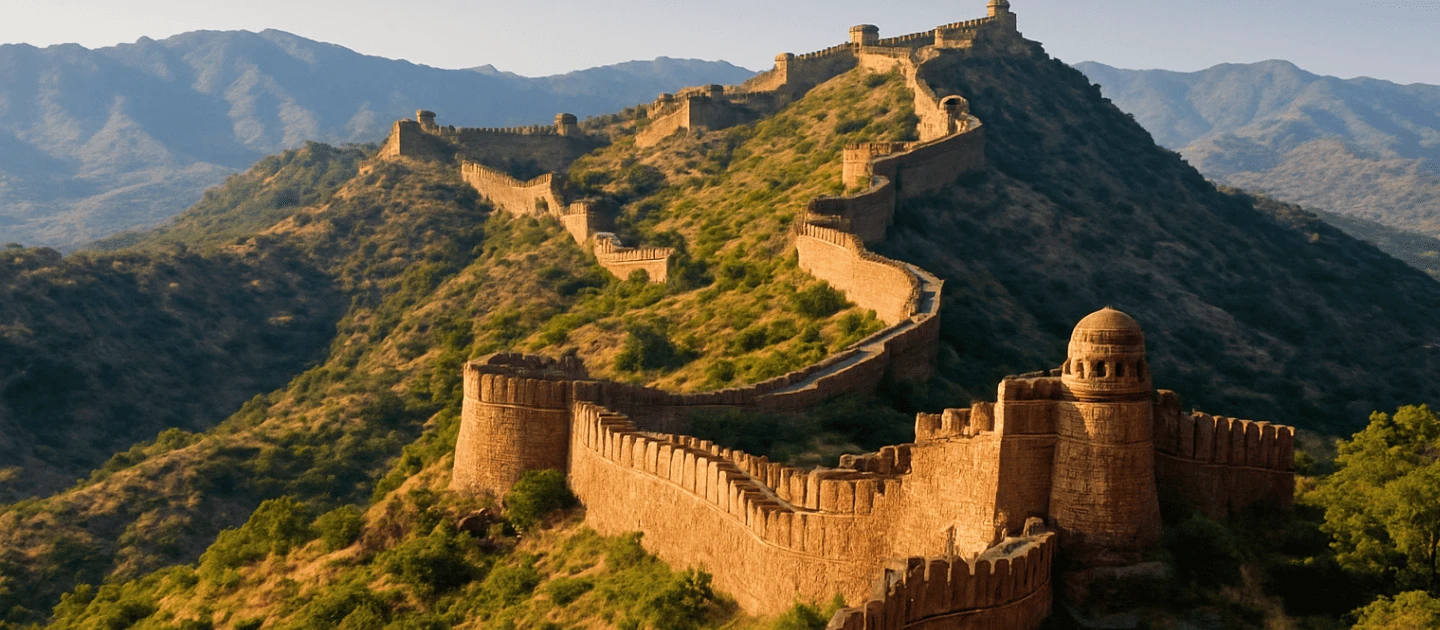
The History Still Feels Alive
Final Thoughts
About Us
Planning a trip to Kumbhalgarh Fort?
Post your upcoming travel details and get personalized quotations from multiple verified travel agencies.
Fast response • Custom offers • Verified agents
Current Weather
Live Forecast
Planning a trip to Kumbhalgarh Fort?
Post your upcoming travel details and get personalized quotations from multiple verified travel agencies.
Fast response • Custom offers • Verified agents
Bigger Group? Get Special Offers Up to 50% Off!
Planning a trip for friends, family, or corporate teams to Kumbhalgarh Fort? We create unforgettable customised adventures with exclusive group pricing!
Current Weather
Live Forecast
Why travelers choose
TravellingLark?
Thoughtfully planned journeys, crafted for unforgettable experiences.
Built Around You
Personalized trips based on your style, interests and budget.
Handpicked Trips
Curated itineraries designed with love and local expertise.
Transparent Pricing
Clear package pricing with no hidden charges or surprises.
Personalized Planning
Every trip is tailored to your interests, pace and preferences.
Best Value Always
Get the best experiences at the best value for your money.
Global Destinations
Explore handpicked destinations across India and the world.
24/7 Trip Assistance
We're with you before, during and after your journey.
Built Around You
Personalized trips based on your style, interests and budget.
Handpicked Trips
Curated itineraries designed with love and local expertise.
Transparent Pricing
Clear package pricing with no hidden charges or surprises.
24/7 Trip Assistance
We're with you before, during and after your journey.
Personalized Planning
Every trip is tailored to your interests, pace and preferences.
Best Value Always
Get the best experiences at the best value for your money.
Global Destinations
Explore handpicked destinations across India and the world.
Hassle-Free Journey
Enjoy a smooth travel planning experience from start to finish.
Traveler Reviews for Kumbhalgarh FortReviews for Kumbhalgarh Fort
Verified ratings and genuine travel experiences from our community
No Reviews Yet
Have you explored Kumbhalgarh Fort? Share your experience to help fellow travelers plan their trip!