Gartang Gali
About Gartang Gali
Gartang Gali: The Historic Wooden Skywalk of Nelong Valley
We all have that one list in our heads. A list of places that look too scary to be real but we still want to go there. When I first saw a picture of a wooden bridge hanging on the side of a straight rock face, I stopped scrolling. I asked my friend where this is. He told me it is in Uttarakhand and it is called Gartang Gali. The name itself sounded a bit mysterious to me. It is not like the usual hill station names we hear every day. It sounded like an old secret.
Plan your next adventure easily with Travellinglark Post Travel — your smart travel companion!
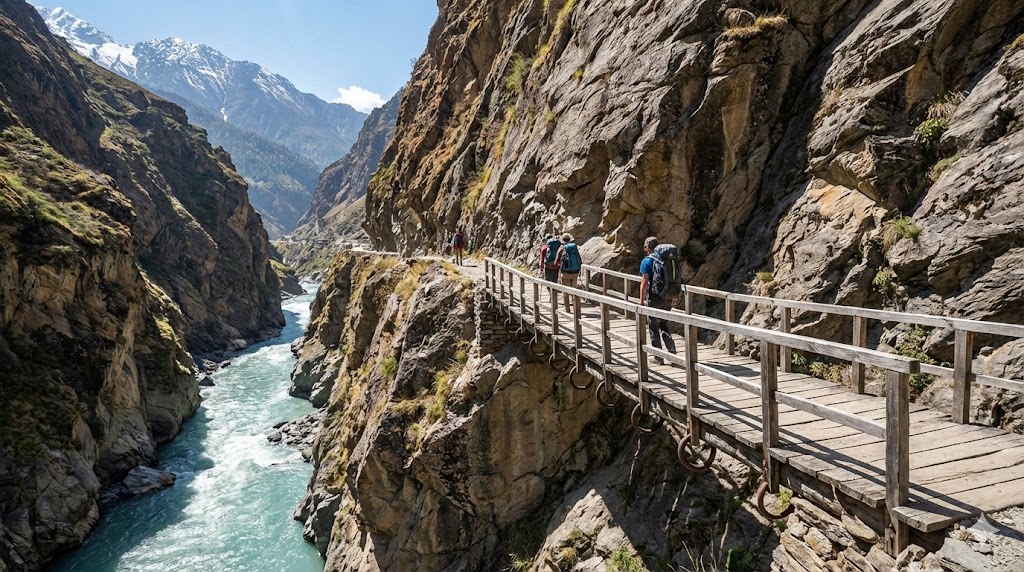
So I decided that I have to go there. This place is not just a bridge. It is a walk into the past. Imagine walking on wooden planks that are fixed to a vertical cliff. And below you, there is a river flowing very fast. This is what this place is all about. It is located in the Nelong Valley which is in the Uttarkashi district. For a long time, nobody was allowed to go there. But now it is open for people like us who love a little bit of thrill.
The History Behind the Wood
Before we talk about how beautiful it is, we have to talk about why it is there. Gartang Gali is very old. It is said to be around one hundred and fifty years old. That is a very long time for wood to survive in such harsh weather. It was built by Pathans who came from Peshawar. They were very skilled in cutting rocks and making paths where no path could exist.
The main reason for making this dangerous path was trade. A long time ago, people used to trade things between India and Tibet. They would carry spices, wool, salt, and other goods. The merchants needed a shortcut to cross the difficult mountains. So they built this wooden skywalk. For many years, yaks and horses and humans walked on this narrow path. It was full of life and business.
But then things changed. In 1962, there was a war between India and China. The border became a sensitive area. The army decided that this route was not safe to keep open for everyone. So they closed it. For almost sixty years, Gartang Gali remained silent. No merchants walked there. The wood started to rot. The stones fell. It became a ghost bridge. It was only recently that the government decided to fix it and open it for tourists.
The Journey to the Bridge
Reaching the starting point of the trek is an adventure in itself. You have to drive towards Gangotri. The roads are curvy and beautiful. You cross the town of Harsil. Harsil is very pretty with apple orchards and tall deodar trees. The air smells fresh and cold. From Harsil, you drive further up. The mountains start getting bigger and more rugged. The trees become fewer. You reach a place called Lanka. This is where the famous Lanka bridge is.
A little ahead of Lanka bridge is the spot where you start walking. When I reached there, I felt a mix of excitement and nervousness. There is a forest department check post there. They check your permits and tickets. Yes, you need a ticket to walk on Gartang Gali. They also check your bags sometimes. They do not want people to throw plastic or trash in such a clean place.
The First Steps on the Cliff
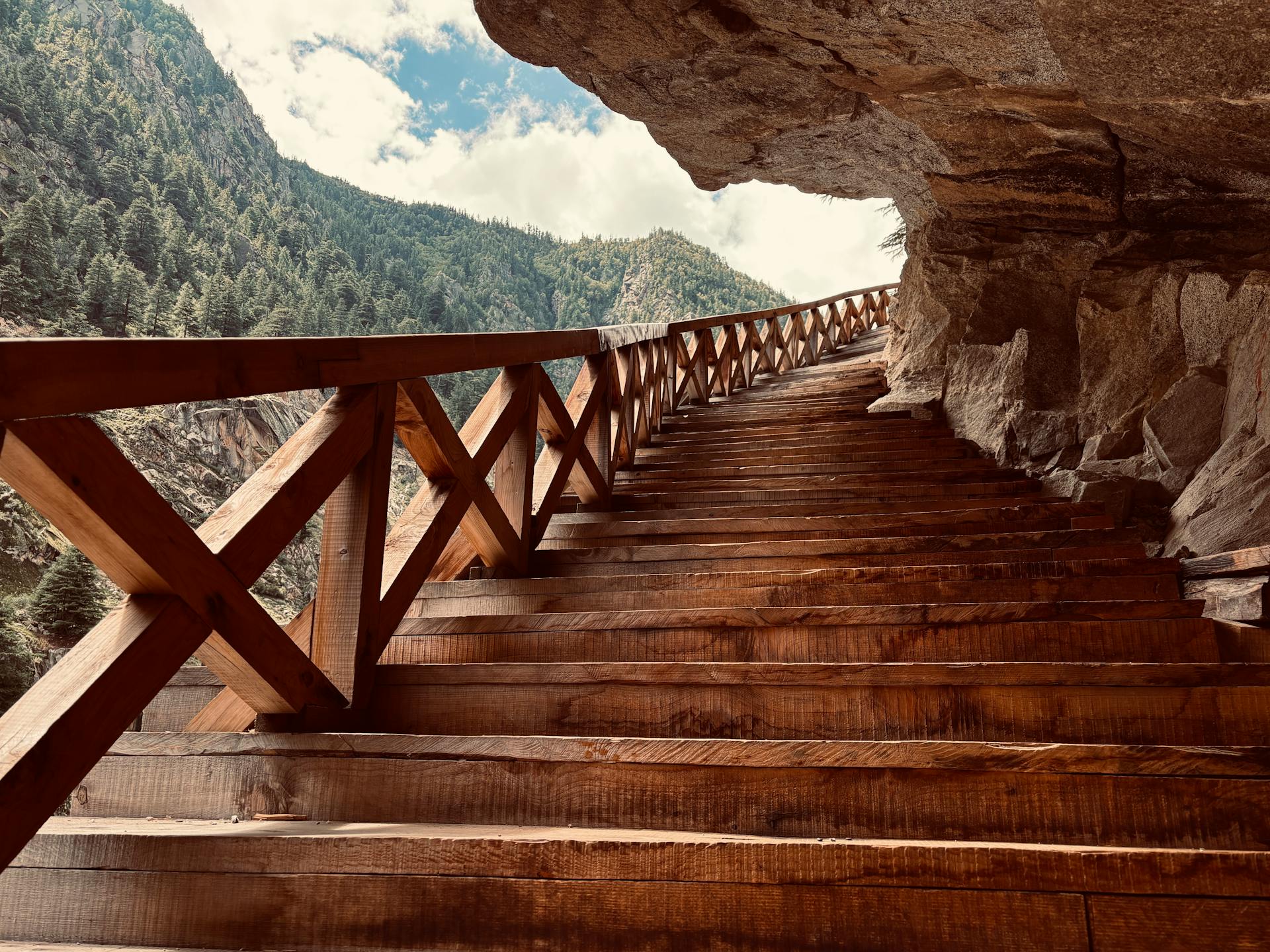
The walk starts with a trail through the forest. It is not the bridge yet. You have to hike up a bit. The path is full of trees and the sound of birds. It takes some effort if you are not used to walking in the mountains. The air is thin because the height is quite much. But the excitement keeps you moving.
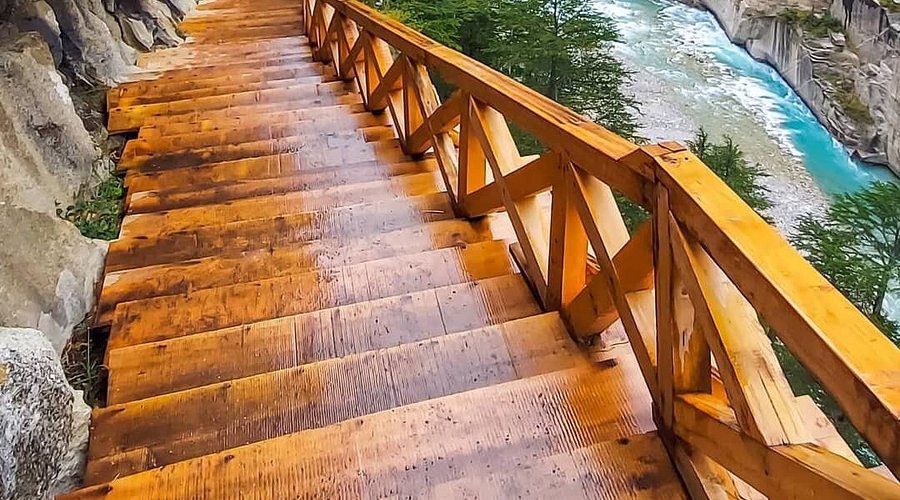
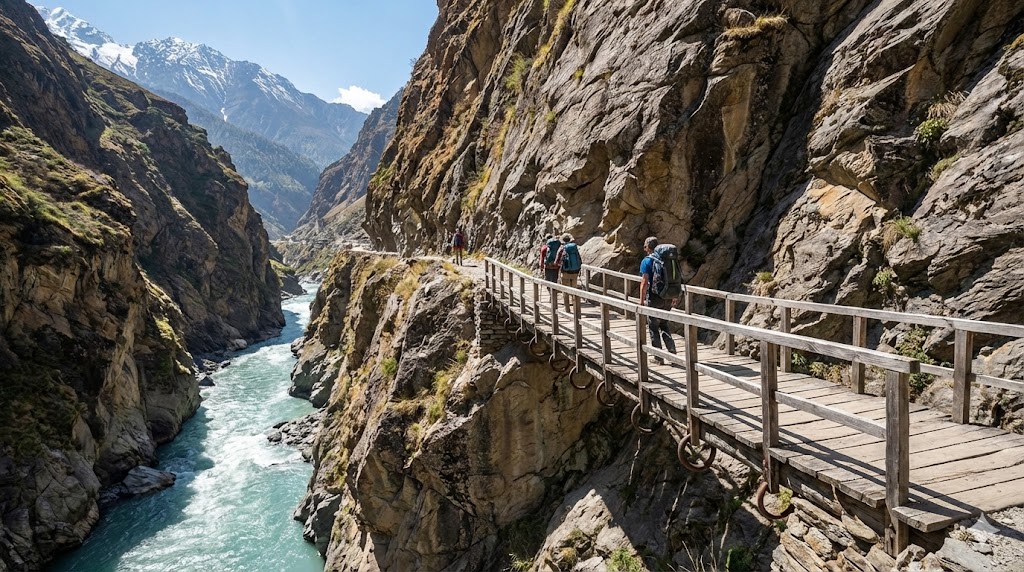
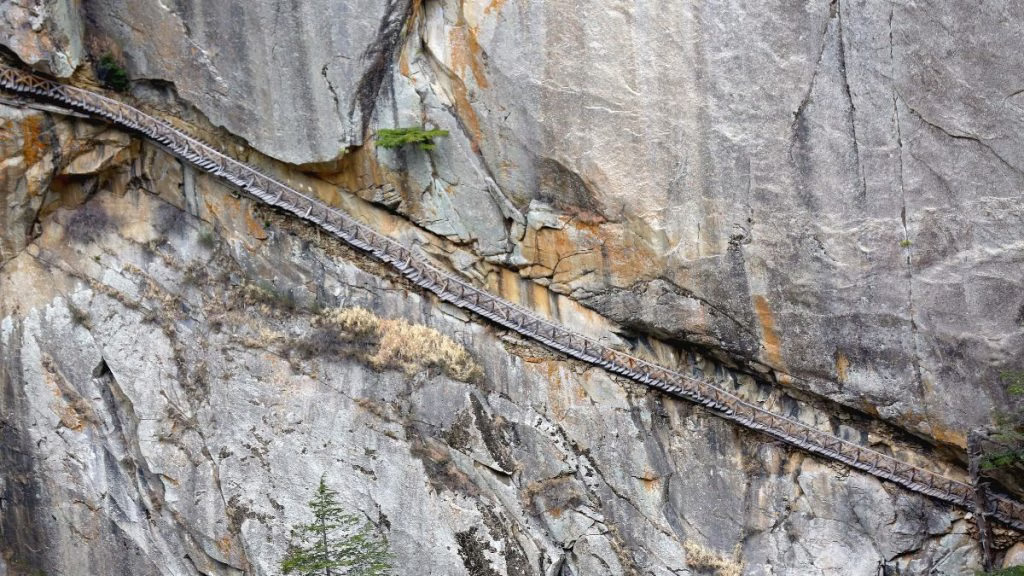
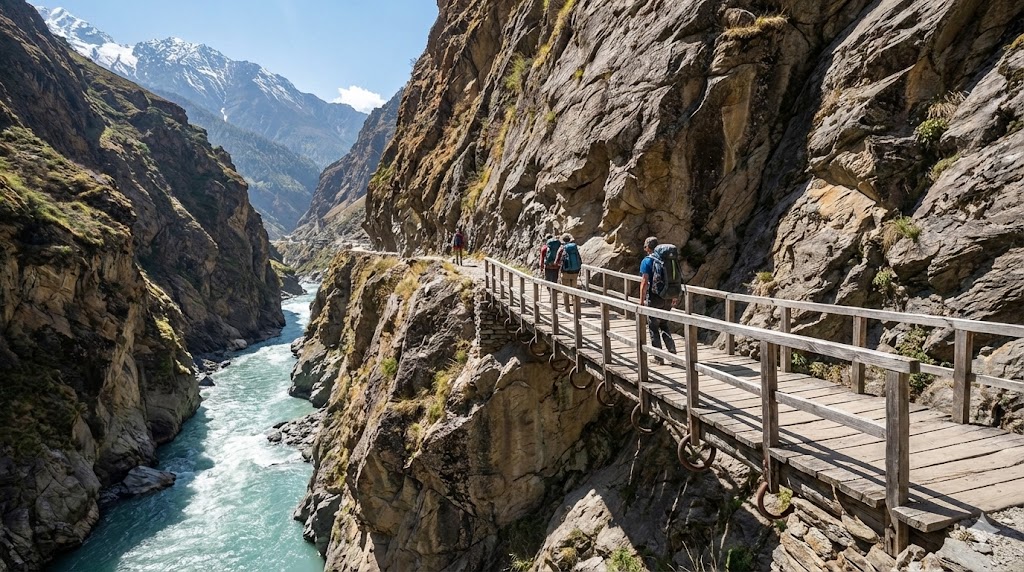
Then suddenly, the trees clear out. You see the rock face. And you see the wooden structure hanging on it. That is the moment your heart skips a beat. It looks fragile from a distance. You wonder how it can hold your weight. But as you get closer, you see that it is strong. The restoration work they did is very good. They replaced the old rotten wood with new strong wood.
Stepping onto Gartang Gali for the first time is a feeling I cannot describe easily. You put your foot on the wood and it makes a thud sound. You hold the railing tight. On one side, there is the hard rock of the mountain. On the other side, there is just air and the deep valley.
The View of Jadh Ganga
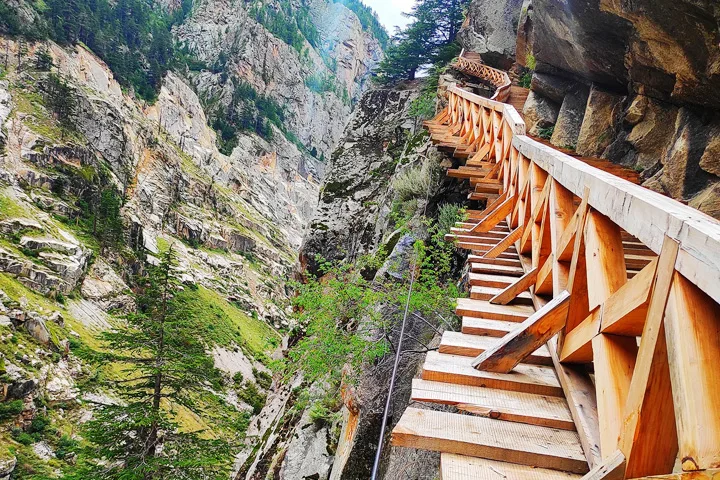
When you are walking on the bridge, do not forget to look down. But be careful if you are scared of heights. Far below the bridge flows the Jadh Ganga river. The water is not blue or clear like normal rivers. It has a strange teal or greenish color. It looks very cold. The sound of the river echoes against the canyon walls. It is a roaring sound.
The valley is narrow here. It is like a gorge. The sun struggles to reach the bottom sometimes. The contrast between the brown rocks and the blue-green water is amazing. You will want to take a hundred photos. But I suggest you stop for a minute. Put your camera down. Just look at the view with your eyes. Feel the wind on your face. The wind here is strong. It whistles through the gaps in the wood of Gartang Gali.
Walking the Plank
The bridge is not very wide. Two people can pass each other but it is tight. You have to be polite. If someone is coming from the other side, you stop and let them pass. The total length of the wooden part is not miles long. It is a few hundred meters. But every meter feels adventurous.
You can see the old iron rings on the rocks. These were used to hold the original structure. It makes you think about those workers a hundred years ago. They did not have modern machines. They hung by ropes to cut the stone. They carried the heavy wood on their backs. It was hard work. Today we just walk and take selfies at Gartang Gali, but we must respect the effort of those people.
The railing is high enough so you feel safe. You will not fall off unless you do something foolish. But the gap between the wooden planks on the floor allows you to see the drop below. That gives a ticklish feeling in the stomach. It is the good kind of fear.
The Rule of the Valley
Since this place is near the border and inside a national park, there are rules. You cannot make loud noise. You cannot run on the bridge. Jumping is strictly prohibited. The forest guards are strict about this. They want to preserve the bridge. Only a certain number of people are allowed on the bridge at one time. If there is a crowd, you have to wait for your turn.
This rule is actually good. It means the bridge is never too crowded. You get space to enjoy the walk. You can hear your own footsteps. Gartang Gali is a place for peace and thrill together. It is not a place for a picnic or a party. It is a place to connect with nature and history.
Nelong Valley Connection
After you finish the walk, you reach the end of the bridge. Some people just turn back from there. But if you have the special permit for Nelong Valley, you can go further in vehicles on the road nearby. Nelong Valley is often called the Ladakh of Uttarakhand. It is a cold desert. The mountains look barren and dry.
However, for most tourists, the trip ends after the bridge walk. You turn around and walk back the same way. The return journey on Gartang Gali feels different. You are less scared now. You are more confident. You notice things you missed the first time. You notice the texture of the rocks. You see the nests of birds high up on the cliffs.
Why It Is Special
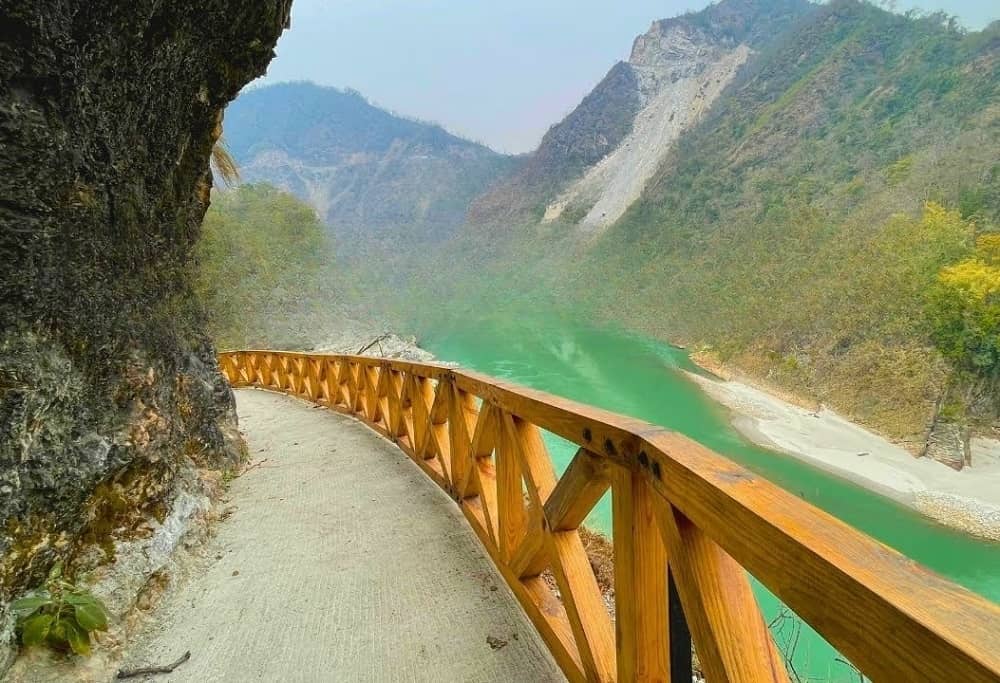
There are many treks in the Himalayas. There are many viewpoints. But this place is unique. It is an engineering marvel. It shows how humans can find a way even when nature says no. It also shows how we can bring back lost heritage. When the government reopened Gartang Gali, they gave a gift to travelers.
It is also a very photogenic place. In the age of social media, everyone wants a good picture. The lines of the wooden railing create a great perspective. The background of the huge cliff makes the human subject look small. It tells a story of scale. But remember, safety is more important than likes. Do not lean over the railing too much for a photo.
Best Time to Visit
The valley is closed in winter. It snows a lot here. The road gets blocked and it is too dangerous. The best time to go is in the summer months. May and June are very good. The weather is pleasant. It is sunny but the air is cool. Then the rain starts in July.
Monsoon is not a good time. The mountains in Uttarakhand are fragile. Landslides happen often. Rocks can fall on the road. So avoid Gartang Gali during heavy rains. September and October are also great months. The sky is very blue after the rains. The air is crisp. It starts getting cold in the evenings, but the days are perfect for walking.
What to Wear and Carry
You do not need heavy trekking gear for this. It is a short walk. But wear good shoes. Sneakers or sports shoes are fine. Do not wear slippers or heels. The path has stones and wood gaps. Comfortable clothes are a must. Wear layers. Even if it is sunny, the wind can make you feel cold. So keep a light jacket with you.
Carry a water bottle. There are no shops on the bridge. You will get thirsty after the hike up. Keep your ID card handy. You will need it at the check post. And of course, carry a camera or a phone with a good battery. You will regret it if your battery dies before you reach the main part of Gartang Gali.
The Feeling of Accomplishment
When you come back down to the road, you feel happy. You feel like you did something brave. It is not climbing Mount Everest, but it is an adventure. You have walked on a piece of history. You have seen a view that was hidden for sixty years.
You can sit by the roadside near the Lanka bridge and have some tea. There are small stalls there. The tea tastes better after the walk. You can look up at the mountain and trace the line where you just walked. From below, Gartang Gali looks like a thin scratch on the mountain. It is hard to believe you were just up there.
Nearby Attractions to Combine
A trip to this bridge is usually part of a bigger trip. Most people come here when they are visiting Gangotri. Gangotri is one of the Char Dham temples. It is the source of the river Ganga. The temple is beautiful and spiritual.
You can also stay in Harsil valley for a day or two. Harsil is very calm. You can walk by the river Bhagirathi. There are old houses made of wood and stone. There is a place called Wilson Cottage which has its own history. Combining Gartang Gali with Harsil and Gangotri makes for a perfect vacation. It has adventure, nature, and peace.
Respecting the Place
As more people get to know about this place, the crowd is increasing. It is our duty to keep it safe. We should not write our names on the wood. We should not scratch the rocks. We must respect the silence of the valley. This place has survived wars and weather. It should not be destroyed by bad tourists.
When you walk on Gartang Gali, remember the traders who walked there hundred years ago. They walked to earn a living. We walk for joy. Both are journeys. The bridge connects the past and the present. It connects India and Tibet in memory. It connects us to the wild side of nature.
A Memory for a Lifetime
I have been to many places in the mountains. I have seen snow peaks and green meadows. But the memory of walking on those wooden planks is stuck in my head. It is vivid. I can still hear the river roaring below. I can feel the vibration of the wood under my feet.
If you are planning a trip to Uttarakhand, do not miss this. It is different from the usual Nainital or Mussoorie trips. It is raw and real. It brings you face to face with the power of the Himalayas. Gartang Gali waits for you, hanging on the cliff, telling its silent story.
How to Reach
Getting to this amazing location requires a bit of planning because it is deep inside the mountains. There is no airport or train station right next to the bridge. You have to break your journey into parts.
By Air The nearest airport is Jolly Grant Airport in Dehradun. This is the main airport for Uttarakhand. From the airport, the bridge is quite far. It is about two hundred and fifty kilometers away. You cannot fly closer than this. From the airport, you will have to hire a taxi or take a bus.
By Train If you like trains, you have two main options. You can take a train to Dehradun railway station or Rishikesh railway station. Both are well connected to big cities like Delhi. Rishikesh is slightly closer to the mountains. From the railway station, the road journey begins.
The Road Trip This is the main part of reaching Gartang Gali. From Dehradun or Rishikesh, you have to take the road that goes to Uttarkashi. It is a long drive. It takes about six or seven hours to reach Uttarkashi town. Many people stay the night in Uttarkashi.
From Uttarkashi, you have to drive further up towards Gangotri. You will pass through Harsil. After Harsil, you drive towards the Lanka Bridge. This drive from Uttarkashi to Lanka takes another three to four hours. The roads are steep and narrow but very scenic.
Reaching the Spot Once you reach Lanka bridge, you will see the Bhaironghati check post area. This is where the vehicles stop. You cannot drive your car on the bridge obviously. You have to park your vehicle on the roadside designated areas. From the parking spot, you have to trek.
The trek to the start of Gartang Gali is about two or two and a half kilometers. It is an uphill walk through the forest. It takes about forty five minutes to one hour depending on your speed. So, getting there involves a flight or train, a long taxi ride, and then a short hike. It sounds like a lot of effort, but believe me, once you see the view, every minute of travel is worth it.
Final Words
So pack your bags. Book your tickets. Call your friends who are lazy and tell them this is a once in a lifetime thing. Go before it becomes too commercial or crowded. Go while the wood still smells fresh and the valley is still quiet. Gartang Gali is calling. And you must go.
Just remember to check the weather before you leave. And check if the government has changed any rules about permits. Sometimes they change rules without much notice. Be prepared. Be safe. And enjoy the walk on the edge of the world. It is an experience that will stay with you forever.
Planning a trip to Gartang Gali?
Post your upcoming travel details and get personalized quotations from multiple verified travel agencies.
Fast response • Custom offers • Verified agents
Current Weather
Live Forecast
Explore Packages in Gartang Gali
Planning a trip to Gartang Gali?
Post your upcoming travel details and get personalized quotations from multiple verified travel agencies.
Fast response • Custom offers • Verified agents
Bigger Group? Get Special Offers Up to 50% Off!
Planning a trip for friends, family, or corporate teams to Gartang Gali? We create unforgettable customised adventures with exclusive group pricing!
Current Weather
Live Forecast
Why travelers choose
TravellingLark?
Thoughtfully planned journeys, crafted for unforgettable experiences.
Built Around You
Personalized trips based on your style, interests and budget.
Handpicked Trips
Curated itineraries designed with love and local expertise.
Transparent Pricing
Clear package pricing with no hidden charges or surprises.
Personalized Planning
Every trip is tailored to your interests, pace and preferences.
Best Value Always
Get the best experiences at the best value for your money.
Global Destinations
Explore handpicked destinations across India and the world.
24/7 Trip Assistance
We're with you before, during and after your journey.
Built Around You
Personalized trips based on your style, interests and budget.
Handpicked Trips
Curated itineraries designed with love and local expertise.
Transparent Pricing
Clear package pricing with no hidden charges or surprises.
24/7 Trip Assistance
We're with you before, during and after your journey.
Personalized Planning
Every trip is tailored to your interests, pace and preferences.
Best Value Always
Get the best experiences at the best value for your money.
Global Destinations
Explore handpicked destinations across India and the world.
Hassle-Free Journey
Enjoy a smooth travel planning experience from start to finish.
Traveler Reviews for Gartang GaliReviews for Gartang Gali
Verified ratings and genuine travel experiences from our community
No Reviews Yet
Have you explored Gartang Gali? Share your experience to help fellow travelers plan their trip!
Frequently Asked Questions about Gartang Gali
It is located in the Nelong Valley of Uttarkashi district in Uttarakhand. The starting point of the trek is near the Lanka Bridge, which is a short drive from Harsil valley.
Not really. It is considered an easy to moderate trek. The total distance is about 2.5 kilometers. However, if you are scared of heights, walking on the wooden bridge might feel a bit scary, but physically it is not very tiring.
Yes, since it is near the border area and inside the Gangotri National Park, you need to register and get a ticket/permit at the forest check post near the entry point.
The best months to go are May, June, September, and October. During these months the weather is clear and pleasant. It is best to avoid the monsoon season (July-August) due to landslides and winter (November-April) due to snow.
Yes, the bridge has been recently restored by the government. They replaced the old rotting wood with strong new timber. As long as you follow the rules—don't jump or run—it is perfectly safe.