Bhuj
About Bhuj
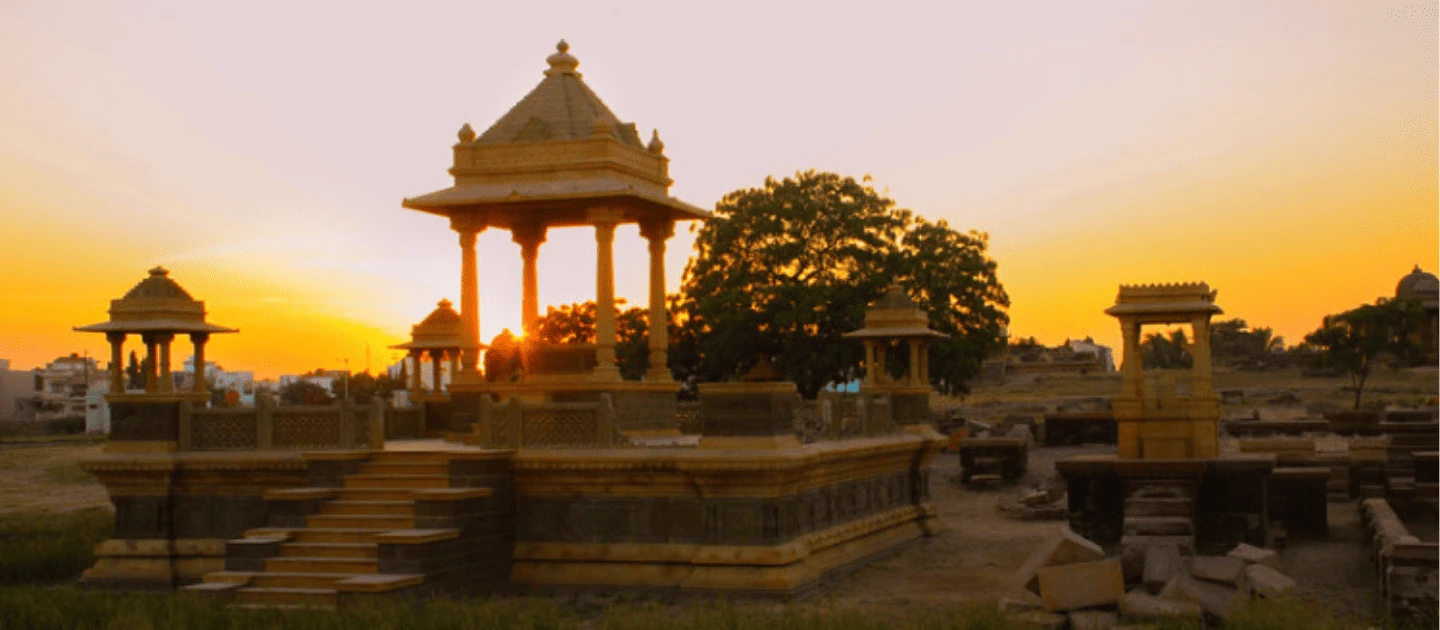
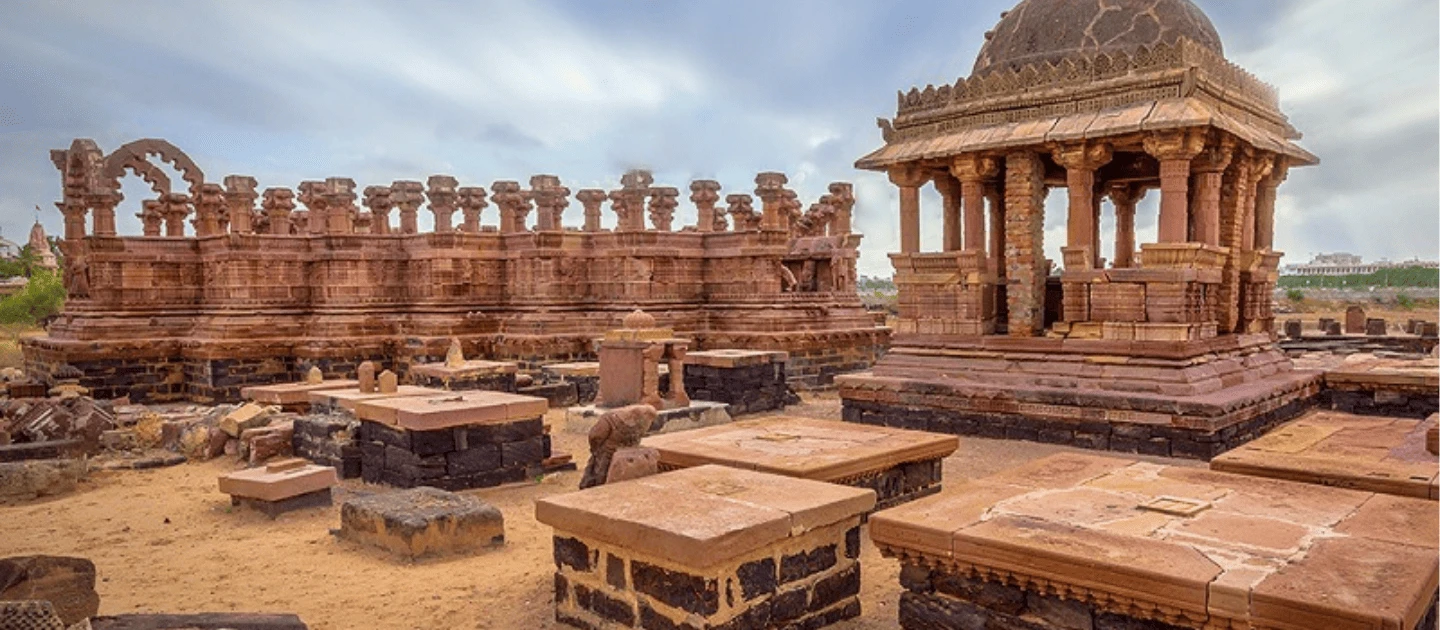
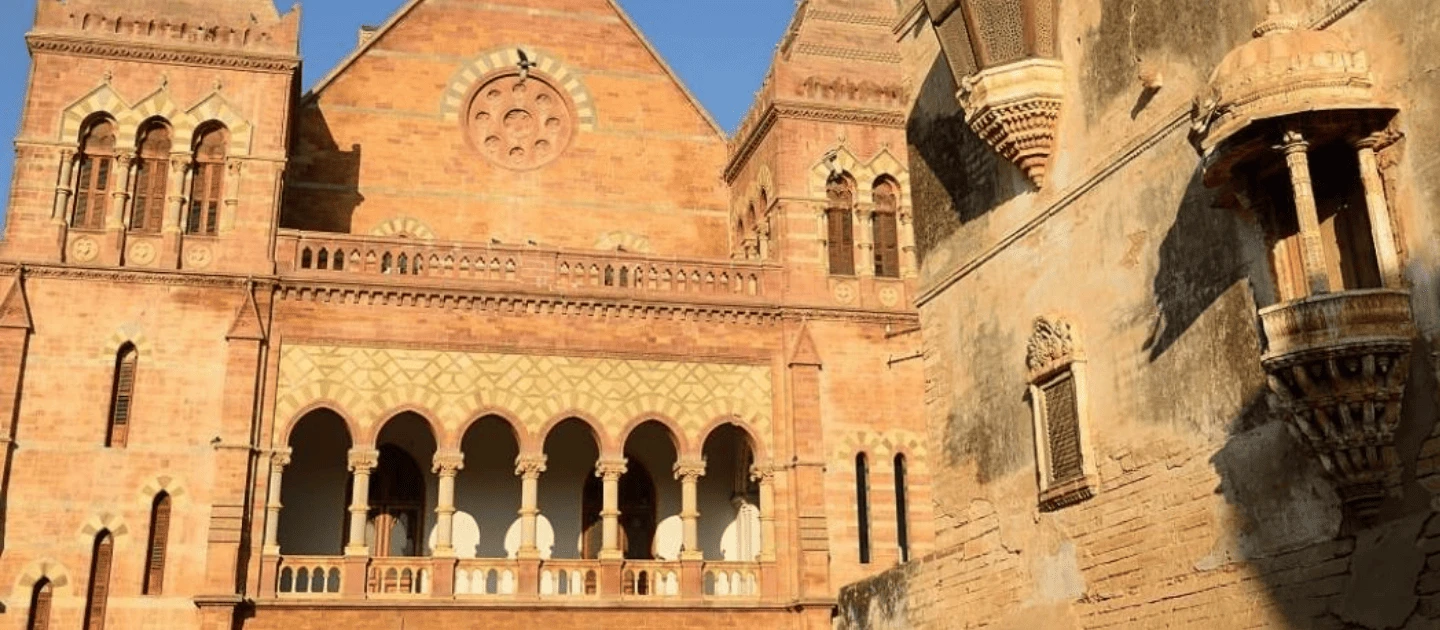
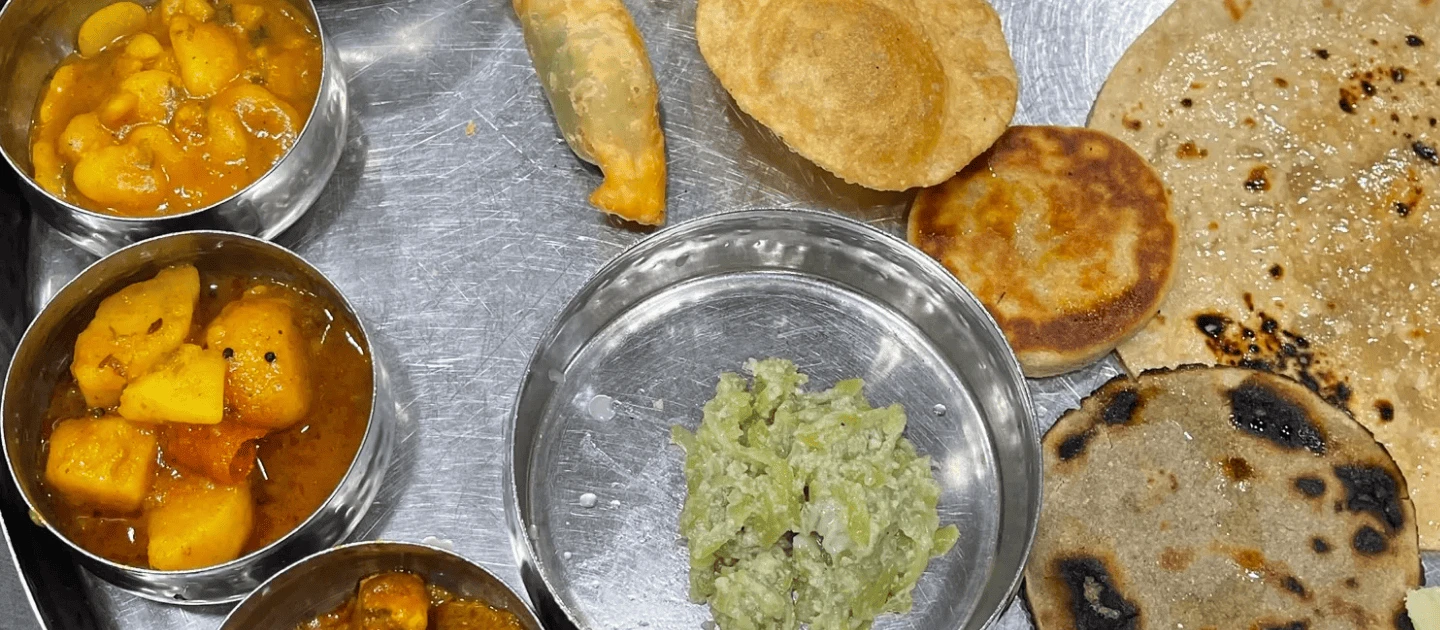
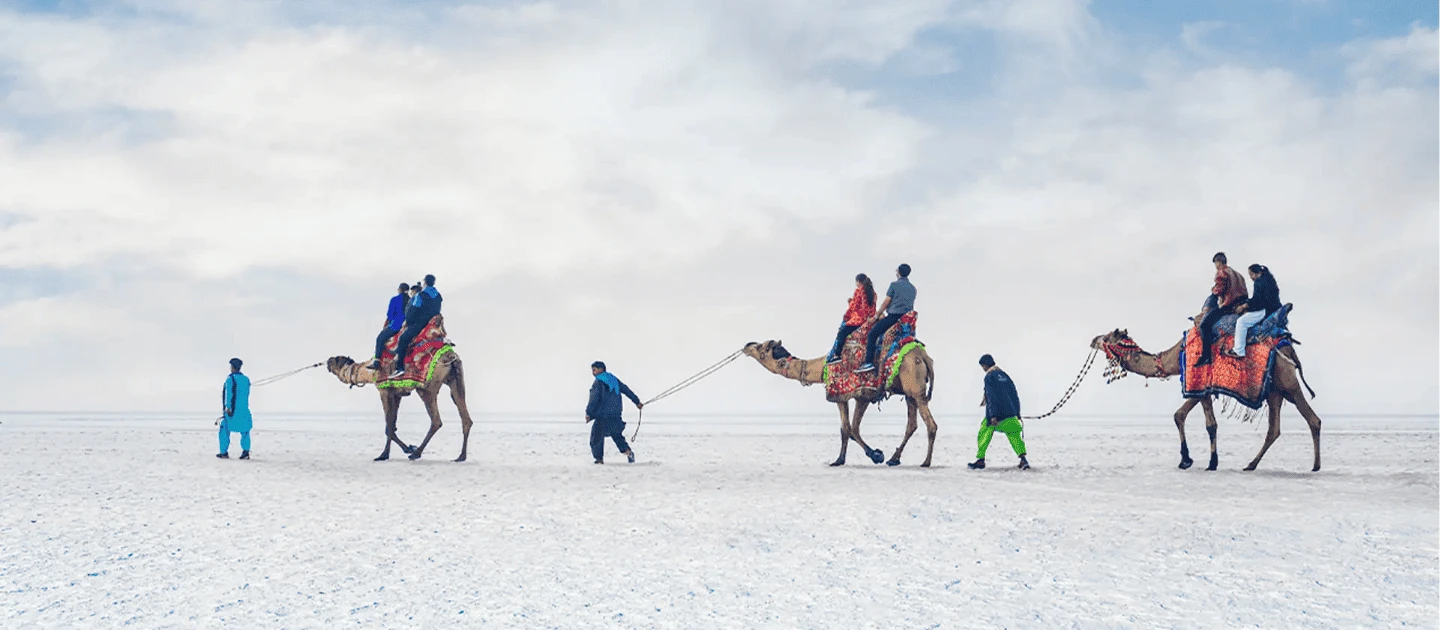
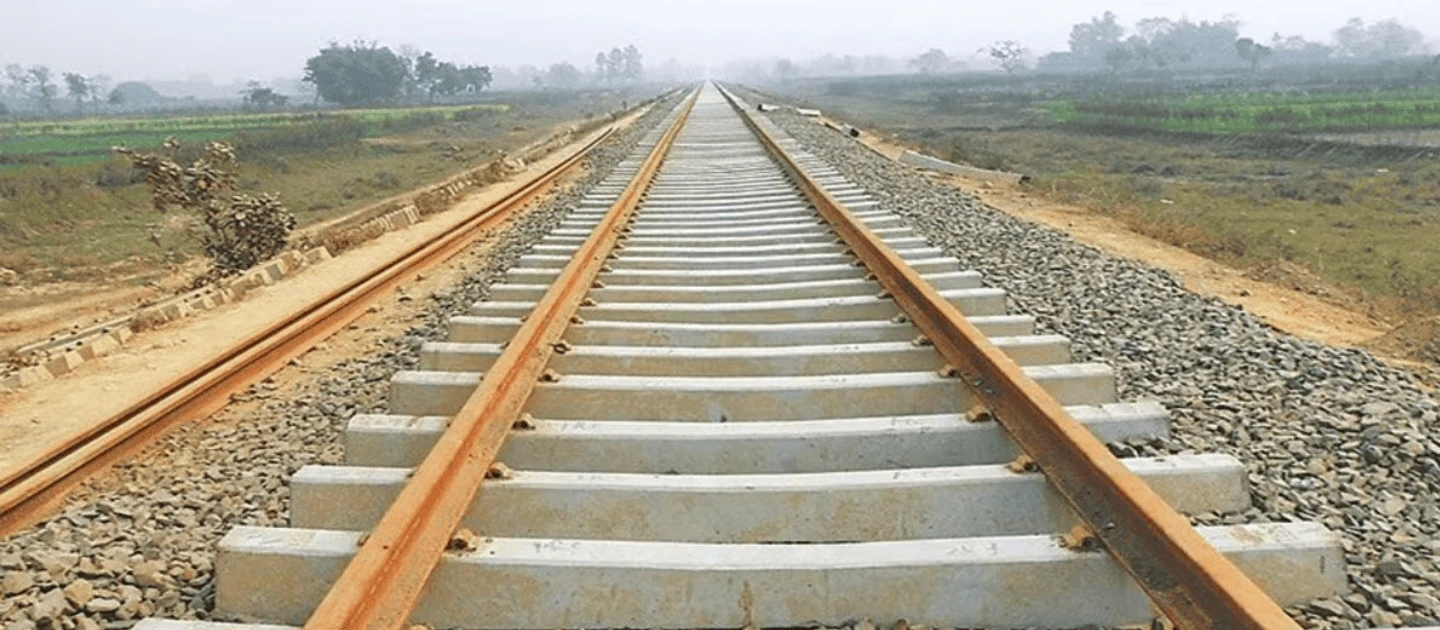
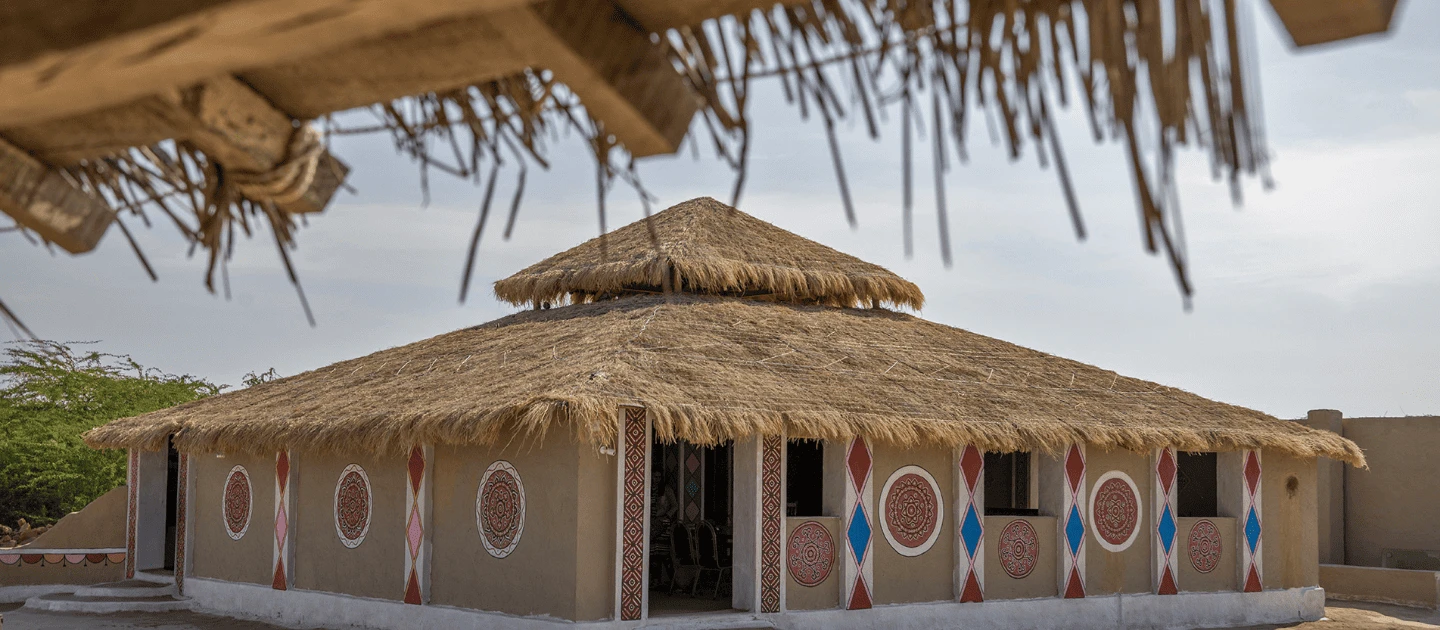
Bhuj: Crafts, Earthquakes, and Desert Stories Some places stay quiet in your memory for years. Then one evening they return again with dust, colors, old streets, and small sounds. That is how Bhuj felt to me after I came back from Kutch. The town does not try too hard. It moves slowly. People sit outside shops and talk for long minutes. Tea arrives in tiny glasses. Even the air feels patient. This part of Gujarat carries many stories together. There are royal buildings, earthquake scars, desert roads, old lakes, and villages where embroidery still matters. Many travelers come for the white desert, but the town itself deserves time too. A rushed trip does not feel right here. I first noticed how different the mornings looked. Shops opened late. Stray dogs stretched near tea stalls. Women walked with bright shawls that almost looked painted. It felt ordinary and special at the same time. Plan your next adventure easily with Travellinglark Post Travel — your smart travel companion! People visit Bhuj for different reasons. Some come for culture. Some arrive for the Rann festival season. Others want quiet roads and local food. A few travelers are interested in the Bhuj earthquake history because the region changed deeply after 2001. The interesting thing is that the town never feels dramatic. Life simply continues around old walls and crowded markets. That balance makes the place memorable. You also see many sides of Kutch cultural tourism here. Music, weaving, mirror work, clay art, and folk traditions are still alive in nearby villages. Nothing feels arranged only for visitors. Families are actually working, stitching, carving, and selling things they have known for generations. The old areas have narrow lanes and faded buildings. Some walls still show age and damage from the earthquake years ago. Yet there is warmth in the streets. Fruit carts stand near temples. Children ride bicycles too fast. Auto drivers call out with sleepy voices. I spent one evening near Hamirsar Lake. The water reflected the soft orange sky. Families sat quietly with snacks. Nobody seemed in a hurry. That calm mood stayed with me through the whole journey. The markets are crowded but not stressful. You can stop anywhere for buttermilk or spicy snacks. Shopkeepers often begin with a simple conversation before trying to sell anything. It feels human. Not polished. One of the most interesting places I visited was Aina Mahal Bhuj. The palace has mirrors, old European touches, carved doors, and rooms that still carry royal memories. Some sections look worn out, but honestly that adds charm. You walk slowly there. Dusty windows let in thin sunlight. Old clocks and paintings sit quietly in corners. It does not feel like a perfect museum. It feels lived in. Nearby, Prag Mahal also stands tall with its grand design. The clock tower can be seen from a distance. The building has an almost cinematic look. Some travelers spend more time taking photographs outside than walking inside. These landmarks are important parts of Bhuj sightseeing because they show how the region mixed local craftsmanship with outside influence many years ago. Local art is not just decoration here. It is daily life. Villages around the town are known for embroidery, weaving, leather work, bead art, and block printing. Many travelers interested in Bhuj handicrafts take day trips to meet artisans directly. I remember entering one small home workshop where three women were stitching mirror work cloth by hand. No loud music. No tourist performance. Just quiet concentration. The detail was unbelievable. You may end up buying more than planned. Shawls, bags, cushion covers, wall hangings, silver jewelry, all of it pulls your attention. Some items are expensive because the work takes weeks. But many things still feel fair in price. The handmade feel matters more than perfection anyway. Food in this region is simple but comforting. Most meals arrive with soft rotis, vegetables, lentils, pickles, and buttermilk. The flavors are gentle compared to many other parts of India. Street snacks are easy to find during evenings. Dabeli is popular and filling. Fafda with tea works well in the morning. Some tiny restaurants near the market serve large thalis that can easily feed two people. I also noticed how often people offered water or tea without expectation. That hospitality stayed with me more than any single dish. A big reason people plan Bhuj tourism is the desert landscape nearby. The roads toward the white salt desert slowly become emptier. Villages appear and disappear. Wind moves dust across open land. Then suddenly the horizon turns bright and endless. Rann of Kutch Bhuj trips usually become emotional for first time visitors. During sunset the white ground changes color every few minutes. Pink, silver, pale gold, then blue. It almost feels unreal. Winter evenings are especially beautiful. Folk music often drifts through the air during festival season. Camels walk slowly across the distance while travelers stand quietly taking photographs. But the desert is not only about pictures. The silence matters too. Many people ask about the best time to visit Bhuj Kutch. In my opinion, late October to February feels most comfortable. Days are pleasant and evenings become cool. This is also when desert tourism becomes more active. Summer can get very hot. Afternoon travel feels tiring. If you do visit during warmer months, early mornings and late evenings are much better for outdoor plans. Monsoon changes the mood completely. Some roads look greener and softer. Fewer tourists arrive then, which some travelers actually enjoy. If you are searching for top places to visit in Bhuj in 2 days, keep the schedule relaxed. Trying to cover too much ruins the experience. Start with the old palace area in the morning. Visit museums slowly. Walk through local markets after lunch. Spend evening time near the lake or small food streets. You can also explore parts of Bhuj Gujarat that still show traditional architecture and local daily life. Leave early for the desert side. Stop at craft villages on the way. Speak with artisans if possible. Reach the white desert before sunset and stay till evening colors fade away. That simple plan already feels complete. The region still carries memories of the 2001 earthquake. Many buildings collapsed and thousands of lives changed forever. Older residents sometimes speak about it softly. Some do not speak about it at all. Learning about Bhuj earthquake history gives deeper meaning to the town. You understand why reconstruction became so important. You also notice how strong local communities are. New structures stand beside damaged older spaces. Life moved forward, but memory stayed. That emotional layer makes the town feel different from many tourist destinations. Nights are peaceful here. Not silent, but soft. Distant scooter sounds. Barking dogs. Occasional music from weddings. The slower rhythm becomes noticeable after dark. Small guesthouses often feel warmer than large hotels. Owners usually enjoy conversation and may suggest hidden places nearby. One man spent twenty minutes explaining local weather patterns to me while serving dinner. It was random and strangely lovely. Couples who enjoy calm travel may really like this region. Families also find enough space and safety for relaxed trips. Solo travelers often feel comfortable because local people are curious without being intrusive. The bazaars deserve patient walking. You notice details only after slowing down. Fabric shops spill color onto streets. Spice sellers sit behind tiny mountains of powder. Old men repair watches at small wooden tables. I bought a hand stitched pouch from an elderly artisan who wrapped it carefully in newspaper before handing it over. Such moments stay longer than expensive purchases. Markets connected to Kutch Bhuj culture are full of texture and handmade identity. Even if you buy nothing, wandering through them feels meaningful. The wider region around Bhuj travel guide routes has many villages worth visiting. Some are known for weaving. Others for pottery or leather craft. The drives themselves are enjoyable because landscapes keep changing. At times the road looks almost empty for miles. Then suddenly you pass herds of goats, painted trucks, or children waving near dusty homes. Photography lovers enjoy these routes a lot. But even without a camera, the atmosphere feels rich. Carry water during long road trips. Distances can feel longer than expected. Keep some cash for village shopping because digital payment may not always work smoothly. Do not rush conversations with artisans. Many enjoy sharing stories behind their work. Wear comfortable shoes because markets and heritage areas involve more walking than people expect. And honestly, leave some empty time in your schedule. This region works best when you are not constantly checking the clock. Bhuj has a domestic airport connected with major cities like Mumbai and Ahmedabad. The airport is small, easy to navigate, and located close to the main town area. Taxis and auto rickshaws are available outside the terminal. Flights are comfortable for travelers who want a faster and less tiring journey. The railway station in Bhuj connects with several important cities in Gujarat and nearby states. Overnight trains are popular because they save hotel time and offer a relaxed travel experience. The station is near the city center, so reaching hotels, markets, and sightseeing spots from there feels simple and convenient. Road travel to Bhuj is smooth from cities like Ahmedabad, Rajkot, and Gandhidham. Many travelers enjoy road trips because desert landscapes and village views make the journey interesting. Private taxis, buses, and self drive cars are common options. Winter season drives feel especially pleasant due to cooler weather conditions. Many travel articles focus only on festivals and famous photo spots. But Bhuj desert tourism also has a quieter side. Early mornings near village roads. Evening tea beside empty land. Small temples with bells moving in the wind. Those moments matter more than crowded attractions sometimes. One morning I watched a shepherd moving slowly across dry ground while the sun rose behind him. Nothing dramatic happened. Still, it became one of my strongest memories from the trip. That is what this region does well. It gives space for ordinary beauty. Some destinations entertain you loudly. Others stay gentle and slowly become important later. Bhuj belongs to the second kind. The town carries history without showing off. It welcomes travelers without pressure. Crafts, desert roads, food, music, and old stories all blend naturally here. Nothing feels too perfect. That is probably why the experience feels real. If you enjoy culture, slow travel, handmade art, and open landscapes, this corner of Kutch may stay with you for a long time. Even after returning home, the colors and silence have a strange way of coming back. Trip planning could seem to be cumbersome but TravellingLark makes it easy by linking travelers with professional travel agencies that provide customized travel proposals. Instead of spending hours searching for the most appropriate vacation package, travelers can post their trip details and receive several personalized offers. TravellingLark is not only a destination for travelers but the most powerful network for travel agencies, hotels, and travel vendors. Travel agencies can sign up for free listing of their offerings and display packages for holiday tours, hotels, and travel experiences. Travel is a business but no commission hefty charged like other platforms; we give businesses free travel leads to achieving their patronage. Whether you are a travel agency searching for clients, a hotel requiring more bookings, or a travel vendor offering services, TravellingLark has just opened direct access to tourists searching for these offerings. Hassle-Free Trip Planning: Every traveler gets a tailor-made travel offer, with other requirements left to him/her. Join for Everyone: Signing up is completely free for all users and businesses. While basic access stays free, vendors now have the option to purchase premium leads to connect with more potential customers and grow their sales. Join TravellingLark now and make a smarter future in planning, booking, and growing in the travel industry!Why Travelers Remember This Place
First Impressions of the Streets
Aina Mahal and Old Royal Corners
The Handicrafts That Define Kutch
A Slow Walk Through Local Food
Desert Roads and the White Horizon
Best Time for the Journey
A Simple Two Day Plan
Day One
Day Two
The Earthquake That Changed Everything
The Feeling of Staying Overnight
Local Markets and Small Finds
Roads Beyond the Main Town
Small Tips That Help
How to reach
By Air
By Train
By Road
The Quiet Side of Desert Tourism
Final Thoughts
About Us
+
Planning a trip to Bhuj?
Post your upcoming travel details and get personalized quotations from multiple verified travel agencies.
Fast response • Custom offers • Verified agents
Current Weather
Live Forecast
Explore Packages in Bhuj
Planning a trip to Bhuj?
Post your upcoming travel details and get personalized quotations from multiple verified travel agencies.
Fast response • Custom offers • Verified agents
Bigger Group? Get Special Offers Up to 50% Off!
Planning a trip for friends, family, or corporate teams to Bhuj? We create unforgettable customised adventures with exclusive group pricing!
Current Weather
Live Forecast
Why travelers choose
TravellingLark?
Thoughtfully planned journeys, crafted for unforgettable experiences.
Built Around You
Personalized trips based on your style, interests and budget.
Handpicked Trips
Curated itineraries designed with love and local expertise.
Transparent Pricing
Clear package pricing with no hidden charges or surprises.
Personalized Planning
Every trip is tailored to your interests, pace and preferences.
Best Value Always
Get the best experiences at the best value for your money.
Global Destinations
Explore handpicked destinations across India and the world.
24/7 Trip Assistance
We're with you before, during and after your journey.
Built Around You
Personalized trips based on your style, interests and budget.
Handpicked Trips
Curated itineraries designed with love and local expertise.
Transparent Pricing
Clear package pricing with no hidden charges or surprises.
24/7 Trip Assistance
We're with you before, during and after your journey.
Personalized Planning
Every trip is tailored to your interests, pace and preferences.
Best Value Always
Get the best experiences at the best value for your money.
Global Destinations
Explore handpicked destinations across India and the world.
Hassle-Free Journey
Enjoy a smooth travel planning experience from start to finish.
Traveler Reviews for BhujReviews for Bhuj
Verified ratings and genuine travel experiences from our community
No Reviews Yet
Have you explored Bhuj? Share your experience to help fellow travelers plan their trip!