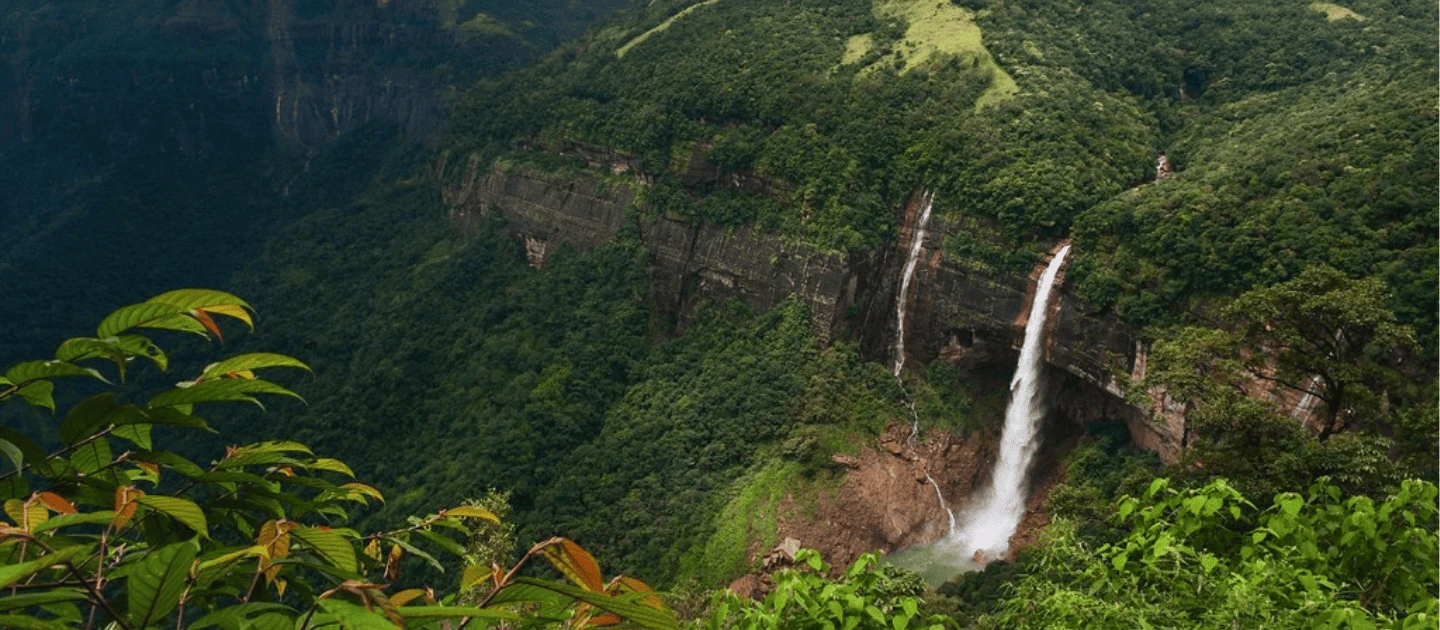
Living Root Bridges
About Living Root Bridges
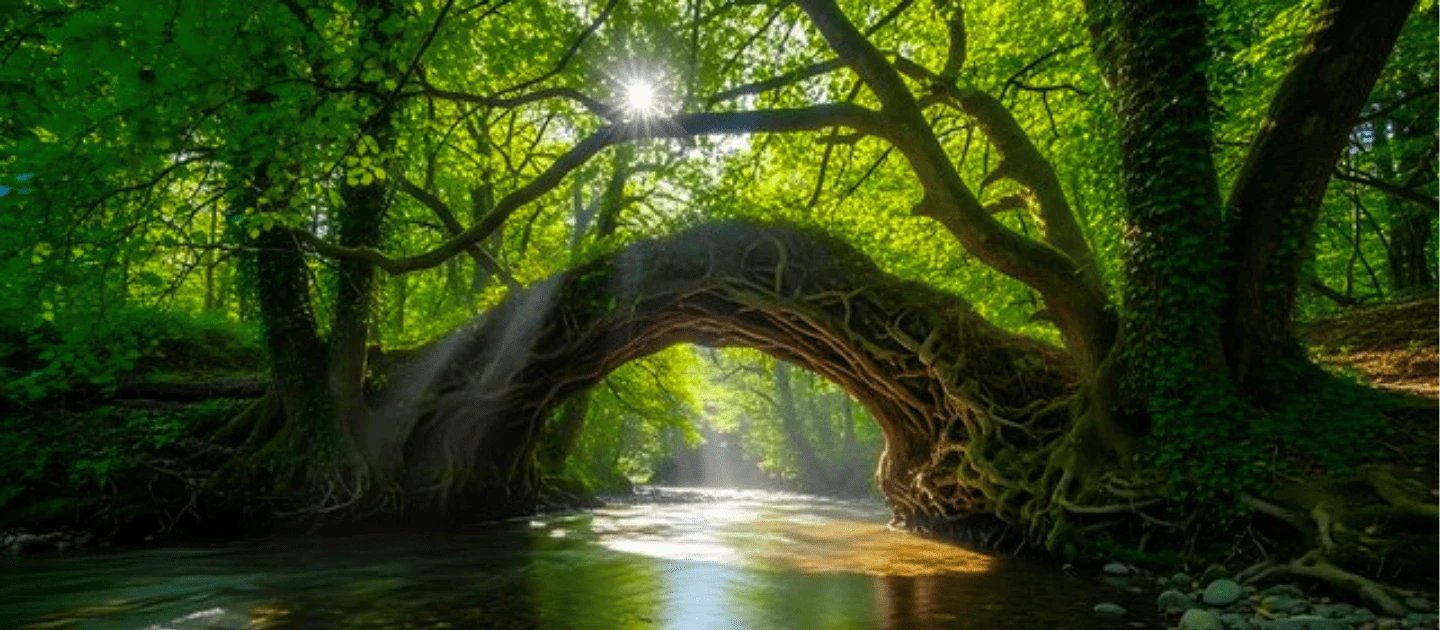
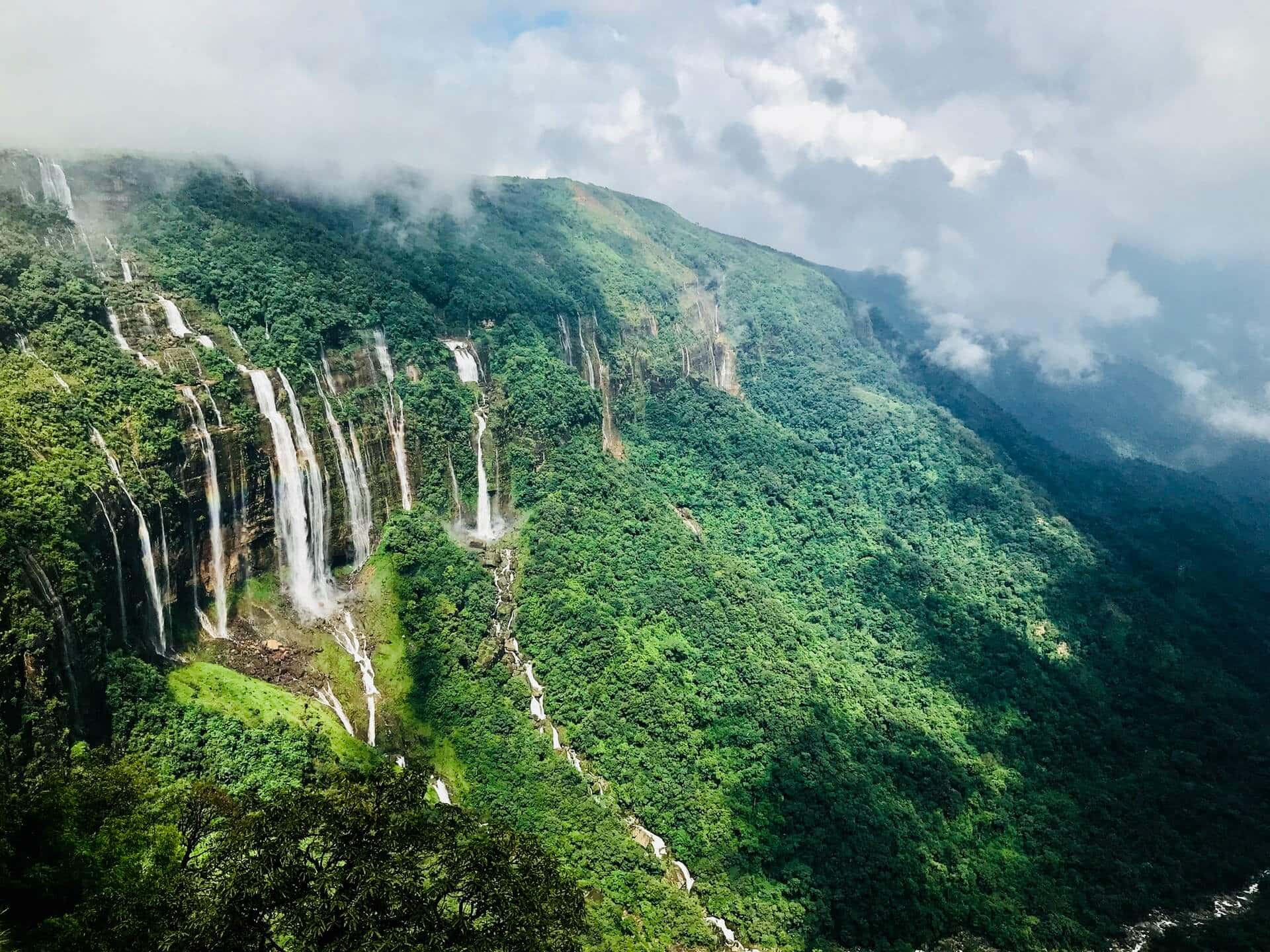
Living Root Bridges: Nature’s Architecture in Motion The weather in Meghalaya creates a distinct atmosphere. The rain falls with great intensity. The forest appears in its most vibrant shade. The mist persists throughout the entire day. This land contains a rare and mysterious element. The focus keyword Living Root Bridges is something you hear again and again when people talk about this place. The initial sound is unusual. The object becomes tangible after its first visual introduction. The construction of these bridges depends on tree roots which develop over time. The bridges evolve through gradual expansion from their root structures. The bridge builders lead the bridge construction process across waterways. The process requires multiple years to complete. The process requires multiple decades to complete. People from different parts of the world come to this location for that particular purpose. The concept of Living Root Bridges appears to be nearly fictional. Yet it exists as a fundamental aspect of everyday existence throughout Meghalaya. The journey takes its time for completion. The process moves at a pace that matches the speed of the bridges which will not be finished until their design period ends. Plan your next adventure easily with Travellinglark Post Travel — your smart travel companion! Meghalaya is called the abode of clouds. The region experiences continuous rainfall. The villages are located on elevated terrain. The valleys extend deep into lush green territory. People come to this place because they want to find inner peace. They visit to go trekking. People come to see unspoiled natural areas. People visit to see the Living Root Bridges which exist in this area. The bridges function as more than mere tourist attractions. They serve as essential pathways that villagers use for their everyday activities. The bridges function as pathway systems which children use for crossing. The bridges serve as essential pathways which farmers depend on. The system combines two opposing forces because it maintains a basic structure while providing high level strength. The Living Root Bridges attract visitors through two different aspects of their appeal. The bridges exist in a natural way which connects them to the local community. The idea sounds almost impossible at first. The roots of rubber fig trees serve as the building material for Living Root Bridges. The locals control the process which enables roots to extend their reach across different water bodies. The roots develop their strength through a gradual process. The roots accomplish their task by transforming into authentic bridges. The Living Root Bridges possess life because they exist in a state of growth which enables them to develop through their entire life span. The living organism undergoes continuous development because it interacts with its environment. The process requires no wood cutting and it needs no metal and it needs no machinery. The process requires only the ability to wait and the traditional knowledge which has been handed down through many years. The Living Root Bridges create an experience which makes you feel like you are in a different world. The structure beneath your feet consists of living natural elements which support your weight. People compare their walking experience to journeying through different eras of history. Building these bridges requires a lot of time and effort. The villagers use bamboo and stone to lead young rubber fig tree roots which they take from the tree. The roots extend their growth across the rivers in a gradual process. The duration of this process extends from 10 years to 15 years. The process can require more time than 15 years. The process starts when children reach adulthood. The elders pass knowledge to their children who will follow them. The people of Meghalaya create living root bridges through a process which requires both time and ongoing effort. The Living Root Bridges exist as natural structures which people cultivate through their dedication to the bridges. The East Khasi Hills contain the most prominent Living Root Bridges which people know. The areas of Nongriat and Cherrapunji contain these bridges which attract visitors. The area experiences constant heavy rainfall. The area has dense forest cover. The area contains paths which professionals consider to be extremely steep. Travelers continue to visit the area despite these conditions. The beauty of Living Root Bridges India exists throughout multiple locations which people can find in remote villages that exist among the hilly terrain. The bridges present distinct characteristics which make each one unique. The bridges present three size categories which people can choose from. The bridges contain different ages of construction which people can experience. The bridges create an energetic atmosphere which people experience throughout their space. The Double Decker Living Root Bridge stands as one of the most recognized attractions. The bridge system consists of two root bridge layers which have formed through natural processes. The first moment you see it makes you believe it contains unreal elements. The structure exists within the Nongriat area. The location requires visitors to put in work for their arrival. The forest path leads downwards through the path system. The moment you arrive at the destination everything becomes peaceful and beautiful. The Double Decker Living Root Bridge demonstrates the extensive capabilities which natural engineering can achieve. The Nongriat root bridge trek is not easy. The path to the bridge requires more than 3000 stone steps. Descending the stairs provides a pleasant experience. The return journey becomes exhausting. The path has multiple small water streams. The area contains various bird species. The area experiences foggy conditions. The forest environment produces natural sounds. Visitors to the area take breaks because they want to relax without any time constraints. The Nongriat root bridge trek requires hikers to focus on their journey more than their walking speed. All steps lead to the final destination which provides complete satisfaction. Engineers of today rely on machines together with design software for their work. In this location, the operational system functions in a distinct manner. The bioengineering field in Meghalaya develops its bridges through bioengineering methods which enable them to work together with nature. The process of tree training requires controlled methods which preserve their natural growth patterns. The process of root development requires operators to direct roots toward their intended path. The concept originates from ancient times but demonstrates exceptional intelligence. Living Root Bridges demonstrate the potential for human and natural systems to develop a slow process of cooperation. Crossing a living bridge creates a pleasant feeling which becomes unusual. The structure remains stable when weight is applied because it establishes a connection with living systems. Sounds of flowing water reach the listener. The listener experiences wind movements through tree branches. The Living Root Bridges create a peaceful atmosphere which brings tranquility to visitors. The experience of urban travel creates no excitement for users who prefer to comprehend their surroundings through peaceful methods. Visitors to the area spend extended periods in the space while observing their surroundings. The area has multiple paths but Nongriat remains its most frequented destination. The smaller villages provide their visitors with peaceful experiences. Your preferred activities will determine which trek offers the best Living Root Bridges experience in Meghalaya. Deep forest trails provide adventure seekers with their desired challenges. Village walks that take less time offer visitors who seek tranquility their preferred experience. The Living Root Bridges show different appearances through each path. First time visitors should prepare slowly. The area experiences wet weather throughout most of the year. Raincoat is important. Shoes should be strong. Light bags are the recommended option. Local homes offer stay options. Simple food is available. The area has multiple spots with poor internet connectivity. That is normal. Travelers should spend time at Living Root Bridges because these sites exist to be experienced and not to complete a checklist. The first day requires you to reach either Shillong or its adjacent town before proceeding to Cherrapunji area which requires you to stay at a village. The second day involves you taking the Nongriat trek after visiting the Double Decker Living Root Bridge and spending time at a water location before you spend the night in the village. The return trek proceeds at a slow pace which includes multiple stops to observe the scenery before reaching the final destination. The basic structure enables people to experience Living Root Bridges without facing any pressure. The best time to visit Living Root Bridges is usually from October to April.The months of October to April offer visitors to the Living Root Bridges a period of time which experience cooler weather and stable conditions. The period experiences less rain when compared with the monsoon season. The situation creates better conditions for trekking activities which bring increased safety protection to travelers who go to Nongriat and Double Decker Living Root Bridge.The steps and forest paths are less slippery. The observers can see distant objects because they have an unobstructed view. The period between June and September brings a monsoon because it makes the forest extremely green but creates wet conditions which make walking difficult. Travelers commonly choose to travel during the winter season because it provides them with comfortable conditions. The early morning hours create a peaceful atmosphere which allows visitors to experience a tranquil atmosphere throughout their stay. By Air: The closest major airport to the location operates from Guwahati which serves as the capital of Assam. You need to travel by road after reaching the airport to enter Meghalaya territory. The travel route leads through hilly areas which provide beautiful views. The trip requires approximately 3 to 4 hours to reach Shillong followed by additional time needed to travel to Cherrapunji and the villages which contain Living Root Bridges. By Train: Guwahati Railway Station serves as the closest major railway station to the location. The station offers connections to multiple major Indian cities. Travelers proceed to their next destination through roadways which begin at the station. Passengers can find taxis and buses available for hire at the station entrance. The road journey to Meghalaya begins here and continues to Shillong and other destinations. By Road: Travelers usually select the Guwahati to Shillong route as their preferred method to travel between these two cities. The journey takes approximately three hours to complete. You need to drive from Shillong to reach the Cherrapunji area. The roads present a winding path which showcases abundant green vegetation. The trek begins after reaching nearby villages because hikers need to traverse forest trails to reach Living Root Bridges. Your current location contains peaceful villages. People in this area lead their lives using basic methods. The construction of houses uses wood and stone materials. Children use root bridges as their daily walking route. The normal life which exists near Living Root Bridges creates a unique experience for visitors. The environment contains complete silence without any sound disturbances. The space contains both natural elements and human presence. People need to carry cash because the villages have few ATMs which exist. People should follow the paths which belong to the local area. The pathways should remain unbroken which connects to the tree roots. People should proceed at a slow pace while they walk across the bridges. People should begin their treks at dawn. People should carry their water supply using a bottle throughout the day. The location values basic elements which people consider essential. The visitors to Living Root Bridges need to treat the site with responsibility. Your data training extends until the month of October in the year 2023. People from Khasi culture see these bridges as essential elements of their cultural identity. The structures serve purposes that extend beyond their function as tourist attractions. The structures function as components of cultural heritage. The elders show the young people which methods to use to drive the roots. The people pass this knowledge through secret means which do not require written documentation. The Living Root Bridges serve as carriers of cultural heritage which they contain within their structures. A quiet reflection on the journey The first bridge you step onto brings you to a basic realization. Nature has its own capacity to create structures. The process develops at a slow and quiet rate which results in strong outcomes. The Living Root Bridges serve as a reminder that patience remains a current aspect of life in contemporary society. The present moment exists in the current day. The present moment exists in this existing time. People who travel to this location do not seek out luxurious experiences. The journey focuses on providing people with actual life experiences. The combination of mist and rain and forest and slow walking paths creates the experience. The Living Root Bridges create permanent impressions which remain with visitors after their travel concludes. People will forget the trek steps. Yet the memory of being on a living platform remains with them. The existence of Living Root Bridges remains uncommon. The existence of Living Root Bridges remains uncommon because they grow at a gradual rate. The existence of that thing functions as a lesson for people. Trip planning could seem to be cumbersome but TravellingLark makes it easy by linking travelers with professional travel agencies that provide customized travel proposals. Instead of spending hours searching for the most appropriate vacation package, travelers can post their trip details and receive several personalized offers. TravellingLark is not only a destination for travelers but the most powerful network for travel agencies, hotels, and travel vendors. Travel agencies can sign up for free listing of their offerings and display packages for holiday tours, hotels, and travel experiences. Travel is a business but no commission hefty charged like other platforms; we give businesses free travel leads to achieving their patronage. Whether you are a travel agency searching for clients, a hotel requiring more bookings, or a travel vendor offering services, TravellingLark has just opened direct access to tourists searching for these offerings. Hassle-Free Trip Planning: Every traveler gets a tailor-made travel offer, with other requirements left to him/her. Join for Everyone: Signing up is completely free for all users and businesses. While basic access stays free, vendors now have the option to purchase premium leads to connect with more potential customers and grow their sales. Join TravellingLark now and make a smarter future in planning, booking, and growing in the travel industry!Why Meghalaya feels special
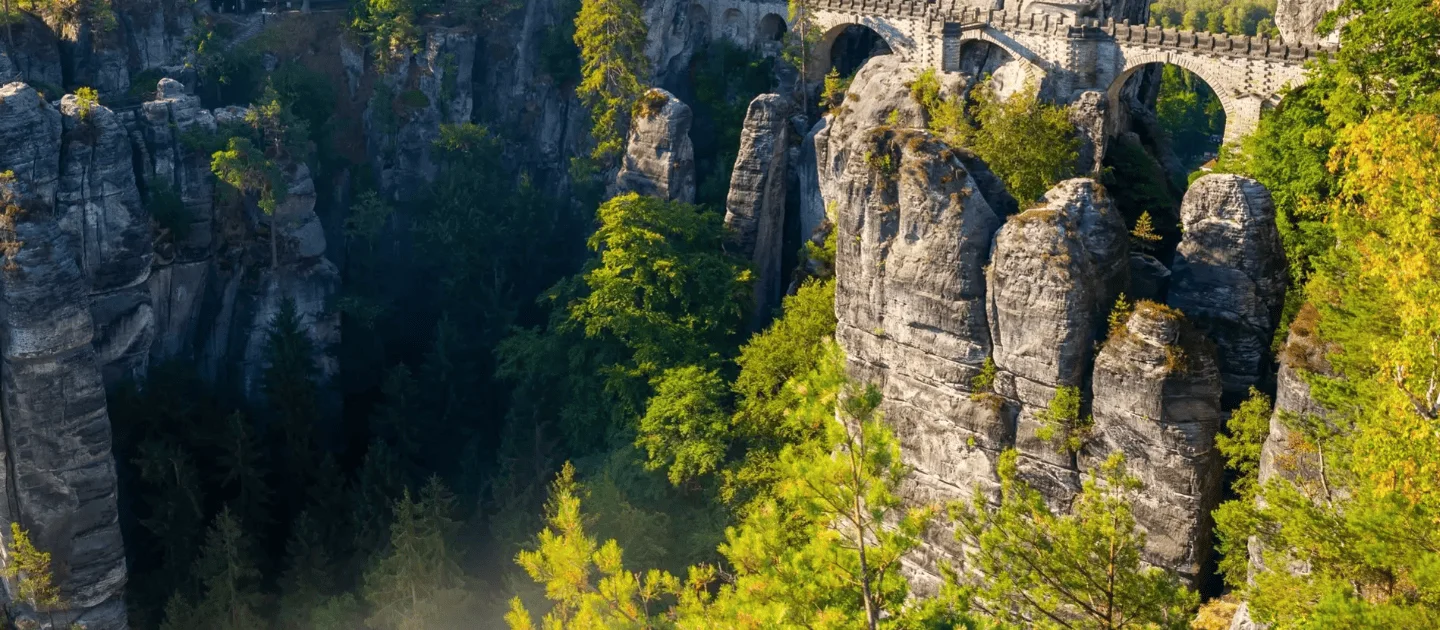
What are Living Root Bridges
How they are made in Meghalaya
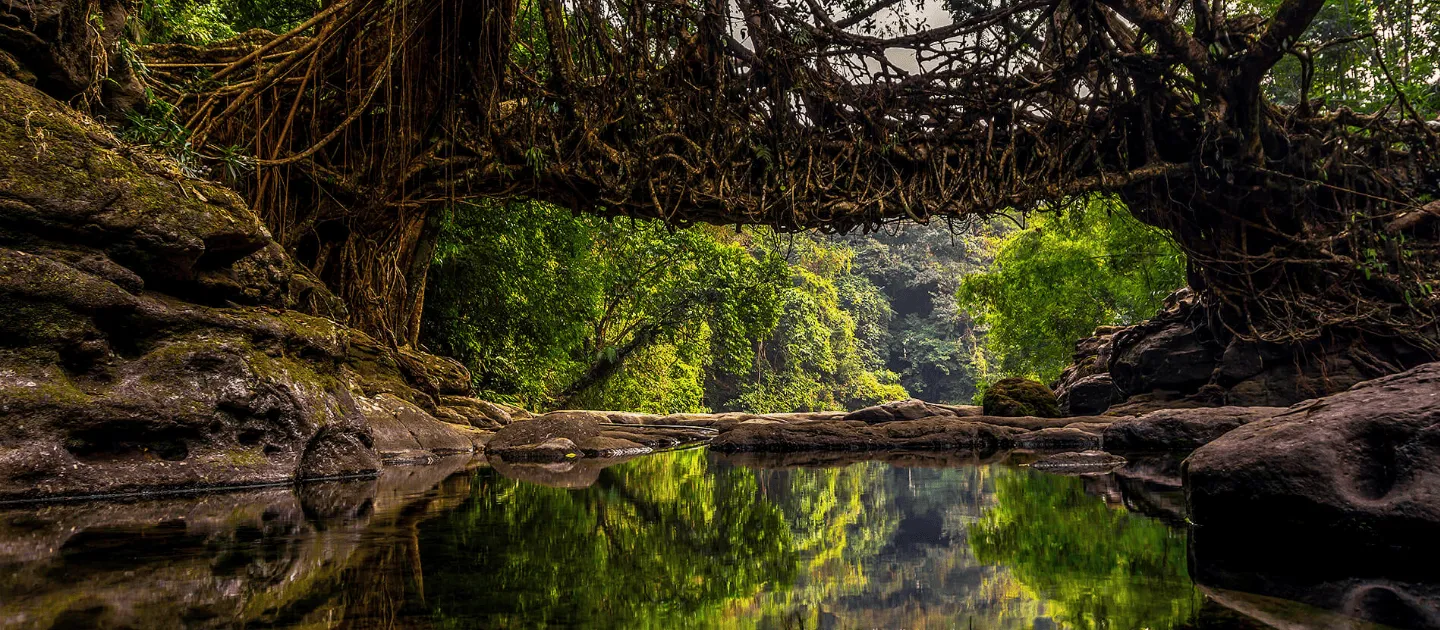
Places where you can see them
The famous Double Decker Living Root Bridge
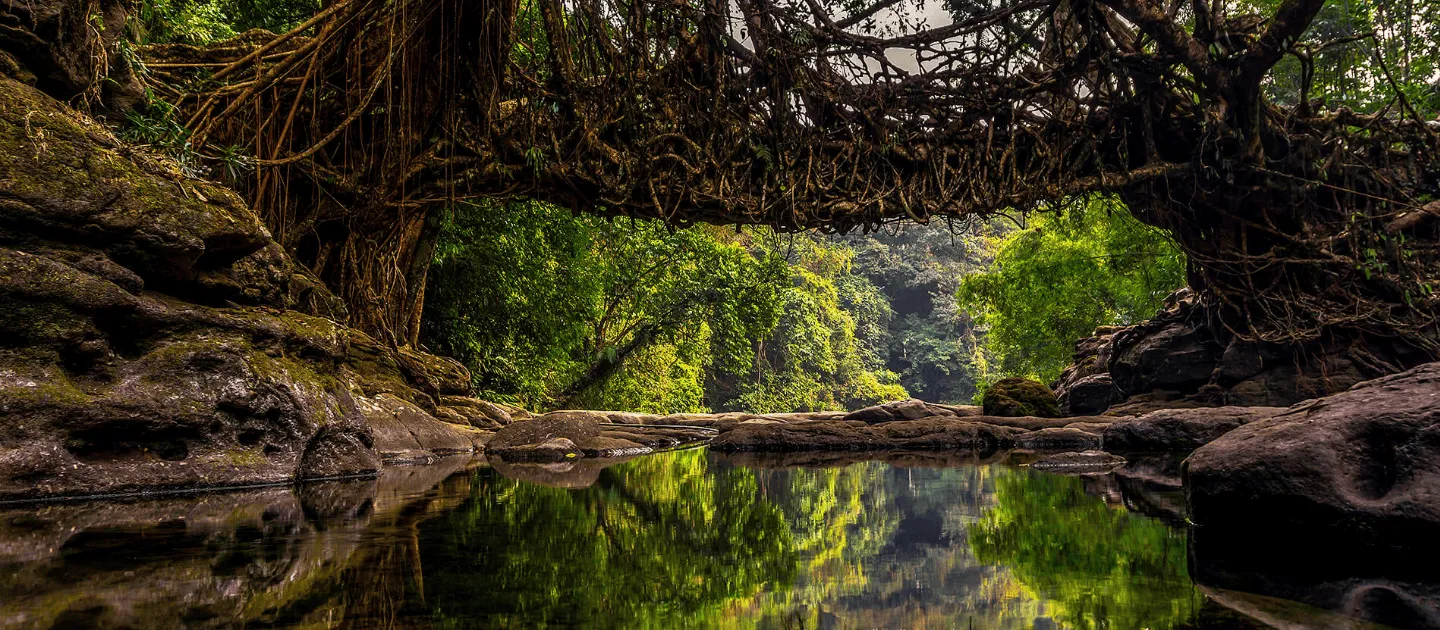
Trek to Nongriat root bridge
Bio engineering bridges Meghalaya style
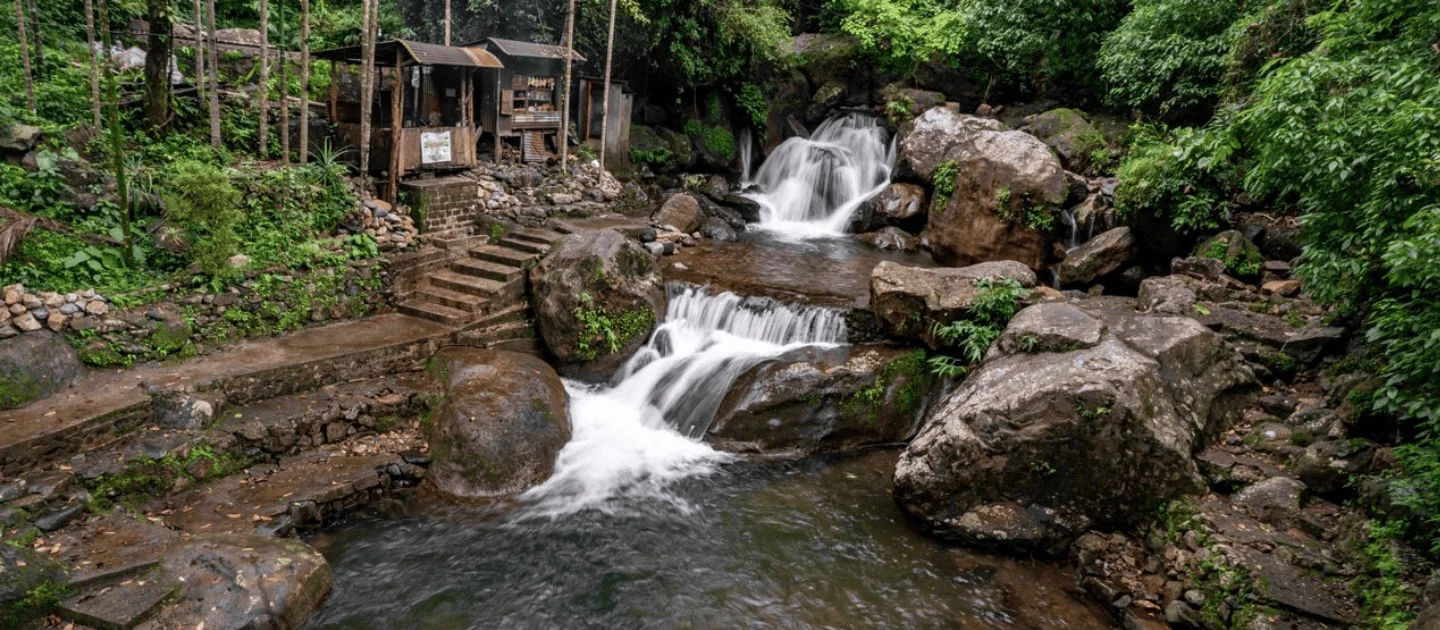
Trek experience and feeling
Best Living Root Bridges trek in Meghalaya
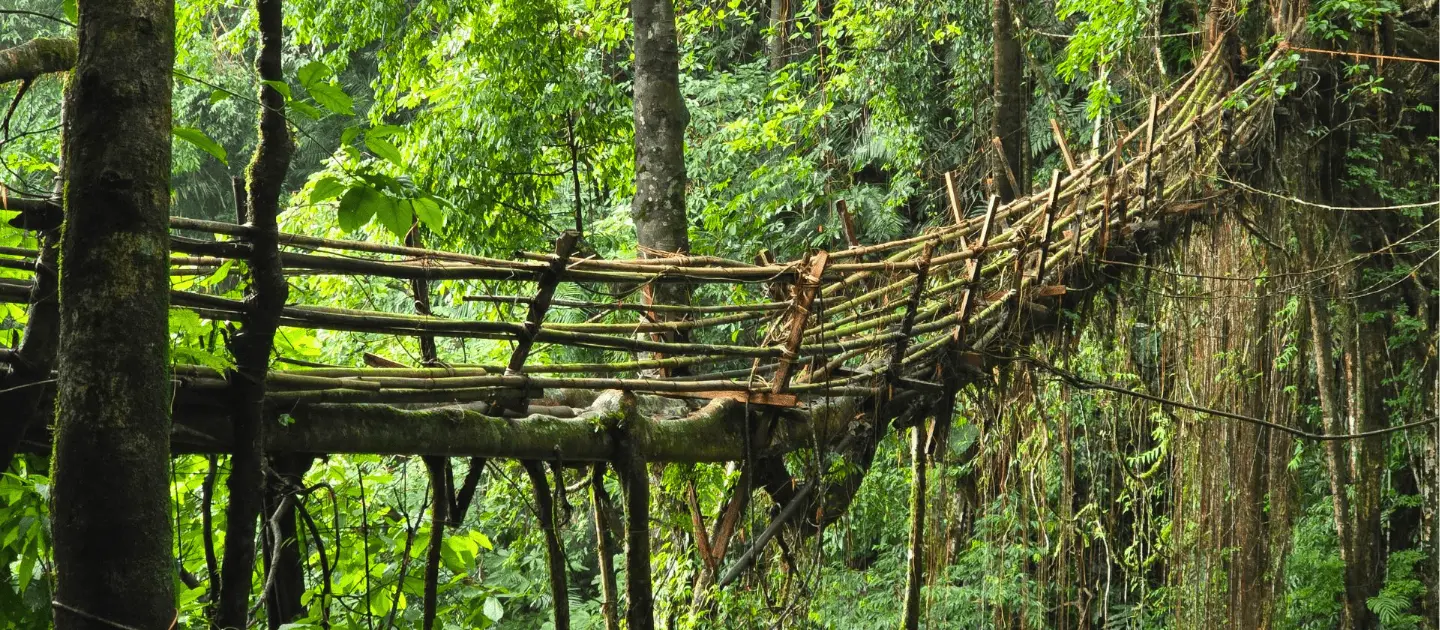
Meghalaya living root bridges travel guide for first time visitors
Simple 3 day itinerary
Best time to visit
How to reach
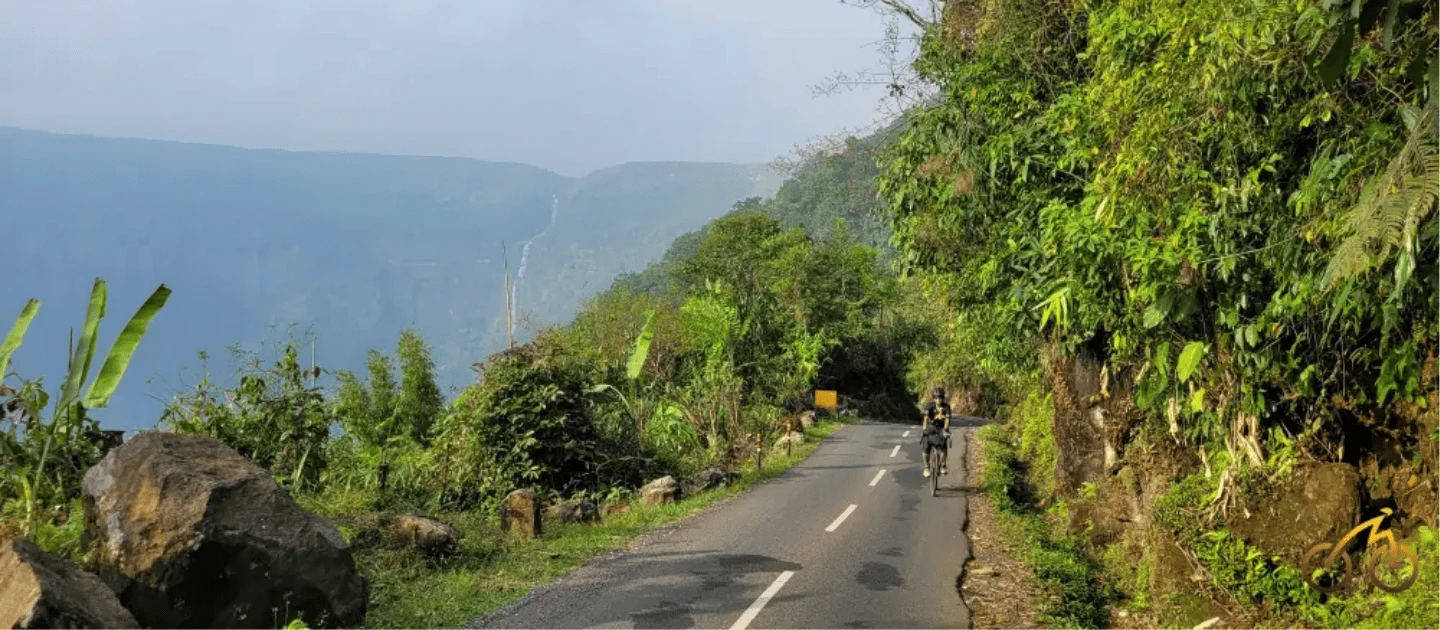
Local lifestyle and feel
Travel tips
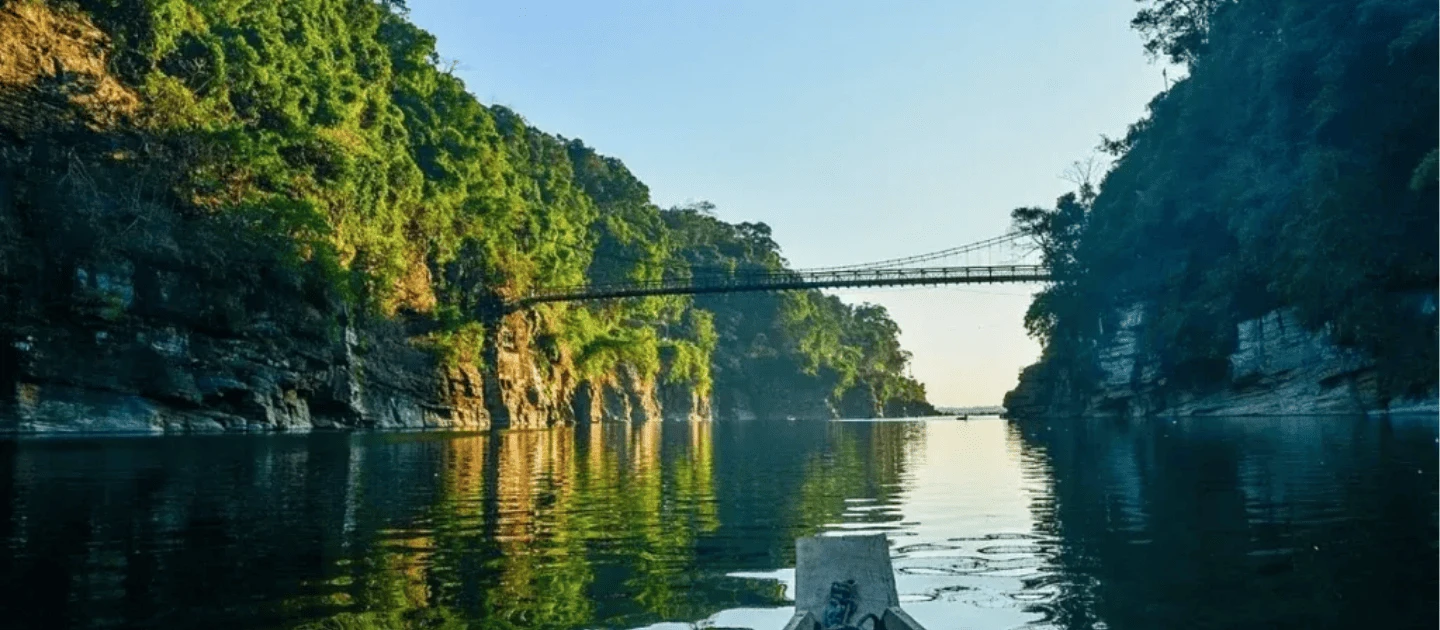
Cultural connection
Final thoughts
About Us
Planning a trip to Living Root Bridges?
Post your upcoming travel details and get personalized quotations from multiple verified travel agencies.
Fast response • Custom offers • Verified agents
Current Weather
Live Forecast
Explore Packages in Living Root Bridges
Planning a trip to Living Root Bridges?
Post your upcoming travel details and get personalized quotations from multiple verified travel agencies.
Fast response • Custom offers • Verified agents
Bigger Group? Get Special Offers Up to 50% Off!
Planning a trip for friends, family, or corporate teams to Living Root Bridges? We create unforgettable customised adventures with exclusive group pricing!
Current Weather
Live Forecast
Why travelers choose
TravellingLark?
Thoughtfully planned journeys, crafted for unforgettable experiences.
Built Around You
Personalized trips based on your style, interests and budget.
Handpicked Trips
Curated itineraries designed with love and local expertise.
Transparent Pricing
Clear package pricing with no hidden charges or surprises.
Personalized Planning
Every trip is tailored to your interests, pace and preferences.
Best Value Always
Get the best experiences at the best value for your money.
Global Destinations
Explore handpicked destinations across India and the world.
24/7 Trip Assistance
We're with you before, during and after your journey.
Built Around You
Personalized trips based on your style, interests and budget.
Handpicked Trips
Curated itineraries designed with love and local expertise.
Transparent Pricing
Clear package pricing with no hidden charges or surprises.
24/7 Trip Assistance
We're with you before, during and after your journey.
Personalized Planning
Every trip is tailored to your interests, pace and preferences.
Best Value Always
Get the best experiences at the best value for your money.
Global Destinations
Explore handpicked destinations across India and the world.
Hassle-Free Journey
Enjoy a smooth travel planning experience from start to finish.
Traveler Reviews for Living Root BridgesReviews for Living Root Bridges
Verified ratings and genuine travel experiences from our community
No Reviews Yet
Have you explored Living Root Bridges? Share your experience to help fellow travelers plan their trip!