
Valley of Flowers
About Valley of Flowers
Valley of Flowers Uttarakhand Travel Guide: Trek, Cost & Tips
Valley of Flowers in Uttarakhand feels unlike the typical hill station. The air stays crisp. The paths look rich and green. When the season turns, bright wildflowers spread across the valley.
The Valley of Flowers National Park lies in the Chamoli district. It is set high in the Himalayas, with tall peaks all around. Visitors also come for the rare plant life, many bird sightings, and quiet views from the mountains.
Most people go for the Valley of Flowers trek. The walk is tough, though first time trekkers can still do it. A steady pace helps, along with some basic preparation.
If you are thinking about Valley of Flowers Uttarakhand travel, this guide shares the route details, expected costs, weather notes, a sample itinerary, places to stay, and practical tips.
Plan your next adventure easily with Travellinglark Post Travel — your smart travel companion!
Why Visit Valley of Flowers?
People visit the Valley of Flowers in Uttarakhand mainly for its natural look. The place feels unlike most other mountain stops.
When the season is at its peak, blooms spread over the hills. You might spot blue, pink, yellow, white, and purple flowers as you go. The view changes again and again with each step.
It also has a calm mood. You can hear water running, birds calling, and at times you may hear almost nothing.
For couples, the trip can feel easy and quiet. Families with older kids can like it too, as long as everyone is happy to trek. Solo travelers may enjoy the open pace and the stillness on the route.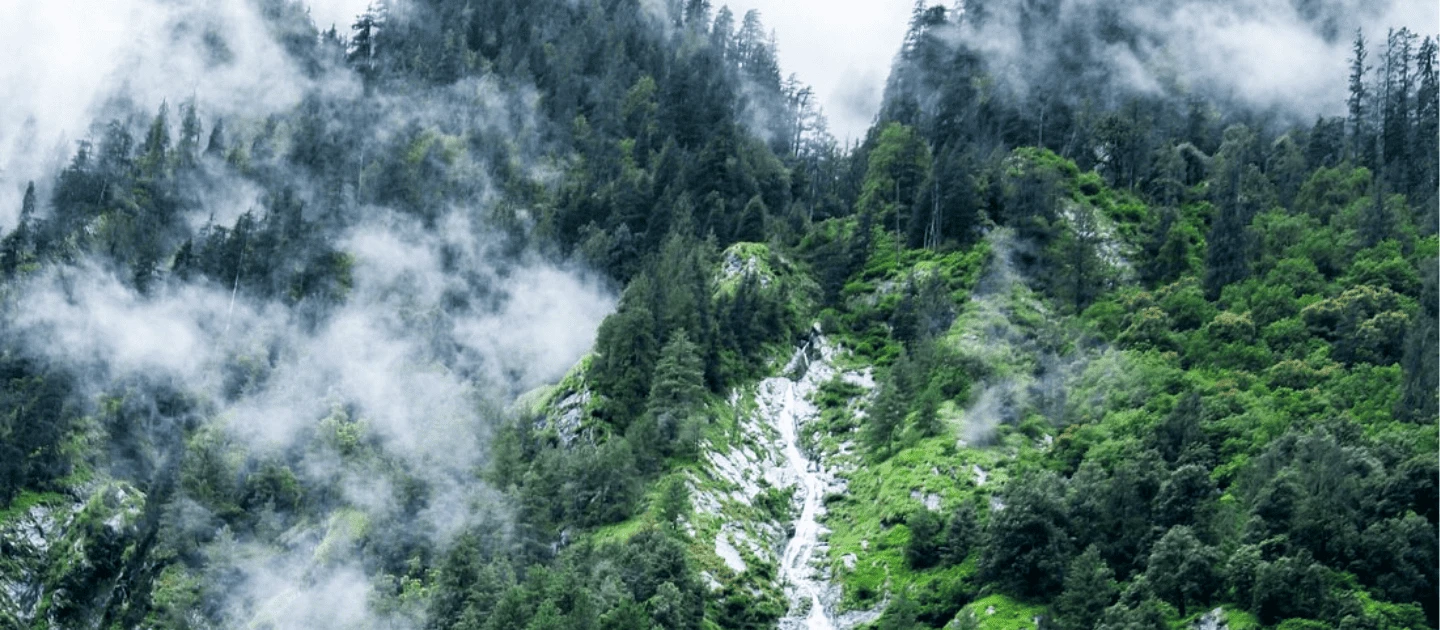
Valley of Flowers Location and Altitude
The Valley of Flowers is in Chamoli district, in Uttarakhand. Most people start from Govindghat to reach the trek route.
The valley sits at about 3,500 metres above sea level. Ghangaria is nearby and most visitors stay there before they go into the valley. It is also high up in the hills.
Since you will be at high altitude, you might get out of breath or feel worn out faster than you think. Slow down and keep moving steadily. Let the trail take the time it needs. Avoid rushing.
Valley of Flowers Opening Date and Best Time to Visit
The park tends to be open once the winter snow begins to melt. This usually happens in summer, once the ground dries out enough. Most years, the doors open around June. The season then runs into late October. It depends on the weather and what is happening locally.
If you plan to see the Valley of Flowers in Uttarakhand, July through September is often the best stretch. Those months tend to show the most color in the area.
In July, you can see new blooms and fresh green growth. By August, the place often looks lively, but showers can leave the path slick. In September, skies are often calmer and you may notice fewer people.
Before you leave, confirm the local opening status. That simple step can save you a lot of trouble.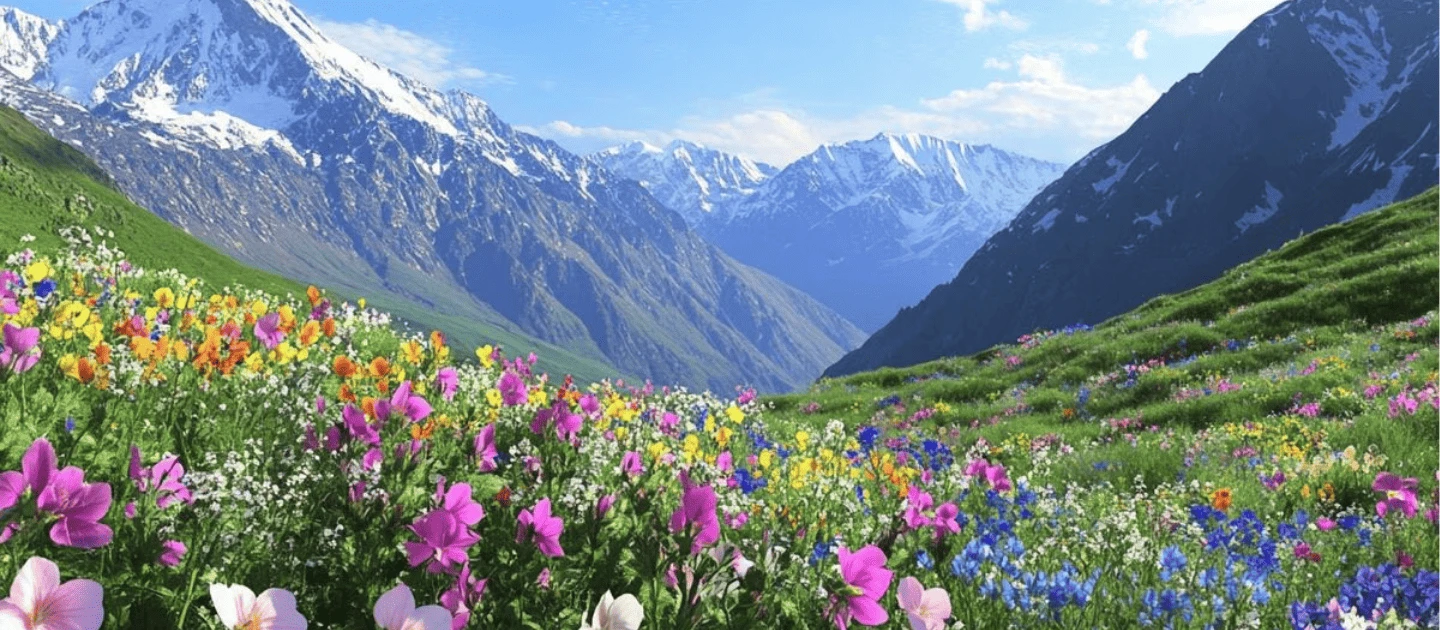 Valley of Flowers Weather
Weather in the Valley of Flowers shifts fast. In the morning it may feel nice. Then, a few hours later, you can get rain or chilly wind.
During the monsoon season, rain shows up often. The path can also turn slick, so watch your steps.
Bring a waterproof jacket. Pack extra socks. Carry a small umbrella. Use a cover for your bag too. Good trekking shoes matter more here than trendy footwear.
In Ghangaria, the nights get cold. Even if you start in clear, sunny weather, keep warm clothes with you.
Valley of Flowers Trek Route
The Valley of Flowers trek often starts from Ghangaria before sunrise.
You leave early so you have more daylight for the walk.
At first, you head from Ghangaria toward the park entry.
After that, the path keeps going into the valley.
Along the way, you follow stream sides and stone stretches.
From Ghangaria to the main valley area, the one way trek is about 4 km.
Some hikers go deeper into the valley and then come back.
How much you walk in total depends on how far you go inside.
Set aside time for walking at a steady pace.
Also plan for photos, breaks, and the trip back.
This trek is usually listed as moderate in difficulty.
You do not need technical climbing skills.
Still, the altitude and uneven ground can wear you out.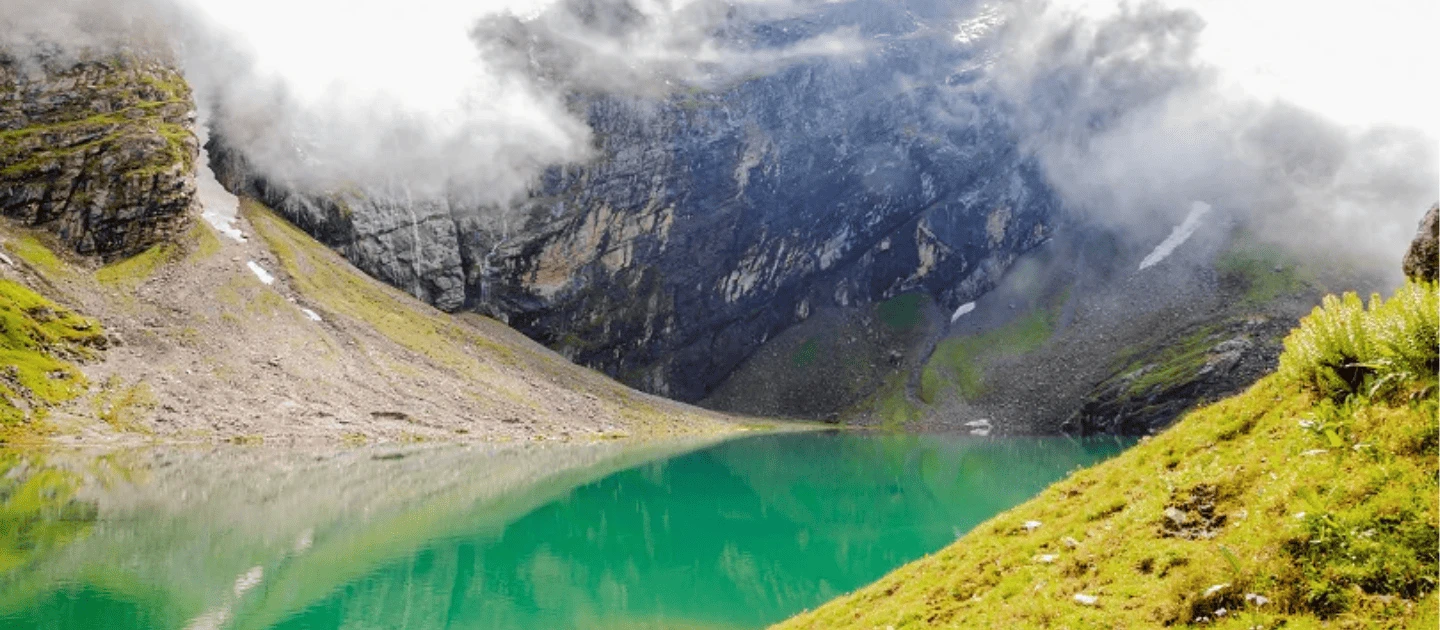 Valley of Flowers to Hemkund Sahib
Many people add a stop at Hemkund Sahib.
Getting there is tougher than the Valley of Flowers trail.
The climb is steep, and the altitude is higher too.
Because of that, it should not be seen as an easy stroll.
Some travelers go to the Valley of Flowers first.
Then they save Hemkund Sahib for the next day.
This two place plan suits people who have extra time.
It also fits those who are used to hiking in the mountains.
Simple Valley of Flowers Itinerary
Day 1: Reach Govindghat
Go to Govindghat and take it easy. If you are starting from Delhi, expect a long ride, so do not plan anything hard that day.
Day 2: Govindghat to Ghangaria
Head from Govindghat toward Ghangaria. The usual trek portion is close to 13 km. Some people manage with less walking if local transport works out well.
In the evening, stay in Ghangaria and rest.
Day 3: Ghangaria to Valley of Flowers
Begin early.Follow the signs and head into the park. The route is pretty, yet it feels tense at times. Walk at a steady pace. Stop for a moment to catch your breath. Stay focused on the path marked ahead.This walk is scenic, but it also feels heavy. Keep a steady pace and pause often. Spend a while in the valley, then go back to Ghangaria.
Day 4: Hemkund Sahib
If your body feels okay and the weather looks good, try to visit Hemkund Sahib.Going uphill feels hard, so take your time. After that, head back to Ghangaria and rest there.
Day 5: Journey Back
Start from Ghangaria and make your way to Govindghat.After that, continue to your home, or stay nearby for the night if you need to.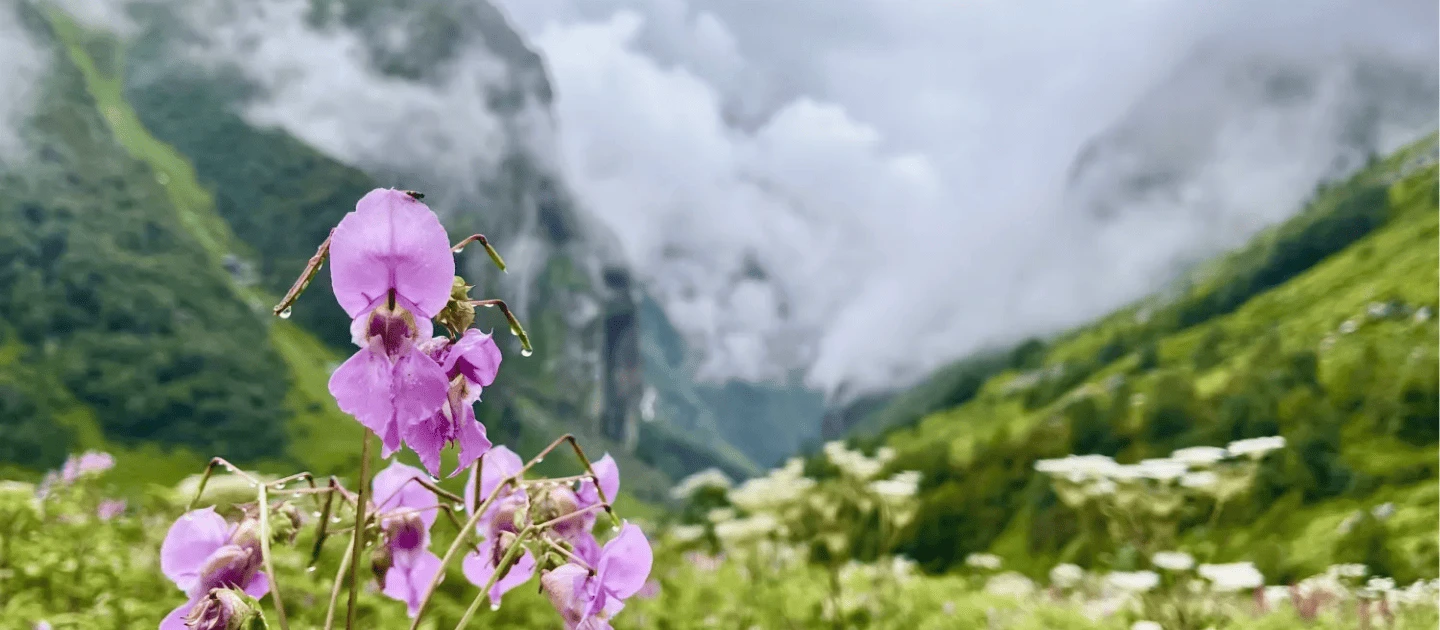 Valley of Flowers Trek Cost
The trek to the Valley of Flowers from Delhi can vary in cost. The final amount depends on how you travel, where you stay, what you eat, which permits you need, and how many days you plan.
If you want a cheaper trip, many people set a starting budget near INR 8,000 to INR 15,000 per person from Delhi. If you prefer more comfort, the cost will go up.
The entry fee for the valley and other park charges can change from time to time. You may also pay for permits and some local help, so factor that in.
For a family or a couple, transport often becomes the largest part of the expense. If you book your rooms early, you can sometimes avoid higher rates during the peak season.
Use these numbers to plan your trip. Treat them as an estimate, not as a final quote.
Valley of Flowers Permit
You usually need a permit to enter the Valley of Flowers section of the national park. Please check the park entry rules and the posted hours before you go in.
Carry your ID with you at all times. Listen to the local staff and do not enter any areas marked as off limits.
The mountain setting is delicate. Do not pick flowers. Also, please take all plastic items back with you.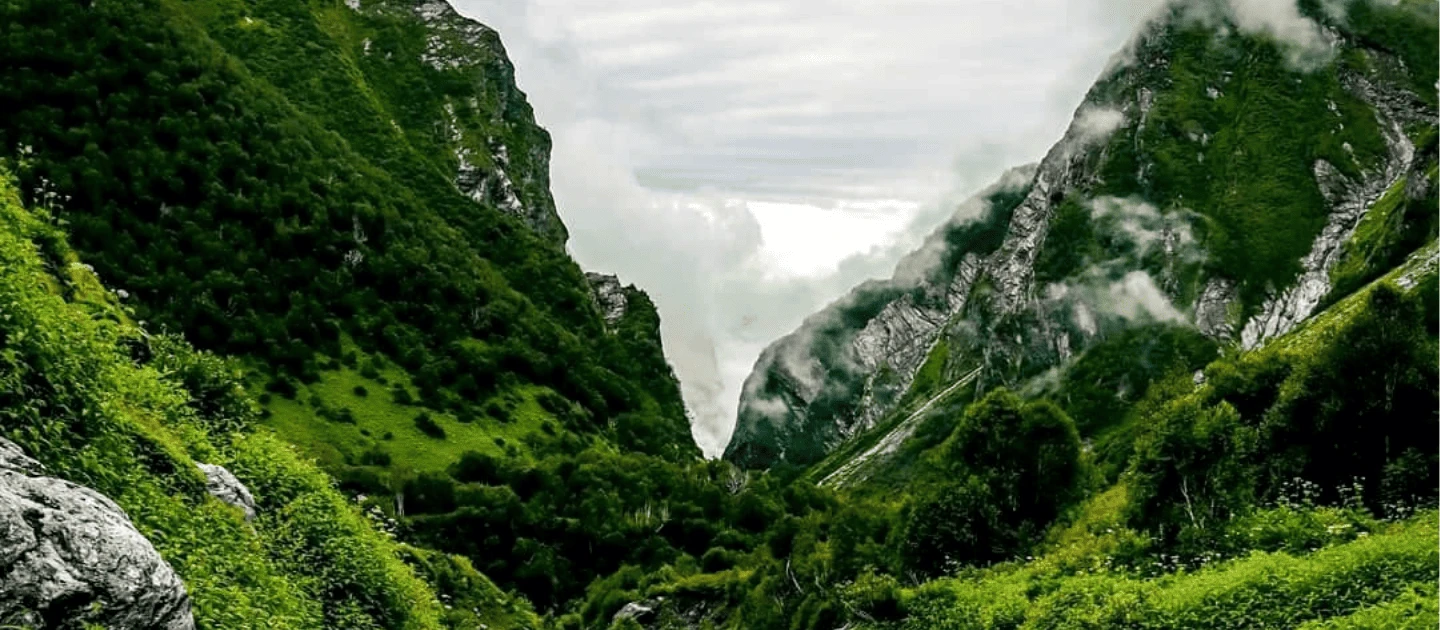 Where to Stay
Ghangaria is where most travelers start. There you can book hotels, guesthouses, lodges, and smaller places to stay.
If you want to sleep close to the Valley of Flowers trek, Ghangaria makes sense. It puts you near the walking path.
Govindghat is also handy for stays. Many people use it before the hike or after they finish.
Keep your expectations simple. This is a mountain area, so comfort may be basic. After hours on the trail, a plain room can feel just right.
How to Reach Valley of Flowers from Delhi
If you are trying to get to the Valley of Flowers from Delhi, most people split the trip into parts.
To begin, go to Rishikesh or Haridwar first. After that, keep moving by road toward Govindghat.
Once you reach Govindghat, continue on to Ghangaria. How you travel in between can vary with what is available on the day. Some legs may use shared rides.
After you get to Ghangaria, you walk into the national park.
The drive and travel from Delhi take time. Plan a buffer. If you rush and try to do it all fast, the whole trip can feel more stressful than it needs to.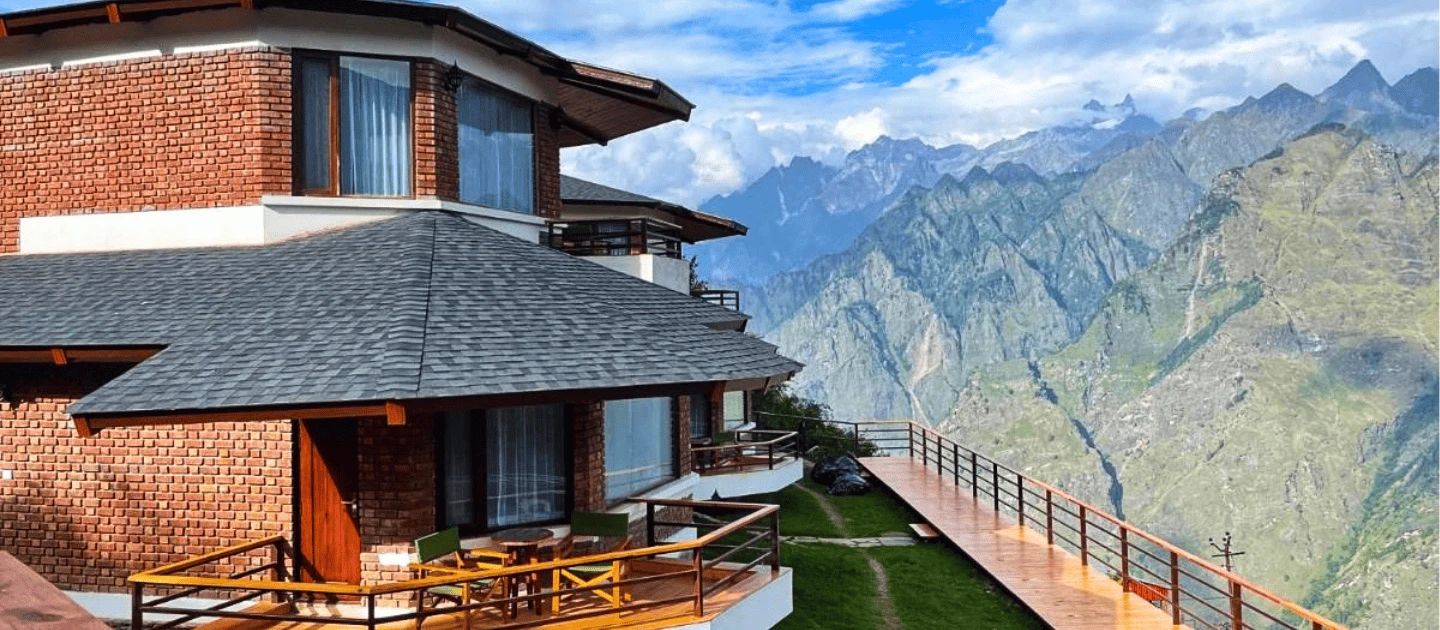
Things to Do in Valley of Flowers
You will be walking through the valley as the main part of the trip. You do not have to hurry.
Pause at the lookout spots when you can. Notice the streams that run down from the mountain slopes. If you want, take a few photos. Then just sit and breathe for a short while.
Bird watching may be a nice extra too. The Himalayan scenery around you makes it feel richer.
Remember to be careful with the place. Keep wildlife left alone and do not harm any plants.
Travel Tips for First Time Visitors
Getting ready before you go makes a big difference for the Valley of Flowers trip.
First, take trekking shoes that fit well and have good grip.
Next, pack rain gear in your day bag.
Also bring water and a few light snacks.
Do not rely only on mobile networks. In the hills, signal may drop.
Plan to start your hike earlier in the day. Mornings are often less harsh.
Carry some cash too. You may not be able to use digital payments in every spot.
Finally, pay close attention to how you feel. If you get dizzy, feel very worn out, or feel unwell due to the altitude, stop right away and get help from locals.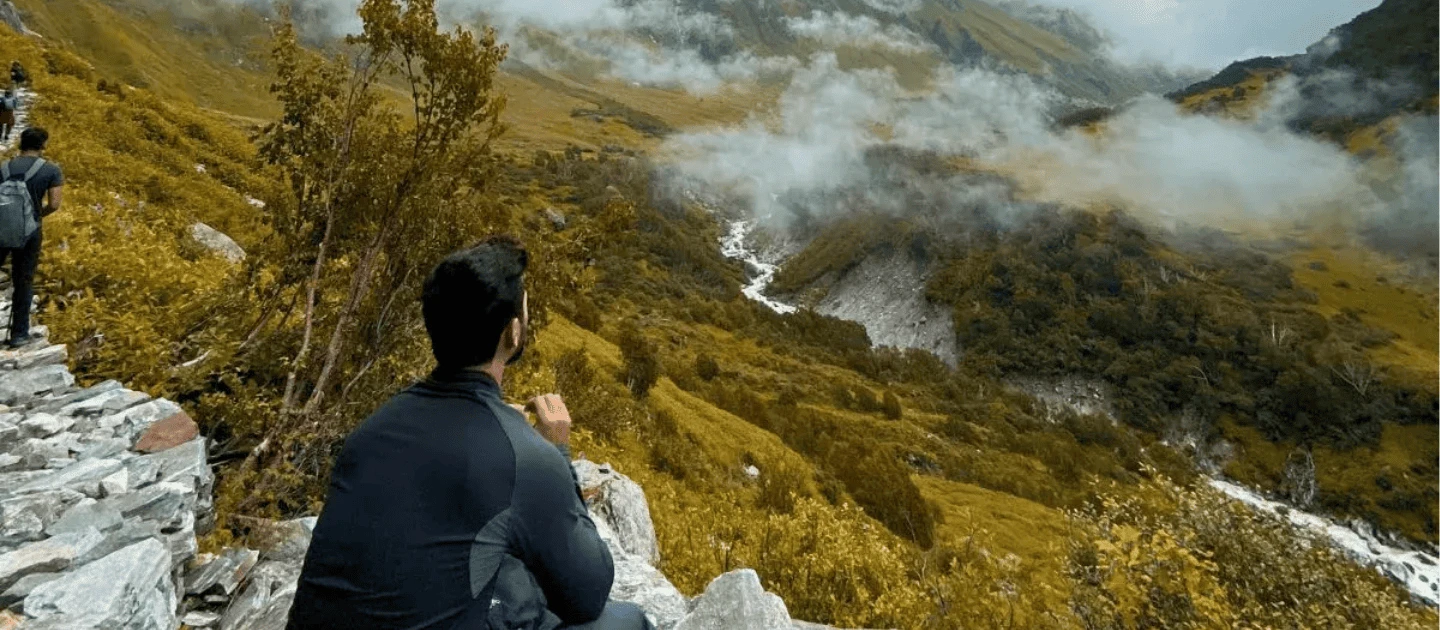 Is Valley of Flowers Good for Couples and Families?
Yes, but the trip takes some prep.
If you are a couple, Valley of Flowers in Uttarakhand can feel calm. The views are great, and it is not as crowded as some other tourist places.
If you are traveling with kids, think about their age and how active they are. The hike may feel hard. The higher altitude makes it tougher too.
People traveling alone can go as well. Still, try to stick to the paths that are marked. Also, tell someone where you plan to go and when you expect to return.
Conclusion
A visit to the Valley of Flowers in Uttarakhand feels less like a checklist and more like a ride through the hills. Getting to Govindghat is not quick. The walk is hard at times. The weather in the region can change quickly.
But once you get down to the valley, it starts to feel like it was worth the effort.
There is beauty all around. Wild blooms, clear mountain streams, cool air, and wide views of the Himalayas bring a calm kind of joy. You do not have to rush from one stop to the next.
If you are planning this trip, plan for extra days. Bring layers for cold and rain. Keep your schedule loose. With a bit of care, the whole trip feels easier.
For your first time, take it slowly. Stay with the trail as you go. Then head out with the same respect and care, so the valley remains just as lovely for others.
About Us
Trip planning could seem to be cumbersome but TravellingLark makes it easy by linking travelers with professional travel agencies that provide customized travel proposals. Instead of spending hours searching for the most appropriate vacation package, travelers can post their trip details and receive several personalized offers.
TravellingLark is not only a destination for travelers but the most powerful network for travel agencies, hotels, and travel vendors. Travel agencies can sign up for free listing of their offerings and display packages for holiday tours, hotels, and travel experiences. Travel is a business but no commission hefty charged like other platforms; we give businesses free travel leads to achieving their patronage.
Whether you are a travel agency searching for clients, a hotel requiring more bookings, or a travel vendor offering services, TravellingLark has just opened direct access to tourists searching for these offerings.
Hassle-Free Trip Planning: Every traveler gets a tailor-made travel offer, with other requirements left to him/her.
Join for Everyone: Signing up is completely free for all users and businesses. While basic access stays free, vendors now have the option to purchase premium leads to connect with more potential customers and grow their sales.
Join TravellingLark now and make a smarter future in planning, booking, and growing in the travel industry!
Planning a trip to Valley of Flowers?
Post your upcoming travel details and get personalized quotations from multiple verified travel agencies.
Fast response • Custom offers • Verified agents
Current Weather
Live Forecast
Explore Packages in Valley of Flowers
Planning a trip to Valley of Flowers?
Post your upcoming travel details and get personalized quotations from multiple verified travel agencies.
Fast response • Custom offers • Verified agents
Bigger Group? Get Special Offers Up to 50% Off!
Planning a trip for friends, family, or corporate teams to Valley of Flowers? We create unforgettable customised adventures with exclusive group pricing!
Current Weather
Live Forecast
Why travelers choose
TravellingLark?
Thoughtfully planned journeys, crafted for unforgettable experiences.
Built Around You
Personalized trips based on your style, interests and budget.
Handpicked Trips
Curated itineraries designed with love and local expertise.
Transparent Pricing
Clear package pricing with no hidden charges or surprises.
Personalized Planning
Every trip is tailored to your interests, pace and preferences.
Best Value Always
Get the best experiences at the best value for your money.
Global Destinations
Explore handpicked destinations across India and the world.
24/7 Trip Assistance
We're with you before, during and after your journey.
Built Around You
Personalized trips based on your style, interests and budget.
Handpicked Trips
Curated itineraries designed with love and local expertise.
Transparent Pricing
Clear package pricing with no hidden charges or surprises.
24/7 Trip Assistance
We're with you before, during and after your journey.
Personalized Planning
Every trip is tailored to your interests, pace and preferences.
Best Value Always
Get the best experiences at the best value for your money.
Global Destinations
Explore handpicked destinations across India and the world.
Hassle-Free Journey
Enjoy a smooth travel planning experience from start to finish.
Traveler Reviews for Valley of FlowersReviews for Valley of Flowers
Verified ratings and genuine travel experiences from our community
No Reviews Yet
Have you explored Valley of Flowers? Share your experience to help fellow travelers plan their trip!
Frequently Asked Questions about Valley of Flowers
Valley of Flowers is famous for its natural alpine flowers and peaceful trekking route. During monsoon, the valley becomes colorful and fresh. Many travelers say the view feels unreal and very calming after the long walk.
The trek is moderate. Beginners can do it with basic fitness. The trail is mostly clear but includes long walking hours. Slow pace and regular breaks make it comfortable. Most people complete it without major issues.
A guide is not compulsory but helpful for first time visitors. Routes are simple yet weather can change fast. Guides also share local stories and help with safety, which makes the experience smoother and relaxed.
Camping inside the valley is not allowed as it is a protected national park. Travelers usually stay at Ghangaria village. From there you do a day visit to the valley and return back before evening.
Usually 4 to 6 days are enough for a complete experience. This includes travel, trekking, and rest. Some people stay longer to enjoy Hemkund Sahib nearby, but a short plan also works well.
Recently Asked Questions about Valley of Flowers
Yes, it generally opens during early June and stays open till October depending on weather. Dates may change slightly each year. It is better to check updates before planning so you avoid last minute issues.
Yes many solo travelers visit every year. The route is safe and popular in season. Still, start early, carry essentials, and stay aware of weather. Joining a small group often feels easier for first timers.
Network is limited after Govindghat. Some providers work in Ghangaria but signal is weak. Internet can be slow. It is good to inform family in advance and keep offline maps ready just in case.