Shoja
About Shoja
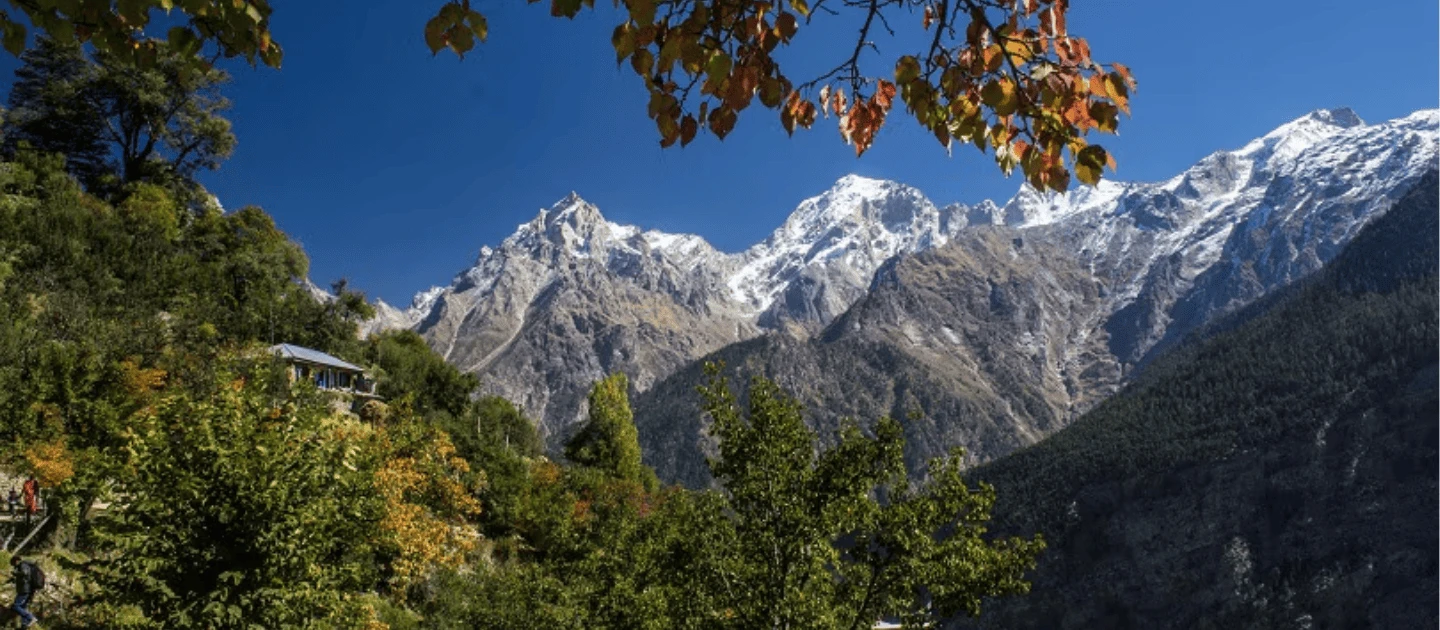
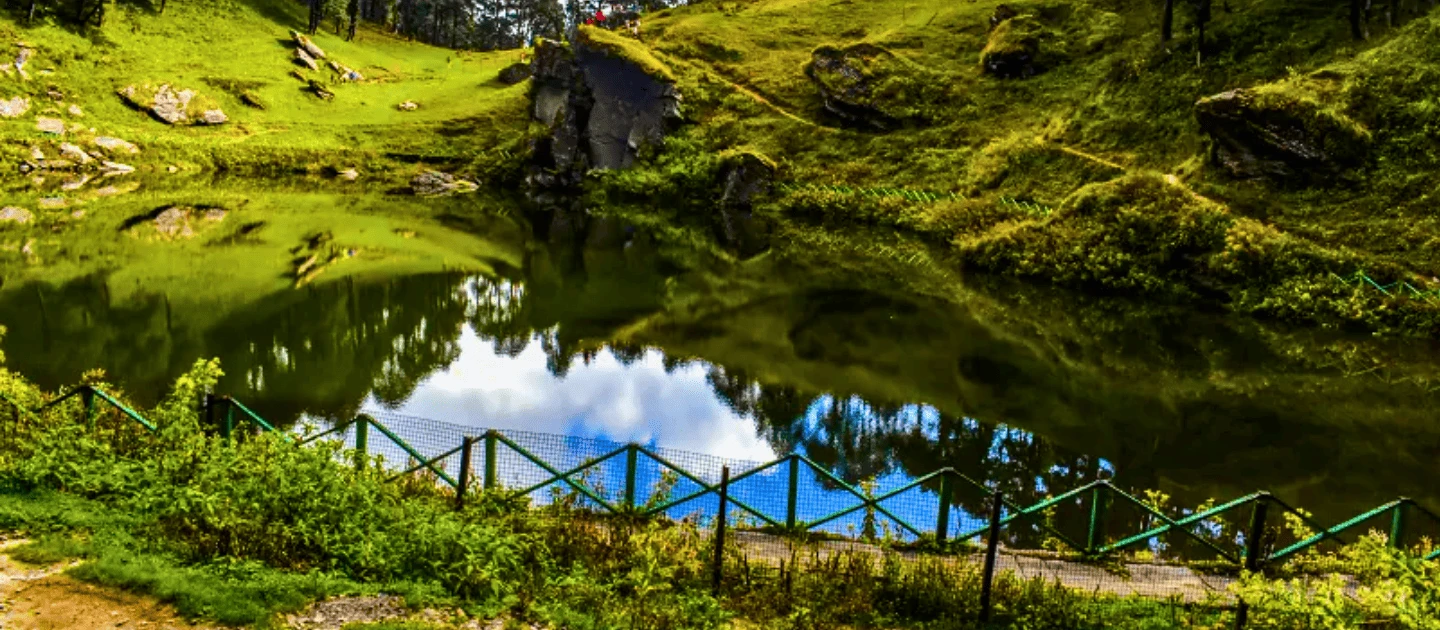
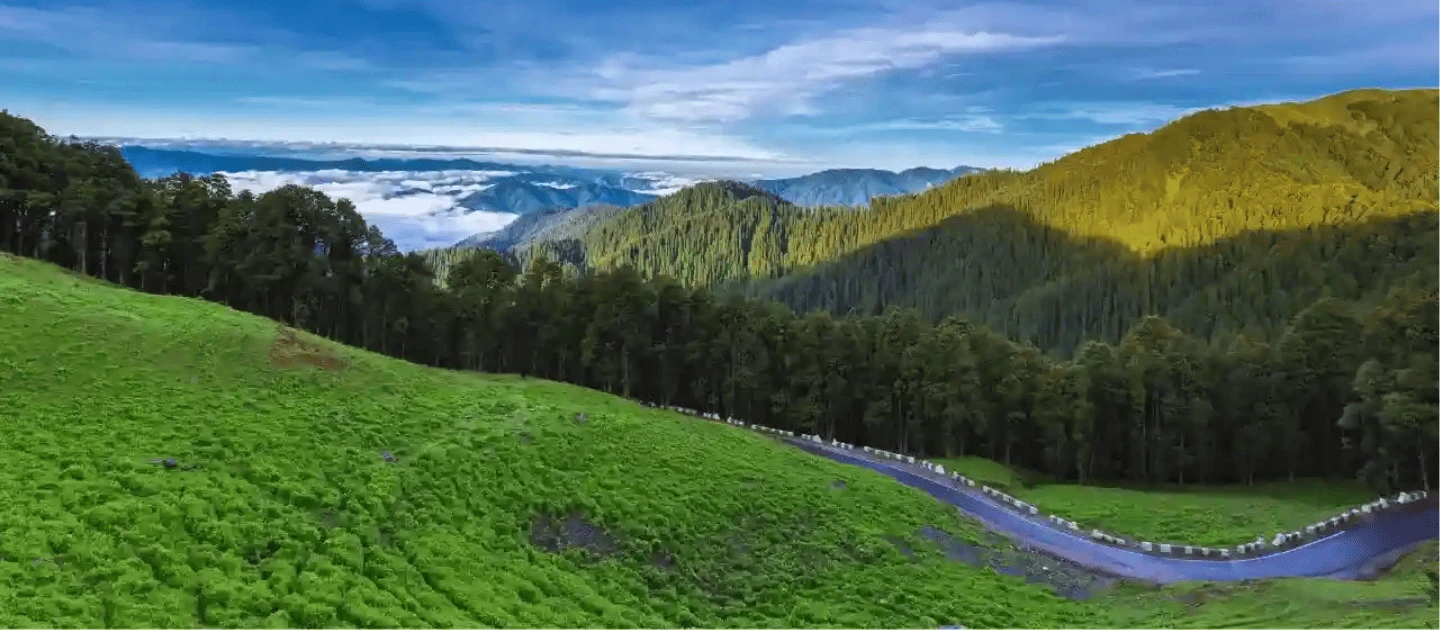
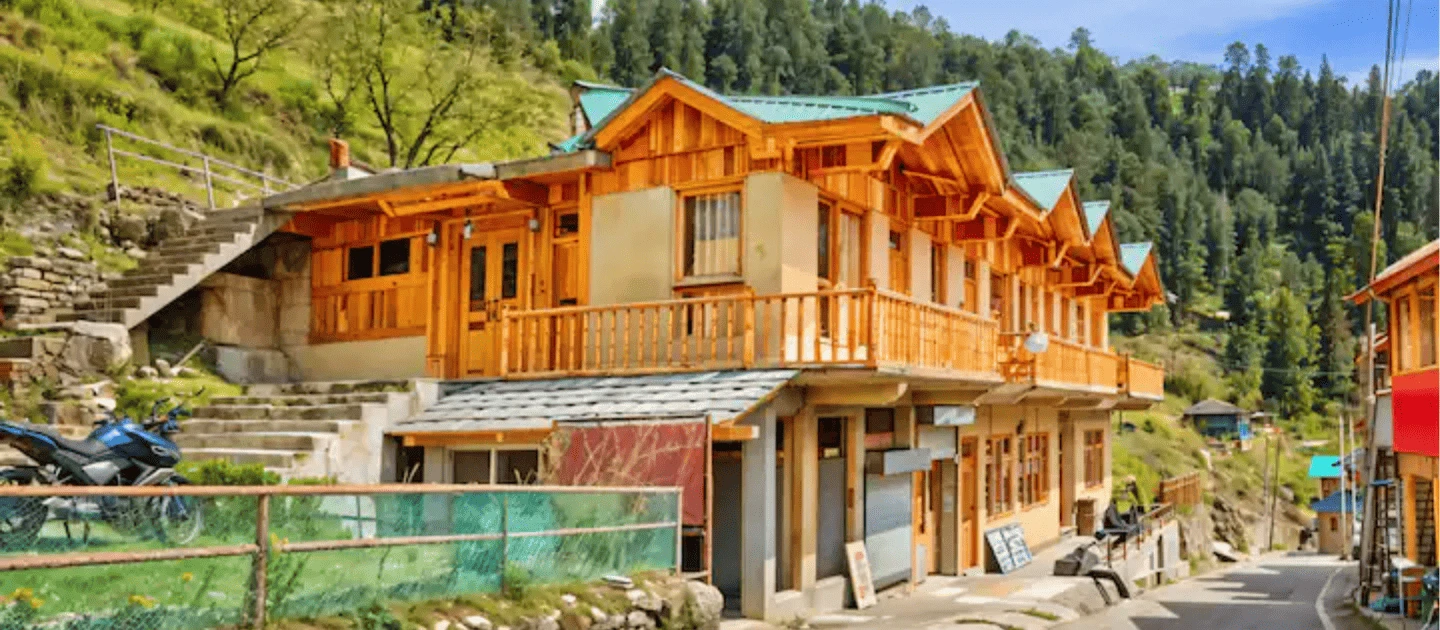
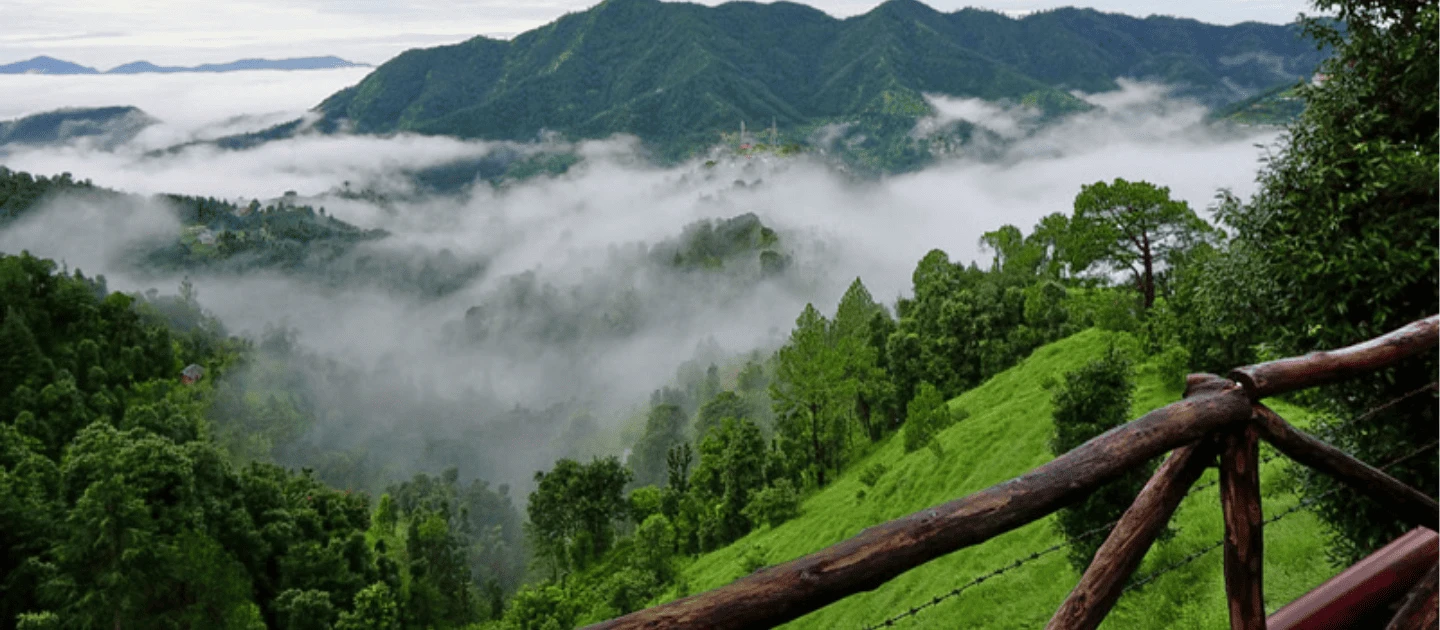
Shoja: Forest Views and Quiet Mountain Stays Shoja is this small mountain village in Himachal Pradesh. Shoja sits kind of quietly between tall forests and slow moving clouds. You know it feels far, really far away from busy city life. The roads come in slow, like they are taking their time, and once you enter, everything changes. The air feels lighter, somehow. The noise fades out too. Even simple sounds, like the wind in pine trees, feel stronger here , like they are closer to your chest. This village is not loud or flashy. It’s simple, in a steady way. Wooden houses, small trails, and those deep green slopes all around. People come here when they want rest , not rush. And there is this strange calm that just stays with you, even after you leave. Shoja also has mornings that feel soft , almost gentle. Mist moves through the trees and drapes over the valleys. Sometimes you can’t even see far, and honestly that part is the charm. Life moves slower here, and that is the real beauty of it. Travelers often say they come for a short break but then end up staying longer. There is no pressure at all to do anything. You can just sit, walk, breathe, and watch nature shift every hour. That first feeling is what most people notice when they reach Shoja. Plan your next adventure easily with Travellinglark Post Travel — your smart travel companion! People come to this region mostly for peace , and for slow travel I guess. Shoja is famous in a quiet way for those forest walks and for the kind of mountain air that feels soft like warm cloth. The place does not really try to impress anybody. It just kind of exists, in its natural form . And honestly that is what makes it stand out as special. Shoja also gives you that feeling of simple living , like the rhythm is calmer. Small homes, welcoming locals, and narrow paths that slip into the woods. You can walk for hours without seeing many people , and when you finally notice the silence it feels rare these days. Another reason travelers come here is to disconnect. In some parts the Internet is weak , and that actually makes it easier to step away from screens. Even just sitting outside a homestay feels like a real activity here, not like wasted time. Shoja attracts nature photographers too. The clouds drift so close, and the light shifts so fast across the day. Every hour looks different, almost like someone keeps changing the scene . Some visitors even stay on wooden balconies and just watch the hills slowly swap their colors. Life here isn’t about rushing. It’s about slowing down , even if it’s only for a few days. That’s the part that stays behind after the trip . Exploration here is not like city sightseeing, more like slow wandering, kinda personal. Shoja has small lookouts and forest paths that open up in a sudden way into these broad mountain views. You do not always see signs, or get clear directions, it’s just you walking and then you discover, without much guidance. The places to visit in Shoja include nearby ridges where you can see layers of mountains fading way into the distance. Early morning walks are best, because the light is gentle and birds are active. The forest feels alive but still calm, like it’s breathing quietly. There are also little trail routes that slip into deeper woods. They aren’t difficult treks at all. They are more of simple walks where you can stop whenever you want, and just sit there for a moment. Lots of travelers mention they end up liking these random pause points, more than the planned spots. Shoja is also close to meadows where locals sometimes guide their cattle. These open spaces are quiet and wide, and the clouds can drift very low, sometimes almost touching the ground. It feels almost unreal the first time you see it, like the sky came down a bit. And even without major tourist hotspots, the whole area feels like one big attraction. Every bend of the road gives a new scene, and honestly that is enough for most visitors. Honestly one of the most visited nearby routes is Jalori Pass , like really. The drive from Shoja is narrow, winding, and it kind of keeps going, but each curve shows you something different, not in a straight line—more like piece by piece. You’ll see forests, cliffs, and then that open sky shows up, and then it’s gone again, somehow in the same breath. Shoja is often used as a base, before people head toward higher points. A lot of travelers stay here for a night , then move upward the next day. And somehow the trip itself becomes the actual experience, like the destination is just the final excuse. The Jalori Pass Shoja route is especially popular with people who enjoy road travel through mountains. In winter, snow hangs around the edges of the road. In summer, the green hills stretch out endlessly on both sides, almost like they dont end. At the top, the air turns cooler and sharper, you feel it right away. You can stop at small tea stalls, sit down for a while, and just breathe. There isn’t much pressure to move fast. Most people end up staying longer than planned because the scenery kind of keeps pulling them back. Coming back is just as lovely. In the late afternoon, the light makes the forests glow softly. It feels like the mountains are slowly wrapping up the day, quietly closing in. Not very far from this region, you’ll find Tirthan Valley. The route between the two is pretty calm, and also scenic, like you’re being carried along in a gentle way. You keep seeing small villages, river bends that seem to curve on purpose, and those thick forest patches that feel a bit mysteriously close. Shoja and Tirthan Valley kind of share the same mountain culture. Life there moves slowly, in a way that makes you notice little things. Wooden houses show up everywhere, the food stays simple, and the locals are friendly, so the whole experience feels warm, not rushed. Shoja travelers often dip down to the valley for river walks, it’s a common habit. The sound of flowing water feels noticeably different after you’ve been spending time in the quiet hills. And yes some people also go for fishing, but only in the designated spots. Here the link between mountains and rivers becomes clear, almost obvious. One area feels high and silent, while the other feels flowing, active ,and a little restless. Together they make a balanced travel rhythm, like you get both stillness and motion. Even the road itself feels like it’s part of the journey, not just transport. You do not really feel like you’re moving between destinations. It feels like one continuous landscape, with no sharp breaks in it, like it was always meant to be seen this way. Staying here is kind a simple and personal at the same time. The Shoja homestays are mostly run by local families, so it feels more lived-in than staged. They usually offer basic rooms with wooden interiors, and real home-cooked meals, not that heavy hotel style. When you stay in Shoja it can feel different from hotels. There is no formal service vibe. Instead it feels natural, a bit informal, and almost homely. You may end up sitting with the family during meals, or sharing tea in the evening, like it’s just what people do. The rooms often have mountain views. You wake up, look out, and see clouds drifting past outside your window. At night it’s very quiet. Most of the time you only hear wind, or maybe some distant forest sounds, far away and steady. Shoja is usually for travelers who like simple living. There aren’t any luxury distractions, no big extras taking your attention. It’s more about warmth, food, and calm surroundings. A lot of people say the homestay experience turns into their best memory from the whole trip. It feels real and grounded, not commercial at all. A slow itinerary works best here, the place is not really meant for rushing or trying to cover too many spots in one go. Day 1 is arrival and gentle exploration, most travelers reach Shoja by afternoon. The first walk is usually around the village paths, and in the evening it s perfect for those sunset views from nearby slopes. The sky changes colors very softly here, like it s doing it on purpose. Day 2 is more for nearby exploration. Jalori Pass is usually the main plan, the drive takes time but it is worth it. After returning, people often rest, or take short walks around their stay, nothing too strenuous, just a kind of easy wandering. Shoja ends up being a calm base for these two days. Nothing feels forced, or planned too tightly, and even small moments feel meaningful, in a quiet way. Day 3 is relaxed. People pack slowly, maybe visit a small café, then leave. The departure feels quiet, almost like the place does not want to let you go quickly, so it lingers with you a bit longer. Honestly the best time to visit Shoja is kind of mostly from March to June, and again in September to November. When summer comes in, Shoja stays cool and green, with clear skies and those easy walks that feel pleasant. In monsoon season there can be heavy rain so your journey might be slower , but the whole forest looks super fresh, bright and alive. Winter is cold, and sometimes even snowy, which makes it feel quiet and magical ,though the roads may be a bit tricky. A lot of travelers end up picking spring or early autumn because the travel is smooth and the views are just right. Shoja feels different in every season, so it depends on what kind of weather mood , and experience you want most. In the end the overall experience matters. By air: For Shoja, the nearest major airport is Chandigarh Airport. It’s quite well connected with Delhi, Mumbai, and other places as well, so it feels easy enough. From Chandigarh, getting to Shoja takes roughly 8 to 10 hours by road. You can just hire a taxi, or you can take a bus to Aut or Banjar, and then keep going toward Shoja village using those winding mountain roads . By train: The nearest major railway station for Shoja is also Chandigarh. It is nicely connected with Delhi, Jaipur and many other big cities. After you reach the station , Shoja is a long road trip of about 8 to 10 hours. Many people take a private taxi, or a shared cab first, going toward Aut, and then from there move into the Banjar valley . By road: Getting to Shoja by road is usually done from Delhi via Mandi and the Aut tunnel. The distance is long, sure, but the drive is genuinely scenic. You can take an overnight bus to Aut or Banjar, then arrange a local taxi to reach Shoja. Since the roads are mountain style, expect slow driving and careful travel, it really matters here always. Getting there is easy, but honestly, a few things help a lot. Carry warm clothes, even if it is summer , because the weather can pivot quick. Nights get chilly sometimes , like without any warning, you just notice it later. Also, the network is pretty thin in many places, so don’t fully bet on the internet. Download your maps before you arrive, that way you’re not stuck looking around. And keep some cash on you too, small shops can be picky about digital payments, even if it looks like they should take them. The food is simple but it keeps you going. Don’t expect huge menus , it’s more about local meals and real comfort. Shoja travel is slow, kind of by nature, so please don’t load one day with too many plans. Leave some slack for resting , and yes, for just sitting a bit and letting it all sink in. Shoja is kind of not about the big attractions or the really busy sightseeing. It’s more about quiet, forest cover, and slow mornings, like you wake up and… nothing is rushing you. That kind of place where you sort of lose track of time for a while, and it feels normal. People arrive here tired, and they usually leave a bit lighter. Not because some big dramatic thing happens, but because there’s nothing that makes you hurry along, or gives you a reason to check your clock every ten minutes. So if you’re planning a quiet mountain break, this village can be a simple and honest choice, no pressure, no noise, just long distances in every direction and that calm air you can actually breathe. And, sometimes… that’s enough. Trip planning could seem to be cumbersome but TravellingLark makes it easy by linking travelers with professional travel agencies that provide customized travel proposals. Instead of spending hours searching for the most appropriate vacation package, travelers can post their trip details and receive several personalized offers. TravellingLark is not only a destination for travelers but the most powerful network for travel agencies, hotels, and travel vendors. Travel agencies can sign up for free listing of their offerings and display packages for holiday tours, hotels, and travel experiences. Travel is a business but no commission hefty charged like other platforms; we give businesses free travel leads to achieving their patronage. Whether you are a travel agency searching for clients, a hotel requiring more bookings, or a travel vendor offering services, TravellingLark has just opened direct access to tourists searching for these offerings. Hassle-Free Trip Planning: Every traveler gets a tailor-made travel offer, with other requirements left to him/her. Join for Everyone: Signing up is completely free for all users and businesses. While basic access stays free, vendors now have the option to purchase premium leads to connect with more potential customers and grow their sales. Join TravellingLark now and make a smarter future in planning, booking, and growing in the travel industry!Why people visit this mountain escape
Places to explore around the village
Mountain passes and nearby high roads
Rivers and valleys nearby
Staying in local homes and cottages
Simple travel plan for first time visitors
Best season for a visit
How to reach
Small travel advice from experience
Final thoughts
About Us
Planning a trip to Shoja?
Post your upcoming travel details and get personalized quotations from multiple verified travel agencies.
Fast response • Custom offers • Verified agents
Current Weather
Live Forecast
Planning a trip to Shoja?
Post your upcoming travel details and get personalized quotations from multiple verified travel agencies.
Fast response • Custom offers • Verified agents
Bigger Group? Get Special Offers Up to 50% Off!
Planning a trip for friends, family, or corporate teams to Shoja? We create unforgettable customised adventures with exclusive group pricing!
Current Weather
Live Forecast
Why travelers choose
TravellingLark?
Thoughtfully planned journeys, crafted for unforgettable experiences.
Built Around You
Personalized trips based on your style, interests and budget.
Handpicked Trips
Curated itineraries designed with love and local expertise.
Transparent Pricing
Clear package pricing with no hidden charges or surprises.
Personalized Planning
Every trip is tailored to your interests, pace and preferences.
Best Value Always
Get the best experiences at the best value for your money.
Global Destinations
Explore handpicked destinations across India and the world.
24/7 Trip Assistance
We're with you before, during and after your journey.
Built Around You
Personalized trips based on your style, interests and budget.
Handpicked Trips
Curated itineraries designed with love and local expertise.
Transparent Pricing
Clear package pricing with no hidden charges or surprises.
24/7 Trip Assistance
We're with you before, during and after your journey.
Personalized Planning
Every trip is tailored to your interests, pace and preferences.
Best Value Always
Get the best experiences at the best value for your money.
Global Destinations
Explore handpicked destinations across India and the world.
Hassle-Free Journey
Enjoy a smooth travel planning experience from start to finish.
Traveler Reviews for ShojaReviews for Shoja
Verified ratings and genuine travel experiences from our community
No Reviews Yet
Have you explored Shoja? Share your experience to help fellow travelers plan their trip!
Frequently Asked Questions about Shoja
Shoja is a small mountain village in Himachal Pradesh near Tirthan Valley. It is known for quiet forests and wide mountain views. Travelers often stop here while going to Jalori Pass. The place feels slow and peaceful. Not many crowds. Just nature and calm air.
Shoja sits in the Seraj Valley area of Himachal Pradesh. It lies close to Tirthan Valley and Jalori Pass. The village is surrounded by thick forests and hills. Most people reach here by road from Aut or Banjar. The journey itself is very scenic.
Shoja tourist places are simple but beautiful. Jalori Pass is the most famous spot nearby. From there people trek to Serolsar Lake. Raghupur Fort is another quiet place with big mountain views. Many visitors also explore Tirthan Valley during the same trip.
Yes, Shoja is perfect for a slow mountain trip. The village is small and not too crowded. You can walk in the forest, sit near viewpoints or just relax at a homestay. Evenings are very calm here. Sometimes you only hear wind and birds.
Shoja has mostly homestays and small guest houses. Large hotels are rare. Many homes are wooden and have valley facing rooms. The hosts usually cook simple local food. Staying in a homestay feels more personal and relaxed.
Recently Asked Questions about Shoja
Yes, slowly more travelers are discovering Shoja. Social media and travel blogs have helped a lot. Still it is quieter than many Himachal hill towns. If you visit on weekdays the place feels almost empty. That is what people like about it.
Beginners can try trekking near Shoja. The Serolsar Lake trek from Jalori Pass is the most common one. The trail goes through forest and is not very difficult. Take water and start early. The views near the lake are really nice.
Shoja works well for a short trip of two or three days. Many travelers combine it with Tirthan Valley. You can explore Jalori Pass, do a small trek and enjoy village life. It is simple travel but very refreshing.