Manikaran Sahib
About Manikaran Sahib
Manikaran: Hot Springs and Spiritual Peace
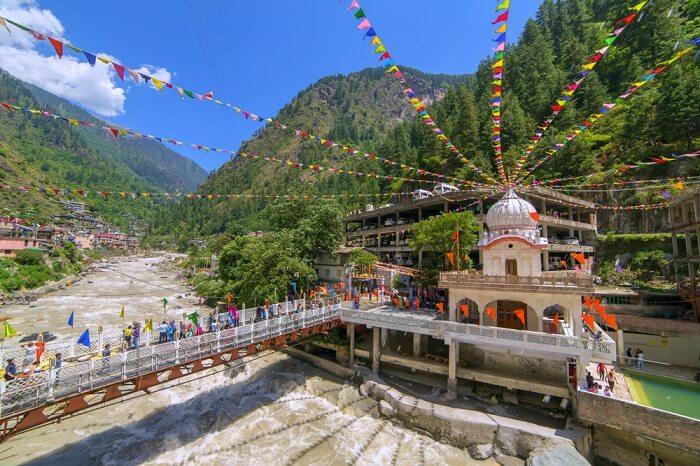
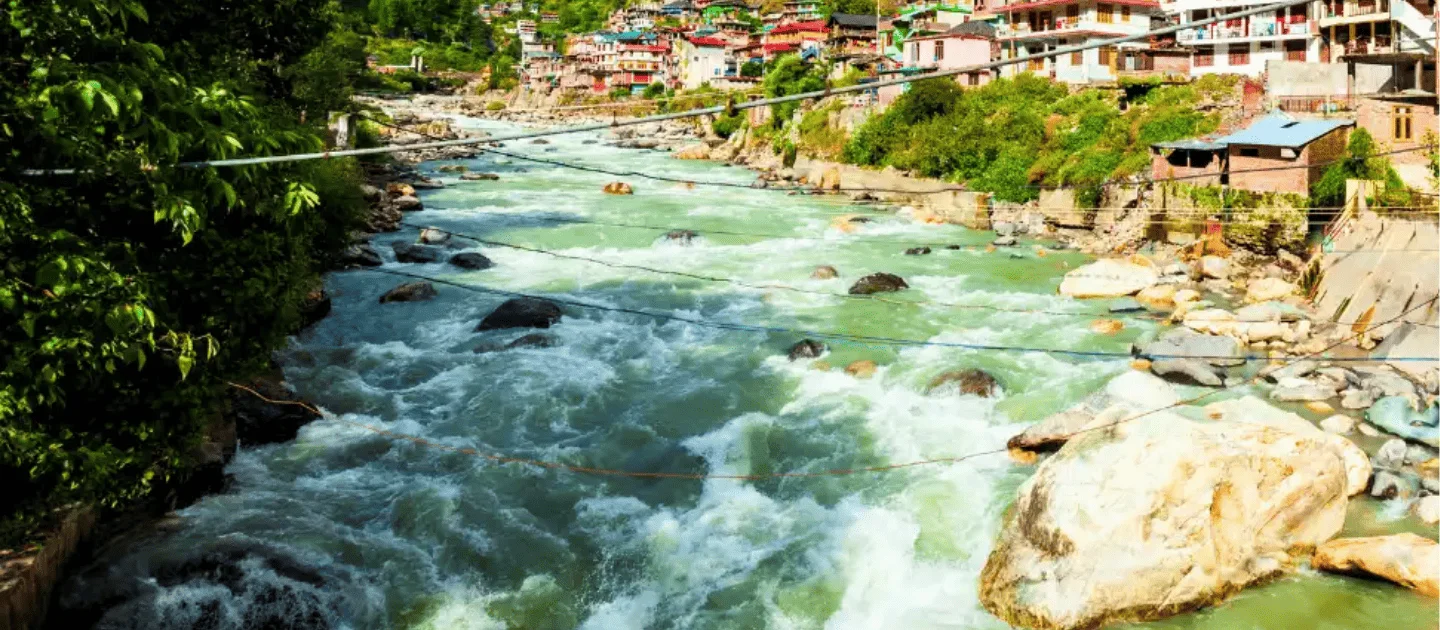
M2 The valley in Himachal feels kinda calm the moment you arrive. Snow peaks, way off in the distance. The river sound is everywhere , like it never stops. A small town sits between mountains and water, and in many spots steam rises from the ground, almost quietly though.
M3 This place is known for faith and natural warmth . Pilgrims come for blessings. Travelers come for peace , and somehow both keep showing up. That blend makes the whole experience different from other hill towns, not just the scenery.
M4 The first view often surprises people. Steam, cold air, and temple bells all together and it feels… simple, but also powerful. Life slows down here without any effort.
Plan your next adventure easily with Travellinglark Post Travel — your smart travel companion!
Why people come here
Visitors usually reach, after long mountain roads, like it takes time to arrive and then you stay with it. The ride becomes part of memory too, not just the place. The road threads past rivers, through pine forests, and somehow it feels like you are walking inside a calmer story. Along the way small tea stalls appear ,and you stop without thinking much.
M5 Many people come for spiritual calm and for healing water, and the town is really not loud, like at all. It feels personal, as if the air is tuned to you. Even a short walk can change mood, right away.
M6 The atmosphere is deeply tied with faith. A sacred Gurudwara stands near the hot water springs. Visitors sit quietly, and you can feel the warmth around them, spreading in a slow way.
M7 Some visitors only come to rest for a day. Others remain longer to catch the mountain rhythm, not rush, not hurry. There is no rush here, everything moves slowly and softly ,almost kind of gentle.
Spiritual atmosphere and local feeling
The spiritual side is kinda strong, prayer chants mix with the river sound, almost like the water is helping. Bells ring in different corners of the town and it feels, I don’t know, quietly stitched together.
M8 A lot of visitors seem to get a strange calm here, it is not dramatic exactly. More like simple silence inside the mind, you can almost hear your own breathing better. People sit close to the water and watch steam rise.
M9 The sacred places draw in both pilgrims and travelers. The meals are served freely in community kitchens. Everyone sits together with no real difference between them.
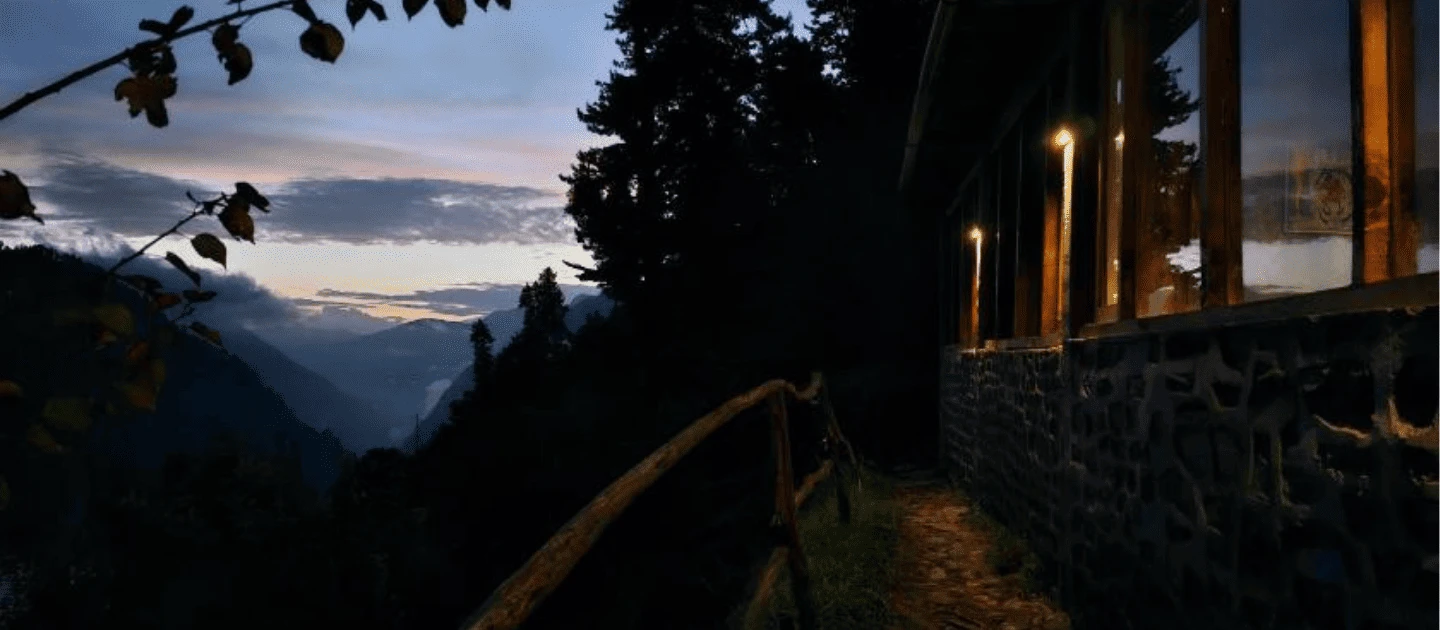
M10 By evening it turns special. Lamps glow, the cold air becomes heavier, and the whole valley feels still and a little reflective.
Hot water springs experience
Natural hot water is the most famous part of this place. It comes from the earth, without any real effort . Steam rises even on cold winter mornings, you can notice it right away.
M11 People dip feet, or sometimes just hands in warm water. It feels relaxing after long travel, like the body can finally breathe. Stones nearby stay warm too
M12 The water flow stays constant and truly natural. Many say it carries healing energy. So visitors often remain longer than planned, and that’s kinda how it goes
M13 By the springs, the sacred complex adds more meaning. Sitting there for a while, it feels like time has paused, or slowed down, depending on the mood.

Sightseeing and nearby places
There are small paths winding around the valley a bit, you know. Every turn shows something plain and beautiful, really. River crossings , wooden bridges , and the edges of the forest all show up like little surprises.
M14 The temple area is one of the main attractions , honestly. It has a traditional design, with quiet surroundings that feel calm. People visitors walk slowly and take in the little details, not rushed.
M15 Another highlight is the riverside area where the water meets the steam zones. Cold and warm mix together in the same space, somehow. It feels odd at first, but also natural.
M16 Small local shops sell tea and snacks too. Nothing fancy. Yet sitting there, with mountain air around , feels like enough.
Simple travel plan for first time visitors
A sort of slow itinerary works best here, don’t need to sprint or anything. Two, three days is pretty enough to get a real sense of the place properly.
Day one is mostly arrival, then you rest a bit. Later in the evening, walk by the river. You can watch steam drifting up from the ground and catch the temple sounds, kind of layered and calm.
M17 On the second day you can explore sacred corners and the springs. Take a seat and stay quiet for a while. Have simple food from the community kitchen, and just observe daily life moving around you.
M18 In the afternoon, do a gentle stroll through nearby trails. Little lookouts give you valley shapes and river bends. The light stays soft most of the time, even when it feels bright.
M19 If you’re staying longer, the third day can be for nearby wandering. Small villages around the valley show local life and that simple mountain culture, nothing too complicated.
Best time to visit
The best time to visit Manikaran is usually around March to June, and also again in September to November. In those months, the weather feels pleasant , and the roads often stay clear. You can notice how the mountains look more fresh and green, while the river flow seems kind of calm, not hectic. Winter is extremely cold, still many travelers come in anyway, mainly for the snow views and the hot springs experience. The monsoon period, though, is better to avoid, because landslides can occur, and the whole travel plan turns slow , with delays in between. If you are chasing a peaceful trip, early summer works really well. And if you prefer snow lovers vibes, then winter is where the charm sits. Manikaran is nice in every season, but the timing changes the entire mood a lot for travelers in general.
How to reach
By air: the closest airport is Bhuntar Airport, near Kullu, about 30 to 40 km from Manikaran . Flights are few but still obtainable from Delhi and other nearby cities. From there, taxis and local cabs can be found without much issue. The ride itself goes through valleys and river roads, so it can take roughly one to two hours, depends on weather, and yes it changes pretty quickly.
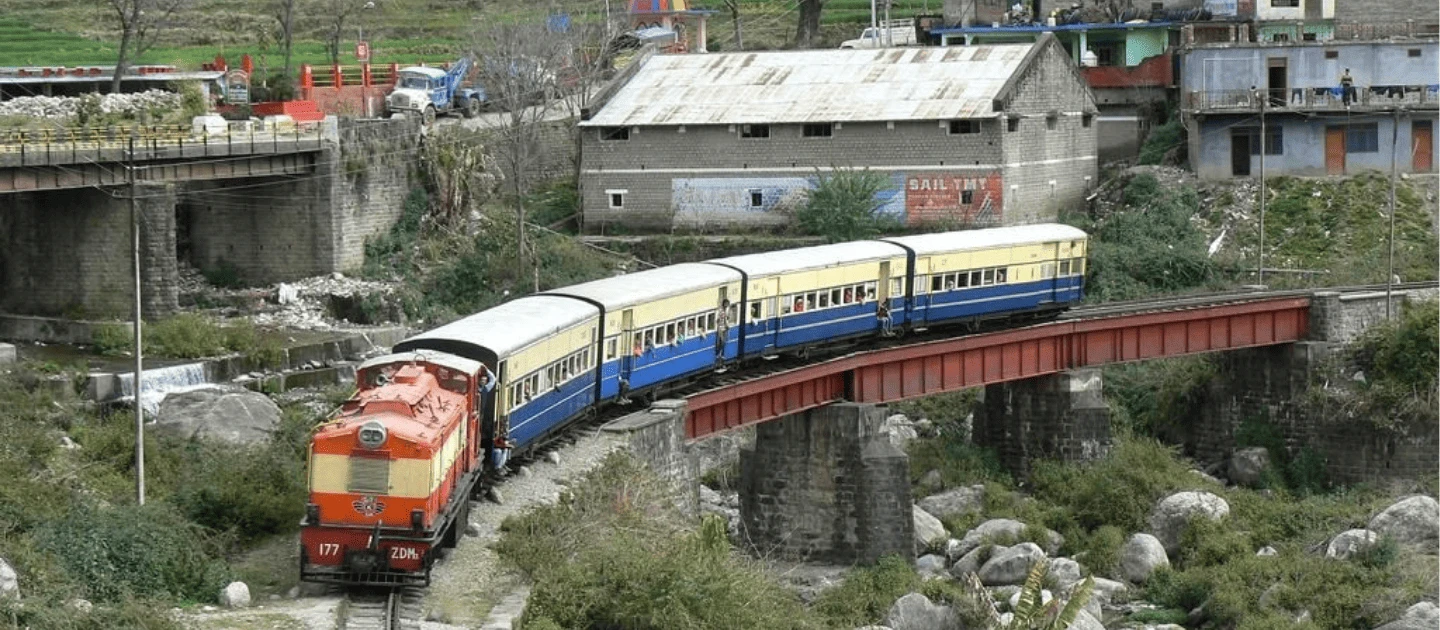
By train: there is no straight railway station in Manikaran. The nearest broad gauge options are Chandigarh or Pathankot. After you reach there, travelers usually jump on buses or hire taxis toward Kullu or Bhuntar . Another possibility is the Joginder Nagar rail line, but it’s narrow gauge and honestly less connected, so it’s not the first choice for everyone. Once you’re in the Kullu side, then road travel continues up to Manikaran.
By road: Manikaran is connected well by road from major parts of Himachal and also from North Indian cities. Buses and taxis are available from Delhi, Chandigarh, Manali, and Kasol. Usually people go via Kullu and Bhuntar, that’s the most common path. The roads look really scenic but they are quite winding . It takes longer than you expect, still the sights of rivers , mountains, and valleys are what makes the whole trip memorable.
Local tips for a better stay
Carry warm clothes even in summer evenings, you never know how fast it gets cooler. The weather changes quickly, sometimes it feels like it flips its mind. A light rain can begin without warning, and you might not notice at first, until you do.
Comfortable shoes help a lot, especially on paths near the river where stones can be uneven. Those small sections can feel surprisingly harsh underfoot. Also keep in mind the food is simple, mostly vegetarian. Eat slowly and take in the local taste instead of assuming you’ll find a broad choice every time.
Keep your schedule flexible. Plans often get shifted because of weather or road conditions, so don’t lock everything too tightly.
Slow travel experience
This place isnt about checking points fast, not really. It is more like staying in one spot for a while, maybe just letting time do its job. You watch water, you listen to bells, you breathe that mountain air like it’s a soft thing, not a task.
People often arrive stressed and they go out feeling lighter. Not because of luxury or anything flashy. Because of plainness, and that simple way things are.
And even the small moments, they linger in memory longer here. Morning steam. Evening quiet. Shared meals, a slow kind of togetherness. Quiet walking, no hurry at all.
Cultural and emotional feel
The culture here is kind of a blend of devotion and mountain life, like you feel it, even when you don’t look for it. Locals are friendly but not overly talkative, and they seem to guard the quiet space. They respect silence more than you’d expect.
Visitors often notice how easy it is to slow down here, it’s almost like the air nudges you. Phones are used less, and when they are used it’s more discreet. Conversations get softer, less sharp, more gentle.
Even short stays feel meaningful somehow. The valley has its own rhythm, and it slowly gets into everyone, like a quiet habit you don’t argue with.
Nature and surroundings
Forests around the valley are dense in a lot of places, really. Pine trees stand tall and steady. The river water moves fast in some stretches ,and then goes slow in others too.
Bird sounds blend with the wind, like a soft signal you almost can’t pin down. In the morning the light touches the mountain edges first, then it sort of takes its time and finally reaches the town.
It all feels near to nature. Nothing feels artificial, not even a little. Nothing feels forced or out of place.
Final thoughts
This journey is not about rush, or planning too much. It is about being present in small moments , sitting with yourself. Near warm water, letting it gently happen. Watching mist rise slowly. Listening without overthinking, kind of, you know.
Most travelers come back again and again because the feeling doesn’t fade in memory. Not loud, not dramatic, just steady and calm—like a quiet tempo.
A visit here is simple, but it clings to you for a long time.
About Us
Trip planning could seem to be cumbersome but TravellingLark makes it easy by linking travelers with professional travel agencies that provide customized travel proposals. Instead of spending hours searching for the most appropriate vacation package, travelers can post their trip details and receive several personalized offers.
TravellingLark is not only a destination for travelers but the most powerful network for travel agencies, hotels, and travel vendors. Travel agencies can sign up for free listing of their offerings and display packages for holiday tours, hotels, and travel experiences. Travel is a business but no commission hefty charged like other platforms; we give businesses free travel leads to achieving their patronage.
Whether you are a travel agency searching for clients, a hotel requiring more bookings, or a travel vendor offering services, TravellingLark has just opened direct access to tourists searching for these offerings.
Hassle-Free Trip Planning: Every traveler gets a tailor-made travel offer, with other requirements left to him/her.
Join for Everyone: Signing up is completely free for all users and businesses. While basic access stays free, vendors now have the option to purchase premium leads to connect with more potential customers and grow their sales.
Join TravellingLark now and make a smarter future in planning, booking, and growing in the travel industry!
Planning a trip to Manikaran Sahib?
Post your upcoming travel details and get personalized quotations from multiple verified travel agencies.
Fast response • Custom offers • Verified agents
Current Weather
Live Forecast
Explore Packages in Manikaran Sahib
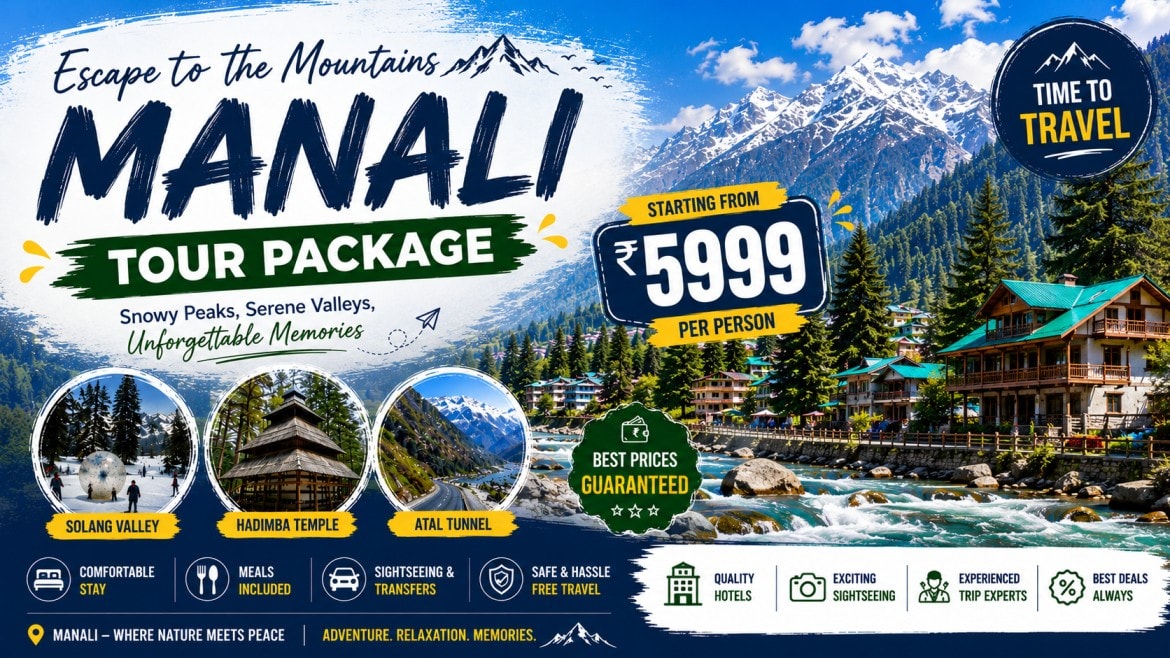
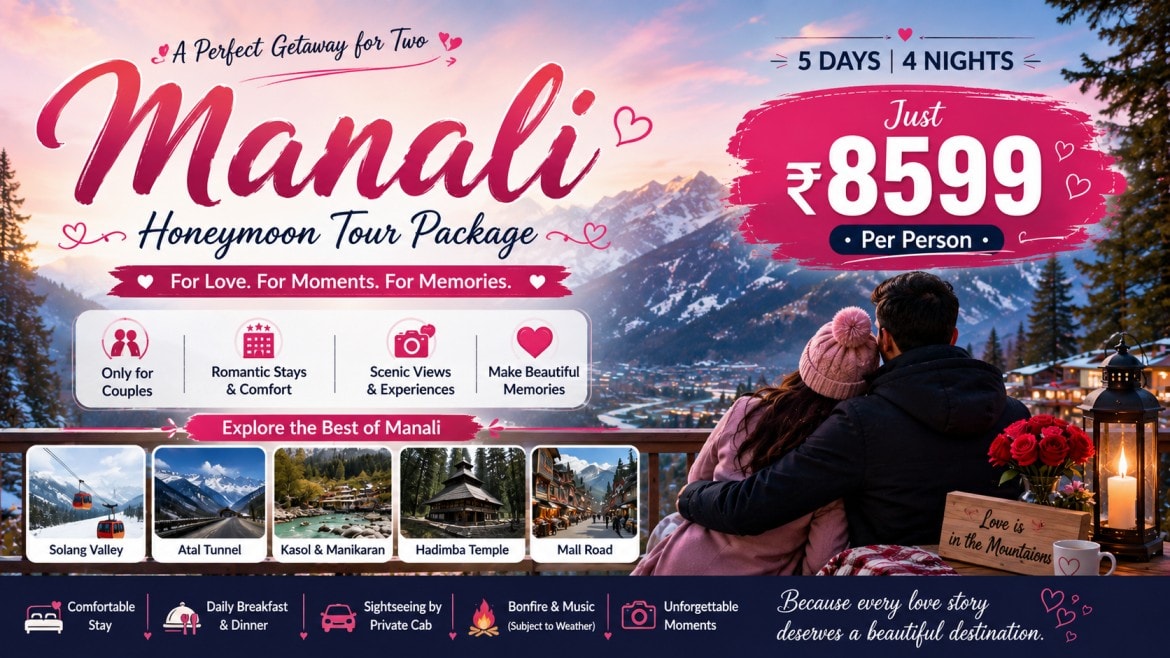
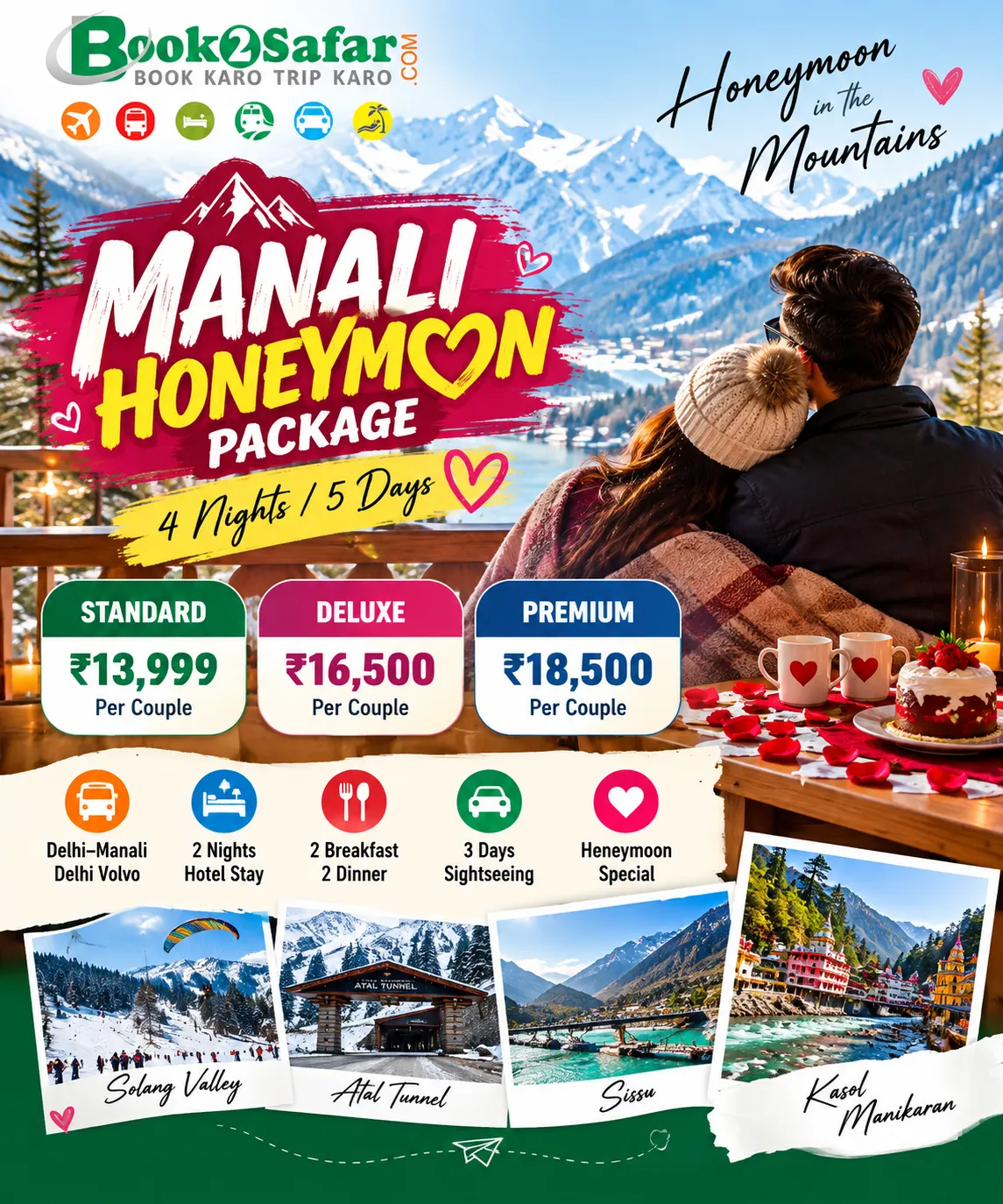
Planning a trip to Manikaran Sahib?
Post your upcoming travel details and get personalized quotations from multiple verified travel agencies.
Fast response • Custom offers • Verified agents
Bigger Group? Get Special Offers Up to 50% Off!
Planning a trip for friends, family, or corporate teams to Manikaran Sahib? We create unforgettable customised adventures with exclusive group pricing!
Current Weather
Live Forecast
Why travelers choose
TravellingLark?
Thoughtfully planned journeys, crafted for unforgettable experiences.
Built Around You
Personalized trips based on your style, interests and budget.
Handpicked Trips
Curated itineraries designed with love and local expertise.
Transparent Pricing
Clear package pricing with no hidden charges or surprises.
Personalized Planning
Every trip is tailored to your interests, pace and preferences.
Best Value Always
Get the best experiences at the best value for your money.
Global Destinations
Explore handpicked destinations across India and the world.
24/7 Trip Assistance
We're with you before, during and after your journey.
Built Around You
Personalized trips based on your style, interests and budget.
Handpicked Trips
Curated itineraries designed with love and local expertise.
Transparent Pricing
Clear package pricing with no hidden charges or surprises.
24/7 Trip Assistance
We're with you before, during and after your journey.
Personalized Planning
Every trip is tailored to your interests, pace and preferences.
Best Value Always
Get the best experiences at the best value for your money.
Global Destinations
Explore handpicked destinations across India and the world.
Hassle-Free Journey
Enjoy a smooth travel planning experience from start to finish.
Traveler Reviews for Manikaran SahibReviews for Manikaran Sahib
Verified ratings and genuine travel experiences from our community
No Reviews Yet
Have you explored Manikaran Sahib? Share your experience to help fellow travelers plan their trip!