Kinnaur
About Kinnaur
Kinnaur: Apple Orchards and Cliffside Culture
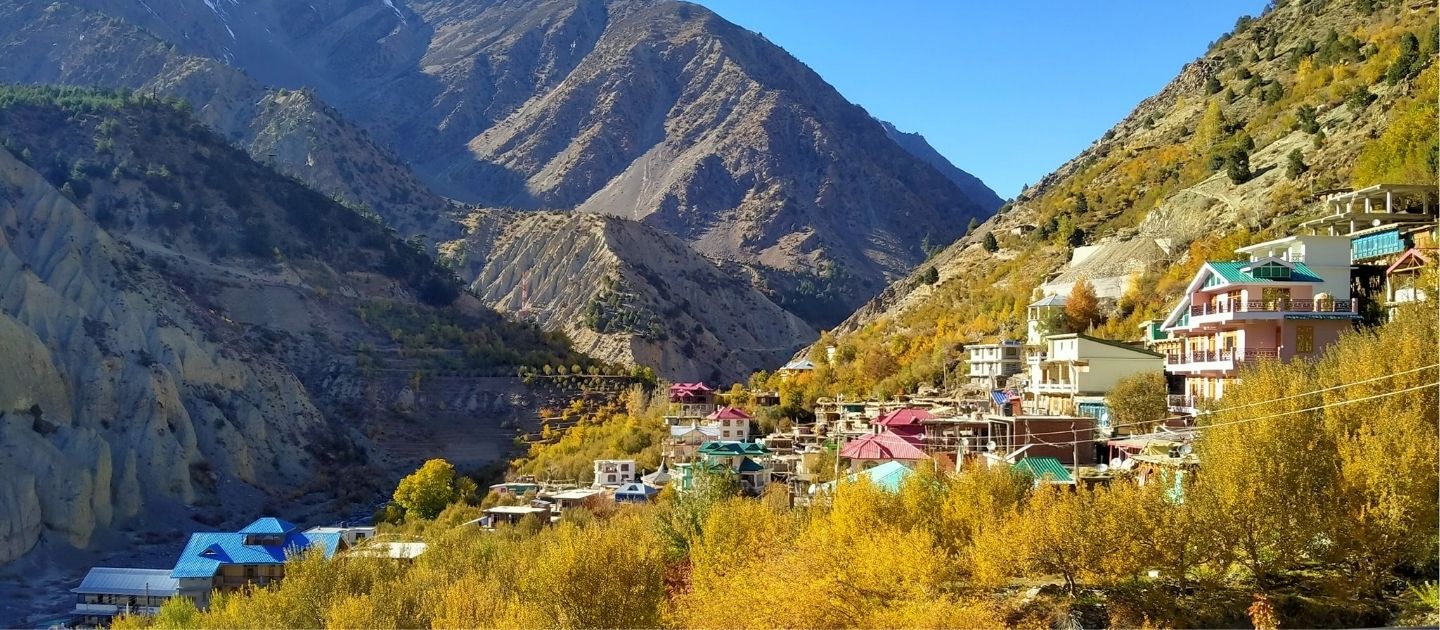
Kinnaur district is a stunning region situated in Himachal Pradesh which features apple orchards and deep valleys and peaceful mountain villages. The location provides travelers with serene transportation options through its natural setting which includes towering mountains and flowing rivers. The area attracts visitors because of its traditional way of life and its breathtaking scenery which shows the true essence of nature and cultural heritage.
Plan your next adventure easily with Travellinglark Post Travel — your smart travel companion!
Cultural and Historical Gems
Kinnaur presents a cultural and historical heritage which combines Hindu and Buddhist elements throughout its entire territory. The area features ancient temples and monasteries and traditional villages which demonstrate its distinct cultural heritage. The Phulaich Festival and other local festivals showcase energetic musical performances and traditional dance shows and age-old ceremonial practices. The cultural heritage of the region gets enhanced through its traditional wooden buildings and its handmade items and its bright traditional clothing. The Kamru Fort and other historic sites provide insights into Kinnaur's history through their depiction of ancient rulers and local folklore. Visitors can experience the authentic traditions and spiritual practices and daily customs of this Himalayan area by visiting these historical sites.
Top Attractions
1. Kalpa
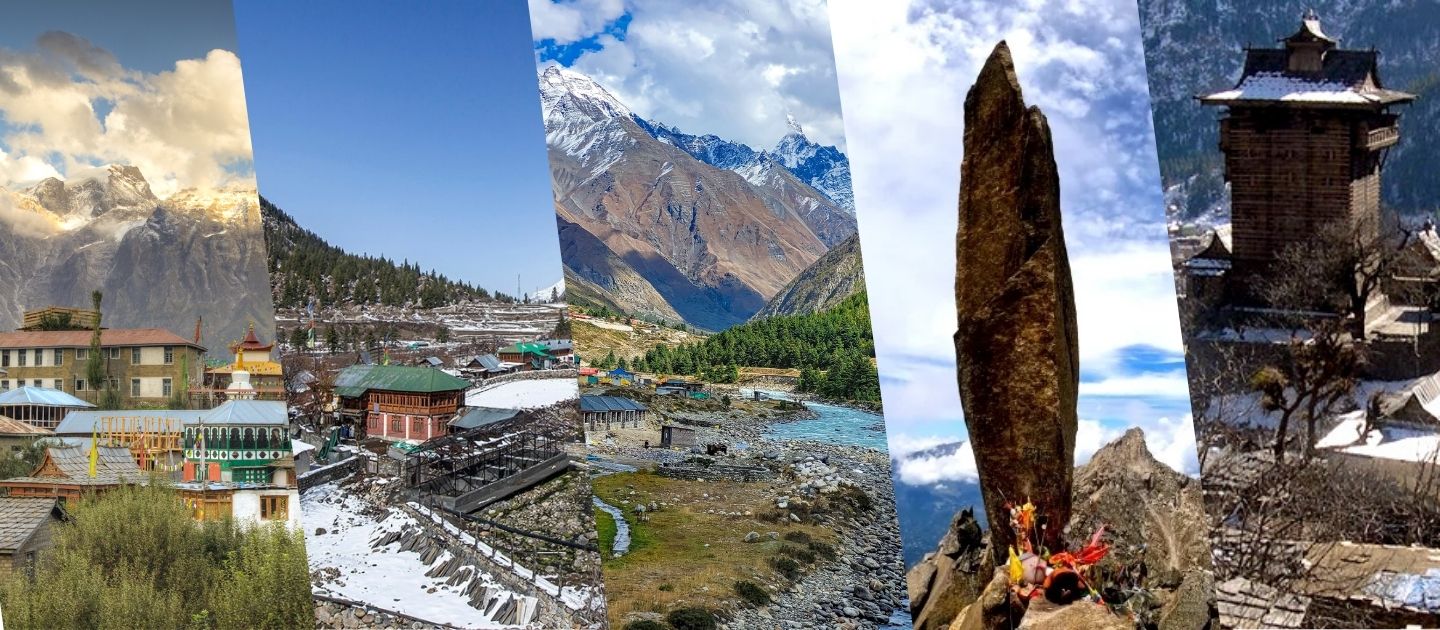
The village of Kalpa is located in Kinnaur and sits on a cliff which provides breathtaking panoramas of the Kinnaur Kailash mountain range. Kalpa attracts visitors who seek tranquility at its apple orchards and traditional Himachali houses which create a peaceful atmosphere. The village attracts visitors because it provides a peaceful atmosphere which includes walking paths and stores that sell local crafts. Visitors to the area can explore historical monasteries which include Hu-Bu-Lan-Kar Monastery and they can dine at family-owned restaurants which serve traditional dishes. The seasonal changes in Kalpa create different beautiful landscapes which include winter snow-covered fields and summer green orchard areas. The location serves as an essential destination which appeals to people who love nature and people who appreciate cultural experiences.
2. Sangla Valley
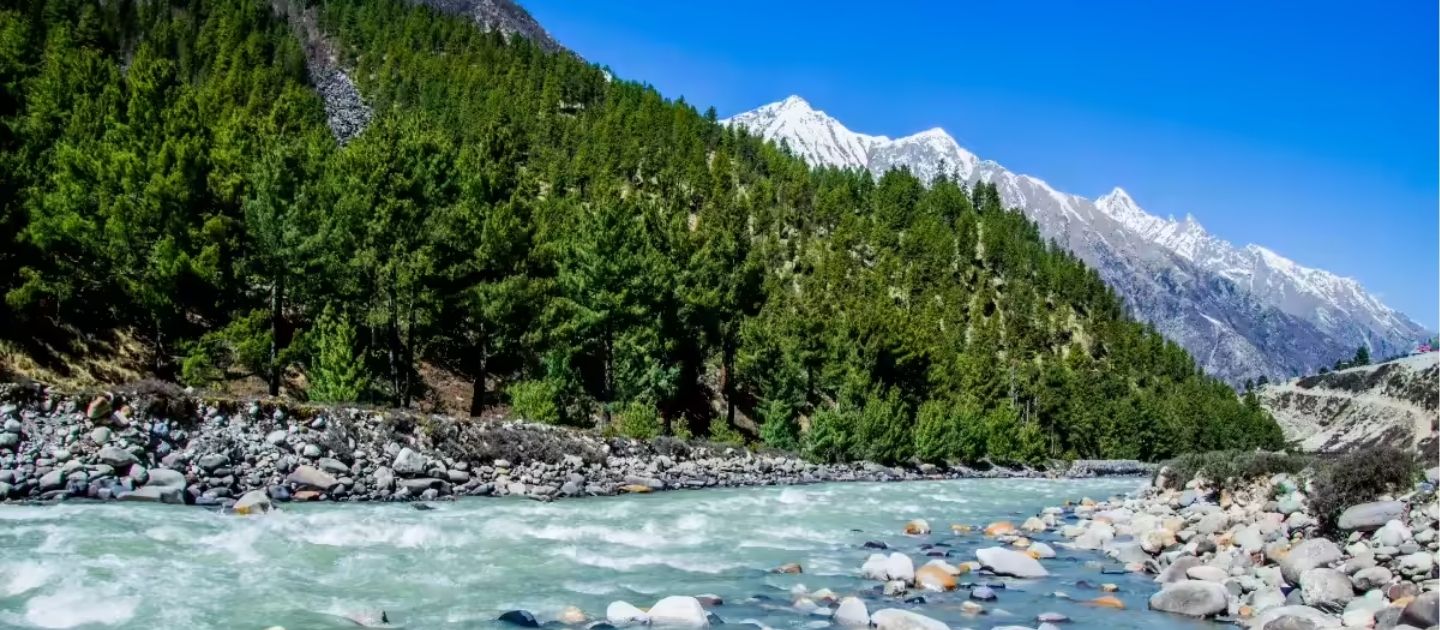
Sangla Valley, also known as Baspa Valley, attracts visitors because of its unspoiled natural landscapes and peaceful atmosphere. The valley provides various outdoor activities because it features snow-covered mountains and running rivers, which enable visitors to hike and camp and take pictures. The tiny village of Sangla features traditional wooden buildings, while its markets sell handicrafts and fresh local produce. The Baspa River offers tourists river walks, and they can reach Chitkul village, which serves as the last inhabited settlement near the Indo-Tibetan border. The valley becomes more colorful during spring and autumn when apple orchards blossom, which makes Sangla an ideal location for travelers who want peaceful environments and exciting activities and breathtaking natural views.
3. Chitkul Village
Chitkul serves as the final permanently inhabited village on the Indo-Tibetan border, which showcases its untouched natural beauty and authentic cultural traditions. The village offers peace to city residents who want to escape their urban environments because of its location between high mountains and the flowing Baspa River. The local wooden buildings with slate roofs and authentic Himalayan mountain experience offer visitors a chance to experience local traditions through the area's native handicrafts and native dishes. Visitors can walk on the nearby walking paths to discover the apple orchards, which show them how local people go about their daily routines. Chitkul attracts many visitors during summer because the snow melts, which uncovers lush meadows and colorful plants. Chitkul stands as one of Kinnaur's top destinations because its remote area and pristine beauty attract both nature enthusiasts and adventure seekers.
4. Kinnaur Kailash
Kinnaur Kailash is a sacred mountain peak which both Hindus and Buddhists consider holy because it rises more than 6000 meters. The area attracts pilgrims and trekkers who come to experience its holy sites and its stunning natural landscapes. Kinnaur Kailash trek leads hikers through various terrain which includes dense forests and high-altitude meadows and rocky paths. The peak resembles a shivling and people connect it to ancient legends and religious practices. The nearby villages and monasteries provide visitors with opportunities to discover local traditions and customs. Kinnaur Kailash serves as a spiritual destination which attracts nature enthusiasts and adventure seekers thus becoming a major attraction for visitors to Kinnaur.
5. Kamru Fort
Kamru Fort is located near Sangla as an ancient fort which holds important historical and cultural value. The fort which dates back to centuries ago served as the royal residence for Kamru rulers who controlled the region from this location. The fort contains a temple dedicated to Kamakhya Devi which serves as a sacred site for both religious followers and visiting tourists. Visitors can explore its traditional architecture, wooden carvings, and preserved artifacts which showcase the royal history of the region. The surrounding area provides excellent opportunities for photography while people can take nature walks and study the historical background of Kinnaur. The combination of natural beauty and cultural heritage and historical importance makes Kamru Fort an essential destination for visitors to Kinnaur.
Top Local Dishes to Try
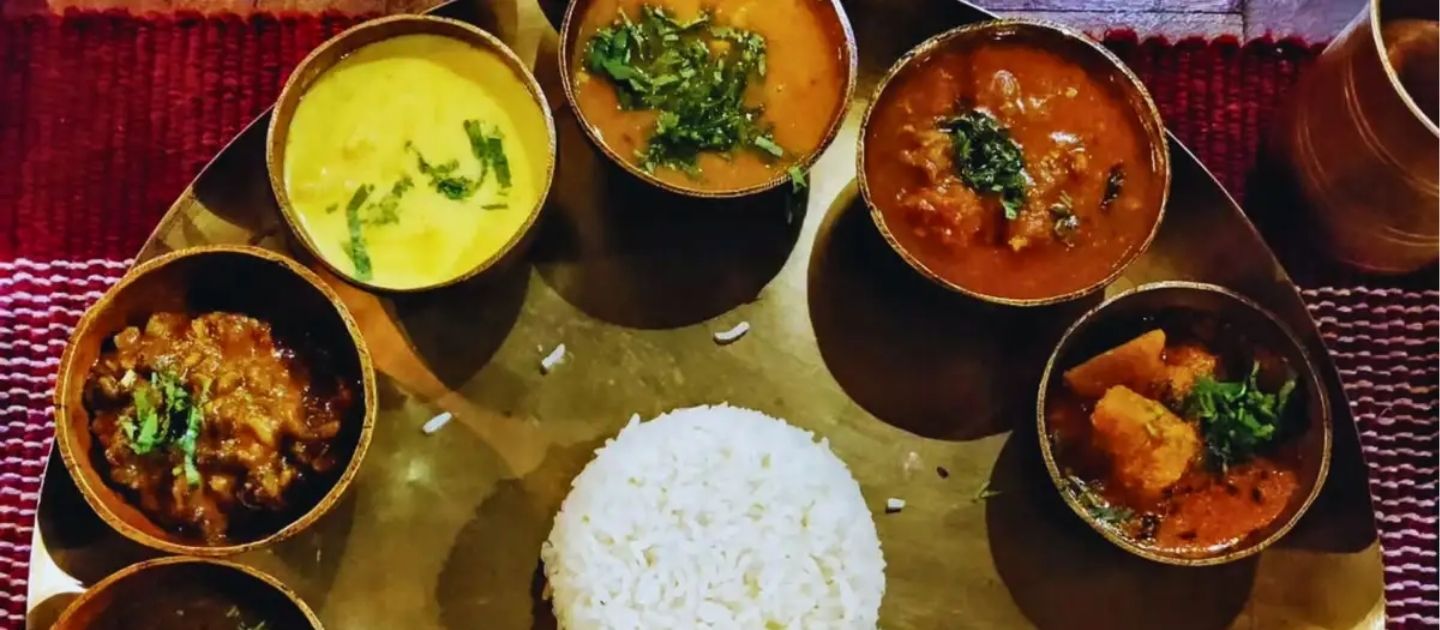
- Chha Gosht: A traditional mutton dish which cooks marinated spices together with radish leaves and creates a flavor-rich experience.
- Thukpa: provides a warming noodle soup which includes vegetables and meat to help people cope with cold mountain conditions.
- Sidu: consists of steamed bread which local people consider a main dish because they serve it with ghee or lentils.
- Tudkiya Bhat: creates a comforting meal through its Kinnauri-style khichdi which blends rice and lentils with spices to cook slowly.
- Apricot Jam & Juice: consists of fresh apricot products which local orchards produce to create a sweet and tangy regional specialty.
- Butter Tea (Gur Chai): serves as a traditional tea drink which people make by combining salty tea with butter and milk to drink during winter for warmth.
The Best Restaurants and Hotels
- The main shopping area of Kalpa offers local handicrafts and woolens and traditional Kinnauri attire at Kalpa Market.
- Sangla Market includes shops that sell fresh apples and apricot products and local jewelry and valley souvenirs.
- Chitkul Handicraft Stalls display handmade woolens and wooden artifacts and traditional decorative items at their small stalls.
- Monastery Gift Shops operate near local monasteries to sell prayer flags and beads and religious items and cultural souvenirs.
- Visitors to the orchards can purchase fresh apples and apricots and jams because farmers sell their freshest products.
Ultimate Shopping Destinations
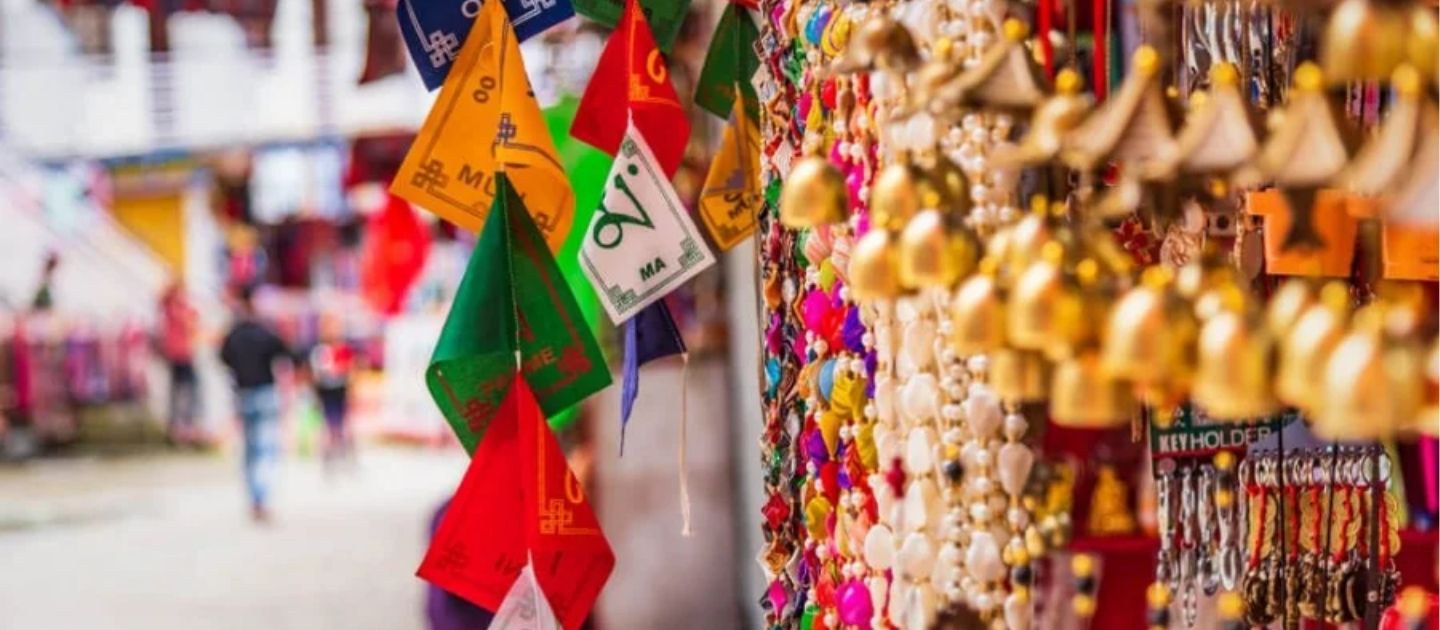
- Kalpa Market: The main shopping area in Kalpa, offering local handicrafts, woolens, and traditional Kinnauri attire.
- Sangla Market: Shops selling fresh apples, apricot products, local jewelry, and souvenirs from the valley.
- Chitkul Handicraft Stalls: Small stalls featuring handmade woolens, wooden artifacts, and traditional decorative items.
- Monastery Gift Shops: Shops near local monasteries selling prayer flags, beads, religious items, and cultural souvenirs.
- Local Fruit Orchards: Visit orchards to buy fresh apples, apricots, and jams directly from farmers for the freshest produce.
Night/Day Life
Kinnaur experiences a tranquil existence which matches the region's slow tempo of mountain life. The daytime activities of the villages start when local markets operate and farmers work in their orchards and travelers visit the valleys and forts and monasteries. People should use the morning and afternoon hours to go sightseeing and trekking and experience the beauty of nature. Families spend quiet evenings together while local communities participate in traditional music and social gatherings. The area has no active nightlife because there are no clubs or loud parties yet the starry night sky and peaceful surroundings create an ideal space for people to meditate and watch stars and discover genuine Himalayan peacefulness.
How To Reach
- By Air: The nearest airport to Kinnaur is Jubbarhatti Airport which is located 200 kilometers away in Shimla. Travelers from Shimla can choose between taxi services and bus services to reach Kinnaur through roadways.
- By Train: The major railway station nearest to Kinnaur is Shimla Railway Station. From there, Kinnaur can be accessed via road transport, offering scenic mountain views along the way.
- By Bus: HRTC and private buses from Shimla and Manali and other Himachal towns operate regular services to Kinnaur. The area provides shared taxi services which enable faster transportation to Kalpa and Sangla villages.
The Best Time to Visit
The best time to visit Kinnaur is from April to October, when the weather is mild and the roads are open. The months between these two points show valleys which display lush vegetation together with active apple orchards, while the mountains above start their snowmelt process, which makes sightseeing and trekking activities more accessible. Spring and summer offer pleasant temperatures for exploring villages, forts, and monasteries, while autumn provides colorful landscapes and harvest festivals. The extreme cold of winters creates conditions that lead to heavy snowfall, which results in road closures that create travel difficulties. For most travelers, late spring to early autumn is ideal for enjoying Kinnaur’s natural beauty, cultural experiences, and outdoor adventures.
Conclusion
Kinnaur offers visitors a combination of stunning natural landscapes and diverse cultural traditions and historical sites. The region provides nature enthusiasts and adventure seekers and culture enthusiasts with experiences that range from Kalpa's apple orchards to Sangla Valley's tranquil beauty and Kinnaur Kailash's holy mountain peaks. The traditional villages and monasteries together with the forts of the area showcase its special cultural heritage, while the local food and handicrafts permit visitors to experience genuine Himalayan culture. Kinnaur creates an everlasting impression on its visitors through its tranquil environment and its stunning natural scenery and its friendly local people. The cliffside paradise provides travelers with an opportunity to experience nature together with history and cultural traditions in a way that creates unforgettable memories.
About Us
Trip planning could seem to be cumbersome but TravellingLark makes it easy by linking travelers with professional travel agencies that provide customized travel proposals. Instead of spending hours searching for the most appropriate vacation package, travelers can post their trip details and receive several personalized offers.
TravellingLark is not only a destination for travelers but the most powerful network for travel agencies, hotels, and travel vendors. Travel agencies can sign up for free listing of their offerings and display packages for holiday tours, hotels, and travel experiences. Travel is a business but no commission hefty charged like other platforms; we give businesses free travel leads to achieving their patronage.
Whether you are a travel agency searching for clients, a hotel requiring more bookings, or a travel vendor offering services, TravellingLark has just opened direct access to tourists searching for these offerings.
- Hassle-Free Trip Planning: Every traveler gets a tailor-made travel offer, with other requirements left to him/her.
- Join for Everyone: Signing up is completely free for all users and businesses. While basic access stays free, vendors now have the option to purchase premium leads to connect with more potential customers and grow their sales.
Join TravellingLark now and make a smarter future in planning, booking, and growing in the travel industry!
Planning a trip to Kinnaur?
Post your upcoming travel details and get personalized quotations from multiple verified travel agencies.
Fast response • Custom offers • Verified agents
Current Weather
Live Forecast
Explore Packages in Kinnaur
Planning a trip to Kinnaur?
Post your upcoming travel details and get personalized quotations from multiple verified travel agencies.
Fast response • Custom offers • Verified agents
Bigger Group? Get Special Offers Up to 50% Off!
Planning a trip for friends, family, or corporate teams to Kinnaur? We create unforgettable customised adventures with exclusive group pricing!
Current Weather
Live Forecast
Why travelers choose
TravellingLark?
Thoughtfully planned journeys, crafted for unforgettable experiences.
Built Around You
Personalized trips based on your style, interests and budget.
Handpicked Trips
Curated itineraries designed with love and local expertise.
Transparent Pricing
Clear package pricing with no hidden charges or surprises.
Personalized Planning
Every trip is tailored to your interests, pace and preferences.
Best Value Always
Get the best experiences at the best value for your money.
Global Destinations
Explore handpicked destinations across India and the world.
24/7 Trip Assistance
We're with you before, during and after your journey.
Built Around You
Personalized trips based on your style, interests and budget.
Handpicked Trips
Curated itineraries designed with love and local expertise.
Transparent Pricing
Clear package pricing with no hidden charges or surprises.
24/7 Trip Assistance
We're with you before, during and after your journey.
Personalized Planning
Every trip is tailored to your interests, pace and preferences.
Best Value Always
Get the best experiences at the best value for your money.
Global Destinations
Explore handpicked destinations across India and the world.
Hassle-Free Journey
Enjoy a smooth travel planning experience from start to finish.
Traveler Reviews for KinnaurReviews for Kinnaur
Verified ratings and genuine travel experiences from our community
No Reviews Yet
Have you explored Kinnaur? Share your experience to help fellow travelers plan their trip!
Frequently Asked Questions about Kinnaur
Yes. I found Kinnaur quite safe. People are calm and helpful. Roads are narrow though. Drive slow. In monsoon some landslides happen. So check weather before going. If you travel basic smart, it feels peaceful and safe.
Summer months are most comfortable. Clear views of Kinnaur valley. Apple orchards look beautiful. Winters are very cold. Snow blocks some roads. I liked May and June the most. Weather was pleasant and sky was bright.
At least four to five days. Kalpa and Sangla valley need time. Reckong Peo is small but nice. If you rush, you miss the real feel. Roads take time. So keep buffer day.
In towns like Kalpa and Reckong Peo you get decent signal. In remote villages network drops. Internet is slow sometimes. Do not depend fully on data. Keep offline maps ready.
Kalpa gives clear Kinner Kailash view. Sangla valley is green and wide. Chitkul feels untouched. Villages are peaceful. Kinnaur tourism is more about nature and slow travel. Not many crowded spots.
Recently Asked Questions about Kinnaur
Indian travelers do not need permit for most areas. Some border areas may need inner line permit. Rules can change. Better confirm before travel. Especially if planning beyond Reckong Peo side.
Three days feel tight. You can cover Kalpa and Sangla valley quickly. But journey will be tiring. Roads are long. I would suggest minimum four days for relaxed travel.
Yes if you are confident driver. Roads are narrow and sometimes broken. In monsoon it gets tricky. SUV is better. Start early in day. Avoid late night driving in mountains.