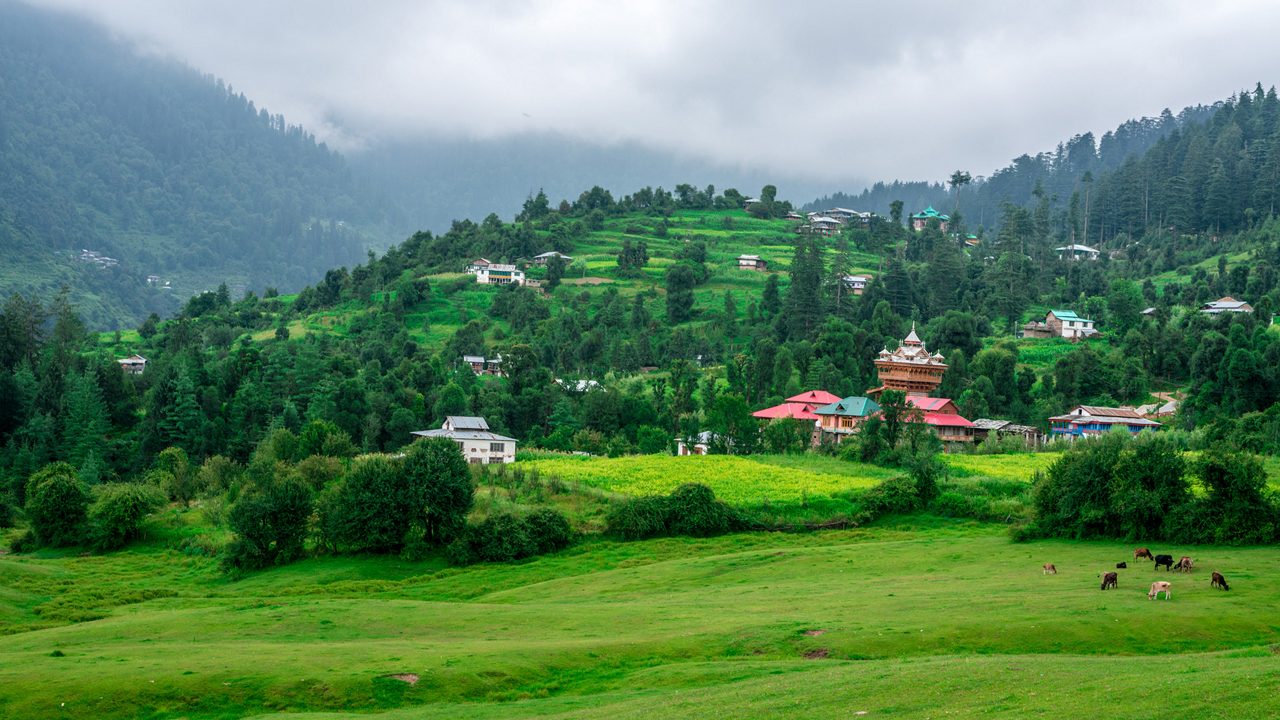
Kullu
About Kullu
Kullu Calling: Adventure, Culture & Himalayan Beauty
Kullu is a valley formed by Beas River and surrounded by the towering snow-clad Himalayan peaks; it speaks of rich adventure with ancient culture and completely takes you in by its natural beauty. Unlike the glamorous look of its nearby national neighbor, Manali, Kullu beckons a true explorer-an adrenaline-rush-seeker or someone who would like to spend time alone, in quieter moments. You have Kullu at your feet, filled with adventure and tranquility, in one long sweep of the majestic Himalayas.
About Kullu
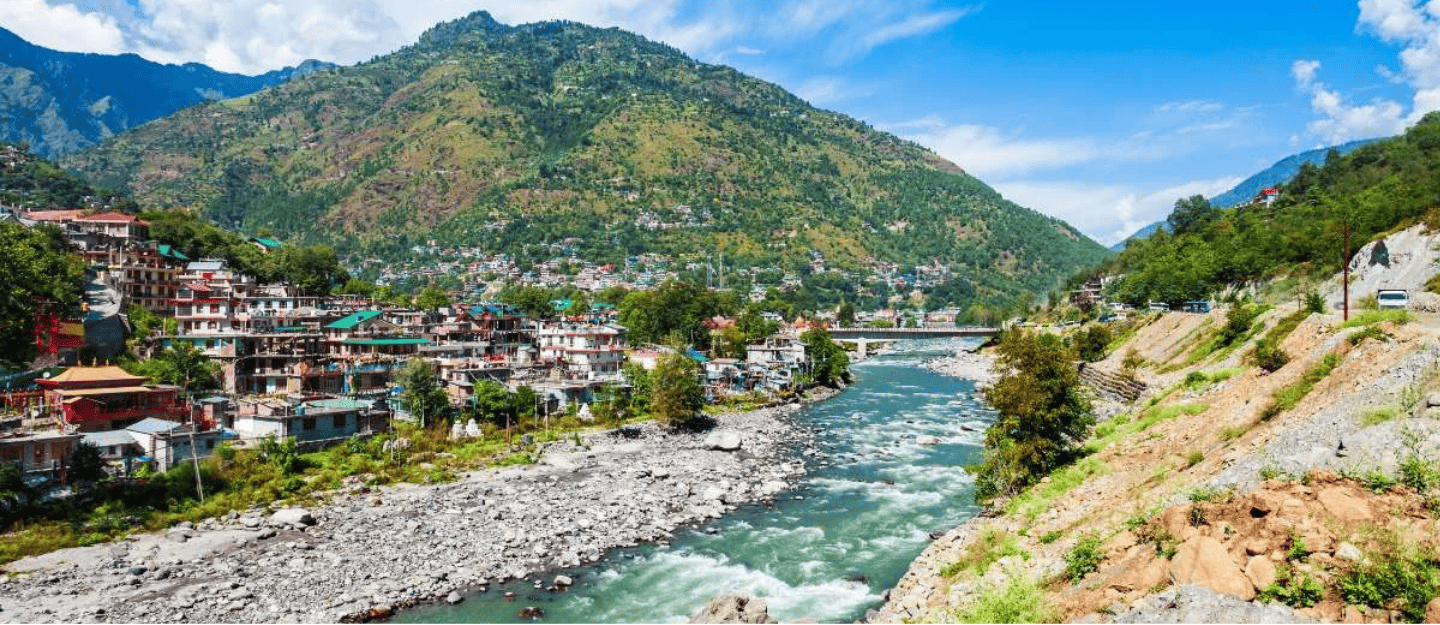
Kullu is a valley that breathes wonder into the traveler's life. Kullu is known as the "Valley of Gods" and comprises a number of ancient temples, lush meadows, and hills covered with pine trees. The Beas River gracefully winds through its heart; with it, Kullu gets both serene and spirited. Authentic Himachali culture, as well as thrilling outdoor activities, and colorful festivals, huddle together in the town vis-a-vis its surrounding villages. Its spiritual aura and raw beauty are meant to create an unforgettable experience beyond the popular hill station trail.
What to Do in Kullu
Rafting on the River Beas For a dose of adrenaline, try white-water rafting through frothy rapids amidst the green valleys. Rafting season is usually from April to June and in October to December.
Trekking and Hiking: The hikes cover scenic trails like the Bijli Mahadev trek, which offers breathtaking views and a peaceful temple at the top of the hill. Nearby is the Kheerganga trek that leads to hot springs amid mystical landscapes. 3. Paragliding and Adventure Sports Solang Valley and nearby Dobhi offer tandem paragliding flights so you can soar above the valley for a bird's eye view of the Beas and the Himalayas.
Visit the Raghunath Temple: This temple was constructed in the 17th century and is central to the Dussehra celebration in Kullu. Experience this wooden architecture and spiritual energy.
Attend Kullu Dussehra: This world-renowned week-long festival celebrated in October attracts pilgrims and visitors alike. Local deities, folk dances, and rituals form a rare cultural spectacle.
Discover Great Himalayan National Park (GHNP): It is a UNESCO World Heritage Site and a biodiverse wonderland where endangered species like the snow leopard can thrive. It is ideal for eco-tourism and peaceful soul-forest trekkers.
Village Hopping: Understand Himachali hospitality by visiting the quaint villages of Malana and Naggar, known for their unique customs, wooden architecture, and organic produce.
A First Timer’s 7-Day Travel Guide
Day 1: Transfer to Kullu and arrive at Bhuntar airport. Visit Raghunath Temple while traversing the local markets.
Day 2: Adventure of river rafting then evening at the riverside.
Day 3: Trek to Bijli Mahadev with a picnicking view.
Day 4: Drive toward Naggar Castle; visit Roerich Art Gallery.
Day 5: An excursion to Great Himalayan National Park.
Day 6: Paragliding at Dobhi is followed by relaxation in a homestay.
Day 7: Local shopping, food walk, and departure.
Best Time To Visit Kullu
March to June: Springtime casts life and blossoming into the orchards, sweet breezes become ushering into trekking and river rafting, and the valley springs up to vibrancy whilst nature puts forth its best.
July to September: Monsoon metamorphoses Kullu into richly green aquamarine. Probably disallowing the effort in the outdoors, so everything adds up to peaceful retreat and cultural experiences indoors.
October: This is the festival month. Kullu Dussehra offers a special lens into the rich traditions of the valley. The air is invigorating, and the setting is breathtaking.
December to February: It is that time of year when a genie touches everything with his magic wand, covering every surface in a blanket of white. What's more, enthusiasts who relish playing in the snow will have a season that is cold, yet ideal for snuggling up in mountain lodges and participating in snow activities.
Important Things to Note Before Visiting
Altitude Awareness: The height of Kullu may be the reason for discomfort for some travelers. Drink plenty of water and take some time to acclimatize while trekking.
Local Customs: Local customs ought to be respected, particularly those concerning temples and other sacred areas.
Prepare for Weather: Carry layers, especially when traveling during the shoulder seasons. The weather can change rather quickly in the mountains.
Though remote, stay connected: Internet can be poor and patchy in such areas. Hence, it is important to download maps and other documents beforehand.
Where to Stay in Kullu
Budget: For backpackers, The Hosteller Kullu or Zostel Dobhi are both decent choices, providing dormitories and private rooms for a low cost, with shared kitchens and a magnificent backdrop.
Mid-Range: The Apple Valley Resort has always been a favorite due to its riverside setting and warm wooden interiors. Shobla Pine Royale is comfortable in a local style of hospitality, eligible for family or couples.
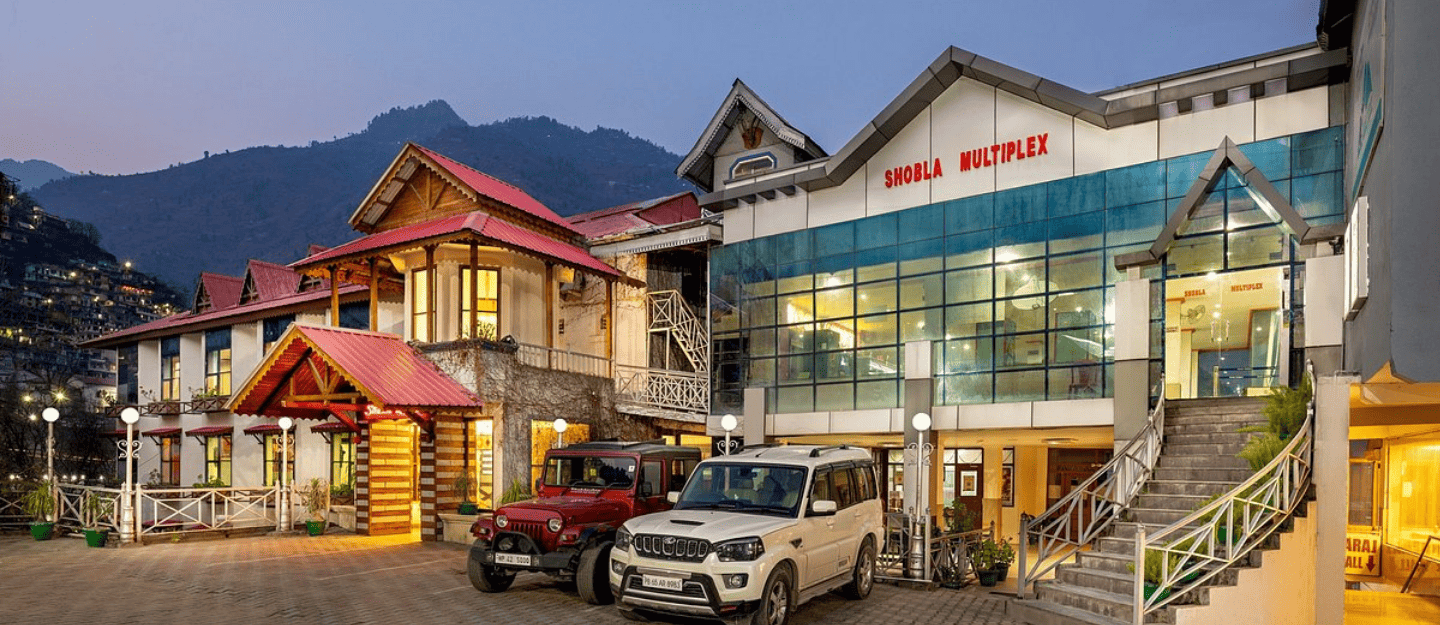
Luxury: For comfort and pampering, JJ Resort and Hotel Himalayan Kothi Kais provides splendid views, Himachali architecture, and modern amenities, making them suitable for honeymooners or for those in search of a quieter, more refined stay.
Homestays: To taste and feel local hospitality, choose from a selection of homestays in villages like Naggar or Kais. Raju Bharti's Guest House finds its high rank in recurrent visitors' wish lists for truly delicious food and a forested ambiance.
Where to Eat in Kullu
Local Food: Dham is a traditional festival thali meal, which you must try. Valley Bites has local favorites such as Sidu (stuffed bread) and Madra (chickpea curry). Of course, many homestays also have a number of home-cooked meals reflecting the authentic flavors of the region.
Cafés and Casual Eateries: Negi Dhaba is one such place near Bhuntar where reputed hearty North Indian fare can be seen. While at Café Jungle View in Dobhi, you should enjoy some great parathas, pizzas, and coffee while taking in scenic vistas.
Riverside Cuisines: Ever Green Café serves both Indian and Continental varieties in a lively, laid-back riverside setting. Ideal for a long lazy brunch or evening tea.
Sweets: Miss out on Mittha-main bazaar halwais sell this rice sweetened with raisins and dry fruits.
For International: Jim Morrison Café is a backpacker favourite located nearby on Kasol (an hour's journey). The café is famous for Israeli food and has chill vibes.
Where to Shop in Kullu
Wearables & Shawls: A place worth visiting is Kullu Shawl Weaving Factory which is famous among the people for traditional hand-woven shawls with geometric designs. The soft woolen stoles, mufflers, and caps make good presents.
Local Handicraft: Visit Sultanpur Market for wooden handicrafts, jewelry, and small paintings. Carved walking sticks, prayer wheels, or some form of Pahari art will be particularly valuable as gifts.
Organic Products: You can get the jams, apple cider vinegar, and pure honey made by local hands from the Fruit Preservation Centre Kullu.
Traditional Attire and Accessories: The Kullu topis, bright embroidered bags, and handmade slippers are very easy to fit into a bag and yet beautifully display local style.
Art Galleries and Boutique Stores: Naggar Castle as well as Nicholas Roerich Art Gallery has exquisite souvenir stores that sell postcards, prints, and books, which make nice gifts for art lovers and culture buffs.
Conclusion
Kullu is more than just a corridor to Manali; it's one of those places in which you should spend your time. This can be an adventure of a few days in the Himalayan trails or a "Kullu" in search of peace engulfed in a cedar forest and the ringing of temple bells: allurement with an honest, not-to-be-disapproved-at-all nature. Answer the call, and let the mountains rewrite your story.
Planning a trip to Kullu?
Post your upcoming travel details and get personalized quotations from multiple verified travel agencies.
Fast response • Custom offers • Verified agents
Current Weather
Live Forecast
Explore Packages in Kullu
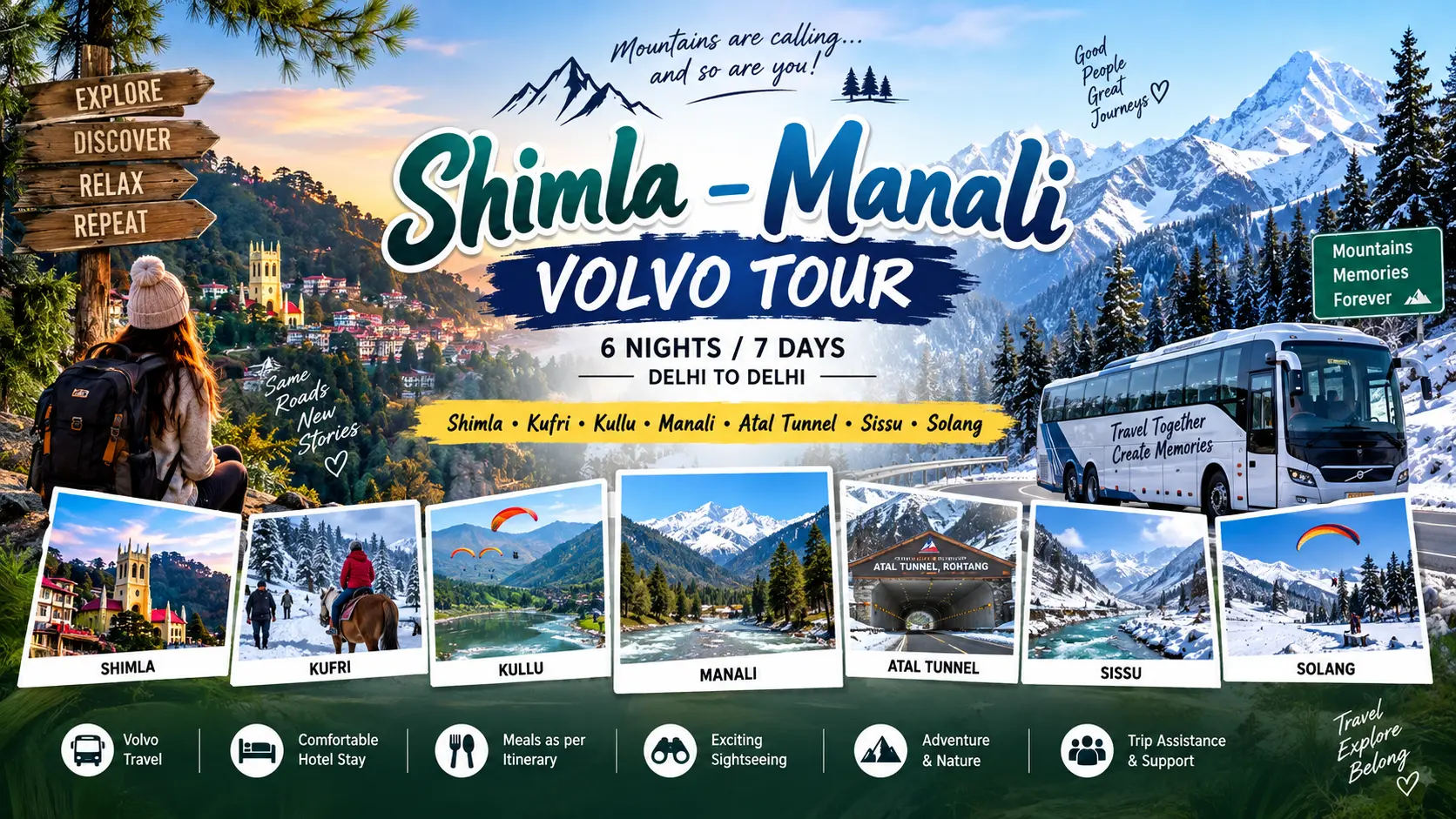
Planning a trip to Kullu?
Post your upcoming travel details and get personalized quotations from multiple verified travel agencies.
Fast response • Custom offers • Verified agents
Bigger Group? Get Special Offers Up to 50% Off!
Planning a trip for friends, family, or corporate teams to Kullu? We create unforgettable customised adventures with exclusive group pricing!
Current Weather
Live Forecast
Why travelers choose
TravellingLark?
Thoughtfully planned journeys, crafted for unforgettable experiences.
Built Around You
Personalized trips based on your style, interests and budget.
Handpicked Trips
Curated itineraries designed with love and local expertise.
Transparent Pricing
Clear package pricing with no hidden charges or surprises.
Personalized Planning
Every trip is tailored to your interests, pace and preferences.
Best Value Always
Get the best experiences at the best value for your money.
Global Destinations
Explore handpicked destinations across India and the world.
24/7 Trip Assistance
We're with you before, during and after your journey.
Built Around You
Personalized trips based on your style, interests and budget.
Handpicked Trips
Curated itineraries designed with love and local expertise.
Transparent Pricing
Clear package pricing with no hidden charges or surprises.
24/7 Trip Assistance
We're with you before, during and after your journey.
Personalized Planning
Every trip is tailored to your interests, pace and preferences.
Best Value Always
Get the best experiences at the best value for your money.
Global Destinations
Explore handpicked destinations across India and the world.
Hassle-Free Journey
Enjoy a smooth travel planning experience from start to finish.
Traveler Reviews for KulluReviews for Kullu
Verified ratings and genuine travel experiences from our community
No Reviews Yet
Have you explored Kullu? Share your experience to help fellow travelers plan their trip!
Frequently Asked Questions about Kullu
March to June is very good for kullu tourism. Weather feels nice. Sky stays clear. If you like snow then visit in December or January. But it gets very cold. Monsoon months feel green but roads can be risky sometimes.
Both are close. Kullu valley feels more calm and less crowded. Manali has more cafes and markets. If you want peaceful views choose kullu himachal pradesh side. For nightlife and shopping, Manali is better.
For a normal kullu trip you can manage in mid range budget. Hotels in kullu are not too costly. Food is simple and affordable. Adventure activities like kullu river rafting will increase your cost a bit.
Great Himalayan National Park is beautiful. Bijli Mahadev gives amazing valley view. Raghunath Temple is peaceful. River side walks are very nice in evening. Honestly, kullu sightseeing feels slow and relaxing.
Yes it is safe with trained guides. They give proper jacket and helmet. Best time for rafting is April to June. Water level stays good. Still, listen to instructor carefully. Do not take it lightly.
Recently Asked Questions about Kullu
Yes, kullu honeymoon package is popular now. Less crowd than Manali. Scenic views feel romantic. River side hotels give good privacy. Even small cafes feel cozy in evening.
Three to four days feel enough for main attractions. If you want slow travel then five days is better. You can enjoy kullu valley tourism and nearby villages calmly.
Yes. River rafting is famous. You can try paragliding near valley areas. Trekking options are also there. Things to do in kullu are mostly nature based and outdoor.