Great Himalayan National Park
About Great Himalayan National Park
Great Himalayan National Park: Alpine Biodiversity and Untouched Peaks
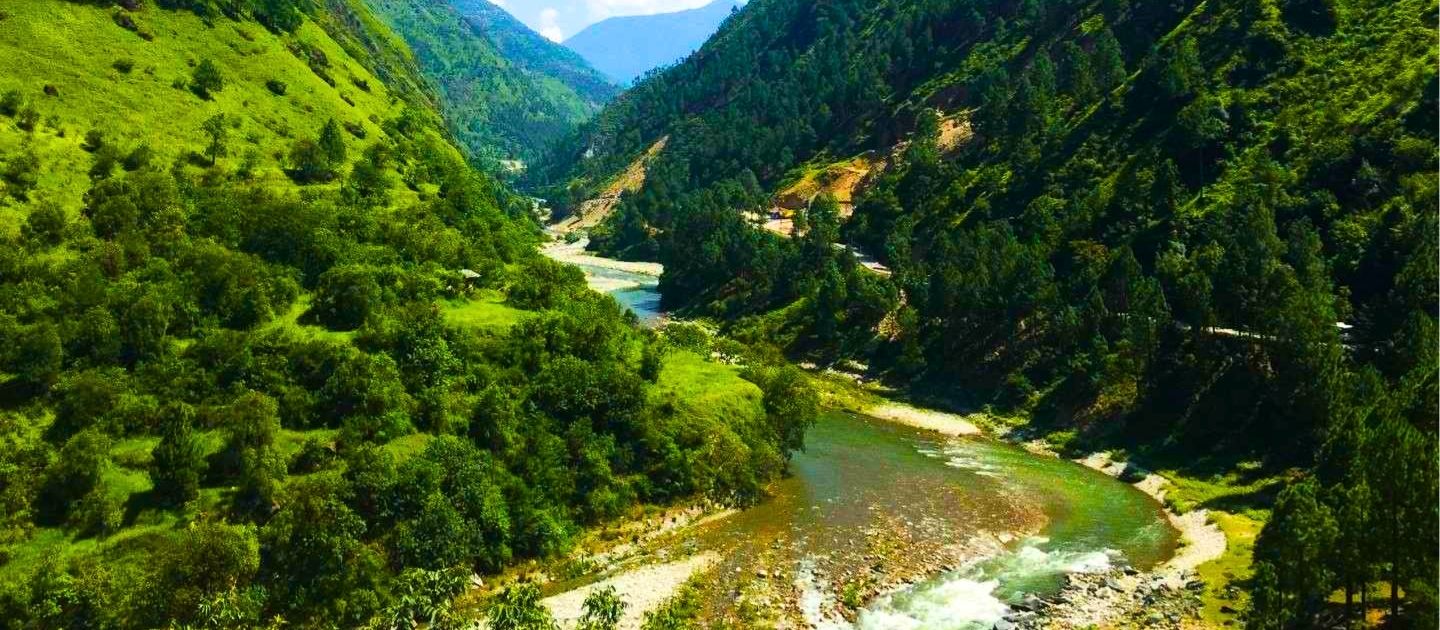
Great Himalayan National Park (GHNP), a UNESCO World Heritage Site, located in Himachal Pradesh, is highly regarded for its unspoiled alpine ecosystems, snow-covered mountains, and uncommon fauna. This wildness presents a close encounter with the Himalayan biodiversity, trekking areas, and ancient mountain culture.
Plan your next adventure easily with Travellinglark Post Travel — your smart travel companion!
Cultural and Historical Gems
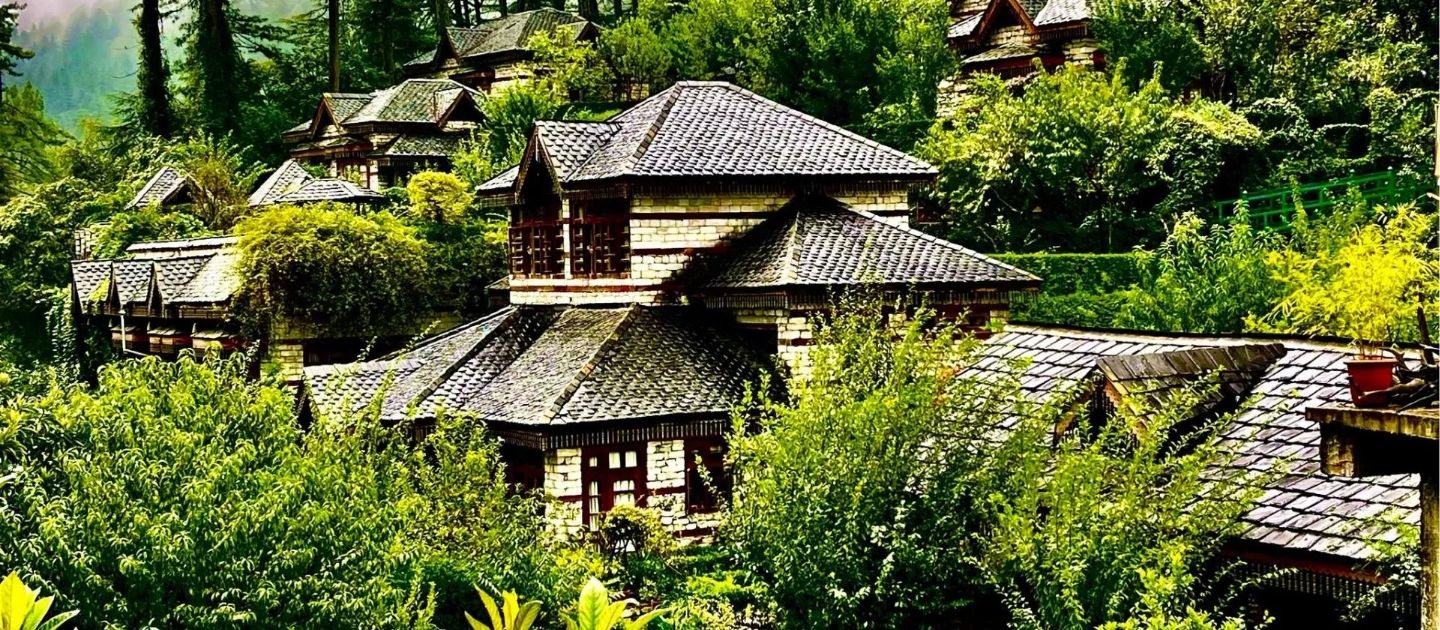
The surrounding culture of the Great Himalayan National Park is a reflection of the age-old Himalayan ways. The people of the villages like Tirthan, Sainj, and Banjar maintain wooden Kath-Kuni style of architecture, and folk music and seasonal festivals centering nature's worship are some of the things that still exist today. The local deities, forest rituals, and the practice of transhumance speak of the people’s reverence for the mountains and the wildlife. At times, the history of the region has been one of great isolation caused by the terrain's ruggedness which in turn protected its ecology and customs. The ancient trade routes used to cross these valleys, where the oral histories and the temples dedicated to the village gods still testify. These valleys continue today to be the place where the daily rhythm of agriculture, grazing, and forest stewardship is practiced.
Top Attractions
1. Tirthan Valley
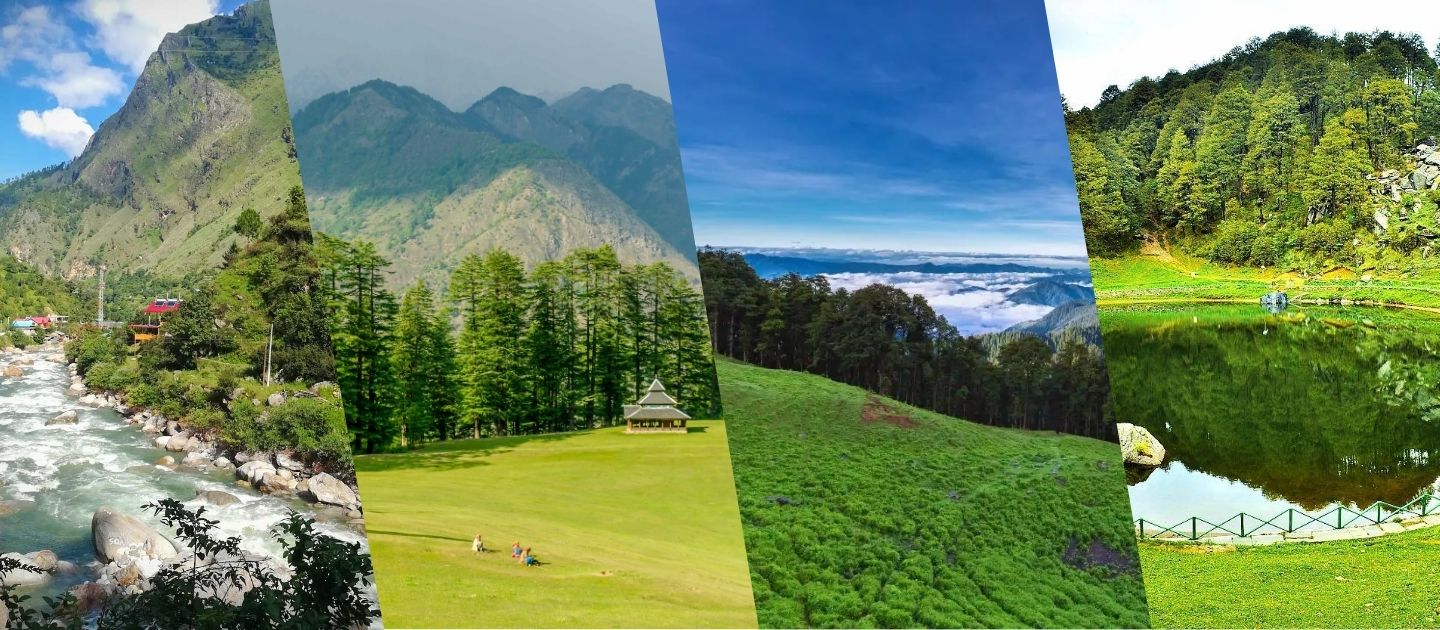
Nestled in Himachal Pradesh, Tirthan Valley is the most visited entrance to Great Himalayan National Park, famous for its clear rivers, trout fishing, and green pastures. The Tirthan River flows through pine plantations and terraced settlements that together create a frame fit for the postcards. The nature lovers are treated to riverside walks, birdwatching, and gentle treks to waterfalls such as Chhoie. The valley is also home to eco-lodges and homestays that encourage the practice of sustainable tourism. Tirthan, being a buffer zone to GHNP, not only introduces the travelling crowd to the Himalayas' rich biodiversity but also provides easy access, thus making it the perfect spot for first-timers and families looking for peacefulness.
2. Sainj Valley
Sainj Valley is usually regarded as the cultural heart of GHNP and it consists of biodiversity mixed with heritage. The Sainj River cuts through the mountains and forms deep ravines that are encircled by the thick groves of deodar and oak. Old temples like Raktisar and Shangchul Mahadev are the reminders of the valley’s spiritual past. Less touristy than Tirthan, Sainj gives pure Himalayan encounters—traditional villages, local festivities, and forest paths that lead to the park’s core zone. Trekkers base themselves in Sainj for longer explorations, while nature lovers enjoy its unspoiled beauty and genuine rural life.
3. Jalori Pass
Jalori Pass, which is more than 10,000 feet high, is a beautiful mountain pass that connects Tirthan and Shoja. It is snow-covered during the winter season and full of wildflowers in the summer season, thus, providing breathtaking views of the Himalayas. There are also short treks from this point to Serolsar Lake and Raghupur Fort, a historic ruin that has magnificent views from it. Jalori Pass is a favorite among photographers and casual hikers since it is accessible by road. Besides the cool climate, thick forests, and stunning landscapes, it is one of the most captivating places to visit near the Great Himalayan National Park.
4. Serolsar Lake
Serolsar Lake, which is at a high altitude, is a peaceful lake that is surrounded by thick oak forests and can be reached by a moderate trek from Jalori Pass. The locals who worship the lake regard it as the home of the deity Budhi Nagin and its waters are known to be very clean. The trek not only gives the chance of seeing Himalayan birds and alpine plants but also attracts nature lovers. The atmosphere is very contemplative thanks to the silence, cool breezes, and the trees’ reflections in the lake. Serolsar Lake is a perfect example of the calm wilderness that is a trademark of GHNP.
Top Local Dishes to Try
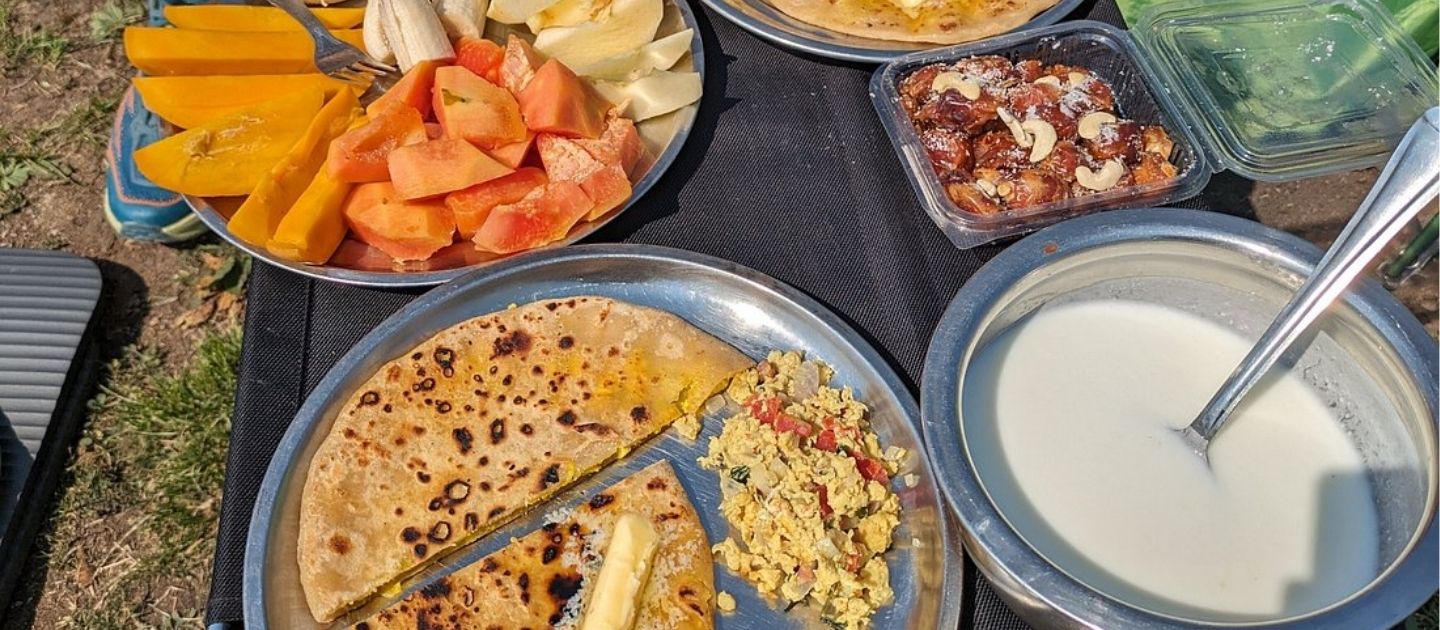
- Siddu: This is a steamed wheat flour bread filled with poppy seeds or walnuts and served with ghee.
- Chha Gosht: Mutton curry based on yogurt with a touch of local spices.
- Dhaam: A typical festive thali with lentils, rice, curd, and jaggery.
- Babru: A purely Himachali stuffed puri, mostly served with chutney.
- Aktori: A pancake made of buckwheat flour and buttermilk.
- Trout Fish: A fish that is caught fresh from the Tirthan River, and then simply spiced and grilled.
The Best Restaurants & Hotels
- Tirthan's Riverside Café: Offering organic meals complemented with river views and the taste of the area.
- Gushaini's Cloud Door Café: Famous for pizzas made in the oven and Himachali delicacies.
- The Himalayan Trout House: Riverside accommodation with warm, inviting rooms and unrestricted access to nature.
- Raju Bharti Guest House: Green-friendly B & B presenting hospitality that is genuine and inviting.
Ultimate Shopping Destinations
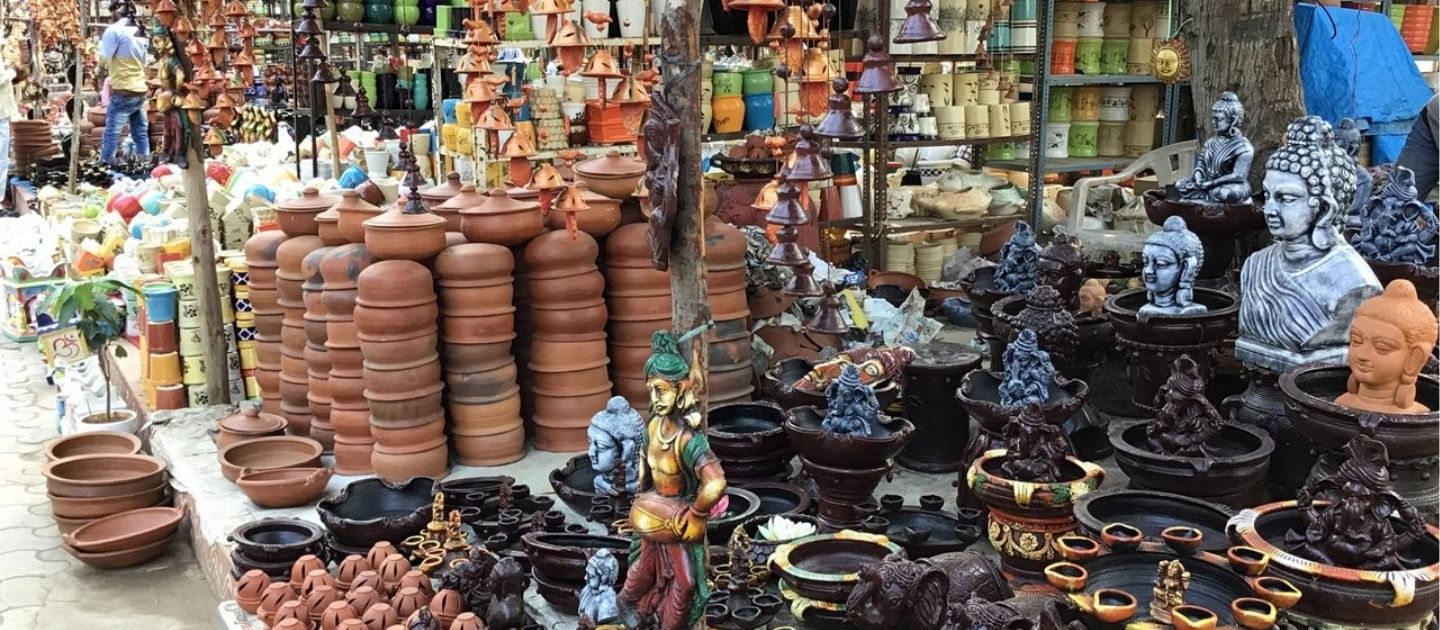
- Banjar Market: Selling woolens, caps, and boutique-style shawls
- Aut Village Shops: Offering local honey, fresh herbs, and dried fruits
- Kullu Market: The go-to place for Kullu shawls and handicrafts
- Village Fairs: The marketplaces where each season's events sell jewelry and wooden artifacts made by hand.
Night/Day Life what’s best?
Life within the Great Himalayan National Park is dictated by the sun. The birds start singing, the valleys are covered in fog, and one either goes hiking in the woods or to the villages to witness the dawn. Both locals and visitors spend the entire day trekking, fishing, or visiting temples. The golden sunsets and fireplace home-cooked meals are the hallmarks of the calming evenings. The night life is nature-related and quiet—bonfires, stargazing, and storytelling have taken the place of clubs and crowds. The lack of city noise enables the reconnecting with the nature's clock which results in both day and night being very refreshing and unforgettable.
How To Reach
- By Air: The closest airport is Bhuntar Airport (Kullu), which is approximately 60 km away. Taxis and buses run from Bhuntar to Banjar and Tirthan Valley.
- By Train: The nearest big railway station is Chandigarh. Then, buses and taxis will take you to Aut, Banjar, and the access points to GHNP.
- By Bus: There are regular bus services operating between Delhi-Chandigarh to both Aut and Banjar. From there, local transport can take you to either Tirthan or Sainj valleys.
The Best Time to Visit
The period of March to June and September to November is highly recommended for visiting Great Himalayan National Park. The spring and summer seasons offer a mix of good weather, blooming wildflowers, and open trekking routes. Autumn gives us clear skies with colorful foliage which is great for photography and wildlife watching. Heavy rains and landslides in monsoon months make traveling hard. On the other hand, winter changes the area to a snowy wonderland; however, higher trails remain closed. For most tourists, late spring and early autumn represent the perfect combination of comfort and nature’s beauty.
Conclusion
Great Himalayan National Park remains one of India’s best wilderness places, providing exceptional alpine flora and fauna, vibrant culture, and pristine Himalayan scenery. From calm valleys and holy lakes to local food and eco-friendly lifestyle, GHNP is a place that offers an experience based on sustainability and wonder. If you are looking for an adventure, peace, or a cultural experience, then this UNESCO World Heritage Site will give you the true and calm side of the world. Going to GHNP is more than just a trek in the mountains; it is also a step closer to the most pristine nature that has been kept for the future.
About Us
Trip planning could seem to be cumbersome but TravellingLark makes it easy by linking travelers with professional travel agencies that provide customized travel proposals. Instead of spending hours searching for the most appropriate vacation package, travelers can post their trip details and receive several personalized offers.
TravellingLark is not only a destination for travelers but the most powerful network for travel agencies, hotels, and travel vendors. Travel agencies can sign up for free listing of their offerings and display packages for holiday tours, hotels, and travel experiences. Travel is a business but no commission hefty charged like other platforms; we give businesses free travel leads to achieving their patronage.
Whether you are a travel agency searching for clients, a hotel requiring more bookings, or a travel vendor offering services, TravellingLark has just opened direct access to tourists searching for these offerings.
- Hassle-Free Trip Planning: Every traveler gets a tailor-made travel offer, with other requirements left to him/her.
- Join for Everyone: Signing up is completely free for all users and businesses. While basic access stays free, vendors now have the option to purchase premium leads to connect with more potential customers and grow their sales.
Join TravellingLark now and make a smarter future in planning, booking, and growing in the travel industry!
Planning a trip to Great Himalayan National Park?
Post your upcoming travel details and get personalized quotations from multiple verified travel agencies.
Fast response • Custom offers • Verified agents
Current Weather
Live Forecast
Explore Packages in Great Himalayan National Park
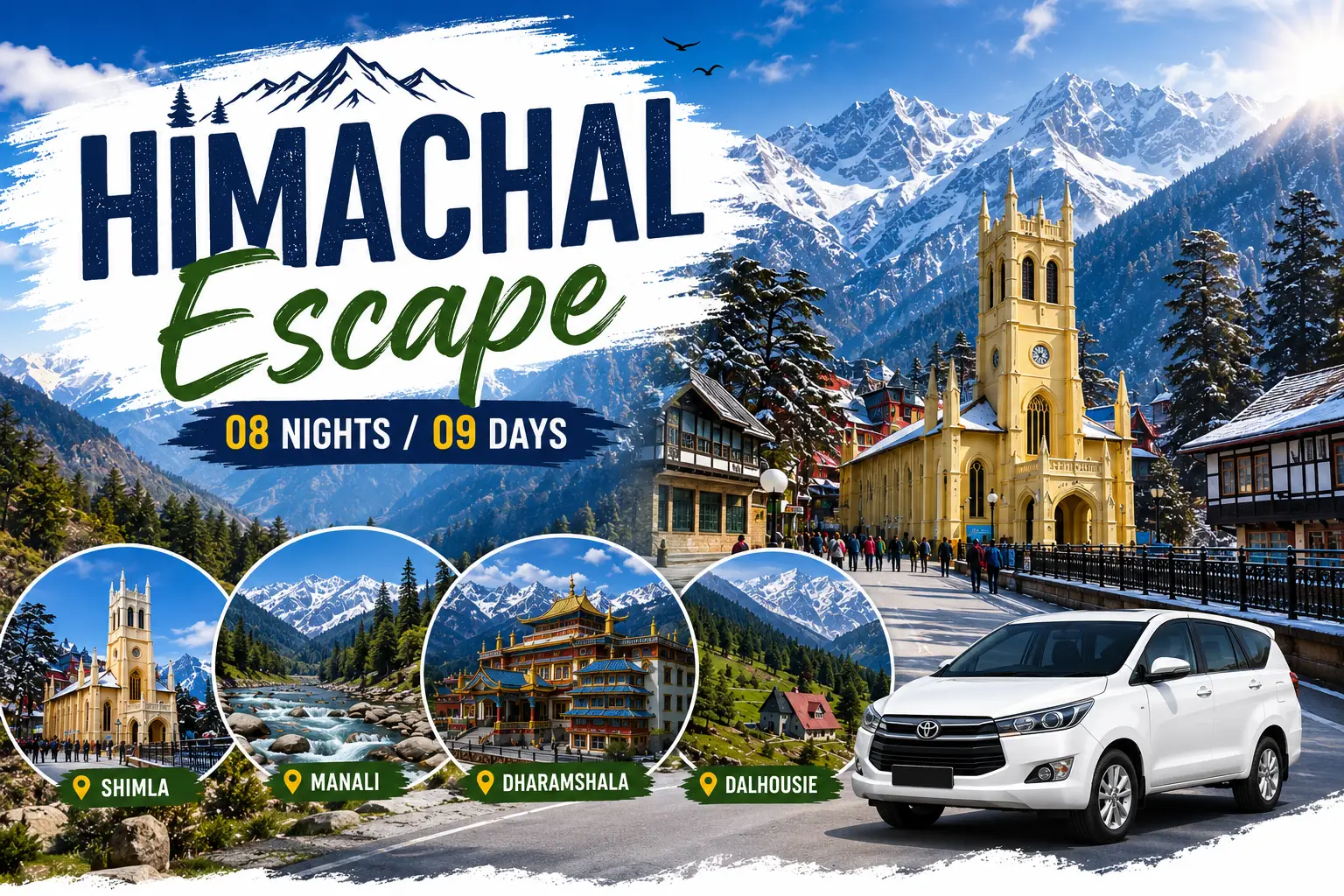
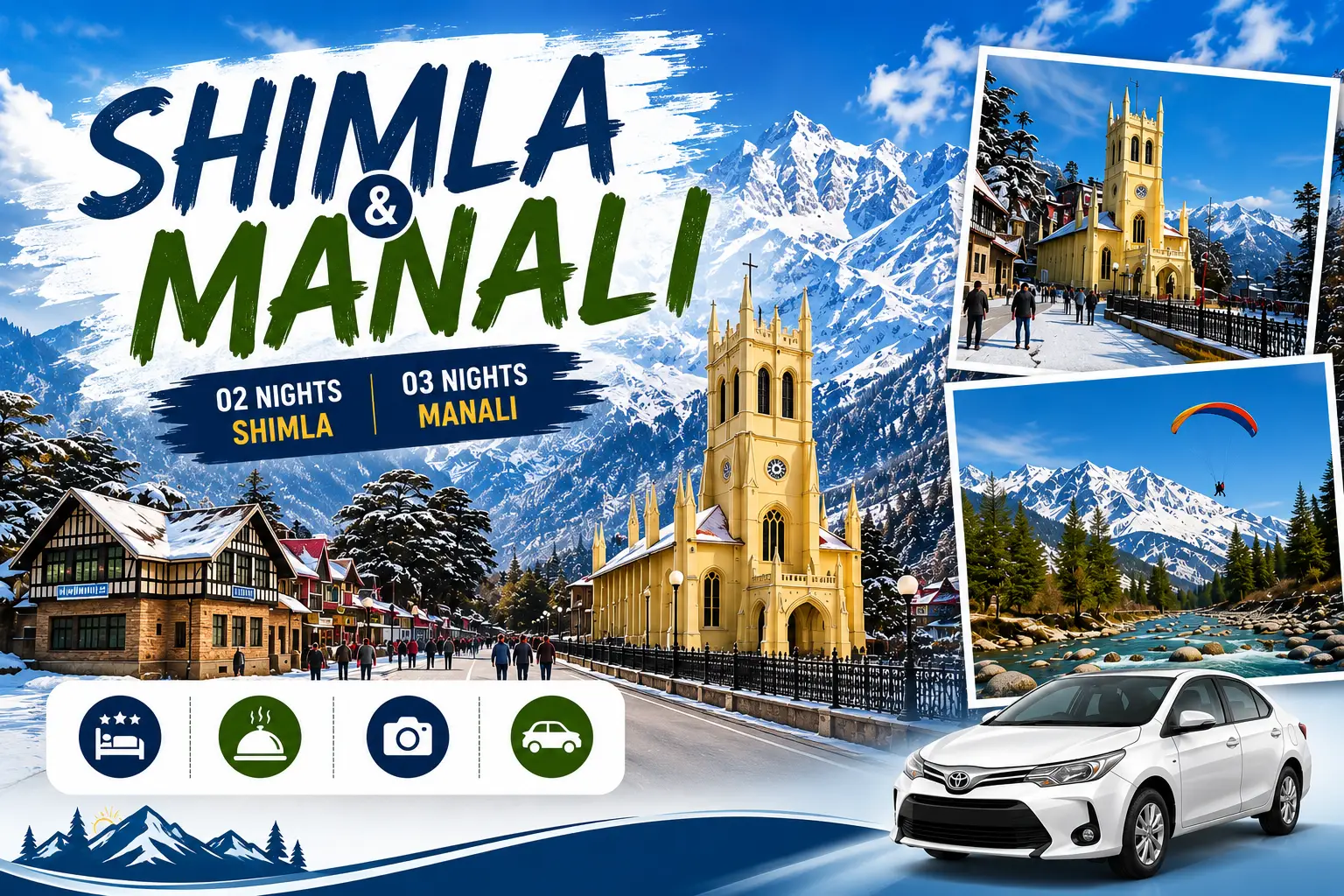
Planning a trip to Great Himalayan National Park?
Post your upcoming travel details and get personalized quotations from multiple verified travel agencies.
Fast response • Custom offers • Verified agents
Bigger Group? Get Special Offers Up to 50% Off!
Planning a trip for friends, family, or corporate teams to Great Himalayan National Park? We create unforgettable customised adventures with exclusive group pricing!
Current Weather
Live Forecast
Why travelers choose
TravellingLark?
Thoughtfully planned journeys, crafted for unforgettable experiences.
Built Around You
Personalized trips based on your style, interests and budget.
Handpicked Trips
Curated itineraries designed with love and local expertise.
Transparent Pricing
Clear package pricing with no hidden charges or surprises.
Personalized Planning
Every trip is tailored to your interests, pace and preferences.
Best Value Always
Get the best experiences at the best value for your money.
Global Destinations
Explore handpicked destinations across India and the world.
24/7 Trip Assistance
We're with you before, during and after your journey.
Built Around You
Personalized trips based on your style, interests and budget.
Handpicked Trips
Curated itineraries designed with love and local expertise.
Transparent Pricing
Clear package pricing with no hidden charges or surprises.
24/7 Trip Assistance
We're with you before, during and after your journey.
Personalized Planning
Every trip is tailored to your interests, pace and preferences.
Best Value Always
Get the best experiences at the best value for your money.
Global Destinations
Explore handpicked destinations across India and the world.
Hassle-Free Journey
Enjoy a smooth travel planning experience from start to finish.
Traveler Reviews for Great Himalayan National ParkReviews for Great Himalayan National Park
Verified ratings and genuine travel experiences from our community
No Reviews Yet
Have you explored Great Himalayan National Park? Share your experience to help fellow travelers plan their trip!