Sanchi Stupa
About Sanchi Stupa
Sanchi: Stupas of Faith and Buddhist Calm
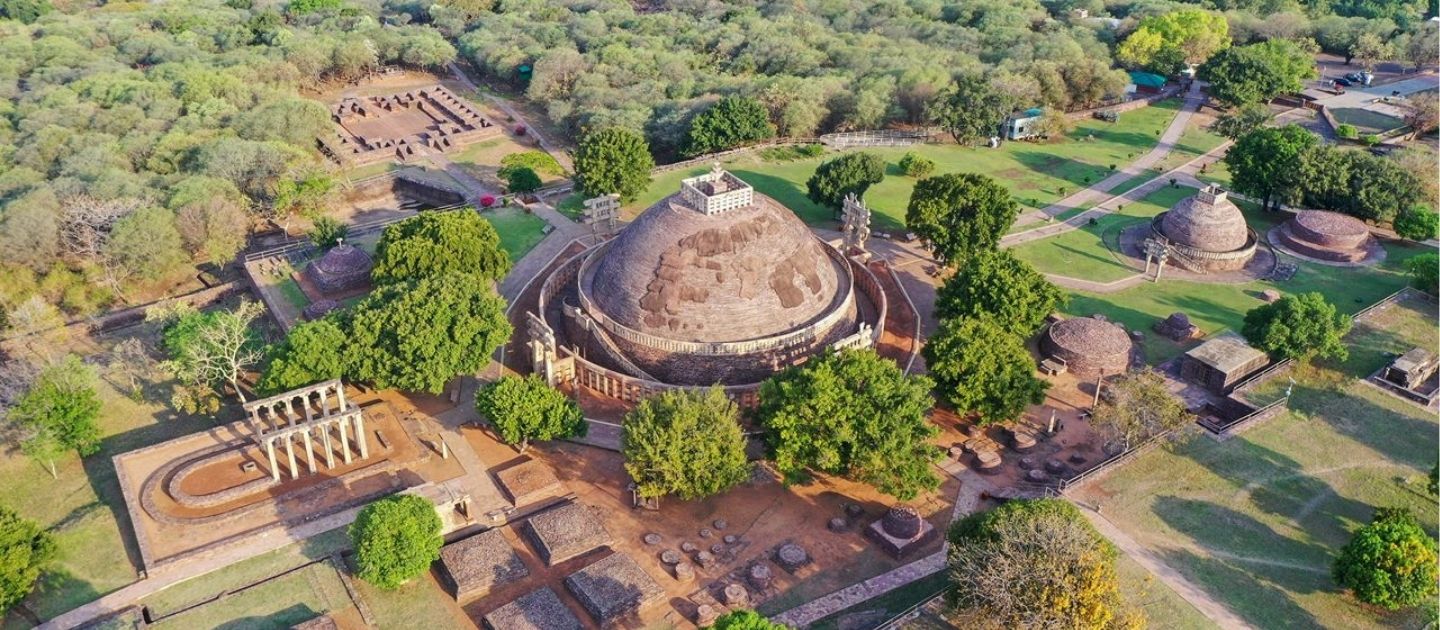
Sanchi, an everlasting retreat of Buddhist divinity, allows the visitor to feel timelessness through its stupas, degraded monasteries, and quiet hilltop vistas that are all over the country. Madhya Pradesh's UNESCO World Heritage Site Sanchi welcomes the visiting public to partake in the moving history of the place, the peace, the architectural marvels, and the very calming atmosphere.
Plan your next adventure easily with Travellinglark Post Travel — your smart travel companion!
Cultural and Historical Gems
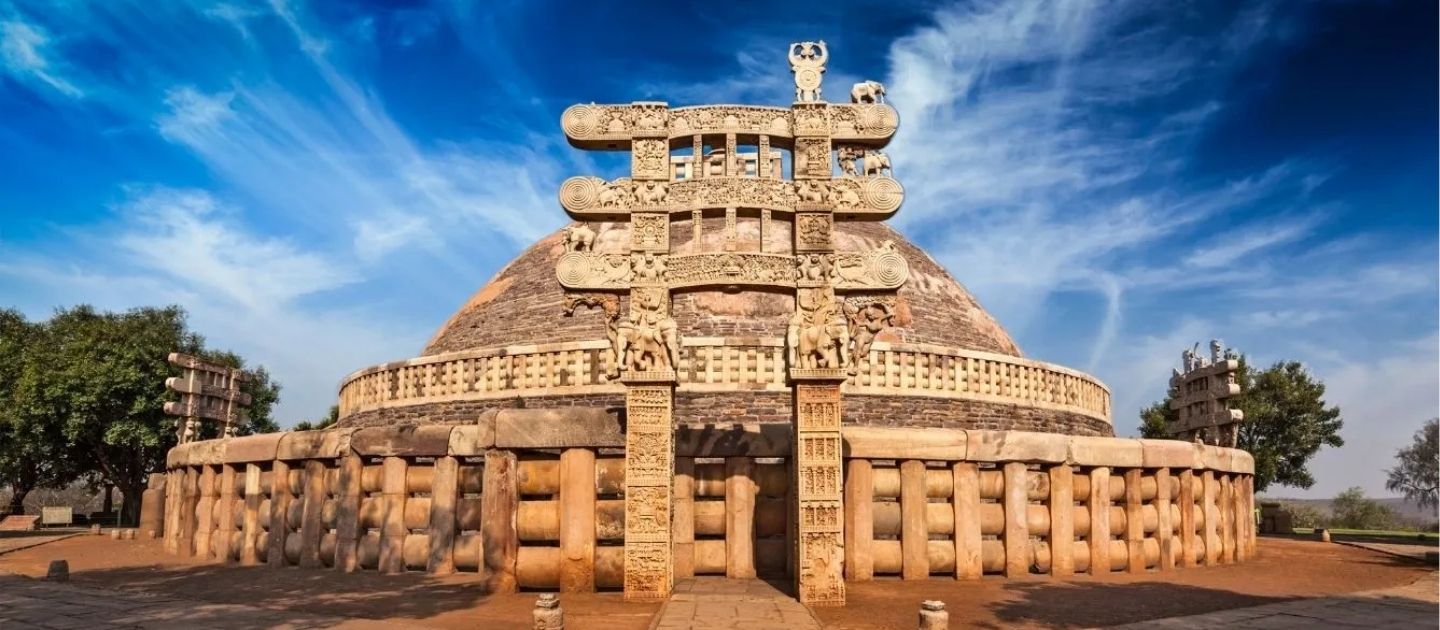
The implications of Sanchi's pre-conception are considerable for the establishment of India’s Buddhist heritage from the Mauryan period onwards. Just to mention, Emperor Ashoka in the 3rd century BC commissioned the Great Stupa, and the stupas' symbolic representation of Buddhism's spreading to Asia went along with it. For the coming dynasties, such as the Shungas and Satavahanas, the auras of the great Buddhist monuments were enhanced with intricately carved gateways, monasteries, and temples that went hand-in-hand with the narration of Buddha’s life through symbolic art, the early Buddhist philosophy, thus Sanchi became a non-religious site, an archaeology kind of place which can be visited only during the slow and silent periods of the day. Hence, it is a place for both cultural explorers and spiritual seekers.
Top Attractions
1. The Great Stupa (Stupa No. 1)
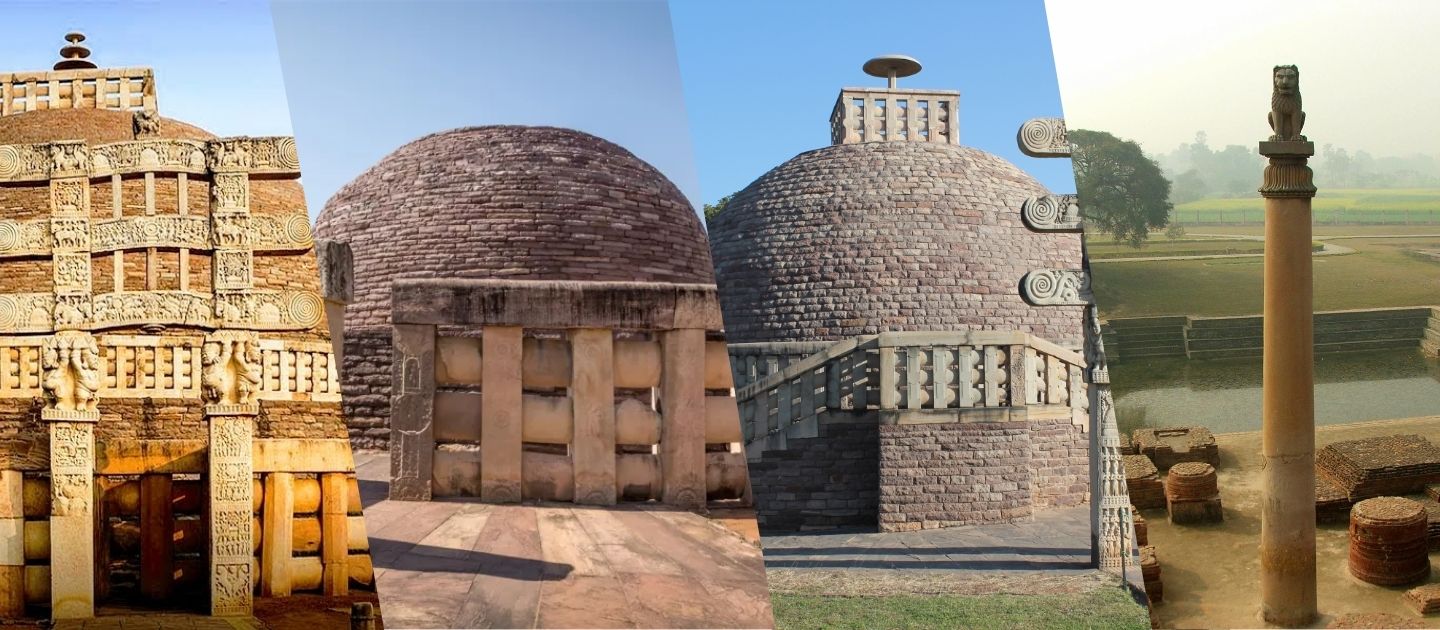
The Great Stupa is the centerpiece of Sanchi and one of India's oldest stone buildings. It was originally constructed by Emperor Ashoka, and it contains the relics of Buddha, the earth's greatest holy man. The large dome that is half-spherical in shape suggests the universe, while the harmika and chhatra point to the state of enlightenment. The four gateways, which are made of stone and wood, show the stories of Buddha’s life, Jataka tales, and ancient rituals, all through their detailed images. Walking around the stupa at the time of pradakshina is an experience that one cannot but feel as meditative. Its ideal measurements, ingenious construction, and the power of the numinous make it the most frequented and loved monument in Sanchi.
2. Stupa No. 2
Stupa No. 2, situated a bit downhill the main complex, is praised for its elaborate stone carvings and artistic panels. It also has depicted medallions, lotus motifs along with human figures unlike the Great Stupa which reveals the transition of early Buddhist art through these motifs. The stupa is said to have the remains of Buddhist master and monk. Surrounded by quietness, the stupa is a perfect place for peaceful wandering. Art historians provide their support to this site for the transition phase in Indian sculpture because they believe that the site is worth showing the transition phase in Indian sculpture, and they also think it beautiful and peaceful being in an area with this historical significance.
3. Stupa No. 3
Though being smaller, Stupa No. 3 is still of great historical importance as it has in its relics the remains of Sariputra alongside Mahamoggallana, who were the closest disciples of the Buddha. The stupa has only one entrance, which is characterized by its plainness and superb workmanship. The uniqueness of design and the harmonious proportions indicate the early Buddhist architectural principles. The site is a reservoir of the world's Buddhist community's religious values. It is also a place where visitors experience a gentle reverence that makes it a powerful stop for those wanting to touch Buddhist teachings and ancient Indian spirituality and customs up close.
4. Ashoka Pillar
The Ashoka Pillar at Sanchi is a highly impressive instance of the Mauryan sculptural technique and craftsmanship. Although partially destroyed, the pillar is still able to impress with its smooth surfaced sandstone and the lion capital that once crowned it. The pillar was engraved with texts that espoused the Buddhist values of Dhamma, peace, and moral purity. Its location is important in reaffirming Sanchi’s association with Emperor Ashoka’s plan to propagate Buddhism. Archaeologists are fascinated with the pillar as they find it to represent the utmost engineering accuracy while, on the contrary, modern-day travelers see it as an uplifting reminder of long gone governance rooted in ethics and values.
Top Local Dishes to Try
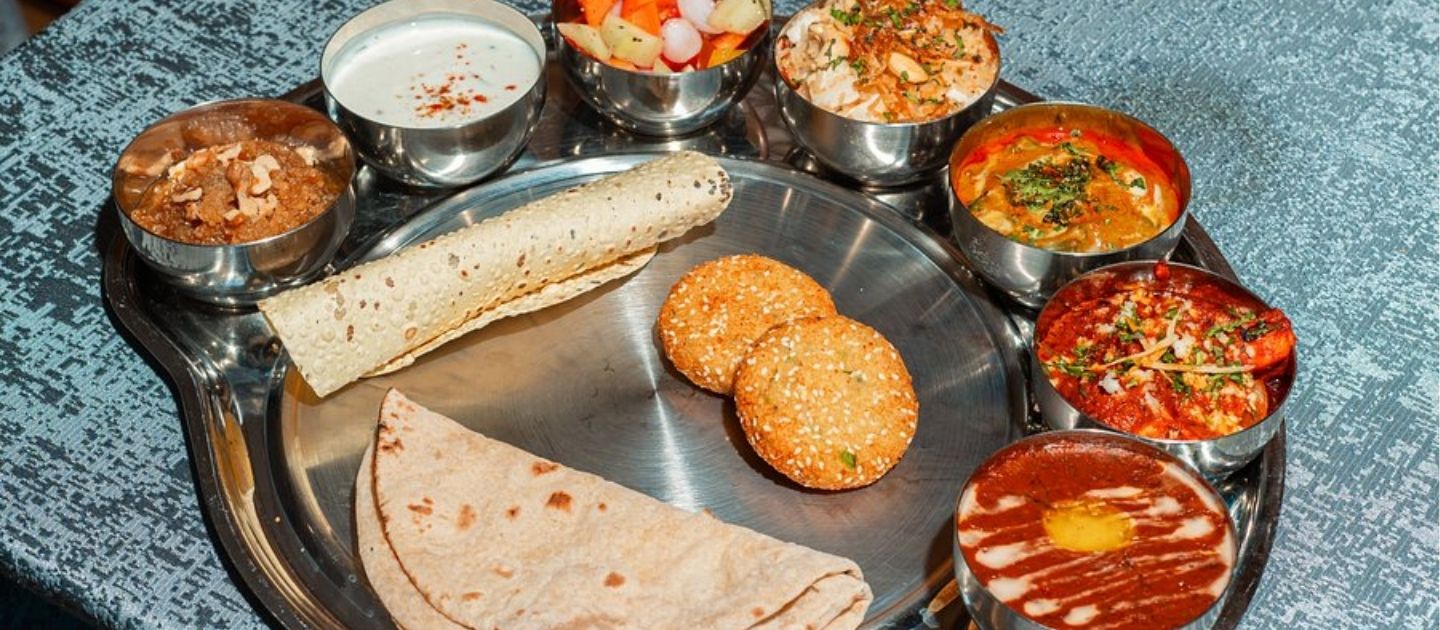
- Dal Bafla: A regional delicacy that is very much like dal baati but served with ghee and lentils.
- Poha: A light and tasty breakfast made from flattened rice, spices and onions.
- Bhutte Ka Kees: A corn dish seasoned with milk, spices, and mustard seeds.
- Sabudana Khichdi: A fasting-friendly meal that consists of tapioca pearls, peanuts, and herbs.
- Malpua: Sweet pancakes that are soaked in sugar syrup and are the most common dessert during festivals.
- Kachori: Spicy lentil snack deep-fried and served with chutney that enhances the flavor.
The Best Restaurants & Hotels
- Gateway Treat Restaurant: A place where North Indian cuisine is served and where the vegetarians' food choices are always reliable.
- Indian Coffee House (Nearby Vidisha): A spot with old-fashioned Indian flavors at a very reasonable price that has a nostalgic atmosphere.
- MP Tourism Hotel Ashok: A first-rate hotel which is very close to historical sites and offering comfortable rooms with excellent views.
- Hotel Udaygiri: An option that comes at a very low price, offers rooms that are clean, and is characterized by friendly staff.
Ultimate Shopping Destinations

- Local Handicraft Stalls: Items such as Buddhist images, prayer wheels, and artifacts for meditation.
- Stone Carving Shops: Small copies of stupas and Ashokan pillars are made here.
- Tribal Jewelry Stores: Places for silver and bead jewelry made by hand from nearby regions.
- Khadi and Handloom Outlets: Fabrics that are traditional and clothing that is eco-friendly.
- Souvenir Markets Near the Complex: The likes of postcards, books, and spiritual keepsakes which are perfect for giving as gifts.
Night/Day Life what’s best?
Sanchi is a peace-giving and spiritually enriching place—day and night. The visitors can leisurely explore the ancient monuments, museums, and monasteries during the day. The very early morning and sunset times are particularly tranquil, with golden light bringing out the beauty of the stupas. The night is also peaceful, quiet enough for thinking, meditative practices, or walking slowly. Sometimes the cultural programs and the Buddhist chants that take place during the festivals make the experience even richer.
How To Reach
- By Train: The railway station at Sanchi is situated on the Bhopal–Vidisha line. It is connected by regular trains to Bhopal, Vidisha, and other significant cities.
- By Air: The closest airport to Sanchi is Raja Bhoj Airport in Bhopal, located around 50 km away. The airport has plenty of taxis and buses available.
- By Bus: State and private buses that have good connections with Bhopal, Vidisha, and close towns are running thus making road travel easy.
The Best Time to Visit
October to March is the best time to visit Sanchi because the weather is nice and the conditions are good for doing sightseeing. The temperatures in the months are really cool so travelers can very comfortably explore the monuments that are open. Super chilly winter mornings make the whole site even more spiritual. Summer can be very hot and thus it becomes difficult for people to go out, while monsoons, although beautiful, may be obstructive to one's movement. Being in the midst of a Buddhist festival or cultural event enhances the experience in a whole new way, granting one the glimpse of rituals and the sharing of traditions, the whole while enjoying Sanchi at its very vibrant and yet peaceful moment.
Conclusion
Sanchi is more than just a historical site; it is a living message of faith, peace, and wisdom that is not affected by time. The ancient stupas, quiet landscapes, and spiritual energy attract the visitors to such a place where they can hardly feel the modern chaos. History buffs, religious wanderers, and cultural travelers are all impressed by Sanchi and its layer of simplicity and depth. The coexistence of architecture and philosophy renders the place a time-out from reflecting and learning. The visit to Sanchi becomes not only a venture into India’s past per se but also a step toward one's own tranquil and understanding phase.
About Us
Trip planning could seem to be cumbersome but TravellingLark makes it easy by linking travelers with professional travel agencies that provide customized travel proposals. Instead of spending hours searching for the most appropriate vacation package, travelers can post their trip details and receive several personalized offers.
TravellingLark is not only a destination for travelers but the most powerful network for travel agencies, hotels, and travel vendors. Travel agencies can sign up for free listing of their offerings and display packages for holiday tours, hotels, and travel experiences. Travel is a business but no commission hefty charged like other platforms; we give businesses free travel leads to achieving their patronage.
Whether you are a travel agency searching for clients, a hotel requiring more bookings, or a travel vendor offering services, TravellingLark has just opened direct access to tourists searching for these offerings.
- Hassle-Free Trip Planning: Every traveler gets a tailor-made travel offer, with other requirements left to him/her.
- Join for Everyone: Signing up is completely free for all users and businesses. While basic access stays free, vendors now have the option to purchase premium leads to connect with more potential customers and grow their sales.
Join TravellingLark now and make a smarter future in planning, booking, and growing in the travel industry!
Planning a trip to Sanchi Stupa?
Post your upcoming travel details and get personalized quotations from multiple verified travel agencies.
Fast response • Custom offers • Verified agents
Current Weather
Live Forecast
Planning a trip to Sanchi Stupa?
Post your upcoming travel details and get personalized quotations from multiple verified travel agencies.
Fast response • Custom offers • Verified agents
Bigger Group? Get Special Offers Up to 50% Off!
Planning a trip for friends, family, or corporate teams to Sanchi Stupa? We create unforgettable customised adventures with exclusive group pricing!
Current Weather
Live Forecast
Why travelers choose
TravellingLark?
Thoughtfully planned journeys, crafted for unforgettable experiences.
Built Around You
Personalized trips based on your style, interests and budget.
Handpicked Trips
Curated itineraries designed with love and local expertise.
Transparent Pricing
Clear package pricing with no hidden charges or surprises.
Personalized Planning
Every trip is tailored to your interests, pace and preferences.
Best Value Always
Get the best experiences at the best value for your money.
Global Destinations
Explore handpicked destinations across India and the world.
24/7 Trip Assistance
We're with you before, during and after your journey.
Built Around You
Personalized trips based on your style, interests and budget.
Handpicked Trips
Curated itineraries designed with love and local expertise.
Transparent Pricing
Clear package pricing with no hidden charges or surprises.
24/7 Trip Assistance
We're with you before, during and after your journey.
Personalized Planning
Every trip is tailored to your interests, pace and preferences.
Best Value Always
Get the best experiences at the best value for your money.
Global Destinations
Explore handpicked destinations across India and the world.
Hassle-Free Journey
Enjoy a smooth travel planning experience from start to finish.
Traveler Reviews for Sanchi StupaReviews for Sanchi Stupa
Verified ratings and genuine travel experiences from our community
No Reviews Yet
Have you explored Sanchi Stupa? Share your experience to help fellow travelers plan their trip!