Turtuk
Turtuk Tales: Discovering a Hidden Village in Ladakh
Hidden away in the northernmost part of India is Turtuk, a lesser-known village. It is like a secret that the mountains have whispered to the world. With apricot orchards, its Balti culture, and an almost stunning view of the Karakoram Range, Turtuk is an idyllic location - tucked far away from the common paths of Ladakh. Not only is it a destination, but it is also an education.
About Turtuk
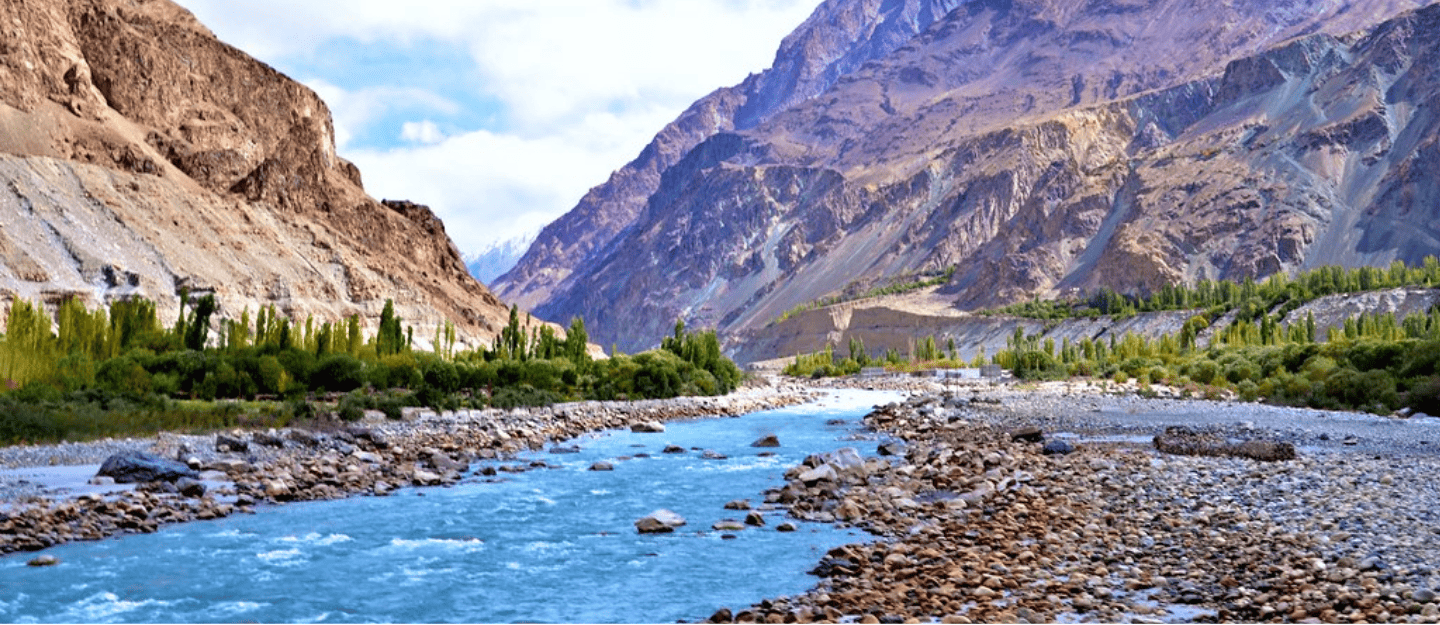
Turtuk is one of the last villages just before the Line of Control and was opened up for tourists in 2010. It lies in Nubra Valley in Ladakh, as a part of the Balti region, which has a culture apart from Ladakh. It has stone houses, narrow lanes, and a warm-hearted people, so Turtuk can be said as a fusion of Central Asia and India. Life here flows along the banks of the Shyok River, surrounded by rugged cliffs, green fields, and apricot trees. This is where history, geography, and culture converge: once a part of Pakistan, now one of India's best-kept secrets.
What to Do in Turtuk
Take a Walk in the Village: Turtuk's charm lies in its smallness. Drift through cobbled lanes and walk past traditional Balti houses of stone and wood while interacting with the locals. The wooden bridges and old mosques narrate the story of a glorious past that shouldn't be missed out on.
Visit Turtuk Museum: The museum located in a royal Balti home exhibits relics, maps, traditional costumes, and tools. The curator, by descent from the Yabgo dynasty, shares the tales of the heritage of the land in fascinating fashion.
Get a Glimpse of the Apricot Orchards: The apricot trees blossom in spring and early summer with a magical aura. Taste fresh and dried apricots and buy jams and oil from villagers.
Trek to Turtuk Waterfall: A picturesque short trek through farms and hills takes you to soothe your eyes in the waterfall. Breathe peace or have a lovely picnic.
Take a short walk to Phartuk and Youl Village: Connected by the trail or a short drive, the neighboring hamlets represent more of Balti life, ancient chortens, and grand views of the Karakoram.
Spend some time with the locals: The Balti people are perhaps one of the warmest. Share butter tea, learn about customs, or partake in a local dance; memories made through these will last forever.
A First Timer’s 7-Day Travel Guide
Day 1: Arrival in Leh and REST for acclimatization
Day 2: Monasteries and local culture are explored in Leh
Day 3: Drive to Nubra Valley via Khardung La and stay overnight at Hunder or Diskit
Day 4: Go to Turtuk and explore the village lanes before relaxing
Day 5: Visit Turtuk Museum and the waterfall nearby
Day 6: Explore Phartuk/Youl and come back to Hunder
Day 7: Return to Leh with scenic stoppages.
Best Time To Visit Turtuk
Spring (April – June): Marvellous for the Apricot blossoms. The days are mild and pleasant compared to the perfect cloudless skies of cold winter, with flowering beauty on a trip to any road-turning.
Summer (July – August): The most convenient time of the year for travelers. Very good for sightseeing and hiking. Neither is the day too hot nor is the night so brazenly cool, allowing the entire roadways to open up.
Autumn (September – October): Give the feeling of brown kneeling down amid less busy grey, as the hazy air has a freshness to it now; the harvests will be upon us. The spots still preserved lie shrouded with optimum tranquillity on the house of organics.
Winter-November through March: Extreme cold coupled with road blockage due to snow means the danger mounts in life; it's still a remote option for the most ambitious posing threat with preparation.
Important Things to Note Before Visiting
Permits are required: Located at a border, Turtuk requires an Inner Line Permit for Indian nationals. Not nationalized yet foreigners cannot visit Turtuk currently.
Connectivity: Only BSNL saddles up. Mobile and internet connectivity is limited.
Only cash: No ATM or card facility. Carry enough cash from Leh.
Acclimatization: Turtuk however is lower in altitude than Leh, acclimating here is necessary for avoiding altitude sickness along the route.
Where to Stay in Turtuk
Holiday Resort in Turtuk: This family-based resort is enveloped in apricot orchards offering very comfortable rooms with traditional wooden architecture. Providing for travelers in pure just comfort nich seeking peace and serenity.
Turtuk Homestays: Simply yet comfortably hosting local is what an Eshan homestay and Mohd Ibrahim guest house is all about. Food is homemade, but the hosts make one feel like part of a family.
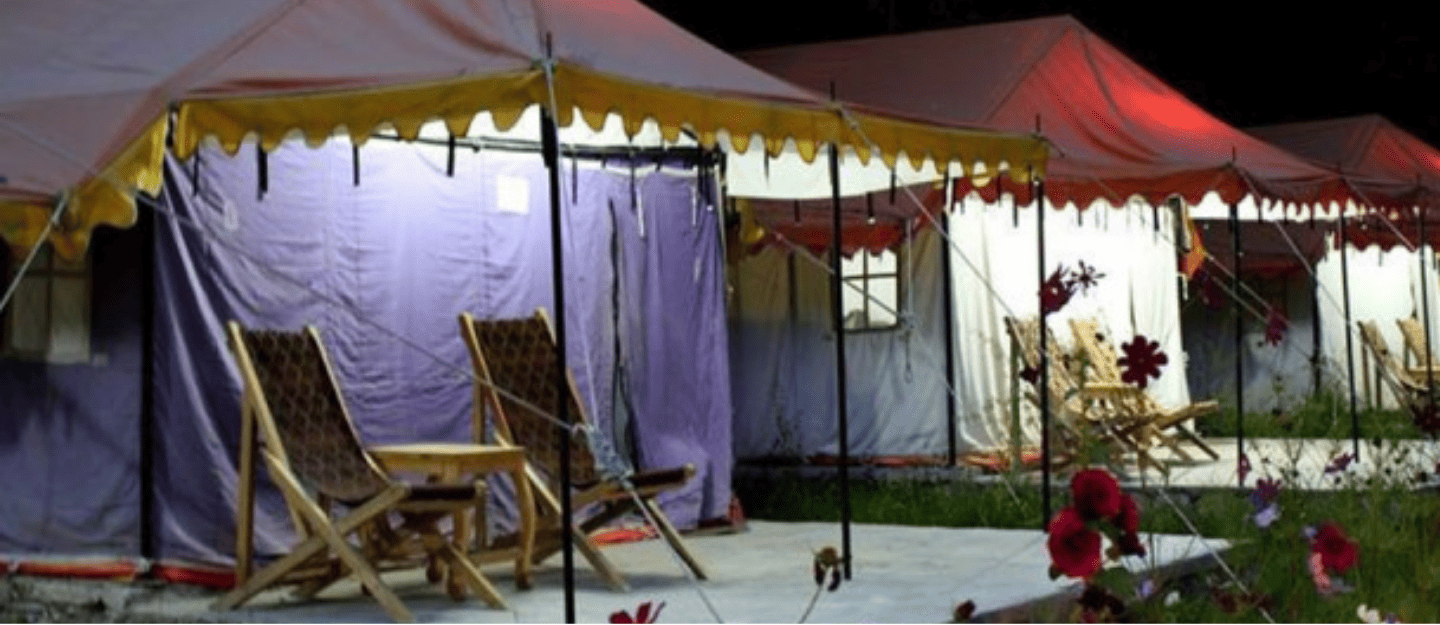
Yourdum Guest House: Near the mountainside, you have this guest house with a rustic charm, home-cooked Balti dishes, and excellent views of the Shyok River valley.
Shree Greenland Homestay: Clean rooms coupled with hospitable hosts and organic foods grown in their garden has always made it up for any traveler. This is the perfect retreat for those trying to disconnect from the urban area while rejuvenating energy.
Where to Eat in Turtuk
Consult the Balti kitchen, which offers traditional dishes: Skyu (pasta made of wheat flour); Paba with Tsamik (roasted barley with buttermilk); and apricot-based desserts to fight your culminating buying needs. Definitely a treat for the food-loving culture.
Home-cooked meals in Homestays: Most homestays really have local groceries used in meals--common fare might be apricot jam, buckwheat roti, or yak milk tea. Book ahead if you prefer vegetarian dishes or have some dietary restrictions.
The Apricot Cafe is essentially an eatery managed by locals, and anyone demanding good, healthful homemade apricot juice, herbal teas, and light snacks, such as momos and Thukpa, can just visit it easily.
Turtuk Organic Kitchen: It serves interesting meals such as soup, lentils, and vegetables, which are all seasonal. Their salad of walnuts and apricots brings the magic touch at times.
Where to Shop in Turtuk
Apricot Products: From fresh to sundried apricots, jams, and cold-pressed oils—these make tasty souvenirs. Available at homestays or small cooperatives in the village.
Handmade Woolens: Look for hand-knit woolen socks, gloves, and caps knitted by Balti women. The woolens not only support the local livelihood but are also warm and durable.
Traditional Jewelry: Some families would sell rare and beautiful handmade Balti-style jewelry made of silver or brass. These handcrafted pieces are unique and hold cultural significance.
Organic Herbs and Teas: Most of the villagers grow their own herbs-chamomile, mint, and local medicinal plants. You can avail of these in small pouches as soothing tea blends.
FAQs
Is Turtuk visit safe?
Yes, it is safe if any Indian tourists visit. Because it has been strictly observed by the army, and locals are welcoming.
Can a foreigner go to Turtuk?
Turtuk is only accessible at present to Indian citizens on a permit because it is very close to the international borders.
How far is Turtuk from Leh?
It is around 205km away through Khardung La; by road, this takes about 7-8 hours.
Is there network coverage?
Limited. BSNL intermittently works, but expect digital detox.
Conclusion
Turtuk is as more of an emotion than a place, infused within the beauty of Himalayas, ancient history, and a very genuine spirit of hospitality. On this visit, you are away from the well-trod paths of Ladakh into a world that feels untouched by time. For those looking to slow down, connect with nature, and discover a fairy tale village, Turtuk is waiting.
Planning a trip to Turtuk?
Post your upcoming travel details and get personalized quotations from multiple verified travel agencies.
Fast response • Custom offers • Verified agents
Why travelers choose
TravellingLark?
Thoughtfully planned journeys, crafted for unforgettable experiences.
Built Around You
Personalized trips based on your style, interests and budget.
Handpicked Trips
Curated itineraries designed with love and local expertise.
Transparent Pricing
Clear package pricing with no hidden charges or surprises.
Personalized Planning
Every trip is tailored to your interests, pace and preferences.
Best Value Always
Get the best experiences at the best value for your money.
Global Destinations
Explore handpicked destinations across India and the world.
24/7 Trip Assistance
We're with you before, during and after your journey.
Built Around You
Personalized trips based on your style, interests and budget.
Handpicked Trips
Curated itineraries designed with love and local expertise.
Transparent Pricing
Clear package pricing with no hidden charges or surprises.
24/7 Trip Assistance
We're with you before, during and after your journey.
Personalized Planning
Every trip is tailored to your interests, pace and preferences.
Best Value Always
Get the best experiences at the best value for your money.
Global Destinations
Explore handpicked destinations across India and the world.
Hassle-Free Journey
Enjoy a smooth travel planning experience from start to finish.
Current Weather
Live Forecast
Explore Packages in Turtuk
Bigger Group? Get special offers up to 50% Off!
We create unforgettable adventures, customised for your group

Reviews not found
Post Review