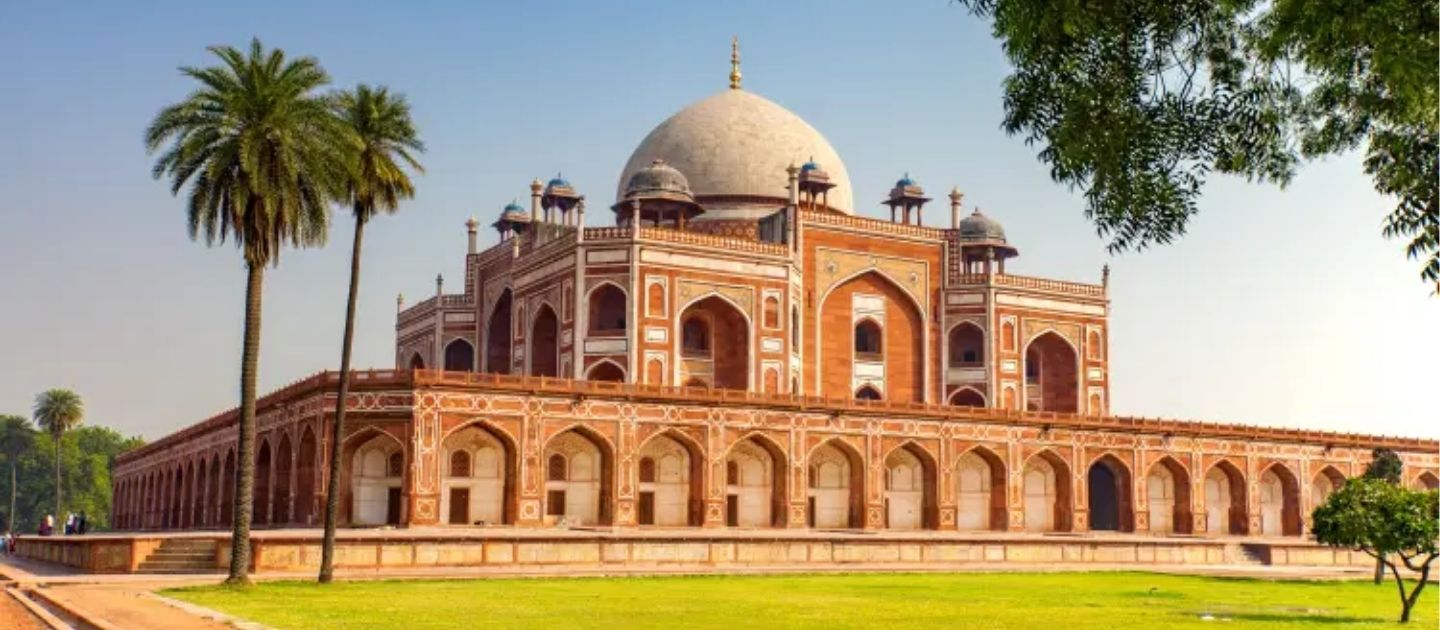
Humayun's Tomb
About Humayun's Tomb
Humayun’s Tomb: Gardens, Geometry, and Mughal Grace
Humayun’s Tomb is a classic and immortal representation of Mughal beauty in Delhi, combining Persian-like gardens, mirrored arrangement, and splendid red sandstone. Declared a UNESCO World Heritage Site, it not only signifies the commencement of the grand Mughal architecture dawn in India but also portrays the royal grace, artistry, and history.
Plan your next adventure easily with Travellinglark Post Travel — your smart travel companion!
Cultural and Historical Gems
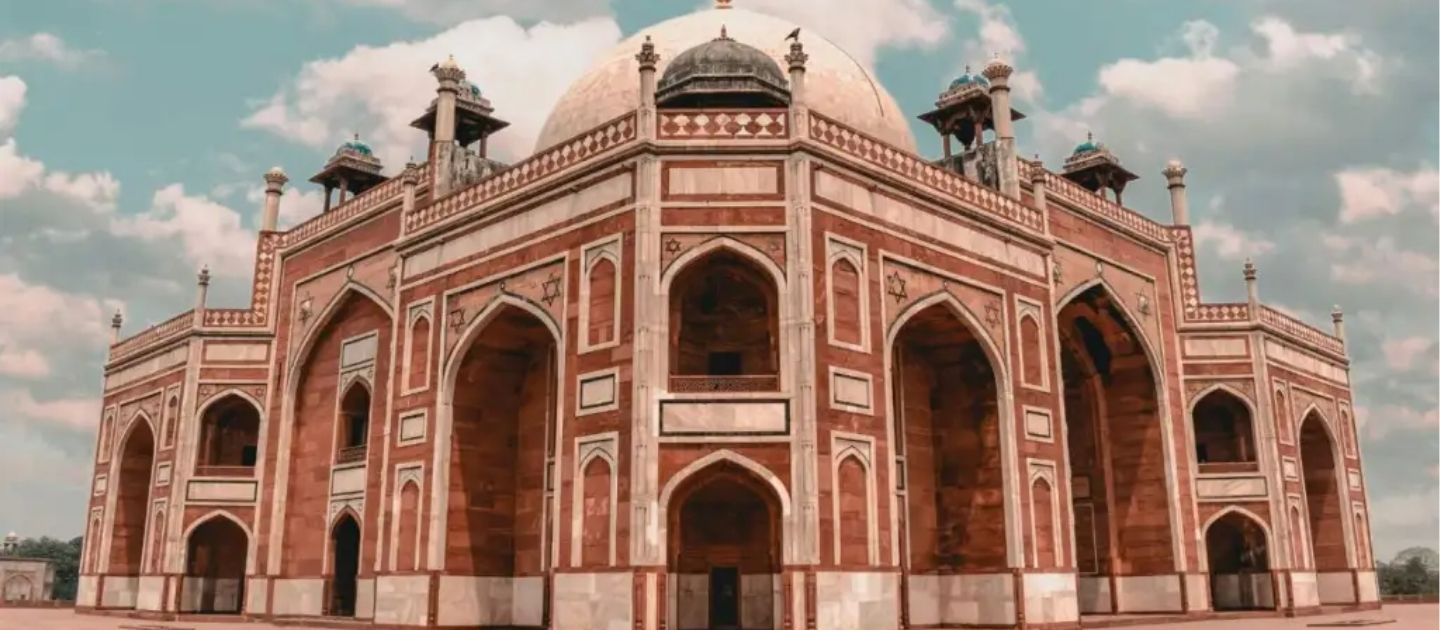
The 16th-century structure of Humayun’s Tomb, commissioned by Empress Bega Begum, is the first grand garden-tomb of the Indian subcontinent. It was built following Persian charbagh designs and, later, a new tomb style was created for the Mughal Emperor's grave. This tomb perfectly captured the Mughal notions of the heavenly paradise, where water channels, geometric patterns, and raised beds intermingled. It was not merely a burial site; it was the harmony of the three styles—Persian, Central Asian, and Indian. The monument has gone through a lot over the centuries, such as Delhi’s shifting rulers, attempts at colonial conservation, and modernization of restorations, but still stands as a living witness to the tremendous diversity of the Indian cultural heritage.
Top Attractions
1. Humayun’s Main Tomb
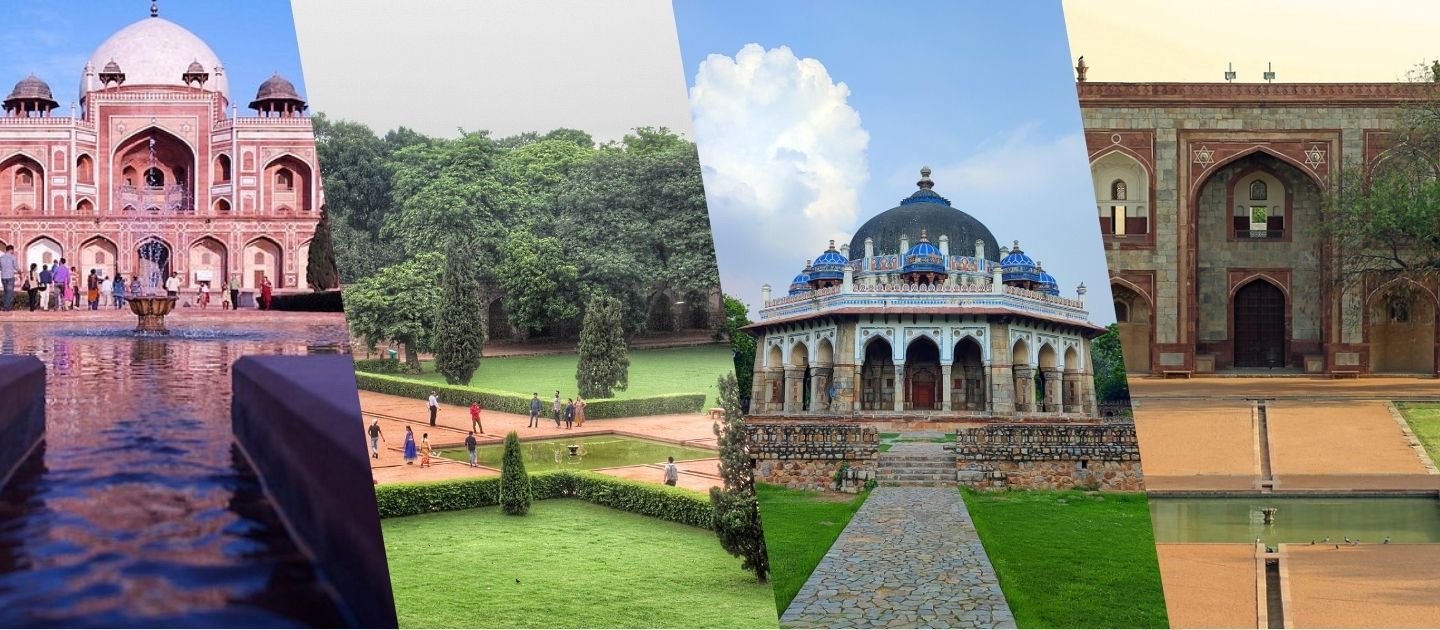
The main part of the tomb is the main mausoleum, that is the heart of the place, and the patroness of this tomb rises in a majestic manner on a high platform. The tomb is made of red sandstone with big white marble decorations and holds a huge double dome that is the main eye-catcher of the sky. The whole structure is well symmetrical with Mughal, the emperors’ and the materials used at the time, architects’ and kings’ philosophies of the universe, and the world being in perfect order and harmony. The main grave is that of Emperor Humayun and is accompanied by the occasional graves of the Mughal royals. The curtains of light and shadows that the interior plays create an even more peaceful atmosphere and contribute to the monument's duality of being a historical site and a silent spiritual retreat at the same time.
2. Charbagh Gardens
The garden's area, where the tomb is situated, is made following the traditional charbagh pattern of the Persian style, comprising four equal parts divided by water channels. Thus, these gardens represent the Islamic conception of heaven on earth. The combination of green grasses, blooming flowers, and running water provides a serene and meditative atmosphere. The visitors who walk around the gardens are given the opportunity to see the precision of the geometry and the beauty of the landscaping that is in support of the monument. Besides, the gardens not only beautify the view but also express the advanced Mughal knowledge in hydraulics, planning, and environmental design.
3. Isa Khan’s Tomb
Nestled within the cemetery is the tomb of Isa Khan which dates back to the period before Humayun’s Tomb and is that of an Afghan noble in the Sur dynasty. Its form is octagonal, its decoration splendid, and its garden an oasis of tranquillity around the tomb. This edifice subtly reveals the stylistic change of Mughal architecture and the contrast with the great Mughal period's later, dominant style. Its silence and workmanship are magical for history seekers who wish to uncover the less famous, yet still artistic, monuments of the complex.
4. Bu Halima’s Garden and Tomb
The garden of Bu Halima and its tomb signal the magnificent entrance to the tomb complex of Humayun. Not much is known about Bu Halima, but the garden and the gateway give an indication of the splendor to come. As the visitors traverse through the open areas, stony paths, and the walls that have been up-kept, they get a quiet Mughal garden experience. This zone shows the gradual Aesthetic transition from the outside decaying world to the inside sacred and harmonious space of royal remembrance which is the center of Mughal architecture.
Top Local Dishes to Try

- Butter Chicken: A popular dish in Delhi characterized by its rich tomato gravy and dainty chicken.
- Kebabs: Succulent seekh and galouti kebabs that are a testament to the Mughal era's culinary mastery.
- Biryani: Spiced steamed rice mixed with meat and saffron and then layered again to create such a wonderful aroma.
- Chole Bhature: Hot chickpeas in spicy curry served with light and fluffy fried bread.
- Parathas: The old Delhi area is famous for its stuffed flatbreads.
- Nihari: Stew of meat cooked slowly and usually served for breakfast.
- Kulfi: A rich and tasty ice-cream-like sweet with cardamom and pistachio flavors.
The Best Restaurants & Hotels
- Indian Accent: Indian cuisine today is still inspired by the past but with new flavors coming in.
- Karim’s: It is a Mughlai food legend with its recipes that are authentically Indian.
- The Oberoi, New Delhi: to be in a luxury hotel with top amenities and next to the monument at the same time is like a dream.
- Eros Hotel Nehru Place: An upscale hotel that is very comfortable and well connected.
Ultimate Shopping Destinations
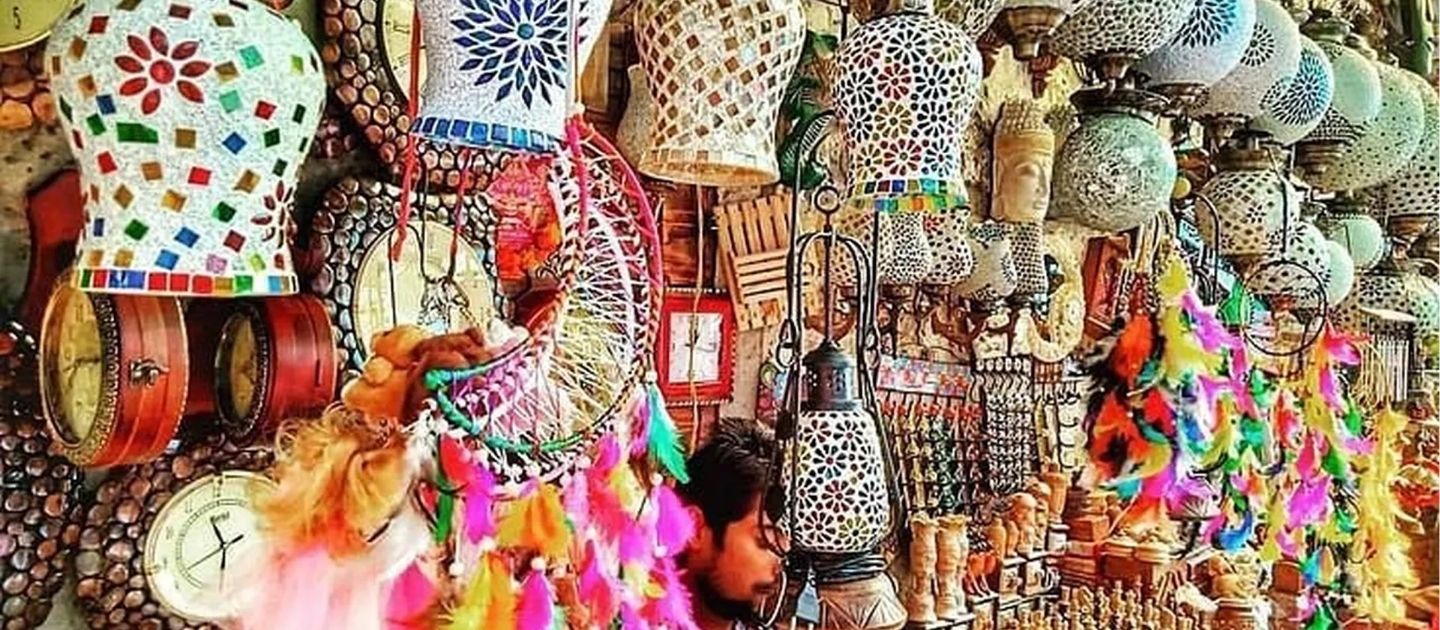
- Dilli Haat: Indian crafts, textiles, and regional food from different parts of the country.
- Lajpat Nagar Market: A wide variety of clothing, accessories, and street shopping at reasonable prices.
- Khan Market: Top-notch boutiques, books, and coffee shops.
- Connaught Place: Designer outlets and native shops.
- INA Market: It has gained popularity for its assortment of spices, snacks, and imported products.
Night/Day Life what’s best?
Humayun’s Tomb during the day is a calm and culturally rich place where people walk, photography lovers come to take pictures of the perfect symmetry, and there are guided tours explaining the history of the place. The museums and heritage walks nearby add to your experience but do not take up much of your time. As the night gets closer, Delhi’s nightlife is already present in the areas around like Khan Market and Connaught Place. There is a range of relaxing entertainment from cafes and rooftop restaurants to cultural performances. The tomb is closed at sunset, but when the sky is lit at night, the tomb’s glowing silhouette creates a fantastic memory, which is a perfect combination of the serene heritage exploration and the urban energy.
How To Reach
- By Train: The Hazrat Nizamuddin railway station, which is the closest major one, is literally a few kilometers away.
- By Air: Indira Gandhi International Airport lies around 15 km from the site of the monument.
- By Bus: DTC buses serve the area very well, and the closest bus stops are located on Mathura Road.
The Best Time to Visit
The most opportune moment to pay a visit to Humayun’s Tomb is between October and March when the weather in Delhi is very pleasant. The average temperature during these months is comfortable, thus, allowing people to visit the gardens and see the architectural details without suffering from heat fatigue. Early mornings and late afternoons are particularly rewarding times as they come with gentle sunlight and fewer people. It can be very hot in summers while the monsoon makes it humid but the garden looks green and beautiful. Fog may be there in winter mornings but this contributes to the monument’s tranquil ambiance as a mystical charm is created.
Conclusion
Humayun's Tomb is not just a historical monument; it is an artistic, architectural, and natural harmony. Besides its gardens, symmetry, and cultural depth, it also showcases the beauty of the Mughal civilization and its enduring influence on Indian others. The area, full of architectural wonders, local food, and markets together with city life, offers a complete travel experience. Whatever category you may fall into -be it a history buff, a photographer, or an occasional traveler- Humayun’s Tomb will still be able to give you its charm, cultural knowledge, and a convenient escape from the bustling city of Delhi.
About Us
Trip planning could seem to be cumbersome but TravellingLark makes it easy by linking travelers with professional travel agencies that provide customized travel proposals. Instead of spending hours searching for the most appropriate vacation package, travelers can post their trip details and receive several personalized offers.
TravellingLark is not only a destination for travelers but the most powerful network for travel agencies, hotels, and travel vendors. Travel agencies can sign up for free listing of their offerings and display packages for holiday tours, hotels, and travel experiences. Travel is a business but no commission hefty charged like other platforms; we give businesses free travel leads to achieving their patronage.
Whether you are a travel agency searching for clients, a hotel requiring more bookings, or a travel vendor offering services, TravellingLark has just opened direct access to tourists searching for these offerings.
- Hassle-Free Trip Planning: Every traveler gets a tailor-made travel offer, with other requirements left to him/her.
- Join for Everyone: Signing up is completely free for all users and businesses. While basic access stays free, vendors now have the option to purchase premium leads to connect with more potential customers and grow their sales.
Join TravellingLark now and make a smarter future in planning, booking, and growing in the travel industry!
Planning a trip to Humayun's Tomb?
Post your upcoming travel details and get personalized quotations from multiple verified travel agencies.
Fast response • Custom offers • Verified agents
Current Weather
Live Forecast
Planning a trip to Humayun's Tomb?
Post your upcoming travel details and get personalized quotations from multiple verified travel agencies.
Fast response • Custom offers • Verified agents
Bigger Group? Get Special Offers Up to 50% Off!
Planning a trip for friends, family, or corporate teams to Humayun's Tomb? We create unforgettable customised adventures with exclusive group pricing!
Current Weather
Live Forecast
Why travelers choose
TravellingLark?
Thoughtfully planned journeys, crafted for unforgettable experiences.
Built Around You
Personalized trips based on your style, interests and budget.
Handpicked Trips
Curated itineraries designed with love and local expertise.
Transparent Pricing
Clear package pricing with no hidden charges or surprises.
Personalized Planning
Every trip is tailored to your interests, pace and preferences.
Best Value Always
Get the best experiences at the best value for your money.
Global Destinations
Explore handpicked destinations across India and the world.
24/7 Trip Assistance
We're with you before, during and after your journey.
Built Around You
Personalized trips based on your style, interests and budget.
Handpicked Trips
Curated itineraries designed with love and local expertise.
Transparent Pricing
Clear package pricing with no hidden charges or surprises.
24/7 Trip Assistance
We're with you before, during and after your journey.
Personalized Planning
Every trip is tailored to your interests, pace and preferences.
Best Value Always
Get the best experiences at the best value for your money.
Global Destinations
Explore handpicked destinations across India and the world.
Hassle-Free Journey
Enjoy a smooth travel planning experience from start to finish.
Traveler Reviews for Humayun's TombReviews for Humayun's Tomb
Verified ratings and genuine travel experiences from our community
No Reviews Yet
Have you explored Humayun's Tomb? Share your experience to help fellow travelers plan their trip!