Dudhwa National Park
About Dudhwa National Park
Dudhwa National Park: Grasslands, Tigers, and Terai Wilderness
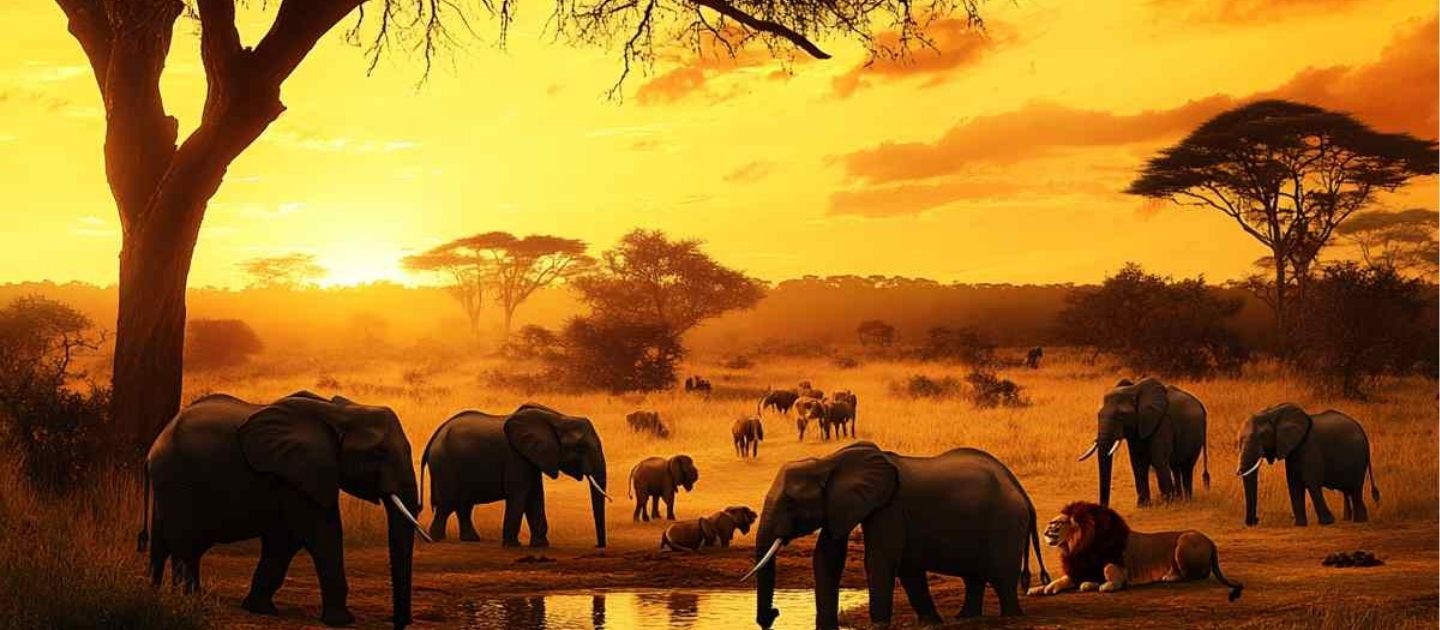
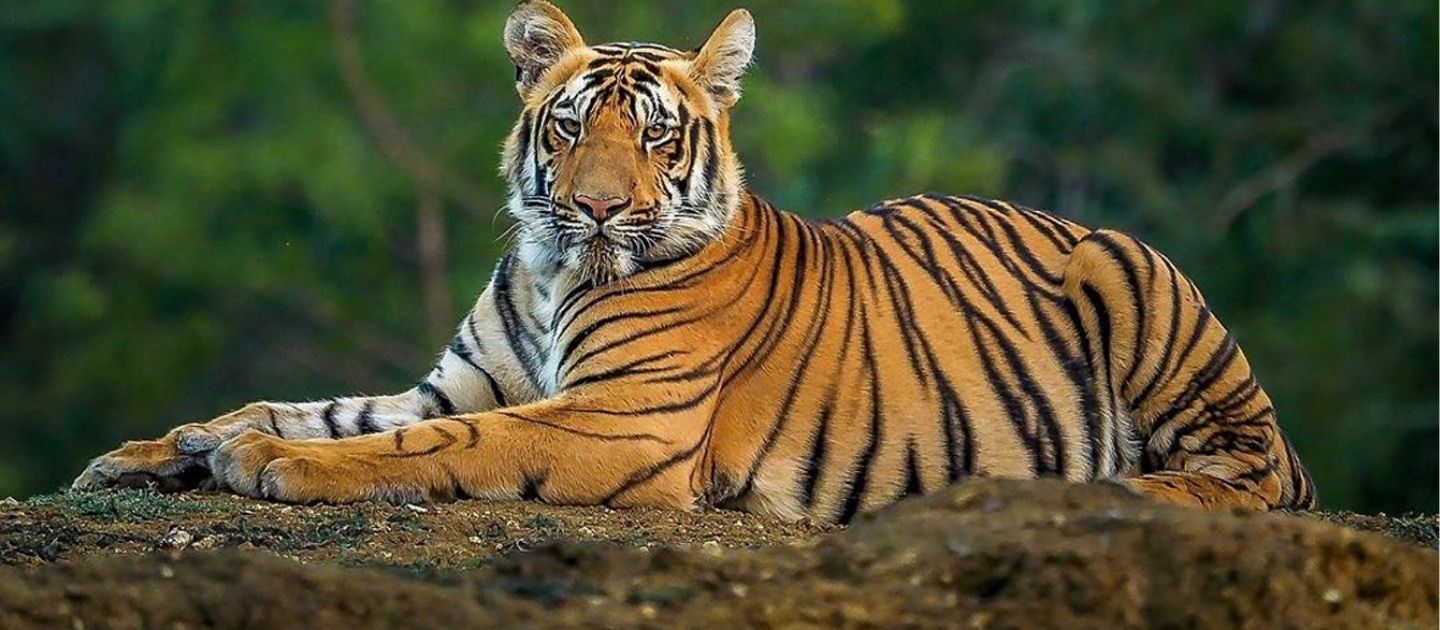
Located along the Indo-Nepal border, Dudhwa National Park is an untouched Terai wilderness famous for its tall grasslands, sal forests, and rare animals. The park is home to the magnificent tigers and the swamp deer which make up only a very small part of the tigers and deer respectively in the whole jungle.
Plan your next adventure easily with Travellinglark Post Travel — your smart travel companion!
Cultural and Historical Gems
Dudhwa’s cultural landscape is deeply connected to the Terai region and its forest-dependent population. The tribes of Tharu, the indigenous people of this region, have always lived in harmony with nature, making it so that their folk dances, exotic cuisines, and many other things have continued to flourish. Their mud houses, colorful festivals, and profound knowledge of the nature around them are all characteristics of a sustainable lifestyle. The conservation story of the area also got a boost through the leadership of Billy Arjan Singh, as his efforts helped make Dudhwa a national park in 1977. The nearby villages, the old forest rest houses, and the colonial-era buildings conspire to tell the tales of conservation battles, wildlife protection, and even the coexistence of man and nature.
Top Attractions
1. Dudhwa National Park Core Area
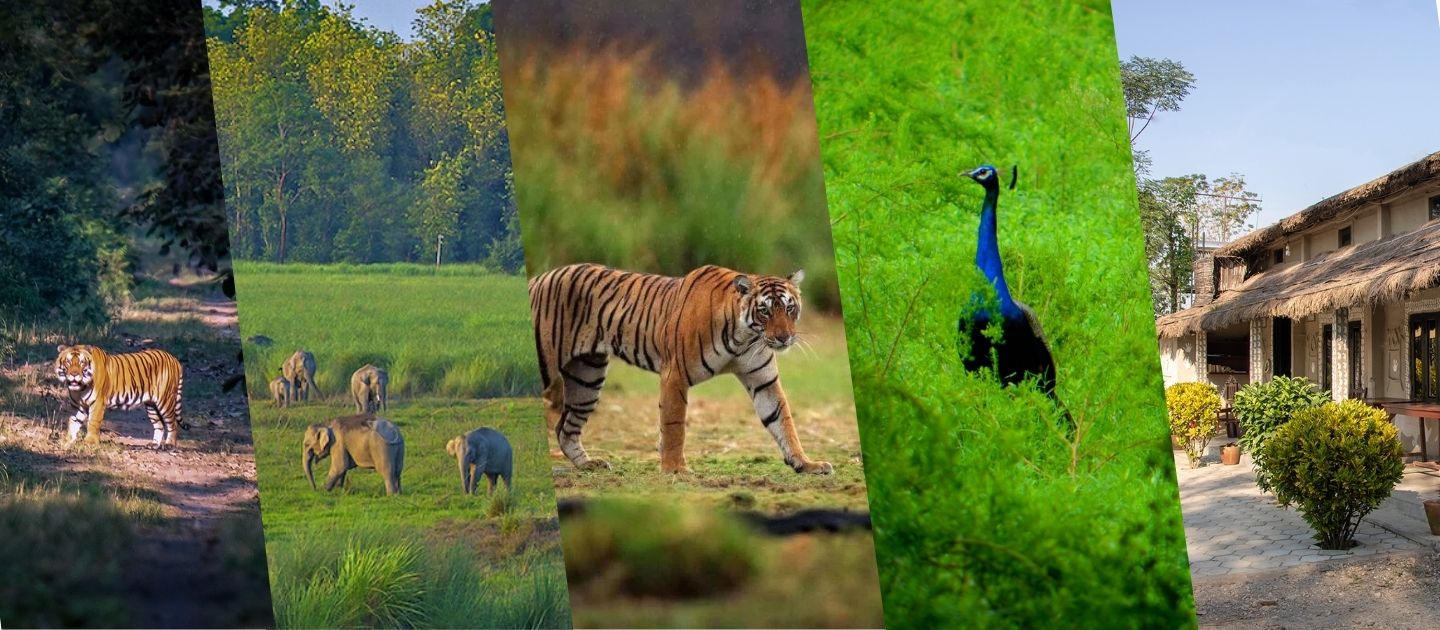
The center of the reserve, the core area of Dudhwa National Park, is a mixture of sal forests, wetlands, and open grasslands. The area teems with Bengal tigers, leopards, sloth bears, and more than 450 species of birds. Jeep safaris in the early morning mist give chances to see the deer herds peacefully grazing while alarms are going off in different parts of the jungle. Park visitors do not feel the presence of other tourists because, unlike other parks, Dudhwa imparts a calm ambiance that makes you feel deeply united with nature. The raw, untouched wilderness adds to the thrill and unpredictability of each safari adventure.
2. Kishanpur Wildlife Sanctuary
Kishanpur Wildlife Sanctuary, which forms part of the Dudhwa Tiger Reserve, is a well-known place for its picturesque grasslands and wetlands. It is a very important from the aspect of conserving swamp deer and migratory birds. The sanctuary is a quiet place and the perfect spot for birdwatchers and photographers who are looking for seclusion. Water bodies during the winter season attract thousands of migratory birds, thus, turning the area into a natural canvas full of vibrant colors. The open area of Kishanpur enhances the visibility of wildlife, which makes it a very rewarding experience for those who are interested in the ecological diversity of the area and not just the big cats.
3. Katarniaghat Wildlife Sanctuary
Katarniaghat is located on the banks of the Ghagra River, which is why it has an amazing riverine ecosystem. The thick forests, oxbow lakes, and banks of the river are home to gharials, crocodiles, dolphins, and some rare species of turtles. The boat safaris are the main attraction here as they provide the visitors with a different experience compared to the traditional jungle drives. The place also has a large population of birds and medicinal plants. The combination of water and forest ecosystems at Katarniaghat makes it one of the most ecologically diverse areas in Dudhwa Tiger Reserve.
4. Sonaripur Bird Sanctuary
Sonaripur Bird Sanctuary is a nature lover's secret garden. It is a seasonal paradise for resident and migratory birds, as it is surrounded by wetland and grassland areas. Early morns show the flocks of storks, herons, egrets, and waterfowl taking their food in shallow waters. The tranquil atmosphere is just right for a very slow way of discovery, photography, and quiet watching. Sonaripur is the highlight of lesser-known biodiversity of Dudhwa and is perfect for those travelers who are looking for calm, offbeat natural attractions.
5. Tharu Villages
Getting to the nearest Tharu villages indeed offers a glimpse into the living culture of the area. The local people can be met by tourists, and the traditional methods of farming can be taught and displayed besides offering home-cooked meals and witnessing folk dances. The Tharu people's forest-tied lifestyle is characterized by sustainability. Thus, coming to these villages strengthens the cultural bond with wildlife tourism and allows the understanding of how humans and nature lived together in the Terai region for centuries.
Top Local Dishes to Try

- Bhaat with Saag: Plain rice served with seasonal forest greens, highlighting local sustainability.
- Machhli Curry: Fish from freshwater prepared with mustard and indigenous spices.
- Chilka Roti: Hand-made rice-flour thick chapatis, preferred in the Tharu community.
- Dal Pithi: Wheat dumplings boiled and lentils flavored with spice, scrumptious and filling.
- Thekua: Usually, a delicacy made of wheat flour, jaggery, and ghee.
The Best Restaurants & Hotels
- Forest Rest House Canteen: Simple homely and non-complex meal right next to nature.
- Local Dhaba at Palia Kalan: North Indian and regional Tharu flavors together, really taste authentic.
- Dudhwa Jungle Lodge: A good place to stay with an experience adding up to the focus on wildlife.
- Tharu Awas Eco Resort: A traditional resort providing the rare experience of witnessing local culture and hospitality.
Ultimate Shopping Destinations
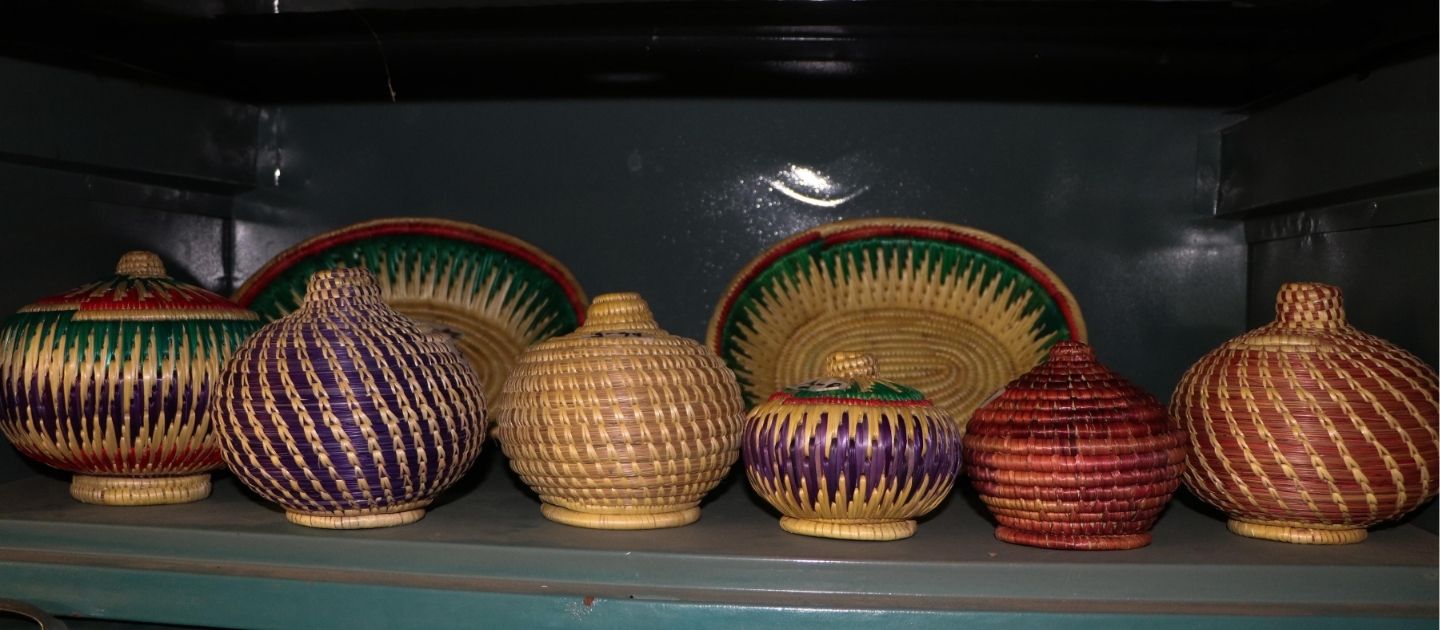
- Tharu Handicraft Markets: Bamboo artifacts, tribal ornaments, and crafters' dreams.
- Local Village Haats: Pure honey, herbal forest plants, and artisanal tools.
- Palia Kalan Market: Local nibbles, spices, and ethnic garments.
- Forest Produce Stalls: Earth's oils, seeds, and mobile trees for the planet.
Night/Day Life what’s best?
Dudhwa’s day is organized around safaris, birdwatching, and walking tours through the forests, all done under the guidance of experienced personnel. Early days are shrouded in mist and full of energy, while late mornings and afternoons are quiet and contemplative. The nights are totally quiet and only slightly disturbed by the sounds of insects and far-off animals. Instead of the usual nightlife, there are campfires, story-telling, and stargazing. This slow pace helps the tourists to cut-off from the noisy cities and come back to nature. Dudhwa’s allure does not lie in the lively entertainment but rather the peaceful and deep connecting with the wildness of nature experience.
How To Reach
- By Train: The closest railway stations are Palia Kalan and Lakhimpur Kheri, which are connected to major cities in Uttar Pradesh.
- By Air: The closest airport is Lucknow, which is about 230 km away; from there, a road trip can be taken.
- By Bus: Buses frequently ply between Palia Kalan and Dudhwa, and from there bus services are available to and from Lucknow, Bareilly, and surrounding areas.
The Best Time to Visit
The best months to visit Dudhwa are from November to April. The weather during this time is nice, and the animals are more numerous, so it’s a good time for birdwatching because many more migratory birds arrive. Sometimes, visitors have to deal with foggy winter mornings, which can be a very magical experience during safaris. On the other hand, summers provide better opportunities to see animals in the vicinity of water bodies, but they may also be hot. The park is not accessible during the monsoon season because of heavy rains and animals' mating cycles. Planning within the open season guarantees safe travels and the most enriching wildlife experiences.
Conclusion
Dudhwa is an exceptional place where nature is still in its wild state, silence envelops it, and the visitor is completely immersed. The park's landscapes of grasslands, rivers, and forests along with its cultural aspects provide the visitor with an experience that is far removed from the commercialized forms of tourism. Whether going for tiger sightings, watching birds, or experiencing the Tharu people’s life-style, each moment is truly genuine. Dudhwa is there to give rewards to its visitors' patience, curiosity, and respect for nature. Dudhwa is one of India’s least known but at the same time most unforgettable national parks for the travelers who are looking for undisturbed wilderness, meaningful meetups, and quiet exploration.
About Us
Trip planning could seem to be cumbersome but TravellingLark makes it easy by linking travelers with professional travel agencies that provide customized travel proposals. Instead of spending hours searching for the most appropriate vacation package, travelers can post their trip details and receive several personalized offers.
TravellingLark is not only a destination for travelers but the most powerful network for travel agencies, hotels, and travel vendors. Travel agencies can sign up for free listing of their offerings and display packages for holiday tours, hotels, and travel experiences. Travel is a business but no commission hefty charged like other platforms; we give businesses free travel leads to achieving their patronage.
Whether you are a travel agency searching for clients, a hotel requiring more bookings, or a travel vendor offering services, TravellingLark has just opened direct access to tourists searching for these offerings.
- Hassle-Free Trip Planning: Every traveler gets a tailor-made travel offer, with other requirements left to him/her.
- Join for Everyone: Signing up is completely free for all users and businesses. While basic access stays free, vendors now have the option to purchase premium leads to connect with more potential customers and grow their sales.
Join TravellingLark now and make a smarter future in planning, booking, and growing in the travel industry!
Planning a trip to Dudhwa National Park?
Post your upcoming travel details and get personalized quotations from multiple verified travel agencies.
Fast response • Custom offers • Verified agents
Current Weather
Live Forecast
Planning a trip to Dudhwa National Park?
Post your upcoming travel details and get personalized quotations from multiple verified travel agencies.
Fast response • Custom offers • Verified agents
Bigger Group? Get Special Offers Up to 50% Off!
Planning a trip for friends, family, or corporate teams to Dudhwa National Park? We create unforgettable customised adventures with exclusive group pricing!
Current Weather
Live Forecast
Why travelers choose
TravellingLark?
Thoughtfully planned journeys, crafted for unforgettable experiences.
Built Around You
Personalized trips based on your style, interests and budget.
Handpicked Trips
Curated itineraries designed with love and local expertise.
Transparent Pricing
Clear package pricing with no hidden charges or surprises.
Personalized Planning
Every trip is tailored to your interests, pace and preferences.
Best Value Always
Get the best experiences at the best value for your money.
Global Destinations
Explore handpicked destinations across India and the world.
24/7 Trip Assistance
We're with you before, during and after your journey.
Built Around You
Personalized trips based on your style, interests and budget.
Handpicked Trips
Curated itineraries designed with love and local expertise.
Transparent Pricing
Clear package pricing with no hidden charges or surprises.
24/7 Trip Assistance
We're with you before, during and after your journey.
Personalized Planning
Every trip is tailored to your interests, pace and preferences.
Best Value Always
Get the best experiences at the best value for your money.
Global Destinations
Explore handpicked destinations across India and the world.
Hassle-Free Journey
Enjoy a smooth travel planning experience from start to finish.
Traveler Reviews for Dudhwa National ParkReviews for Dudhwa National Park
Verified ratings and genuine travel experiences from our community
No Reviews Yet
Have you explored Dudhwa National Park? Share your experience to help fellow travelers plan their trip!