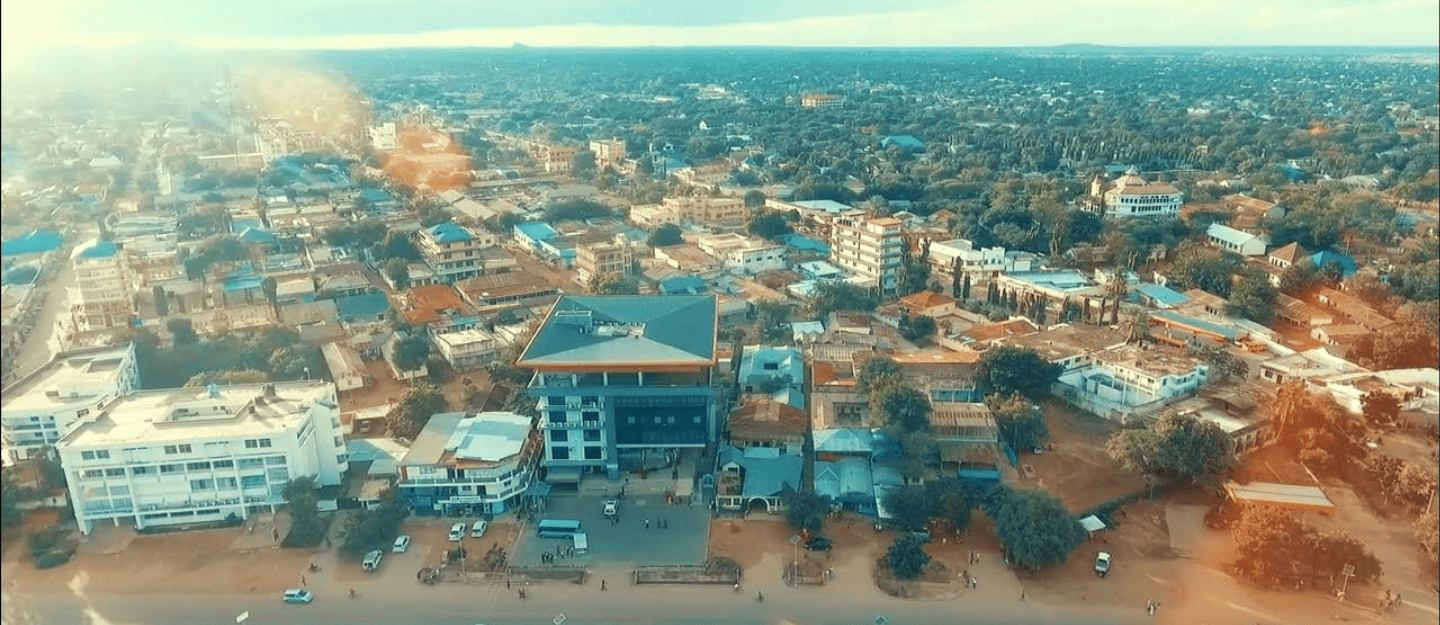
Shinyanga
About Shinyanga
Shinyanga: Mines, Markets, and Meaningful Journeys
In fact, there is an intertwining of the unvarnished truth and stories behind lives lived. Shinyanga, for instance, is a region for its diamond mines, bustling markets, and deeply-rooted culture. There is so more than it's first so. A place where traditions breathe, where communities come alive, where every street feels personal. Visit to discover- stay for the bigger moments.
Cultural and Historical Gems
Shinyanga is home to mining history in Tanzania, specifically the discovery of valuable minerals like diamonds. In addition to that, it is the cultural heart of the Sukuma people, the largest ethnic group in the country. Their traditional dances, music, and ancient customs are practiced in the local villages and cultural centers. In addition, there are signs of colonial influence through architecture and trade routes. Visit for better context at the Sukuma Museum in Mwanza or local elders in rural areas to listen to sessions of storytelling. Such experiences provide a look into a region that is maintaining its proud roots and community morals with development.
Top Attractions
Sukuma Cultural Museum: Although located in Mwanza, this museum comprehensively covers the traditions, dances, and artifacts of the Sukuma. As for the history, it is brought to life by traditional huts, musical instruments, and ceremonial tools. Perfect for travelers wanting to learn about the overall cultural heritage of the Shinyanga area. Guided tours and dance performances bring color and depth.
Williamson Diamond Mine Tour: One of Africa's oldest diamond mines, Williamson Mine offers guests a very unusual opportunity to understand the mining process and its contribution to Tanzania's economy. While there is a limited access to the whole section of the mine, one can at least be taken around some portions of the operation on an escorted visit, which makes for some intriguing insight into a key industry. Quite eye-opening and educative for both masters and complete novices in the fields of geology or business.
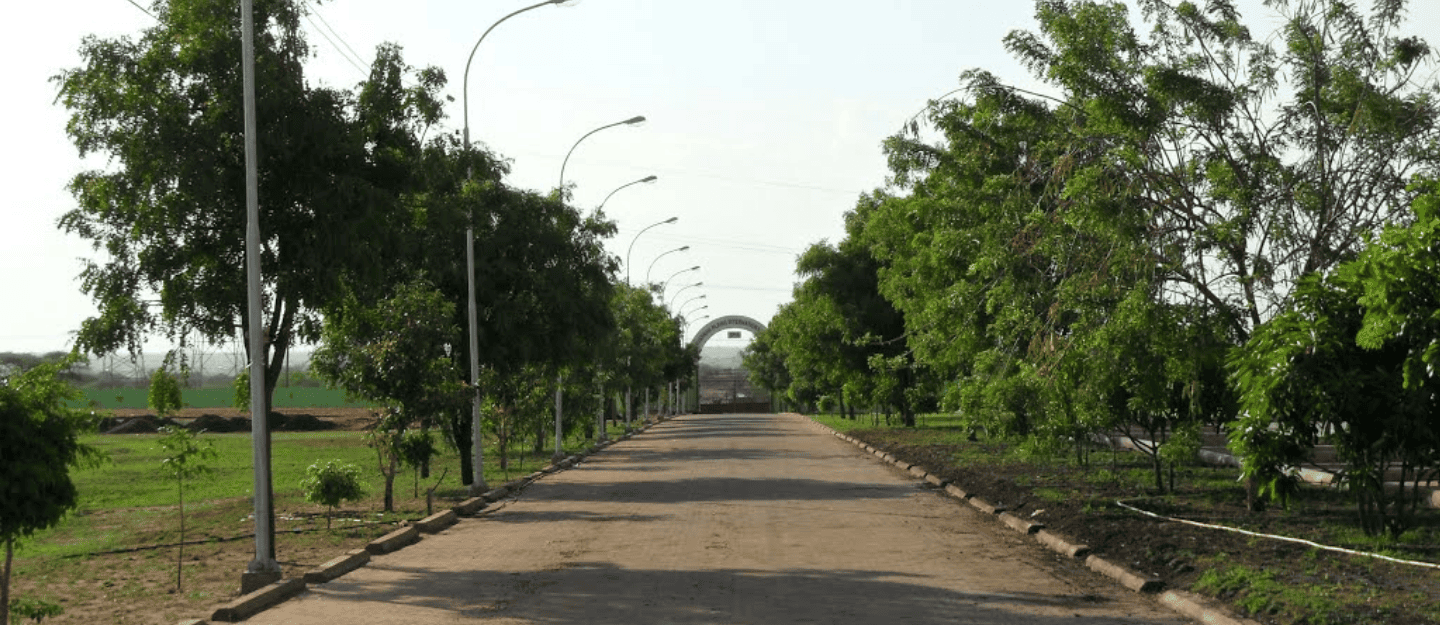
Shinyanga Central Market: This market breathes life into the people. It is blaring with sounds of fresh produce, bright fabrics, handmade tools, as well as other common goods. Shopping is not the only activity at this place; it also offers a taste of local life. One could watch traders bargaining, munch on street food, or simply walk around the different shops; absorbing the sounds and smells of the daily rhythm of Shinyanga.
Lake Kitangiri Wetlands:For nature lovers, the wetlands found around Lake Kitangiri can provide cool, quiet spaces from which to observe birds. With many small villages dotting the area, fishhorsing finds favorite spots here. Ideal site for slow travelling, taking pictures, or simply sitting quietly by the water. For dense flowering and masses of overhead migrant birds, come during the rains.
Top Local Dishes to Try
Nyama Choma: Popularized as a meat dish across East Africa, most notably Tanzania, Shinyanga boasts of this dish. Goat, beef, or chicken is marinated with simple spices, slow-grilled over open flames, and served with a spicy chili sauce and ugali. It is an appropriate meal for celebrations or roadside stops after a full day's exploring.
Ugali and Sukuma Wiki: Ugali is maize flour porridge and very filling porridge, mostly serving as the base for many delicious meals. It is best enjoyed with Sukuma Wiki—collard greens, sautéed with onions, tomatoes, and local spices in a non-picky manner. The combination is so comforting and nutritious, tastes so good, and is a typical representation of everyday Tanzanian home-cooked delicacies.
Supu ya Ndizi: A warm banana soup made from plantains, spices, and at times includes beef or goat. Savory, a bit sweet, and very filling. What a wonderful dish, which truly shows how creative the region is to cook with local ingredients.
Sengenge: A traditional porridge made from crushed millet or sorghum, Sengenge is consumed at breakfast or lunch. It is rich and heavy and is often complemented with either milk or meat stew.
The Best Restaurants & Hotels
Nyama Choma: Though best known as a Tanzanian dish, it has also been adopted throughout much of East Africa. Shinyanga is proud of this dish. Goat, beef, or chicken marinated in simple spices, then slow-cooked over an open flame, are traditionally served with spicy chili sauce and ugali. It is a celebration-worthy dish, but one equally refreshing on the roadside after a long day of exploring.
Ugali and Sukuma Wiki: Ugali, maize flour porridge, is very filling and often takes the backseat while other delicious meals claim the foreground. Best served with Sukuma Wiki: collard greens, sautéed onions, tomatoes, and local spices thrown in with a free spirit. This combo is extremely comforting and nutritious, damn tasty, and actually an apt representation of the daily Tanzanian home-cooked food.
Supu ya Ndizi: A warm soup made with plantains, spices, and, at times, beef or goat. It is savory yet slightly sweet and very filling. What a masterpiece, beautifully exemplifying the skill of the region in utilizing locally available ingredients.
Sengenge : Sengenge porridge is a heavy concoction made from crushed millet or sorghum traditionally consumed at breakfast or lunch. Sometimes served mixed with either milk or meat stew, it indeed finds its complement in both.
Ultimate Shopping Destinations
Shinyanga Central Market: The main market bustles with activity as locals shop for fresh produce, grain, spices, and household goods. A must-see for travelers yearning for the feel of the Tanzanian daily life, this place is also home to traditional fabrics, handmade crafts, and wooden tools.
Sabasaba Market: Colorfully clothe kitenge and khanga fabrics, Sabasaba is a must-visit for textile aficionados. Having tailors on-site makes it possible to commission a piece during one’s visit. Bargaining is half the fun here.
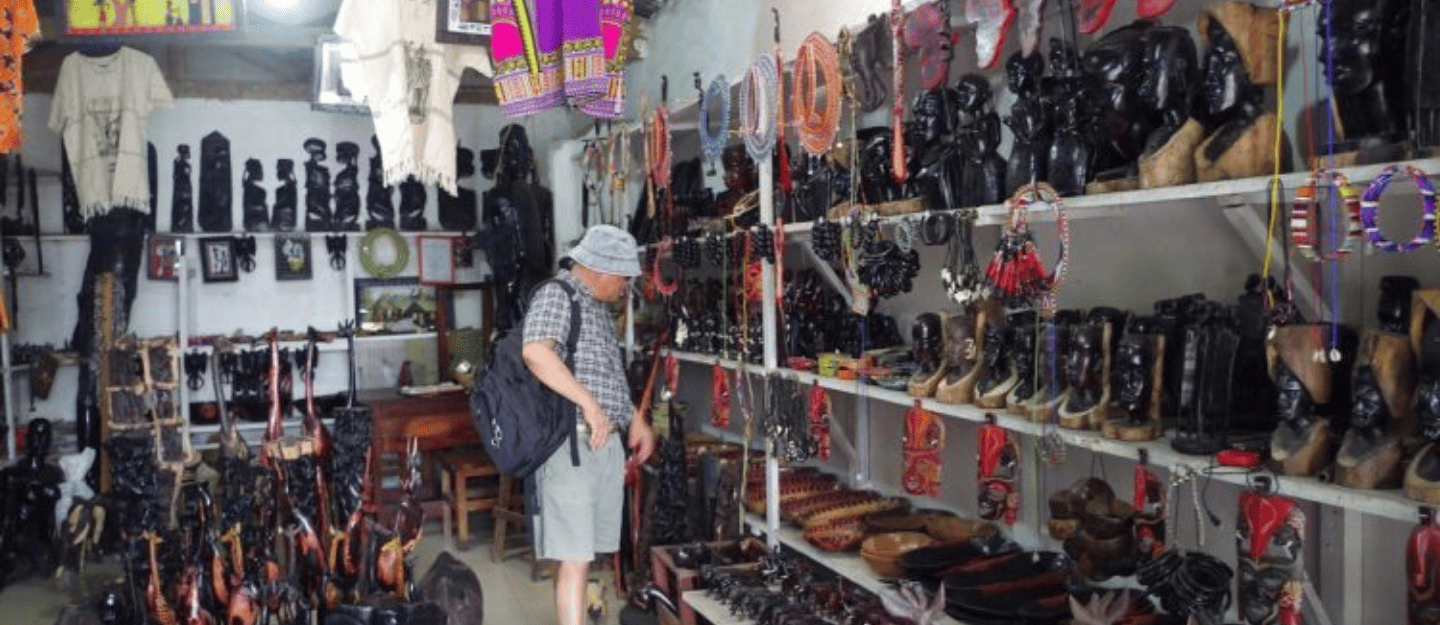
Local Craft Shops: In little shops and roadside stalls dispersed around town, handmade baskets, beaded ornaments, and wooden sculptures are sold. They could serve as nice souvenirs or gifts that support the artisans. Ask about the design meanings please.
Mobile Markets: Rare pop-up markets are set up by traders coming from nearby villages with honey, mats, and organic agricultural produce. These markets on tour offer rare local products discoveries in an open-air setting.
What Not to Do
Don’t Wear Revealing Clothing in Rural or Religious Areas: Tanzania has a very conservative approach towards life, especially in Muslim-majority islands like Zanzibar. One should definitely not put on things like shorts and tank tops or outwardly revealing clothes in public. Definitely wear modest clothing, especially while going into the markets, villages, or religious piers.
Don’t Disrespect Local Customs or Traditions: It is polite to ask for permission before shooting a picture of a person or a sacred place. Public displays of affection and yells can be construed to be disrespectful. Rather, "try if you can put a smile, try and appreciate and value the hospitality of the locals".
Don’t Walk Alone at Night in Cities; Generally, Tanzania is safe, however, do not walk alone in these town areas after dark - like Dar es Salaam or Arusha. Hire a taxi or use the ride-hailing apps and keep yourself alert always.
Don’t Forget to Bargain in Markets: Now, the fact that most items in the local market are negotiable should not give you the leeway to bombard and frighten the vendor with all the low figures you can muster or in an angry voice. Smile, converse a little—isn't that what bargaining is really about?
Don’t Feed or Touch Wild Animals:Try as much as possible to avoid approaching wild animals, be it in safari parks or in wildlife parks. Feeding them or trying to get close can be dangerous; it also protects you and the creatures from potential harm.
Don’t Ignore Health Precautions: Tanzania is predominantly tropical and has its risks, such as malaria and other waterborne diseases. Don't drink tap water; it's best to opt for bottled or purified water. Mosquito repellents should be applied and consulted with a travel doctor before traveling for vaccinations.
The Best Time to Visit
Dry Season (June to October): The best travel times are during the cooler months of the year. The roads are in good condition, and outdoor activities can be enjoyed like market visits and rural explorations. The skies are usually very clear and windy for sightseeing and photography.
New Growth (November to December): After the short rains, soon enough, the place becomes very green, as even the crops have brightened up the whole place. It is also the right time to enjoy cultural festivals and catch farmers' markets full of fresh harvests, although by then, the rains will still be a little sporadic.
Period of Harvesting (January to February): Many villages hold local gatherings according to their harvest seasons. You can witness traditional dances, taste fresh food, and engage with locals. This period offers a real cultural experience, with temperatures being a bit warmer but manageable.
Time to Avoid Long Rains (March and May): The maximum rain in these months prevents traveling. Some roads become muddy and hard to pass. While visiting the city, enjoy the indoor culture attractions.
Thrilling Outdoor Activities
Explore the Williamson Diamond Mine: Take a guided tour of the historic Mwadui diamond mine and learn about the mining process while visiting the museum and hearing about Shinyanga's glittering past. Although access is limited, approved tours grant visitors a rare glimpse into the industrial heart of this area.
Bike Through Rural Trails: Enjoy biking through the countryside with views of sunflower fields, native homesteads, and seemingly sleepy little villages; a place to unwind and be active, great for those travelers who prefer to explore slowly at their own pace while enjoying local life.
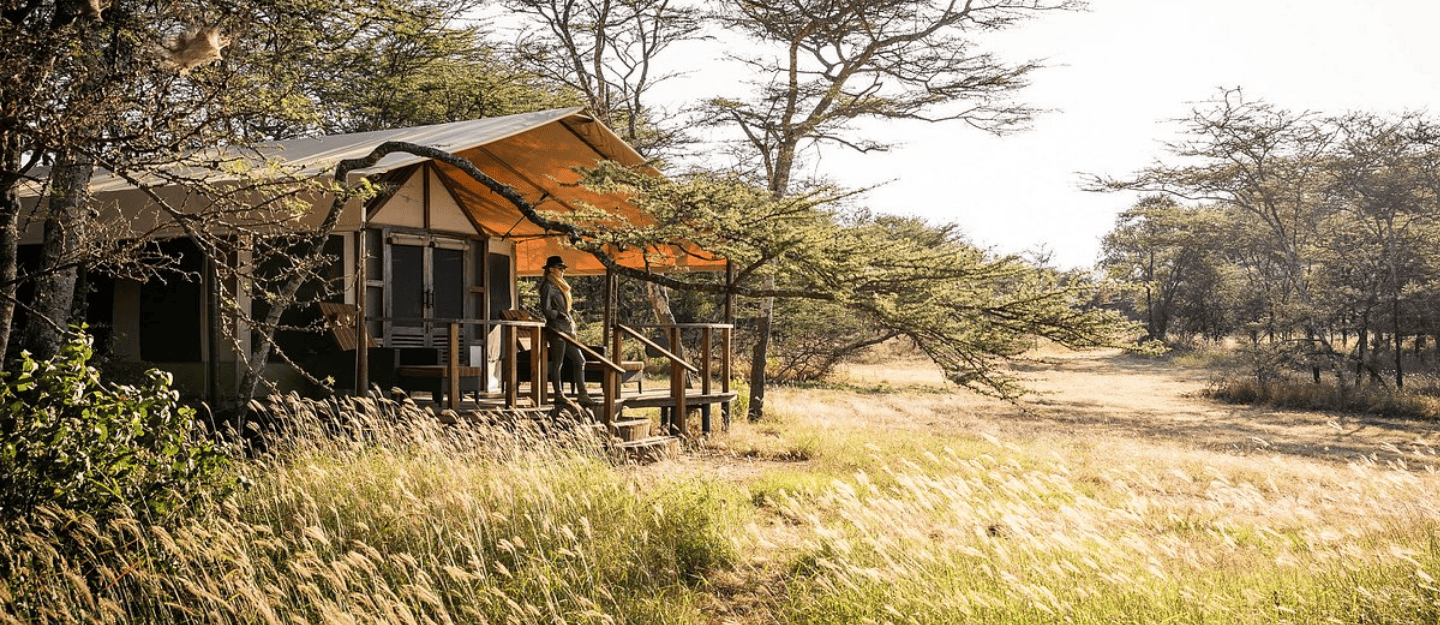
Cultural Walks in Local Villages: Take a walking tour of Sukuma villages guided by a local. Learn about customs from past generations, agricultural practices, and traditional house-building. This walk is not just educational but insightful in connecting you with Shinyanga's warm and welcoming community.
Birdwatching at Wetlands: The seasonal wetlands of Shinyanga are filled with groups of colourful birds all the year around. Ideal for nature lovers with their binoculars and cameras, the place is peaceful and calm. From herons to weavers, every visit brings in an array of colors and a moment of peace in the wilderness.
Conclusion
Shinyanga presents a nice mix of culture, nature, and calm charm that beckons the travelers to slow down and go deep into their exploration. From diamond mines to tranquil wetlands, it tells stories of tradition, resilience, and natural wonder. Whether sampling local dishes, cycling through sunflower fields, or walking through Sukuma villages, each experience feels warm and grounding. It is not Shinyanga's gaudiness that makes it beautiful, but its simplicity—real and refreshingly genuine. This underrated area is well worth every step for those seeking connections and stories in Tanzania. It welcomes one as curious and sends one away with tranquil memories and a heart filled with warmth.
About Us
Trip planning could seem to be cumbersome but TravellingLark makes it easy by linking travelers with professional travel agencies that provide customized travel proposals. Instead of spending hours searching for the most appropriate vacation package, travelers can post their trip details and receive several personalized offers.
TravellingLark is not only a destination for travelers but the most powerful network for travel agencies, hotels, and travel vendors. Travel agencies can sign up for free listing of their offerings and display packages for holiday tours, hotels, and travel experiences. Travel is a business but no commission hefty charged like other platforms; we give businesses free travel leads to achieving their patronage.
Whether you are a travel agency searching for clients, a hotel requiring more bookings, or a travel vendor offering services, TravellingLark has just opened direct access to tourists searching for these offerings.
Hassle-Free Trip Planning: Every traveler gets a tailor-made travel offer, with other requirements left to him/her.
Join for Everyone: Signing up is completely free for all users and businesses. While basic access stays free, vendors now have the option to purchase premium leads to connect with more potential customers and grow their sales.
Join TravellingLark now and make a smarter future in planning, booking, and growing in the travel industry!
Planning a trip to Shinyanga?
Post your upcoming travel details and get personalized quotations from multiple verified travel agencies.
Fast response • Custom offers • Verified agents
Current Weather
Live Forecast
Planning a trip to Shinyanga?
Post your upcoming travel details and get personalized quotations from multiple verified travel agencies.
Fast response • Custom offers • Verified agents
Bigger Group? Get Special Offers Up to 50% Off!
Planning a trip for friends, family, or corporate teams to Shinyanga? We create unforgettable customised adventures with exclusive group pricing!
Current Weather
Live Forecast
Why travelers choose
TravellingLark?
Thoughtfully planned journeys, crafted for unforgettable experiences.
Built Around You
Personalized trips based on your style, interests and budget.
Handpicked Trips
Curated itineraries designed with love and local expertise.
Transparent Pricing
Clear package pricing with no hidden charges or surprises.
Personalized Planning
Every trip is tailored to your interests, pace and preferences.
Best Value Always
Get the best experiences at the best value for your money.
Global Destinations
Explore handpicked destinations across India and the world.
24/7 Trip Assistance
We're with you before, during and after your journey.
Built Around You
Personalized trips based on your style, interests and budget.
Handpicked Trips
Curated itineraries designed with love and local expertise.
Transparent Pricing
Clear package pricing with no hidden charges or surprises.
24/7 Trip Assistance
We're with you before, during and after your journey.
Personalized Planning
Every trip is tailored to your interests, pace and preferences.
Best Value Always
Get the best experiences at the best value for your money.
Global Destinations
Explore handpicked destinations across India and the world.
Hassle-Free Journey
Enjoy a smooth travel planning experience from start to finish.
Traveler Reviews for ShinyangaReviews for Shinyanga
Verified ratings and genuine travel experiences from our community
No Reviews Yet
Have you explored Shinyanga? Share your experience to help fellow travelers plan their trip!