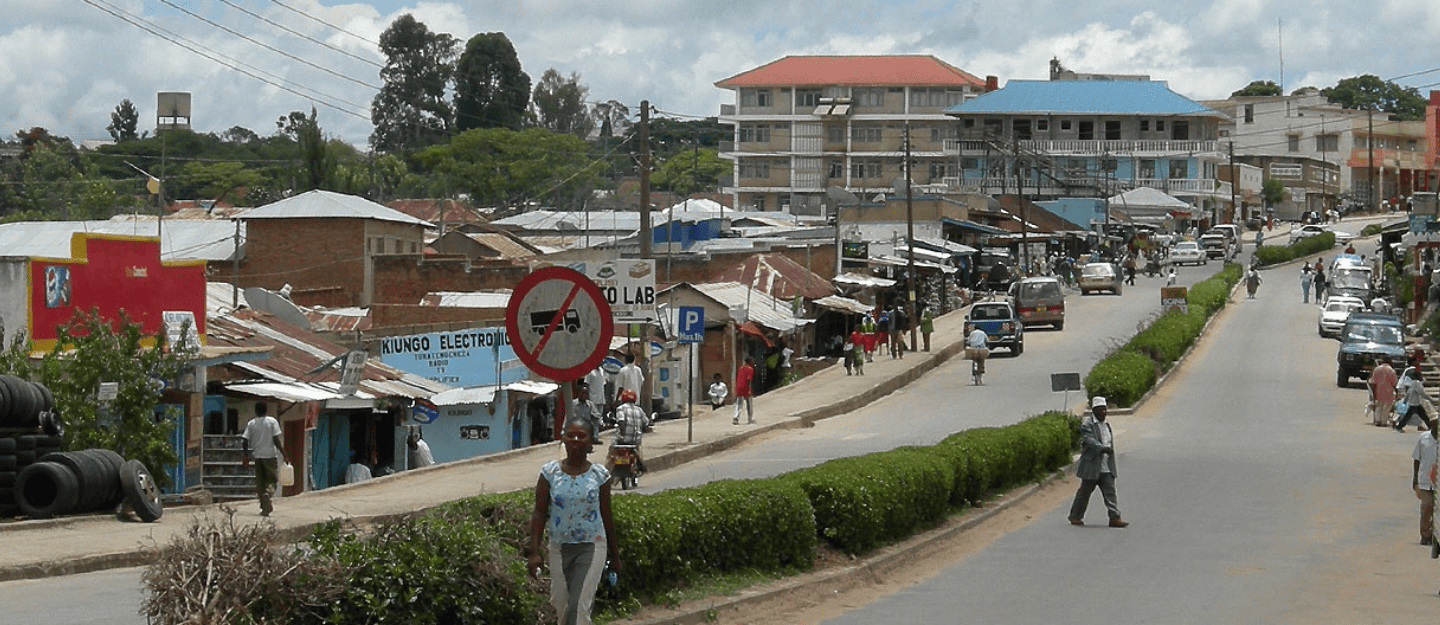
Iringa
About Iringa
Iringa: Windswept Plateaus and Nomadic Roots
As you enter Iringa, the sweeping highlands of Tanzania present you with admirable views of plateaus adorned with ancient culture and warm hospitality. This guide walks you through Iringa's rich history, delicious local cuisines, thrilling outdoor adventures, and the best places for lodging and dining. Iringa is a journey unlike any other, whether you are exploring heritage or hunting for handcrafted treasures.
Cultural and Historical Gems
Iringa charms in the depth of its cultural life and colonial legacy. Still home to the Hehe people, this highland town blends pride in its warrior history with German and British colonial influence. From stone walls built to defend against invasion to tribal tales of generations past, Iringa keeps its history alive through storytelling, preserved architecture, and museums. A quiet yet meaningful destination for culture seekers.
Top Attractions
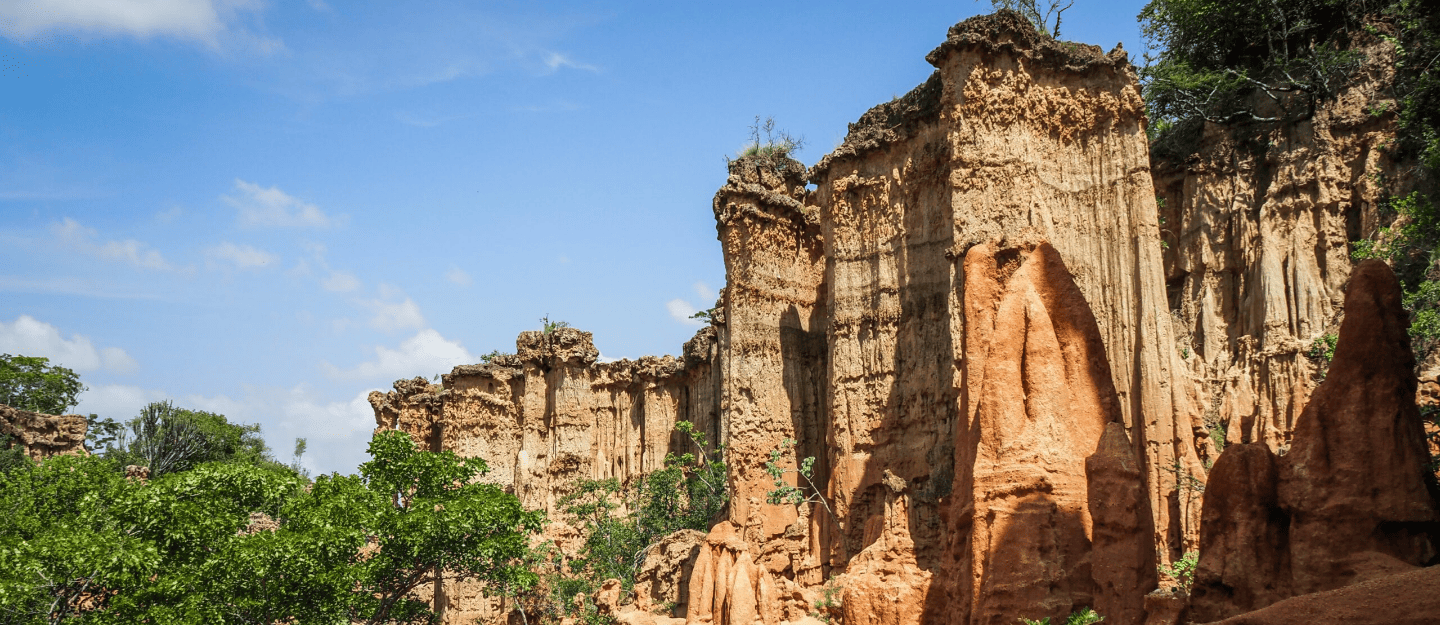
Isimila Stone Age Site: Lying fully exposed to the light, thousands of years mark an extraordinarily appealing archaeological site in the vicinity of Iringa, known as Isimila. Stone tools and fossilized remains are of little allure compared to the magnificent natural pillars of rock formed by wind in that area. The basics of the lives of early humans are explained herein, while the surreal beauty of the surroundings makes the place refreshing both educationally and aesthetically.
Iringa Boma Museum: Housed in a colonial building, the Iringa Boma Museum delicately unearths the region's diversity of cultures, histories, and biota. Interactivity highlights exhibits of Hehe heritage, traditional crafts, and German architectural style. It is a good place to begin your journey in Iringa, just to give context as coffee is served in the café adjacent.
Kalenga Historical Site: Kalenga is a major landmark in Iringa's resistance history of the Hehe against the German colonizers, for it served as a fortress for chief Mkwawa. View the preserved walls, visit Mkwawa's museum that holds his skull, and hear gripping stories of the chief's resistance against German colonizers. The site captures the ancient spirit of courage and leadership.
Gangilonga Rock (Talking Stone): This huge granite outcrop holds spiritual significance to the Hehe people. The great view from up there is worth a short hike, whereas legends say that spirits once spoke from the stone itself. It is a peaceful while reflective site for telling stories and photography, especially during the setting sun, when the landscapes of Iringa glow in riches.
Top Local Dishes to Try
Ugali and Mlenda: Ugali, the maize staple of Tanzania, is eaten alongside Mlenda, a slippery green vegetable stew made with a combination of vegetables that include pumpkin leaves. This simple dish is high in iron and preferred throughout the region, clearly showcasing its traditional roots from deep within Iringa at the local setting where people eat by hand and enjoy every single mouthful slowly. Just add grilled meat for a more filling meal.
Nyama Choma (Grilled Meat): This Tanzanian favorite is given an even stronger flavor by the highland air of Iringa. For this, take goat or beef, marinated for hours and grilled slowly over an open charcoal flame before serving up with chili and kachumbari (tomato-onion salad). That's street-food at its finest—blistering smokiness, brash flavors, and perfect for sharing with friends while sprawled out the blue sky.
Vitumbua (Rice Pancakes): The soft and sweet rice flour cakes freshly baked at breakfast, slightly spiced with cardamom and coconut, are crisp outside and fluffy at the interior. Morning street corners serve them hot to go with tea or coffee in agreeable customer service.
Makande (Maize and Beans Stew): Makande is a hug in a bowl. To go soft, savory, and achieved after hours of slow cooking, those yellow and green beans were the perfect simple backbone: to sew together the maize kernels with them. This is a favorite meal for people living in rural areas as it gives them energy to go through the long days and provides them with a taste of the agricultural soul of Tanzania. It is seasoned using onions, salt, and local spices-simple.
The Best Restaurants & Hotels
Neema Crafts Cafe: Neema is more than a cafe; it also empowers the disabled with craft training and employment. The cafe serves fresh meals like curries, wraps, and good cappuccinos made with love. This is ethical dining, in a peaceful setting, and has handmade souvenirs to go with it.
Sai Villa Hotel: Sai Villa's ambiance is modern yet minimalist, offering clean/value-for-money and comfortable rooms with friendly service. Centrally located, it serves as a great base for a town tour as well as going to nearby sites. Their breakfast buffet and garden restaurant feature local and international flavors, making their guests feel right at home.
Sunset Hotel Iringa: For budget travelers, Sunset Hotel is the best. They provide neat rooms with state-of-the-art views overlooking the valley. You will find a hidden space for enjoying sunset views at the rooftop area. The staff is friendly and will link you to transport, markets, and cultural sites.
Mama Iringa Restaurant Italian: Tanzanian fusion restaurant Mama Iringa offers pasta, wood-fired pizza, and local favorites like tilapia. The atmosphere is casual yet charming—great for couples or solo travelers. Friendly owners and a lovely garden make it one of Iringa's most beloved places to dine.
Ultimate Shopping Destinations
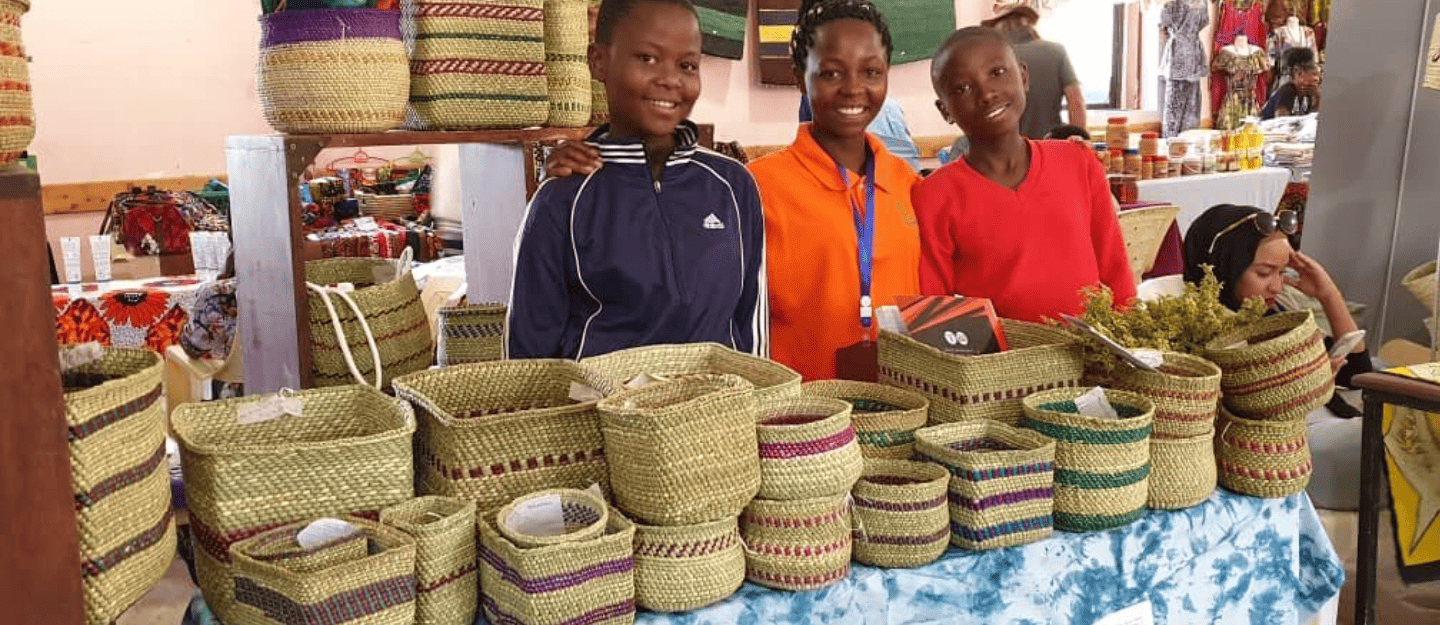
Shop Neema Crafts: Handmade with a purpose, Neema Crafts showcases textiles, jewelry, pottery, and home décor produced by persons with disabilities. Every dollar spent goes towards empowerment. Items are stylish, very well crafted, and uniquely Iringan—just right for meaningful souvenirs.
Iringa Market: The heart of bustling and dynamic Iringa-the center market. Residents are in this market for anything, from a bunch of bananas to a basket. Do this early in the morning, collecting all to find colorful fabrics, wooden crafts, spices, and the like. Barter is a fun part of it!
Makonde Woodcarving Stalls: These roadside stalls display different kinds of carvings from the famous Makonde tribe. Masks, figures, and stools are so finely carved and tell deeply cultured stories. They are more than souvenirs; they are pieces of art.
Ubena Artisans Co-op: That's a quiet co-op promoting women artisans in the community, weaving mats, sewing bags, and making jewelry from beads. It's not even on the main streets, but it's worth a detour. You will end up with handmade gifts and tales behind every craft.
What Not to Do
Don’t Wear Revealing Clothing in Rural or Religious Areas: Tanzania has a very conservative approach towards life, especially in Muslim-majority islands like Zanzibar. One should definitely not put on things like shorts and tank tops or outwardly revealing clothes in public. Definitely wear modest clothing, especially while going into the markets, villages, or religious piers.
Don’t Disrespect Local Customs or Traditions: It is polite to ask for permission before shooting a picture of a person or a sacred place. Public displays of affection and yells can be construed to be disrespectful. Rather, "try if you can put a smile, try and appreciate and value the hospitality of the locals".
Don’t Walk Alone at Night in Cities; Generally, Tanzania is safe, however, do not walk alone in these town areas after dark - like Dar es Salaam or Arusha. Hire a taxi or use the ride-hailing apps and keep yourself alert always.
Don’t Forget to Bargain in Markets: Now, the fact that most items in the local market are negotiable should not give you the leeway to bombard and frighten the vendor with all the low figures you can muster or in an angry voice. Smile, converse a little—isn't that what bargaining is really about?
Don’t Feed or Touch Wild Animals:Try as much as possible to avoid approaching wild animals, be it in safari parks or in wildlife parks. Feeding them or trying to get close can be dangerous; it also protects you and the creatures from potential harm.
Don’t Ignore Health Precautions: Tanzania is predominantly tropical and has its risks, such as malaria and other waterborne diseases. Don't drink tap water; it's best to opt for bottled or purified water. Mosquito repellents should be applied and consulted with a travel doctor before traveling for vaccinations.
The Best Time to Visit
June-September:Dry and Pleasant: This time of the year is marked by clear sunny skies, while temperatures stay cooler for hiking and mountaineering. The wildlife parks near Iringa offer detailed views of fauna during the season. It is sunny during the day hours and cold during the night hours.
October-December: Wildflower Bloom: These are the times of the year when the wildflowers spring up amongst equally picturesque fresh green foliage. Short rain is expected, so care is needed when the downpour starts. It provides a good opportunity for photography and attending cultural events.
January-March: Quiet Off-Season: With fewer tourists, the busy streets calm down, and prices coming down. Rain may fall but after a short interlude, the temperature feels right for a short walk. Cultural sites stay on to amuse the tourists, and hotel bookings can now carry lower rates.
April-May: Time to Soak at Iringa: Raining season means there are over 150mm of soaking rain in Iringa. Nonetheless, this is so refreshing to see and feel. The countryside becomes lush, while the crisp air is in our hearts. Don't anticipate spending a lot of time outside at this time, but do go visiting some of the indoor museums, or just relax with coffee at delightful cafés.
Thrilling Outdoor Activities
Hiking in Udzungwa Mountains: This national park is a hidden gem that lies nearby. Trek through tropical forests, spot monkeys, and see the likes of Sanje Falls. The trails differ in their level of difficulty but are all worth it for the views offered.
Rock Climbing at Gangilonga: Gangilonga Rock isn't just about the tales-it's one of the climbing points. Thrill-seeking travelers can climb the granite in parts and behold some spectacular views. Local gear rentals are available.
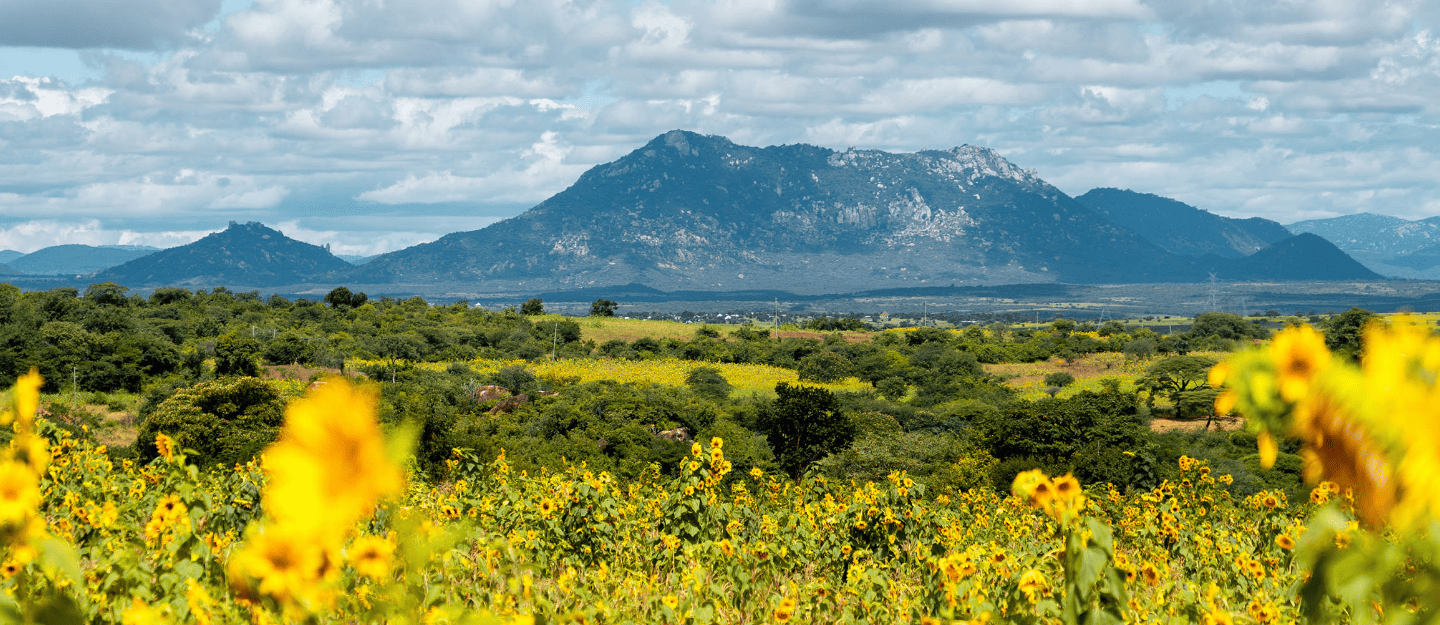
Biking Tours through the Highlands: Rent a bike and take a leisurely cruise along the scenic Iringa backroads. Pedal past farms, lush villages, and rolling hills. It's a great way to combine relaxation with the beauty of nature while doing some exercise in the process!
Birdwatching at Little Ruaha River: Pack binoculars and move along the riverbank to catch glimpses of colorful kingfishers, weavers, and eagles. Early morning is the best time. Local guides can help spot rare ones and tell stories about the area.
Conclusion
Iringa is not only a stopover; it's a soul destination full of heritage, hospitality, and concealed adventures. From sacred rocks to ancient tools, hearty dishes to heartfelt crafts, anything and everything here conjures memories of something real. Whether you come to climb, learn, eat, or just breathe the highland air, Iringa offers one thing: authenticity. So do slow down and explore; leave the windswept charms and cultural profundity of Iringa on your travel map as a permanent smudge. Iringa is more about the feelings evoked than the imposed list of sights: Where the plateau breeze still carries the whispers of the past and the present.
About Us
Trip planning could seem to be cumbersome but TravellingLark makes it easy by linking travelers with professional travel agencies that provide customized travel proposals. Instead of spending hours searching for the most appropriate vacation package, travelers can post their trip details and receive several personalized offers.
TravellingLark is not only a destination for travelers but the most powerful network for travel agencies, hotels, and travel vendors. Travel agencies can sign up for free listing of their offerings and display packages for holiday tours, hotels, and travel experiences. Travel is a business but no commission hefty charged like other platforms; we give businesses free travel leads to achieving their patronage.
Whether you are a travel agency searching for clients, a hotel requiring more bookings, or a travel vendor offering services, TravellingLark has just opened direct access to tourists searching for these offerings.
Hassle-Free Trip Planning: Every traveler gets a tailor-made travel offer, with other requirements left to him/her.
Join for Everyone: Signing up is completely free for all users and businesses. While basic access stays free, vendors now have the option to purchase premium leads to connect with more potential customers and grow their sales.
Join TravellingLark now and make a smarter future in planning, booking, and growing in the travel industry!
Planning a trip to Iringa?
Post your upcoming travel details and get personalized quotations from multiple verified travel agencies.
Fast response • Custom offers • Verified agents
Current Weather
Live Forecast
Planning a trip to Iringa?
Post your upcoming travel details and get personalized quotations from multiple verified travel agencies.
Fast response • Custom offers • Verified agents
Bigger Group? Get Special Offers Up to 50% Off!
Planning a trip for friends, family, or corporate teams to Iringa? We create unforgettable customised adventures with exclusive group pricing!
Current Weather
Live Forecast
Why travelers choose
TravellingLark?
Thoughtfully planned journeys, crafted for unforgettable experiences.
Built Around You
Personalized trips based on your style, interests and budget.
Handpicked Trips
Curated itineraries designed with love and local expertise.
Transparent Pricing
Clear package pricing with no hidden charges or surprises.
Personalized Planning
Every trip is tailored to your interests, pace and preferences.
Best Value Always
Get the best experiences at the best value for your money.
Global Destinations
Explore handpicked destinations across India and the world.
24/7 Trip Assistance
We're with you before, during and after your journey.
Built Around You
Personalized trips based on your style, interests and budget.
Handpicked Trips
Curated itineraries designed with love and local expertise.
Transparent Pricing
Clear package pricing with no hidden charges or surprises.
24/7 Trip Assistance
We're with you before, during and after your journey.
Personalized Planning
Every trip is tailored to your interests, pace and preferences.
Best Value Always
Get the best experiences at the best value for your money.
Global Destinations
Explore handpicked destinations across India and the world.
Hassle-Free Journey
Enjoy a smooth travel planning experience from start to finish.
Traveler Reviews for IringaReviews for Iringa
Verified ratings and genuine travel experiences from our community
No Reviews Yet
Have you explored Iringa? Share your experience to help fellow travelers plan their trip!