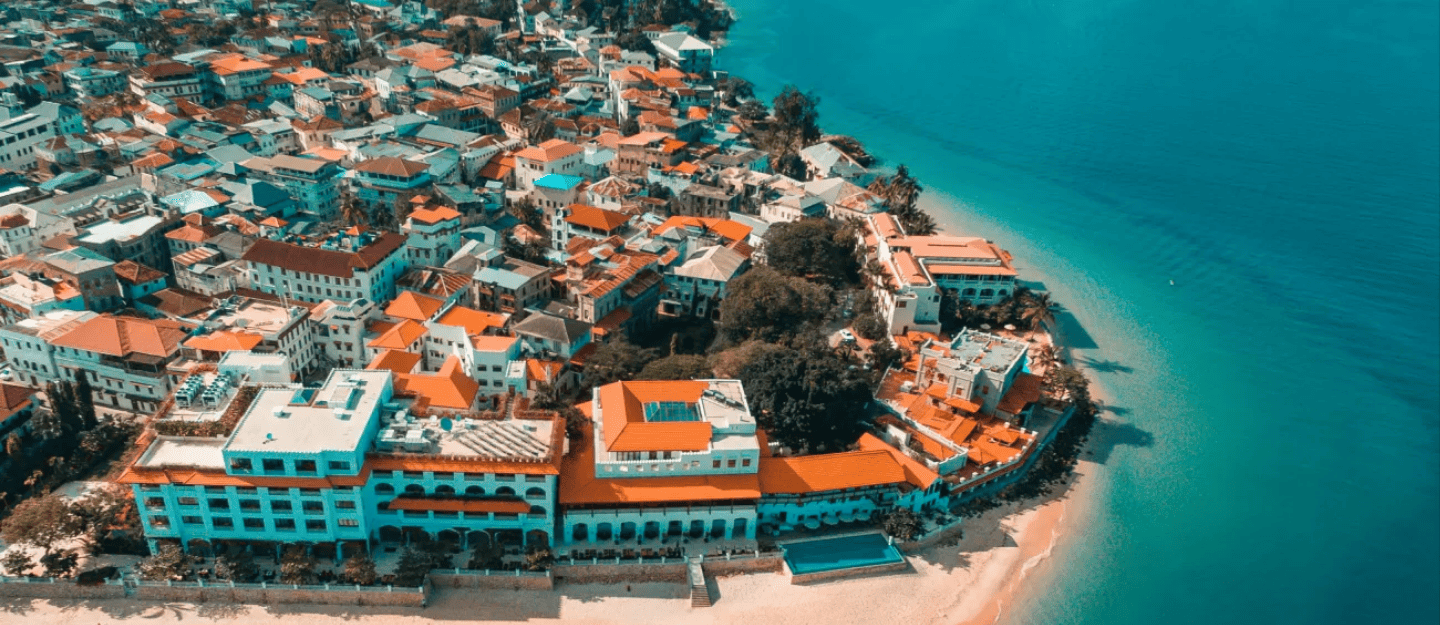
Pemba South
About Pemba South
Pemba South: Coral Reefs, Coconut Groves, and Coastal Calm
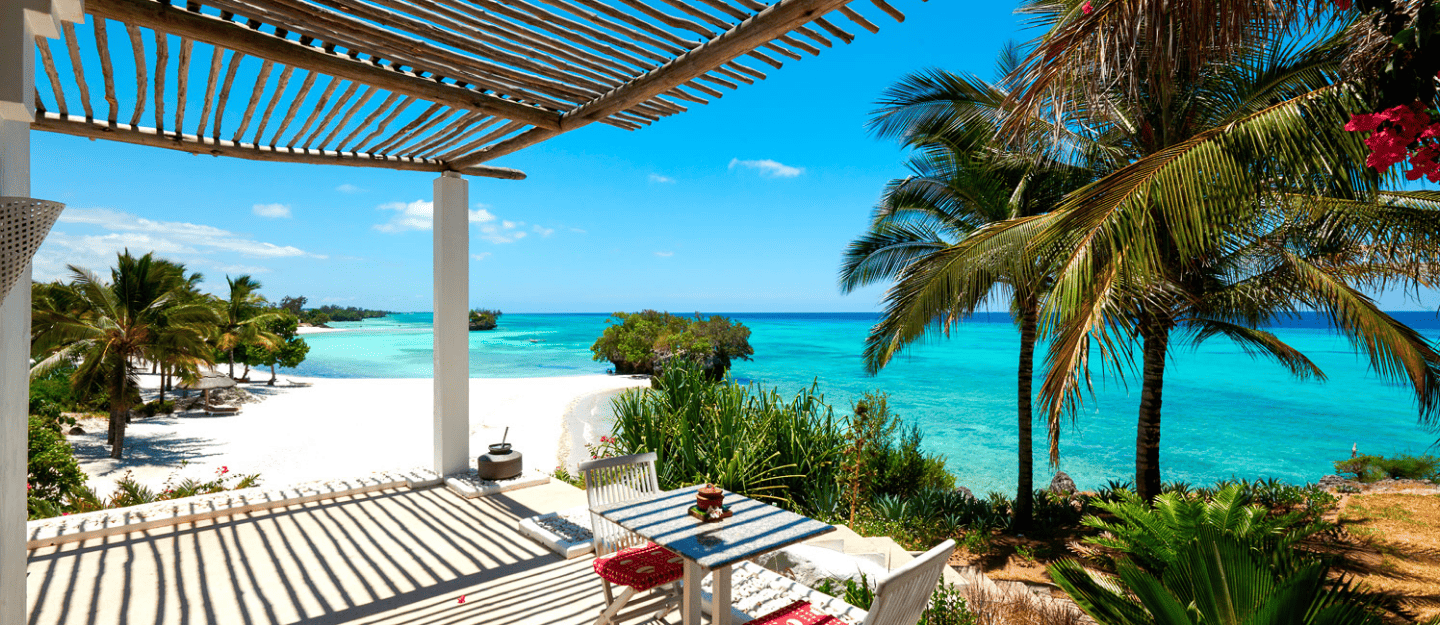
Pemba South, where peace meets paradise! The languorous sway of coconut palms, crystalline waters, and untouched coral reefs present perfect slow travel and soul-soothing days. You are welcome to savor a bit of island magic with this: snorkeling, bathing on serene beaches, or gorging yourself on fresh seafood.
Cultural and Historical Gems
Swahili culture, once again coined and nurtured in the Pemba South, bears the footprints of centuries-long influence by the Arabs and the Persians. Villages here are peaceful and proud, known for their hospitality and vibrant stories handed down through generations. Locals here habitually converse using poetic Swahili that reflects the culture of the island. Ancient mosques, spice farms operated by families, and dhow-building communities can be found here. Chake Chake and Mkoani are gateways into history through Pemba's old ports and trading stories. Handmade mats, coconut products, and clove oil are representative of the everyday manifestations of cultural identity. To visit Pemba South is to engage in living history, with the ocean and culture carving ways through it.
Top Attractions
Misali Island: Just offshore, the paradise of a snorkeler's eye lies in the reefs in colors and marine life so much more. Misali Island is part of a marine conservation area, so it is fruitful for eco-tourism. Swim, snorkel, or just lie on the soft white sands; the island is also locally spiritually significant.
Pujini Ruins: It is such that Pujini Ruins help look into Pemba in the 15th century. The ground once belonged to a mighty Swahili ruler and has ruins of ancient stone walls and defensive towers. This is one of the very few known fortresses on the Swahili coast. Walking through these ruins imparts the silent, powerful sense of the pastness of Pemba.
Mkame Ndume House; This crumbling but fascinating ruin near Chake Chake no doubt belonged to a notorious slave trader several centuries ago. It is half-intruded by nature, and what visits been taken are darkest and most important portions of Pemba history. It is haunting, of course, and educational; it helps one understand and bridge the deeper historical layers of the island.
Kidike Flying Fox Sanctuary: A hidden gem for nature lovers, it is the sanctuary for the endangered Pemba flying fox, the only species of large fruit bats specifically found here. It is rich, with the walk-through of greenness to view the bats hanging in trees, wings wrapped like cloaks. It is quiet; it is scenic. It is an interesting wildlife experience not found anywhere else.
Top Local Dishes to Try
Coconut Rice (Wali wana Naz): This is fragrant rice and prepared in heavy coconut milk. It is often paired with seafood or vegetables. It is a staple at many Pemba meals. The dish is slightly sweet and creamy. It is loved by the locals because of its comforting flavor and versatility for both lunch and dinner.
Octopus Curry (Pweza wa Nazi): This curry has soft octopus boiled in coconut milk with garlic, turmeric, and lime. It is a common coastal dish enjoyed with rice or chapati. The mix of spices gives it a bold and creamy texture, which sums up the taste of this dish.
Pemba Biryani: It consists of marinated chicken or beef layered on aromatic rice, fried onion, and local spices, and it is an occasion dish, especially when served during weddings or family celebrations. The flavors are very much loved by locals since it has been slow cooked and combined to become delicious, heavy, and rich.
Urojo (Zanzibar Mix): Urojo has potatoes, boiled eggs, bhajias, and crunchy toppings drenched in a spicy, tangy mango sauce. It is a sort of burst of flavors and textures popular at local food stalls.
The Best Restaurants & Hotels
The Aiyana Resort & Spa: Awash in luxury and dignity, the North Beach edge of Pemba South defines Aiyana. Here, the white sand beach can be enjoyed even from the villa, which looks up to exquisite gardens. The restaurant focuses on serving fresh seafood, tropical fruits, and international delights-a match made in heaven for honeymooners or anyone looking for relaxation, pure pampering, and sheer island beauty.
Pemba Misali Sunset Beach Resort: The resort roughly set in the middle range near Mkoani is quaint and comfortable with cheerful service and easy access to the beach. The restaurant inside offers local dishes such as coconut rice, fresh fish, and tropical juices, making it an excellent choice for families or travelers who enjoy relaxing amid nature.
Kervan Saray Beach Lodge: Greenly designed and built with private beach access, Kervan Saray is a charming and sustainable site. Dinner by candlelight to the ambient tunes of Swahili melodies, kissed by the gentle sea breeze, takes on a completely different meaning here. With a serene atmosphere and warm staff, it is most suitable for laid-back travelers and honeymooners.
Makangale Beach Bungalows: Close to a fishing village and perched on an idyllic slant, the bungalows themselves exude simple charm and offer a good view of the ocean. The restaurant serves truly simple and fresh food-prepared mostly from fish and local vegetables. This place is just a simple budget haven, relaxed and full of island charm.
Ultimate Shopping Destinations
Chake Chake Market: In the South of Pemba, Chake Chake Market is the effervescent heart of shopping. Here are fresh local produce, spices, weaving baskets, and other basic items. It's a lively, bright place to purchase cloves, vanilla, and island-grown spices. Certainly, a good place to get up with locals and experience true island life.
Mkoani Fish Market: Adjacent to the harbor, the market glories in the sea. Every day, fresh catches of fish, octopus, and shellfish arrive here. Mostly for local residents, visitors can come here to see, hear, and taste the seafood culture of Pemba. It's perfect for photographers or anyone interested in local fisheries.
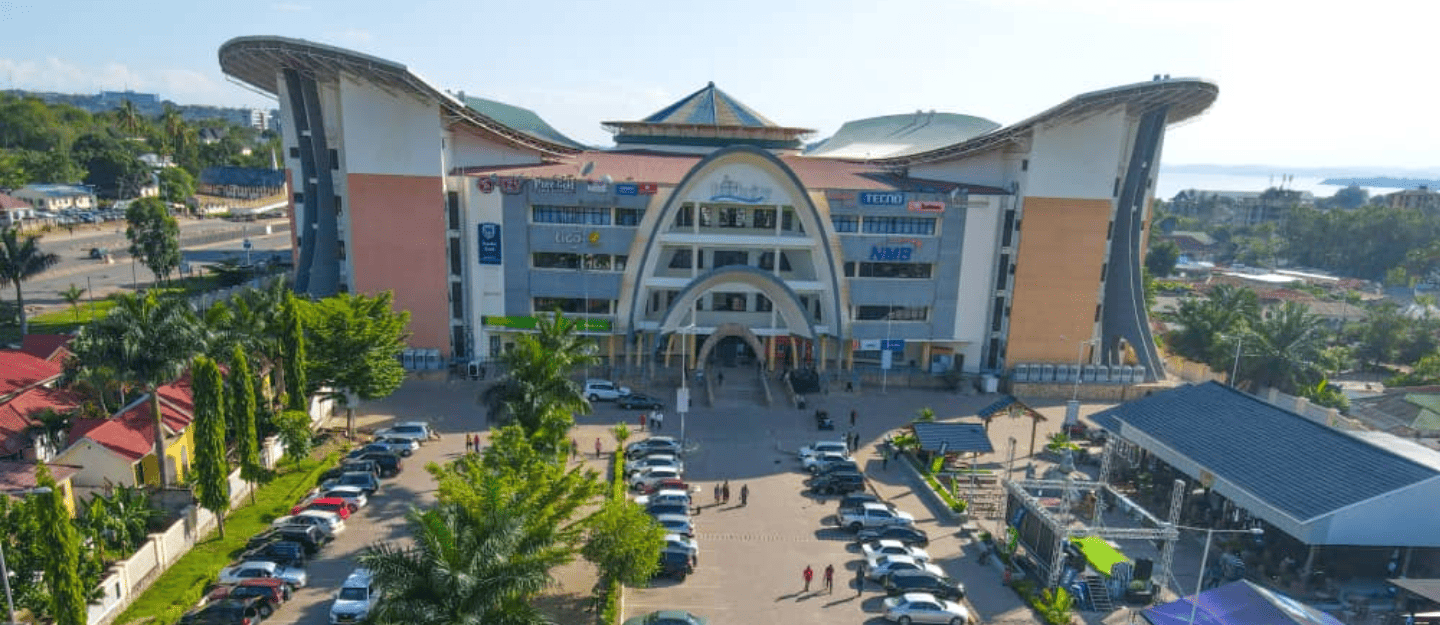
Local Handicraft Stalls-Chake Chake: Downtown, there are small stalls that sell handmade local products such as woven mats, palm hats, beadwork, and coconut crafts. These are the real deal with local prices; indeed, true souvenirs made by the local hands.
Clove Oil and Spice Shops: Here in Pemba, spice shops offer pure clove oil, cinnamon sticks, and handmade spice blends from local farms. These fragrant gifts are some of the best souvenirs to take home while encapsulating the island's rich agricultural heritage. It is an experience that tantalizes the senses-perfect for travelers who appreciate taste, scent, and genuine gifts.
What Not to Do
Don’t Wear Revealing Clothing in Rural or Religious Areas: Tanzania has a very conservative approach towards life, especially in Muslim-majority islands like Zanzibar. One should definitely not put on things like shorts and tank tops or outwardly revealing clothes in public. Definitely wear modest clothing, especially while going into the markets, villages, or religious piers.
Don’t Disrespect Local Customs or Traditions: It is polite to ask for permission before shooting a picture of a person or a sacred place. Public displays of affection and yells can be construed to be disrespectful. Rather, "try if you can put a smile, try and appreciate and value the hospitality of the locals".
Don’t Walk Alone at Night in Cities; Generally, Tanzania is safe, however, do not walk alone in these town areas after dark - like Dar es Salaam or Arusha. Hire a taxi or use the ride-hailing apps and keep yourself alert always.
Don’t Forget to Bargain in Markets: Now, the fact that most items in the local market are negotiable should not give you the leeway to bombard and frighten the vendor with all the low figures you can muster or in an angry voice. Smile, converse a little—isn't that what bargaining is really about?
Don’t Feed or Touch Wild Animals:Try as much as possible to avoid approaching wild animals, be it in safari parks or in wildlife parks. Feeding them or trying to get close can be dangerous; it also protects you and the creatures from potential harm.
Don’t Ignore Health Precautions: Tanzania is predominantly tropical and has its risks, such as malaria and other waterborne diseases. Don't drink tap water; it's best to opt for bottled or purified water. Mosquito repellents should be applied and consulted with a travel doctor before traveling for vaccinations.
The Best Time to Visit
June to October – Dry and Breezy: This is probably the best months in terms of fine weather, breezing winds, and warm temperatures. Perfect for beach visits, snorkeling, and village explorations without the discomfort of heat and rain. The sea is calm for boat rides, and diving excursions are specially enjoyable.
December to February – Warm and Sunny: It is the hottest time of the year, but most suitable for sun bunnies. Beauty bright shining beaches and clear water make it ideal for swimming and underwater fun. More local events and bustling of evenings in the village. Just go with light clothes and a sunscreen.
March to May – Rainy but Peaceful: Most of the time, it is rainy yet peaceful. The long rains come during this time of the year and make the whole area green and not thin at all with tourists. Not many activities during this time; nonetheless, it is a good time for budget travelers who don't mind a bit of rain. The resorts are at discount, and the island feels extra quiet and serene.
During Local Festivals – Culture in Full Bloom: Indulge in the magic of Pemba during your travel to tie into local cultural festivals or harvest celebrations that feature dancing, music, and traditional food. It is very colorful and full of joy to bring you closer to the heart of Pemba.
Thrilling Outdoor Activities
Snorkeling at misali island: Misali Island offers pristine waters that are home to some of East Africa's healthiest coral reefs. Colorful fish, sea turtles, and multihued corals can be appreciated only a few meters offshore. The area is safe and shallow, suitable for beginners and seasoned sea adventurers alike.
Clove plantation tours: A guided tour through the famous clove farms of the island is in the offering. Cloves grown, harvested, and dried were learned while inhaling the aromatic spicy scent of the trees. It is a relaxing and rejuvenating experience linking you to Pemba's rich agricultural traditions.
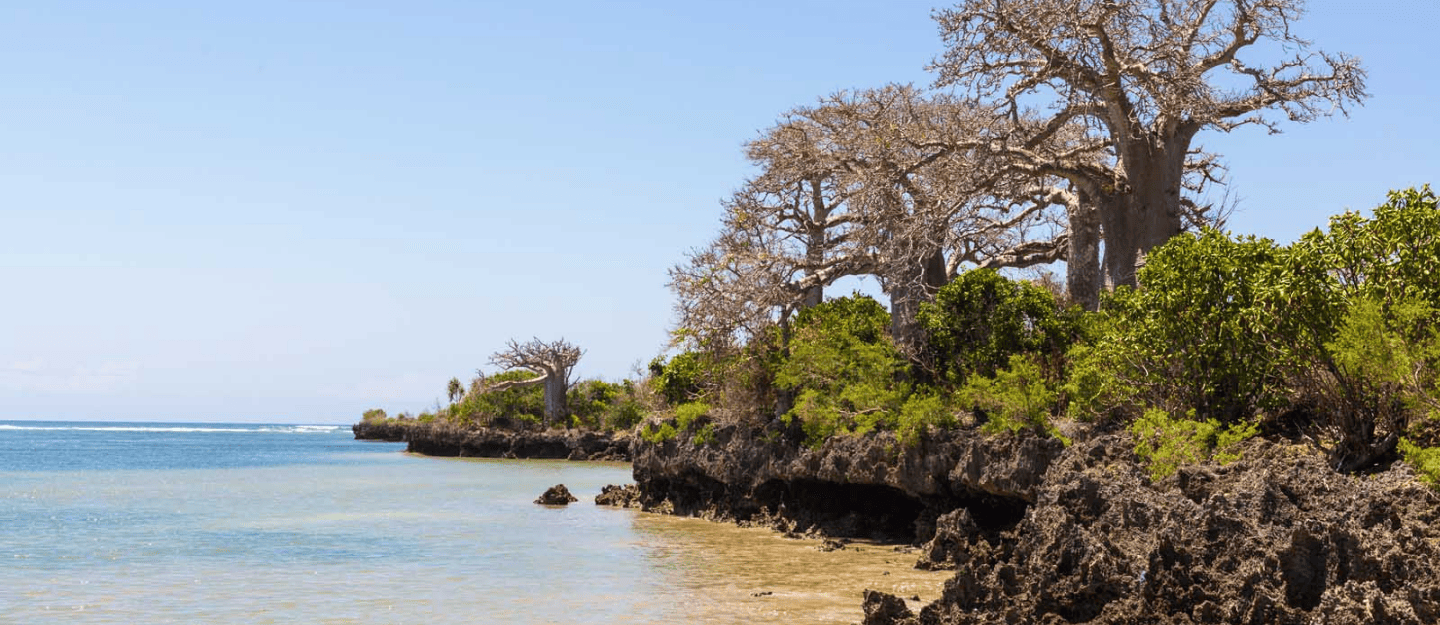
Kayaking along the coast: Paddle past mangroves, secluded beaches, and fishing villages in calm waters. Kayaking is an exciting, serene way to explore the coast of Pemba on your own terms. Keep your eyes peeled for seabirds, flying fish, and inquisitive dolphins along the journey.
Ngezi Forest Reserve Forest Hikes: This green rainforest has shaded trails, rare birds, and the chance to spot the Pemba flying fox. Guided hikes help to uncover some of the island's unique plants and elusive wildlife. Quiet, green, and full of surprises in nature.
Conclusion
Pemba South is a peaceful paradise, a place where nature, culture, and island life merge perfectly. From snorkeling in the coral-imbued waters to visiting the clove farms or ancient ruins, every experience is personalized and refreshing. The amiable locals, almost deserted beaches, and relaxed tempo make for a perfect getaway from any city life. Nature and culture lovers, or just those who want a locale to chill, will find that Pemba South unites calmness, charm, and thrill in one. It is not congested or flashy, just real beauty and raw hospitality. For an island getaway with a cause; Pemba South is an off-the-beaten-track gem deserving your discovery.
About Us
Trip planning could seem to be cumbersome but TravellingLark makes it easy by linking travelers with professional travel agencies that provide customized travel proposals. Instead of spending hours searching for the most appropriate vacation package, travelers can post their trip details and receive several personalized offers.
TravellingLark is not only a destination for travelers but the most powerful network for travel agencies, hotels, and travel vendors. Travel agencies can sign up for free listing of their offerings and display packages for holiday tours, hotels, and travel experiences. Travel is a business but no commission hefty charged like other platforms; we give businesses free travel leads to achieving their patronage.
Whether you are a travel agency searching for clients, a hotel requiring more bookings, or a travel vendor offering services, TravellingLark has just opened direct access to tourists searching for these offerings.
Hassle-Free Trip Planning: Every traveler gets a tailor-made travel offer, with other requirements left to him/her.
Join for Everyone: Signing up is completely free for all users and businesses. While basic access stays free, vendors now have the option to purchase premium leads to connect with more potential customers and grow their sales.
Join TravellingLark now and make a smarter future in planning, booking, and growing in the travel industry!
Planning a trip to Pemba South?
Post your upcoming travel details and get personalized quotations from multiple verified travel agencies.
Fast response • Custom offers • Verified agents
Current Weather
Live Forecast
Planning a trip to Pemba South?
Post your upcoming travel details and get personalized quotations from multiple verified travel agencies.
Fast response • Custom offers • Verified agents
Bigger Group? Get Special Offers Up to 50% Off!
Planning a trip for friends, family, or corporate teams to Pemba South? We create unforgettable customised adventures with exclusive group pricing!
Current Weather
Live Forecast
Why travelers choose
TravellingLark?
Thoughtfully planned journeys, crafted for unforgettable experiences.
Built Around You
Personalized trips based on your style, interests and budget.
Handpicked Trips
Curated itineraries designed with love and local expertise.
Transparent Pricing
Clear package pricing with no hidden charges or surprises.
Personalized Planning
Every trip is tailored to your interests, pace and preferences.
Best Value Always
Get the best experiences at the best value for your money.
Global Destinations
Explore handpicked destinations across India and the world.
24/7 Trip Assistance
We're with you before, during and after your journey.
Built Around You
Personalized trips based on your style, interests and budget.
Handpicked Trips
Curated itineraries designed with love and local expertise.
Transparent Pricing
Clear package pricing with no hidden charges or surprises.
24/7 Trip Assistance
We're with you before, during and after your journey.
Personalized Planning
Every trip is tailored to your interests, pace and preferences.
Best Value Always
Get the best experiences at the best value for your money.
Global Destinations
Explore handpicked destinations across India and the world.
Hassle-Free Journey
Enjoy a smooth travel planning experience from start to finish.
Traveler Reviews for Pemba SouthReviews for Pemba South
Verified ratings and genuine travel experiences from our community
No Reviews Yet
Have you explored Pemba South? Share your experience to help fellow travelers plan their trip!