Aurangabad
About Aurangabad
Aurangabad: Caves, Forts, and Historical Grandeur
Aurangabad is a city with a long historical past and is located in the western Indian state of Maharashtra and is famous for its cultural heritage and architectural skills. The Ajantha and Ellora Caves, the main attractions of Aurangabad, are the most famous places in India that the city well mingles the ancient and modern times together. It is the best place to witness the mixed up character of India, and this feature has made Aurangabad one of the main cities of tourism, art, and industry.
Plan your next adventure easily with Travellinglark Post Travel — your smart travel companion!
Cultural and Historical Gems
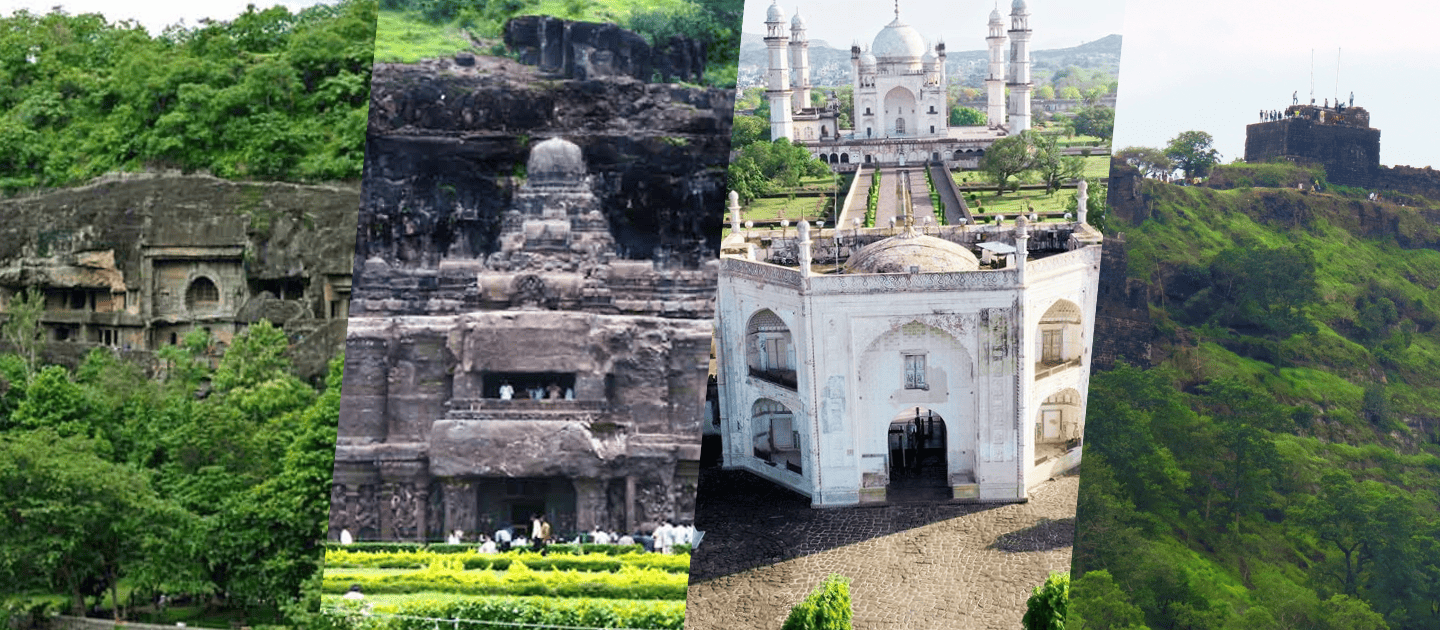
The city of Aurangabad is like a box filled with the brightest and most beautiful gems of Indian history, political and cultural. Its most famous landmarks are the Ajanta and Ellora caves, which have been declared World Heritage Sites by UNESCO and are famous for their rock-cut architecture and sculptures representing the main religions in India - Buddhism, Hinduism, and Jainism. Bibi Ka Maqbara, which has the nickname “Taj of the Deccan,” is a monument that expresses the might and creativity of the Mughals. The daulatabad fort and the other forts in the city tell the stories of medieval battles and the reign of different dynasties. On the other hand, the lively markets of the city give a fair idea of the local crafts, textiles, and food. Like the city, every aspect of Aurangabad is steeped in history, thus the visitors are offered an interactive trip across the centuries of art, faith, and culture.
Top Attractions
1. Ajanta Caves
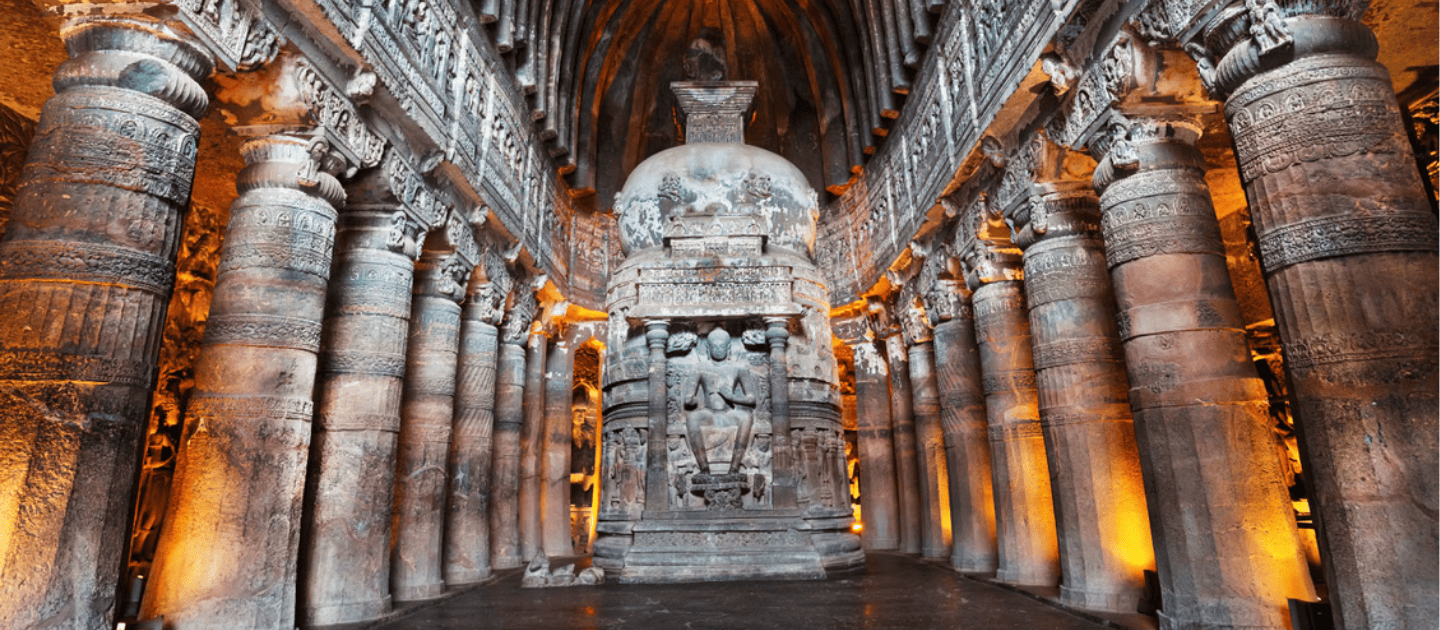
The Ajanta Caves, situated approximately 100 kilometers away from Aurangabad, consist of a cluster of 30 rock-hewn Buddhist caves that are believed to be carved between the 2nd century BCE and 480 CE. Their splendour lies in the painting of the walls, the soft smearing of the floor, and the staging of Buddha in front of the colourful backdrop, all these were done in various techniques. The plaster inside the cave has its element of him, and Buddha and Bodhisattva are the heavenly figures in cave 1, for instance, while the Jataka tales of moral lessons are mainly found in caves 2, 3, 4, 5, and 6. Moreover, the Ajanta caves are famous for the skill and variety in architecture of that period, evidenced by pillars, arches, and domes created by complete rock-cutting. Being a UNESCO World Heritage Site, Ajanta lures historians, art lovers, and vacationers from across the globe who wish to see the artistic brilliance of ancient India.
2. Ellora Caves
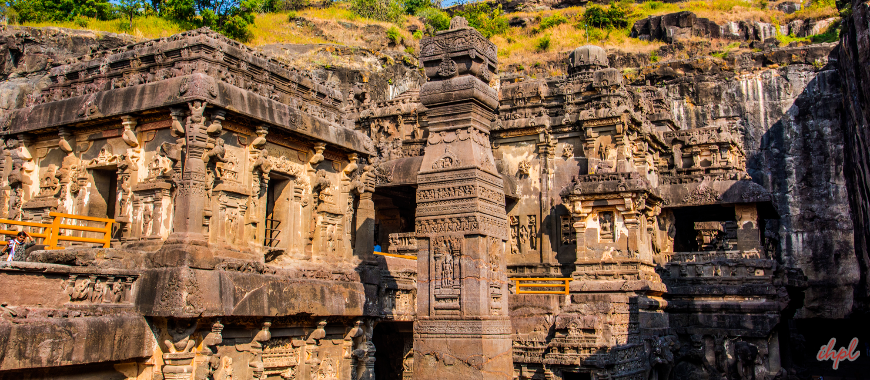
The Ellora Caves are located approximately 30 kilometers from Aurangabad and are made up of 34 massive caves that reflect Buddhist, Hindu, and Jain traditions, created during the period of the 5th to 10th centuries. One of these caves, Cave 16, the Kailasa Temple, is a magnificent structure—entirely carved out of one rock, it appears like a giant mountain temple adorned with fine carvings of gods, dancers, and mythological creatures. The caves are a testimony of the religious tolerance and the high level of artistic skill in ancient India. The visitors can go through the very realistic carvings, the rock-cut halls, and the monastic complexes that reveal the incredible engineering and the commitment to work of the artists of that time.
3. Bibi Ka Maqbara
Bibi Ka Maqbara is a gorgeous tomb nicknamed the “Taj of the Deccan.” It was a mausoleum built during the 17th century by the Mughal emperor Aurangzeb's son, Azam Shah, as a tribute to his mother, Dilras Banu Begum. The layout, with a central dome, minarets, and symmetrical gardens, is a clear imitation of the Taj Mahal, thus highlighting the magnificence of Mughal architecture. The white marble combined with the delicate stucco work turns it into a visually glorious site, especially at sun-up and sundown. Bibi Ka Maqbara, surrounded by gardens that are well taken care of, not only gives a look into the Mughal legacy but also provides a calm place for photographers, historians, and tourists to sit and relax.
4. Daulatabad Fort
Daulatabad Fort, previously known as Devagiri, is a mighty fortress of the medieval period that can be found 15 kilometers to the northwest of Aurangabad. The fort, which was built atop a cone-shaped hill, was very wisely designed with big walls, deep moats, and a whole range of clever defensive systems to stop the enemy from coming in. It was originally built by the Yadava dynasty but later their Mughals reinforced it, and it has steep stairways and underground passages.
Top Local Dishes to Try
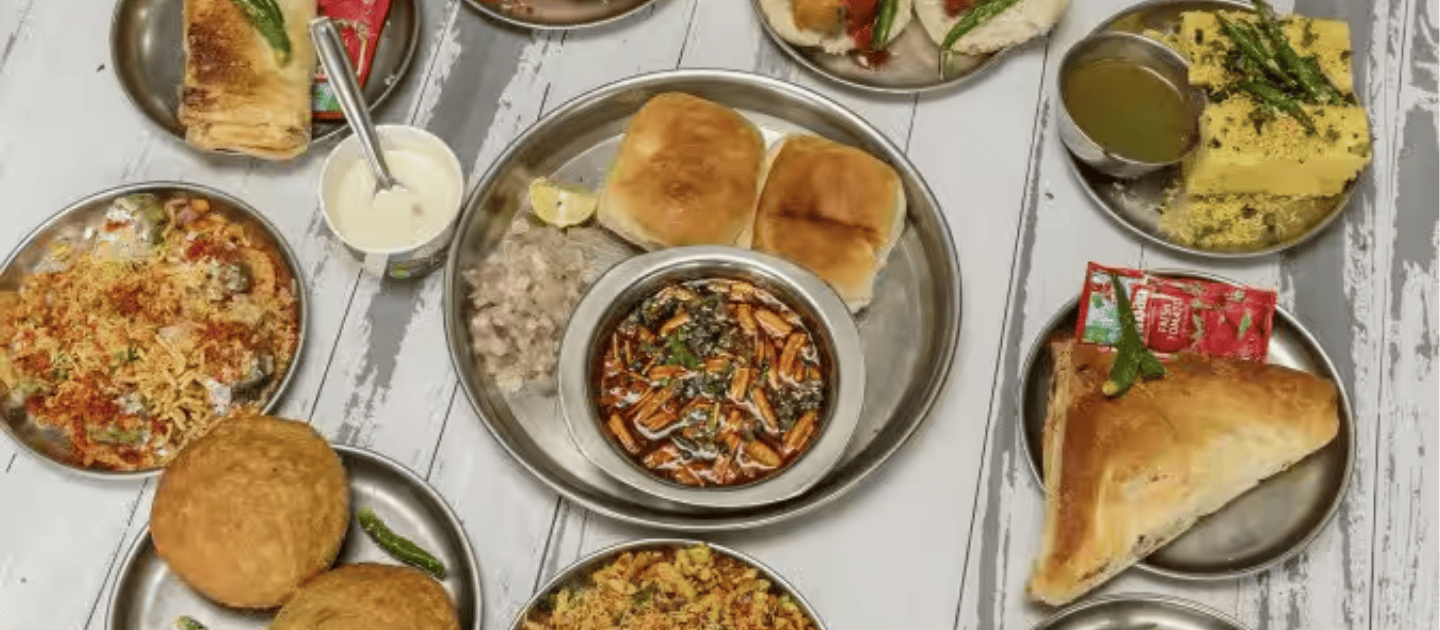
- Naan Qalia of Aurangabad: A royal dish from India's Mughal era, Naan Qalia adds to the city's heritage of cooking with the combination of soft and fluffy naan with meat or mutton curry that is rich in spices.
- Shetkari Thali: To see and taste the local ingredients used in Maharashtrian cuisine, you can try this vegetarian platter consisting of bhakri (millet bread), spicy vegetables, lentils, and pickles that recreate the authentic to the rural area.
- Kanda Poha: An easy and delicious morning meal consists of flat rice, onions, green chilies, and mustard seeds; it is often topped up with fresh coriander and sev.
- Mutton Rassa: An Indian mutton stew that is full of flavor and character, it is prepared by the fiery red chilies, garlic, and spices from the Deccan. It is served with rice or bhakri.
- Jalebi and Rabri: A sweet dish comprising of crispy, sugary jalebis served with rich, condensed milk rabri, recommended at the places where they sell sweets and during festivals.
- Khichdi: A comforting mix of rice, pulses, and not-so-spicy additives, very often served with ghee and pickle, is the wholesome and simple meal of day-to-day life.
- Shikanji or Sol Kadhi: Beverage made with kokum or lemon providing a natural cooling quotient along with the hot and spicy food of the region.
- Bakri and Bhaji: Wholewheat flatbreads along with seasonal vegetable curry are common offerings in the local restaurants as well as homes.
- Kheer: A gluten-free south Asian version of rice pudding flavored with cardamom, saffron, and nuts, especially made during festivals and celebrations.
- Chaat Varieties: The most liked street food of Aurangabad is thus sev puri, pani puri, and bhel puri that contain tangy, spicy, and crunchy flavors typical of the city.
The Best Restaurants & Hotels
- Jaffer Bhai’s Delhi Darbar: A restaurant that has gained much notoriety for its Mughlai and North Indian cuisine, this is the place for biryanis, kebabs, and curries of the richest kind that are very much the same as the traditional flavors.
- Guru Kripa: A well-known local place which serves delicious Maharashtrian thalis, street-style chaats, and vegetarian dishes in a casual, friendly atmosphere.
- Vivanta Aurangabad: A five-star hotel that combines modernity with the traditional décor of the east and has everything from nice rooms to a fine-dining restaurant and heaven-like service.
- Ramada Aurangabad: A hotel that is situated in the middle of the city, which gives the guests nice rooms that are also very large, has all the modern amenities and is close to the main attractions like the Ajanta and Ellora Caves.
Ultimate Shopping Destinations
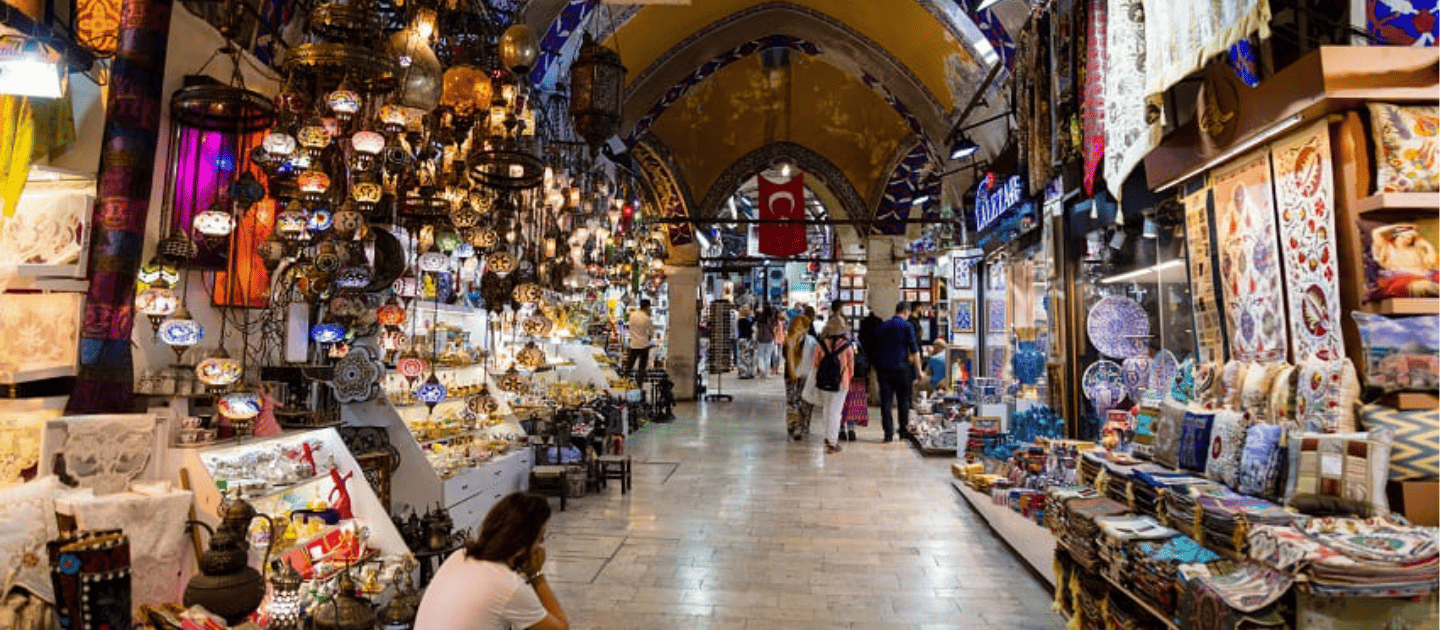
- Main Bazaar: The traditional shopping hub of Aurangabad where one can find the likes of textiles, jewelry, metalware, and local items gifted to visitors.
- Sindhi Colony: Acclaimed for a large number of creative fabrics such as Paithani sarees, besides pottery, leather products, and colorful accessories.
- Gol Darwaza Market: A popular and vibrant street market that is known for its colorful bangles, perfumes, and street food stalls, giving a very good opportunity for an authentic local experience.
- Aurangabad Central Mall: A contemporary shopping center with branded apparel, electronics, lifestyle stores, and food spots in a mall-like setting for modern shoppers.
- Zaveri Bazaar: A place that focuses solely on the trade of gold and silver jewelry, traditional ornaments, and the most delicate handcrafted pieces that are equally liked by both locals and travelers.
- Panchakki Area: The site of a historic twin landmark where shoppers are offered traditional crafts, souvenirs, and local snacks for a cultural shopping experience.
- Trimurti Handicrafts: A place for great handicrafts, wooden artifacts, and artistic home decor that demonstrate the local skill.
- Begum Bazaar: The very best place for spices, dried fruits, and regional sweets that are the best of Aurangabad’s culinary traditions.
- Sadar Bazaar: A full market for the locals to find clothing, accessories, and necessities in a very lively local atmosphere.
- Himroo Factory Outlets: The producers of Himroo fabric-based products such as sarees, stoles, and dupattas are rightly known for being the best in Aurangabad's textile heritage.
Night/Day Life what’s best?
ChatGPT said: The nightlife and daytime activities of Aurangabad are a pleasant blend of the cultural and the modern. The daytime is for immersion into the city’s history through visits to the historical sites, sweating it out in the markets, and basking in the beauty of the gardens. The locals are to be tasted at the cafés and street food stalls, while the shopping districts of Main Bazaar and Sindhi Colony keep the city abuzz. The city of Aurangabad becomes a calm and composed nightlife scene with rooftop lounges, fine-dining restaurants, and cultural performances showcasing traditional music and dance as the night falls. The festivals along with the seasonal events are the icing on the cake that further beautifies the city, thus turning the day and night into unforgettable experiences.
How To Reach
- By Train: The connectivity of Aurangabad Railway Station with the major cities of Mumbai, Pune, Hyderabad, and Delhi is through regular express and passenger trains.
- By Air: The domestic flights of Aurangabad Airport connecting to Mumbai, Delhi, Hyderabad, and other major cities make it easy for the travelers.
- By Bus: There is a state-run and private bus service operating frequently from cities in Maharashtra and neighboring states which offers a wide range of choices including luxury Volvo coaches and regular sleeper buses as well.
The Best Time to Visit
October to March is the best time to visit Aurangabad, the climate during this period is pleasantly cool and perfect for sightseeing. The temperatures during these months are between 10°C and 30°C; so it is nice to go around and see the outdoor attractions, Ajanta and Ellora Caves, Daulatabad Fort, and Bibi Ka Maqbara, just to mention a few. The winter season brings local festivals and cultural events as well, so the travelers get and deeper insight into the city’s traditions. The summer months, April to June, are the times to be avoided because the heat can be very arduous while the monsoon season from July to September might cause heavy rainfall that restricts access to hilltop forts and cave sites.
Conclusion
Aurangabad is a city that captivates with its mixture of past, culture, and modernity. The world-famous Ajanta and Ellora Caves, the beautiful Bibi Ka Maqbara, and the city's other attractions invite one to travel through the heritage of India. Furthermore, along with its lively bazaars, savory food, and friendly people, the city provides an incredibly memorable experience. Aurangabad, with its ancient forts, local food, and peaceful nature, is a place that can offer the traveler an excellent combination of adventure, culture, and relaxation. A trip to this place is always memorable, thus making it a must-stop in the itinerary of every traveler visiting India.
About Us
Trip planning could seem to be cumbersome but TravellingLark makes it easy by linking travelers with professional travel agencies that provide customized travel proposals. Instead of spending hours searching for the most appropriate vacation package, travelers can post their trip details and receive several personalized offers.
TravellingLark is not only a destination for travelers but the most powerful network for travel agencies, hotels, and travel vendors. Travel agencies can sign up for free listing of their offerings and display packages for holiday tours, hotels, and travel experiences. Travel is a business but no commission hefty charged like other platforms; we give businesses free travel leads to achieving their patronage.
Whether you are a travel agency searching for clients, a hotel requiring more bookings, or a travel vendor offering services, TravellingLark has just opened direct access to tourists searching for these offerings.
- Hassle-Free Trip Planning: Every traveler gets a tailor-made travel offer, with other requirements left to him/her.
- Join for Everyone: Signing up is completely free for all users and businesses. While basic access stays free, vendors now have the option to purchase premium leads to connect with more potential customers and grow their sales.
Join TravellingLark now and make a smarter future in planning, booking, and growing in the travel industry!
Planning a trip to Aurangabad?
Post your upcoming travel details and get personalized quotations from multiple verified travel agencies.
Fast response • Custom offers • Verified agents
Current Weather
Live Forecast
Planning a trip to Aurangabad?
Post your upcoming travel details and get personalized quotations from multiple verified travel agencies.
Fast response • Custom offers • Verified agents
Bigger Group? Get Special Offers Up to 50% Off!
Planning a trip for friends, family, or corporate teams to Aurangabad? We create unforgettable customised adventures with exclusive group pricing!
Current Weather
Live Forecast
Why travelers choose
TravellingLark?
Thoughtfully planned journeys, crafted for unforgettable experiences.
Built Around You
Personalized trips based on your style, interests and budget.
Handpicked Trips
Curated itineraries designed with love and local expertise.
Transparent Pricing
Clear package pricing with no hidden charges or surprises.
Personalized Planning
Every trip is tailored to your interests, pace and preferences.
Best Value Always
Get the best experiences at the best value for your money.
Global Destinations
Explore handpicked destinations across India and the world.
24/7 Trip Assistance
We're with you before, during and after your journey.
Built Around You
Personalized trips based on your style, interests and budget.
Handpicked Trips
Curated itineraries designed with love and local expertise.
Transparent Pricing
Clear package pricing with no hidden charges or surprises.
24/7 Trip Assistance
We're with you before, during and after your journey.
Personalized Planning
Every trip is tailored to your interests, pace and preferences.
Best Value Always
Get the best experiences at the best value for your money.
Global Destinations
Explore handpicked destinations across India and the world.
Hassle-Free Journey
Enjoy a smooth travel planning experience from start to finish.
Traveler Reviews for AurangabadReviews for Aurangabad
Verified ratings and genuine travel experiences from our community
No Reviews Yet
Have you explored Aurangabad? Share your experience to help fellow travelers plan their trip!
Frequently Asked Questions about Aurangabad
The Ajanta Caves (approx. 100 km from Aurangabad) are primarily Buddhist caves famous for their exquisite wall paintings and frescos created between the 2nd century BCE and 480 CE. The Ellora Caves (approx. 30 km from Aurangabad) feature massive rock-cut sculptures representing Buddhist, Hindu, and Jain traditions, created between the 5th and 10th centuries.
Bibi Ka Maqbara is nicknamed the "Taj of the Deccan". It is a gorgeous 17th-century mausoleum built by Azam Shah as a tribute to his mother, featuring a central dome, minarets, and white marble that mimics the Taj Mahal.
Daulatabad Fort (formerly Devagiri) is known for its clever defensive systems, including deep moats and steep stairways, designed to stop enemies. It sits atop a cone-shaped hill about 15 km from the city.
You must try Naan Qalia, a royal dish from the Mughal era consisting of soft naan served with a spicy meat curry. Another favorite is Mutton Rassa, a fiery stew flavored with red chilies and garlic.
Since Ajanta is 100 km away and Ellora is 30 km away, it is best to dedicate separate days for each. October to March is the ideal time to visit to avoid the summer heat and monsoon rain.