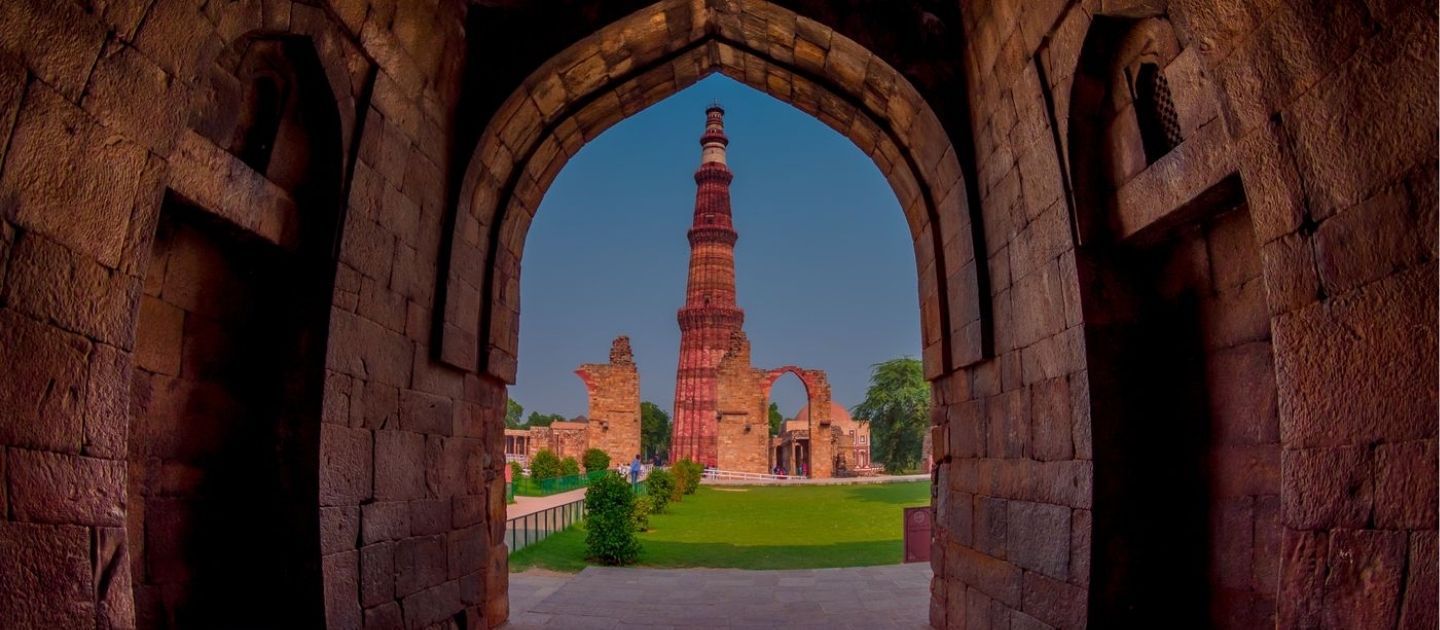
Qutub Minar
About Qutub Minar
Qutub Minar: Towering Stone and Sultanate Stories
Sky-high and magnificently soaring over Delhi's southern horizon, Qutub Minar has been a magnificent creation of the medieval period. It also marks the beginning of the Sultanate reign in India. A combination of history, art, and engineering, this UNESCO World Heritage Site not only reflects the past but also attracts the tourists to the centuries-old cultural exchange and imperial aspiration.
Plan your next adventure easily with Travellinglark Post Travel — your smart travel companion!
Cultural and Historical Gems
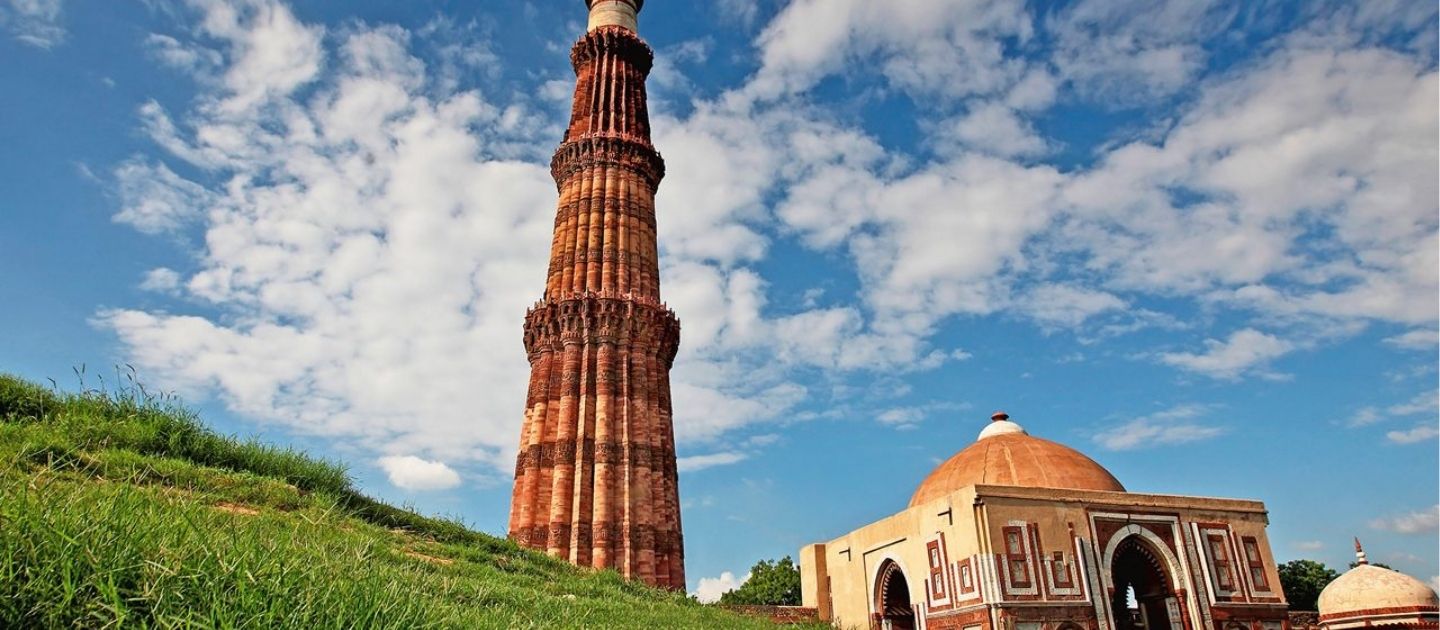
The Qutub Minar is located at the center of the Qutub complex where imposing Indo-Islamic architecture is still being seen that had embraced early stages after the Delhi Sultanate's ascendancy to power in the twelfth century. Red sandstone and marble were the primary building materials used for the complex, which also featured delicate calligraphy and floral motifs, as well as structural innovations. The nearby ruins, including mosques and tombs, give a glimpse to ancient times of conquests, adaptations, and Persian, Central Asian, and Indian cultures' blending. An Indian State represented by each monument in the complex was the one of evolving craftsmanship, religious tolerance, and political power. Together, they form a living museum that narrates the worldwide recognition of Delhi as a melting pot of cultures, ideas, and artistic excellence.
Top Attractions
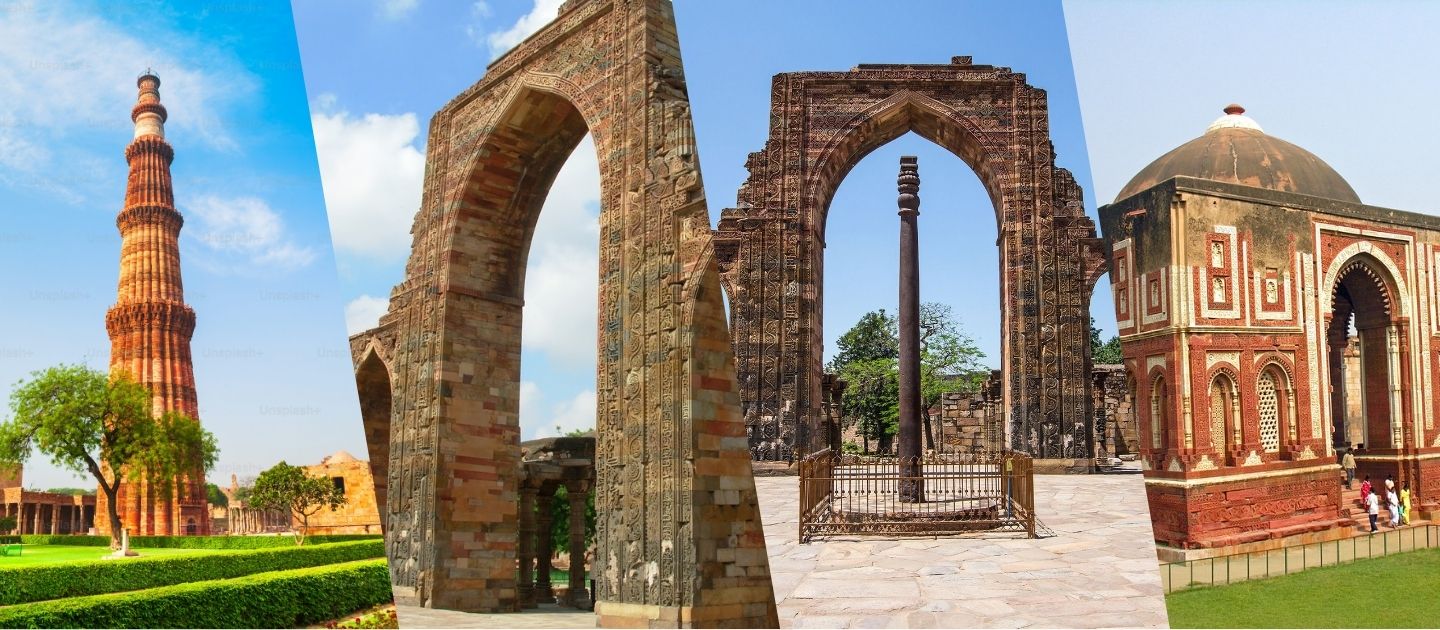
1. Qutub Minar
The famous Qutub Minar with its height of about 73 meters is the tallest brick minaret in the whole world. It was ordered by Qutb-ud-din Aibak and finished by Iltutmish, and it has been decorated with five separate floors that have Quranic inscriptions and geometric designs. Each floor shows different styles of architecture which are in line with the corresponding ruling and the art's popularity. The fluted shaft together with the alternate angular and circular patterns produces a very appealing visual effect. One can hardly miss the mini's colossal size, balance, and exquisite workmanship which amazes visitors almost always. The minaret continues to be a symbol of medieval engineering and the endeavor of the Delhi Sultanate.
2. Quwwat-ul-Islam Mosque
Quwwat-ul-Islam Mosque, which is situated next to the minaret, is one of the earliest mosques constructed in India. It is a representation of the difficult times that the culture was changing in the area because it was made from the materials of destroyed Hindu and Jain temples. The pillars were intricately carved, the ceilings were ornate, and the motifs were reused to create an amazing mix of Islamic and Indic aesthetics. The mosque's courtyard was the place where religious gatherings and public ceremonies took place. The building has partially ruined today but still it reveals the valuable knowledge regarding early Islamic architecture in the subcontinent. It reminds us of the trend of adaptation, reuse, and the deep nature of Indian history.
3. Iron Pillar of Delhi
The Iron Pillar is still very much noticeable in the midst of the complex and he has been a prototype of metallurgical processes for 1,600 years and more. The main feature of the pillar is its rust-resistant, quite unique and it is this very thing that keeps scientists and historians pondering over it. The pillar is thought to have been placed during the Gupta period and it has some inscriptions on it praising kings and their conquests. The long-lasting nature of the pillar points to India's great understanding of metallurgy in ancient times. A lot of people come to visit it, captivated by its scientific enigma and historical importance.
4. Alai Darwaza
Alai Darwaza, a magnificent gateway built by Alauddin Khilji in 1311, is not only a turning point in Indo-Islamic architecture but also marks the beginning of the era of red sandstone and marble inlay teamed with the large scale use of horseshoe arches, lattice screens, and domes in the Muslim architecture of India. It is positioned amongst the first classical arches of Islamic style in India along with the gateway embodying constructive and aesthetic maturity. The so symmetrical carving and the fine-Pressed usual priest of aestheticizing architectural devices opened up a new fitness for that of Sultanate buildings that would follow.
Top Local Dishes to Try
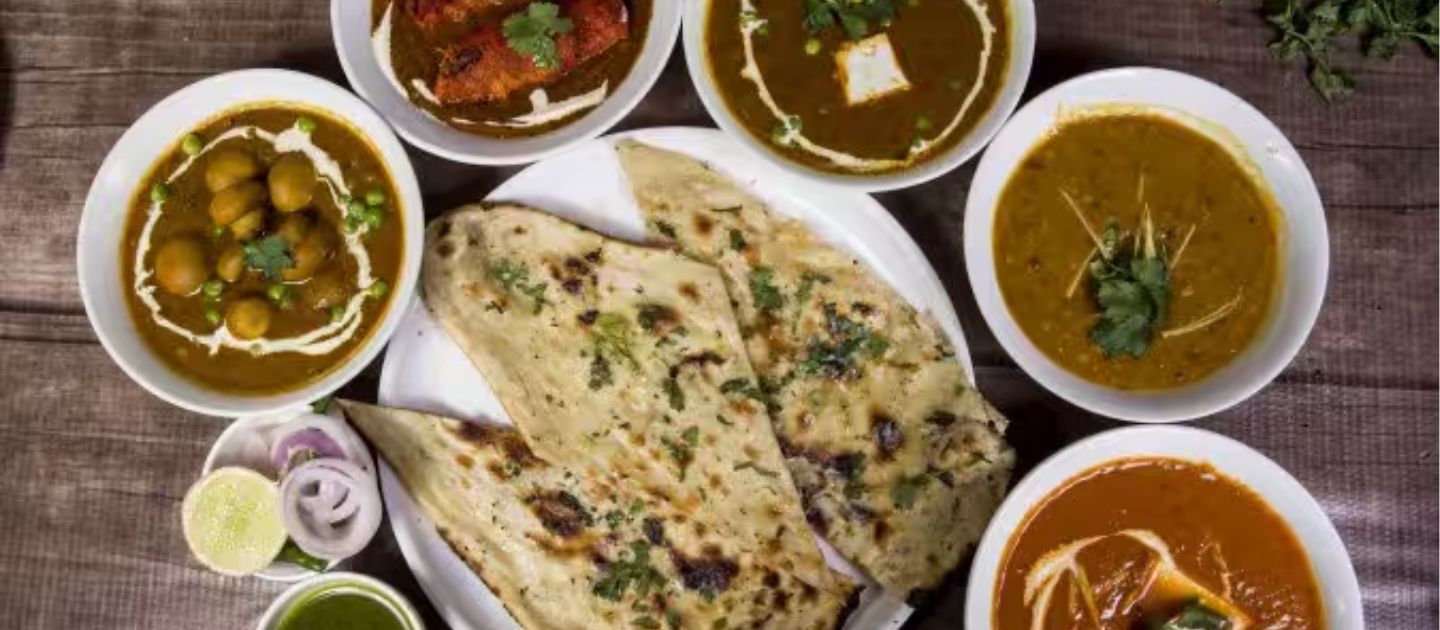
- Butter Chicken: One among the creamy and mildly spiced curries, which was first made in Delhi, and is the best accompaniment to naan.
- Chole Bhature: A curry of the hottest chickpeas with the softest fried bread, besides being a street-food favorite, it is also most liked by the average person.
- Kebabs: The whole range of kebabs from seekh to shami are still the same in Delhi and they have even absorbed all the Mughal cooking techniques.
- Parathas: The classic Indian flatbreads stuffed with either potatoes or paneer or radish, and mostly served with curd.
- Jalebi: The dessert of the crispy, syrupy kind; people love to have it hot, especially in the old markets.
- Kulfi: The robust and classic ice cream; being saffron or pistachio flavored.
The Best Restaurants & Hotels
- Indian Accent: The contemporary Indian dining establishment that is associated with the creative and modernized interpretations of the classical Indian flavors.
- Bukhara: Fabled for its North Indian cuisine, especially, among others, the lentil and tandoori dishes.
- The Lodhi: A five-star resort with huge bedrooms, lush gardens, and unparalleled hospitality.
- Taj Palace, Delhi: A name that stands for grandeur, comfort, and closeness to main Tourist spots.
Ultimate Shopping Destinations
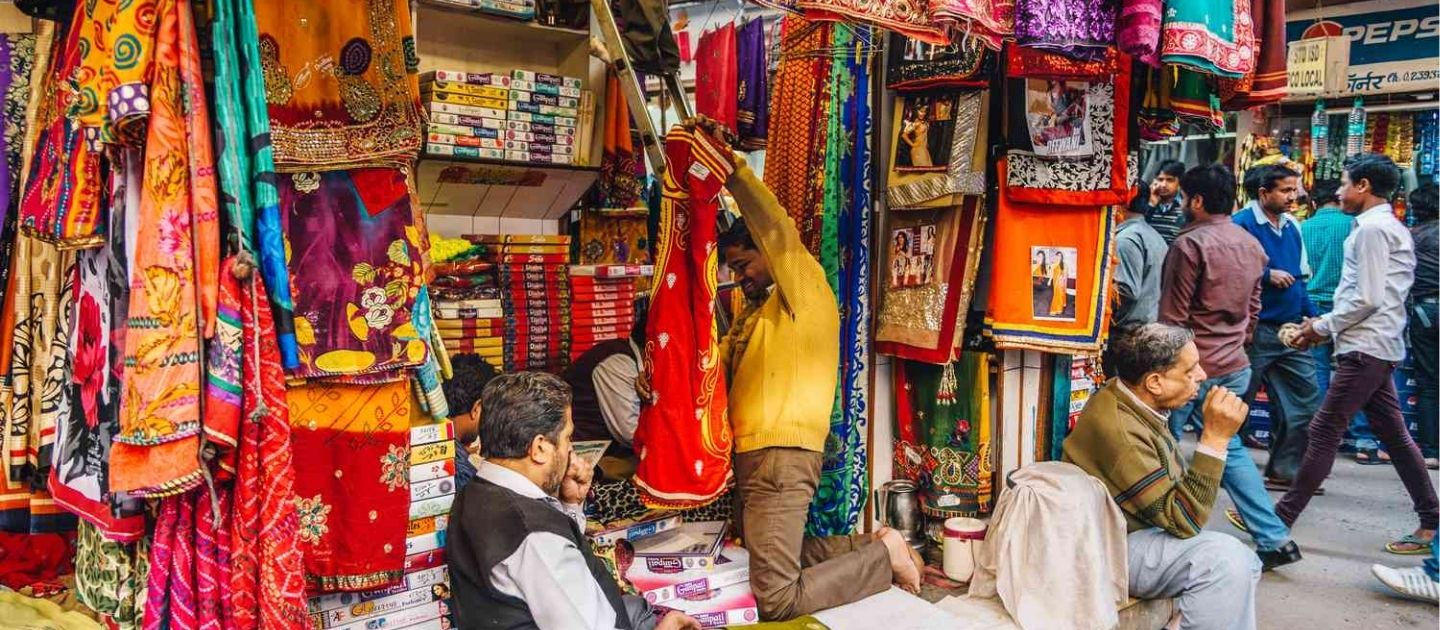
- Dilli Haat: A market under the sky that is full of handicrafts, textiles, and food from different regions.
- Mehrauli Market: An everyday market for locals situated close to the Qutub complex for souvenirs and necessities.
- Select Citywalk, Saket: A contemporary shopping mall that is home to global brands as well as offering facilities like cafes and fun.
- Chandni Chowk: The old marketplace that is so popular because of its jewelry, fabrics, and street food.
- Sarojini Nagar: The place where one can find fashion at low prices and trendy clothes at great discounts.
Night/Day Life what’s best?
The Qutub complex during the day provides a tranquil and enlightening experience with guided tours, photography, and cultural exploration. The sunshine brings out the beauty of the red sandstone, which is why mornings are the best times for visits. When it gets dark, places like Mehrauli and Saket that are nearby become lively with small cafes, restaurants, and cultural spots. The already vibrant nighttime can be further beautified once in a while by the light-and-sound shows and darkened monuments. Delhi's never-ending nightlife is very close by and includes rooftop lounges among its options.
How To Reach
- By Train: New Delhi Railway Station and Hazrat Nizamuddin Station are the principal railway stations. From there, the Qutub area is easily accessible by taxis or metro services.
- By Air: Indira Gandhi International Airport is located at a distance of approximately 12 kilometers. The South Delhi region is directly connected to app-based cabs and the airport metro line.
- By Bus: The site is accessible and budget-friendly since the buses of the Delhi Transport Corporation frequently run to and from Mehrauli and the nearby stops.
The Best Time to Visit
The best time to visit Qutub Minar is the period from October to March, when cooler and pleasant weather prevails in Delhi. The winter mornings are crisp while the afternoons are comfortable for walking and sightseeing. Summers may get very hot, thus making it hard to go outside, and monsoons may cut down on the visibility and comfort. Visiting Qutub Minar during the festivals or cultural events not only gives an additional dimension to the experience but also makes it more lively. Going early in the morning or late in the afternoon is suggested to miss the crowds and get the soft lighting for the photography. All in all, the winter months are the ones that offer the most pleasant and immersive visit.
Conclusion
More than just a majestic structure, Qutub Minar is akin to a narrator, whose voice is the stone itself, retelling the saga of countless dreams, artistry, and mingling of cultures over the centuries. What began with the marvels of architecture and the remnants of history ended up in the local scrumptious gastronomies and the life of the city, modernity being the last layer of the rich and varied experience that the Qutub Minar area has to offer. No matter whether you are a history buff, an architect admirer, or just a curious traveler, the site of this UNESCO World Heritage will always give you the advantage of spending the most wonderful time being inspired. A trip to such a place not only broadens one’s knowledge about Delhi’s complex past but also acknowledges its cultural legacy through the present times.
About Us
Trip planning could seem to be cumbersome but TravellingLark makes it easy by linking travelers with professional travel agencies that provide customized travel proposals. Instead of spending hours searching for the most appropriate vacation package, travelers can post their trip details and receive several personalized offers.
TravellingLark is not only a destination for travelers but the most powerful network for travel agencies, hotels, and travel vendors. Travel agencies can sign up for free listing of their offerings and display packages for holiday tours, hotels, and travel experiences. Travel is a business but no commission hefty charged like other platforms; we give businesses free travel leads to achieving their patronage.
Whether you are a travel agency searching for clients, a hotel requiring more bookings, or a travel vendor offering services, TravellingLark has just opened direct access to tourists searching for these offerings.
- Hassle-Free Trip Planning: Every traveler gets a tailor-made travel offer, with other requirements left to him/her.
- Join for Everyone: Signing up is completely free for all users and businesses. While basic access stays free, vendors now have the option to purchase premium leads to connect with more potential customers and grow their sales.
Join TravellingLark now and make a smarter future in planning, booking, and growing in the travel industry!
Planning a trip to Qutub Minar?
Post your upcoming travel details and get personalized quotations from multiple verified travel agencies.
Fast response • Custom offers • Verified agents
Current Weather
Live Forecast
Planning a trip to Qutub Minar?
Post your upcoming travel details and get personalized quotations from multiple verified travel agencies.
Fast response • Custom offers • Verified agents
Bigger Group? Get Special Offers Up to 50% Off!
Planning a trip for friends, family, or corporate teams to Qutub Minar? We create unforgettable customised adventures with exclusive group pricing!
Current Weather
Live Forecast
Why travelers choose
TravellingLark?
Thoughtfully planned journeys, crafted for unforgettable experiences.
Built Around You
Personalized trips based on your style, interests and budget.
Handpicked Trips
Curated itineraries designed with love and local expertise.
Transparent Pricing
Clear package pricing with no hidden charges or surprises.
Personalized Planning
Every trip is tailored to your interests, pace and preferences.
Best Value Always
Get the best experiences at the best value for your money.
Global Destinations
Explore handpicked destinations across India and the world.
24/7 Trip Assistance
We're with you before, during and after your journey.
Built Around You
Personalized trips based on your style, interests and budget.
Handpicked Trips
Curated itineraries designed with love and local expertise.
Transparent Pricing
Clear package pricing with no hidden charges or surprises.
24/7 Trip Assistance
We're with you before, during and after your journey.
Personalized Planning
Every trip is tailored to your interests, pace and preferences.
Best Value Always
Get the best experiences at the best value for your money.
Global Destinations
Explore handpicked destinations across India and the world.
Hassle-Free Journey
Enjoy a smooth travel planning experience from start to finish.
Traveler Reviews for Qutub MinarReviews for Qutub Minar
Verified ratings and genuine travel experiences from our community
No Reviews Yet
Have you explored Qutub Minar? Share your experience to help fellow travelers plan their trip!