South Lebanon
About South Lebanon
South Lebanon: Olive Groves and Historic Sites
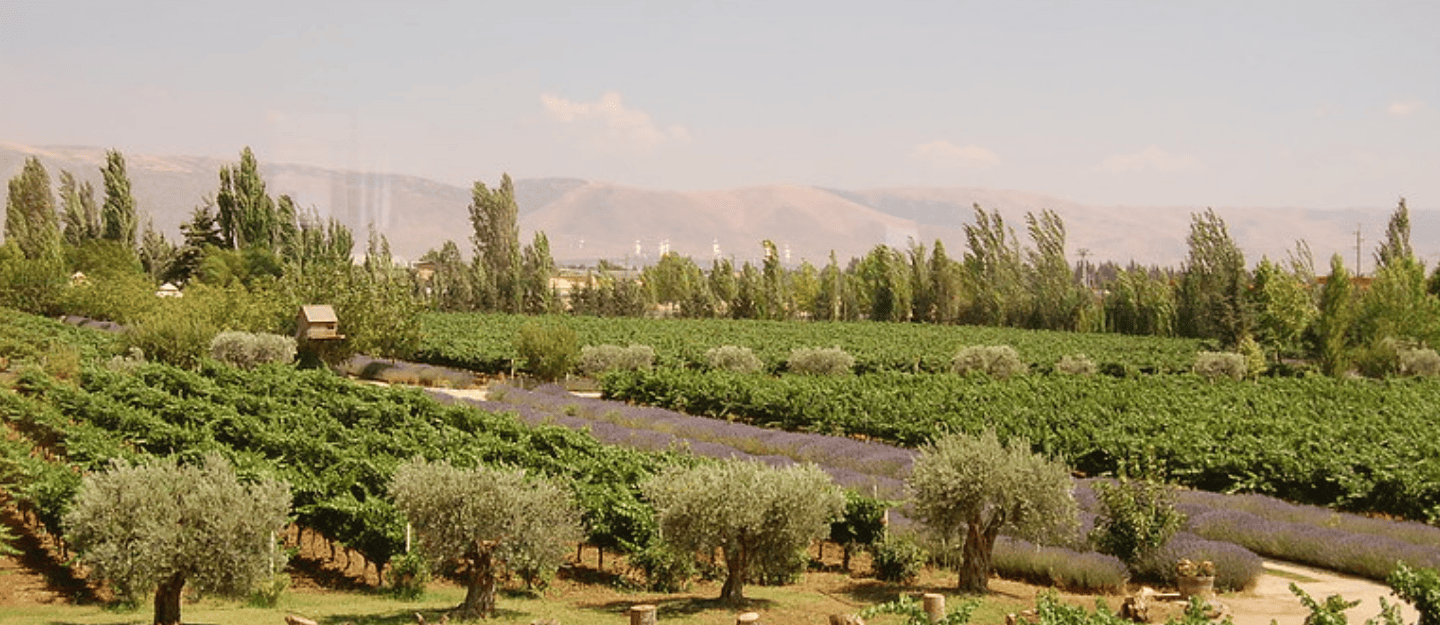
The blend of old tales and olive mountains with sun-washed stone villages represents southern Lebanon. With its peaceful destinations, rich tastes, and treasures of history just begging to be explored, this offers much for the visitor. From quiet grove retreats to whispering ruins, South Lebanon invites you to slow down, look deeper, and touch the heart of the land.
Cultural and Historical Gems
Every nook and corner of South Lebanon is layered with history and cultures. It bears the remnants of Phoenicious ruins, Crusader castles, and ancients markets, where traditions are still alive. Walk the old Tyre paths, discover the calm mosques of Sidon, and delve into Lebanon's deep history in museums. Each place has its own tale-some from the Roman arches and Ottoman architecture. Proud of their inheritance, all people would allow the learning, thinking, and presence of others over here. It is not just seeing the old; it is breathing in the air, with its scents of olive and stones. This makes history alive and very sincere.
Top Attractions
Tyre's Al-Bass Archaeological Site: Roam through ancient Roman streets, a gigantic hippodrome, and ancient tombs found in the UNESCO World Heritage site of Al-Bass, Tyre. This seaside treasure comprises hundreds of years of history under the open sky. Crumbling ruins cooled by moving sea breezes provide a magical backdrop for learning about Phoenician life and the long-lasting legacy of the Roman Empire in Lebanon.
Sea Castle of Sidon: The austere edifice of Sidon's Sea Castle stands amidst the waves as built by the Crusaders in the 13th century. Connecting the sea castle from the ocean to the shore is a short-length bridge that also offers magnificent views. Within, age-old stone chambers await exploration and up onto the towers for a view of the coast. It is everything from fun adventure to history with nice sights packaged into one timeless stop.
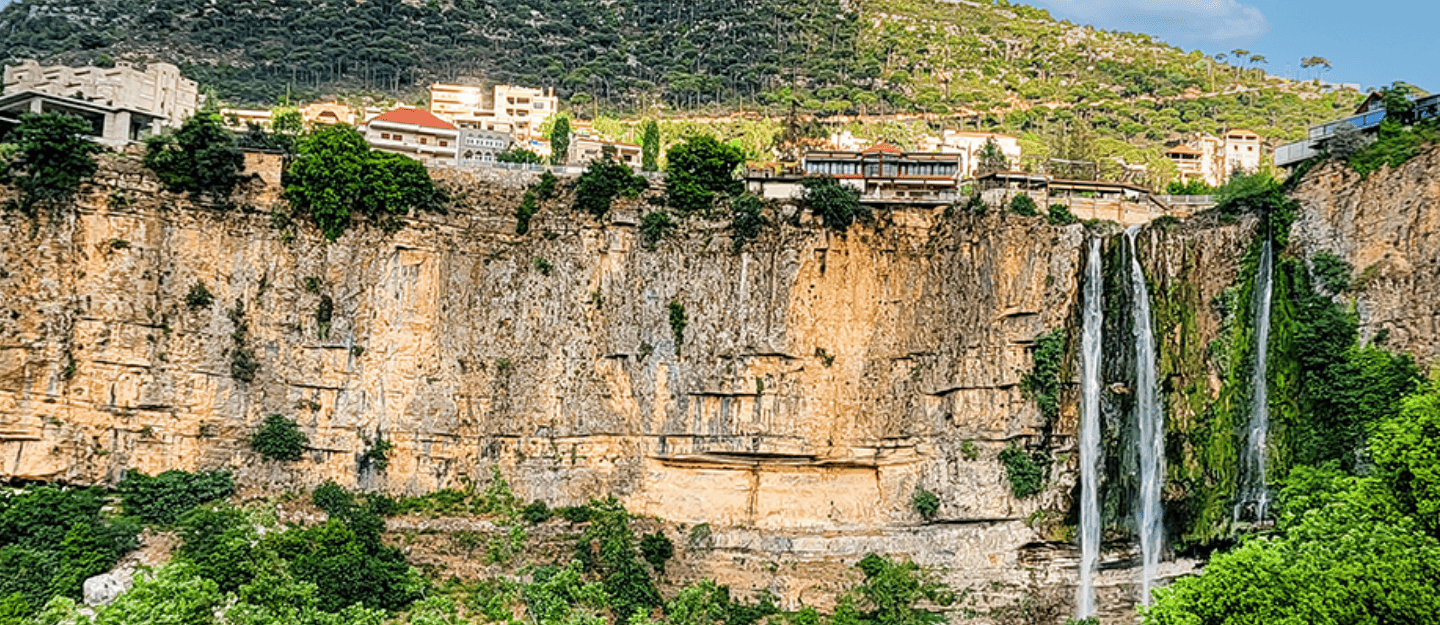
Maghdoucheh's Our Lady of Mantara: The cave at which Mary is said to have awaited Jesus is remembered by this sanctuary at the top of the hill. A high statue and chapel are nowadays above the low-lying plains. A place of great calmness, spiritual contemplation, and of great views attracts pilgrims and curious souls alike. It's both a religious but scenic viewpoint enclosed in serenity.
Qana’s Grotto and Stone Formations: Some identify Qana as the site of Jesus' first miracle. The grotto invites you inside to view ancient stone carvings etched into neighbouring stone. Be they the faithful or just the curious, Qana serves as a spiritual and historical experience amidst the region's calm charm and signature olive-clad hills.
Top Local Dishes to Try
Antonina kabbah: That's a classic, traditional and special Lebanese dish-the fresh raw minced lamb kibbeh prepared with finely ground bulgur and spices, served with fresh mint, onions, and olive oil. It will be prepared and served proudly sitting together, often enjoyed by locals in groups. This has so much flavor and tradition, which provides a great taste of Lebanese culture, directly through the kitchens of South Lebanon.
Sfiha Baalbakiyeh (Southern Style): Sfiha, that originates from somewhere else, is borrowed by South Lebanon with a herb. Yet, that is open facemeats pies, flavored with sumac, tomatoes, and onions, then baked crisply well. They make a good snack or light meal because they are quite filling, flavorful, and usually found in local bakeries and roadside stalls.
Sayadieh (Fish with Rice): Sayadieh is popular in coastal towns like Tyre. It provides a meal of spiced fish over caramelized onion rice and sweet, tangy tahini sauce. The dish is a comfort food to fishermen, and it narrates the story of Lebanon's coastal bounty. Fresh, filling, and bursting with flavor, this delicacy is definitely worth tasting for the seafood lovers visiting the region.
Makdous (Stuffed Eggplants): Makdous is a kind of traditional preservation, baby eggplant stuffed with walnuts, garlic, and chilies, and then soaked in olive oil. This dish is bold, tangy, and usually served when it's part of a mezze spread. Such are the family treasures that a dish passes through generations and speaks to the South Lebanese palate, which loves the earthy, handmade products that will last through the seasons.
The Best Restaurants & Hotels
Al-Fanar Restaurant, Tyre: Located right by the sea, Al-Fanar serves fresh seafood with traditional flair. Dine under the open sky with the sound of waves nearby. With grilled fish, mezze, and sunset views to be enjoyed, this place offers an effortlessly relaxed and elegant ambience for travelers who seek a taste of coastal Lebanese cuisine.
Tawlet Ammiq-Regional one: Although Tawlet's southern branch serves some proud fare from the Beqaa, local produce and home-cooked meals prevail. Each dish is prepared by one of the village women according to traditional recipes handed down through generations. The menu changes by season, featuring fresh ingredients and lots of love. It's a homey, warm place to have lovingly prepared food.
Rest House Hotel-Tyre: The peaceful hotel is facing the beach, combining comfort with charm. Rooms overlooking the sea are thus a fitting choice for those visiting ancient ruins and tranquil beaches. It is essentially a family holiday or time-out for solo travelers after exploring. The staff is very friendly, while the restaurant prepares traditional Lebanese meals presented in a modern manner.
Yara Castle Guesthouse, Jezzine: Nestled in the verdant hills of Jezzine, this beautifully restored stone guesthouse boasts an escape to tranquility. Surrounded by pines and waterfalls in a cozily authentic atmosphere, each room embodies what one would imagine in a Lebanese village house. In it, one can feel perfect whether an adventurer or a history lover would find a peaceful base in nature and culture.
Ultimate Shopping Destinations
The Old Souk of Sidon: The Old Souk of Sidon is a maze-like maze of narrow streets filled with stalls for spices, soap makers, and antique shops. It's a feast for the senses. Here is where one may buy handmade olive oil soap, brass lanterns, or stitched leather goods. This shopping experience is not solely the buying and selling of goods but an experience of walking through history.
Tyre Artisan Market: Every weekend, artists and food vendors come together in the public square in Tyre. Artisan baskets, pottery, carvings in olive wood, and homemade goodies can be found here. It is the perfect opportunity to support local talent and take home something unique. Talk and haggle, and soak in the colors.
Jezzine’s Cutlery Shops: Knives are incredibly famous in Jezzine, the most notable being their decorative bird-shaped handles. These are handcrafted by skilled artisans—not only an art form also a functional tool. One can explore the shops hidden in the village streets and see the artisans at work, a tradition passed down through the generations.
Bint Jbeil Market Days: This weekly market is a popular gathering for farmers from nearby villages until the early hours of the afternoon selling textiles and snacks. It is casual and crowded and truly a treasure hunt-from olives to embroidered tablecloths. This type of market has many stories associated with every item.
What Not to Do
Remain silent on sensitive politics and religion: Lebanon has an intricate and sensitive political and ecclesiastical environment. Avoid possibly contentious topics such as political parties, sectarian divides, and the civil war, unless you are very familiar with the local context. Even the most casual of comments can be misinterpreted or viewed as an offense.
Don't film military installations and personnel: Photographing army checkpoints, military bases, or any other government buildings is a strict no-no that may land you in a lot of trouble with officials; taking pictures of persons should always be done with prior permission, more so in conservative regions.
Don't assume Beirut is all of Lebanon: Beirut may be global but the rural and conservative Bekaa Valley or towns of the south follow altogether different sets of social codes. Outside the capital, dress a bit more modestly and adhere to local customs.
Don't forget to carry cash: Lebanon has undergone serious economic mismanagement, and with very few exceptions, credit card machines have not been working. Cash should be carried in U.S. dollars and Lebanese lira, especially in small denominations, as much outside cities as possible.
Limit your dependency on public transport: Public transport is very informal and unreliable. Shared taxis and minibus do not operate on set schedules and have irregular routes. It is safer and faster to use ride-hailing apps or private drivers.
Don't neglect hospitality; don't overrate: Lebanese are known for their generosity. Accepting coffee, food, or gifts is polite, but don't let the act of kindness be abused or decline it too bluntly; that may be considered disrespectful.
The Best Time to Visit
Spring (March to May): Wildflowers lining the hills, olive trees glow green under soft sun rays. Average temperatures and local festivals start sprinkling around. It is excellent for hiking, sightseeing, and enjoying the countryside before the blazing summer heat. You will also miss the peak season hordes while soaking up Lebanon when it is at its most alive.
Early Summer: (June): Early summer days are getting longer and warmer temperatures while not too much, so the beaches are always inviting and after-cool evenings, a great time for outdoor dinners. Best suited for coastal towns like Tyre and Sidon. Just fabulous markets being flooded with fresh produce and full local menus within seasonal dishes. Surely, the quiet before the tourist stampede.
Autumn: (September to October): Start of the olive harvest, much silent rejoicing in the countryside. This is the South of Lebanon golden-my-autumn. Warm hues for trees and a small drop in temperature for doing things outside. Also the season of the grapes, which has wineries and local farmers offering tastings and home-cooked goodies.
Winter months (November to February): The winter season is cooler and wetter but hushed and easy on the purse. History enthusiasts may walk among the ruins without the crowds. The peak season for olive oil production is also a perfect time to taste some fresh golden oil. Just grab a jacket because mountain villages can get chilly.
Thrilling Outdoor Activities
Hiking Jezzine Forests: Hike through cedar forests, waterfalls, and panoramic trails in the hills of Jezzine. This place is serene, green, and great for beginners and experienced hikers alike. With lots of resting places and photo opportunities, this is a rejuvenating way to escape city life. Don't forget to sample fresh spring water from the mountains along the way.
Diving at Tyre Marine Reserve: Dive into the Mediterranean’s clear blue to explore ancient underwater ruins, coral reefs, and colorful fish. Tyre’s protected marine area offers beginner and advanced diving options with qualified guides. Nature and history collide at this unforgettable spot, tucked out of the way beneath the waves. Rental is easy, and lessons are available.
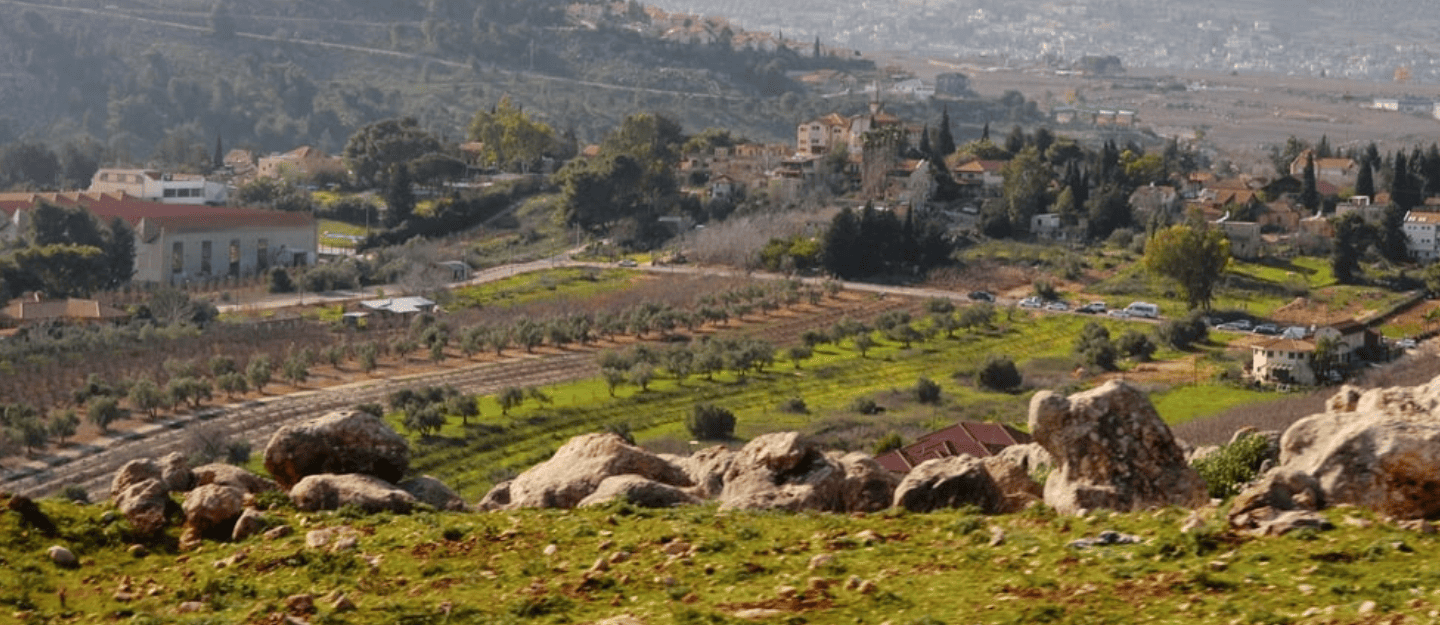
Cycling the Coastal Roads: Rent a bike and ride the scenic routes between towns like Tyre and Naqoura. The views extend to rocky cliffs, olive groves, and hidden coves. Stop for a snack in tiny villages or make a detour to swim in the pretty bays. This cycling excursion is meant to be leisurely and idyllic, so you can soak it all in and feel the breeze.
For the Olive Picking Tours (Autumn): The tour is an opportunity to join a local family during the harvest season to pick olives and press oil. Olive-picking experiences are about getting down to the nitty-gritty, being treated to warmth and homemade snacks, sharing in good times and laughs under olive trees, gaining education about this age-old method of living in South Lebanon, and coming home with stories-and perhaps a bottle of fresh oil!
Conclusion
South Lebanon is not just a place; it is home in every shared meal, every stone pathway, and every olive tree swaying in the wind. A tranquil escape for the traveler: from ancient ruins to bustling souks, sacred grottos to welcoming guesthouses. Whether you look for culture, adventures, or relaxing sun-kissed afternoons, this area begs you to explore deeply and connect authentically. It is beautiful not only for its places but also for its stories, its people, and its age-old traditions. South Lebanon welcomes you, and it stays with you long after you get home. Come with an open mind and with an open heart.
About Us
Trip planning could seem to be cumbersome but TravellingLark makes it easy by linking travelers with professional travel agencies that provide customized travel proposals. Instead of spending hours searching for the most appropriate vacation package, travelers can post their trip details and receive several personalized offers.
TravellingLark is not only a destination for travelers but the most powerful network for travel agencies, hotels, and travel vendors. Travel agencies can sign up for free listing of their offerings and display packages for holiday tours, hotels, and travel experiences. Travel is a business but no commission hefty charged like other platforms; we give businesses free travel leads to achieving their patronage.
Whether you are a travel agency searching for clients, a hotel requiring more bookings, or a travel vendor offering services, TravellingLark has just opened direct access to tourists searching for these offerings.
Hassle-Free Trip Planning: Every traveler gets a tailor-made travel offer, with other requirements left to him/her.
Join for Everyone: Signing up is completely free for all users and businesses. While basic access stays free, vendors now have the option to purchase premium leads to connect with more potential customers and grow their sales.
Join TravellingLark now and make a smarter future in planning, booking, and growing in the travel industry!
Planning a trip to South Lebanon?
Post your upcoming travel details and get personalized quotations from multiple verified travel agencies.
Fast response • Custom offers • Verified agents
Current Weather
Live Forecast
Planning a trip to South Lebanon?
Post your upcoming travel details and get personalized quotations from multiple verified travel agencies.
Fast response • Custom offers • Verified agents
Bigger Group? Get Special Offers Up to 50% Off!
Planning a trip for friends, family, or corporate teams to South Lebanon? We create unforgettable customised adventures with exclusive group pricing!
Current Weather
Live Forecast
Why travelers choose
TravellingLark?
Thoughtfully planned journeys, crafted for unforgettable experiences.
Built Around You
Personalized trips based on your style, interests and budget.
Handpicked Trips
Curated itineraries designed with love and local expertise.
Transparent Pricing
Clear package pricing with no hidden charges or surprises.
Personalized Planning
Every trip is tailored to your interests, pace and preferences.
Best Value Always
Get the best experiences at the best value for your money.
Global Destinations
Explore handpicked destinations across India and the world.
24/7 Trip Assistance
We're with you before, during and after your journey.
Built Around You
Personalized trips based on your style, interests and budget.
Handpicked Trips
Curated itineraries designed with love and local expertise.
Transparent Pricing
Clear package pricing with no hidden charges or surprises.
24/7 Trip Assistance
We're with you before, during and after your journey.
Personalized Planning
Every trip is tailored to your interests, pace and preferences.
Best Value Always
Get the best experiences at the best value for your money.
Global Destinations
Explore handpicked destinations across India and the world.
Hassle-Free Journey
Enjoy a smooth travel planning experience from start to finish.
Traveler Reviews for South LebanonReviews for South Lebanon
Verified ratings and genuine travel experiences from our community
No Reviews Yet
Have you explored South Lebanon? Share your experience to help fellow travelers plan their trip!