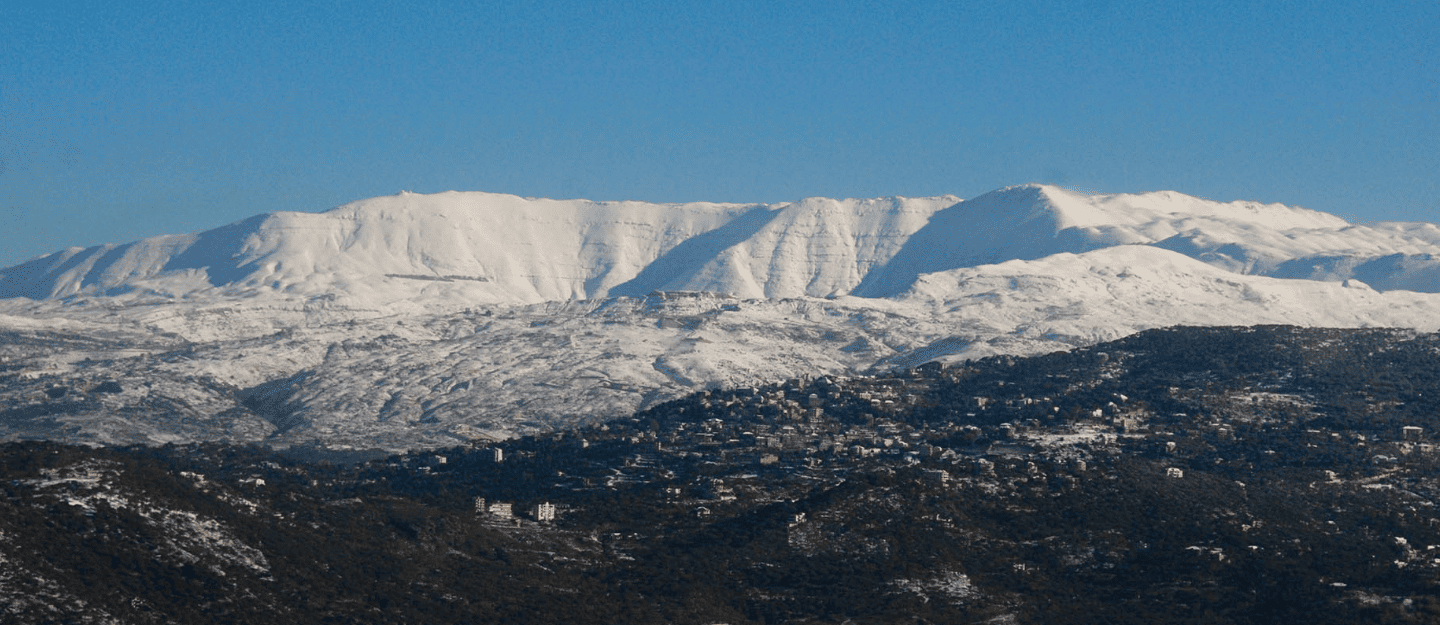
Mount Lebanon
About Mount Lebanon
Mount Lebanon: Cedar Peaks and Cultural Heights
Mount Lebanon is at one with Nature into a deep-rooted heritage. There are old cedar forests, quaint villages, supramontane sites, and more—this region has much to offer other than mountain views. If it is purity or if culture should be visited, it is sure to be available with Mount Lebanon. Let us discuss some of its attractions, cuisines, places to stay, shop, and activities.
Cultural and Historical Gems
Mount Lebanon is very much a repository of history and identity. Old monasteries such as Qozhaya tell the story of faith, while Beiteddine Palace is Ottoman elegancy. Walk through the stone alleys of Deir al-Qamar, and you will definitely feel transported into another time. The region is much less about buildings and more about the spirit of resilience and unity that still breathes through its people, festivals, and crafts. Here, oral stories and ancient dances are kept alive by the locals, together with the religious harmony that reflects a unique Lebanese character. Each nook and corner here is alive with strength, memory, and pride. Immerse yourself in the living history of Mount Lebanon-it is humble and grand all at once, waiting for you to listen.
Top Attractions
The Cedars of God: These ancient cedar trees, some more than 1000 years old, are symbols of nature in Lebanon. Walking in the forest feels like entering a sacred place. The cool air, thick trunks, and the scent of pine work together to create a peaceful escape, and indeed, it is a UNESCO site, making it a worthwhile place for nature buffs and historians alike to stop by.
Beiteddine Palace: Constructed in the early 19th century, this grand palace exhibits brilliant mosaics, archways, and typical Lebanese architecture. Not only this, it is a cultural landmark with a beautiful view of the mountains. It also hosts the Beiteddine Festival, an event gathering artists from all over the world. This walk is blending art, history, and royal elegance.
Deir al-Qamar: This village presents the ideal combination of a world left by time and the mountain aspect. Formerly the capital of Lebanon, it is filled with red-roofed houses, stone churches, and historic mosques. Inside it are calm streets, friendly inhabitants, a walking pace that makes such a great experience for freshening up, and an education in religious coexistence across the years in Lebanon.
Qozhaya Monastery: Nearby the famous Qadisha valley, Qozhaya is among the oldest known monasteries within the Middle East. The monastery is dedicated to Saint Anthony and has a cave chapel and a museum. Many pilgrims and people from far away visit here in quest of peace, introspection, and the beautiful views of valleys filled with green plants and sheer cliffs. It is a spiritual and vision-appealing location.
Top Local Dishes to Try
Kibbeh Nayyeh: It is a popular dish in Mount Lebanon, consisting of raw meat finely ground with bulgur and spices. It is served with fresh mint and olive oil, and it is considered a local delicacy for important events. Newcomers might shy away from trying it, but its flavors are very earthy and rich, like an authentic cuisine possible for adventurous eaters to try.
Sfiha Baalbakiyeh: Although it is named after Baalbek, this meat pie enjoys a great deal of popularity in Mount Lebanon. It is made with a kind of fillet and then topped with finely spiced lamb, pine nuts, and pomegranate molasses. Sfiha is sweet and sour all wrapped in one. It's best enjoyed while hot in accompaniment to yogurt or fresh salad. Commonly, locals eat this while on the go or during family dining sessions.
Moujaddara: Avery efficient and almost modest kind of lentil and rice dish, garnished with caramelized onions. This part of the vegetarian diet is really comforting and nutritious. In mountain homes, it is generally served warm alongside pickles or fresh tomatoes and speaks simplicity, great after coming from vigorous hikes or cold mountain evenings.
Labneh with Zaatar and Olive Oil: Creamy strained yogurt spread seasoned with thyme, sumac, and olive oil. Usually it is served with warm breads and is regarded as a must-have for breakfast in the mountains. Its taste is fresh and tangy, which couples well with black tea.
The Best Restaurants & Hotels
Fadel Restaurant (Broummana): Fadel serves classic Lebanese fare with a flair in the famous garden seating and fresh mountain air. From grilled meats to creamy hummus, all dishes are infused with taste and tradition. A favorite weekend haunt for families and tourists alike, with flavor and laid-back ambience amidst the hills.
Al-Chalouf Restaurant (Deir al-Qamar): An old stone eatery, filled with rustic charm and delicious local cuisine. Their tabbouleh and stuffed vine leaves share special love. With its sweeping views over the rolling hills, along with warm service, one truly gets the feeling of dining at a mountain home. Just perfect for a peaceful meal and escape from the city's noise.
Palace Hotel (Beiteddine): The hotel offers comfort, elegance, and great views just a few steps from the historical palace. Each room has its own old-world charm, combined with the comforts of modern living. An ideal base for festivalgoers and history lovers. Breakfast on the terrace, where cooling cedar-scented breezes carry the soft sounds of a quiet village.
Printania Palace (Broummana): A perennial favorite, this hotel strikes the perfect balance between elegance and nature. The gardens, pool, and generously sized bedrooms provide tranquility and charm. Printania's service is something to rave about, as it often hosts weddings and other events.
Ultimate Shopping Destinations
Souk al-Tayeb Farmers’ Market: Initially conceived in downtown Beirut, the artisan markets have a unique way of popping up all over Mount Lebanon. Everything from fresh labneh to organic coal and homemade jams and soaps can be found here, selling mostly in answer to farmers and artisans. A perfect choice for eco-conscious organic goods while encouraging smaller producers. Just take a bag; you might not leave with exactly what you came for!
Beiteddine Handicraft Shops: Farther away from the palace, where small stores used to sell all the typical souvenirs: embroidered linens, carved olive wood. Every single item tells a story of heritage. Usually, artisans will go the extra mile to explain their work. This makes it truly personable; a wonderful place to buy genuine gifts with cultural meaning.
Broummana Boutiques: Broummana's winding streets are home to chic boutiques selling handmade jewelry, scarves, and designer wear. These shops reflect the modern-meets-traditional style of the area. Whether it be for a goodie for the trip home or an outright statement piece, charm and quality are found around each and every little corner.
Local Market in Deir al-Qamar: It is small and lively and mostly active on weekends. Expect offerings of homemade pickles and goat cheeses, seasonal produce, and knitted goods. It is as much a shopping place as it is a social one, where locals come to catch up on gossip and share smiles.
What Not to Do
Remain silent on sensitive politics and religion: Lebanon has an intricate and sensitive political and ecclesiastical environment. Avoid possibly contentious topics such as political parties, sectarian divides, and the civil war, unless you are very familiar with the local context. Even the most casual of comments can be misinterpreted or viewed as an offense.
Don't film military installations and personnel: Photographing army checkpoints, military bases, or any other government buildings is a strict no-no that may land you in a lot of trouble with officials; taking pictures of persons should always be done with prior permission, more so in conservative regions.
Don't assume Beirut is all of Lebanon: Beirut may be global but the rural and conservative Bekaa Valley or towns of the south follow altogether different sets of social codes. Outside the capital, dress a bit more modestly and adhere to local customs.
Don't forget to carry cash: Lebanon has undergone serious economic mismanagement, and with very few exceptions, credit card machines have not been working. Cash should be carried in U.S. dollars and Lebanese lira, especially in small denominations, as much outside cities as possible.
Limit your dependency on public transport: Public transport is very informal and unreliable. Shared taxis and minibus do not operate on set schedules and have irregular routes. It is safer and faster to use ride-hailing apps or private drivers.
Don't neglect hospitality; don't overrate: Lebanese are known for their generosity. Accepting coffee, food, or gifts is polite, but don't let the act of kindness be abused or decline it too bluntly; that may be considered disrespectful.
The Best Time to Visit
March to May: The springtime brings along a stretch of March to May. Mount Lebanon is a sight to see ever since wildflowers have come to life, turning its slopes green. The weather is cool, fresh and offers ideal opportunities either for hiking or for visiting places of heritage. The festival season in these parts opens up at this time with sounds of music and culture. It is a season of rebirth in nature and in spirit.
Summer (June to August): Normally cooler than at the coast, Mount Lebanon is a retreat-place for escaping the heat of the cities. The outdoor cafes, open-air festivals, and indulgent long evenings all seem particularly lively. Expect very occupied restaurants, busy hotels, and loads of cultural events. Book early for calmness.
Autumn (September to November): Golden trees in quiet paths mark autumn here. This is such a beautiful season for casual walking, photography, and eating seasonal foods such as roasted chestnuts. The throngs of tourists have thinned, so one can enjoy a more relaxed experience. The lights by sunset are magical, with warm colors mixing with cool air.
Winter (December-February): The high peaks get capped with snow, and this converts Mount Lebanon into a fairyland of secluded beauty. Resorts here attract adventure-seeking visitors who come to ski, while villages retain their warmth with fireplaces and hot meals. Some roads may close during this season, but winter has its own understanding—less noise, but more soul.
Thrilling Outdoor Activities
Hiking in the Chouf Cedars Reserve: This protected area is home to several scenic trails through cedar forests and wild hills. Whether you're a beginner or a seasoned hiker, there's a route for you. Spot the birds, enjoy silence, and breathe deeply: it's pure and simple nature therapy.
Paragliding Above Jounieh Bay: This kicks up anywhere very close to Mount Lebanon and sends an adrenaline charge through your body. Fly with an expert pilot and have breathtaking views of sea and mountains. The thrill, the freedom: It is what makes this adventure lover's initiative a must for him.
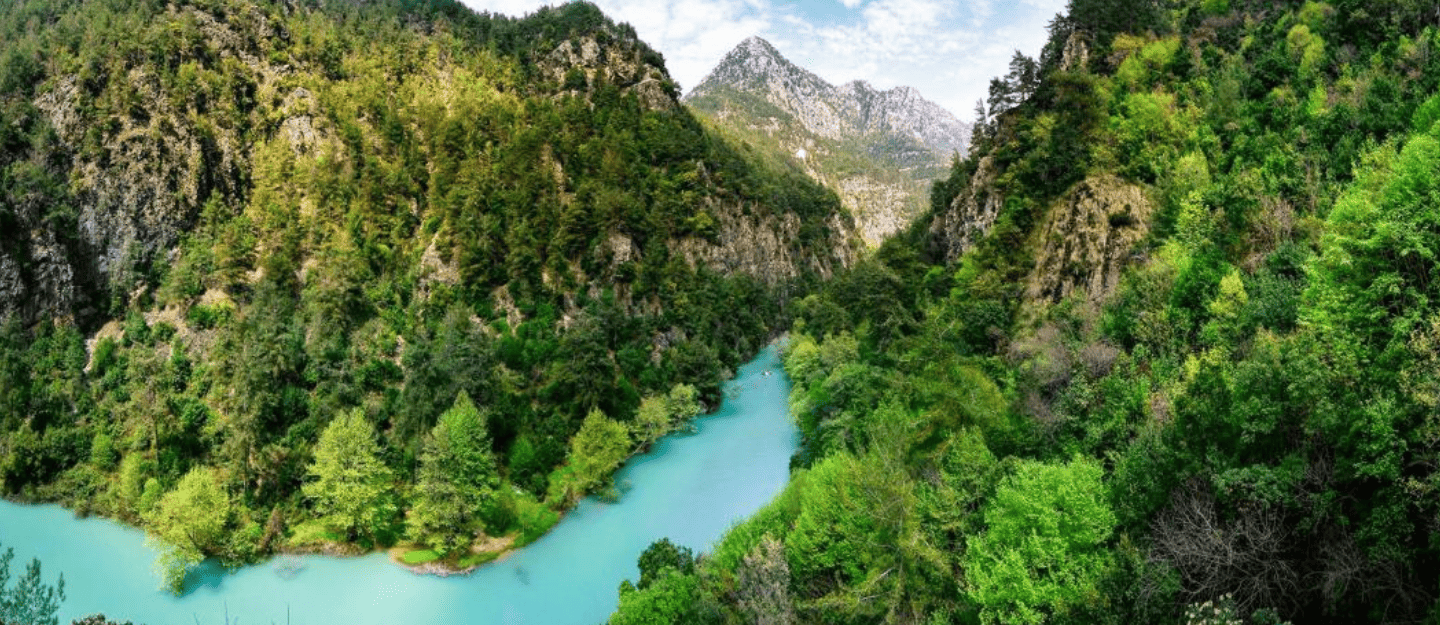
Biking Through Bikfaya Trails: Bikfaya forested paths and quiet roads are perfect for cycling. Rent a bike or take your own. The uphill clambers take you, eventually, to sprawling views and renewed mountain air. Drop in mid-ride at a local village cafe for fresh juice or coffee.
Skiing in Faraya: High upon the slopes of Mount Lebanon, beckons Faraya in wintertime. With well-groomed pistes, gear hires, and cozy lodges, everything here seems made easy. Ski or snowboard -however you experience it, it's thrill abound to explore Lebanon's snowy side, just a short drive from the coast.
Conclusion
Mount Lebanon really is more than mere mountains-it is history in the process of being lived. Cedar forests and stone villages, homemade meals and highland festivals, make this region Lebanon's living heart. It is a haven for the serenity-seeker, richness for the culture-seeker, and warmth for any traveler. Whether it is a weekend or a season-long vacation, Mount Lebanon calls you to slow down, take deeper breaths, and connect. With every hike, dish, and smile, an imprint of memory is formed. Thus, pack light, bring curiosity, and let the peaks and people of Mount Lebanon guide your next unforgettable journey. It is not far- it just feels like home.
About Us
Trip planning could seem to be cumbersome but TravellingLark makes it easy by linking travelers with professional travel agencies that provide customized travel proposals. Instead of spending hours searching for the most appropriate vacation package, travelers can post their trip details and receive several personalized offers.
TravellingLark is not only a destination for travelers but the most powerful network for travel agencies, hotels, and travel vendors. Travel agencies can sign up for free listing of their offerings and display packages for holiday tours, hotels, and travel experiences. Travel is a business but no commission hefty charged like other platforms; we give businesses free travel leads to achieving their patronage.
Whether you are a travel agency searching for clients, a hotel requiring more bookings, or a travel vendor offering services, TravellingLark has just opened direct access to tourists searching for these offerings.
Hassle-Free Trip Planning: Every traveler gets a tailor-made travel offer, with other requirements left to him/her.
Join for Everyone: Signing up is completely free for all users and businesses. While basic access stays free, vendors now have the option to purchase premium leads to connect with more potential customers and grow their sales.
Join TravellingLark now and make a smarter future in planning, booking, and growing in the travel industry!
Planning a trip to Mount Lebanon?
Post your upcoming travel details and get personalized quotations from multiple verified travel agencies.
Fast response • Custom offers • Verified agents
Current Weather
Live Forecast
Planning a trip to Mount Lebanon?
Post your upcoming travel details and get personalized quotations from multiple verified travel agencies.
Fast response • Custom offers • Verified agents
Bigger Group? Get Special Offers Up to 50% Off!
Planning a trip for friends, family, or corporate teams to Mount Lebanon? We create unforgettable customised adventures with exclusive group pricing!
Current Weather
Live Forecast
Why travelers choose
TravellingLark?
Thoughtfully planned journeys, crafted for unforgettable experiences.
Built Around You
Personalized trips based on your style, interests and budget.
Handpicked Trips
Curated itineraries designed with love and local expertise.
Transparent Pricing
Clear package pricing with no hidden charges or surprises.
Personalized Planning
Every trip is tailored to your interests, pace and preferences.
Best Value Always
Get the best experiences at the best value for your money.
Global Destinations
Explore handpicked destinations across India and the world.
24/7 Trip Assistance
We're with you before, during and after your journey.
Built Around You
Personalized trips based on your style, interests and budget.
Handpicked Trips
Curated itineraries designed with love and local expertise.
Transparent Pricing
Clear package pricing with no hidden charges or surprises.
24/7 Trip Assistance
We're with you before, during and after your journey.
Personalized Planning
Every trip is tailored to your interests, pace and preferences.
Best Value Always
Get the best experiences at the best value for your money.
Global Destinations
Explore handpicked destinations across India and the world.
Hassle-Free Journey
Enjoy a smooth travel planning experience from start to finish.
Traveler Reviews for Mount LebanonReviews for Mount Lebanon
Verified ratings and genuine travel experiences from our community
No Reviews Yet
Have you explored Mount Lebanon? Share your experience to help fellow travelers plan their trip!