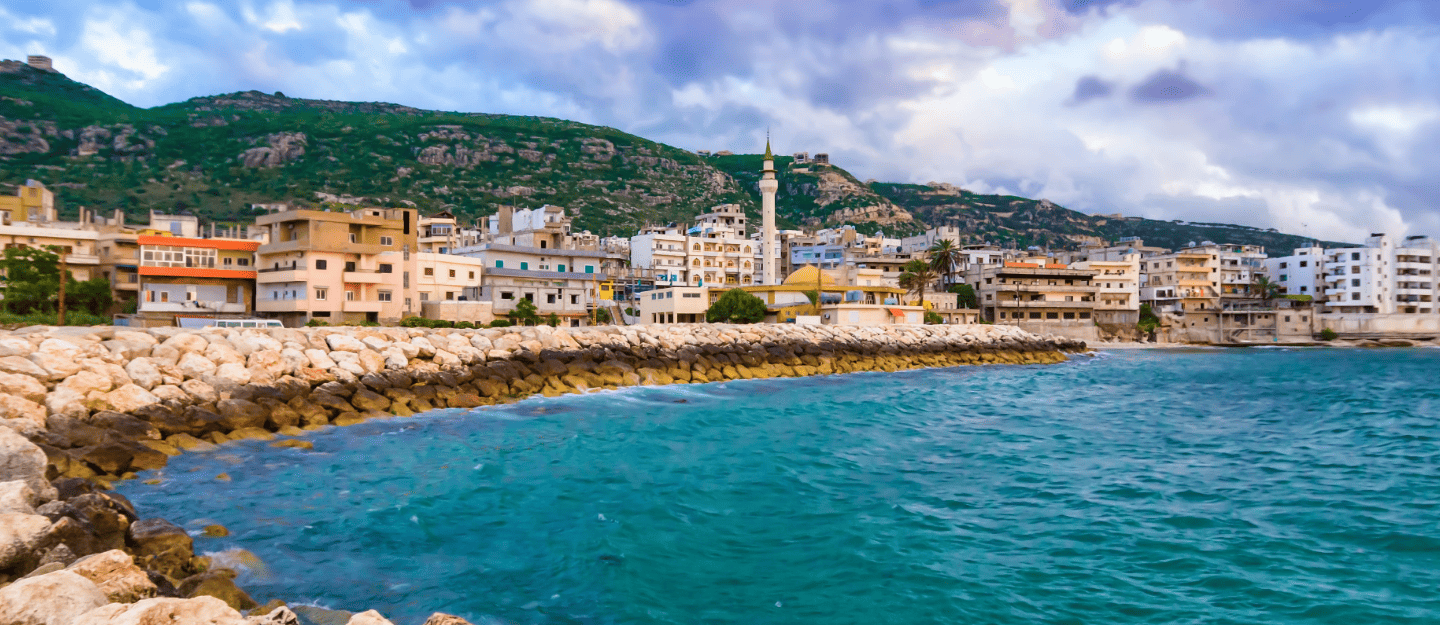
North Lebanon
About North Lebanon
North Lebanon: Coastal Calm and Mountain Majesty
North Lebanon is a point where mountain air mixes with sea breeze. It is a region of sleepy coastal towns with serene sounds and snow-clad peaks; simply oodles of natural beauty set in quiet charms. It is a guide taking you into history, good mouthwatering food, cozy stays, and the local favorites-simple tips to maximize one's travel experience.
Cultural and Historical Gems
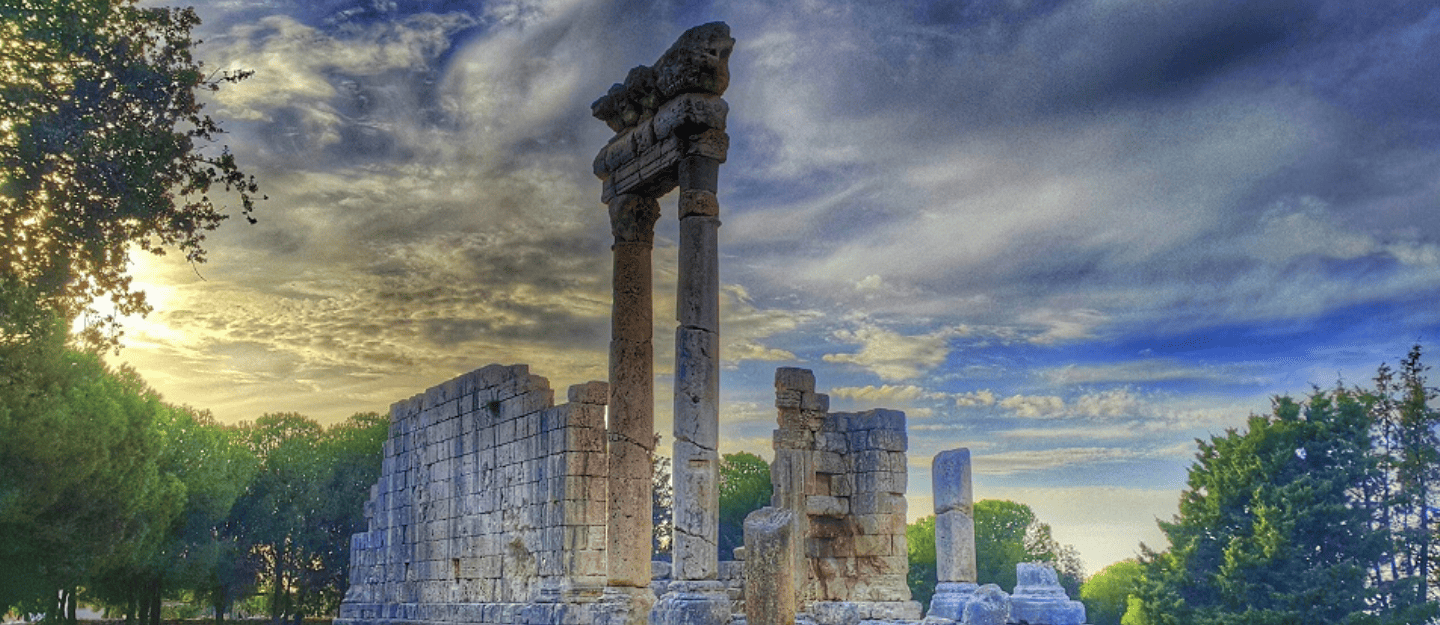
North Lebanon has so many stories ingrained in stones written, some have passed through generations. This is reflected in Tripoli, where the medieval architecture and ancient souks whisper tales about Mamluk rule. Nestled between cliff faces, the Qadisha Valley protects centuries-old monasteries. Bcharre-the birthplace of poet Gibran Khalil Gibran-offers a glimpse into Lebanon's literary soul. Meanwhile, the Cedars of God have stood-what nature's oldest witnesses know of history-very proud, indeed, past any dirt thrown in. Within these spaces are dimensions that combine spiritual depth with historical pride, allowing visitors to walk through living museums of silent sanctuary. So whether you crave church, mosque, or mountaintop ruins, you can't escape the layered identity of the space in which memory lives and history breathes. Time moves slowly here, but memories remain vivid.
Top Attractions
Tripoli Fortress (Citadel of Raymond de Saint-Gilles): This massive fortress overlooks the old town of Tripoli. Going back to the days of the Crusaders, it later passed over into Mamluk and Ottoman hands. Visitors can explore its corridors, towers, and tunnels and view the sloping city below. The citadel represents superb marriage of war-time history and architectural wonder, telling hundreds of years of stories in stone.
Qadisha Valley: To offer A valley that is spiritually and scenically striking and a UNESCO World Heritage Site. With ancient Christian monasteries built on the cliffs, it has been a retreat for the monks since the early centuries. Hiking here is going through quiet trails, hidden chapels, and amazing views-the complete experience of nature, faith, and timeless peace.
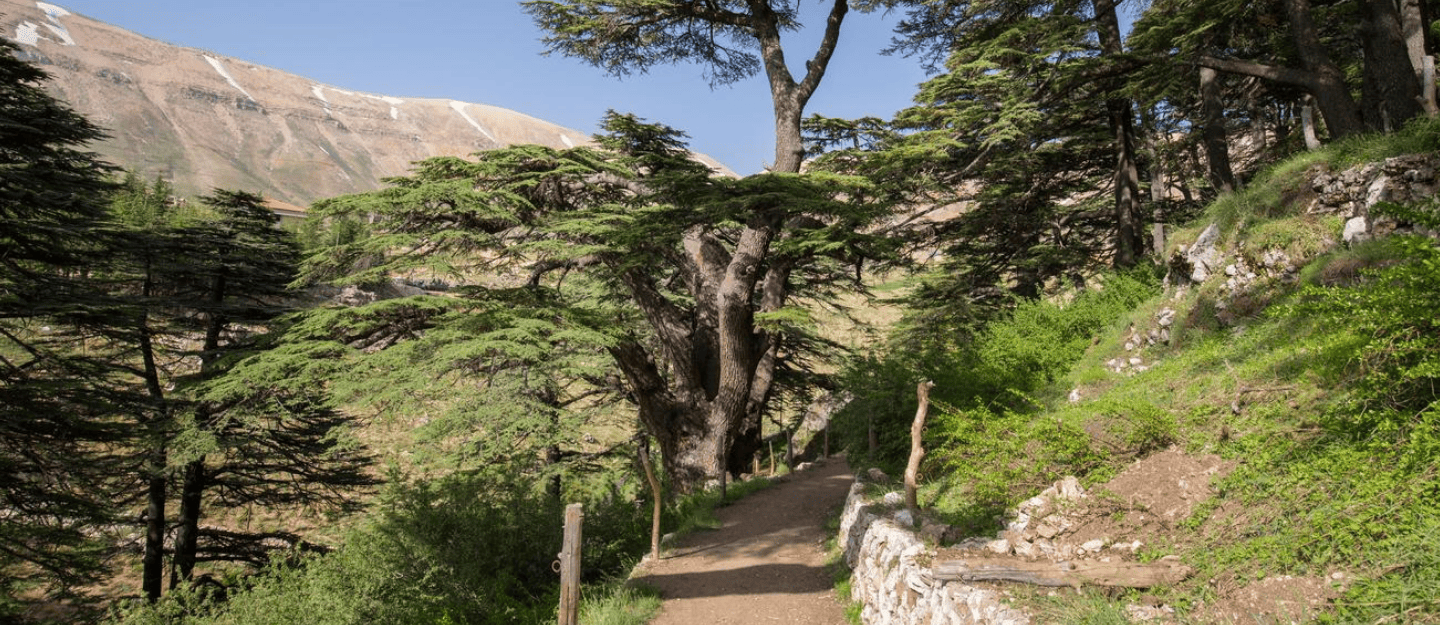
Cedars of God (Arz al-Rab): Indeed, those cedar trees should be Lebanon's national pride. Found in Bcharre, the forest of Cedars of God preserves some last examples drawn from biblical traditions. Tourists can walk through manicured paths surrounded by tall trees and breathe fresh mountain air. It is not just a forest but a living monument of resilience and beauty.
The Gibran Museum in Bcharre: This was a monastery that now pays homage to the highest poet of Lebanon: Gibran Khalil Gibran; its collection consists of original manuscripts, paintings, and personal belongings. And from the mountainside, it is actually a quiet view into Gibran's world of words and thought. Every art lover or fan of literature actually finds value within every nook of this place.
Top Local Dishes to Try
Kebbeh Zghertawieh: This dish comes from Zgharta and has layers of bulgur, minced meat, and spices. Baked and often served with yogurt, this dish is nothing like its fried or raw counterparts. Each morsel is infused with the warmth of home; slip this dish into your life if you want to try out the comfort of northern Lebanon's flavors and traditional family recipes.
Fattoush with Sumac Bread: Fattoush is one of those light and refreshing salads, but in the North, we take an extra step and use toasted pita bread sprinkled with tart sumac. Mixed vegetables, mint, and pomegranate molasses create a sharp yet delicious palate. Light and succulent, it is most popularly served with every feast meal to a simple, family-style dinner.
Lahm bi Ajeen (Meat Pies): This flat bread goes thinly with spiced minced meat, tomatoes, and onions. With a hearty crunch, it makes a very populist street food and bakery item. In the coastal winds of Tripoli, select versions infused with citrus and herbs are pure bliss. An all-time best for a quick snack or great as a more restored meal with some yogurt.
Moghrabieh: This pearl couscous dish, slow-cooked with chickpeas, onions, and tender meat (usually lamb or chicken), is flavored with the earthy spices of cinnamon and caraway. Hearty and fragrant, it fills the belly and nurtures the soul. The North Lebanese have made this dish one of their specialties for special occasions, making it one steeped in warmth and tradition.
The Best Restaurants & Hotels
Akra Restaurant, Tripoli: Foul and hummus are some of the local favorites at Akra, where since the 1950s authentic Lebanese breakfasts have been served. The flavors are simple yet so satisfying. The setting is casual, yet food highly praised. It is one of those local spots where patrons meet daily, a strong indicator of its excellent reputation and deep traditions.
Abou Fadi, Ehden: Up in the higher mountains of Ehden, Abou Fadi is famed for grilled meats and meza. Outdoor seating, fresh air, and sweeping views just add to the vibe. It is a real family business where a simple lunch gives in to a rich memory at every single bite.
Mist Hotel and Spa, Ehden: Sitting beautifully on the hills of Ehden, this hotel combines luxurious appeal with natural charm. With modern rooms and a spa that overlook panoramic views, Mist combines elegance with comfort. Perfect for unwinding after a day filled with treks or sightseeing. And the food here is as wonderful as the views!
Via Mina Hotel, Tripoli: Located in some boutique experiences in the El Mina district, this hotel exhibits a blend of ancestral architecture with causeway comfort. Close to the harbor and ancient souks, it offers a tranquil sojourn that comes with a touch of culture. The amiable staff, elegant interiors, and warm courtyards complete the experience.
Ultimate Shopping Destinations
Tripoli souks: Striding through the centuries-old alleys with rows of shops, selling soaps, spices, copperware, and fabrics; the Tripoli souks include what arguably ranks as one among the oldest and most atmospheric souks in Lebanon. From the handmade goods to street snacks, everything finds a place here. A must-see between serious shoppers and curious wanderers for the energy, the smells, and the colors.
Artisan Markets of Bcharre: These small markets offer homegrown crafts such as handwovens, cedarwood carving, and homemade preserves. Perfect as a souvenir, these markets best depict mountain village life and culture. Buying from them also helps support local families and enables a closer experience with the region. It is more than just shopping-it is culture wrapped in every product.
Fish Market in El Mina: Get the true local flavor by attending the early morning fish market in Tripoli's port. This is where fishermen bring to market their daily catch-fresh, living, and often still wriggling. Even if one is not buying something, just watching the bustling marketplace is worth it. Seafood lovers can find here some of the freshest flavors.
Al-Mina Handmade Soap Shops: Tripoli town is the town that has its differentiation by producing olive oil-based soaps from their al-mina small workshops. As for these soaps, they are scented with herbs and flowers making them both useful and beautiful, thus great gifts that are also personal indulgences. In addition, you can also get to see soap-making by hand inside the stores.
What Not to Do
Remain silent on sensitive politics and religion: Lebanon has an intricate and sensitive political and ecclesiastical environment. Avoid possibly contentious topics such as political parties, sectarian divides, and the civil war, unless you are very familiar with the local context. Even the most casual of comments can be misinterpreted or viewed as an offense.
Don't film military installations and personnel: Photographing army checkpoints, military bases, or any other government buildings is a strict no-no that may land you in a lot of trouble with officials; taking pictures of persons should always be done with prior permission, more so in conservative regions.
Don't assume Beirut is all of Lebanon: Beirut may be global but the rural and conservative Bekaa Valley or towns of the south follow altogether different sets of social codes. Outside the capital, dress a bit more modestly and adhere to local customs.
Don't forget to carry cash: Lebanon has undergone serious economic mismanagement, and with very few exceptions, credit card machines have not been working. Cash should be carried in U.S. dollars and Lebanese lira, especially in small denominations, as much outside cities as possible.
Limit your dependency on public transport: Public transport is very informal and unreliable. Shared taxis and minibus do not operate on set schedules and have irregular routes. It is safer and faster to use ride-hailing apps or private drivers.
Don't neglect hospitality; don't overrate: Lebanese are known for their generosity. Accepting coffee, food, or gifts is polite, but don't let the act of kindness be abused or decline it too bluntly; that may be considered disrespectful.
The Best Time to Visit
Spring (March-May): Spring is a pretty good season: wildflowers are blooming, and the weather is mild. It's an ideal season for hiking in Qadisha or exploring ancient sites and castles without the hassle of sudden crowds. Local festivals begin around this time, adequately running the cultural gamut and complementing the pleasantly cool weather. With clear skies, without humidity, it is a perfect time for outdoor picture taking and gentle walks.
Summer (June-August): Summer is cool and refreshing in the mountains-places like Ehden and Bcharre-creating a welcome retreat from the sweltering coastal heat. Outdoor cafes prosper, festivals bloom, and local markets are alive with energy. Though coastal cities are hot, a visit to the beach or engagement in water activities is bliss. A season alive with activities and social gatherings!
Autumn (September-November): The weather is become cooler, and forests start lighting up with colors. Autumn is a quiet time to travel, perfect for slow sightseeing, wine tasting, or retreat into nature. The time of harvest, expect local fruits, olive oil pressing, mouthwatering seasonal dishes. The scenery turns golden, while the soul becomes cozy.
Winter (December–February): The mountains are snow-covered, a call for skiers and snow lovers to the resorts close to Bcharre. If the coast is rainy and cool, those higher elevations are enchanting with winter magic. Time to enjoy warm meals, sit around the fire, and hike in snowy wonderlands. Just do check on road conditions before setting off to the remote villages.
Thrilling Outdoor Activities
The Qadisha Trail: The Qadisha Valley trails traverse caves, cliffs, and monasteries on a spiritual and physical journey. Steep in places, every view along the way makes it worthwhile. Find some restored chapels for solitude and secret spots for picnicking! This is the sort of trail for nature lovers who seek more than a workout-this is soul food.
Skiing at The Cedars: One of Lebanon's oldest ski resorts, The Cedars has some snow-covered slopes with virtually no one else around. It's great for beginners but also has the terrain for experienced skiers. After a day of skiing, relax in a mountain chalet with steaming beverages and hearty meals. A small winter gem, just hours from the sea.
Paragliding in Ehden: For gymnastics enthusiasts, Ehden presents a marvelous paragliding venue. Gain altitude above valleys, cedar forests, and shimmering blue seas. Local guides ensure a safe and unforgettable experience. It is a serene moment, yet an adrenaline rush that offers a new eye view of Lebanon's stratified landscape—flying between two worlds: mountain and coast.
Kayaking at Chekka: Kayaking under star-spangled clear waters is not the best option. Row along the coast while fishing for caves or meandering your way under the sun. It is an easy-going and refreshing method of taking in the coasts of lebanon and quite free of audience. Great for couples, families, or those alone wanting to spend some time in nature.
Conclusion
North Lebanon is much more than just a region-it is an experience of contrast and harmony. From the historic heart of Tripoli to the lone strength of the mountains, every corner beckons explore. You will eat bold dishes, tread ancient paths, and feel welcomed by people rooted in tradition. Whether you are looking for peace, culture, or adventure, this place gives you room to breathe, think, and reconnect. It is not about going through a check list; it is all about savoring moments, flavors and views that will stay close to your heart even when you leave. North Lebanon waits patiently, full of stories, ready to be lived, not just seen.
About Us
Trip planning could seem to be cumbersome but TravellingLark makes it easy by linking travelers with professional travel agencies that provide customized travel proposals. Instead of spending hours searching for the most appropriate vacation package, travelers can post their trip details and receive several personalized offers.
TravellingLark is not only a destination for travelers but the most powerful network for travel agencies, hotels, and travel vendors. Travel agencies can sign up for free listing of their offerings and display packages for holiday tours, hotels, and travel experiences. Travel is a business but no commission hefty charged like other platforms; we give businesses free travel leads to achieving their patronage.
Whether you are a travel agency searching for clients, a hotel requiring more bookings, or a travel vendor offering services, TravellingLark has just opened direct access to tourists searching for these offerings.
Hassle-Free Trip Planning: Every traveler gets a tailor-made travel offer, with other requirements left to him/her.
Join for Everyone: Signing up is completely free for all users and businesses. While basic access stays free, vendors now have the option to purchase premium leads to connect with more potential customers and grow their sales.
Join TravellingLark now and make a smarter future in planning, booking, and growing in the travel industry!
Planning a trip to North Lebanon?
Post your upcoming travel details and get personalized quotations from multiple verified travel agencies.
Fast response • Custom offers • Verified agents
Current Weather
Live Forecast
Planning a trip to North Lebanon?
Post your upcoming travel details and get personalized quotations from multiple verified travel agencies.
Fast response • Custom offers • Verified agents
Bigger Group? Get Special Offers Up to 50% Off!
Planning a trip for friends, family, or corporate teams to North Lebanon? We create unforgettable customised adventures with exclusive group pricing!
Current Weather
Live Forecast
Why travelers choose
TravellingLark?
Thoughtfully planned journeys, crafted for unforgettable experiences.
Built Around You
Personalized trips based on your style, interests and budget.
Handpicked Trips
Curated itineraries designed with love and local expertise.
Transparent Pricing
Clear package pricing with no hidden charges or surprises.
Personalized Planning
Every trip is tailored to your interests, pace and preferences.
Best Value Always
Get the best experiences at the best value for your money.
Global Destinations
Explore handpicked destinations across India and the world.
24/7 Trip Assistance
We're with you before, during and after your journey.
Built Around You
Personalized trips based on your style, interests and budget.
Handpicked Trips
Curated itineraries designed with love and local expertise.
Transparent Pricing
Clear package pricing with no hidden charges or surprises.
24/7 Trip Assistance
We're with you before, during and after your journey.
Personalized Planning
Every trip is tailored to your interests, pace and preferences.
Best Value Always
Get the best experiences at the best value for your money.
Global Destinations
Explore handpicked destinations across India and the world.
Hassle-Free Journey
Enjoy a smooth travel planning experience from start to finish.
Traveler Reviews for North LebanonReviews for North Lebanon
Verified ratings and genuine travel experiences from our community
No Reviews Yet
Have you explored North Lebanon? Share your experience to help fellow travelers plan their trip!