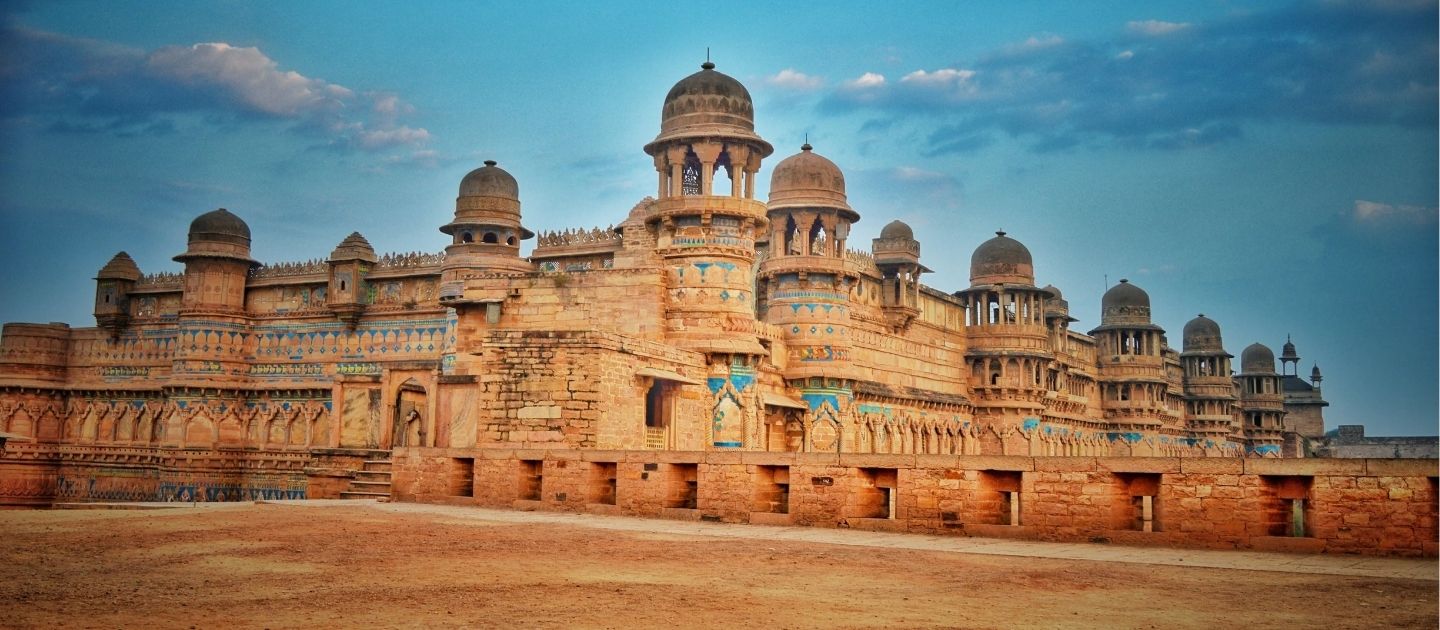
Gwalior Fort
About Gwalior Fort
Gwalior Fort: Clifftop Strength and Historic Echoes
Gwalior Fort, India's one and only allow, is a brave and mighty fortress. Rising magnificently on a sandstone hill, the fort is also called the “Gibraltar of India,” a name given because of its impenetrability and the long history of its establishment, openness and influence among the various cultures in the area.
Plan your next adventure easily with Travellinglark Post Travel — your smart travel companion!
Cultural and Historical Gems
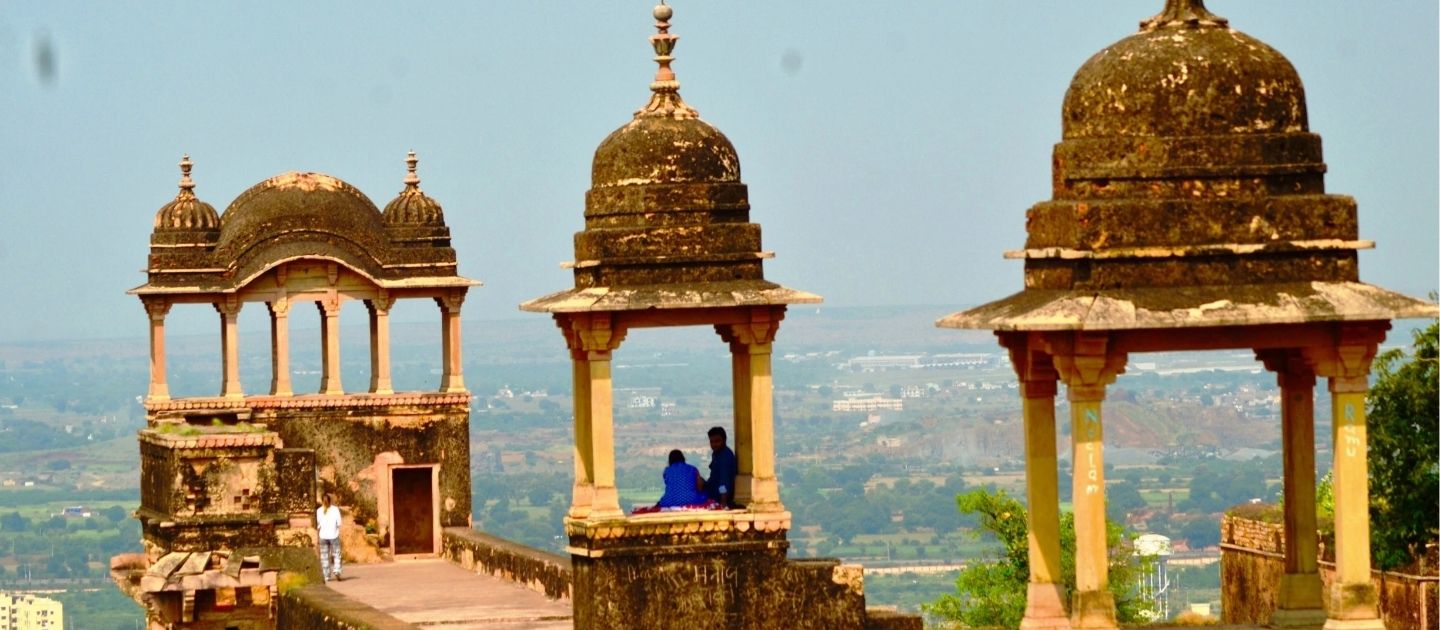
The architecture and constructions of the fort made the rulers and the rich fight over it and so the history of Gwalior Fort is written by various Indian rulers like the Gurjara-Pratiharas, Tomars, Mughals, and Marathas. The fort is even a witness to the Mughal's rule over the region and taking a step back to the Hindu-Jain-Islamic cohabitation. The music of Indian classical was also associated with the fort and the Marahaja Man Singh Tomar who patronized the likes of the great musician Tansen. Apart from military dejure, the fort was a place for the exchange of culture, art and thoughts. It is thus, the stone all over the walls that tell valiant tales, be loved or of royal intrigue, that make the fort an inevitable and incomparable cultural heritage site of India’s central region.
Top Attractions
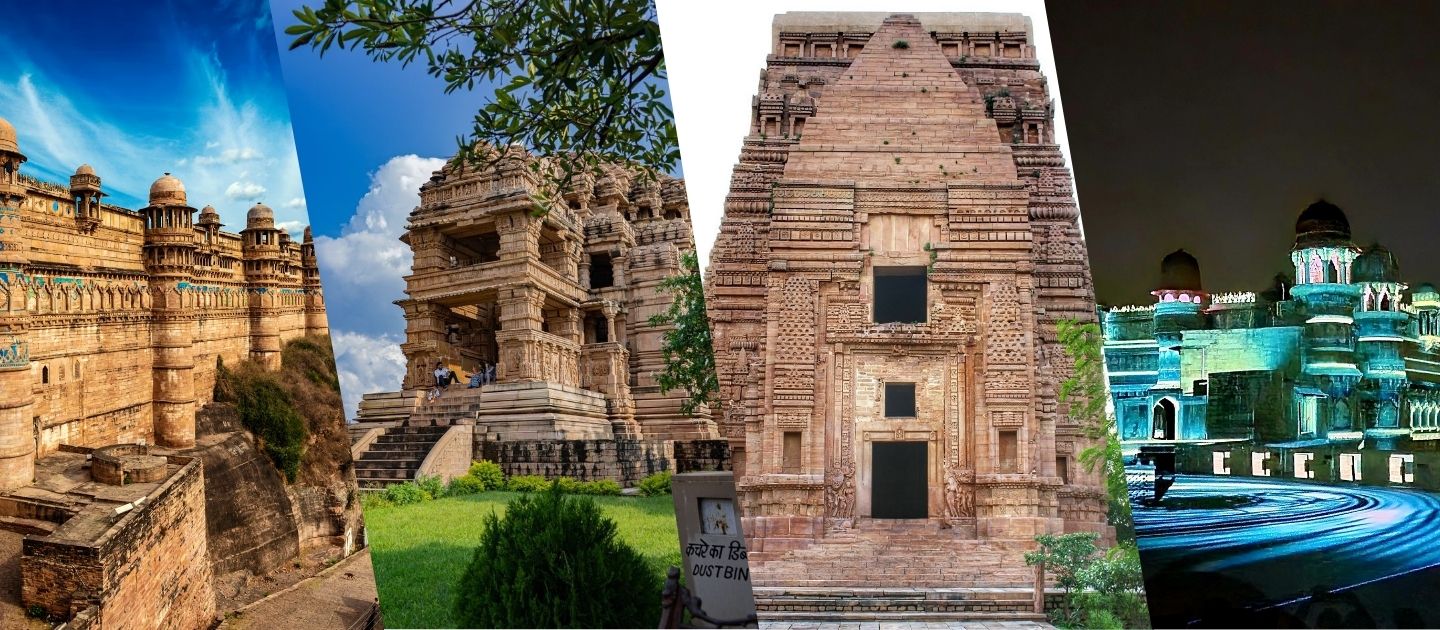
1. Man Singh Palace
Among all the constructions at Gwalior Fort, Man Singh Palace has been considered the most beautiful and architectural masterpiece with the stunning blue tiles and the complex geometric patterns decorating it. The palace, which was built in the 15th century by Raja Man Singh Tomar, is the place where the kings and emperors of Rajput and Mughal origin lived together. Visitors can explore opulent halls, underground chambers, and the apartments where Mughal emperors used to stay. Besides, it is a showcase of medieval engineering with its acoustics and ventilation systems. The building's great artistic and historical significance has made it the most photographed and admired structure in the whole fort area.
2. Saas Bahu Temples
The Saas Bahu Temples are named after mother-in-law and daughter-in-law but in truth, they are dedicated to Lord Vishnu. These temples, constructed in the 11th century, exhibit the wonderful Nagara-style architecture and are adorned with delineated gods, heavenly beings, and flowers. Although the temples are partially ruined, they still give off a spiritual and elegant atmosphere. Their detailed stonework displays the skill of the Kachchhapaghata dynasty. History buffs and architecture aficionados should not miss these temples if they want to explore the design of early medieval Hindu temples and get to know the trend in the field.
3. Teli Ka Mandir
Teli Ka Mandir is the tallest building in Gwalior Fort and its uniqueness lies in the variety of the two architectural styles, Dravidian and Nagara, in one temple. The temple is 8th century and it is dedicated to Vishnu, the god who has the famed shikhara in height and intricate reliefs that present mythic scenes. Its structure is unlike that of regular temples because there is no mandapa which gives the temple for being distinct. The temple is located at such a height that it commands excellent views over Gwalior city, thus spirituality and visual pleasure are the two things that come with its location.
4. Gwalior Fort Sound and Light Show
Gwalior Fort Sound and Light Show is a unique way to experience the past through powerful storytelling, music, and lighting effects. The show lasts around one hour and though the projection is on the fort's stone walls, the audience is taken into the middle of the events being depicted and is informed at the same time. This show is most suitable for tourists who arrive for the first time and would like a comprehensive and yet very entertaining night experience of the castle’s opulent and varied past.
Top Local Dishes to Try
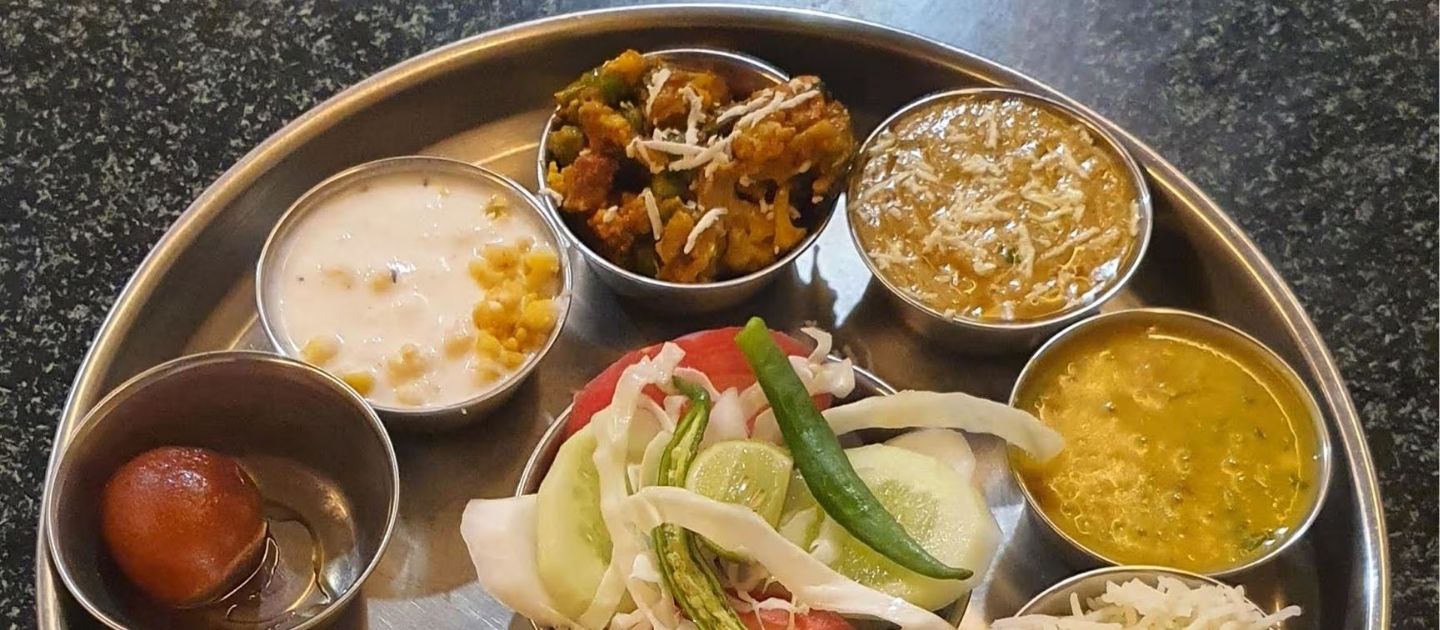
- Bedai & Jalebi: An earthy Gwalior breakfast comprising spicy deep-fried bread with lentil curry.
- Poha: A light but tasty dish, garnished with sev and fresh coriander.
- Kachori: Lentils filled with spiciness and having the greatest and most fun with chutney.
- Gajak: Winter delight hand-crafted with sesame seeds and jaggery.
- Mawa Bati: A delectable dessert drenched in sugar syrup, typical of the place.
The Best Restaurants & Hotels
- Indian Coffee House: Classic South Indian and North Indian dishes with a nostalgic atmosphere.
- Silver Saloon: A prominent venue for Mughlai and North Indian delicacies in a classy atmosphere.
- Taj Usha Kiran Palace: A royal pampering in a palace-style luxury hotel.
- Clarks Inn Suites: Spacious, contemporary lodging ideal for both families and business guests.
Ultimate Shopping Destinations
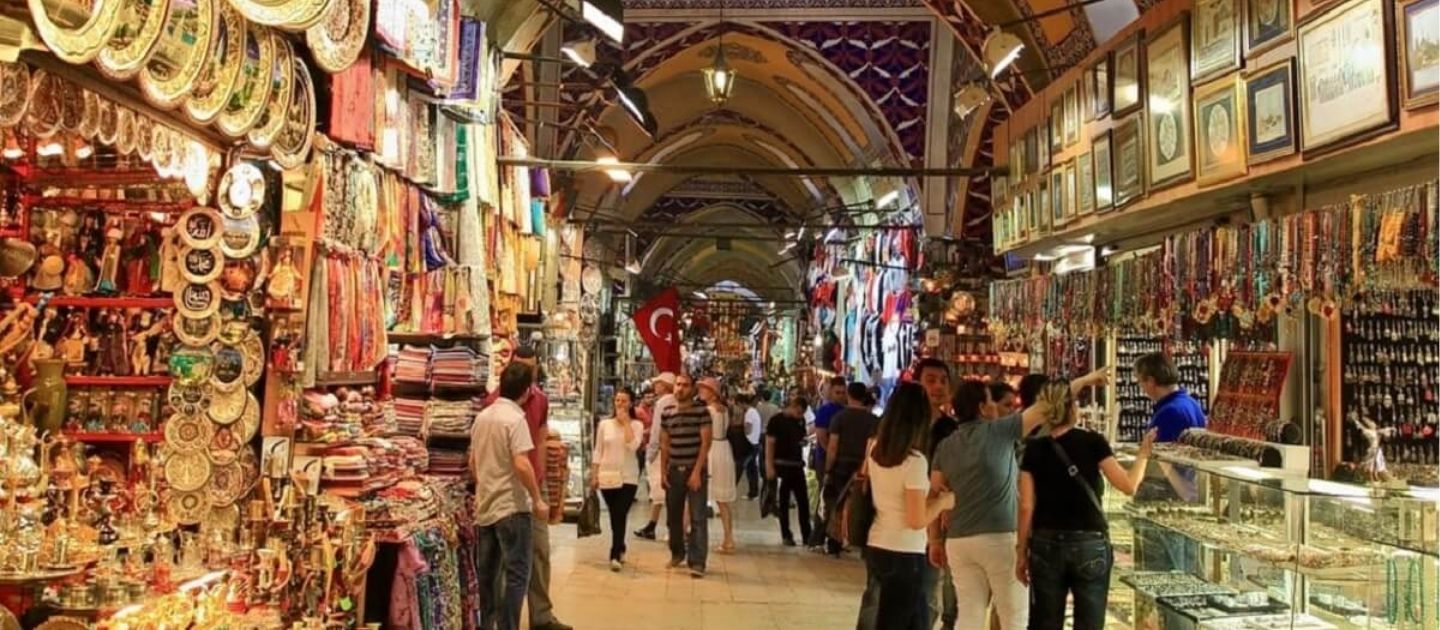
- Patankar Bazaar: The perfect place for fantastic traditional handicrafts, jewelry, and textiles.
- Sarafa Bazaar: The hotspot for the tastiest local snacks, sweets, and silver ornaments.
- Haat Bazaar: A nice place to find great souvenirs, ethnic attire, and handmade items.
- DD Mall: A contemporary shopping center with branded outlets and fun activities.
Night/Day Life what’s best?
Gwalior presents a laid-back yet culturally rich night and day life. At day time, tourists go to forts, temples, museums, and vibrant bazaars. The evenings can be spent appreciating the different walks of heritage, dinners at the rooftop restaurants, or watching the light and sound show at the fort. Nightlife is quiet compared to metros, but bars and hotel lounges make for a nice and cozy socializing spot. The attractiveness of cultural events, music festivals, and local fairs guarantees that the tourists will be able to appreciate the depth of history and the modern-day comforts of leisure at the same time.
How To Reach
- By Train: Gwalior Junction is a good train transit point for travelers coming from/to Delhi, Mumbai, Bhopal, and Agra.
- By Air: Gwalior is linked with other important Indian cities through the Rajmata Vijaya Raje Scindia Airport.
- By Bus: State and private buses run daily from the nearest cities, which include Delhi, Agra, and Jaipur.
The Best Time to Visit
The period from October to March is considered the best time to visit Gwalior due to the pleasant and favorable weather for sightseeing. The winters allow comfortable temperatures, which makes the fort visiting are. The summer time could be super hot thus restraining the outdoor activities while the monsoon season will be characterized by humidity and occasionally travel disruptions . The cooler months will witness the cultural festivals and events thus enhancing the travel experience. Timing your visit for this period will guarantee more comfort, clearer views, and a more in-depth exploration of Gwalior’s historical sites.
Conclusion
More than a historical monument, Gwalior Fort is a metaphor of resistance, artistic ingenuity, and cultural reconciliation. Besides the grandeur of the palaces, the sacredness of the temples, and the delights of the cuisine and the markets, Gwalior provides its visitors with an enriching travel experience. The fort’s overpowering location and ageless narratives never fail to make a strong mark on all visitors. A history lover, a cultural traveler, or a casual tourist, Gwalior Fort is always ready to offer you a trip back to India’s illustrious past intermingled with the modernity of the character.
About Us
Trip planning could seem to be cumbersome but TravellingLark makes it easy by linking travelers with professional travel agencies that provide customized travel proposals. Instead of spending hours searching for the most appropriate vacation package, travelers can post their trip details and receive several personalized offers.
TravellingLark is not only a destination for travelers but the most powerful network for travel agencies, hotels, and travel vendors. Travel agencies can sign up for free listing of their offerings and display packages for holiday tours, hotels, and travel experiences. Travel is a business but no commission hefty charged like other platforms; we give businesses free travel leads to achieving their patronage.
Whether you are a travel agency searching for clients, a hotel requiring more bookings, or a travel vendor offering services, TravellingLark has just opened direct access to tourists searching for these offerings.
- Hassle-Free Trip Planning: Every traveler gets a tailor-made travel offer, with other requirements left to him/her.
- Join for Everyone: Signing up is completely free for all users and businesses. While basic access stays free, vendors now have the option to purchase premium leads to connect with more potential customers and grow their sales.
Join TravellingLark now and make a smarter future in planning, booking, and growing in the travel industry!
Planning a trip to Gwalior Fort?
Post your upcoming travel details and get personalized quotations from multiple verified travel agencies.
Fast response • Custom offers • Verified agents
Current Weather
Live Forecast
Planning a trip to Gwalior Fort?
Post your upcoming travel details and get personalized quotations from multiple verified travel agencies.
Fast response • Custom offers • Verified agents
Bigger Group? Get Special Offers Up to 50% Off!
Planning a trip for friends, family, or corporate teams to Gwalior Fort? We create unforgettable customised adventures with exclusive group pricing!
Current Weather
Live Forecast
Why travelers choose
TravellingLark?
Thoughtfully planned journeys, crafted for unforgettable experiences.
Built Around You
Personalized trips based on your style, interests and budget.
Handpicked Trips
Curated itineraries designed with love and local expertise.
Transparent Pricing
Clear package pricing with no hidden charges or surprises.
Personalized Planning
Every trip is tailored to your interests, pace and preferences.
Best Value Always
Get the best experiences at the best value for your money.
Global Destinations
Explore handpicked destinations across India and the world.
24/7 Trip Assistance
We're with you before, during and after your journey.
Built Around You
Personalized trips based on your style, interests and budget.
Handpicked Trips
Curated itineraries designed with love and local expertise.
Transparent Pricing
Clear package pricing with no hidden charges or surprises.
24/7 Trip Assistance
We're with you before, during and after your journey.
Personalized Planning
Every trip is tailored to your interests, pace and preferences.
Best Value Always
Get the best experiences at the best value for your money.
Global Destinations
Explore handpicked destinations across India and the world.
Hassle-Free Journey
Enjoy a smooth travel planning experience from start to finish.
Traveler Reviews for Gwalior FortReviews for Gwalior Fort
Verified ratings and genuine travel experiences from our community
No Reviews Yet
Have you explored Gwalior Fort? Share your experience to help fellow travelers plan their trip!