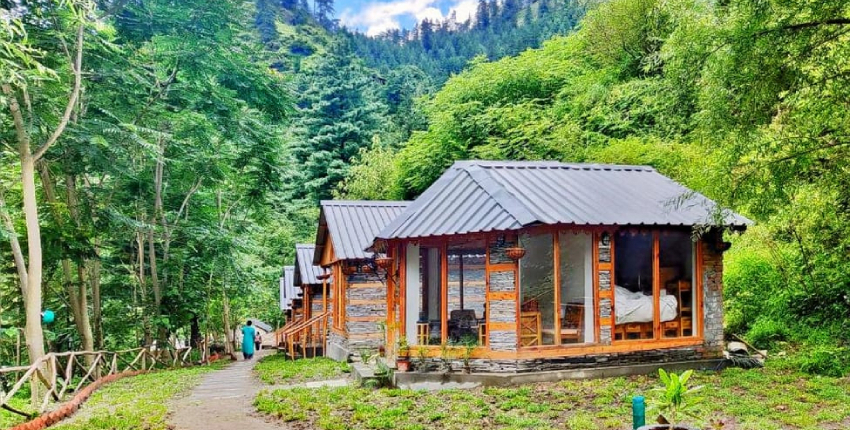
How to Travel Full-Time & Make a Living on the Road
Holidaying around the world is a dream for many, whether leaving behind the 9-to-5 grind behind or going on a permanent emptying. Never has it been easier, thanks to the meteoric rise of remote work, freelancing, and digital entrepreneurship. Certainly, this helps understand how to fund one's travels while still being financially secure and maintaining that work-life balance while making one's online business profitable or finding a location-independent job.
1. Choosing the Right Income Stream
Then again, fully making it a reality requires a constant stream of income. Here are some of the more popular ways to earn while on the road:
a) Freelancing & Remote Work
It's probably easy to be able to call traveling while you earn your money freestanding. As long as you have your laptop, you can work anywhere on the road. Freelance jobs nowadays which are in high demand are:
Writing & Blogging: Overhead, copywriting or content writing and blogging can actually be very well earning if you are a good writer.
Graphic design: Create logos, branding materials, and social media graphics for clients worldwide.
Development of websites: Coding and building websites for businesses remotely.
Virtual Assistance: Involves helping businesses with administrative tasks, email management, or customer support.
Translation Transcription: If you know more than one language, translation could be the way to go to make money online.
Photography & Videography: Selling stock photos, editing travel videos or offering photography services.
Social Media Management: This involves overseeing the social media accounts and campaigns for brands.
b) Remote Jobs for Traveling People
In case freelancing does not suit your style, you can still work for a company with remote positions. Here are some of the most common sectors where companies hire people to work remotely:
Tech and IT (Software development, cybersecurity, UX/UI design)
Marketing (Social media management, SEO, content marketing)
Education (Online tutoring, English teaching)
Customer Service (Remote support, chat agents)
Health care (Telemedicine, remote medical transcription, counseling)
Finance (Remote accounting, financial consulting, bookkeeping)
We Work Remotely and FlexJobs, Remote.co or sites like those are all the trend for job-hunting for remote jobs.

c) Passive Income Streams
Make money while you sleep so that you have more freedom to roam. Some of the best-known means of achieving passive income are:
Affiliate Marketing: Earn commissions by promoting products or services within your blog or your social media accounts.
Selling Digital Products: E-books, online courses, and stock photography can generate passive income.
Investments: Including stocks, cryptocurrency and rental properties, which provide ongoing income.
Print on Demand: Sell custom-designed products on platforms such as Redbubble or Teespring.
YouTube & Podcasting: Income through ads and sponsorship.
d) Teach and coach online
If one is knowledgeable in a specific area, consider doing so online, potentially opening doors for future revenue-generating activities.
2. Manage Finances While Traveling
a) Budgeting for Full-Time Travel
There are great things to admire in a firm budget - it will definitely get things as clear as day in managing expenses on the road. Here are some practical guidelines.
Choose Economical Destinations: Southeast Asia, Eastern Europe, and Latin America usually bring in a lower cost of living.
Use Travel Rewards & Points: Credit card rewards and airline miles can do great hits on the expense.
Keep an Eye onto Your Spending: Track expense by using apps like Trail Wallet, Mint, or YNAB.
Ditch Unnecessary Costs: Eliminate subscriptions and stay away from expensive dining and entertainment.

b) Banking & Payments
It can be really easy to manage cash flow when on the road. Examples:
Using Online Banks: Such as Wise, Revolut, N26, all the international banking low-fee-wise.
Keeping Multiple Payment Methods: Backup with credit/debit cards. PayPal or Wise will be the way to go when it comes to your transactions.
Cryptocurrency: Most digital nomads use a combination of the above and cryptocurrency for most of their transactions and savings.
3. Finding Affordable Accommodations
a) Short-Term Stays
Having to do his or her travel print so as to afford affordable lodgings during the months ahead-coupled with this includes finding affordable short-term or short rents. In particular:
Hostel & Guesthouse: Budget-friendly; this will see you meet other travel buddies.
Airbnb and Vacation Rentals: Particularly for long terms with kitchen facilities attached.
House Sitting: Trusted Housesitters are among the platforms that will offer homes for free in your trusted company as a pet sitter.

b) Long-Term Stays
Couchsurfing: Free stay with locals in return for cultural exchange. c) Long-Term Stays
Co-Living Spaces: Communities such as Selina and Outsite have suitable accommodations according to what is needed for digital nomads.
Monthly Rentals: NomadX and Flatio are examples of websites that offer cheap monthly rent.
Work Exchanges: Volunteering in most cases gets you a free room and board under Workaway or WWOOF.
4. Travel Smart: Internet, Visas & Insurance
a) Good Internet & Tech Gear
With the location-specific nature of your work, you really need to have a strong internet connection as the least expectation. Some elective items include:
Portable Wi-Fi Devices: Skyroam and GlocalMe involve mobile internet anywhere.
Local SIM Cards: It will be a lot cheaper if you consider buying SIMS in each country.
Backup Power Banks: Charge your devices and you can keep going, not having to worry about clever mobile working.
Cloud Storage: Data security via Google Drive or Dropbox.
b) Visa Requirements & Work Permits:
Check with digital nomad visa regulations. Some countries such as the ones listed below provide special visas to remote employees:
Estonia Digital Nomad Visa
Bali's Remote Work Visa
Portugal's D7 Visa
Mexico's Temporary Resident Visa
Georgia's Remote Work Visa
c) Travel Insurance for Nomads:
Travel insurance covers health emergencies, theft, or cancellation of travels. Some of the best options include:
SafetyWing
World Nomads
Allianz Travel Insurance
IMG Global
5. Staying Productive on the Road
The art of eking out a living while traveling can be rather difficult. Here are ways to ramp up efficiency:
Set a Routine: Set aside working hours to keep your productivity streak alive.
Use Co-Working Spaces: Spaces such as WeWork or Regus offer an ideal working environment.
Avoid Distractions: Use productivity tools such as Trello, Notion, or RescueTime.
Batch Work & Plan Ahead: Schedule working tasks ahead of time in order to travel with uninterrupted enjoyment.
Conclusion
Traveling full-time to earn a living has never been easier. Whether you opt for freelance contracts, remote work, or passive income streams, managing your finances along with accommodation and workspace setup becomes crucial. With the right mindset and an appropriate strategy, you will be able to live a liberated nomadic lifestyle along with a sustainable income while being on the road.
Are you thinking about taking the plunge into full-time travel? Let us know your views and experiences in the comments!