How to Plan a Perfect Backpacking Trip: A Step-by-Step Guide
In essence, backpacking presents an amazing opportunity for new adventures, new cultures, and memories lasting for a lifetime. In any case, whether you are a laid-back beginner or a hardcore backpacker, the essence of good travel is in the planning, which permits smooth sailing and enjoyment. This stepwise guide will explain everything: from choosing the best destinations for backpacking to money-saving tips and essential packing.
Step 1: Choose the Perfect Destination

Backpacking depends a lot on where you're heading. Thus, when deciding where to go, think about the following considerations:
Best Backpacking Destinations
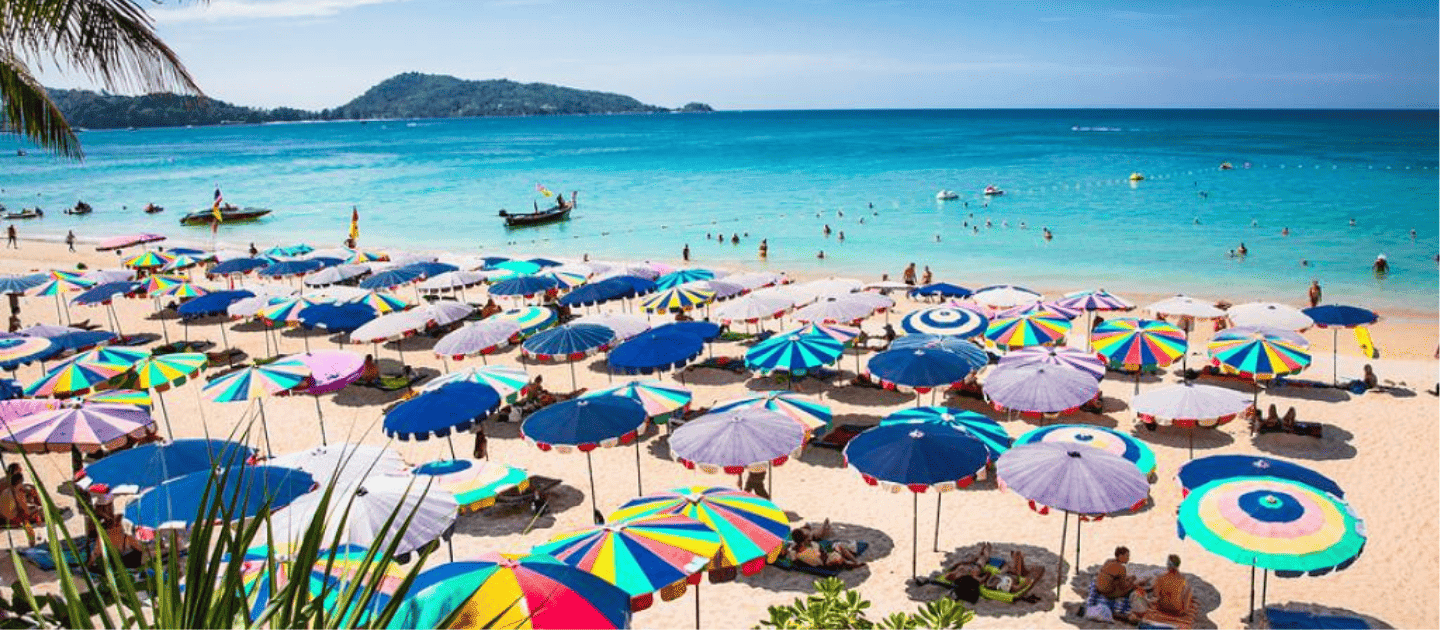
Southeast Asia: Affordable travel and wandering people with rich cultures and breathtaking landscapes characterize Thailand, Vietnam, Cambodia, and Indonesia.
South America: Backpacking through Peru, Bolivia, and Colombia would reward you with great nature, ancient ruins, and contending towns.
Europe: Backing in Eastern European countries such as Poland, Hungary, and the Czech Republic are way cheaper than in Western Europe.
Australia & New Zealand: Great for adventure junkies who enjoy anything outdoors: from hiking to extreme sports and nature walks.
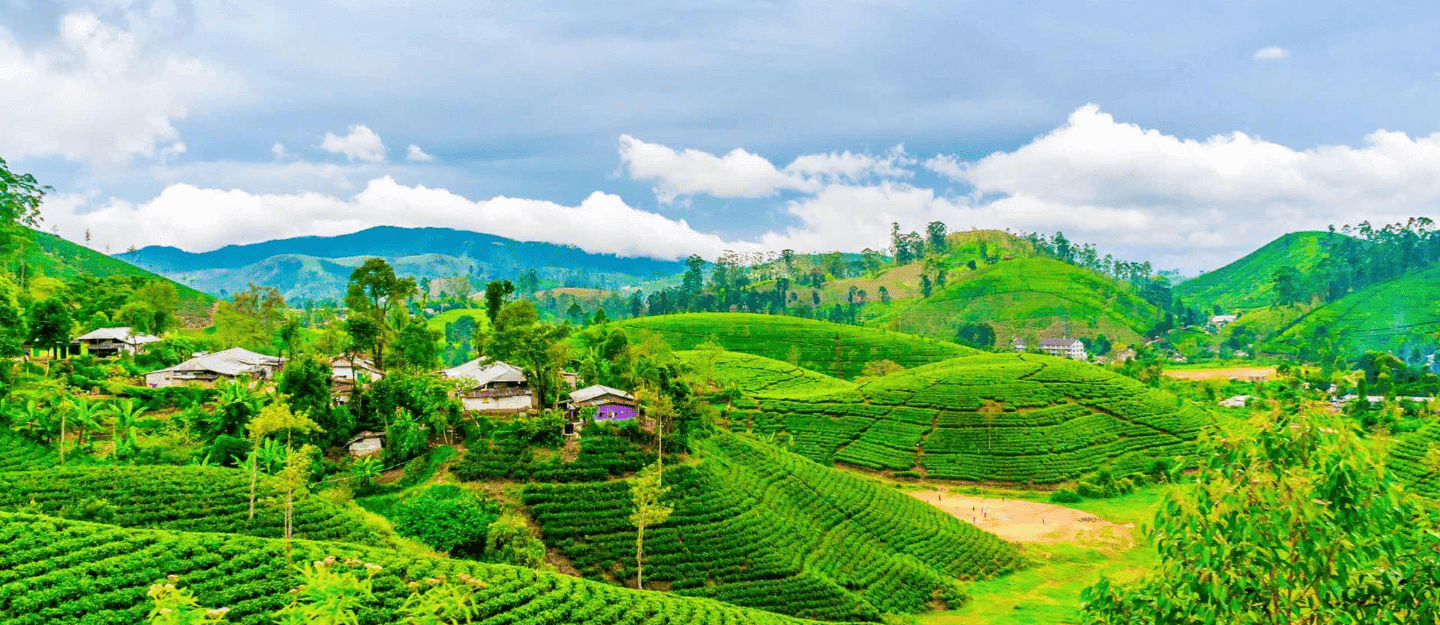
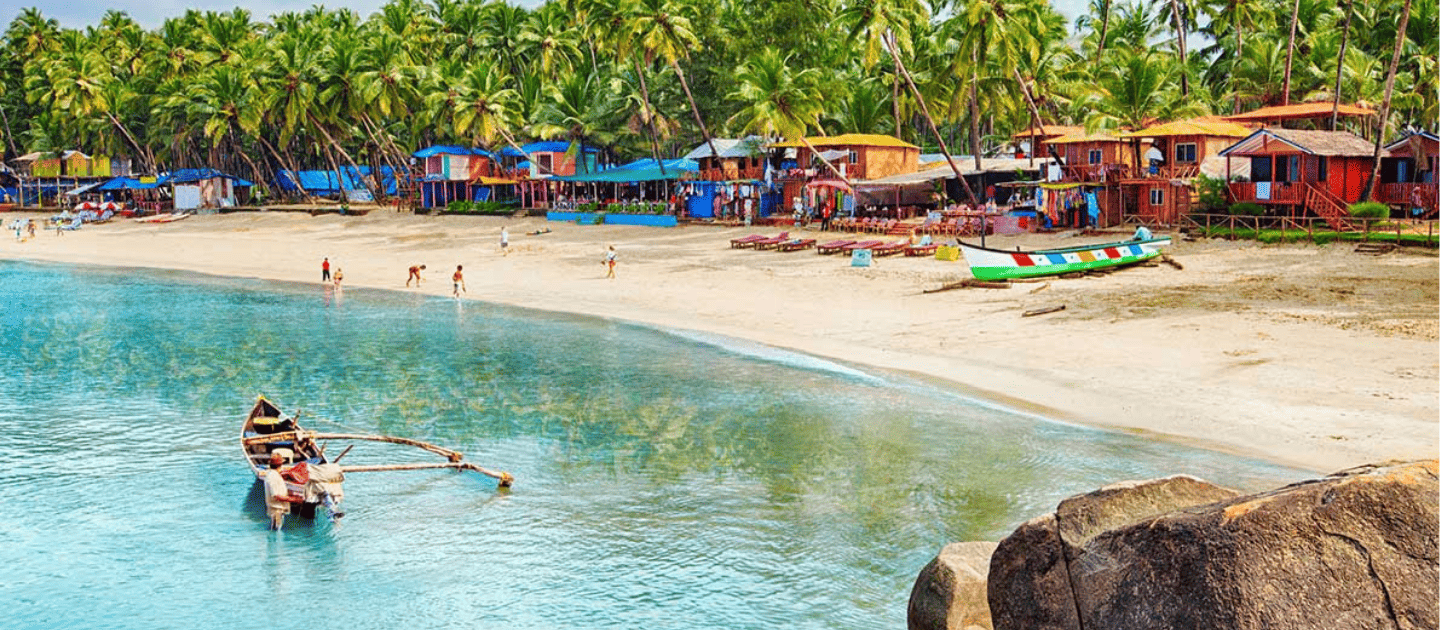
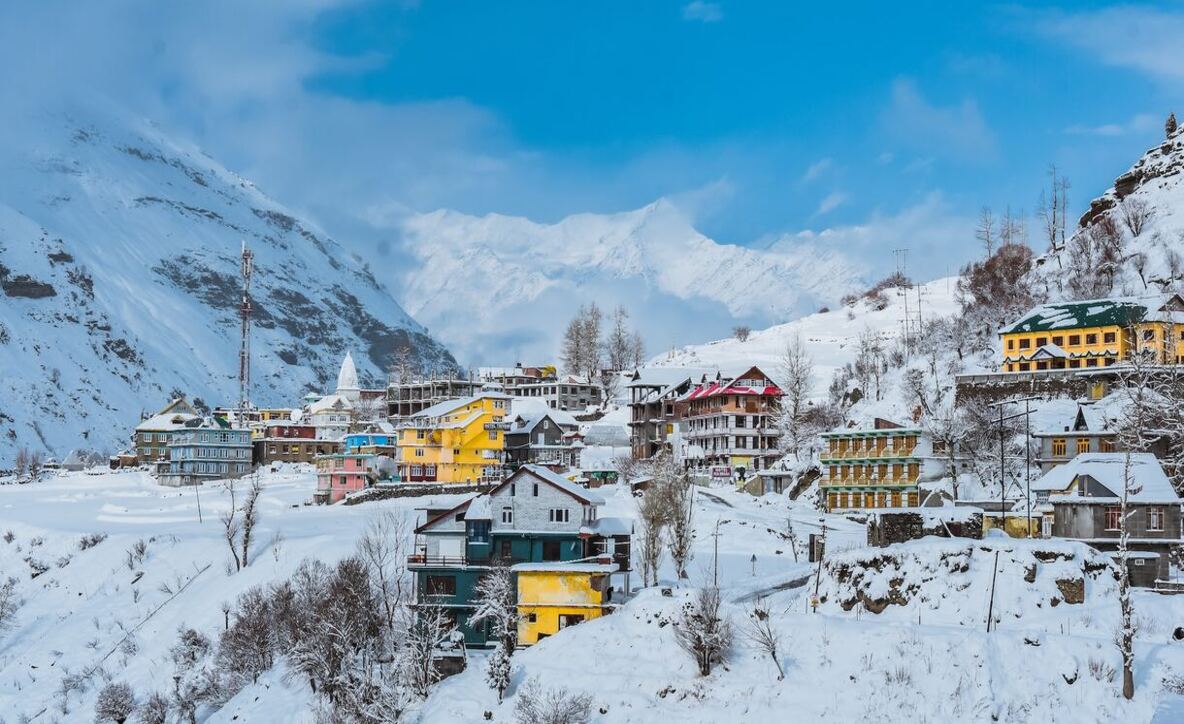
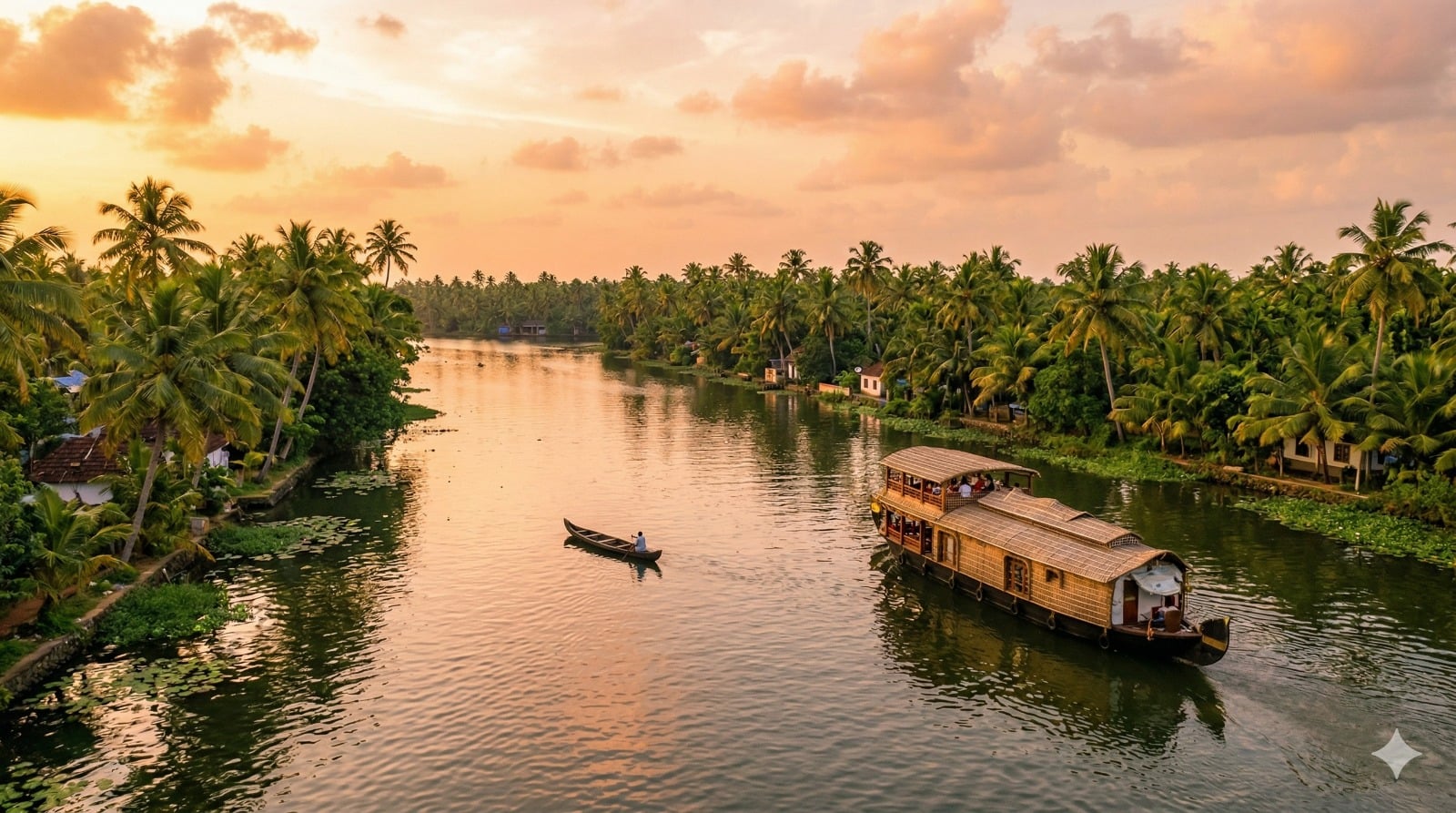
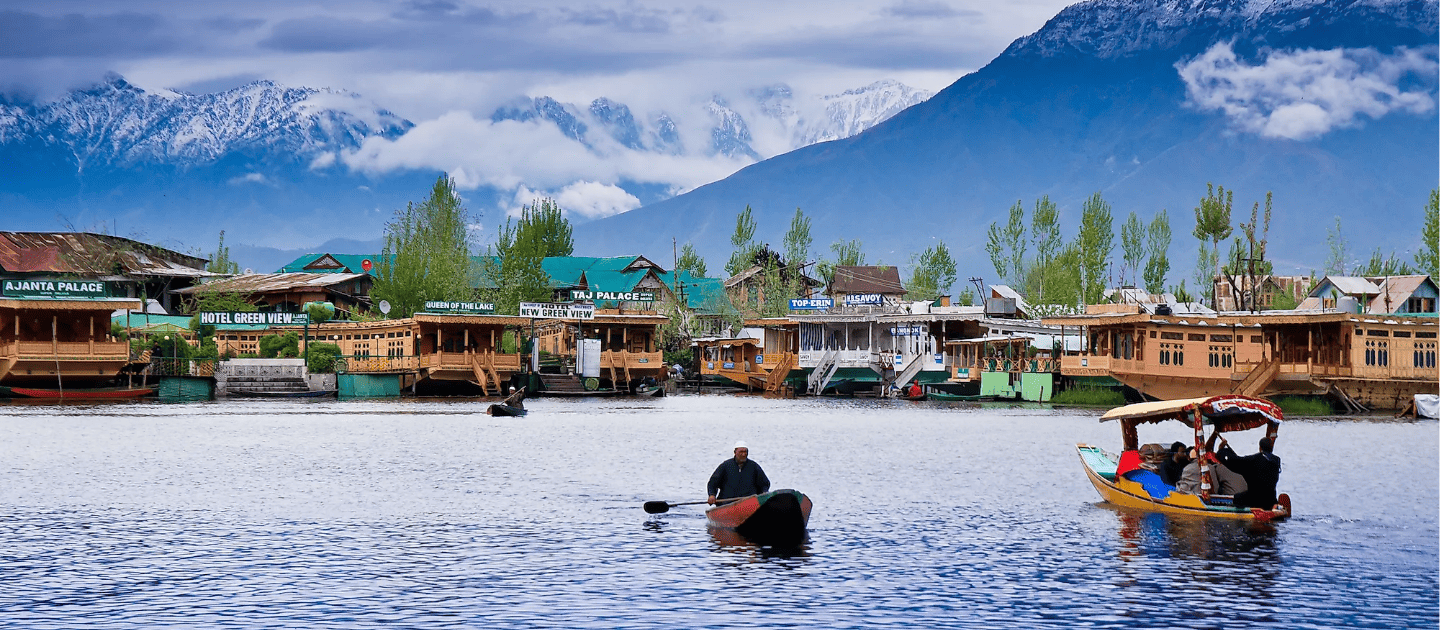
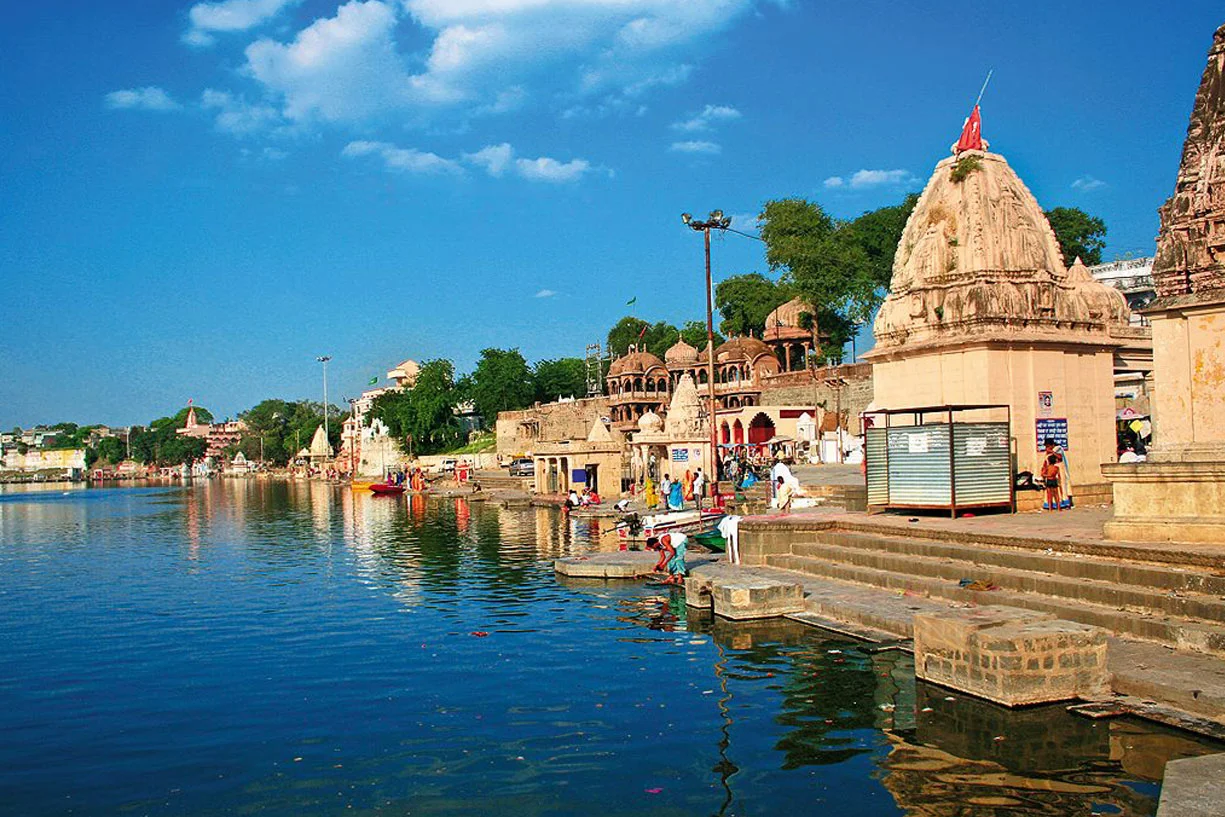
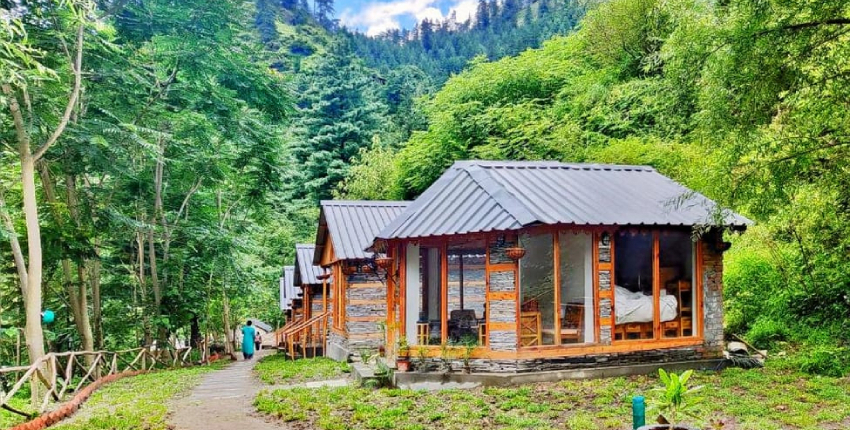
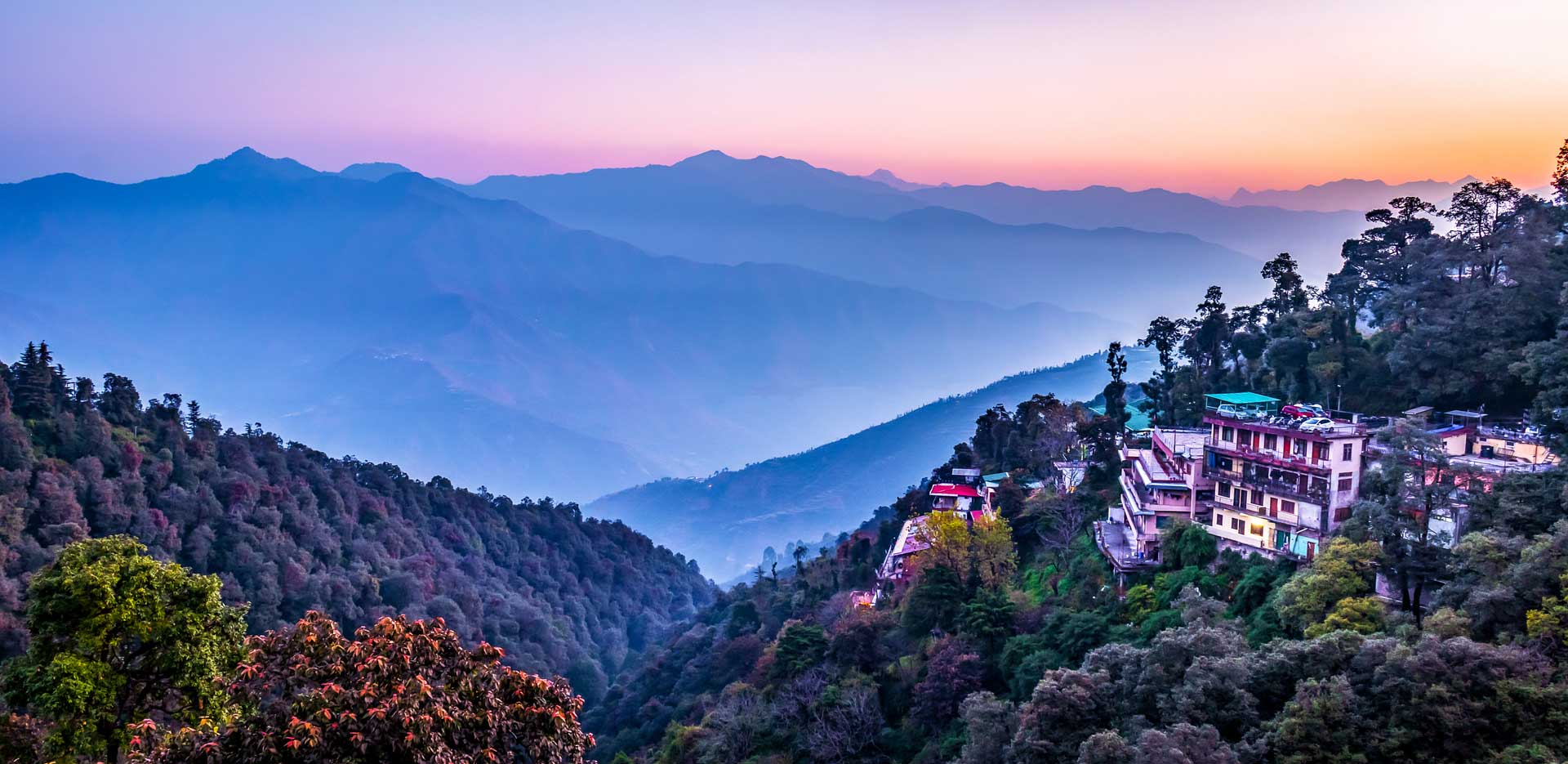
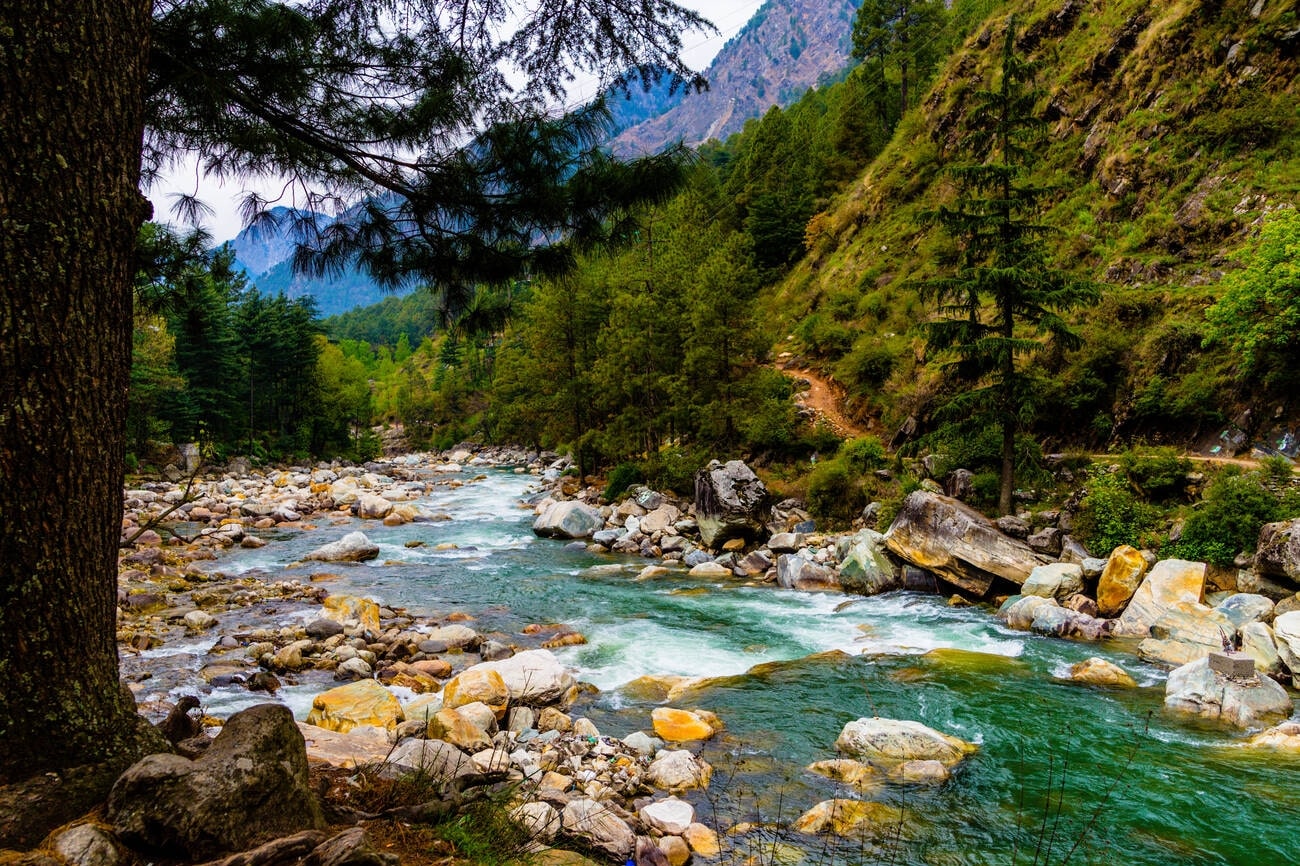
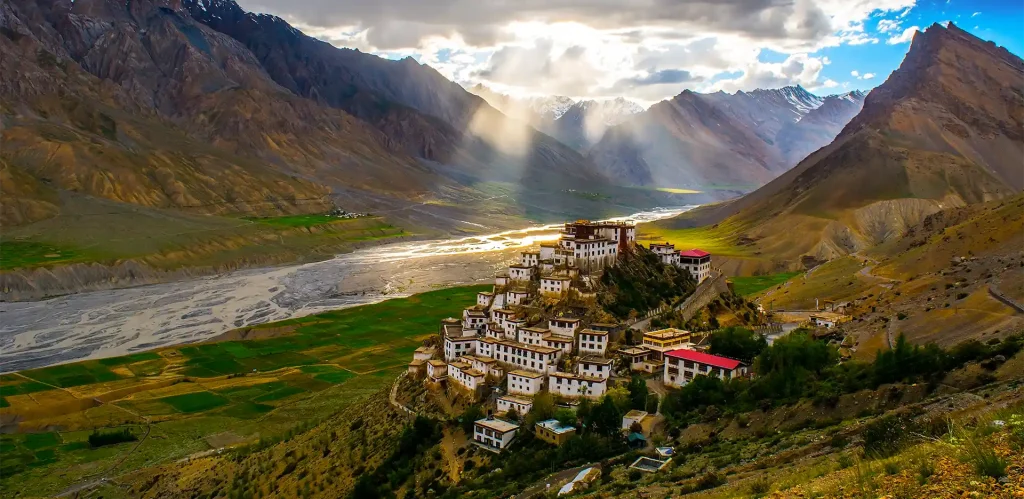
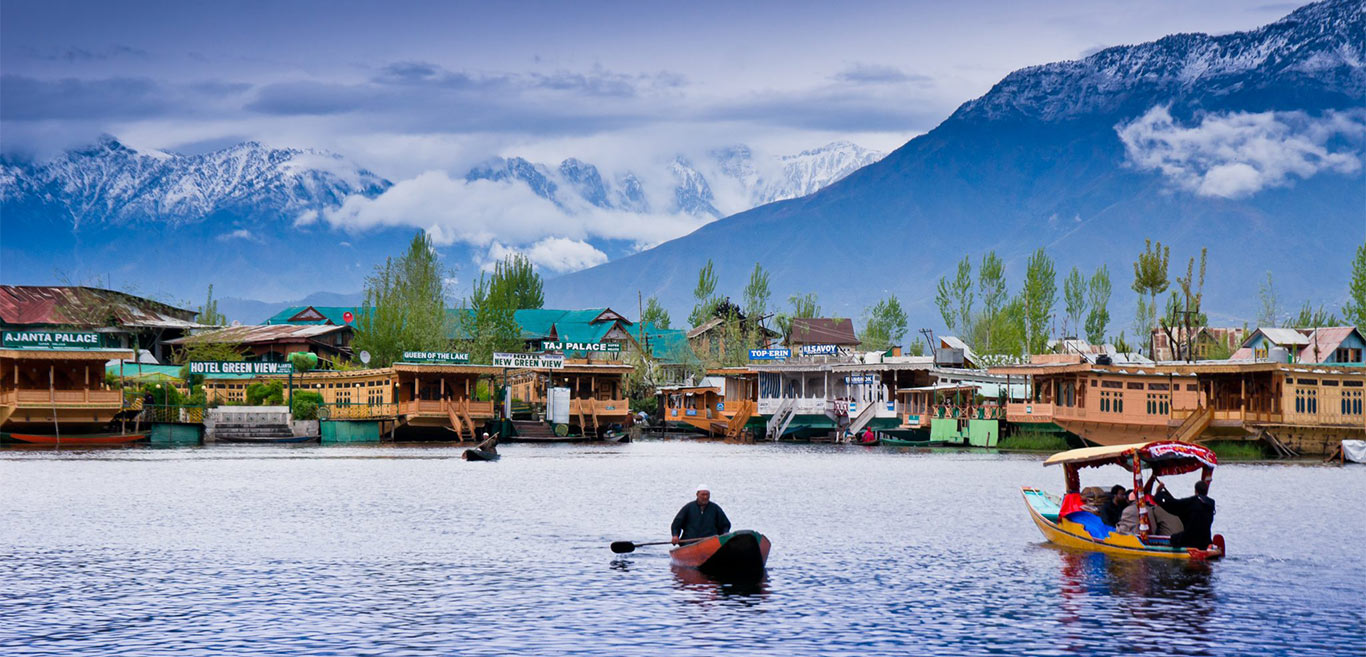
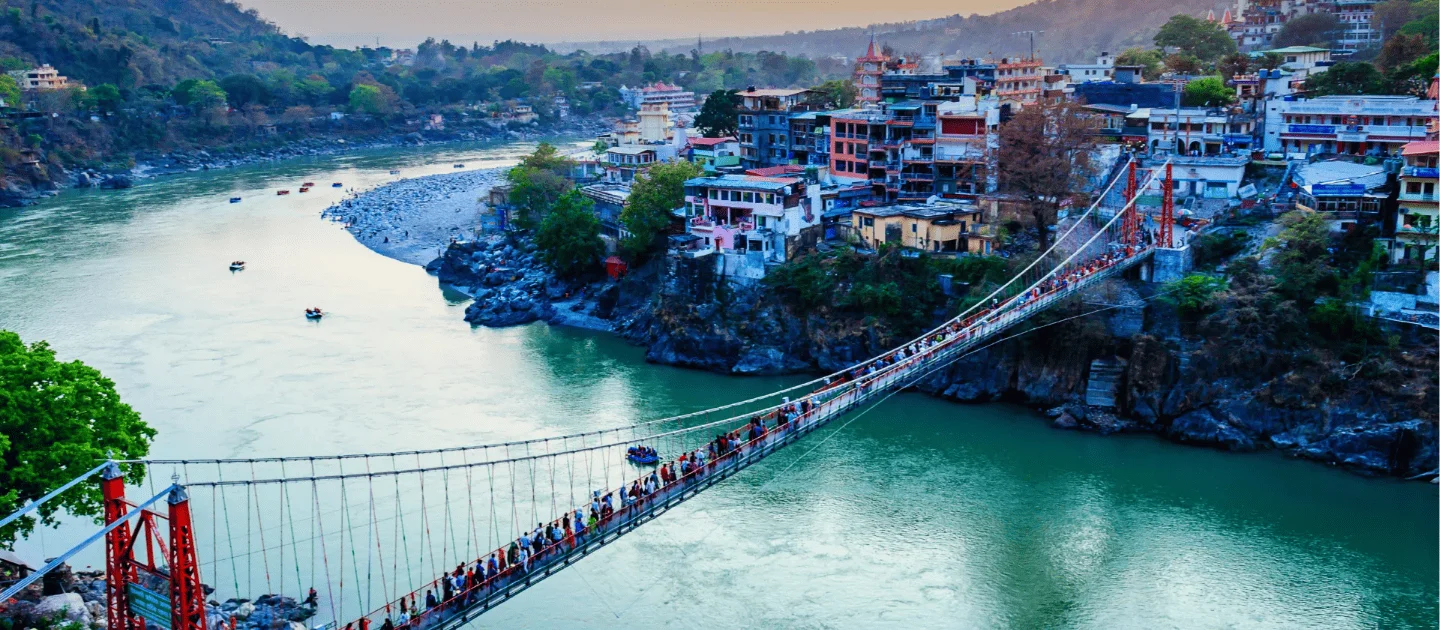
India & Nepal: For cultural experiences, spiritual sojourns, and unforgettable trekking in the Himalayas.
Step 2: Set a Budget
Planning a good budget is needed for a backpacking trip that is devoid of stress. Here are some tips for budget backpacking that could help you save some money:
Accommodation: Stay in cheap lodges like hostels, or guesthouses, or Couchsurfing for free.
Transportation: Use public transportation schemes; walk whenever possible or think of car-sharing options.
Food: Chow down at local street markets or make your own food instead of spending lavishly at reaching restaurants.
Activities: Search for free activities or attractions such as hiking paths, museums free on some days, or city tours you can do on your own.
Travel Insurance: Buy a comprehensive travel insurance policy to cover medical emergencies and unpredicted trip cancellations.
Step 3: Plan Your Itinerary
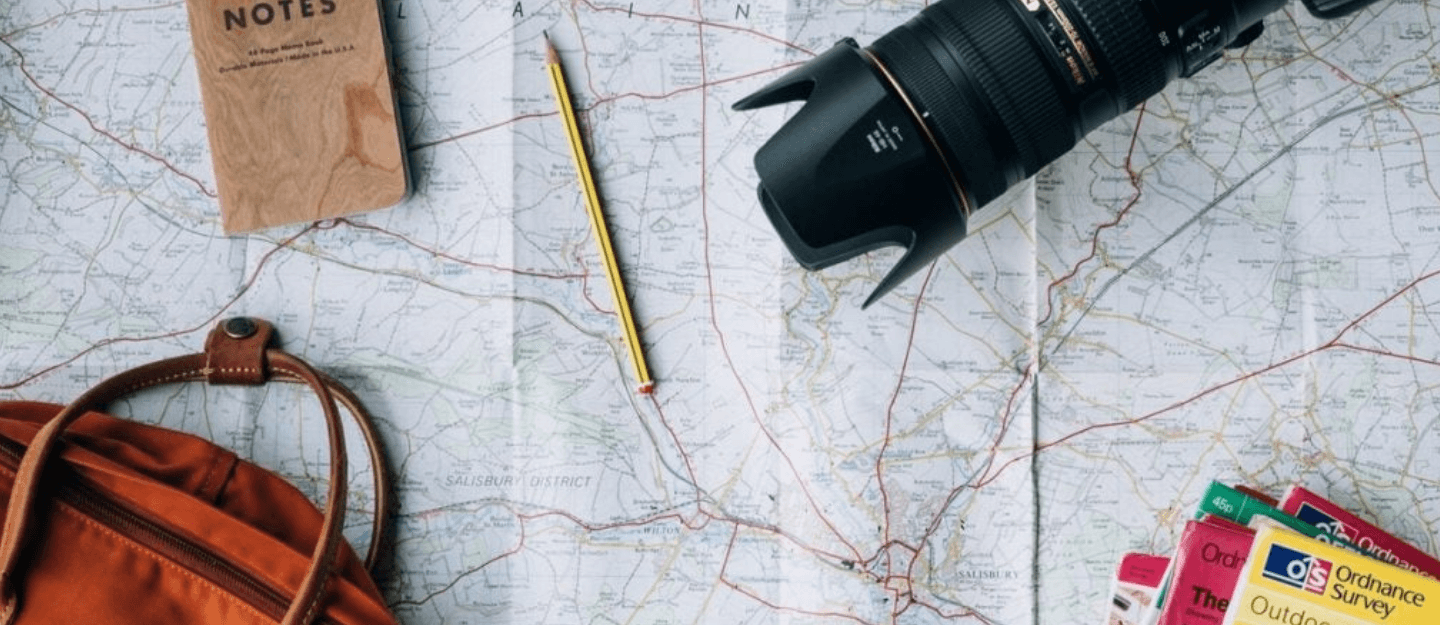
Having an itinerary that is both flexible and somewhat organized maximizes your chances of enjoying your trip and not feeling overwhelmed. Partying with ICT here would include:
Have a list of attractions and activities to cover that you must see.
Keep open for rest days and impulse days.
Consider public transport in whatever location you have selected.
Keep a digital copy of your itinerary that you can access at any point.
Step 4: Pack Smart
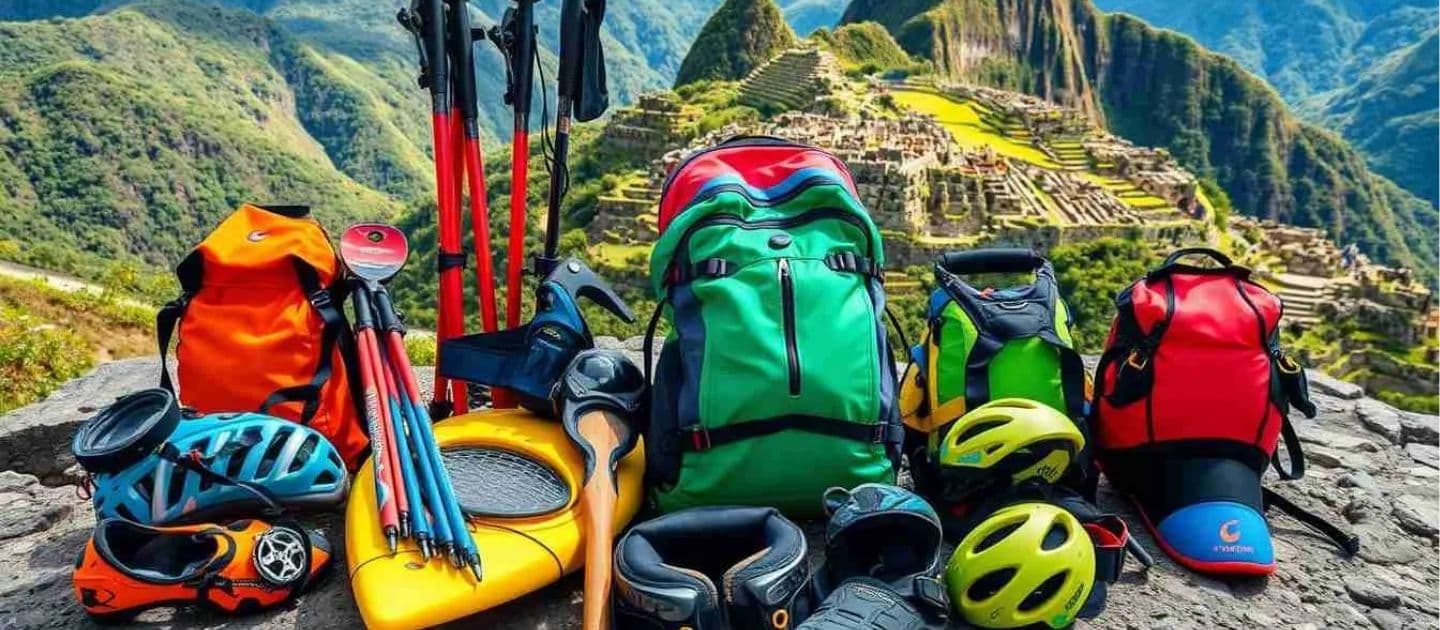
Light is the keyword when it comes to packing for any comfortable backpacker trip. Here is a list of what you should be having with you:
Clothing
Lightweight, moisture-wicking clothes
A rain jacket or poncho
Comfortable walking shoes or hiking boots
Sandals or flip-flops for hostel showers
A warm layer for cold climates
Essentials
A sturdy backpack (30-50L)
Packing cubes for organization
Quick-dry towel
Universal travel adapter
A reusable water bottle with a filter
Personal hygiene products (travel-sized)
Step 5: Sort Out Travel Documents & Money

Check visa requirements and apply in advance if necessary.
Keep digital and physical copies of your passport and travel insurance.
Use a combination of cash, debit/credit cards, and emergency funds.
Consider using a money belt for extra security.
Step 6: Book Accommodations & Transportation
While flexibility is key to backpacking, booking accommodations and transportation in advance for the first few nights can be beneficial. Use platforms like:
Hostelworld or Booking.com for budget stays
Skyscanner or Google Flights for cheap flights
Rome2Rio for transportation options between cities
Omio or FlixBus for bus and train tickets in Europe
Step 7: Stay Safe While Backpacking
Safety is a priority while traveling. Here are some key precautions:
Avoid displaying valuable items in public.
Keep digital and physical copies of important documents.
Use a money belt or hidden pouch for storing cash and cards.
Stay in well-reviewed accommodations.
Keep friends or family informed about your travel plans.
Step 8: Stay Connected
Get a local SIM card or use an international roaming plan for communication.
Download offline maps and translation apps.
Stay in touch with loved ones through social media or travel blogs.
Step 9: Respect Local Cultures & Environments
Learn basic phrases in the local language.
Follow local customs and dress codes.
Avoid excessive bargaining in markets where it's not common.
Reduce waste by using reusable products and avoiding single-use plastics.
Step 10: Embrace the Backpacking Experience
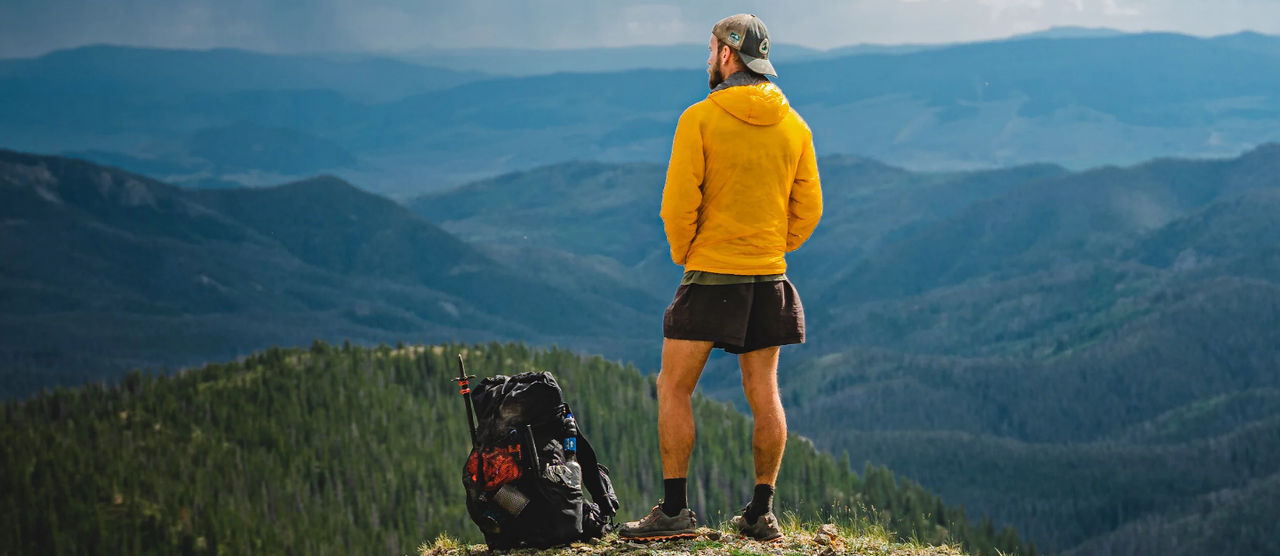
The beauty of backpacking lies in the adventure and spontaneity. Keep these in mind:
Be open-minded: Embrace new cultures, foods, and ways of life.
Network with fellow travelers: You'll find valuable tips, travel buddies, and lifelong friendships.
Stay adaptable: Not everything will go as planned, so go with the flow and make the most of every situation.
Conclusion
It might feel quite overwhelming at times to plan one backpacking trip. Still, if you follow the steps outlined here, you will be set up for a great adventure. From scheduling for the best backpacking destinations to applying budget backpacking hints, preparedness makes the hike smooth and pleasant. So pack your bags for the journey of a lifetime and be prepared for the uncertainty!