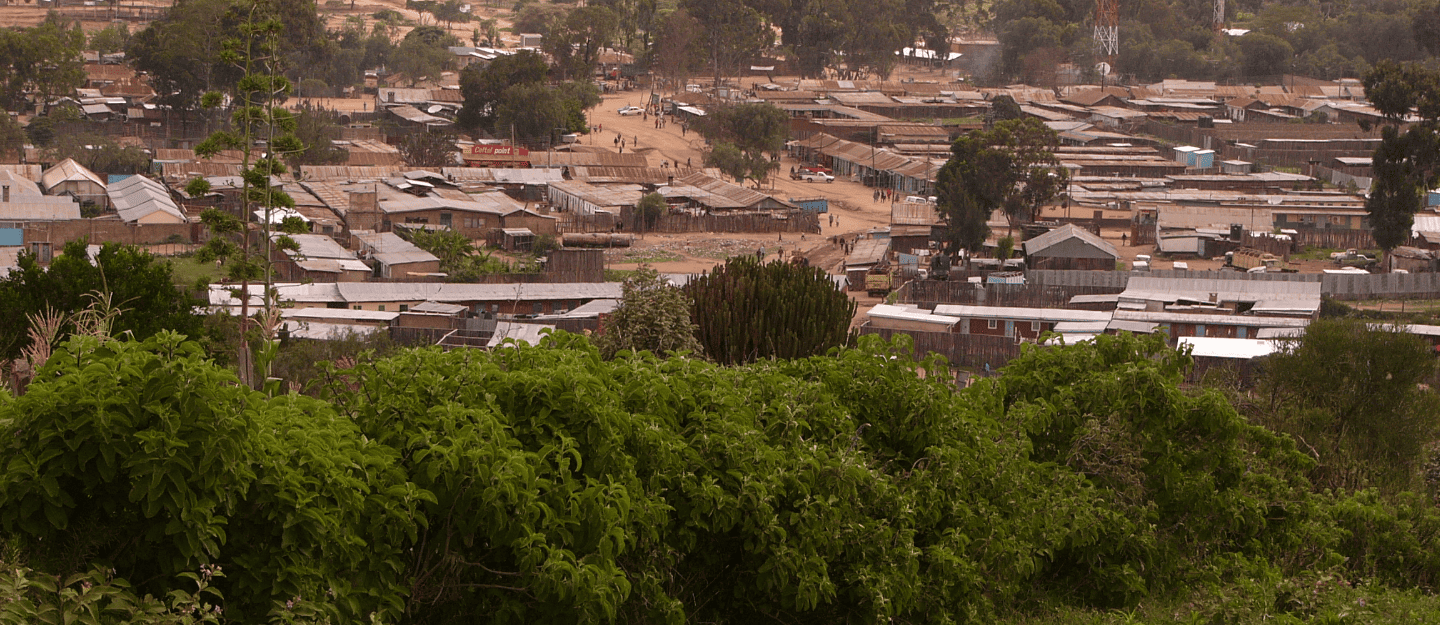
Samburu
About Samburu
Samburu: Tribal Traditions and Wild Beauty
Samburu welcomes you with untouched landscapes and tribal culture in full array. Here, the traditional keeps the wildlife free and vice-versa. The colorful attire and ancient dances tell a story of their own. Nature lovers can come to learn from the locals about this rare meeting between raw beauty and downright warm humanity that is Samburu.
Cultural and Historical Gems
Cultural and Historical Treasures-A Brief Introduction (100 words)
Samburu are old towns. The Samburu people are known for their beadwork and pastoral lifestyle, which allows visitors an insight into an ancient way of life. Local villages receive guests openheartedly, sharing stories, songs, and dances handed down through generations. The historical ties in this area culturally and naturally link the sacred mountains and rituals of the tribes. Cultural centers run by the community help to preserve this heritage also. Visits to these sites are not merely educational but also personal. You walk away with not only all those pictures but also stories that linger. Samburu is a living museum that proudly harbors culture, history, and identity.
Top Attractions
Samburu National Reserve: This rough-hewn reserve is home to a plethora of wildlife. Elephants, leopards, and the rare Grevy’s zebra call this reserve home. The animals flow through the Ewaso Ng’iro River during all seasons as it winds through the terrain. It's much quieter than other parks, which makes the game drive peaceful. The guides explain tribal culture along with animal facts; hence, every safari is given a personal and cultural flavor.
Reteti Elephant Sanctuary: The Reteti sanctuary is a locally community-run initiative that rescues and rehabilitates orphaned elephants. Visitors can participate in feeding sessions and learn about conservation. The sanctuary combines wildlife care with Samburu pride, showing how locals protect what is theirs. Watching rescued calves grow strong under such great care touches your heart and humbles you—a rare opportunity.
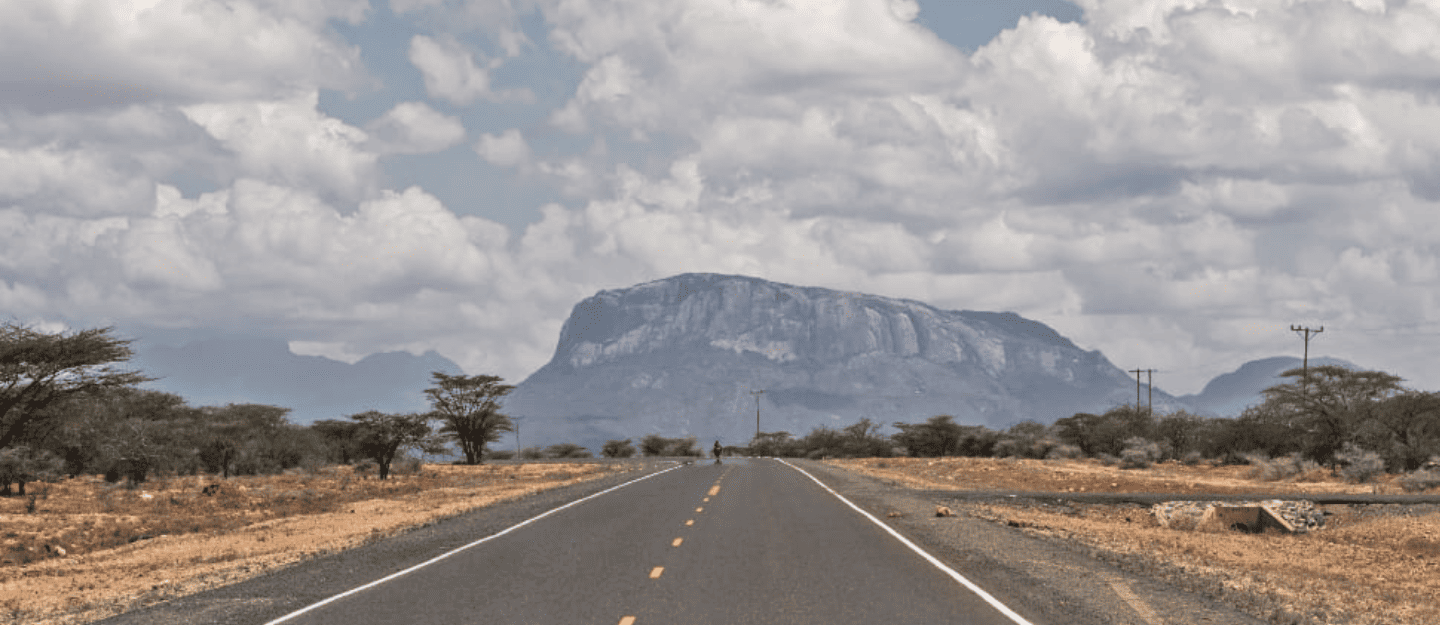
Mount Ololokwe: Flat-topped and sacred to the Samburu, this mountain is a hiker's haven. Hikes to the top leave early to catch the view of sunrise bathing the savannah. On the way, guides share spiritual tales tied to the mountain. It's not just exercise-it is an excursion through myth, nature, and culture all blended into one unforgettable climb.
Samburu Cultural Village Tours: Step into the everyday life of the Samburu people. These immersive tours offer traditional dances, beadwork demonstrations, and local foods. You are not just watching; you are in it. Elder village members discuss customs and beliefs, thus establishing a deep cultural exchange. It is real, reverent, and enlightening to anyone willing to connect.
Top Local Dishes to Try
Nyama Choma (Grilled Meat): The Samburu people are known to cherish this roasted meat dish that is usually goat or beef. Cooked over open flames and served with a sprinkle of salt and kachumbari (tomato-onion salad), it is meaty and heavy on the stomach. It finds favor among locals during celebrations, though you'll see it everywhere—from roadside joints to safari lodges. It is charcoal infused, simple, and unforgettable.
Mukimo (Mashed Green Potatoes): Mukimo is a colorful smash of potatoes, peas, maize, and greens that it compliments stewed meat or beans. Highly flavored and textured, Mukimo is both filling and nutritious. To many Kenyans, Mukimo is comfort food with a local twist. The earthy flavors reflect the land from where Mukimo comes.
Ugali (Cornmeal Staple): Ugali is a stiff maize porridge, usually enjoyed with stews or vegetables. It is a simple but significant part of any Kenyan plate, including Samburu. In essence, it is a communal food that is eaten by hand. The sharing of this food during meals underlines the values of community and togetherness in Samburu households and gatherings.
Sukuma Wiki (Collard Greens): Sukuma Wiki, usually served alongside Ugali, is fried with onion, tomato, and garlic. It is simple but surprisingly flavorful. The name means "stretch the week" since it is cheap and keeps for a long time. This dish is common in Samburu homes, displaying how simple ingredients can be transformed into richly satisfying comfort food adored by all.
The Best Restaurants & Hotels
Elephant Watch Camp Restaurant: It offers fresh meals from local ingredients. It is an eco-lodge, sitting beside the river, bringing another kind of charm to the available chefs. What matters most is the personal treatment of guests with regards to their dietary needs. It is just like eating at home—with Samburu spices and personal service. Dinner is under the stars, with crunching elephant sounds in the distance. Rustic luxury but with local warmth.
Saruni Samburu Restaurant: This restaurant is the best with respect to the cliff-top views here not by far. Their restaurant which serves fresh seasonal produce and Kenyan-Italian fusion serves creamy pastas, grilled meats, and a lot of tropical fruits. Service is personal, and every dish is presented with care. It’s fine dining, Samburu-style—where the surroundings, the flavors, and the friendliness blend into something truly memorable.
Sasaab Lodge: The lodge is Moroccan inspired and has a view of the Ewaso Ng’iro River. Great and large rooms including private plunge pools and essentially, miles and miles of view. The Lodge is very involved in local conservation. Staff is mainly from villages around and makes a little bit personal stay. Rested, connected and slightly pampered with hospitality and quiet beauty is what you will leave with.
Ashnil Samburu Camp: It is a riverside tented camp that has combined wilderness with a bit of comfort. The tents, fashionable and fully equipped, give one hotel comfort in the center of nature. Wildly wild views animals often passing close to it, actually. The friendly team at the camp really goes the extra mile to enjoy warm meals, good safaris, and a true experience of Samburu.
Ultimate Shopping Destinations
Samburu Women's Beading Co-op: Support local artisans by buying handmade beadworks—bracelets, necklaces, belts, etc. Each piece tells its own story—reflecting clan colors mixed with cultural meaning. Profits go directly to women artisans, empowering families through tradition. This is not just shopping; this is also giving back and taking home authentic Samburu culture.
Maralal Market: A riot of color in the heart of Samburu, This send-off to the local traders brings any kind of stuff from local food-except wild meat-to anything from woven baskets to beaded goods, spices, textiles show, telling tales of their culture. Chats are thriving, and haggling is fair and friendly. Truly a shopper's paradise that gives a small feel of local life and the heartlands of creativity and economy.
Gift Shops in Lodges: Many lodges, such as Saruni and Sasaab, have curated shops with ethically sourced souvenirs. Expect beadwork, books, fabrics, and organic skincare made locally. The items are often made by community groups, so your purchase supports more than just tourism-it builds futures. Quality not quantity; this is the perfect place for meaningful, lasting gifts.
Isiolo Town Markets: Just a drive from Samburu, Isiolo offers a broader mix of regional crafts and goods. From Samburu spears to Swahili fabrics, it is a great blend of cultures. The shopping is cheap and authentic. Take your time-wandering down narrow lanes and chatting with shopkeepers are part of the charm and experience here.
What Not to Do
Don't disrespect local customs and traditions: One must not violate the cultural customs and traditions of the local people. Kenya has more than 40 different ethnicities with their unique culture and way of living. Avoid public affection displays during travel in rural or conservative places. Always give courtesy towards gaining permission before taking their photos, especially for the Maasai or the Samburu people.
Never walk the streets of Nairobi or Mombasa alone at nighttime: These may be cities that are dangerous because some parts of the busy urban areas become very bleak not after sunset. The use of registered taxis or ride-hailing apps is always advisable for someone unacquainted with the surroundings, staying in well-lit, and safe places.
Do not share valuables or flashy items in public: It can happen that theft by petty thieves or pickpockets occurs in crowded areas like markets and bus terminals. Keep your belongings close because there is a lot of jewelry and expensive devices, and use a money belt or concealment pouch.
Don’t ignore wildlife safety rules on safari:Safaris with wildlife safety rules are not to be ignored. You should never get out of the vehicles while at a game reserve unless such exiting is generally sanctioned, and do not try feeding or approaching the wild animal. Remember to follow safari driver/ranger instructions in order to avoid dangerous encounters.
Do not think that everyone in the country speaks fluent English: English is an official language, but it is not spoken in that manner by all. Learning a few basic phrases in Swahili shows respect and can create a bond with locals.
Don’t drink tap water or eat from unhygienic street vendors: Tap water should not be drunk or food should not be consumed from unsanitary street vendors: Stick to bottled or filtered water, and eat from places that appear clean and well-frequented. Stomach bugs can easily ruin your trip, so be cautious about food and drink hygiene.
The Best Time to Visit
June to October - Dry Season: It is the best time for safaris. During this period animals move close to water sources since they are generally dry and clear sky. Warm but manageable temperatures make this the ideal season for game drives, photography, and outdoor experience without any rain or mud to slow one's progress.
November until December-Short Rains: Mostly characterized by brief afternoon showers, which do not wear away adventure. The green-foliaged and not visited much by tourists offer peace towards experience. Wildlife is active and counts less. The air freshens up and everything appears like lush. For quiet get months with very colorful and beautiful scenery, this shoulder season is awesome as it has beauty in it minus the crowds.
January to March: Warm and Sunny The warmest yet hottest months with sunny days and cooler nights. It is still good for viewing wildlife, and this is one of the best months to hike Mount Ololokwe or do some cultural visits. A rather cool and relaxing atmosphere dominates, and it is perfect for photography, with sunrises and sunsets being particularly dramatic. A great time to experience the warmth of Samburu in every sense.
April to May - Long rains: No wonder rains make for very poor roads, but it is during this period that nature comes bright. Very few tourists, blushing landscapes, and dramatic skies create a peaceful romantic ambiance. A good pair of boots may be required, but it brings forth lush green landscapes and little animals. Just get prepared for delays because of rains now and then and extra mud in the adventures.
Thrilling Outdoor Activities
Guided Game Drives: Traverse the rugged landscape of Samburu with experienced guides. Lion, elephants, giraffe, and much more are spotted from an open-top vehicle. Early mornings and evening drives give the best sightings. Besides the fauna, the guides share snippets of entertaining cultural information. Each drive is different, filled with a combination of wild moments and tranquil scenery; safari life here feels raw, intimate, and wonderfully personal.
Walking Safaris: Experience the wild on foot. Learn about tracking, identifying plants, and interpreting animal behavior with a Samburu guide. You won’t just see nature—you’ll feel part of it. Walking safaris send an adrenaline rush and bring an intense connection to the land. It’s the silence, intensity, and adrenaline seekers’ perfect wilderness moment.
Camel Treks: Travel like the Samburu do—on the back of camels. Treks led by local herders take it easy through pristine scenery. Quite a unique way of seeing the area, with perhaps the sunrise or sunset showing the area off at its best. Riverbeds, plains, and villages will be traversed. It's quite serene, a little bumpy, and totally memorable. Children, in particular, love this fun-filled activity on these gentle giants.
Bird Watching: Samburu is a bird lover's paradise. Over 450 species inhabit this region, including eagles, bee-eaters, and the strikingly beautiful vulturine guineafowl. Binoculars in hand, one can go down to riverbanks and the edges of forests. Guides are there for the great benefit of spotting some really shy species. Bird watching is rewarding, colorful, and never-ending fun for amateurs and professionals.
About Us
Trip planning could seem to be cumbersome but TravellingLark makes it easy by linking travelers with professional travel agencies that provide customized travel proposals. Instead of spending hours searching for the most appropriate vacation package, travelers can post their trip details and receive several personalized offers.
TravellingLark is not only a destination for travelers but the most powerful network for travel agencies, hotels, and travel vendors. Travel agencies can sign up for free listing of their offerings and display packages for holiday tours, hotels, and travel experiences. Travel is a business but no commission hefty charged like other platforms; we give businesses free travel leads to achieving their patronage.
Whether you are a travel agency searching for clients, a hotel requiring more bookings, or a travel vendor offering services, TravellingLark has just opened direct access to tourists searching for these offerings.
Hassle-Free Trip Planning: Every traveler gets a tailor-made travel offer, with other requirements left to him/her.
Completely Free for Everyone: Registration fees or commission-free for all users or businesses.
Quality Travel Leads for Free: Businesses connect directly to interested travelers.
Join TravellingLark now and make a smarter future in planning, booking, and growing in the travel industry!Show side panel
Conclusion
Samburu is much more than a safari-it is a story. A country where tribal traditions alive and every landscape whispers wild beauty. You meet people who share their heritage openly, eat food made with love, and see animals in their raw and majestic habitat. Whether you are trekking sacred mountains or sharing a laugh on ugali, the heart of Samburu sings. It gets personal, it gets close; it gets real. This is not about seeing the sights. This is feeling the earth and life in it. Come curious, leave changed. That is the magic of Samburu-Kenya's soul wrapped in sun, beads, dust, and smiles.
Planning a trip to Samburu?
Post your upcoming travel details and get personalized quotations from multiple verified travel agencies.
Fast response • Custom offers • Verified agents
Current Weather
Live Forecast
Planning a trip to Samburu?
Post your upcoming travel details and get personalized quotations from multiple verified travel agencies.
Fast response • Custom offers • Verified agents
Bigger Group? Get Special Offers Up to 50% Off!
Planning a trip for friends, family, or corporate teams to Samburu? We create unforgettable customised adventures with exclusive group pricing!
Current Weather
Live Forecast
Why travelers choose
TravellingLark?
Thoughtfully planned journeys, crafted for unforgettable experiences.
Built Around You
Personalized trips based on your style, interests and budget.
Handpicked Trips
Curated itineraries designed with love and local expertise.
Transparent Pricing
Clear package pricing with no hidden charges or surprises.
Personalized Planning
Every trip is tailored to your interests, pace and preferences.
Best Value Always
Get the best experiences at the best value for your money.
Global Destinations
Explore handpicked destinations across India and the world.
24/7 Trip Assistance
We're with you before, during and after your journey.
Built Around You
Personalized trips based on your style, interests and budget.
Handpicked Trips
Curated itineraries designed with love and local expertise.
Transparent Pricing
Clear package pricing with no hidden charges or surprises.
24/7 Trip Assistance
We're with you before, during and after your journey.
Personalized Planning
Every trip is tailored to your interests, pace and preferences.
Best Value Always
Get the best experiences at the best value for your money.
Global Destinations
Explore handpicked destinations across India and the world.
Hassle-Free Journey
Enjoy a smooth travel planning experience from start to finish.
Traveler Reviews for SamburuReviews for Samburu
Verified ratings and genuine travel experiences from our community
No Reviews Yet
Have you explored Samburu? Share your experience to help fellow travelers plan their trip!