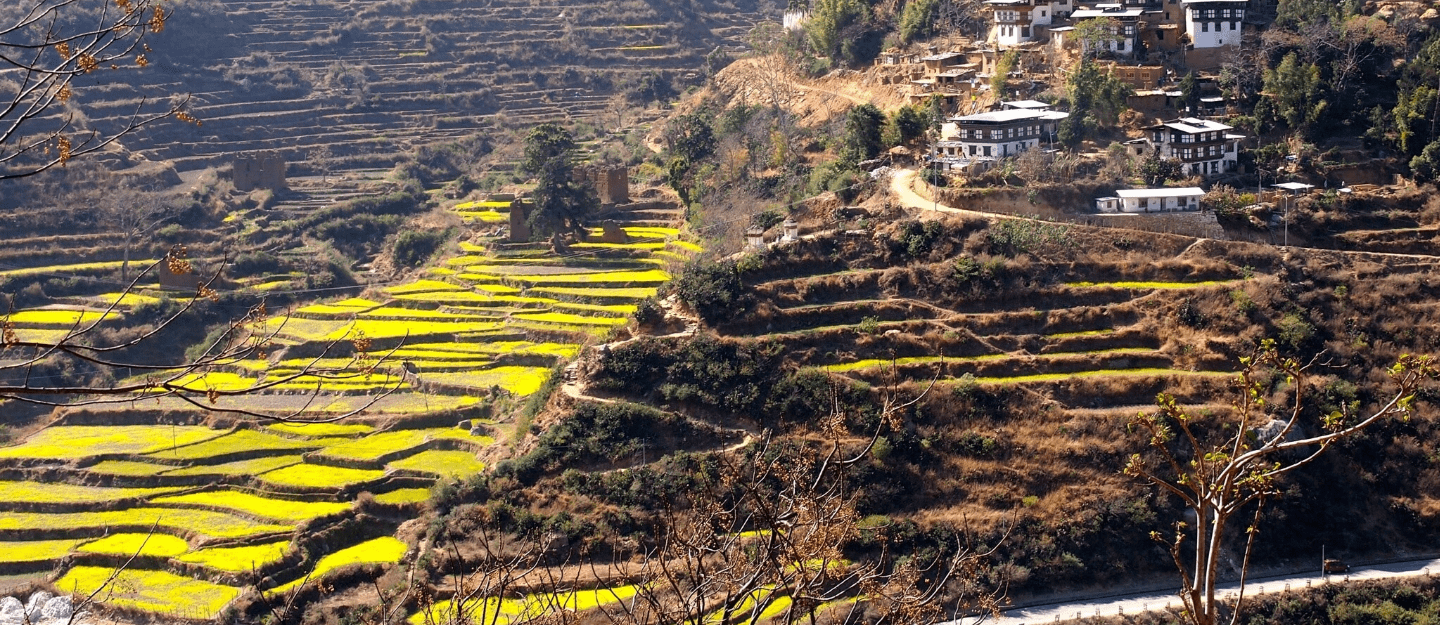
Wangdue Phodrang
About Wangdue Phodrang
Wangdue Phodrang: A Region of Valleys and Fortresses
Wangdue Phodrang is one of the serene corners of Bhutan known for quiet valleys and sturdy old fortresses. The very ambience where nature and culture come together. The blog will take you through all the picturesque beauty, elements of uniqueness, and means of easy accessibility.
Cultural and Historical Gems
Wangdue Phodrang is rich in cultural and historical treasures, each narrating its own stories about the past of Bhutan. The Wangdue Dzong, sitting proudly on the hilltop, is a proud symbol of the region's heritage. Damaged by fire, the main fortress still retains deep spiritual value. The nearby villagers honor age-old traditions as they welcome one into their humble abodes and provide glimpses of Bhutanese daily life; the annual festivals such as Wangdue Tshechu bring together local devotees in a colorful show of mask dances, music, and prayer rituals. From ancient temples to traditional crafts, Wangdue Phodrang is steeped in history and a culture people here take much pride in; hence, it is very special to travelers.
Top Attractions
Wangdue Phodrang Dzong: Yet another icon of the Bhutanese culture, the fortress is set high above the confluence of two rivers, quite a sight to behold. Though somewhat under restoration, it still manages to lure in visitors with its peacefulness and panoramic allure. The Dzong is truly where cultural flavors come alive, during different festivals, complete with masked dances, chants, and sacred ceremonies, honoring the spirit of traditions in Bhutan.
Phobjikha Valley: A very beautiful tranquil glacial valley. Glorious scenery with rare black-necked cranes being winter guests. Pine forests and traditional settlements surround it, making it a home for peaceful walks, birdwatching, and deep connection with nature in Bhutan. Within this valley lies one of the most splendid spiritual landmarks: Gangtey Monastery.
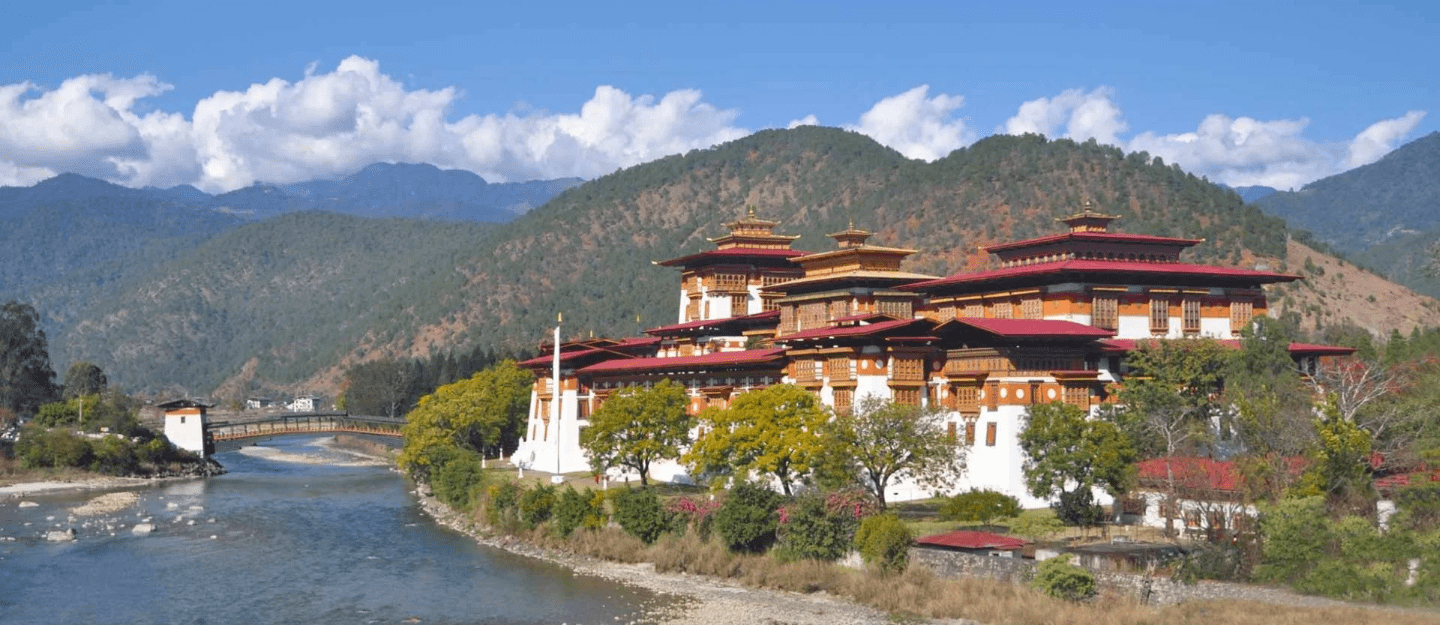
Gangtey Monastery: The 17th-century monastery, perched on the top of the hill in Phobjikha Valley, is a sacred site for the Nyingma school of Buddhism. Its intricate woodwork, serene courtyards, and spiritual ambience draw many pilgrims and tourists alike. The monastery plays a major role in the Black-Necked Crane Festival, where conservation, cultural heritage, and community involvement come together.
Adha and Rukha Villages: A remote pocket is an exceptional opportunity for experiencing true Bhutanese rural life. Visitors are welcome to meet local families, learn about traditional farming, and enjoy home-cooked meals. The simplicity and hospitality of these communities demonstrate that Bhutan is serious about protecting its culture. Staying at local homestays strengthens this connection while fostering sustainable tourism.
Top Local Dishes to Try
Ema Datshi: This is a Bhutanese dish consisting of chili peppers and locally made cheese. It is spicy and creamy and is generally eaten with red rice. It offers a slightly different touch in Wangdue Phodrang, where it is made with some personal touch in the household, resulting in a fuller taste to the dish, that many people take pride in sharing.
Phaksha Paa: This is a pork dish cooked with red chilies and radish. It is a very heavy dish with lots of bold flavors. It gets associated with family gatherings and festivals, bringing a taste of Bhutanese warmth and spirit to the table.
Jasha Maru: Chicken stew slightly flavored, made alongside garlic, ginger, tomatoes, and onions. Not weighty, unlike other local dishes, but definitely power packed. It should be relished with the local rice, and is a fine meal that could say is very comforting and satisfying.
Hoentay: Dumplings filled with spinach, turnip leaves, or cheese, are often served during special occasions. Originally from Haa Valley but are very much loved in Wangdue, delicious vegetarian treat, has a chewy bite, and lovely filling.
The Best Restaurants & Hotels
Hotel Lobesa: One among the cosy hillside hotels with valley views, offers warm hospitality, homely bhutanese meals, and the right ambience point for a clean, fresh, spacious room at very affordable prices for a wayfarer who hopes for comfort and local flavour. The in-house restaurant serves organic fresh food, offering to guests tantalizing tastes of the regions in their dish.
Dewachen Hotel & Spa: Nestled into the slopes of Phobjikha Valley, this lovely hotel features the best of traditional Bhutanese design tightly combined with modern comforts. Guests will enjoy sensational views, a refreshing spa, and sumptuous local cuisine. The ideal retreat for visiting the valley while also hoping to unwind in a calm, nature-wrapped surrounding.
Chimmi Lhakhang Cafeteria: An easy place close to the renowned fertility temple, this is a great spot to go for lunch. It has some great simple yet tasty Bhutanese items such like Ema Datshi and red rice. There is a reasonably friendly staff, and the entire space is not so busy- it's actually pretty popular among a lot of locals and guests.
The Valley Camp: It is a very special stay as this eco-lodge in Phobjikha provides very luxurious tents with fabulous views of mountains. This lodge offers guests guided walks throughout nature, organic meals, and warm bonfire evenings. It highly suits eco-minded travelers with adventure as well as comfort in the heart of Wangdue Phodrang.
Ultimate Shopping Destinations
Wangdue Town Market: A bustling local bazaar where you can find hand-crafted items, fresh produce, and authentic Bhutanese snacks. A great place for interacting with local people, trying regional delicicacies, and gathering everyday essentials or small souvenirs like hand-woven scarves and bamboo crafts.
Phobjikha Handicraft Center: This center supports local artisans while showcasing remarkable craftsmanship in items such as woolen scarves, wooden bowls, and bamboo products. Each purchase keeps the diversity of rural communities alive and contributes to the maintenance of traditional skills, thereby making it a worthwhile shopping destination.
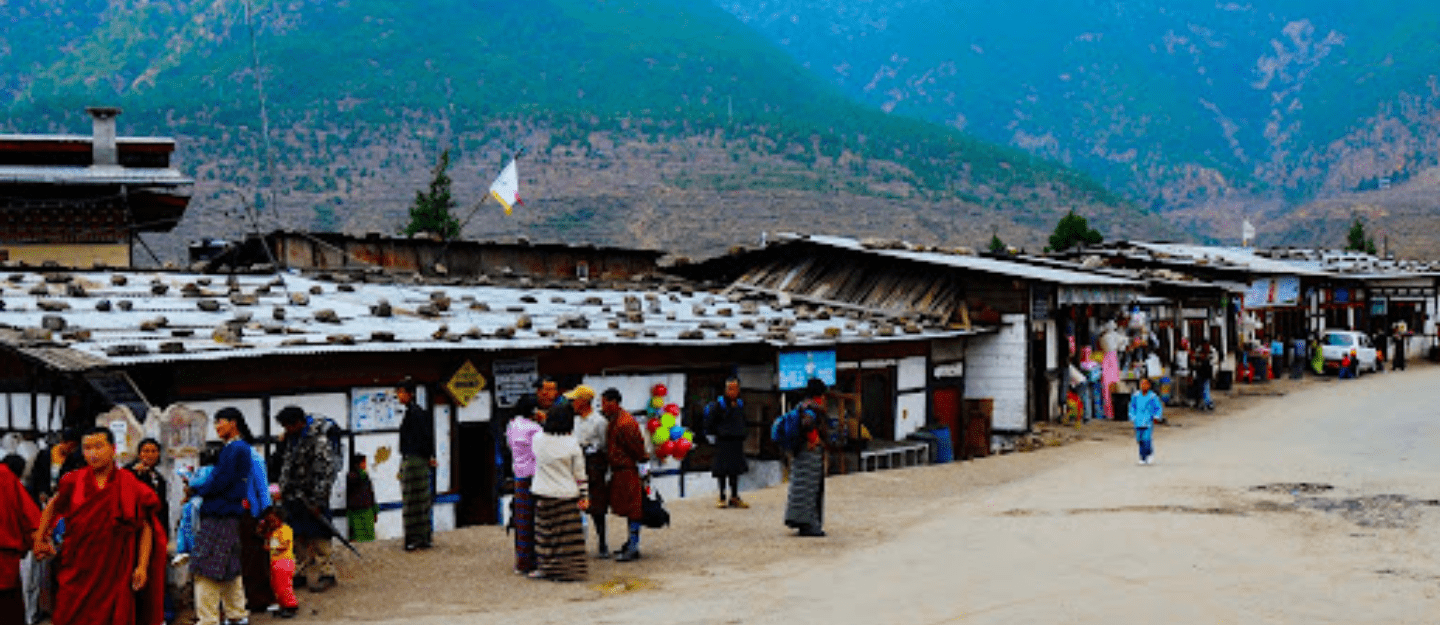
Adha Village Artisans: Famous for their weaving and basketry, Adha villagers offer strikingly unique locally crafted items that are hardly available anywhere else. Tourists can observe artisans at work and purchase their fine products directly from them, ensuring quality and cultural authenticity.
Local Farm Shops: Spread across the region, these small shops sell organic produce, homemade cheese, herbal teas, and traditional snacks. They are ideal for gathering edible souvenirs while supporting local farmers, who pride themselves on their natural products.
What Not to Do
Do Not Disrespect the Royal Family: Bhutanese regard their King and royal family as very important. Don't make any negative comments or jokes about them.
Dress Code Violation at Religious Properties: Visitors must dress modestly while entering the monasteries and dzongs. Cover your arms and legs and remove footwear upon entry.
Photography of Restricted Sites: Photography is completely prohibited within certain temples and religious places. Take permission before clicking any pictures in such places.
Do Not Disrespect the Environment: Bhutan, much known to the world, breathes life into conservation and preservation of the environment. Thus, littering, disturbing animals or even plants is strictly discouraged.
Do Not Smoke or Use Tobacco in Public: Smoking is highly restricted in Bhutan and, moreover, tobacco products are banned for selling. If one wishes to smoke, he or she should do it from the allocated public areas only.
Negotiation for Sale: Bargaining does not take place in Bhutanese market unlike most of the Asian countries. Most of the prices are fixed and in such cases excessive haggling would lead to rudeness.
The Best Time to Visit
Spring (March to May): This is one of the most beautiful times to visit Wangdue Phodrang. Flowers bloom across valleys, the weather is pleasant, and clear skies provide stunning beauty. It's perfect for hiking, exploring nature, and just lying around enjoying the vibrant landscapes.
Summer (June to August): Although this season comes with monsoon rains, it also brings the lush green environment of the region. The waterfalls remain full, and valleys appear fresh alive. This is a less popular visiting period, which many visitors prefer to avoid during crowds, provided they aren't significantly distressed by rain.
Autumn (September to November): Most people flock here because it is characterized by relatively crisp air, blue skies, and colorful festivals such as the Wangdue Tshechu, thereby making it the perfect time for cultural experiences, photo capturing, and trekking. Added lightly favorable weather to the mild temperature ensures that one is comfortable and enjoys exploring.
Winter (December to February): Cold but peaceful, the winter affords shivering but exceptionally clear skies, with an ambiance of calmness. It's occasionally dusted with snow in higher areas, making it more appealing. Sometimes this highland is home to the black-necked cranes of Phobjikha Valley, turning it into a luminary destination for bird watchers and nature lovers.
Thrilling Outdoor Activities
Hiking in the Phobjikha Valley: Walk in scenic trails through the forests, farmlands, and wetlands while spotting rare birds and soaking in the tranquil landscape. Being flat, the valley is a hiking heaven for souls of any ability, while the added ambiance of the fresh mountain air just sweetens the feast.
Camping Under the Stars: Spend a night in nature during guided camping tours in the hills or valleys. Share bonfires, local food, and stories under wide-open skies. A great way to experience the natural beauty of Bhutan and spend some quiet moments away from the usual tourist trail.
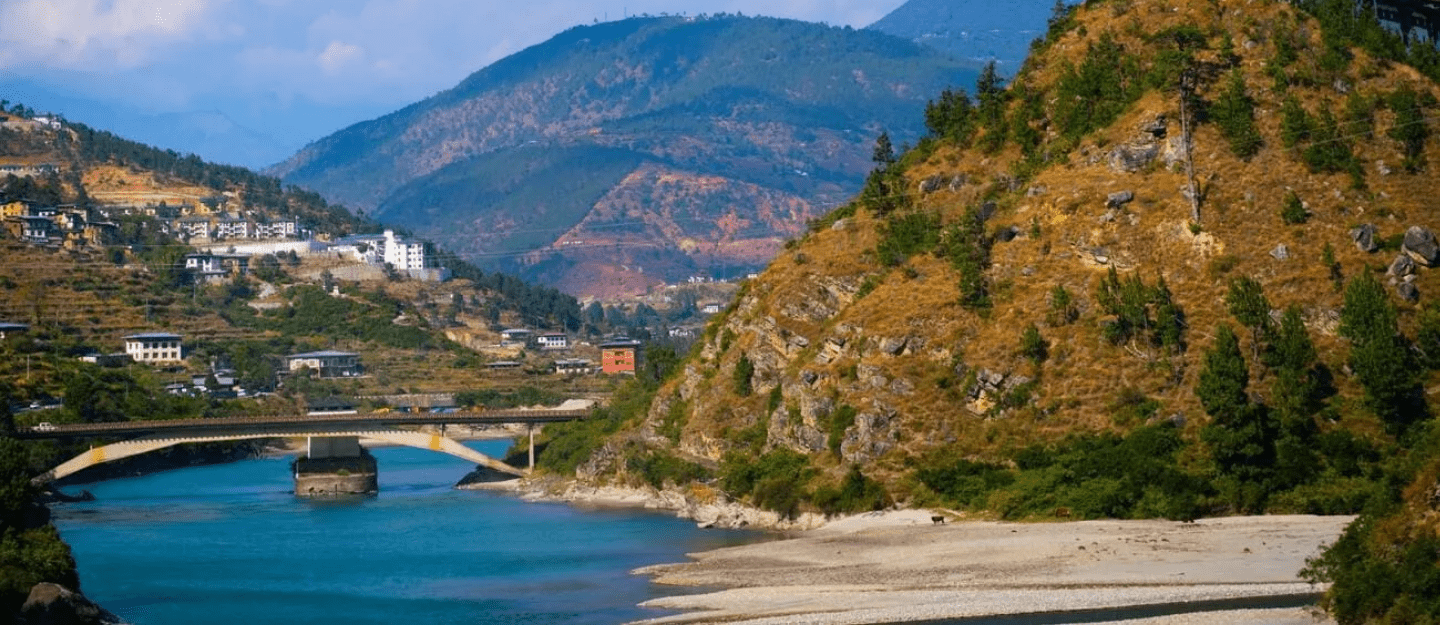
Cycling Tours: Get to know the bonny countryside on wheels while the guides show you traditional villages, terraced fields, and scenic mountain roads en route. An active and environmentally friendly way of learning about local life and splendid views at your own pace.
Bird-watching in Phobjikha: The valley is a bird-watcher's paradise, particularly in winter when the black-necked cranes descend. Patiently and with binoculars in hand, one may spot several dozens of bird species while savoring the serene quiet of untouched nature.
About Us
Trip planning could seem to be cumbersome but TravellingLark makes it easy by linking travelers with professional travel agencies that provide customized travel proposals. Instead of spending hours searching for the most appropriate vacation package, travelers can post their trip details and receive several personalized offers.
TravellingLark is not only a destination for travelers but the most powerful network for travel agencies, hotels, and travel vendors. Travel agencies can sign up for free listing of their offerings and display packages for holiday tours, hotels, and travel experiences. Travel is a business but no commission hefty charged like other platforms; we give businesses free travel leads to achieving their patronage.
Whether you are a travel agency searching for clients, a hotel requiring more bookings, or a travel vendor offering services, TravellingLark has just opened direct access to tourists searching for these offerings.
Hassle-Free Trip Planning: Every traveler gets a tailor-made travel offer, with other requirements left to him/her.
Completely Free for Everyone: Registration fees or commission-free for all users or businesses.
Quality Travel Leads for Free: Businesses connect directly to interested travelers.
Join TravellingLark now and make a smarter future in planning, booking, and growing in the travel industry!
Conclusion
Wangdue Phodrang is not merely a tourist destination; it is a melting pot of culture, history, and nature. From ancient forts to serene valleys, tasty local food to warm friendly villages-everything about Wangdue feels intimate and authentically lived. Whether hiking, attending a festival, or sharing a moment on the riverbank, Wangdue greets you with open arms. A favorite getaway for those seeking an adventurous and quiet retreat. To pack gently, slow down, and let Wangdue Phodrang charm you into some long memories and stories to tell.
Planning a trip to Wangdue Phodrang?
Post your upcoming travel details and get personalized quotations from multiple verified travel agencies.
Fast response • Custom offers • Verified agents
Current Weather
Live Forecast
Explore Packages in Wangdue Phodrang
Planning a trip to Wangdue Phodrang?
Post your upcoming travel details and get personalized quotations from multiple verified travel agencies.
Fast response • Custom offers • Verified agents
Bigger Group? Get Special Offers Up to 50% Off!
Planning a trip for friends, family, or corporate teams to Wangdue Phodrang? We create unforgettable customised adventures with exclusive group pricing!
Current Weather
Live Forecast
Why travelers choose
TravellingLark?
Thoughtfully planned journeys, crafted for unforgettable experiences.
Built Around You
Personalized trips based on your style, interests and budget.
Handpicked Trips
Curated itineraries designed with love and local expertise.
Transparent Pricing
Clear package pricing with no hidden charges or surprises.
Personalized Planning
Every trip is tailored to your interests, pace and preferences.
Best Value Always
Get the best experiences at the best value for your money.
Global Destinations
Explore handpicked destinations across India and the world.
24/7 Trip Assistance
We're with you before, during and after your journey.
Built Around You
Personalized trips based on your style, interests and budget.
Handpicked Trips
Curated itineraries designed with love and local expertise.
Transparent Pricing
Clear package pricing with no hidden charges or surprises.
24/7 Trip Assistance
We're with you before, during and after your journey.
Personalized Planning
Every trip is tailored to your interests, pace and preferences.
Best Value Always
Get the best experiences at the best value for your money.
Global Destinations
Explore handpicked destinations across India and the world.
Hassle-Free Journey
Enjoy a smooth travel planning experience from start to finish.
Traveler Reviews for Wangdue PhodrangReviews for Wangdue Phodrang
Verified ratings and genuine travel experiences from our community
No Reviews Yet
Have you explored Wangdue Phodrang? Share your experience to help fellow travelers plan their trip!