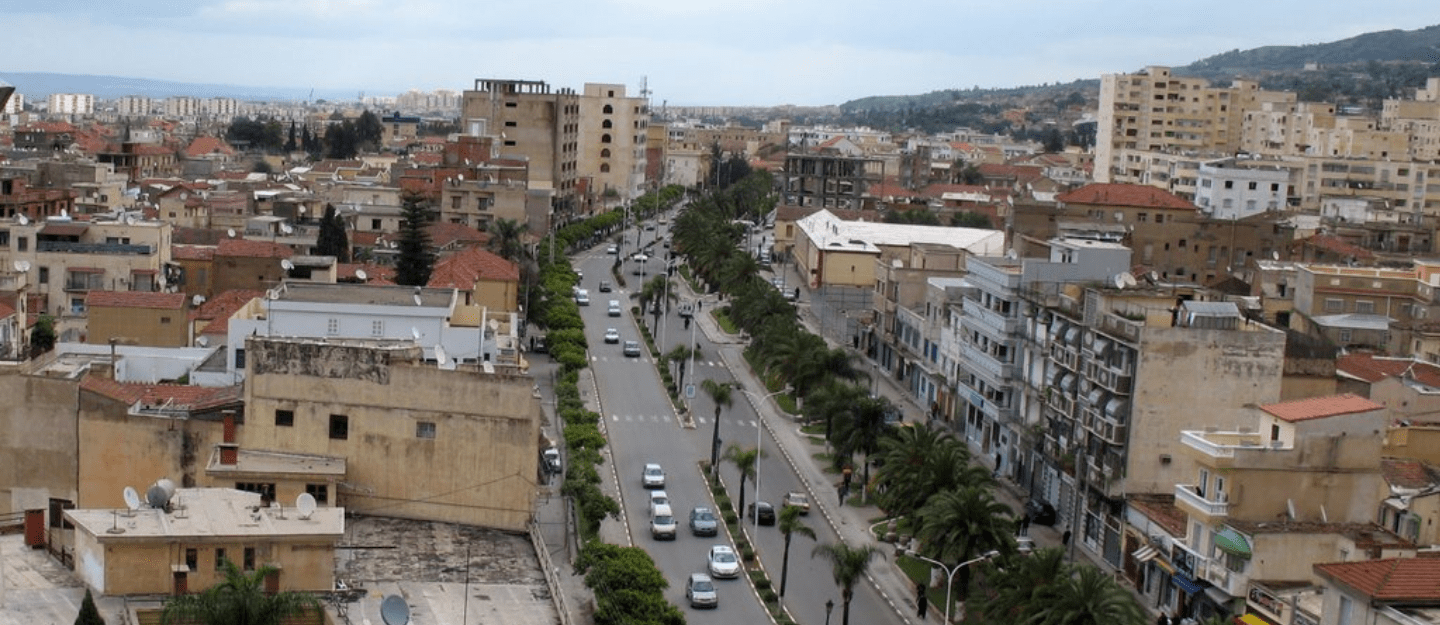
Djelfa
About Djelfa
Djelfa: A Land of Steppes and Rich Traditions
Djelfa is such a beautiful combination of steppes and traditions as it invites you to discover its rich tapestry. Vast open spaces blended with ancient workings, it is an Algerian jewel that evokes a world of thriving heritage. Discover the magic of Djelfa, a land so intense in history and within itself.
Cultural and Historical Gems
Djelfa is a hotspot of cultural and historical jewels, where ancient traditions meet timeless landscapes. Located in Algeria's steppes, it is undeniably a fusion of rich heritage rooted in nomadic tribes who express it through colorful festivals, traditional crafts, and soulful music. From Zaccar Mountains's prehistoric rock engravings that narrate tales from afar to local markets full of buzzing art, every corner of Djelfa reveals glimpses into its proud history and ever-living spirit. With the monuments in tow or a deep dive into the hearts of its hospitable people, Djelfa presents a beautiful journey into culture, history, and everything authentic.
Top Attractions
Zaccar Mountains Rock Engravings: Zaccar mountain ranges stony prehistoric rock cuttings which echo an ancient Djelfa of engravings diversely depicting beasts and early humans. These precious engravings highlight a rare opportunity to see into prehistoric art. For the history lover and inquisitive traveler, it is as though one is taken into the ancient world as one walks through these famous sights.
The Steppe Landscapes: Djelfa's vast steppe sceneries seem to stretch endlessly across space, bringing one into a reality that is as far removed from daily life as one can imagine. Wide-open golden steps, dotted with wildflowers, very inviting for hiking, photography, or meditation. The vision of nomadic ancestry: the steps connected me with this land.
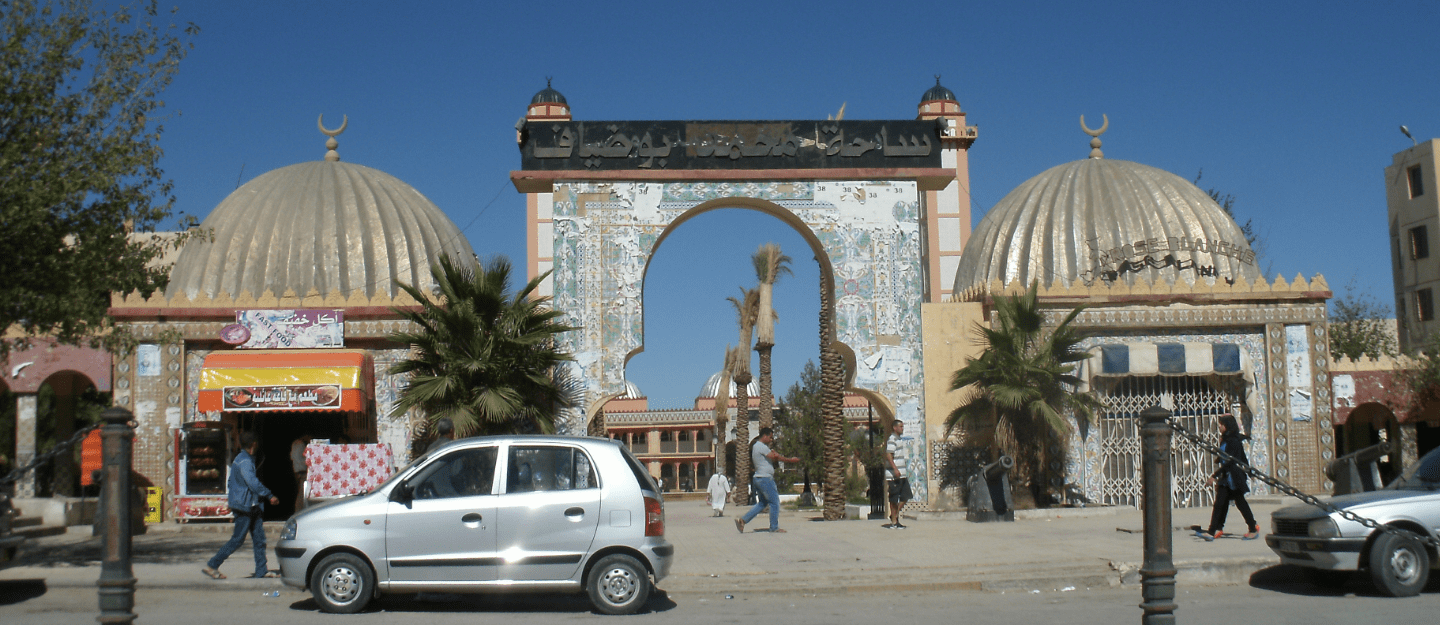
Sidi Baizid Mausoleum: Sidi Baizid Mausoleum is considered a spiritual sanctuary, a historical and religious landmark. It attracts not only pilgrims but also visitors who want to understand its culture. The tranquillity of the site, coupled with its glittering architecture, reflects the duality of Djelfa in religious allegiance and heritage; hence, it is an appropriate stopover for history and tranquillity seekers.
Djelfa Traditional Souks: A typical souk of Djelfa speaks of the noise of traditional culture and brings into life a sensory voyage through it. The stalls are crammed with handmade carpets, leather works, and highly-wrought jewelry pieces. It is a leading source of spices and, in the sound of friendly haggling, coming to know this trance. Such markets are all about the experience rather than shop-go for the soul of Djelfa.
Top Local Dishes to Try
Chakhchoukha: Signature dish of Djelfa. It is composed of pieces of torn and soaked thin round flat bread in rich spiced tomato sauce with tender lamb and chickpeas-an aromatic spiced loving dish where people come together. It is served mostly during special gatherings where this dish defines the hospitality and culinary tradition of the region.It truly gives a burst effect of hearty flavor and captures the essence of local cuisine.
Berkoukes: Ever called "pearl couscous", berkoukes is a hearty dish made with really large grains of semolina pasta boiled in some broth from vegetables, lamb, and chickpeas. The kind of spices that people tend to use are warming ones like cumin and paprika; thus, this makes for a really hearty and perfume meal, usually prepared during the cold months to warm people up and fill their stomachs.
Rechta: It is fine, handmade noodle served usually with light spiced chicken broth with some vegetables. These smooth silky flavored noodles are well sucked through all those fragrant flavors of the sauce, giving them a simple but fairly rich meal. It is a favorite of families and is usually replicated on occasions. One of the finest traditional Djelfan cooking skills.
Mderbel: A rich and flavorful stew, Mderbel features lamb slow-cooked with eggplant, tomatoes, and some spices. It forms a beautifully creamy and bold-flavored sauce, as the eggplant melts into it. you enjoy it fresh bread, that's how humble ingredients can be creatively mastered into fine Djelfa spices.
Tamina: A sweet dish, Tamina has roasted ground semolina with honey and butter, usually enriched with cinnamon and almonds. Historically, it is prepared for births and applicable religious holidays; in the culture of Djelfa, this dish puts value. The texture is smooth and rich, with warm sweet tones-thus a real treat for someone who indulges in sweetness.
The Best Restaurants & Hotels
Restaurant El Baraka: If you are in Djelfa, you have to visit Restaurant El Baraka, well known for its religiously warm atmosphere and authentic Algerian cuisine. Local specialties include Chakhchoukha, Berkoukes, grilled lamb, all fresh and from the region. Friendly service and a traditional touch are the ingredients of a true taste of rich Djelfa heritage, perfect for the localities and for visitors.
Le Jardin Gourmand: Le Jardin Gourmand Introduces modern elegance, combining the true flavors to create a fine dining experience in Djelfa. The restaurant offers both traditional Algerian dishes and those influenced by Mediterranean cuisine. Delicacies from light Rechta to hearty seafood plates can be savored in a visually delectable way. With beautiful aesthetics and a considerate staff, the restaurant is a perfect place for special occasions or a very memorable evening.
Hotel Rym El Djelfa: An easy and comforting stay in Hotel Rym El Djelfa, a combination of modern with a hint of local features. Spend your time in large rooms, a small restaurant with local dishes, and helpful staff to give you travel ideas. Centrally located, it is a perfect place to run into the historical sites, traditional markets, and natural landscapes of the city.
Les Jasmins Hotel: Les Jasmins Hotel is an oasis with grand guest rooms combined with thoughtful hospitality. The hotel is made up of well-furnished rooms, a peaceful gardening area, and a restaurant serving a range of local and international dishes. Whether you're coming for business or a holiday, the quiets in-house facilities and central location will certainly prove to be a relaxing yet very convenient stay right at the heart of Djelfa.
Ultimate Shopping Destinations
The Djelfa Traditional Souk: This bustling marketplace in the heart of Djelfa exemplifies the merging of history and culture. This is the place to find artisan rugs, leather goods, and silver jewelry made by the deft hands of local artisans. The vibrant atmosphere filled with scents of spices and raucous bargaining truly provides one with an authentic shopping experience steeped in the region's rich culture.
Artisan Craft Market: Another option for those seeking unique, handmade treasures, the Artisan Craft Market presents Djelfa's finest traditional crafts. From intricately woven textiles to hand-carved wooden artefacts, the talents of local artists are on display at this market. It is a perfect place to buy a few thoughtful souvenirs while providing direct support to the craftsmen of the community, preserving an artistic tradition in the region.
Modern Shopping Center Djelfa Mall: Djelfa Mall modernizes traditional shopping. A mixture of local boutiques and popular international brands create a mall catering to every taste and budget. Visitors can shop for fashion, accessories, and homeware and unwind with light snacks at a café or in one of the mall's upscale restaurants — a perfect destination in short.
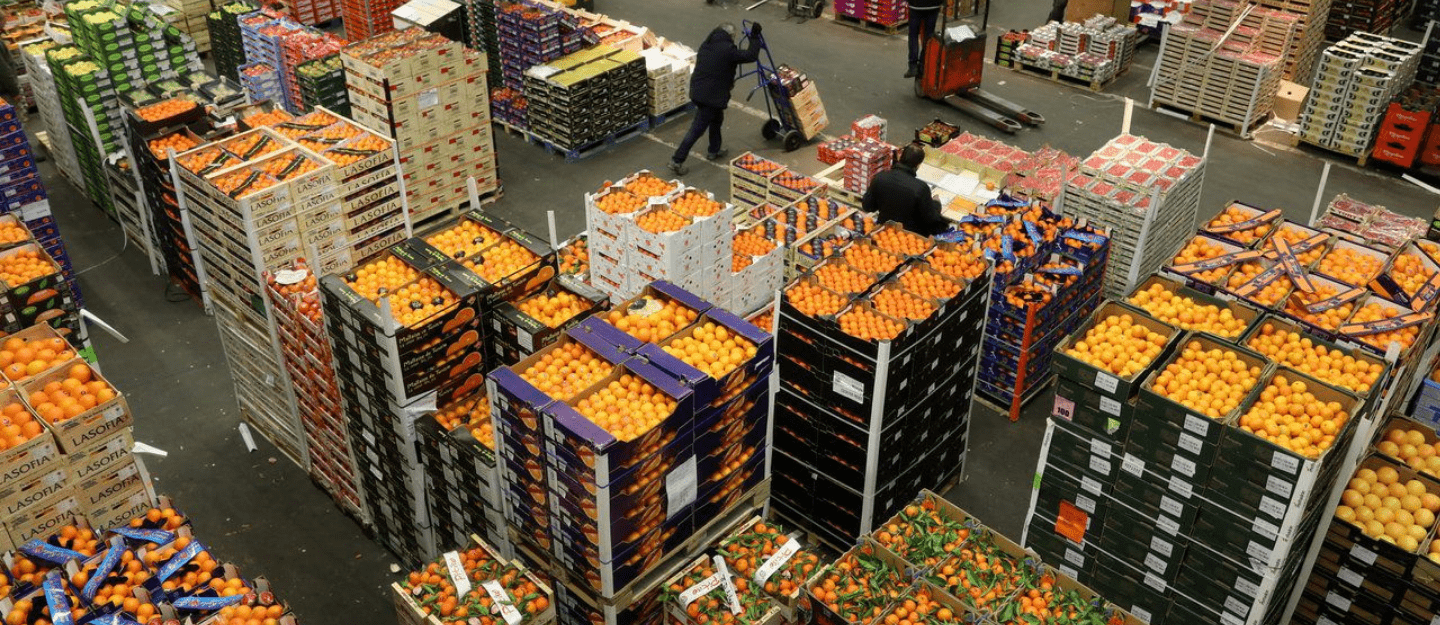
Carpet and Textile Bazaar: Known for gorgeous handwoven carpets, Djelfa's Carpet and Textile Bazaar is the shrine to the age-old craft. Each item tells a story expressed through a complicated arrangement of motifs representing the nomadic culture of the area. This bazaar is about beauty and history, whether you want to take back a big decorative carpet or a small textile souvenir.
Local Spice and Herb Market: The Local Spice and Herb Mercado is a sensory shopping experience. Stalls overloaded with colorful spices and aromatic herbs and miscellaneous traditional remedies are the core of Djelfa culinary culture. While shopping, patrons get an opportunity to engage the vendors and ask about each spice's local uses, making certain parts of Djelfa delectable goodness come home with them.
What Not to Do
Avoid Public Displays of Affection: When it comes to the public display of affection, there are interrelations within a conservative framework, so kissing or hugging may be seen as inappropriate behavior.
Disrespecting Islam is Strictly Forbidden: Avoid insulting Islam, passing remarks against its religious customs, or behaving disrespectfully in its mosques.
Never Take Photographs Without Permission: Many locals, especially women, do not like to be photographed. Also, do not take pictures of military installations and government buildings.
Avoid Unnecessarily Discussing Politics: Political discussions are quite a sensitive issue, especially the Algerian government and history with France.
Don't Ignore Local Dress Codes: Certainly, Algeria is not as strict as some other countries but dressing modestly is recommended, especially for women in rural areas.
Don't Expect Everything to Be on Time: Life is generally slow, so patience is required when it comes to transport, bureaucracy, or business dealings.
The Best Time to Visit
Spring (March to May): Spring in Djelfa is that time of the year when the steppes come to life with wildflowers and verdant greens. Crop-anat temperature and it's best enjoyed with a tour of historical sites from the Zaccar Mountains or an exploring of the traditional souks. It is also the perfect season for sports like hiking and walking in nature, really relieving escape-from-hustle type activities.
Summer (June to August): Summer turns hot as well as bright with all the fiesty enjoyments of local festivities for Djelfa. Hot during the day, cool in the evenings-an ideal time for cultural activities, sampling the traditional seasonal dishes, and visiting those shaded markets elbow-to-elbow with bustling patrons. For those who enjoy vibrant settings, summer is indeed a true taste of the dynamism of Djelfa.
Autumn (September to November): It is golden with a dense and crisp air: Djelfa autumn. It brings comfortable sightseeing. This is the best time to visit different places on steppes void from the summer heat, view the ancient rock carving, and enjoy ancient cuisine in local restaurants. It is the most peaceful period of the year when tourists have dwindled to a minimum so that this part of the world can be embraced entirely with its charm and culture.
Winter (December to February): Winter brings quiet beauty to Djelfa-cool temperatures and. Intermittent rains. It is that ideal season to be curled up with local warm dishes such as Berkoukes and explore all the cultural landmarks of the city. The ambience is tranquil, affording a more intimate experience of the history of Djelfa, which makes it a wonderful destination for travelers looking for calm reflection during getaways.
Thrilling Outdoor Activities
Zaccar Mountains Hiking: The Zaccar Mountains offer rugged beauty, a hiker's paradise. The trails pass through ancient rock artworks, offering a physical challenge as well as a journey through the history of the surroundings. Add in some breath-taking views of the steppes and subsonic sightings of local wildlife, and it really does combine to become an unforgettable experience of nature, culture, and some adrenaline.
Steppes Exploration and Wildlife Watching: Thanks to Djelfa's vast steppes, nature lovers can marvel at the open landscape and the quiet beauty it holds. Whether with a guide or wandering solo, visitors will encounter native plant species, grazing grounds for nomadic herders, and manage a rare sighting of a gazelle or two. Wide horizons and fields of gold set an enchanting stage where the peaceful moments are jaw-dropping for photography and reflection.
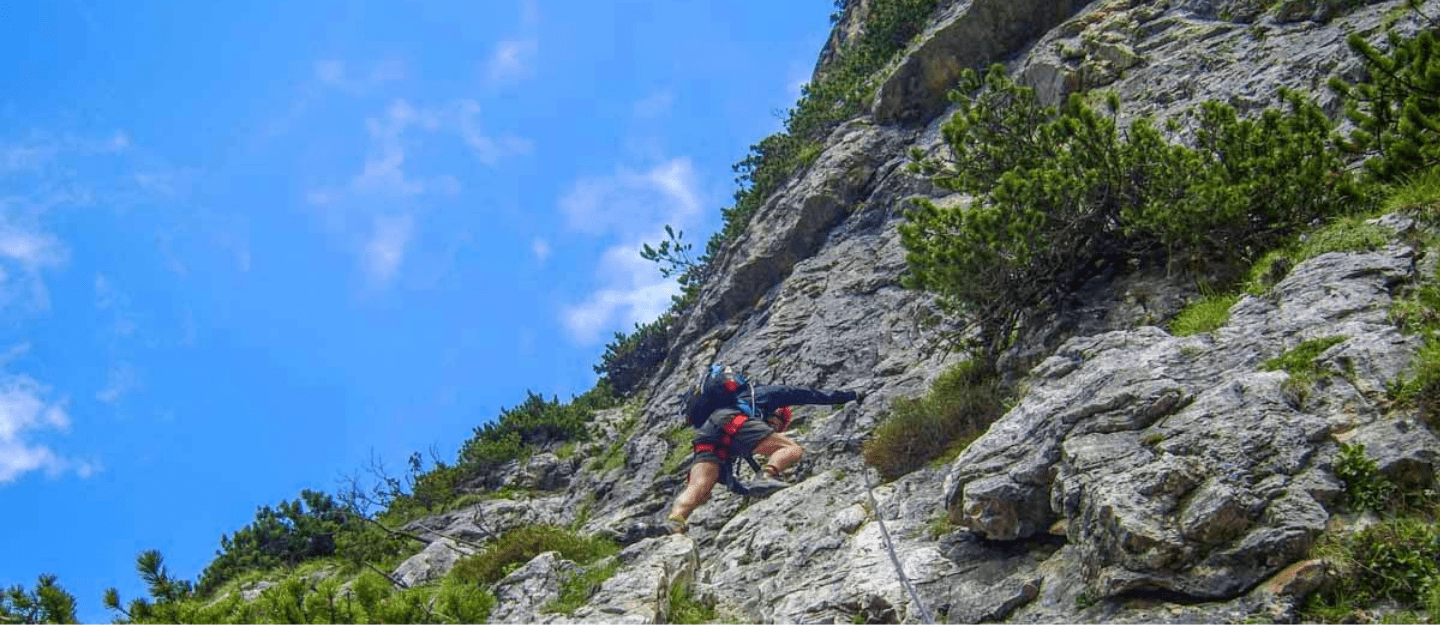
Rock Climbing Adventure: Jaw-dropping climbs await the adrenaline junkie scaling Djelfa's rocky terrain. From the standpoint of boulders and natural cliffs, Zaccar presents adventure routes for beginners as well as experienced climbers. Each climb unwraps captivating views of the surroundings-a fitting union of physical effort and stunning reward.
Camping Under the Stars: Experience the enchantment of Djelfa when the sun goes down by spending a night in the steppes. With no city lights interfering, the stars twinkle in blissful silence. Whether with a guide or solo, camping helps you connect with nature, enjoy home-cooked meals on the fire, and wake to the radiant sunrise over the plains.
Horseback Riding Across the Steppes: DJelfa's equestrian adventure helps explore the culture of the nomads. Riding through the wide steppes, you would be walking in the footsteps of many generations before you. Experience local horsemanship with experienced guides, explore hidden trails, and gallop freely through the wild heart of Algeria.
Conclusion
Not merely Djelfa but rather stepping into the relative terms that make up the beautiful history of Algeria, colorful cultures, and beautiful landscapes; Djelfa is truly a journey. From studying the rock engravings to witnessing sage shoppers' bargaining tactics in the souks, from food-tasting traditions to giving in to outdoor adventure options, each experience reveals a little bit of Djelfa's soul. Quiet in the steppes or loud with cultural excitement, Djelfa is able to offer guests lasting memories. In its traditions and warm-hearted people, you shall find memories and a sense of belonging to call your own. Djelfa will not be disappointing; its treasures are open for all to see.
Planning a trip to Djelfa?
Post your upcoming travel details and get personalized quotations from multiple verified travel agencies.
Fast response • Custom offers • Verified agents
Current Weather
Live Forecast
Planning a trip to Djelfa?
Post your upcoming travel details and get personalized quotations from multiple verified travel agencies.
Fast response • Custom offers • Verified agents
Bigger Group? Get Special Offers Up to 50% Off!
Planning a trip for friends, family, or corporate teams to Djelfa? We create unforgettable customised adventures with exclusive group pricing!
Current Weather
Live Forecast
Why travelers choose
TravellingLark?
Thoughtfully planned journeys, crafted for unforgettable experiences.
Built Around You
Personalized trips based on your style, interests and budget.
Handpicked Trips
Curated itineraries designed with love and local expertise.
Transparent Pricing
Clear package pricing with no hidden charges or surprises.
Personalized Planning
Every trip is tailored to your interests, pace and preferences.
Best Value Always
Get the best experiences at the best value for your money.
Global Destinations
Explore handpicked destinations across India and the world.
24/7 Trip Assistance
We're with you before, during and after your journey.
Built Around You
Personalized trips based on your style, interests and budget.
Handpicked Trips
Curated itineraries designed with love and local expertise.
Transparent Pricing
Clear package pricing with no hidden charges or surprises.
24/7 Trip Assistance
We're with you before, during and after your journey.
Personalized Planning
Every trip is tailored to your interests, pace and preferences.
Best Value Always
Get the best experiences at the best value for your money.
Global Destinations
Explore handpicked destinations across India and the world.
Hassle-Free Journey
Enjoy a smooth travel planning experience from start to finish.
Traveler Reviews for DjelfaReviews for Djelfa
Verified ratings and genuine travel experiences from our community
No Reviews Yet
Have you explored Djelfa? Share your experience to help fellow travelers plan their trip!