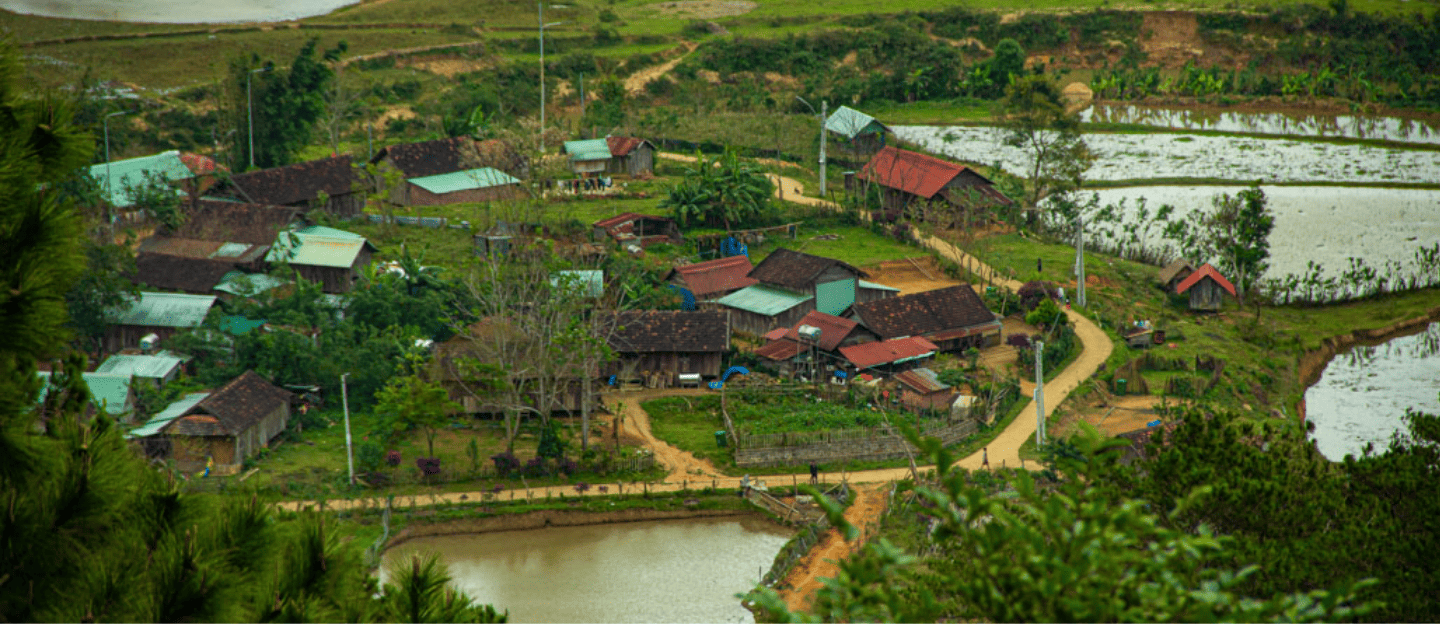
Kon Tum
About Kon Tum
Kon Tum: Wooden Churches and Highland Peace
The Kon Tum greets you with its tranquility and has wooden churches and green highlands which seem untouched. This guide will explore rich cultures, scenic beauty, and hospitality. Whatever it is you have come for-whether history, food, or peace-May Kon Tum give you an experience based on simple adventure and soulful memory.
Cultural and Historical
Kon Tum has an entirely different peaceful-frontier-atmosphere, which combines history with heart. It tells stories engraved in time-wooden churches, traditions of many tribes, and more. You can visit French-era architecture, learn from ethnic communities, or feel everything in form as harmony among cultures. From colonial pasts to highland rituals, everything whispered something special over every corner. Quiet though rich in depth.
Top Attractions
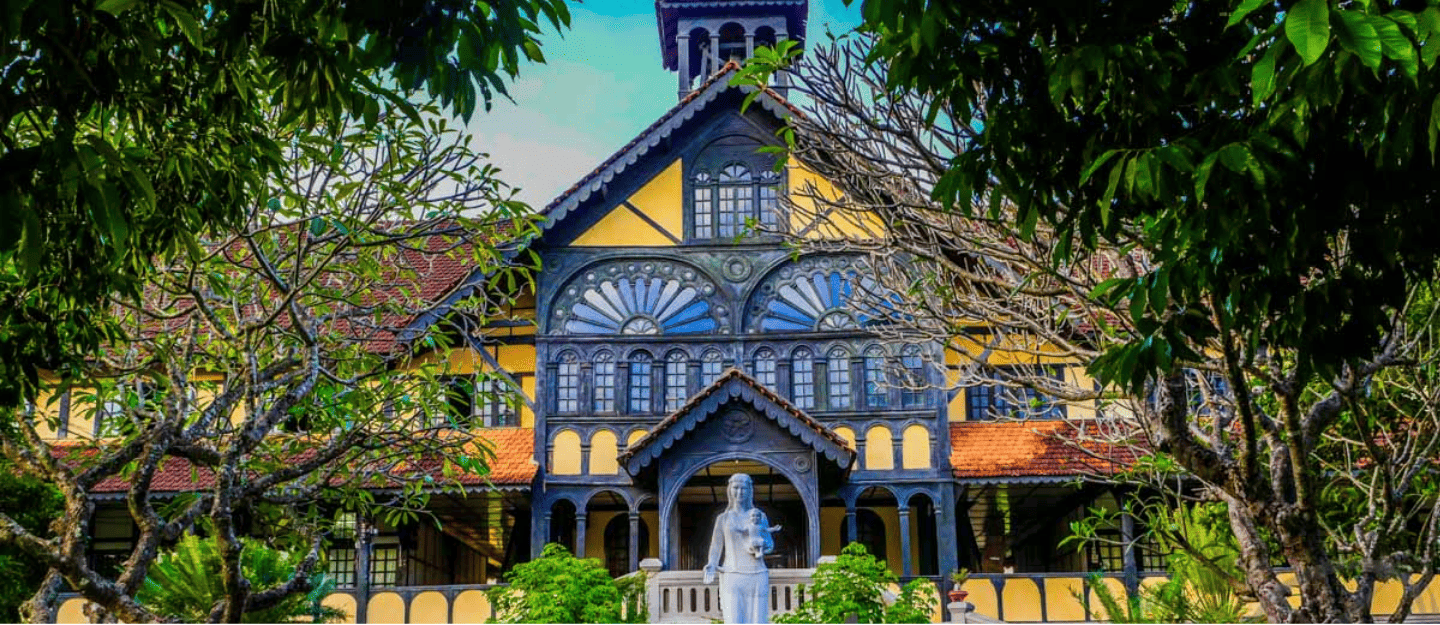
Kon Tum Wooden Church: Constructed in 1913 without nails, this church is a blend of Roman and Ba Na architecture. It is tall and stands gracefully, with a wooden frame, stained glass, and a bell tower filled in with green surroundings. Visitors often sit quietly, contemplating how something so essential can feel so holy. The orphanage speaks about the community's spirit through thick and thin.
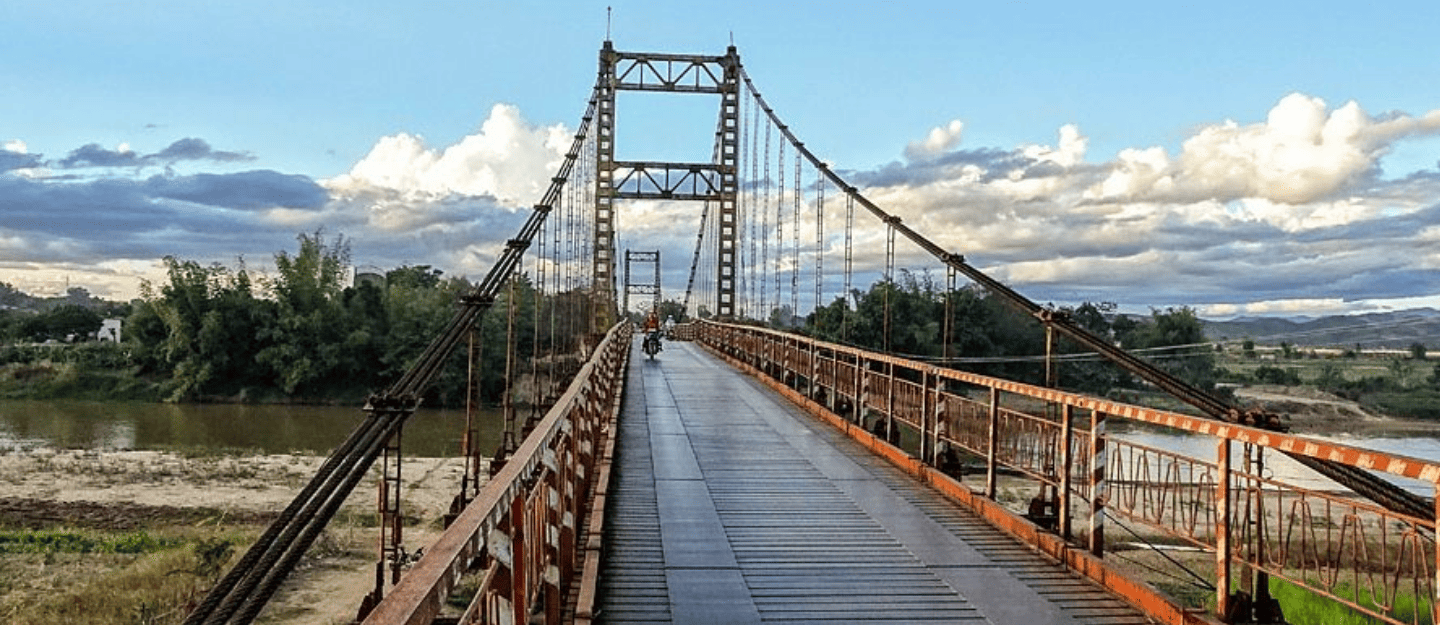
Kon Klor Suspension Bridge: This long, narrow bridge stretches across the Dak Bla River, linking Kon Tum city with local villages. As you walk across the bridge, boats floated by in the distance, while children waved from afar. This is much more than a crossing point: it is where culture, history, and daily life meet. Perfect for the sunset walks where every step frames the mountain view.
Indochina Junction: Stand at the tri-junction of Vietnam, Laos, and Cambodia. This is a symbol of unity and a really pleasing geographical wonder tucked in the jungle. The drive is scenic beyond words, winding through forest trails with mist-covered hills.
Kon Tum Museum: A reflection of the minorities inhabiting the area, mainly the Ba Na, Xo Dang, and Gia Rai. The space is filled with traditional tools, costumes, and musical instruments. The oral history and short documentaries explain the history and rituals very clearly. You could experience the essence of a mountain highlander here.
Top Local Dishes to Try
Heo Rừng Nướng: Grilled wild boar, may be better with wild herbs from the surrounding area. Smoky flavors abound in this preparation. Grilled over an open flame, it is nearly always served with chili salt and glutinous rice, enjoyed among friends. A taste of the highlands, simple yet filling and deeply gratifying.
Cơm Lam: Bamboo-tube rice stick of sticky rice cooked with coconut water and a pinch of salt. The dish has an earthy aroma and a slight sweetness. Locals like to eat it with grilled meats or vegetables. Somehow practical, earthen, and highly traditional—helpful for a picnic or trekking meal in the countryside.
Gỏi Lá: The leave salad is prepared with more than 40 types of leaves served with boiled pork meat, shrimp, and fermented paste. It is more of a wrap than a salad, every bite full of textures. According to local folks, it helps for better heat balance. It is a local specialty for Kon Tum and represents a part of the rich bio-diversity and ingenuity of the region concerning food preparation.
Rượu Cần: Drunk from communal jars, sipped out of bamboo straws. In local festivities, it is served specially from a communal jar. Mildly sweet, with herbal tones. Drinking becomes quite a social affair and is often accompanied by dancing and drumming.
The Best Restaurants & Hotels
Indochine Restaurant: Seating deep inside Kon Tum, a quiet intimate setting to savor Vietnamese-French-inspired dishes. The wooden décor and soft music create an atmosphere of calm. Beef stew, lemongrass chicken - good try. Service is warm and sweet prices. Ideal lunch or slow evening eating place.
Eva Café & Bistro: And this is where a fine little café gets romantic-both European coffee culture and flavor to one side. Their banh mi sandwiches and especially passionfruit juice get to be more than an experience. It's a business popular with travelers and digital nomads alike. Sit down by the window, enjoy the breeze, and write your travel diary while sipping on a strong Vietnamese coffee.
Kon Klor Hotel: This hotel offers a peaceful stay right next to the Kon Klor Suspension Bridge, providing clean rooms with views of the garden, all part of the promise of highland hospitality. It is family-run and delightful. Expect peaceful nights, friendly staff, and access to the best of both worlds: city and nature. Ideal for those wanting comfort without any fuss.
Window 2 Hotel: Although it has a modern touch, this boutique hotel has retained the cool calm spirit of Kon Tum. Spacious rooms, mountain views, and free breakfast add to its appeal. Located in the city center, it is convenient for sightseeing. Great base to rest after cultural or nature-filled activities.
Ultimate Shopping Destinations
Kolountum Kaljituchi Haimosartk: Iztl Soosh People come at night to shop for presents, talk, and relax. You'll get scarves, wooden toys, and herbal teas. The prices are negotiable, and people selling here are usually friendly. You might want to grab the early hours for better selections and sit back until late enjoying music and food.
Dak To Market: A rather traditional highland market where ethnic minorities sell timber products, wilderness goods, spices, and bamboo baskets. The smell of dried herbs and grilled fish in the air is captivating to say the least. It is an experience that goes beyond just shopping! Whatever comes home is guaranteed to carry a story.
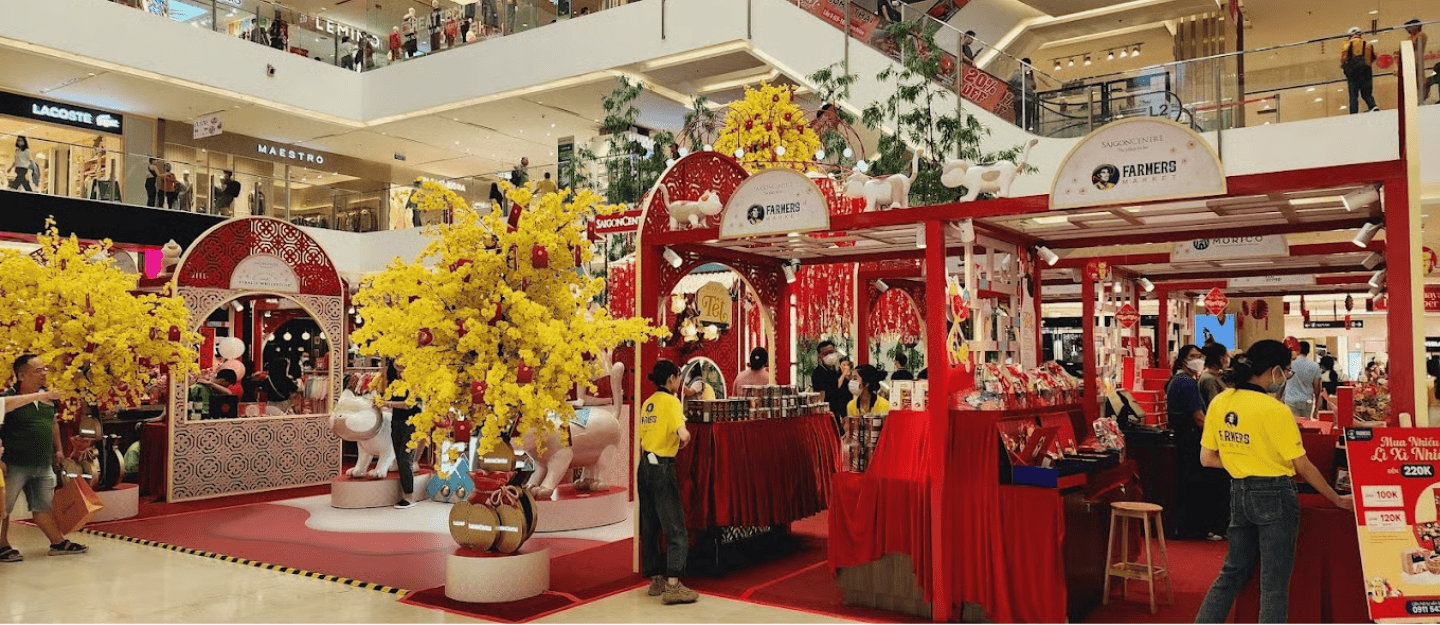
Hnam Chang Ngeh Shop: Run by an ethnic Ba Na artisan workshop, Hnam Chang Ngeh offers products such as handwoven textiles, jewelry, and home décor. It tells a story about the piece, and the proceeds are in support of women in the local community. This is definitely for those who are into handicrafts and conscious buying. Each item comes with a tag explaining its origin.
Kon Tum Central Market: The main trading post of the town. Come for the sound; leave with spicy herbs, snacks, or woven mats. The early morning is the best, with colourful stalls bursting with produce. It is a little bit chaotic and rather nice, filled with life and sound, mixed with a good dose of local character.
What Not to Do
Do Not Disrespect Sacred Places: Beautiful temples, pagodas, and shrines add to the serenity of Vietnam, but they also symbolize the deep spirituality of the country. Dress should always be considerate, covering shoulders and knees, and shoes ought to be taken off before entering. Loud talking, asking a Buddha statue to pose for a picture, pointing at sacred objects--all are signs of disrespect. Follow both the rules of the house, the posted signs, and interact in a respectful manner within these locations.
Don’t Lose Your Temper in Public: Self-control and saving face are highly valued in Vietnamese culture. Raising your voice, expressing your displeasure, or arguing in public, even when you are right, will only embarrass you or instigate negative reaction. Calmly hold the gaze of the other person, offer a small smile, and keep a gentle tone. Handle it courteously, with politeness. Show fits of anger, and you will mostly find people who would want to avoid or ignore you.
Do Not Touch Anyone's Head: To the Vietnamese general belief, and in many Southeast Asian countries, the head is regarded as the holiest of sacred parts of the body. Thus, touching someone's head, more particularly the head of a child, is generally considered a big insult. Do not pat heads or touch a head except between family or truly close friends.
Don't be Careless in Traffic: Vietnamese streets have gained a reputation for their seemingly chaotic traffic, especially in the bigger cities such as Hanoi and Ho Chi Minh City. There are overwhelmingly more motorbikes, clear lanes and signals for vehicles are often absent. Crossing should not be done with sudden jerks. Move calmly and confidently, with the intention of letting motorbikes maneuver around you.
Do Not Point Your Feet at People or Religious Symbols: In traditional beliefs, feet are considered the dirtiest part. Never do throw your feet toward anyone. Rest them outside or on the table, chair, etc. Especially in temples, avoid pointing your feet toward altars, monks, or sacred images. Either have them crossed or tucked away.
Don't Assume Everyone Speaks English: Although the majority speaks English in tourist spots, they aren't really widely spoken in the rest of the country. Loudly speak or get a bit upset if they couldn't get you. Learn a few basic phrases in Vietnamese or download a translation app to help you communicate. It would already create goodwill if you simply greeted them in Vietnamese.
The Best Time to Visit
Dry Season: November-April: This is the best time to visit. The skies are clear and the paths are dry, with a cool breeze that makes walking so pleasant. There are many cultural events that take place during this time, allowing firsthand experience of their traditions. You can expect a nice atmosphere with local community activities taking place.
Cherry Blossom Season (January-February): Cherry trees bloom at around the time of Lunar New Year, making the whole town look soft pink. A very romantic and photogenic period indeed. The streets appear very festive, and it is happy everywhere. Thus, you must be able to book in advance because they return home and the hotels fill faster. Good for couples or lovers of travel photography.
Rainy Season (May-October): The rainiest season of all, but it really brings green sides of land and cool mountain winds. The rivers swell lakes, and waterfalls shower like energy. It is perfect for eco-travelers, and for those who enjoy some mud but should carry a raincoat to enjoy quiet trails and misty mornings.
Festival Time (March-April): Spring is the time for ethnic festivals such as the Buffalo Sacrifice Ceremony: villagers wear their tradition dresses, play with gongs, and pour rice wine into their cups. It is a really difficult place for cultural immersion.
Thrilling Outdoor Activities
Trekking in Mang Den Highlands: Cool air, pine forests and paths then peace in itself.Path leads through mist-like places, past waterfalls, and coffee farms; guides will give you tribal folklore and local ecology. Not steep enough for newbies or the family but good. GatheWaiter digital detox with a real gaze.
Ride a boat on the Dak Bla river: Get into this wooden boat and listen to all the calm while gliding over this river. Farmers are working not so far away, and children enjoy swimming. Some rides include visits to nearby villages for tea and sharing stories. It is calm and slow yet allows the other side of Kon Tum to be seen.
Village Homestays: Spend a night in a stilt house with a Ba Na family. Help with the cooking for the evening and sing along at night, and sleep under a mosquito net. It immerses and humbles you. You're learning much more than culture-you're feeling it. Small gifts or photos from home would be a nice token of exchange.
Cycling Through Kon Tum Countryside: Rent a bike and ride off into corners hidden within rice paddies and wooden bridges. Most flat, not a lot of traffic. Good for meeting people, accidentally finding some temples, or just riding spontaneous. Don't forget the sunscreen, a bottle of water, and a curious heart.
Conclusion
It is an unexpected place; it will offer you more than just a geographical figure. It's a place that will grow in your heart. With its historical wooden churches, highland traditions, and tranquil personality; makes it personal to visit. They don't have large crowds or sky-high structures. Only simple kindness, cultures, and quietness. Whether you are in search of history, forest food, or just a slow move, you have it at Kon Tum in the most sincere way. Pack lightly, open your heart, and let that highland town teach you what soft travel is. In a world of noise, it offers peace-and that's its best gift.
About Us
Trip planning could seem to be cumbersome but TravellingLark makes it easy by linking travelers with professional travel agencies that provide customized travel proposals. Instead of spending hours searching for the most appropriate vacation package, travelers can post their trip details and receive several personalized offers.
TravellingLark is not only a destination for travelers but the most powerful network for travel agencies, hotels, and travel vendors. Travel agencies can sign up for free listing of their offerings and display packages for holiday tours, hotels, and travel experiences. Travel is a business but no commission hefty charged like other platforms; we give businesses free travel leads to achieving their patronage.
Whether you are a travel agency searching for clients, a hotel requiring more bookings, or a travel vendor offering services, TravellingLark has just opened direct access to tourists searching for these offerings.
Hassle-Free Trip Planning: Every traveler gets a tailor-made travel offer, with other requirements left to him/her.
Free to Join for Everyone: Signing up is completely free for all users and businesses. While basic access stays free, vendors now have the option to purchase premium leads to connect with more potential customers and grow their sales.
Quality Travel Leads for Free: Businesses connect directly to interested travelers.
Join TravellingLark now and make a smarter future in planning, booking, and growing in the travel industry!
Planning a trip to Kon Tum?
Post your upcoming travel details and get personalized quotations from multiple verified travel agencies.
Fast response • Custom offers • Verified agents
Current Weather
Live Forecast
Planning a trip to Kon Tum?
Post your upcoming travel details and get personalized quotations from multiple verified travel agencies.
Fast response • Custom offers • Verified agents
Bigger Group? Get Special Offers Up to 50% Off!
Planning a trip for friends, family, or corporate teams to Kon Tum? We create unforgettable customised adventures with exclusive group pricing!
Current Weather
Live Forecast
Why travelers choose
TravellingLark?
Thoughtfully planned journeys, crafted for unforgettable experiences.
Built Around You
Personalized trips based on your style, interests and budget.
Handpicked Trips
Curated itineraries designed with love and local expertise.
Transparent Pricing
Clear package pricing with no hidden charges or surprises.
Personalized Planning
Every trip is tailored to your interests, pace and preferences.
Best Value Always
Get the best experiences at the best value for your money.
Global Destinations
Explore handpicked destinations across India and the world.
24/7 Trip Assistance
We're with you before, during and after your journey.
Built Around You
Personalized trips based on your style, interests and budget.
Handpicked Trips
Curated itineraries designed with love and local expertise.
Transparent Pricing
Clear package pricing with no hidden charges or surprises.
24/7 Trip Assistance
We're with you before, during and after your journey.
Personalized Planning
Every trip is tailored to your interests, pace and preferences.
Best Value Always
Get the best experiences at the best value for your money.
Global Destinations
Explore handpicked destinations across India and the world.
Hassle-Free Journey
Enjoy a smooth travel planning experience from start to finish.
Traveler Reviews for Kon TumReviews for Kon Tum
Verified ratings and genuine travel experiences from our community
No Reviews Yet
Have you explored Kon Tum? Share your experience to help fellow travelers plan their trip!