Gwangju
About Gwangju
Gwangju: Artistic Pulse and Democratic Legacy
The languages underlying the being Gwangju. Said to have artistic vitality and the very spirit of democracy entrenched in its features, the place is endowed with a peculiar combination of cultural sceneries and strong-hold landmarks. Whether it be a matter of gallery-hopping or just extracting lessons from the past, Gwangju invites you to experience both the heart and the mind.
Cultural and Historical Gems
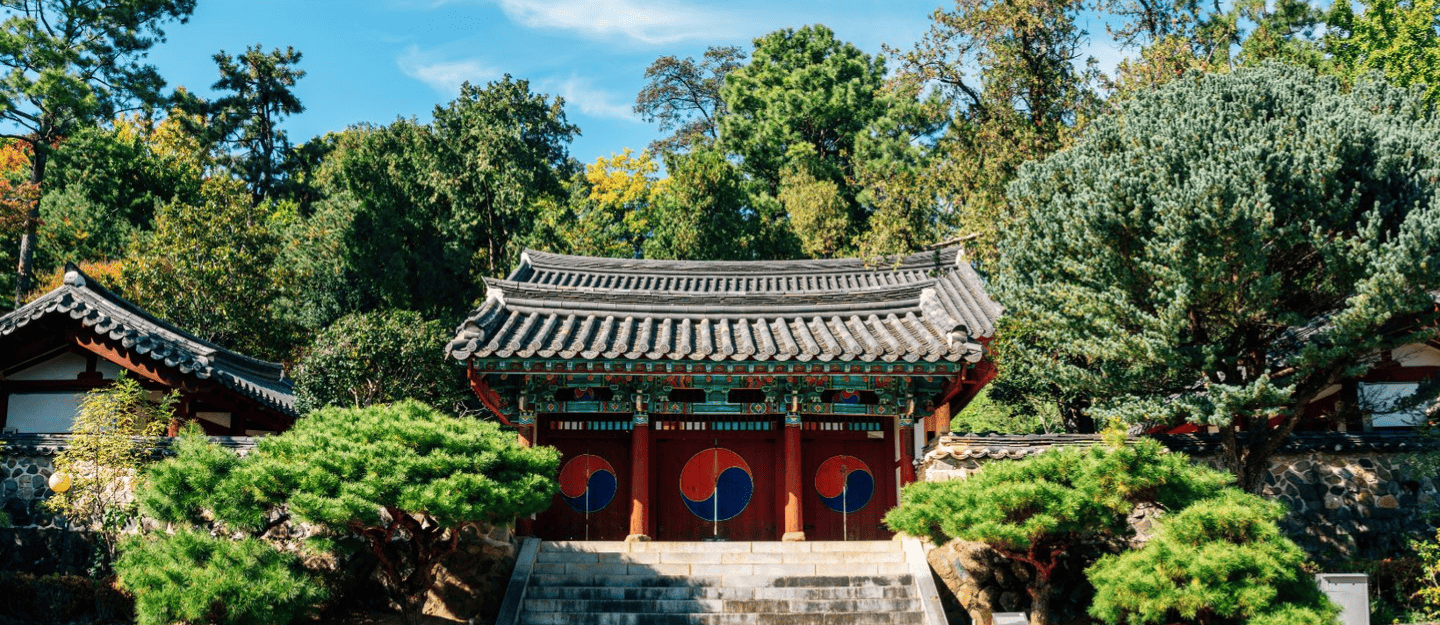
Gwangju is a powerful historical landmark in modern Korea. The May 18 National Cemetery honors the lives taken during the pro-democracy uprising and serves as a moving tribute to courage and sacrifice. The Gwangju Museum of Art is the next stop, showcasing works both local and global that echo the city's creative voice. The Yangnim-dong History and Culture Village unfurls tales of missionaries, activists, and resistance through preserved houses and quiet streets. The Gwangju Folklore Museum reveals tools, clothes, and traditional crafts for understanding life in old Korea. Together, these places tell Gwangju's stories-not of beauty and creativity, but of resilience, identity, and the hope of a better day.
Top Attractions
May 18 Memorial Park: This peaceful park remembers the Gwangju Uprising by displaying sculptures, walk paths, and a memorial hall. Not just a green space, it is also about reflection and remembrance. So, while paying tribute to people's efforts for freedom, one does get an adequate understanding of Korea's democratic struggle with all silence and peace.
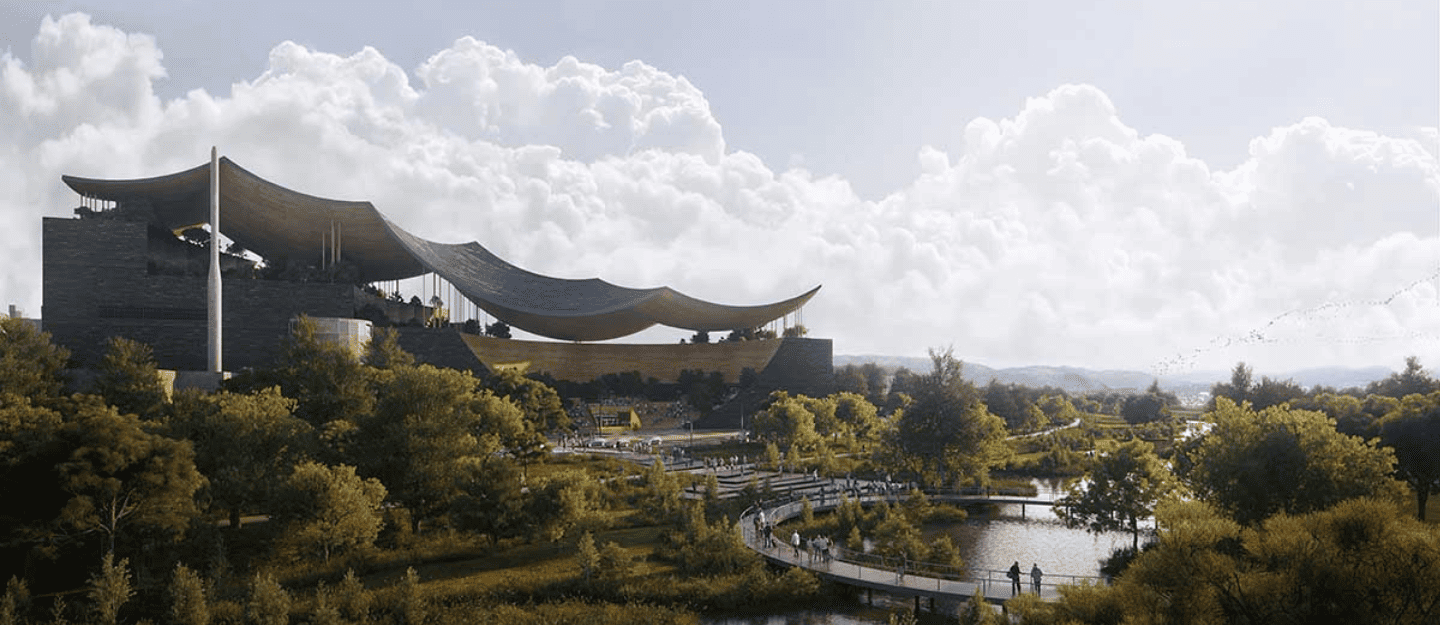
Asia Culture Center (ACC): Located right in the heart of the city, ACC is a huge cultural center that features a multitude of exhibitions, live performances, and learning space. This is space for Asian creativity, and the place for dialogue across borders about art. Inside its gigantic, modern architecture, families will find both inspiration and entertainment, just like students and travelers.
Gwangju Biennale Exhibition Hall: This place forms the crux of Korea's most illustrious art event, for here the most avant-garde exhibitions by artists from all around the world are put up. Even during periods between biennales, it holds mind-jarring shows reflecting current issues and trends in art. An absolute must-see for any art lover or curious mind
Mudeungsan National Park: A short distance from the city are scenic hiking trails in Mudeungsan that take travelers past concrete structures, ancient temples, and very striking rock formations. The stillness of the mountain is a welcome contrast to city hustle and bustle. Whether for a short stroll or a vigorous climb, it is worth your while to inhale the views and fresh air along the way.
Top Local Dishes to Try
Tteokgalbi (Grilled Short Rib Patties): Hailing from Jeolla region, Gwangju's tteokgalbi is tender, sweet, and smoky at the same time. These beef or pork patties are marinated and pan-grilled to perfection, usually served among a group of shared side dishes next to a bowl of white rice. It is enjoyed for any purpose on any occasion but is well-known for its complete, rich flavor that seeps into the meat at every bite.
Kimchi Jeon (Kimchi Pancake): Kimchi Jeon, warm and crispy in the outside, tender and oozy in the inside, is a comfort food well-loved in Gwangju. It is prepared from aged kimchi and batter and fried to golden brown. It can be best eaten with makgeolli, especially during rainy days. It is simple, spicy, and devilishly moreish.
Baek Kimchi (White Kimchi): Unlike its spicy, red variant, Baek Kimchi is very mild and refreshing. Made of radish, pear, and pine nuts, it is very often served in traditional restaurants as a side dish. One can enjoy hearing the people of Gwangju praise it as clean tasting for it brings out the fresh taste of the area's high-quality produce.
Hongeo Samhap: Fermented skate, steamed pork, and aged kimchi could never be put together till now. Found to be quite pungent and sometimes with an acquired taste, Hongeo Samhap is a legendary dish for any chance-gambler and the fervent wish-listers for traditional foods unique to their culture and identity.
The Best Restaurants & Hotels
Songjeong Tteokgalbi Street: This food street is splashed with mouthwatering tteokgalbis from the best in Korea, with some vivid flavors that sit through juicy, moist patties, created in the traditional way, mostly as Songjeong Tteokgalbi 1st Store. If you are a food lover and want to savor the most famous dish of Gwangju in its exact form, do not miss this food destination.
Mudeungbyeol Sikdang: Famous for Jeolla-style home cooking with the locals, this quaint place puts out wonderful examples of home-cooked favorites such as kimchi stew, grilled fish, and seasonal accompaniments. It boasts rich and warm flavors with aersome service by the staff-warm and welcoming. Perfect for mellow traditional Korean dining.
Holiday Inn Gwangju: This modern facility is located next to the airport and convention center. It is a hotel that houses clean and spacious rooms, a rooftop pool, and best choices in fine dining. A place perfect for business or leisure travelers seeking comfort, convenience, and a touch of luxury in a city.
Byulbam Guesthouse: A great guesthouse well situated close to Yangnim-dong, offering a very simple room and a very friendly host, as well as a beautiful courtyard. Awesome for young adults and backpackers wanting to explore the culture of a city on foot while saving money.
Ultimate Shopping Destinations
Chungjang-ro & Geumnam-ro Street: Dynamic setting in town that contrasts with haute couture boutiques, beauty shops, cafe stands, and street vendors, giving way to a bright day-and-night hang-out scene with local flavors and unexpected discoveries for trendy shoppers looking for something different.
Uijae-ro Jungang Market: A traditional market where patrons haggle over food, clothing, and crafts; this is where one gets to observe Gwangju's real-life shopping culture. Meander through its narrow alleys, nibble on street food, and enjoy gossip from the vendors. Here you find both utilitarian stuff and charming souvenirs.
Hyundai Department Store Gwangju: A high-class mall selling designer luxury brands, cosmetics, and other fashionable products. Restaurants are a privilege here, and the interiors are gorgeous. Perfect for those looking for high-end Korean and International fashion in a climate-controlled high-end ambience.
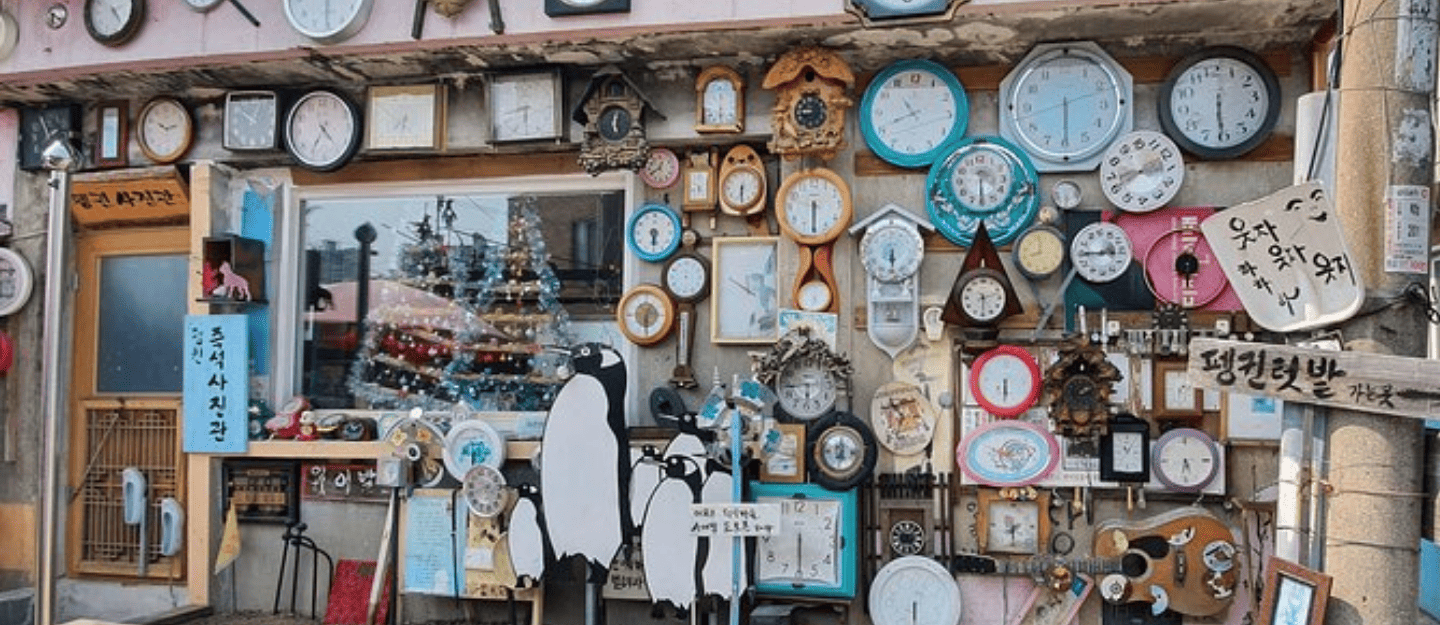
Seoseokjeong Antiques & Craft Street: A quaint street famous for buying and selling vintage, handmade local crafts, and antiques; galleries and tiny shops sell pottery, art prints, and souvenirs of traditional Korea-it is a mellow creative space perfect for gift shopping and slow-day roaming.
What Not to Do
Don’t speak loudly in public spaces, especially on public transport: Harmony and social order are important values in Korea; therefore, loud conversations, especially in buses and subways, may be construed as rude or disruptive. This should be understood by a foreigner, who is free to be excited and animated with friends but should respect the silence that locals maintain.
Avoid pointing or gesturing with your index finger: In Korea, pointing with a finger at someone or something is thought to be aggressive or disrespectful. If you must gesture, try using your whole hand with your palm up, as it is often seen as the less attacking alternative.
Chopsticks are never stuck upright in a bowl of rice: This act mirrors a funeral rite and should be deemed totally unacceptable in regard to dining etiquette. When you are finished using chopsticks, set them down on a holder or across the rim of the bowl; never leave them standing.
Take off your shoes before entering a person's house: Most Korean houses have a genkan or entrance space for the removal of shoes. Stepping onto the floor with shoes on is considered disrespectful and unclean. Look for clues, such as slippers or shoe racks, near the door.
Don't touch or hug people you just met!: Koreans rather tend to restrain when it comes to physical contact, especially in formal or unfamiliar situations. A bow or slight nod is the way to greet someone. Save the hugs and casual touches for close friends once you figure out their comfort level.
Don't criticize Korean culture, history, or food: Even well-intentioned comparisons or jokes can offend many people. South Koreans are known to pride themselves on their culture and will therefore be quite sensitive about the perception it receives from outsiders. Be respectful, be curious, and ask questions about what interests you-This is best.
The Best Time to Visit
Spring (March to May): In spring, from March until May, soft breezes flow with the blooming cherry blossoms to make it a pleasant season for park, culture street, and mountain trail-hopping through Gwangju. The weather's cool enough for walking tours, and events like the Gwangju Cherry Blossom Festival add vibrance and mood to fill the entire city.
Summer (June-August): Definitely not cold or dry, summer in Gwangju is almost sweltering. However, the music never stops when it comes to festivals and outdoor extravaganzas in the summer. For instance, the Gwangju Fringe Festival and roaming night markets would feature such attractions. For those who find themselves spilled over by the sun, there are pathways that lead into indoor havens: art galleries, museums, and cafés.
Autumn (September-November): That is also the season that would arguably be considered the best time to visit. The air is crisp, with clear blue skies, and the foliage would turn golden and red at Mudeungsan National Park. This time of year is also filled with many cultural events and food festivals that make a city feel very festive, and the weather allows for perfect sightseeing.
Winter (December to February): Winters are cold and peaceful, with much less crowding and hotel room prices. Great times for hopping from cafes to indoor museums and trying out the popular regional dishes are during such winters. Mountains get dusted from time to time with snow that creates beautiful views of raw nature without harsh climates.
Thrilling Outdoor Activities
Hiking Trails in Mudeungsan National Park: Mudeungsan, Gwangju's favorite tourist destination, is designed for both starter and advanced hiking trails. Traveling through wooded routes, rock tops, and the wide city landscape were all enjoyed. Fresh air fills the scenery as it beautifully changes throughout the seasons. A perfect setting for someone who loves a little mix of nature, challenge, and tranquility.
Cycling Along Hwangnyong River: The well-constructed biking trails run along the river offering visitors great panoramic views on peaceful riding. Rent a bike and enjoy a breezy ride through quiet parks, bridges, and rest areas. Ideal for a family or even the adventurous traveler whose interests are actively sight-seeing, it is mild adventure.
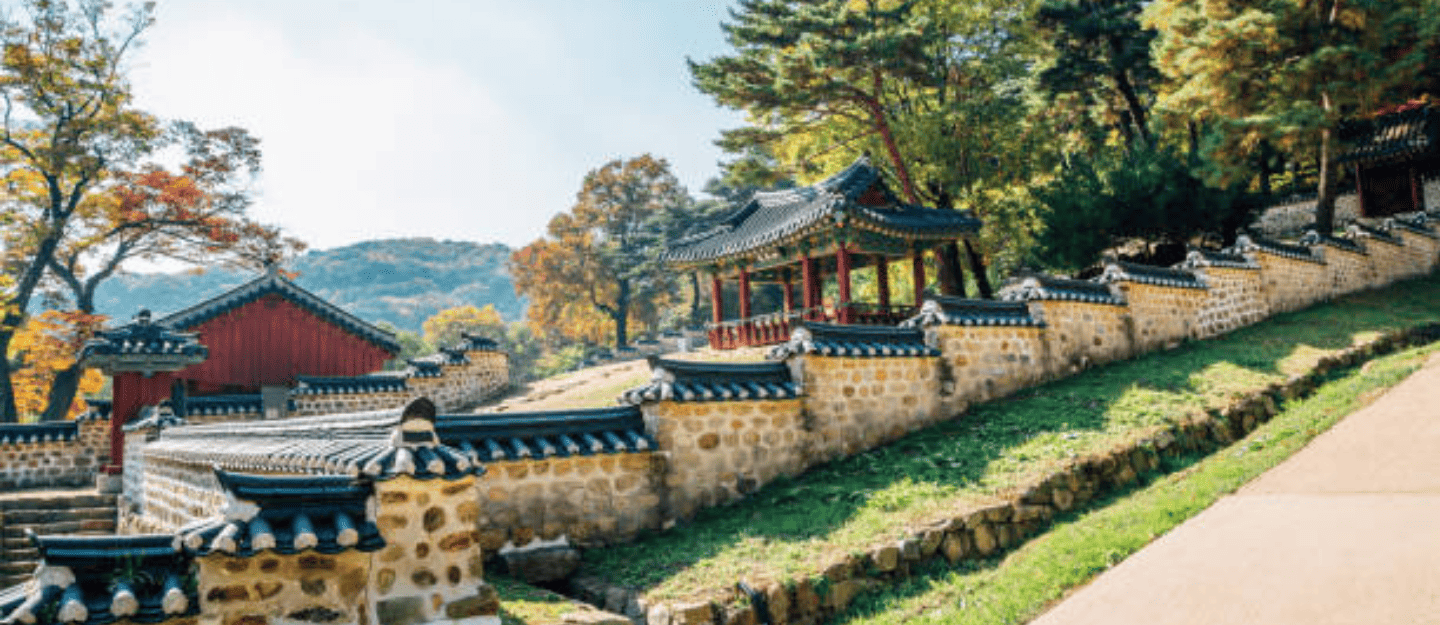
Walking Tour of Yangnim History & Culture Village: Narrow alleyways filled with art murals, restored hanok houses, and historical buildings walk through. It's a nice mix of culture and light activity. The path leads to various observation points, churches, and hidden cafes—great for a laid-back outdoor day with a creative twist.
Exploring Sajik Park and Observatory: Drive to the top of Sajik Park to see panoramic views of Gwangju. The sunset from the observatory is breathtaking. Stroll the paths, sit on shaded benches, and pick up some goods from local sellers. This is a lesser-known area that offers great views and a tranquil atmosphere.
Conclusion
This is a city that captures the heart and moves the mind-Gwangju. With a vibrant artistic soul and a democratic legacy behind it-aside from being beautiful-it must be a place that connects rather than sight-seeing. Powerful memorials, peace mountains, delicious dishes, hand-made craft-all these make moments in Gwangju personal and meaningful. It is the place where creativity dwells in every corner, where streets speak softly in its history. To curiosity seekers or culture lovers seeking authentic experience, Gwangju is sure to promise richness, warmth, and inspiration for a lifetime.
About Us
Trip planning could seem to be cumbersome but TravellingLark makes it easy by linking travelers with professional travel agencies that provide customized travel proposals. Instead of spending hours searching for the most appropriate vacation package, travelers can post their trip details and receive several personalized offers.
TravellingLark is not only a destination for travelers but the most powerful network for travel agencies, hotels, and travel vendors. Travel agencies can sign up for free listing of their offerings and display packages for holiday tours, hotels, and travel experiences. Travel is a business but no commission hefty charged like other platforms; we give businesses free travel leads to achieving their patronage.
Whether you are a travel agency searching for clients, a hotel requiring more bookings, or a travel vendor offering services, TravellingLark has just opened direct access to tourists searching for these offerings.
Hassle-Free Trip Planning: Every traveler gets a tailor-made travel offer, with other requirements left to him/her.
Join for Everyone: Signing up is completely free for all users and businesses. While basic access stays free, vendors now have the option to purchase premium leads to connect with more potential customers and grow their sales.
Join TravellingLark now and make a smarter future in planning, booking, and growing in the travel industry!
Planning a trip to Gwangju?
Post your upcoming travel details and get personalized quotations from multiple verified travel agencies.
Fast response • Custom offers • Verified agents
Current Weather
Live Forecast
Planning a trip to Gwangju?
Post your upcoming travel details and get personalized quotations from multiple verified travel agencies.
Fast response • Custom offers • Verified agents
Bigger Group? Get Special Offers Up to 50% Off!
Planning a trip for friends, family, or corporate teams to Gwangju? We create unforgettable customised adventures with exclusive group pricing!
Current Weather
Live Forecast
Why travelers choose
TravellingLark?
Thoughtfully planned journeys, crafted for unforgettable experiences.
Built Around You
Personalized trips based on your style, interests and budget.
Handpicked Trips
Curated itineraries designed with love and local expertise.
Transparent Pricing
Clear package pricing with no hidden charges or surprises.
Personalized Planning
Every trip is tailored to your interests, pace and preferences.
Best Value Always
Get the best experiences at the best value for your money.
Global Destinations
Explore handpicked destinations across India and the world.
24/7 Trip Assistance
We're with you before, during and after your journey.
Built Around You
Personalized trips based on your style, interests and budget.
Handpicked Trips
Curated itineraries designed with love and local expertise.
Transparent Pricing
Clear package pricing with no hidden charges or surprises.
24/7 Trip Assistance
We're with you before, during and after your journey.
Personalized Planning
Every trip is tailored to your interests, pace and preferences.
Best Value Always
Get the best experiences at the best value for your money.
Global Destinations
Explore handpicked destinations across India and the world.
Hassle-Free Journey
Enjoy a smooth travel planning experience from start to finish.
Traveler Reviews for GwangjuReviews for Gwangju
Verified ratings and genuine travel experiences from our community
No Reviews Yet
Have you explored Gwangju? Share your experience to help fellow travelers plan their trip!