Artibonite
About Artibonite
Artibonite: Haiti’s Fertile Valley of Growth
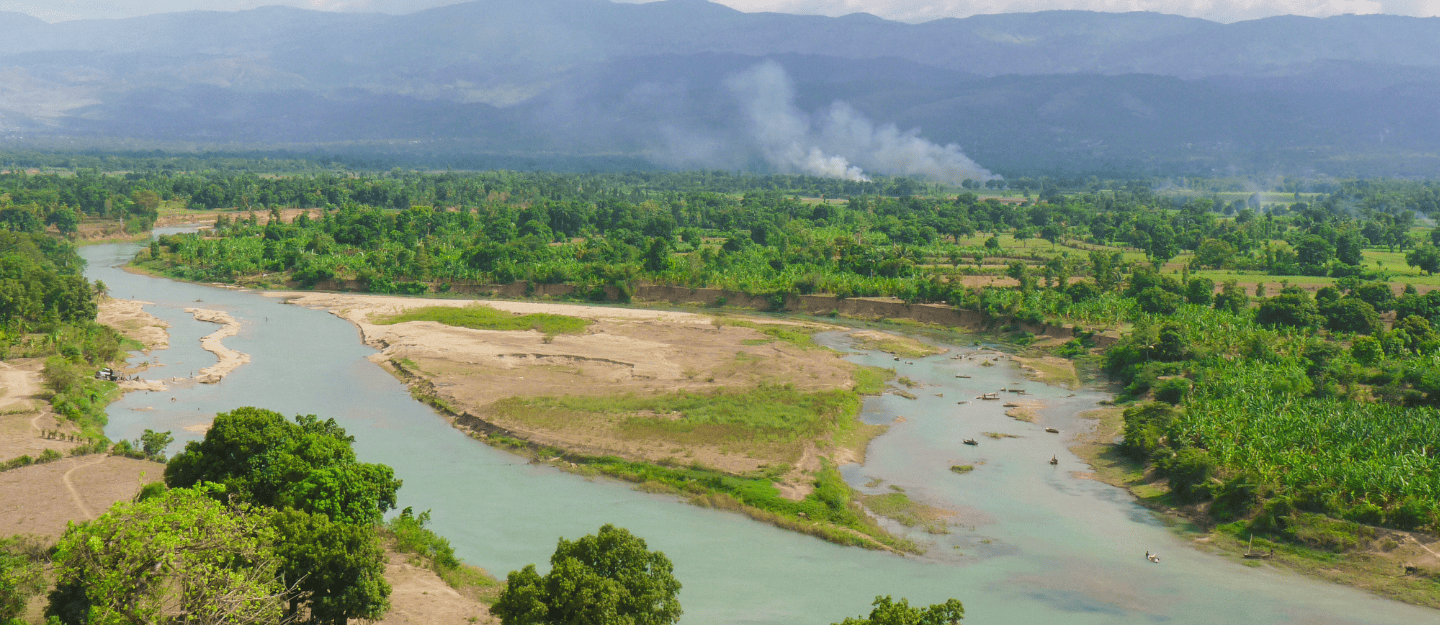
Artibonite is the green heartbeat of Haiti-a valley where rivers, soil, and diligent efforts come together. It is not just a space where people grow crops; it is one where people plant their futures. This blog tells how the land nurtures the economy of Haiti and the communities that call it home.
Cultural and Historical Gems
Artibonite, much more than being the breadbasket of the nation, is the region where culture and history flourish. Gonaïves, ''City of Independence'', is the place where the first declaration of freedom rang for Haiti in the year 1804. Such behavior of local tradition -drumming, colorful street art-holds pride and heritage quite thick. Historic churches, and colonial architecture, seem to have kept portions of the history alive while energetic festivals keep the past living at present. You will see this kind of strong identity at the very village and town level, where old stories are transferred between generations. Like its lands, Artibonite's cultural spirit is as fertile-it nourishes not just the body but also the heart, and, history too.
Top Attractions
Rice Fields of L'Estère: The rice fields of L'Estère are a sight to behold and are paramount to Haiti's agricultural values. For untold generations, rice has been grown on flat, sun-drenched land using techniques traditional to farming. Visitors can observe the lifecycle of planting and harvesting while gaining consciousness of the local food sustainability and the community's deep bond with the land.
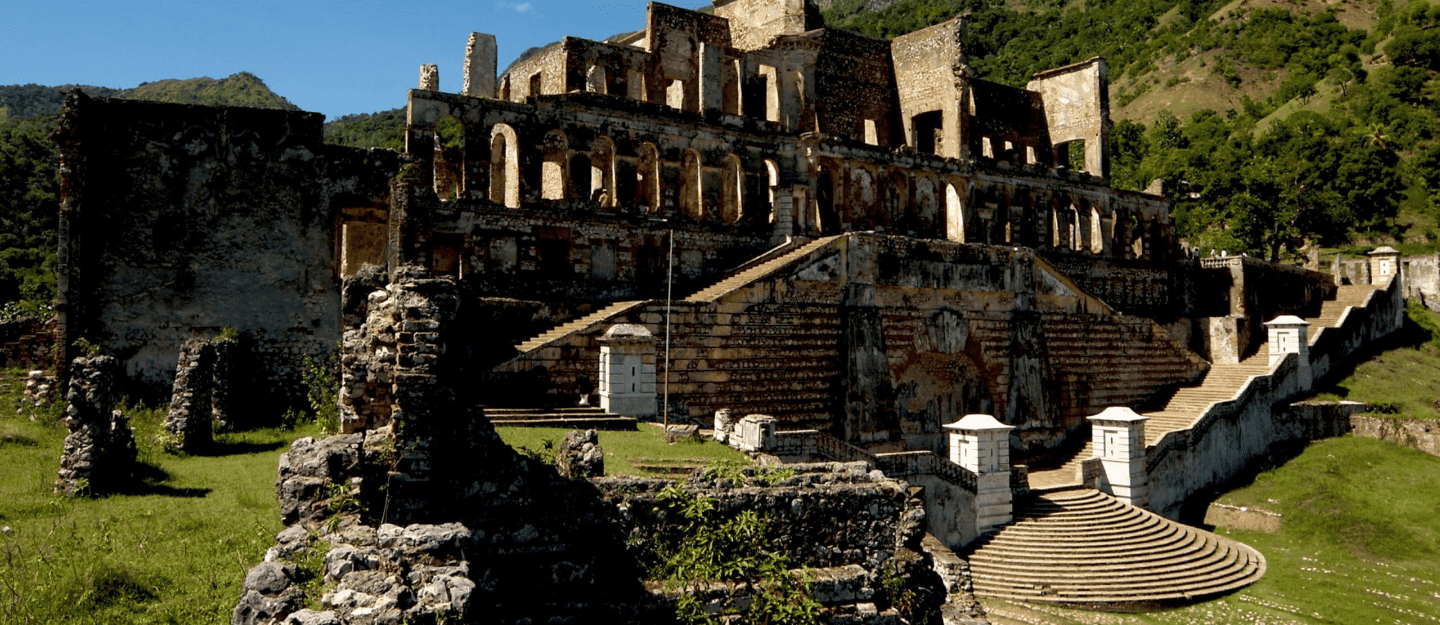
Town of Marchand Dessalines: Once capital of Haiti, Marchand Dessalines is a living museum to the revolution. Fort Fin-du-Monde and Fort Madame are icons of the independence struggle, while the old town's streets invite visitors to walk among ruins, monuments, and colonial buildings that cry out for a glimpse into the recent past-stories of guts and complexities of the nation.
Bassin Zim Waterfall: Bassin Zim Waterfall is refreshment tucked away in the hills of Artibonite and a natural wonder for adventurers and nature lovers. This wonder's turquoise water pours into a cool basin caressed by green foliage. While local tours recount legends surrounding the site, caves nearby bear ancient Taino carvings, making this serene jewel a fusion of nature, history, and spirituality.
Independence Plaza of Gonaïves: Independence Plaza in Gonaïves is situated in the heart of the city where Haiti's freedom was proclaimed in 1804. This emblematic square is filled with statues, memorials, and a museum that honors the revolutionary leaders. Here is a place to contemplate bravery and resilience while soaking in the atmosphere of the nation.
Top Local Dishes to Try
Diri ak Djon Djon (Black Mushroom Rice): Here comes the black mushroom rice known as Diri ak Djon Djon. This beloved dish from Haiti is made from fragrant black mushrooms, found only in Artibonite, which make the rice dark, explain earthy hues. This dish usually has garlic and thyme cooked with green peas and served with either meat or seafood. It provides flavour richly loaded with umami and is a ceremonial favorite for family gatherings.
Tassot Cabrit: Marinated with salt, spices, citrus, and garlic, the goat meat is slow cooked in a low-temperature cooking mode to fry again, ultimately resulting in that crispiness in meat well known as tassot. It is traditionally enjoyed by all in Artibonite with fried plantains and spicy slaw called pikliz. Basically, it's crunchy and very flavorful, thus making it a local favorite for special occasions or Sunday meals.
Bouillon: The hearty meat stew which consists of beef or goat along with yam and malanga as root vegetables, dumplings, and some kind of leafy greens is called Bouillon. It is spiced with a few herbs and spicy peppers, making it into a warm, nutritious factor. This dish would mostly be found at large family gatherings, where it embodies the very nourishing spirit of cuisine in Artibonite.
Marinad: Are somewhat spicy fritters made, put into golden balls of flour and scallions, or mixed with garlic and herbs, and deep-fried. They boast a crunchy coating but are soft inside. For that reason, they serve as snacks or appetizers and are frequently sold by street vendors in Artibonite. People treasure them for their ever distinctive, courageous seasoning that adds much to their satisfaction while chewing.
The Best Restaurants & Hotels
La Kay Restaurant – Gonaïves: As an intricate seating arrangement awaits coziness and comfort, La Kay takes pride in delights from the soul of traditional Haitian sustenance. Popular both among locals and tourists who come seeking tastes that remind them of home for its freshly made Tassot and Diri ak Djon Djon. The hospitable staff displays rustic decor representing the area’s culture. It is an ideal lunch stop after a city tour.
Auberge du 2000 – Saint-Marc: This famous seaside restaurant mixes fresh seafood with a hint of the Haitian way. Guests praise its grilled fish and creamy lambi (conch) dishes. Carrying an unhurried atmosphere and a view of the bay, it is a charming setting with casual charm, perfect for family-style dining or a romantic evening enlivened by local flair.
Le Gou-T Hotel – Gonaïves: Situated at a central location, Le Gou-T Hotel provides comfortable accommodations with a modern touch. The rooms are tidy and well maintained, with local fare given an international twist in the restaurant downstairs. It is best known for its friendly service and tranquil environment-make it an ideal base for travelers interested in discovering Gonaïves and its surrounding sights.
Wahoo Bay Beach Hotel – Near Saint-Marc: Just outside the Artibonite border is this beachside hotel, a favored retreat for visitors to the area. It boasts private bungalows, a clear-water beach, and abundant activities like snorkeling and kayaking. Guests enjoy the tranquility, fresh seafood, and good mix of relaxation and action.
Ultimate Shopping Destinations
Marché Gonaïves (Gonaïves Market): This is the saga of this early, busy open market, the sealed heart and soul of the daily living in Artibonite. Items like fruits and vegetables, fresh spices, handmade crafts, textiles, and much more are sold in this very centerplace. More than that, it is the best place to colorfully experience the barter between friendly shopkeepers for picking up anything that is seemingly authentic like woven baskets, natural remedies, and colorful Haitian fabrics.
Marché Saint-Marc (Saint-Marc Market): One of the region's most active markets is this one, with an interesting variety of things from local snacks to clothes, tools, and traditional cooking utensils. This market is perfect for those who want to discover the entrepreneurial spirit of Haiti. the energy is electric, every corner yields something new and uniquely Haitian.
Artisan Co-ops in Ennery: The small artisan co-operatives in Ennery produce a variety of fine hand-made items from wood carvings to jewelry and embroidered pieces. They maintain the traditional arts and craft activities as well as help local families. Those who go there can meet the artisans, learn the techniques, and take home a truly local meaningful souvenir while directly supporting the local economy.
Roadside Craft Stalls along Route Nationale: As a traveler between Saint-Marc and Gonaïves, you will see vibrant stalls by the roadside displaying pottering, beadwork, paintings, and decorative ironwork. These informal temporary shops allow travelers to find singular treasures yet meet, and engage, with the artist heads. It's scenic, spontaneous shopping where one can enjoy the views.
What Not to Do
Don’t Disrespect Local Culture or Voodoo Traditions: Local culture and voodoo traditions must not be disrespected under any circumstances. Voodoo (or, Vodou) is an entrenched aspect of Haitian heritage and spirituality. Where it may find itself confusing elsewhere, in Haiti it is a bona fide religion and is practiced with pride. Do not mock it or assume things about it. Whenever you are in its context, show genuine interest and respect, especially in sacred sites or cultural events. Ignorance of these practices may well be construed as offensive.
Don’t Flash Expensive Items or Large Amounts of Cash: Do not display too much bling or large amounts of cash. Sticking out with glittering jewelry, expensive electronics, or showing large denominations of cash, especially in cities, can only act as an invitation for theft or scams. Petty crimes do exist in some places, especially in crowded markets or streets that are poorly lit. Make sure to hide all valuables, carry a minimal amount of cash, and stay away from unnecessary risks.
Don’t Take Photos Without Permission: Don’t take photos of people without their permission. Always ask before shooting someone's photograph, particularly in rural areas or during ceremonies. Many Haitians see themselves as dignified people who deserve privacy, and unsolicited photography may come across as an intrusion or disrespect. This also applies to children and street vendors. A good smile and a polite request can go a long way toward demonstrating cultural sensitivity and establishing trust.
Don’t Travel at Night in Remote or Unfamiliar Areas: Never travel during the night in remote or unknown places, because roads in Haiti get very rough. Street lights and road signs are limited. Traveling at night brings risks such as car accidents, roadblocks, or unsafe neighborhoods; keep on traveling during the day, especially if outside the larger cities, as always ask advice from the locals about where to go for safety.
Don’t Ignore Travel Advisories or Local Warnings: Never disregard the travel warnings or local warnings. The nation occasionally experiences political turmoil, unrest, and protests as well as being subjected to natural hazards. Stay in touch with travel advisory sources, especially the one carried by the government or other trusted local sources, before or during your visit. Avoid large gatherings or demonstrations, even if they seem peaceful. Ignoring the warning may place the cautious traveler in an undesired and dangerous situation.
Not Everyone Speaks English: A few speak English as a second language but usually one speaks Creole or French. English was never an expectation-it may feel presumptuous for some. One would do very well to learn an appreciating phrase or two in Creole: “Bonjou” (meaning good morning) “Mèsi”-meaning Thank you-as they would go far in reception and warmth from the locals.
The Best Time to Visit
Dry Season (November to March): A beautiful time for Artibonite with cooler temperature, humidity low, and rain little. Weather fit for market visits, waterfall hikes, and historical excursions. These months fall in the peak tourist season; thus, tourists might have to bear with more crowding of hotels or attractions, but this only enhances the experience with life.
Independence Day Celebrations (January 1st): Travel during Haiti's Independence Day for unparalleled cultural experience. Gonaïves is a sight of parades, music, and public ceremonies commemorating the declaration of 1804. Locals foul down traditional dishes of such as soup joumou; hence, the patriotic atmosphere makes it an exceptional juncture to see Artibonite's national pride and community spirit in full bloom.
The Rice Harvest Season (July to September): This is a remarkable period for agricultural tourism, particularly in L'Estere. Visitors may enjoy observing rice farmers at work, learning about sustainable farming practices, and tasting local dishes made from freshly harvested rice. This period can be warm and humid, yet far culturally enriching in such a lush backdrop is worth the trip.
Carnival Season (February): While the Carnival activities in Haiti are conducted mainly in bigger cities, Artibonite has its own celebration. There are parades and street performances in towns like Saint-Marc, along with music festivals. If you like crowds, dancing, and local rhythms, then this period adds an extra fun and colorful dimension to your travel experience.
Thrilling Outdoor Activities
Hiking at Fort Fin-du-Monde: This historic hilltop fort near Marchand Dessalines provides a bit more than history; it is indeed a hiking trail ablaze by sweeping panoramic views of the Artibonite Valley. The rugged-laden path is cutting out for adventure travelers. At the top, you will find the ruins of the fort, where you can sit quietly and take some pictures.
Kayaking on the Artibonite River: Paddle down Haiti's longest river for some quiet but exciting outside activity. The kayaking experience brings you almost at one with the verdant countryside, waterbirds, and little fishing villages. These guided tours go deep into the roots of the river, giving a meaningful experience covering agriculture, culture, and day-to-day life in the valley.
Bassin Zim Caves and Waterfall: Discover it as an adventure site with nature beauty; a short trek and you can swim in the refreshing waters of the waterfall or explore nearby caves that were carved with ancient Taino petroglyphs. It's a great way to connect with nature and pre-colonial history of Haiti all at once in one magic spot.
Riding through the back country: Rent a mountain bike and ride through picturesque trails that link settlements,itself, rice paddies, and hillsides. Most of these trails are unpaved so they are a mix of good and tough. You'll see a farmer at work, a bunch of kids waving from the roadside, maybe even a roadside stall for a quick snack: this all means life in rural Artibonite.
About Us
Trip planning could seem to be cumbersome but TravellingLark makes it easy by linking travelers with professional travel agencies that provide customized travel proposals. Instead of spending hours searching for the most appropriate vacation package, travelers can post their trip details and receive several personalized offers.
TravellingLark is not only a destination for travelers but the most powerful network for travel agencies, hotels, and travel vendors. Travel agencies can sign up for free listing of their offerings and display packages for holiday tours, hotels, and travel experiences. Travel is a business but no commission hefty charged like other platforms; we give businesses free travel leads to achieving their patronage.
Whether you are a travel agency searching for clients, a hotel requiring more bookings, or a travel vendor offering services, TravellingLark has just opened direct access to tourists searching for these offerings.
Hassle-Free Trip Planning: Every traveler gets a tailor-made travel offer, with other requirements left to him/her.
Completely Free for Everyone: Registration fees or commission-free for all users or businesses.
Quality Travel Leads for Free: Businesses connect directly to interested travelers.
Join TravellingLark now and make a smarter future in planning, booking, and growing in the travel industry!Show side panel
Conclusion
Artibonite is more than just the agricultural nucleus of Haiti; it is also an area steeped in culture, history, and adventure. From ancient forts to the freshest markets, tranquil rivers to shacky fun-again festivals, Artibonite can satisfy any traveler's appetite for adventure. Between tasting local dishes, trekking outdoor trails, or basking in the warmth of community life, Artibonite leaves indelible impressions on guests. Tradition meets resilient body here, where nature and people co-habit. A warm welcome awaits to embrace Artibonite, offering genuine stories to remember long after you have traveled beauty, depths, and life in Haiti.
Planning a trip to Artibonite?
Post your upcoming travel details and get personalized quotations from multiple verified travel agencies.
Fast response • Custom offers • Verified agents
Current Weather
Live Forecast
Planning a trip to Artibonite?
Post your upcoming travel details and get personalized quotations from multiple verified travel agencies.
Fast response • Custom offers • Verified agents
Bigger Group? Get Special Offers Up to 50% Off!
Planning a trip for friends, family, or corporate teams to Artibonite? We create unforgettable customised adventures with exclusive group pricing!
Current Weather
Live Forecast
Why travelers choose
TravellingLark?
Thoughtfully planned journeys, crafted for unforgettable experiences.
Built Around You
Personalized trips based on your style, interests and budget.
Handpicked Trips
Curated itineraries designed with love and local expertise.
Transparent Pricing
Clear package pricing with no hidden charges or surprises.
Personalized Planning
Every trip is tailored to your interests, pace and preferences.
Best Value Always
Get the best experiences at the best value for your money.
Global Destinations
Explore handpicked destinations across India and the world.
24/7 Trip Assistance
We're with you before, during and after your journey.
Built Around You
Personalized trips based on your style, interests and budget.
Handpicked Trips
Curated itineraries designed with love and local expertise.
Transparent Pricing
Clear package pricing with no hidden charges or surprises.
24/7 Trip Assistance
We're with you before, during and after your journey.
Personalized Planning
Every trip is tailored to your interests, pace and preferences.
Best Value Always
Get the best experiences at the best value for your money.
Global Destinations
Explore handpicked destinations across India and the world.
Hassle-Free Journey
Enjoy a smooth travel planning experience from start to finish.
Traveler Reviews for ArtiboniteReviews for Artibonite
Verified ratings and genuine travel experiences from our community
No Reviews Yet
Have you explored Artibonite? Share your experience to help fellow travelers plan their trip!