Qena
About Qena
Qena: Temples, Traditions, and Valley Beauty
The first place where we can find ancient temples, colorful traditions, and the views of the calm valley is Qena. Realistically, this position is breathtaking and culturally rich; it will suit visitors who never want to leave behind the experience of feeling connected. Let us see what makes Qena a most unique and special part of Egypts story.
Cultural and Historical Gems
The city of Qena hosts a cultural and historical environment of diversity beyond the classic tourist route. Famous with the Dendera Temple, the city has tales carved in stone talking from street to street, founded with time-honored local arts and mass celebrations that have continued through centuries. Strolling through Qena feels like stepping into a living museum, where every corner has a tale. The reach of Pharaonic roots in daily lives makes it a treasure for the inquisitive mind. Be it history, culture, or simple human stories, Qena will always give you an intense real experience that would be remembered long after you leave the place. A gem-in-waiting for Egypt.
Top Attractions
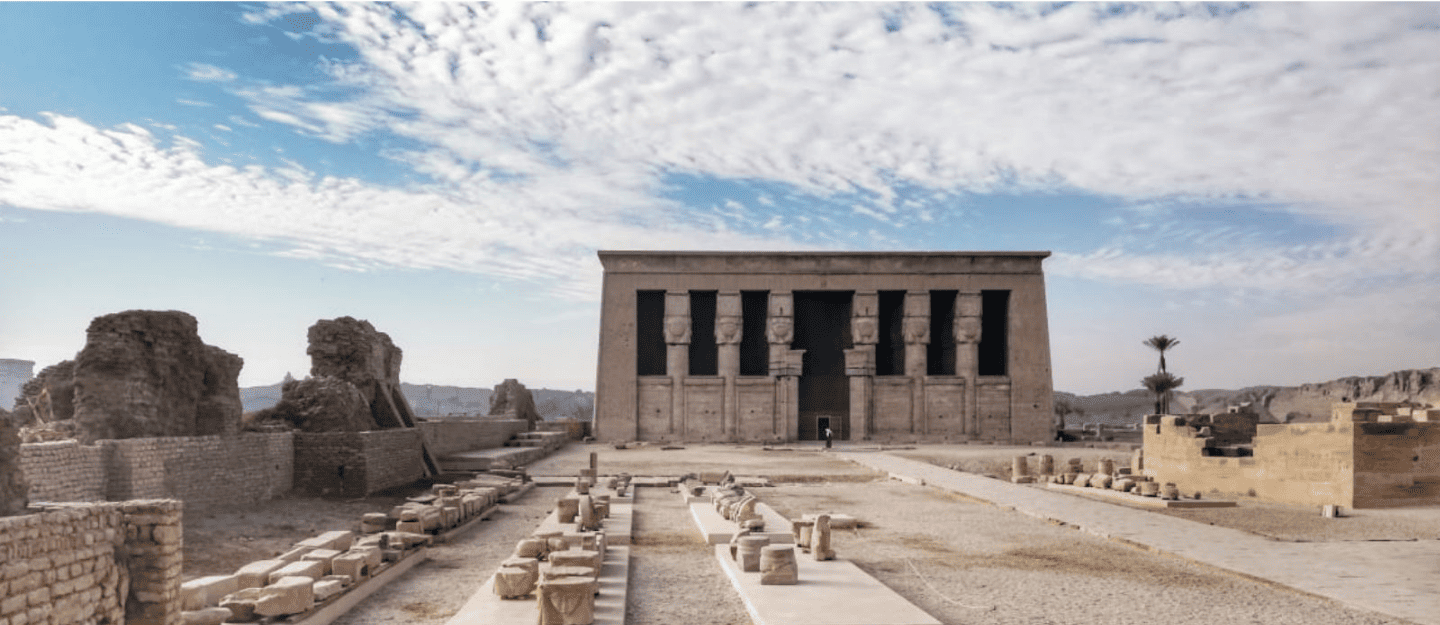
Dendera Temple Complex: Dendera is one of the finest-preserved temples in Egypt, dedicated to Hathor, goddess of joy and love. With its great granite carvings, underground crypts, and striking zodiac ceiling, the temple encapsulates the ancient Egyptian perspective in a rare treatise. The temple's serene setting and exquisitely detailed art draw all history lovers and spiritual seekers alike.
Corniche Qena: The Corniche Qena runs parallel to the Nile and serves as a great spot for a stroll or boat ride. It is where local families congregate for quiet evenings. The Corniche, lined with palm trees and cozy cafés, is a great place to experience the river views, watch tourist feluccas go by, and witness the life of Qena.
Garagos Village Pottery Workshops: Just outside Qena, Garagos is renowned for its pottery handcrafted by skilled artisans. Visitors will get to observe the whole pottery-making process from clay preparation to the firing of the ware in traditional kilns. These workshops not only sustain a centuries-old craft but also provide an opportunity to try one's hand at pottery work and take home a piece of the cultural soul of Qena.
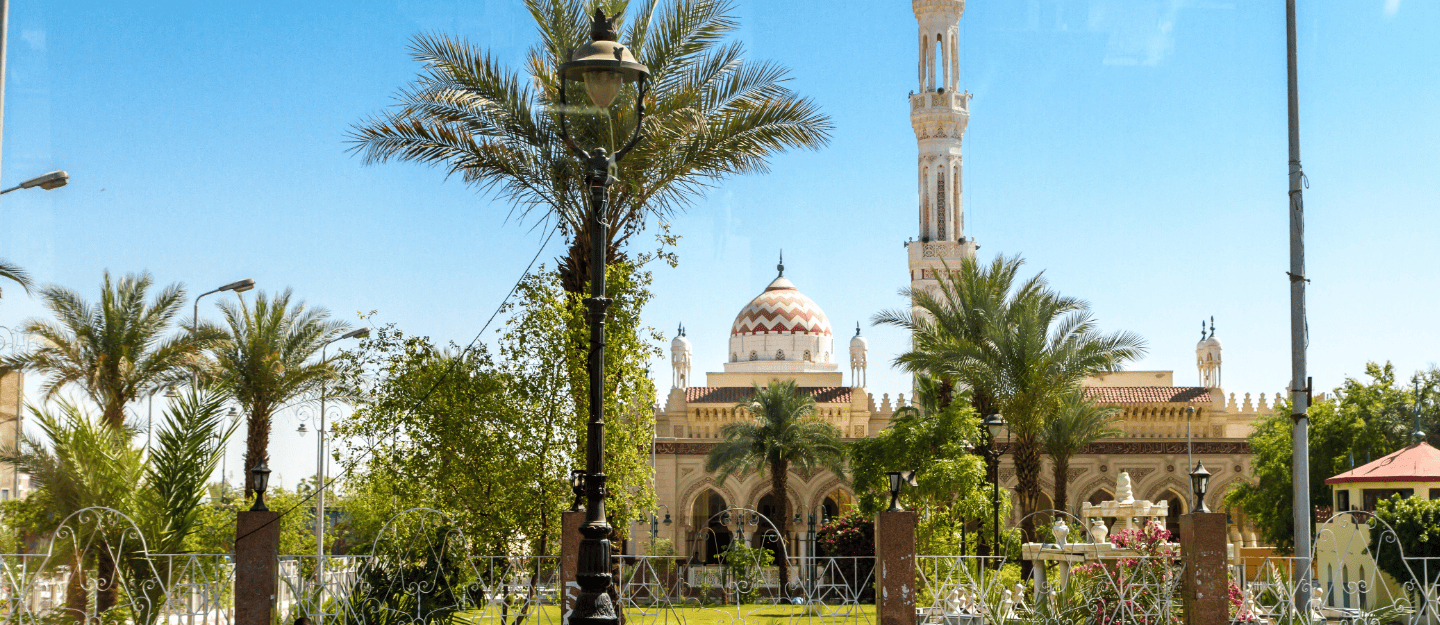
El Sheikh El Qenawi Mosque: This mosque is a sacred site in honor of Sufi saint Abdul Rahim El Qenawi. With fine minarets and a serene atmosphere, it welcomes worshippers and sight-seers alike. Apart from its religious worth, this site also radiates beauty with Islamic architecture and the culture of deep-set faith traditions in Qena, making it a compelling stop along any cultural trail.
Top Local Dishes to Try
Fatta: A hearty dish served during celebrations, Fatta layers crispy bread, rice, and slow-cooked meat-often lamb or beef-topped with tangy garlic and vinegar sauce. Rich in flavor and deep comfort, this is indicative of Upper Egypt's love for bold, generous meals enjoyed together in the family, during weddings, or even religious holidays. It's as traditional as it is satisfying. Typically, Fatta is prepared for the great celebrations, such as Id al-Fitr and Id al-Adha-religious holidays that mark the end of fasting.
Mulukhiyah with Rabbit: This green, garlicky soup made of jute leaves is a local favorite, especially when tender rabbit meat is added to it. It'll shock you the first time you take it, but its earthy taste and spiced broth leave something to be desired in the memory. Best served with rice or bread, it's probably the most commonly belished home-cooked one for Qena's culinary heritage.
Mahshi (Stuffed Vegetables): These vegetables-the likes of zucchini, peppers, and vine leaves-are stuffed with a most savory description of rice, herbs, and spices and even slow-cooked in tomato-based broth. A cuisine known throughout Egypt under the name of Mahshi finds its peculiar twist here in Qena, as families add their own dash of regional spices and seasonal produce to their deeply flavored, comforting vegetarian or meaty meal.
Kawaree (Cow Trotters Soup): Kawaree isn't for the faint-hearted. It is basically a traditional soup from cow trotters which are slow simmered to create a rich, gelatinous broth. It's seen as a delicacy and a rather powerful energizer. Much appreciated by the local folk for its depth and nutrition, it is commonly taken with bread and a squirt of lemon to lighten the richness.
The Best Restaurants & Hotels
El Tahrir Restaurant: This is a local eatery located proudly in Qena, serving traditional recipes from an Egyptian kitchen table in very authentic flavor and generous portions. The staples on the menu include grilled kofta, stuffed pigeon, and freshly made baladi bread. The atmosphere is warm, no-frills, and service is quick; making it a nice spot for those looking to munch like a local.
Lotus Garden Restaurant: Lotus view garden spots along the Nile for old outdoor dining-without-the-ceiling experience. God seafood and grilled meat have their wonderful boats bearing delicious dishes to lower the brow, so eating at this restaurant is just enhanced by the calming flowing river in-sight. With spacious outdoor seating and friendly staff, a place perfect for families or couples would be looking for a great place to enjoy traditional food garden-like peaceful surroundings.
Qena Grand Hotel: For those who want to splurge, Qena Grand Hotel is among the more upscale options in the city. Modern rooms meet cleanliness, with necessary services provided to suit leisure and business travelers. The hotel is also strategically located, not far from major attractions and transport hubs. Within its walls, it also offers a quiet café, highly efficient staff, and reliable Wi-Fi, making it a reliable point from which to explore the surrounding area.
Royal Inn Qena: Royal Inn is a good mid-range budget hotel with great, neat rooms, friendly service, and reasonable prices. Ideal for quick visits or passing-by travelers heading from or to Luxor or Aswan, it isn't a particularly glamorous place, but it's cozy and safe with all the local shops and restaurants easily available via rail.
Ultimate Shopping Destinations
Souq of Qena: The souq pulses with the life of the people-they can buy everything here from fresh fruits and vegetables to spices, handmade crafts, and clothes. It's fun trying street snacks and shopping for souvenirs by friendly vendors in this place. Bargaining is fun, and the colors of the chaos give one a true taste of Qena's spirit.
Shops Garagos Pottery Village: Garagos Village is famous for the traditional pottery found here, and it is imperative to go to such places looking for handmade, unique treasures. The local craftspeople sell beautifully handcrafted ceramics, bowls, vases, and religious symbols. Authentic products that tell a story and speak to Upper Egyptian heritage. Visitors can see the process of making them and take home original jewels supporting local craftsmanship.
Handicraft Stalls at Dendera Temple: Nurtured with decorative material as they have to offer-woven baskets and embroidered scarves dating back to alabaster statues with all sorts of price tags-soon, right outside the walls of the Dendera Temple. Most of the products are tourist products, but those offered here show quality and care. First day, a wonderful stop in the souvenirs without having to sell out artisans who are continuations of the designs just outside fences of one of the wonder lands of ancient Egypt.
Qena Textile Shops: All along the main streets of the city, Qena textile shops offer a huge collection of different locally produced fabrics-from cottons, silks, and of course the very traditional galabeyas. These shops are best for custom tailoring or just for exploring the wealth of fabrics in Egypt.
What Not to Do
Don't Disrespect Local Customs or Dress Codes: Egypt is a conservative country outside the main tourist areas. Clothing that is too revealing draws unwanted attention or offends locals, especially at religious sites. Dressing modestly means covering your shoulders, avoiding very short skirts or shorts, and carrying a scarf to wear when visiting mosques. Respecting the local customs will get you a long way toward being welcomed and treated with warmth and hospitality by the locals.
Don't Photograph People Without Permission: Even though the scenery is beautiful, taking pictures of people—especially women—without asking for permission is very rude and intrusive. In some places, this can even lead to confrontation or result in deep offense. Always ask before you take someone's photograph, and be extra- wary or careful near security points, government buildings, or religious sites where photography might be prohibited.
Don't Drink Tap Water: No tap water in Egypt is good for a foreign stomach, even if the locals do drink it. Always drink sealed bottled water and use it for brushing your teeth. Avoid drinking iced beverages unless you are sure the ice is made from purified water. It is necessary to keep hydrated in the heat, but almost equally necessary to do so safely.
Don't Ignore Haggling Etiquette in Markets: Haggling is a part of shopping culture in Egypt's busy souks and markets. Aggressive bidders may walk away at any time; this is considered rude. So is showing every indication that you couldn't care less upon reaching a price. Once you are negotiating, be prepared to buy. Maintain some friendliness and respect-it's more about the interaction than the lowest price possible.
Don't Show Public Displays of Affection: Holding hands is generally fine; kissing or hugging in public, especially in rural areas or near religious sites, can be considered rude. Modesty is highly regarded in Egypt, and public displays of affection will most likely cause offense or unwanted attention. Keep such gestures behind closed doors where they will not cause cultural misunderstandings or discomfort.
Don't Wander Off Tourist Paths Without Caution: Explore, yes, but do not wander too far off the beaten path without sufficient knowledge or the presence of a local. Some regions may be unsafe or off-limits, particularly along borders or military zones. Use guides you can trust, do your homework, tell someone where you are going, and be at ease.
The Best Time to Visit
Pleasant Weather from October to April: The weather, quite friendly and clear, makes it an ideal time for visiting Qena. According to many, this is the best time of the year to visit. One can enjoy being outside at the many sights like the Dendera Temple or along the Corniche without the searing heat of summer. The cool evenings and warm sunny days set the ideal environment for both cultural tours and wandering briskly.
Winter Events and Celebrations: These are the months when visits grant you access to local festivities such as the Moulid of El Sheikh El Qenawi. A celebration with very colorful religious character, this event brings from all throughout Egypt. At the time of the action, streets are bustling with music, food, and spiritual energy; a rare opportunity to witness the deep-rooted traditions of Qena at close quarters and within a commensurate joyous setting.
Spring Blossoms and Valley Beauty: During March and April, that is when nature at Qena has always been green. These are the months when valleys and farmland burst into bloom, revealing panoramic views that serve as great spots for photography. This is the season best suited for country tours and quiet explorations because one gets to enjoy its gentler, quieter side away from the main tourist spots.
Avoidances of Peak Heat and Crowds: By scheduling a visit to Qena in the months other than summer (May to September), you avoid having to sweat through travel during the sweltering heat. Tourist numbers do not spike as they would in tourist meccas such as Luxor; hence, you get to experience it in a quieter, more authentic manner. Also, touching fewer crowds means better access to attractions and personal touches on travel speed.
Thrilling Outdoor Activities
Nile Felucca Rides: Sailing on a traditional felucca on the Nile is a pleasant and exciting way to enjoy the riverside splendor of Qena. The views are endless, featuring palm-fringed banks, village life, and golden sunsets. The slow, almost silent drift of the boat will render your time out either heavenly or extremely relaxing, as you either lace up or click away with your camera.
Hiking Around the Eastern Desert Edges: Right outside Qena's farmlands, the rugged edges of the Eastern Desert beckon. Adventurous travelers can follow these rocky paths and get a feel of Egypt's wilderness. A dry open bushland covered in desert plants and ancient trails offers explorers a unique insight into Upper Egypt's natural and historical fabric.
Exploring Agricultural Villages by Bike: Riding a bicycle through the green villages around Qena is a refreshing way to connect with rural life. Along tranquil dirt roads, pass sugarcane fields, mud-brick houses, and jovial farmers. Active, scenic, and endowed with local charm, this activity will suit those with interests in relaxed immersion into outdoor faring.
Birdwatching Along the Nile Banks: Lifer birds abound near the riverbanks around Qena, particularly in the cooler months. Binoculars in hand, nature lovers can spot herons, kingfishers, and migratory birds loafing waterside. The action offers relaxation at its best during dawn or dusk when lighting is soft, and birds are the most active.
About Us
Trip planning could seem to be cumbersome but TravellingLark makes it easy by linking travelers with professional travel agencies that provide customized travel proposals. Instead of spending hours searching for the most appropriate vacation package, travelers can post their trip details and receive several personalized offers.
TravellingLark is not only a destination for travelers but the most powerful network for travel agencies, hotels, and travel vendors. Travel agencies can sign up for free listing of their offerings and display packages for holiday tours, hotels, and travel experiences. Travel is a business but no commission hefty charged like other platforms; we give businesses free travel leads to achieving their patronage.
Whether you are a travel agency searching for clients, a hotel requiring more bookings, or a travel vendor offering services, TravellingLark has just opened direct access to tourists searching for these offerings.
Hassle-Free Trip Planning: Every traveler gets a tailor-made travel offer, with other requirements left to him/her.
Completely Free for Everyone: Registration fees or commission-free for all users or businesses.
Quality Travel Leads for Free: Businesses connect directly to interested travelers.
Join TravellingLark now and make a smarter future in planning, booking, and growing in the travel industry!
Conclusion
Qena is far more than just a map reference; it is Egypt's very heart. Known for its timeless temples, rich traditions, and gentle spirit, Qena presents experiences that are all at once tangible and magical. Walking through the ruins of ancient history, tasting a home-cooked feast, or floating down the serene Nile, Qena leaves an indelible mark on one's memory-a place where culture permeates every street and smile, asking the visitor to slow down and really connect. To the traveler in search of depth, genuineness, and beauty beyond the normal, Qena writes a tale worth living-long after the trip has ended.
Planning a trip to Qena?
Post your upcoming travel details and get personalized quotations from multiple verified travel agencies.
Fast response • Custom offers • Verified agents
Current Weather
Live Forecast
Planning a trip to Qena?
Post your upcoming travel details and get personalized quotations from multiple verified travel agencies.
Fast response • Custom offers • Verified agents
Bigger Group? Get Special Offers Up to 50% Off!
Planning a trip for friends, family, or corporate teams to Qena? We create unforgettable customised adventures with exclusive group pricing!
Current Weather
Live Forecast
Why travelers choose
TravellingLark?
Thoughtfully planned journeys, crafted for unforgettable experiences.
Built Around You
Personalized trips based on your style, interests and budget.
Handpicked Trips
Curated itineraries designed with love and local expertise.
Transparent Pricing
Clear package pricing with no hidden charges or surprises.
Personalized Planning
Every trip is tailored to your interests, pace and preferences.
Best Value Always
Get the best experiences at the best value for your money.
Global Destinations
Explore handpicked destinations across India and the world.
24/7 Trip Assistance
We're with you before, during and after your journey.
Built Around You
Personalized trips based on your style, interests and budget.
Handpicked Trips
Curated itineraries designed with love and local expertise.
Transparent Pricing
Clear package pricing with no hidden charges or surprises.
24/7 Trip Assistance
We're with you before, during and after your journey.
Personalized Planning
Every trip is tailored to your interests, pace and preferences.
Best Value Always
Get the best experiences at the best value for your money.
Global Destinations
Explore handpicked destinations across India and the world.
Hassle-Free Journey
Enjoy a smooth travel planning experience from start to finish.
Traveler Reviews for QenaReviews for Qena
Verified ratings and genuine travel experiences from our community
No Reviews Yet
Have you explored Qena? Share your experience to help fellow travelers plan their trip!