Río Negro
About Río Negro
Río Negro: A Gateway to Patagonia’s Natural Wonders
Río Negro acts as a gateway to the magnificent landscapes of Patagonia, where mountains give way to rivers and forests that stretch on forever. The region is for adventure, relaxation, and discovery. Be it walking wild trails or soaking in the local culture, Río Negro promises a truly unforgettable journey into the wild heart of nature. Let's discover some of its attractions!
Cultural and Historical Gems
Río Negro is more than nature; it is a cultural and historical journey. From the ancient cave paintings of Valcheta to the European influence on Bariloche, every nook and corner has its own tales to tell. Visit museums holding indigenous artifacts, stroll through historic towns, and participate in local festivals celebrating age-old customs. The intermingling of indigenous heritage with colonial history creates a unique cultural tapestry. Here, Río Negro provides you with a very intimate, real connection to its roots, whether in the form of traditional food, folk music, or historical places. A memory carved out of time and tradition.
Top Attractions
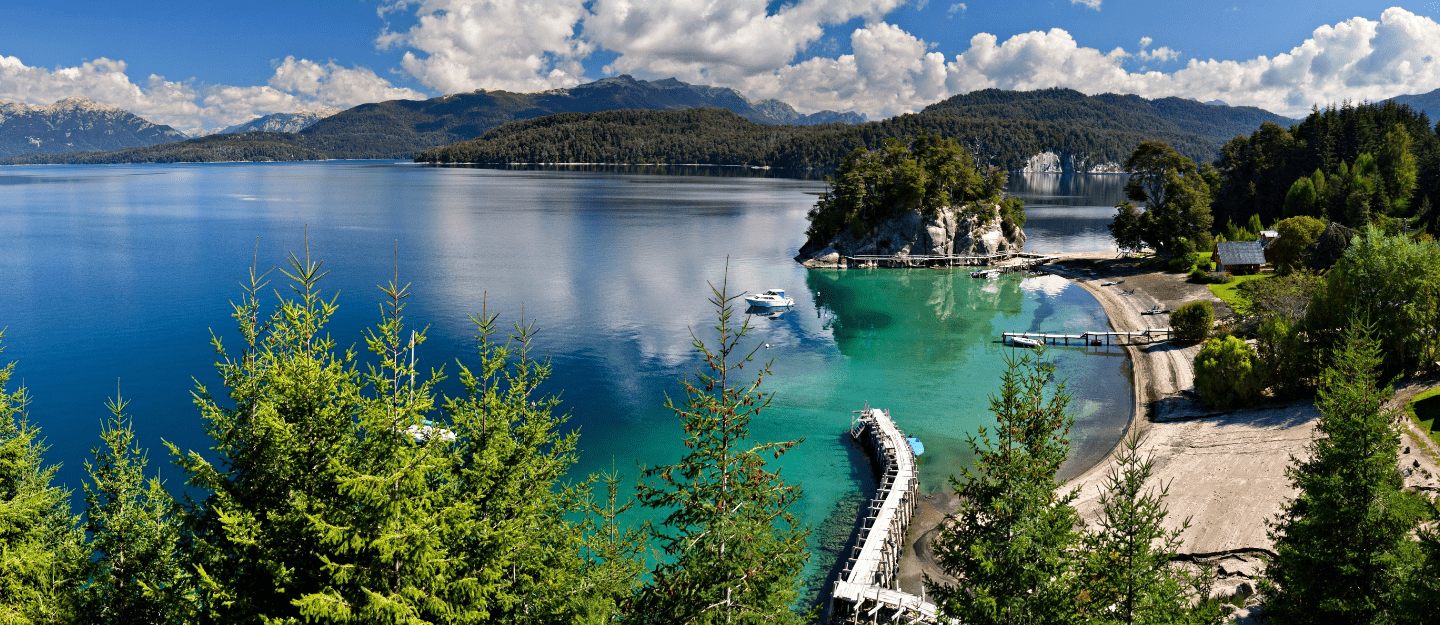
Nahuel Huapi National Park: This park is a New World Eden that features pristine crystal lakes surrounded by snow-capped mountains and evergreen forests in the heart of the Andes. Visitors come to the park to travel along sightseeing trails, kayak on the calm waters, or watch native wildlife. The multiple landscapes offer adventure as well as peace and quiet, making it a place that all outdoor and nature lovers should visit.
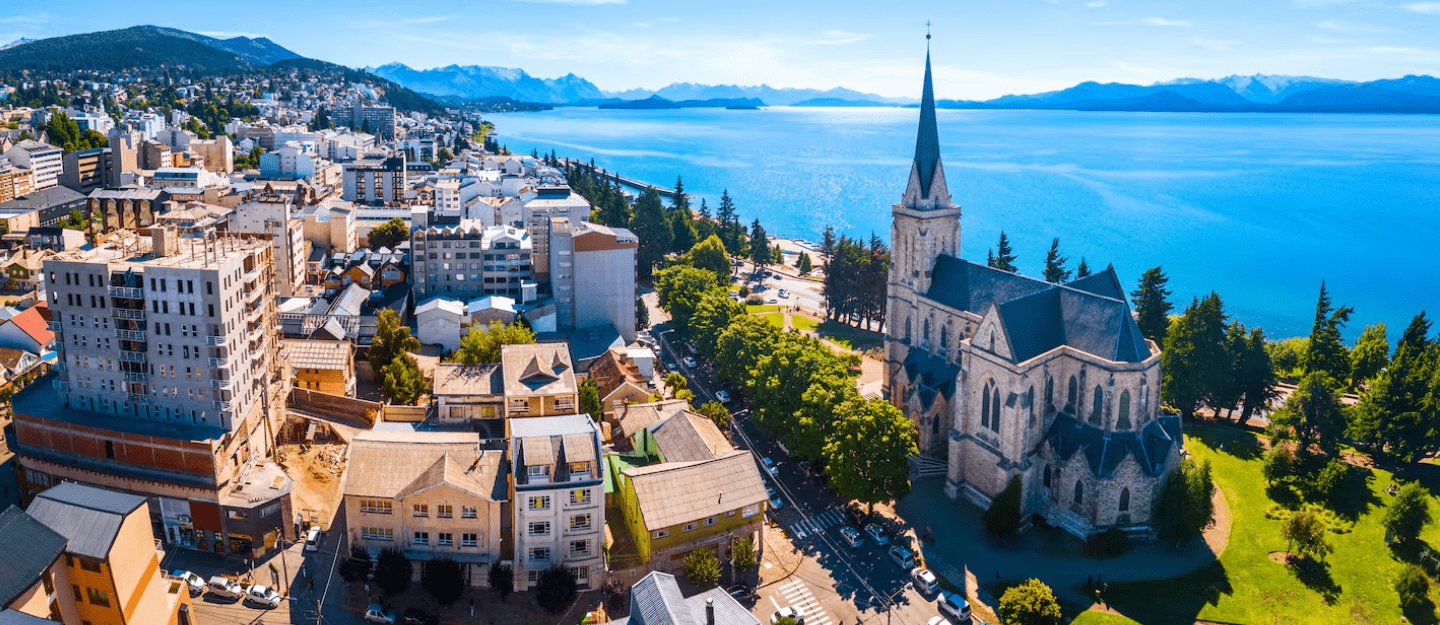
Bariloche: Bariloche is meant to be well-known for its alpine charm, for it has no other place than any other Swiss city with its amazing collection of edifices decorated in the most interesting way with vibrant scenery surrounding it. The Lake Nahuel Huapi is bordering the town, a skiing place in winter, a hiking place in summer, and then there are the sweet and wonderful little artisanal chocolate shops scattered throughout the region, combined with quite a few cozy lodges and places that come alive at night with adventure, culture, and great food.
Las Grutas: Las Grutas, home to some of the warmest and clearest ocean waters in Argentina, flaunts its stunning white cliffs and golden beaches that reach out to would-be sunbathers and snorkelers alike. Also, when the tide is low, you can discover hidden little caves and tide pools, or have some fresh seafood at the restaurants that are by the beach. Whether you are lying by the sea or gearing up for a little fun on the coast, it is the vacationer's retreat: the paradise of Las Grutas.
El Bolsón: Similar to a bohemian retreat, El Bolsón offers great views of mountains and rivers. Its artisan markets, organic farms, and craft breweries make El Bolsón a place for easy-going types. Go trekking through ancient forests, discover nearby waterfalls, or enjoy farm-to-table meals. It artfully melds natural beauty with creativity and a really fabulous lifestyle.
Top Local Dishes to Try
Curanto: Cooked underground on hot stones, curanto is a traditional indigenous dish that is all about the feast. Wrapped in leaves, it cooks slowly: here lies meat, potatoes, vegetables, sometimes seafood. It is smoky and tender. Curanto is one of these foods that do not just feed the mouth, rather, it feeds the soul because it anchors cultural traditions of Río Negro in aesthetics while nourishing the family. Curanto is often a geared festival or gathering.
Patagonian Lamb: The Patagonian lamb is famous for its very mild flavor and is usually roasted on a spit fire which is called asado al palo. The meat is soft, flavorful, and crispy on the outside due to the slow roasting. Normally served with chimichurri sauce, it is well worth the price for those meat lovers who are exploring the Patagonian region.
Trout from the Andes: Fresh from mountain rivers and lakes, Andean trout is a local favorite. It is often grilled with some herbs, lemon, and olive oil, letting its natural flavors shine. The dish speaks about the pristine waters of Río Negro and sustainable fishing practices of the area when it comes to a side of seasonal vegetables or potatoes.
Wild Berry Desserts: Río Negro's forests are full of wild raspberries, blackberries, and elderberries. These sweet, mellow fruits are found in all manner of jams, pies, and salsas. The torta de frutos rojos — a rich, buttery cake with layers of fresh berries, a melding of natural sweetness with the sweet-tasting fingerprints of rustic homemade things.
Chocolate from Bariloche: Bariloche is famous for its homemade chocolates, imitating the tradition of Europe. Local chocolatiers use various Patagonian berries, nuts, and even herbs to make exclusive products. From creamy to spicy chocolate bars and from soft truffles to sharp bars, these people are the perfect souvenir or treat you could get while staying there.
Ultimate Shopping Destinations

Bariloche, Mitre Street: Mitre Street is the shopping heart of Bariloche, lined by artisan chocolate shops, boutique clothing stores, and local crafts. Hand-knit woolen sweaters and Patagonian souvenirs can be found here. A place where rustic charm meets modern style: ideal to find unique gifts and enjoy scenic views of Lake Nahuel Huapi.
El Bolsón Artisan Market: Aptly summing up its bohemian spirit, El Bolsón's artisan market spills over with wonderful creativity. Amongst bright-colored hand-made jewelry, earthen pots, and an assortment of organic products, the local talent shines. Fresh fruits from the farm, homemade jams, and artisan beers complete the journey with shopping. It is not shopping, but rather a cultural exhibition, with everything from a little pouch to a gigantic hippie shop telling some history of the Patagonian artistic soul.
Promenade of Las Grutas: The beach front promenade of Las Grutas has this very nice and relaxed shopping experience of seaside charm: You have beachwear and handmade accessories, and artworks from the local sellers, as well as some seafood delicacies and crafts in coastal inspiration, coupled with ocean breeze, live music, and friendly vendors.
Patagonia Fair, Viedma: At the Patagonia Fair in Viedma, you will find all the best produce, crafts and fashion at real competitive prices. Leather goods, woven textiles - and even gourmet cheeses and wines will be found here. Highly recommend this fair for direct meetings with local artisans to taste traditional flavours, and take home a piece of Río Negro's rich heritage.
Craft Fair in San Carlos de Bariloche: This craft fair is held at the Civic Center and is devoted to the craft of local woodworkers, weavers, and chocolatiers. From fantastic wood carving and hand-dyed scarves, the fair is a tribute to the region's natural materials and artistic traditions. The place is thus ideal for the collection of original, high-quality crafts reflecting Patagonia's rugged beauty and creative spirit.
The Best Restaurants & Hotels
Alto el Fuego: Bariloche A cozy steakhouse specializing in Patagonian-style grilled meats, making for a memorable dining experience. Their specialty is slow-roasted lamb and fine cuts of beef accompanied by local wine. A lovely rustic place where the ambience and warmth of the service add to the experience of dining in Patagonia.
La Fondue de Betty: Bariloche La Fondue de Betty is a nice blend of the Swiss tradition with local flavors. It is famous for rich cheese and chocolate fondues, while ingredients such as Patagonian trout and regional berries lend an interesting twist to the classics. Intimate settings with mountain vistas create a lovely indulgence for couples and families alike.
Llao Llao Hotel & Resort: Bariloche Situated against the splendid backdrop of Lake Nahuel Huapi and the Andes, Llao Llao is a luxury resort offering world-class amenities. Golf courses, spa treatments, and gourmet restaurants, all offered in a stunning natural setting, keep fulfillment in mind. Herein lies the uniqueness of the Llao Llao: a consummate merge of elegance and nature, a place for relaxation and adventure.
Las Bayas Hotel: Esquel: This a small hotel with a warm atmosphere, with great emphasis on personalized service and comfort. Together with spacious rooms, locally inspired decor, and a farm-to-table restaurant, it creates a homely yet upscale experience. It is ideally suited for those seeking a peace-filled oasis while exploring the wonders of Patagonia.
Thrilling Outdoor Activities
Trekking Trails across Nahuel Huapi National Park: Trekking across rugged trails within the park will include a range of mild forest walks to mountain-high climbing. Trek to the famous Cerro Tronador or the beautiful shimmering Laguna Negra. And while you're there, take in the thousands of waterfalls, age-old forests, and panoramic views of the Andes moving adventure well-blended with the raw beauty that nature has to offer.
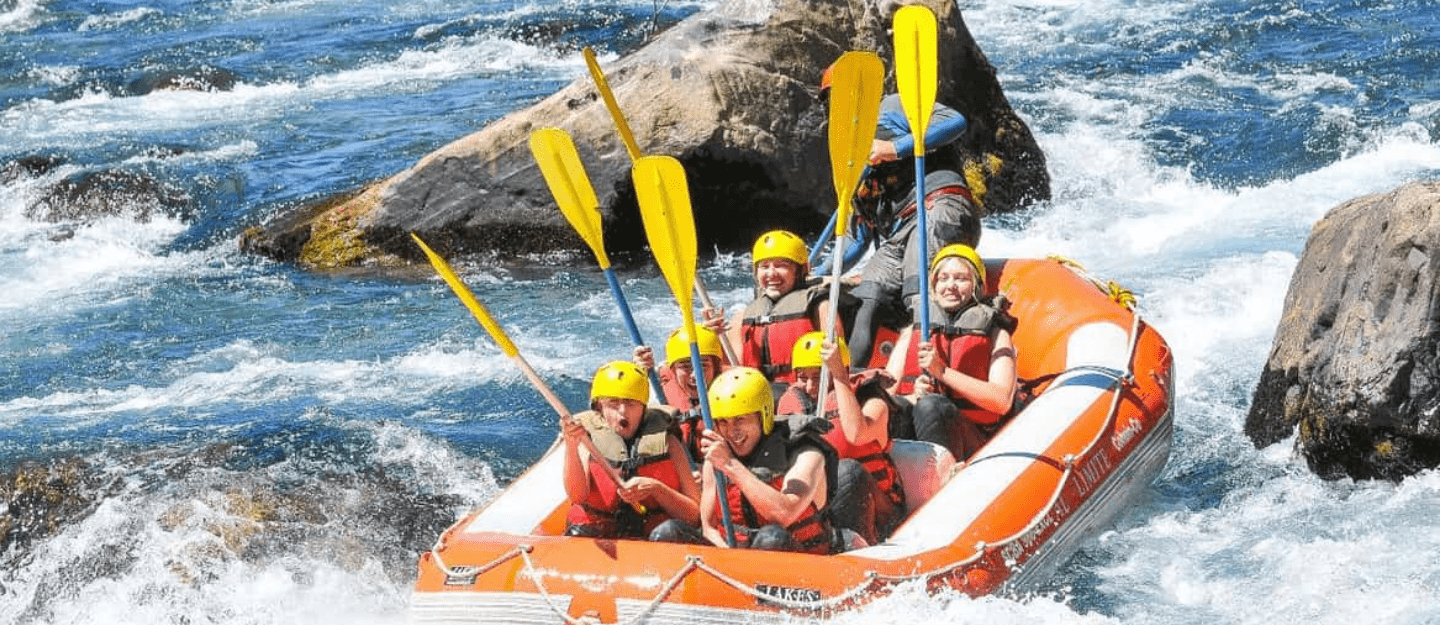
Whitewater Rafting on the Manso River: Manso River offers a lifetime experience in rafting. Paddle through roaring rapids navigation steep drops even float along serene stretches of green-mantled forest. A perfect place for both beginners and advanced rafters. A great way to adventure through wild Patagonia and feel the wild energy of the river.
Skiing and Snowboarding in Cerro Catedral: Cerro Catedral is the largest ski resort in South America and converts into a winter wonderland. There are over 120 kilometers of slopes, so no matter what your level, you can find something here. Ski while enjoying magnificent mountain views, then unwind, après ski, at one of the many lively cafes or cozy mountain lodges.
Lake Nahuel Huapi Kayaking: Paddle across the clear green waters of Lake Nahuel Huapi, surrounded by high peaks and secret beaches. Tours guided by experts will take you to lonely coves and unknown islets, where moments of peace and adventure await. This is truly a fantastic way to be close to nature while traveling across one of the most recognized lakes in Patagonia.
Horse Riding in El Bolsón: Saddle up and ride around El Bolsón, exploring its charming valleys and rolling hills. From forests to rivers and into the mountains, you will go on guided rides. You will learn about the local flora and fauna and get a dry dose of traditional gaucho living; this is a calm but exciting way of discovering Patagonia's heart.
What Not to Do
Refrain from disrespecting the Falklands topic: Known as "Las Malvinas" in Argentina, this is a very sensitive issue. Don't talk about it unless you know what you're talking about.
Don't Expect Early Dinners: Argentinians like to eat late, usually at around 9-10 PM, and many of the restaurants do not open their dinner halls by that time.
Don't Forget a Greeting with a Kiss: One kiss on the cheeks is a common salutation, even among men. A handshake would feel too formal.
Don't Reckon Slow Service: Meals are meant to be enjoyed, being enjoyed at a more relaxed pace. Any faster movement or asking for a check early might be considered rude.
Don't Assume That Everybody Speaks English: Many Argentinians understand English. However, people do not speak it all fluently. Learn the basic phrases of Spanish; it can come in handy.
Do not Disrespect Mate Culture: Yerba mate is a beloved tradition. If given, take a sip from the same straw (bombilla) as others; it is part of the ritual.
Do not Flash Valuables in Public: Similar to any major city, keep an eye out for pickpockets especially in tourist areas such as Buenos Aires.
Do not Call an Argentinian 'Spanish' or 'Mexican': Argentina has a culture, dialect, and an identity that is unique to itself. Confusing it with the other Spanish-speaking countries can be offensive.
The Best Time to Visit
December to March: One of the best seasons, as far as outdoor activities such as hiking, kayaking, and fishing is concerned. Warm days with cooler nights provide perfect settings for visiting national parks, exploring Las Grutas beaches, and local celebrations.
(April to June) Autumn: Autumn colors and a whisper of crowds create a perfect setting for peaceful hikes and photography. With congenial weather, the changeable colors of the forests turn out into spectacular scenery. Another good reason is for visiting vineyards and indulgence in seasonal dishes, prompting for a calm experience of Río Negro's natural beauty.
(July to September) Winter: In winter, the Río Negro turns into a fairy-land with snow, a perfect opportunity for skiing and snowboarding at Cerro Catedral.In Bariloche ski resorts, the activity of winter sports and warm camping is going well. Of course, this is a time for sumptuous chocolates, hot stews, and fondues-an exceptional season for snow lovers and food lovers alike.
Conclusion
Río Negro enters Patagonia, encompassing nature and history as well as unforgettable experiences in itself. Here, incredible national parks bring world-class cuisine, hidden cultural treasures, and outdoor adventure together, offering countless magical moments. Come in the sizzling summer, colorful autumn, or snow-drenched winters, and Rio Negro will embrace you with open arms and unending beauty! Here, at the place where nature meets tradition and adventure, eternal memories get created. So start planning your trip now into the heart of Patagonia, Río Negro!
Planning a trip to Río Negro?
Post your upcoming travel details and get personalized quotations from multiple verified travel agencies.
Fast response • Custom offers • Verified agents
Current Weather
Live Forecast
Planning a trip to Río Negro?
Post your upcoming travel details and get personalized quotations from multiple verified travel agencies.
Fast response • Custom offers • Verified agents
Bigger Group? Get Special Offers Up to 50% Off!
Planning a trip for friends, family, or corporate teams to Río Negro? We create unforgettable customised adventures with exclusive group pricing!
Current Weather
Live Forecast
Why travelers choose
TravellingLark?
Thoughtfully planned journeys, crafted for unforgettable experiences.
Built Around You
Personalized trips based on your style, interests and budget.
Handpicked Trips
Curated itineraries designed with love and local expertise.
Transparent Pricing
Clear package pricing with no hidden charges or surprises.
Personalized Planning
Every trip is tailored to your interests, pace and preferences.
Best Value Always
Get the best experiences at the best value for your money.
Global Destinations
Explore handpicked destinations across India and the world.
24/7 Trip Assistance
We're with you before, during and after your journey.
Built Around You
Personalized trips based on your style, interests and budget.
Handpicked Trips
Curated itineraries designed with love and local expertise.
Transparent Pricing
Clear package pricing with no hidden charges or surprises.
24/7 Trip Assistance
We're with you before, during and after your journey.
Personalized Planning
Every trip is tailored to your interests, pace and preferences.
Best Value Always
Get the best experiences at the best value for your money.
Global Destinations
Explore handpicked destinations across India and the world.
Hassle-Free Journey
Enjoy a smooth travel planning experience from start to finish.
Traveler Reviews for Río NegroReviews for Río Negro
Verified ratings and genuine travel experiences from our community
No Reviews Yet
Have you explored Río Negro? Share your experience to help fellow travelers plan their trip!