Best Countries for Digital Nomads: Where to Live & Work Remotely
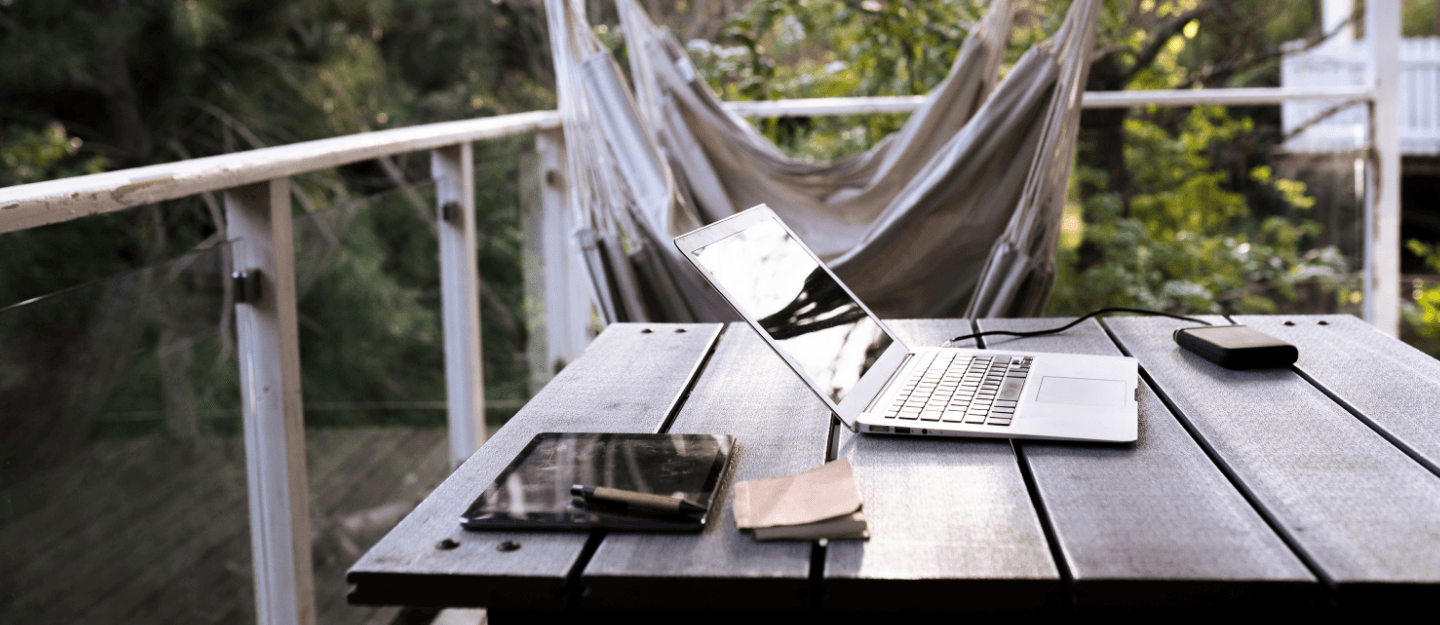
The uptick in remote working has resulted in a new category of professionals known as digital nomads. Indeed, such people do use technology to work from anywhere in the world which would qualify them to explore new places while sustaining themselves financially. However, the location is significant; an individual must choose which cities might be perfect for a seamless experience as internet speed, cost of living, safety, visa requirements, and all-around quality of life could significantly affect the decision on what cities become the best for digital nomads.
This guide then underlines those top selected countries that have great offerings in terms of giving ideal locations for remote work while having the benefits of digital nomad visas so you can easily live and work comfortably in the midst of a nomadic lifestyle.
Best Countries for Digital Nomads
1. Portugal
Portugal has ultimately become a major hot spot, particularly for its capital, Lisbon, and Porto, because of the cheap cost of living across these cities, great climates welcoming culture. The D7 Visa and Digital Nomad Visa are available in the country, hence enabling remote workers to stay long enough during their nomads life in Portugal.
It is a land of magnificent coastal sceneries, warm hospitality, and well-organized public transportation. Digital nomaders would have access to numerous coworking spaces and networking opportunities while enjoying a very relaxed lifestyle that promotes creativity and productivity. Safety and affordable healthcare add more appeal to this place. And, of course, tax benefits like that of the Non-Habitual Resident (NHR) scheme of Portugal make remote workers maximize resources.

Although at times the bureaucracy can be slow-moving, living in Portugal starts speaking for itself, with strong advantages outweighing minor inconveniences. The cafe culture and vibrant nightlife make this an even better place for adventurous digital nomads to experience life outside work.
Pros: Reliable internet, great food, welcoming locals, scenic landscapes.
Cons: Bureaucracy can be slow, and peak tourism seasons can be overwhelming.
Monthly rent (1-bedroom apartment): $800 - $1,500
Coworking space: $150 - $300 per month
Average monthly expenses: $1,500 - $2,500
Cost of eating out: $10 - $20 per meal
Transportation: $40 - $60 (public transport pass)
2. Thailand
Thailand, especially Chiang Mai and Bangkok, in fact, is known as one of the cheapest and hottest places for digital nomads. Coworking spaces abound, street food is delicious, and there is a very strong expat community. Commanded by culture, popular with a tropical climate, and the cheap cost of living has become one of the best-picks locations for remote workers.
Chiang Mai, in fact, is the flag bearer of most digital nomads because it's cheap, has fast internet, and offers a cordial atmosphere. Bangkok, the capital, is blessed with a mixture of modernity and tradition from coworking spaces to diverse networking events and entertaining options. Thailand provides good visa options including Smart Visa and extensions for Tourist Visas, enabling nomads to stay awhile and enjoy the beautiful nature and vibrant cities of the country.

The experience is further enriched by the food scene, with the world-renowned street food being inexpensive. However, the hot and humid climate, along with the rare complications of visas, can become difficult for many. However, for all these small drawbacks, Thailand continues to be the preferred choice among all the remote workers seeking affordability and cultural immersion.
Pros: Low cost of living, fast Wi-Fi, and rich cultural experiences.
Cons: Hot and humid weather, complex visa processes.
Monthly rent (1-bedroom apartment): $300 - $700
Coworking space: $100 - $200 per month
Average monthly expenses: $1,000 - $1,800
Cost of eating out: $2 - $10 per meal
Transportation: $30 - $50 (public transport or motorbike rental)
3. Spain
Most virtual nomads in Barcelona and Valencia were attracted to Spain because it has almost year-round sunshine, an active coworking scene, and excellent food. Spain introduced a new kind of visa by calling it a Digital Nomad Visa for easy access to remote workers in the country.
Living abroad like a digital nomad is excellent, especially in Spain, for the quality of life, nightlife, and cultural richness. One beautiful city known for its magnificent architecture, beaches, flexibility, lots of coworking spaces, and events is Barcelona. Valencia is quite different from the others in that it costs lower living expenses and has great facilities to work from but keeps the relaxed atmosphere.

Spain's Digital Nomad Visa facilitates remote work through its legal framework. Furthermore, it thus serves as a bridge within the rest of Europe. Not only that, but the nation affords beneficiaries affordable healthcare coupled with its efficient transport system. It is good to note, however, that it is really beneficial to take a few crash courses in Spanish, because not every other person speaks English fluently, and bureaucratic procedures really take their time. But once successfully tackled, Spain shall be a one-of-a-kind experience of enrichment and dynamism for a digital nomad.
Pros: High quality of life, excellent transportation, diverse workspaces.
Cons: Learning Spanish is beneficial, bureaucratic hurdles.
Monthly rent (1-bedroom apartment): $900 - $1,800
Coworking space: $150 - $300 per month
Average monthly expenses: $2,000 - $3,500
Cost of eating out: $12 - $25 per meal
Transportation: $50 - $75 (public transport pass)
4. Mexico
Mexico is a real hotspot for digital nomads, what with the likes of Mexico City, Playa del Carmen, and Tulum being affordable, offer fantastic food, and have vibrant culture. It even offers a Temporary Resident Visa to applicants that allows remote workers to stay in the country for a maximum of four years.
Mexico really is a great place to visit if you are a digital nomad because of the prevalent low cost of living, varieties of landscapes, and existing expat communities. The dynamic, urban life that Mexico City presents definitely offers a kind of coworking spaces and culture, and life is certainly fast. In contrast, Playa del Carmen and Tulum are destinations more offering beach living with low stresses and network opportunities.

The Temporary Resident Visa of the country permits remote workers to prolong their stay in Mexico, and it entitles foreign nationals to all the benefits of living in Mexico. There are factors, such as some parts being unsafe or major cities being polluted with air, that one must consider. Mexico is a good choice because of the rich history, warm-hearted locals, and excellent food, which makes it a great base for more digital nomads.
Pros: Affordable lifestyle, strong expat communities, diverse landscapes.
Cons: Some areas have safety concerns, air pollution in major cities.
Monthly rent (1-bedroom apartment): $500 - $1,200
Coworking space: $100 - $250 per month
Average monthly expenses: $1,200 - $2,500
Cost of eating out: $5 - $15 per meal
Transportation: $30 - $60 (public transport or ride-sharing)
5. Indonesia (Bali)
Haven't BALI, Indo? As a matter of fact, it has already turned into a heaven for all remote workers because of its relatively low, if not very cheap, standard of living, breathtaking landscapes, and a strong sense of the community of digital nomads-all possible around B211A visa which guarantees long-term stays on the island.
Bali is the best in moderation-very affordable, picturesque landscapes, complemented by a vibrant community of remote workers. The place is abundant in coworking spaces, beachside cafes, and wellness retreats. A pure holistic lifestyle inspired by the island itself. The B211A Visa permits tomorrow's nomads to remain longer in a country like Indonesia to behold the beauty that Bali offers-from lush rice fields to white sandy shores.

There are fluctuations in the speed of the internet, and the traffic jams in places like Canggu can be annoying. But even with these small setbacks, there continues to be a place for Bali among the best destinations for remote working, where one can enjoy a well-blended work-and-holiday ambiance in this wonderful place.
Pros: Stunning beaches, low cost of living, great coworking spaces.
Cons: Limited visa options, internet speed varies by location.
Monthly rent (1-bedroom apartment): $300 - $800
Coworking space: $50 - $200 per month
Average monthly expenses: $1,000 - $2,000
Cost of eating out: $3 - $10 per meal
Transportation: $30 - $70 (motorbike rental)
6. Georgia
Georgia is one of the most friendly countries for digital nomads with its fantastic visa policy, low living cost, and quality high-speed internet. Indeed, the program Remotely from Georgia welcomes even more than 95 countries to stay in Georgia for a year without a visa. Tbilisi, the capital, is most popular for its culture, affordability, and vibrant expatriate community.
This city has many cafes and workspaces for digital nomads. Batumi is a relaxed beach city that sits on the coasts of the Black Sea. Its beautiful shores tend to draw many surfers. Kutaisi is also a renowned city and stays within budget to very budget-friendly prices and has superb connectivity but is slow-paced.

Georgia remains very cost-efficient for a very low budget, making it quite attractive to remote workers who want to enjoy a high quality of life on a shoestring. The cause is numerous and different food items really delicious having local and international flavors in Georgian cuisine. Furthermore, this is the place which makes it easy to travel towards Europe and Asia, making this an ideal place for traveling overseas.
Pros: Low living costs, tax-friendly policies, welcoming locals.
Cons: Harsh winters, limited international flights.
Monthly rent (1-bedroom apartment): $300 - $700
Coworking space: $50 - $150 per month
Average monthly expenses: $1,000 - $1,800
Cost of eating out: $5 - $15 per meal
Transportation: $20 - $40 (public transport pass)
7. Estonia
However, Estonia also is a leader in the trial of digital innovation. The Estonian Digital Nomad Visa allows all remote workers to live in the country for a period of 1 year. Besides, it offers an e-residency program for freelancers and entrepreneurs, under which businesses can be launched and managed entirely online.
With a strong tech ecosystem, fast internet and modern co-working spaces, Estonia represents the perfect place for somebody in the IT profession. Tallinn is the capital, which has a medieval and at the same time lively startup atmosphere. It promises a complete experience of historical atmospheres interwoven into modern infrastructure with excellent public transport to serve them.
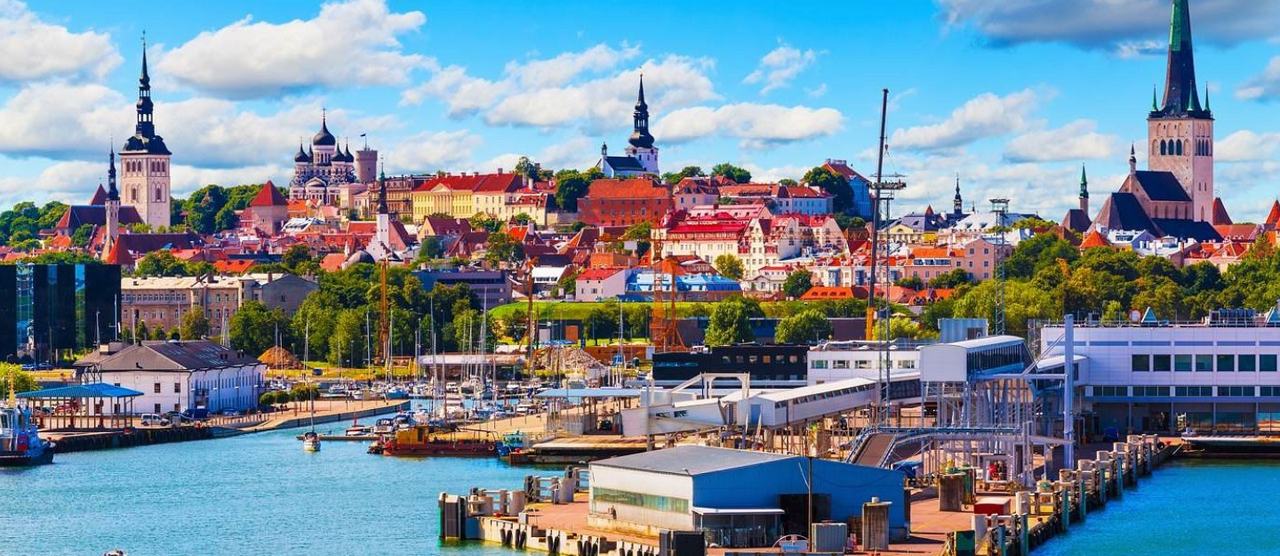
Tartu is also fairly available; being a university city, it has a more mellow setting with an intellectual community, making it suitable for those who enjoy smaller cities but yet want a well-established cultural presence. Pärnu has some of the prettiest beaches and resorts and offers a great working experience for those who need to balance their work and relaxation time.
Pros: Excellent digital infrastructure, e-residency program, safe environment.
Cons: Cold winters, higher living costs than other Eastern European countries.
Monthly rent (1-bedroom apartment): $600 - $1,200
Coworking space: $150 - $300 per month
Average monthly expenses: $1,500 - $2,500
Cost of eating out: $10 - $20 per meal
Transportation: $40 - $70 (public transport pass)
8. Costa Rica
Costa Rica is truly a haven for those digital nomads who are wonderful appreciators of nature and adventure. With a Digital Nomad Visa, the remote worker can sojourn here for as much as a year. Certainly, the country offers all the characteristics of modern infrastructure in conjunction with breathtaking natural landscapes, hence it can easily be considered heaven for many outdoor enthusiasts.
The lively San José is the capital, a place that ticks all the boxes of modern amenities, includes super-fast, reliable internet access, and also coworking spaces. Tamarindo, which is a beach town, is for everybody who simply wants to breathe the easy-going, tropical lifestyle but is also close to good surfing, yoga, and fresh fruit smoothies beachside cafes. Santa Teresa, another coastal gem, incorporates a little of everything for those remote workers and creative types who choose to live in a quiet setting, with a little work mixed in.

Costa Rica is called home by the friendly Ticos, and that is basically what makes the country one of the happiest places in the world. Digital nomads can live and indulge in their daily lives enjoying being eco-sustainable with a strong commitment to eco-tourism while still being laid-back with the local "Pura Vida" attitude.
Pros: Beautiful beaches, excellent weather, eco-friendly lifestyle.
Cons: Higher costs compared to other Latin American destinations.
Monthly rent (1-bedroom apartment): $800 - $1,500
Coworking space: $150 - $300 per month
Average monthly expenses: $2,000 - $3,500
Cost of eating out: $10 - $25 per meal
Transportation: $50 - $100 (car rental or public transport)
9. Vietnam
For exquisite food, culture, fast internet and affordability, Vietnam remains one of the cheapest remote work destinations in the world. Ho Chi Minh City is a thriving metropolis well stocked with coworking spaces; its nightlife is quite lively; and an expatriate community is also present.
Da Nang, with its sprawling coastline, offers a haven for those seeking to experience the beauty of serene beaches with dramatic mountain scenery. On the other hand, Hanoi, as the capital, gives a dual experience of culture: heritage and modernity combined.

There is a reason so many foreigners lobby for it: street food in Vietnam is truly extraordinary. Possibly, it is so much less than two dollars. The low cost of living means that digital nomads can live comfortably and travel throughout this country with its many secrets.
Pros: Cheap rent, excellent food, and very fast internet.
Cons: Complicated visa extension issues, terrible traffic in the cities.
Monthly rental (1bhk): $300-$700
Coworking space: $50-$150/month.
Average monthly expenditure; $800-$ 1,500
Cost of eating out: $2 - $10 per meal.
Transport: $20 - $50 (motorbike rental or public transport).
10. Colombia
Colombia is becoming increasingly popular among emerging digital nomads: the nice climate and low cost of living combined with its rich culture. "City of Eternal Spring," Medellín has a lively coworking community and expanding remote-working community around it. Bogotá, the capital, combines urban conveniences with culture.

Cartagena is ideal for those who enjoy warm weather and coastlines, with charm from its colonial past and a Caribbean shore. Colombia is inexpensive, making it a very interesting destination for the digital nomad who wants to save cash but enjoy a good life.
Pros: Low living costs, great nightlife, good public transport.
Cons: Some areas have safety concerns.
Monthly rent (1-bedroom apartment): $400 - $1,000
Coworking space: $100 - $200 per month
Average monthly expenses: $1,000 - $2,000
Cost of eating out: $5 - $15 per meal
Transportation: $30 - $60 (public transport pass)
Budget Considerations

One of the most important factors to consider when selecting a destination for telecommuting is budgeting. Digital nomads should take into account expenses for rent, utilities, food, transportation, coworking, and leisure activities. Here’s a broad angle of the most common expenditure aspects:
Accommodation: Rental rates greatly vary. While Southeast and East Europe boast cheap rental rates ($300-$800), they are mostly higher in the western part of Europe and North America ($1,000-$3,000).
Food & Dining: Eating outside in budget places may cost between $5 per meal to between $10-$50 depending on the level of the city.
Internet and Utilities: Most of the high-speed internet access are used with few digital nomads. Coworking space is as cheap as $50 to $300 a month, about city-wise.
Transportation: Public transport and ride-share services are much economical for most digital nomad hubs. Owning a car might not be necessary.
Healthcare & Insurance: Investing in Travel Insurance is required. The Plans typically vary between $40 to $200 a month.
Visas & Taxes: Some countries require specific digital nomad visas. These visas may have fees ranging between $100 and $2,000.
It is through budget planning that one can derive a comfortable and sustainable lifestyle that allows remote workers to be productive at chosen locations; a digital nomad life is possible through proper budgeting.
Conclusion
The world offers countless remote work destinations, but the best countries for digital nomads combine affordability, good infrastructure, safety, and ease of entry. Whether you prefer the beaches of Bali, the European charm of Lisbon, or the urban energy of Mexico City, there’s a place suited to your lifestyle and work needs.
By choosing the right destination, you can enjoy a fulfilling work-life balance while exploring new cultures. So, pack your laptop, secure your visa, and embark on an incredible journey as a digital nomad!