A Guide to Eco-Friendly & Sustainable Travel
Traveling is one of the prettiest things to do for understanding the world, experiencing different cultures, and cherishing the memories for the whole life. But, it has quite an adverse effect on the planet as well. Pollution, waste generation, and everything are all part and parcel of the impacts of tourism. The good news is that being eco-friendly and sustainable in travel practices can help mitigate some of the adverse effects created by tourism. Irrespective of whether you are a constant traveler or planning your future travel, here are ways of traveling responsibly yet fulfillingly.
1. Choose Sustainable Destinations
Some destinations give priority to sustainability and conservation. Look for countries or cities that promote eco-tourism while safeguarding well-preserved natural environments.
Best Sustainable Travel Destinations:

Costa Rica: Renowned for its biodiversity, sustainable lodges, and ecological activities. The country has so many parks and wildlife reserves, many of which have sets of eco-friendly guidelines in place.
New Zealand: Its expansive pure green terrains, as well as for comprehensive environmental policy which might be summed up in the special terms reserve for conservation-based recreation in New Zealand.
Norway: Celebrated because of its extreme commitment to sustainable tourism and for having such exceptional fjords. Their commitment to green energy and waste management allows all their visitors to enjoy such magnificent landscapes responsibly.
Slovenia: A less well-known part of Europe-a green-accredited accommodation and activities. Slovenia has devoted itself to sustainable tourism and has made this place one of the most environmentally-friendly destinations.
Bhutan: Policies of a high-value, low-impact tourism policy for the conservation of the destination. Gross National Happiness as part of the philosophy of Bhutan includes sustainability as a key principle that safeguards the environment in all forms of tourism.
Choose naturally conserved destinations to minimize your footprint while experiencing spectacular scenery and the local culture.
2. Opt for Eco-Friendly Accommodation
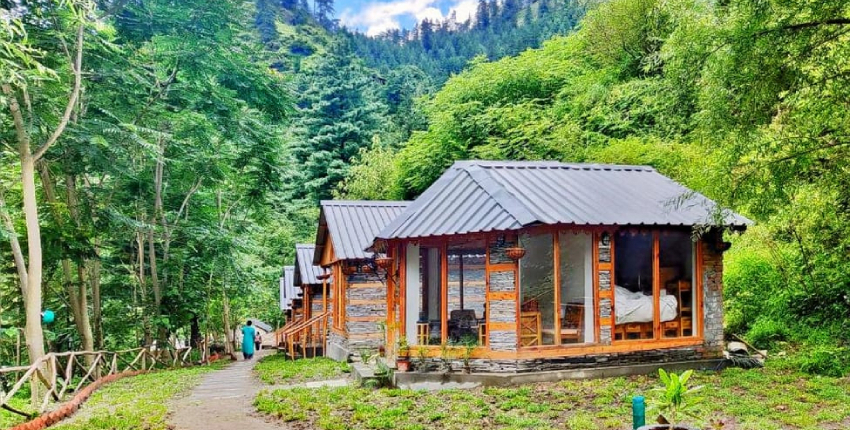
Greatly supporting hotels and accommodations that tend towards sustainability will mean a lot. Look out for those with green recognition, such as:
LEED buildings focus on energy-efficient and sustainable materials.
Eco lodges using solar or wind sources as energy derive.
Fishing resorts that water conserve, through rainwater harvesting and greywater recycling.
Waste diverting and composting resorts as part of their cleaning efforts to reduce landfill waste and pollution.

Moreover, consider those beautiful hotels that also benefit and support local communities by procuring their food and materials from local communities. Most eco-friendly lodges also come with volunteer programs to allow guests to take part in some of the conservation purposes, such as tree planting or even animal rescue programs.
Budget Tip: Many hostels and guesthouses serve sustainable and budget-friendly purposes compared to luxurious resorts. Research and read reviews to find options that align with both your budget and sustainability values.
3. Travel Light and Pack Sustainably
The higher the weight of luggage, the more the consumption of fuel in transporting. Packing light reduces carbon footprints and makes traveling simpler for everyone:
Reusable travel essentials: Water bottles, cutlery, and shopping bags should be used to cut down on plastic waste.
Green toiletries: shampoo bars, bamboo toothbrushes, reef-safe sunscreen, etc., should be put into consideration because they minimize the harmful chemicals in the environment.
Ethical clothing: let the clothes be made of organic or recycled materials that are ethically produced.

Reduced waste and environmental impact by taking only what you need and using durable multiple use items. Choose luggage made of renewable materials and avoid disposable travel items. Use refillable containers instead of single-use travel size toiletries to have you covered through many trips instead.
4. Use Sustainable Transportation
Transportation is one of the leading producers of carbon in travel emissions. Limit your effects by making the following choices.
Trains and buses rather than short-haul flights wherever possible and significantly less emissive.
Carpooling or ride-share rather than renting separate cars to lower fuel usage.
Cycling or walking in towns and cities, instead of taking a taxi rent scooter.

If flying is unavoidable, book a flight with an airline that has an efficient fuel fleet and offers carbon offset programs. Today, many airlines resort to such options: invest in environmental projects that counterbalance emissions produced by their flights. Another wise tip is to book direct flights whenever possible, as takeoffs and landings make up a large part of an aircraft's total emissions.
Budget Tip: Most certainly, this is a more sustainable option traveling but even more affordable than taxis or rental cars. Unlimited public transport use passes are available in many cities for use at much cheaper rates.
5. Support Local and Ethical Businesses
Advocating for local businesses, artisans, and eco-conscious brands in place of big international chains. Buy things from local market; eat in family-owned restaurants; book tours with local guides. That's helping the local economy while propagating cultural appreciation. Research companies while booking experience as to whether their practices are ethical. Opt for tour operators observing local traditions and engaged in fair trade with living-wage jobs.

Another way to know a restaurant is through the ingredient it uses; for example, sourcing ingredients locally not only supports the community but also lessens the environmental effects of transporting food. Local shopping rather than big malls also cuts down on transporting carbon footprint attached to sales goods from mass production. Handmade souvenirs are often created sustainably and command higher sentimental value than those made in factories.
6. Be Mindful of Wildlife Tourism
Choose forms of wildlife experience honest to goodness such as:
Seeing animals in their natural habitat through guided eco safaris.
Visit ethical animal sanctuaries where endangered species are rehabilitated and saved from extinction.
Participate in programs that have conservation goals to uphold and protect wildlife.

Wildlife tourism always considers such animals and their habitats first. Don't feed or disturb wild animals since this might result in unusual behavior change the animals get used to, bringing about long-term damage to ecosystems.
7. Reduce Waste and Go Plastic-Free
Plastic waste has been the bane of trouble to the environment because of tourism. For lessening waste:
Bringing a reusable water bottle and filtering tap water where it is safe.
Using cloth bags instead of plastics when shopping.
Refusing disposable straws and cutlery and using the single-use packaging.
Going for digital tickets and e-boarding passes instead of printed ones.

For most, countries have limited recycling infrastructure, which necessitates less plastic wastage while traveling. These consume their resources but also support businesses that use biodegradable packaging or refillable containers while promoting more sustainable practices in the tourism industry. Most Tourist Places get dry.
8. Conserve Water and Energy
Many popular tourist destinations suffer from water shortages. Help conserve resources by:
Help save more by taking shorter showers instead of baths.
Don’t request those towels or linens in hotels to change them, but reuse.
Switch off lights, air conditioning, and all electronics when one is out or going to bed.
Resources can be saved, especially water and energy.

There are efforts further than just saving water and energy, which would even lessen the pressure on local resources, so that communities would not face anything due to excessive consumption of tourists.
9. Eat Sustainably and Enjoy Local Food
Food options become variables in introduction to inflicting environmental degradation, even as eating sustainably during traveling becomes a point of concern. Here's how to eat sustainably:
Reduce entry through plant-based foods: These cause the least destruction of the environment during meat production.
Eating at farm-to-table restaurants: These are restaurants using local and sustainable sources.
Avoid eating overfished seafood: This information can be derived from sustainability guidelines.
Bring a reusable food container for cut-off waste: This will minimize food wastage in that you'll not have to think of throwing excess.

Eating in locally owned establishments reduces the need for imported commodities, and thus decreases distance traveled for transport. Most traditional markets and street vendors often have fresh seasonal items with very little packaging, making them the most environmentally friendly option.
10. Offset Your Carbon Footprint
Travel is one of those areas where, with all the best sustainable practice, carbon emissions will still be emitted by someone. Offset that activity by:
Donating toward carbon offset programs
Assisting reforestation efforts
Flying with airlines that have carbon offset options available
Offsetting carbon emissions involves subsiding carbon offset projects for many activities related to travel, using or even generating many of the carbon emissions due to travel. Several reputable organizations, such as Gold Standard, Cool Effect, and others, provide many verified programs that offset carbon emissions by supporting renewable energy, reforestation and community sustainability programs.
With conscious effort on reducing and offsetting your carbon footprint, it means you can also travel with a smaller environmental footprint for playing the world responsibly with a payback to the planet.
Conclusion
Traveling eco-greens does not require the sacrifice of luxury; it is an individual choice as sustainability means betterment for the planet and its people. These actions would much contribute to the cause of ensuring all-round responsible travel, not just for oneself but for the people in the years to come. Be it the destination, the reduction of waste, or sustainable eating, no effort goes wasted in making greener and more ethical travel.