10 Must-Try Local Dishes Around the World for Food Lovers
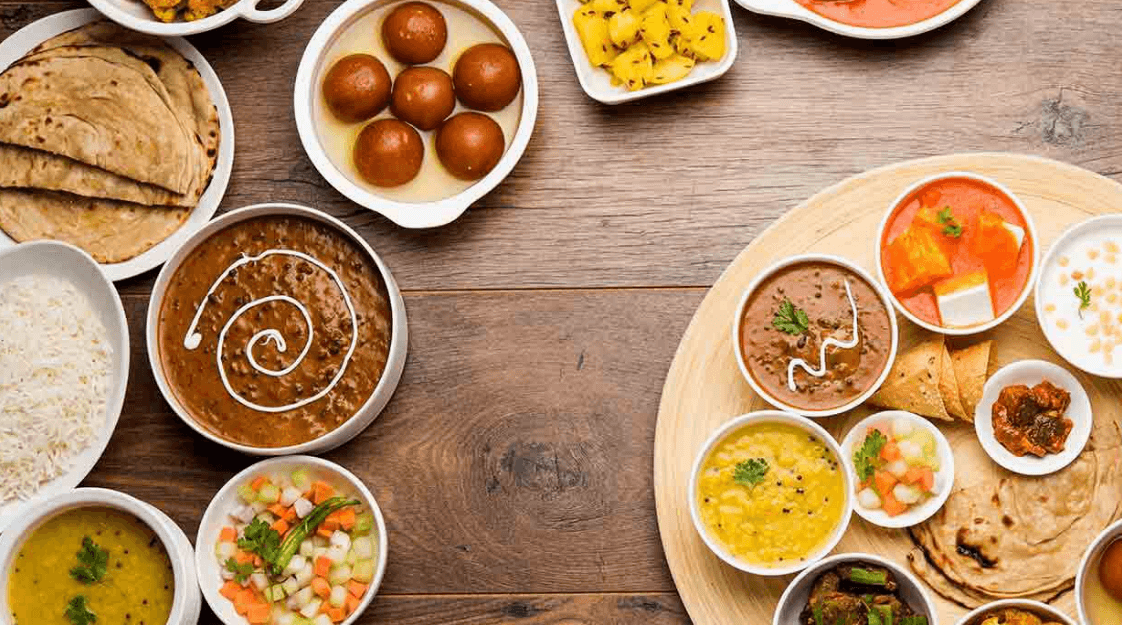
Food, being the heart of culture, offers every destination a taste of its heritage. From spicy street food to sinfully rich desserts, flavors around the world await exploration. Here are 10 local dishes every foodie must try at least once.
1. Paella
With its roots in Valencia, paella is among Spain's most notable signature dishes, which has become famous for its vivacious flavor. Traditionally prepared in a broad shallow pan, it is a mixture of saffron rice with various items such as seafood, chicken, rabbit, or vegetables. The strong, luscious flavors are a result of additional ingredients like garlic, tomatoes, and paprika. A most-loved part of paella is the crisp layer of rice at the bottom, called socarrat, which is the result of a little overcooking.
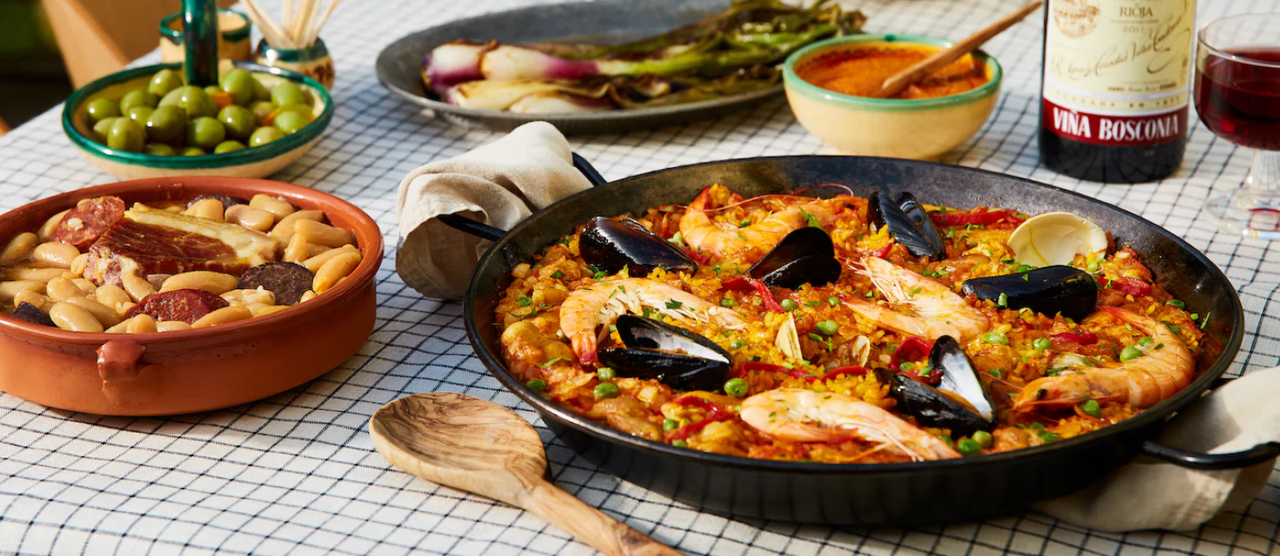
Budget: A paella using chicken and vegetables is quite reasonable; whereas, seafood varieties can be more expensive. An enjoyable evening in the kitchen at home keeps the budget low while providing an authentic taste of Spain.
Ingredients: In its classic form, paella consists of rice, saffron, olive oil, tomatoes, garlic, onions, bell peppers, and protein — chicken, seafood, or rabbit. Variations may add chorizo, peas, or beans for flavor.
Best Time to Eat: Spaniards enjoy paella for lunch or early dinner, so afternoon is the best time to eat it. It is great for family gatherings and festive occasions and outdoor eating, especially in warm weather.
2. Sushi
Sushi, a delicacy recognized the world over, embodies the essentials of simplicity and precision. Sushi, made of vinegared rice with fresh seafood and various toppings, has forms ranging from nigiri (hand-pressed), maki (rolled), to sashimi (thinly sliced fish). Though traditional sushi evokes the natural flavors of the best ingredients: tuna, salmon, sea urchin, in Japan, it is best consumed at sushi restaurants, where chefs painstakingly prepare each piece.
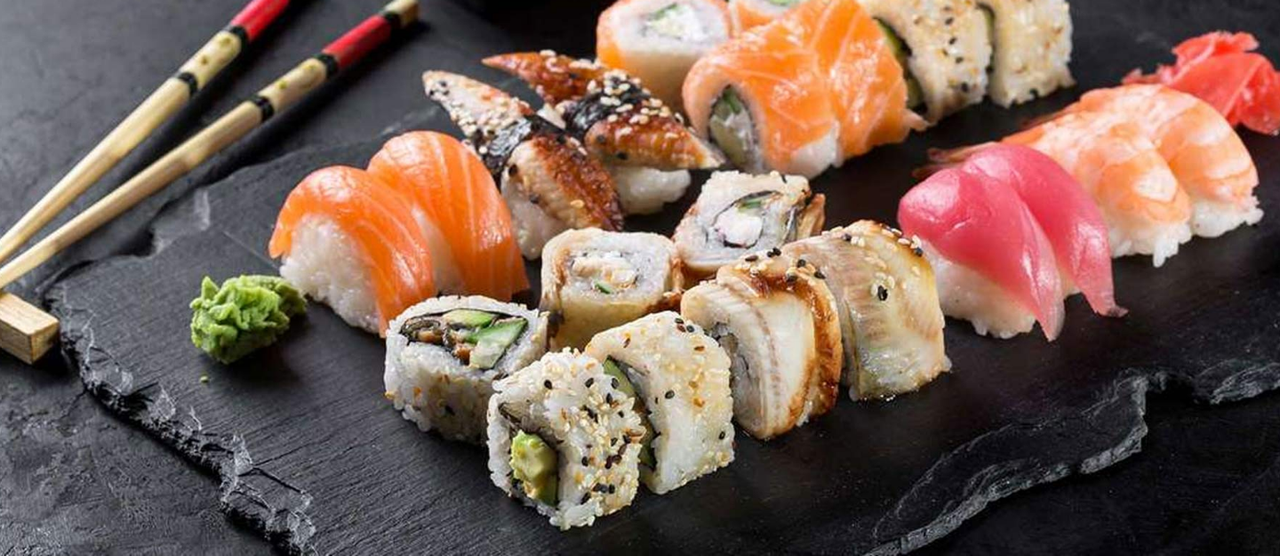
Budget: Cost is relative for sushi depending on the ingredients and place. Sushi is usually home-made and thus cheap; restaurant-wise, it ranges anywhere from inexpensive conveyor-belt sushi joints to high-end omakase-type experiences. Simple rolls are definitely cheaper than sashimi done gourmet-style or those specialty rolls.
Ingredients: In sushi preparation, we often use vinegared rice combined with fresh seafood such as salmon or tuna, nori (seaweed), and some vegetables, like cucumber or avocado. Condiments, including soy sauce, wasabi, and pickled ginger, are often used to enrich the contrasting tastes.
Best Time to Eat: Sushi comes second only to cakes when it comes to freshness; therefore, it should better be enjoyed at lunch or early dinner. In fact, sushi chefs in Japan often recommend that it be consumed at lunchtime, owing to fresh availability from the fish markets. Light and enjoyable, sushi can be eaten on a warm day or at a social gathering.
3. Ceviche
Ceviche is one of those tangy, freshly made dishes that find favor along Latin American coastal zones. It consists of raw fish or seafood marinated in citrus juices, often lime or lemon, with chopped pieces of onion, cilantro, tomato, and sometimes avocado. Citrus juice leaches the fish in such a way that it gains body and flavor. Usually served with crispy tortilla chips, plantains, or a side of rice, ceviche is a wonder to behold. It is best appreciated amidst hot weather, being a refreshing and light meal.
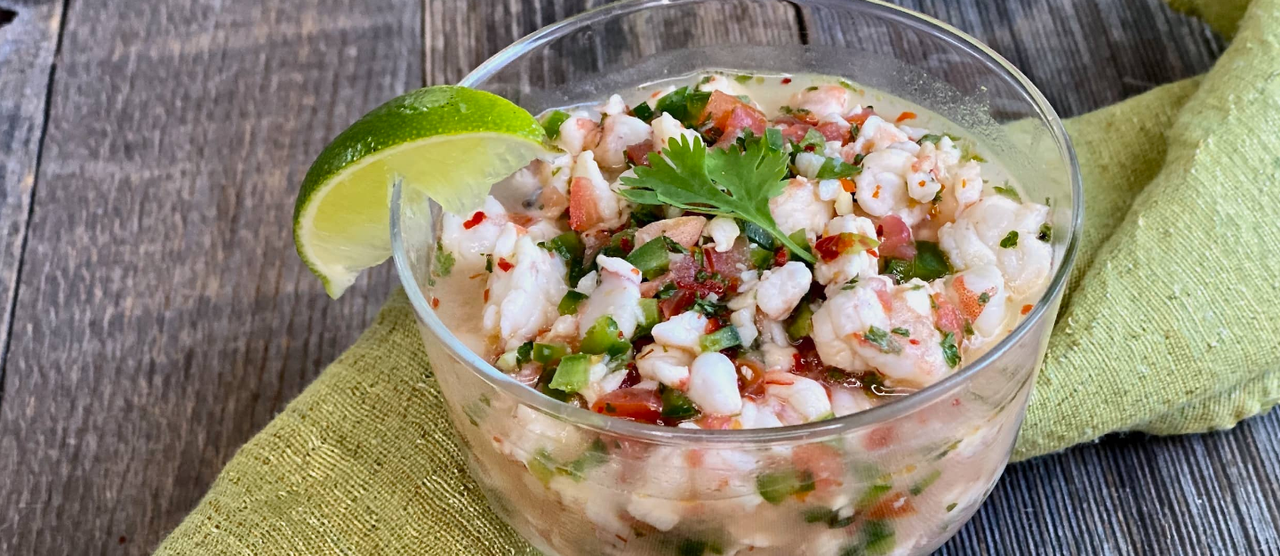
Budget: Ceviche could go anywhere from cheap street food beginning at $5 to a mid-range sit-down restaurant costing $15-$25, with high-end gourmet costs reaching more than $40 depending on top quality seafood.
Ingredients: Mainly consists of fresh fish and/or seafood like shrimp, lime or lemon juice, red onion, cilantro, tomato, and other optional ingredients such as avocado, chili pepper, and even garlic. It is usually served alongside plantain, sweet potatoes, or tortilla chips.
Best Time To Eat: Ceviche can be enjoyed in warmer seasons as it makes for a flavor-packed, refreshing daytime appetizer. Its coastal regions associate high lunch and dinner amounts with summer entertaining and festivities.
4. Pho
Pho is a kind of Vietnamese soup with broth, rice noodles, herbs, and meat varying from beef to chicken. It is traditionally served between fresh herbs, bean sprouts, lime, and chili to customize as desired. The rich broth for phở is prepared using bones, spices (star anise, clove, cinnamon), and herbs by simmering for hours to impart flavor. People of all ages love it, being a staple of Vietnamese cooking, and this is appreciated in various regions. Pho is loved for comfort food and is commonly considered a breakfast or lunch item, making a perfect blend of textures and savory flavors.
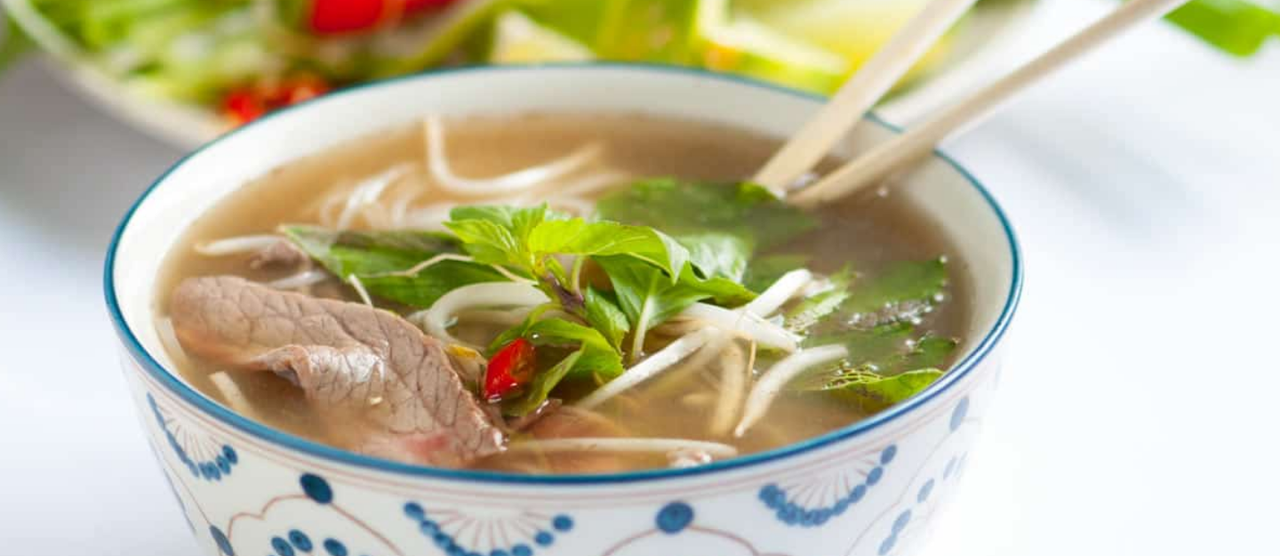
Budget: Pho is reasonably priced, generally from street vendors and local shops for $5-$10, somewhere in the middle would be $10-$20, and premium variants could start from $25 and above.
Ingredients: Pho consists primarily of rice noodles, beef or chicken, herbs, including basil and cilantro, bean sprouts, lime, and chili. The rich broth has its savory, aromatic base from bone stock simmered with star anise, cloves, ginger, and cinnamon.
Best Time to Eat: Pho is a very adaptable dish served for breakfast or lunch. Traditionally, it has been enjoyed during the colder months for warming and comforting properties. The custom and significance of consuming this noodle soup spread on cultural gatherings and festive occasions in Vietnam differ from region to region.
5. Kimchi
Kimchi, with its fermented vegetables, mainly napa cabbage or radishes mixed with chili pepper, garlic, ginger, and others, is one of the traditional foods of Korea. They are very pungent and spicy, rich in probiotics, thus forming a very essential part of Korean cuisine. It is typically served as a side along with rice or used as an ingredient in soups or stews or pancakes. The flavorful dish has also received acclaim for some of its health benefits, such as aiding digestion and immunity.
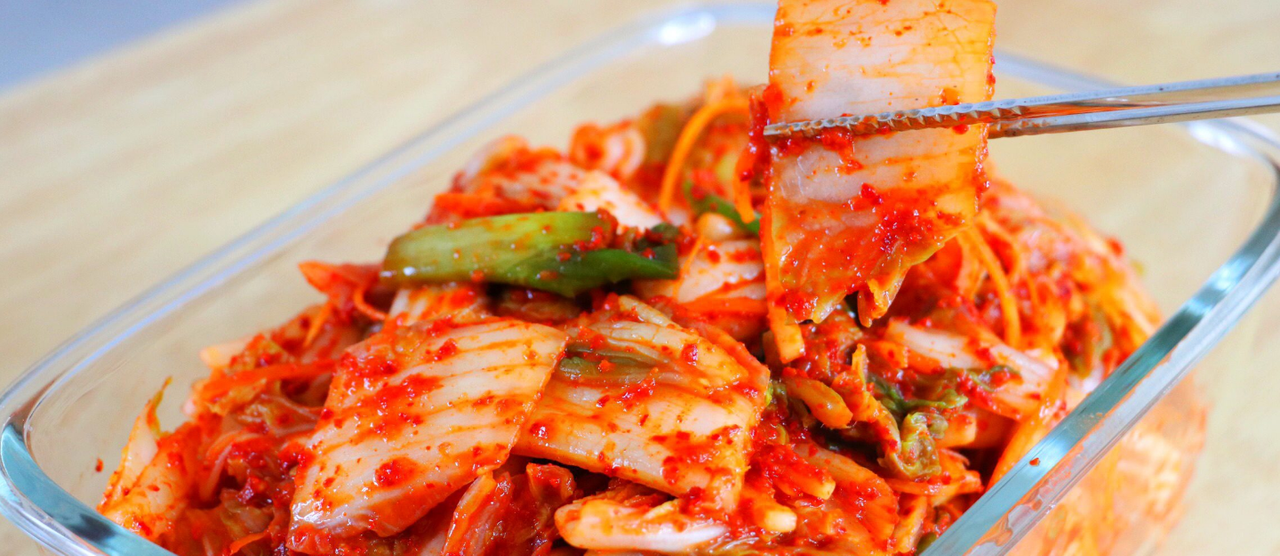
Budget: The price of kimchi hugely depends on whether it's homemade------$5-$10-or $30 worth of pure disaster from a store, which greatly differs according to ingredients, fermentation, and packaging.
Ingredients: Kimchi is generally made from napa cabbage or radish, salt, gochugaru (Korean chili flakes), garlic, ginger, fish sauce, and fermented shrimp. Ingredients come together to create a flavorful, spicy, tangy dish rich in probiotics and umami.
Best Time to Eat: Eating kimchi in Korea is done in every season, especially in winter when it comforts steamy hot dishes. It is also made during festivals such as Lunar New Year and Chuseok.
6. Pad Thai
With rice noodles, egg stir-fried, and added tofu or shrimp, Pad Thai also dishing in sprouted bean, peanuts, and lime. With a typical flavor combination of tamarind, fish sauce, and sugar, it is sweetish, salty, sour, and spicy. Fresh herbs like coriander are often sprinkled on top, making it accommodative to the palate. Generally offered unrestricted on the streets or at casual restaurants in Thailand, it makes a very satisfying and tasty meal.
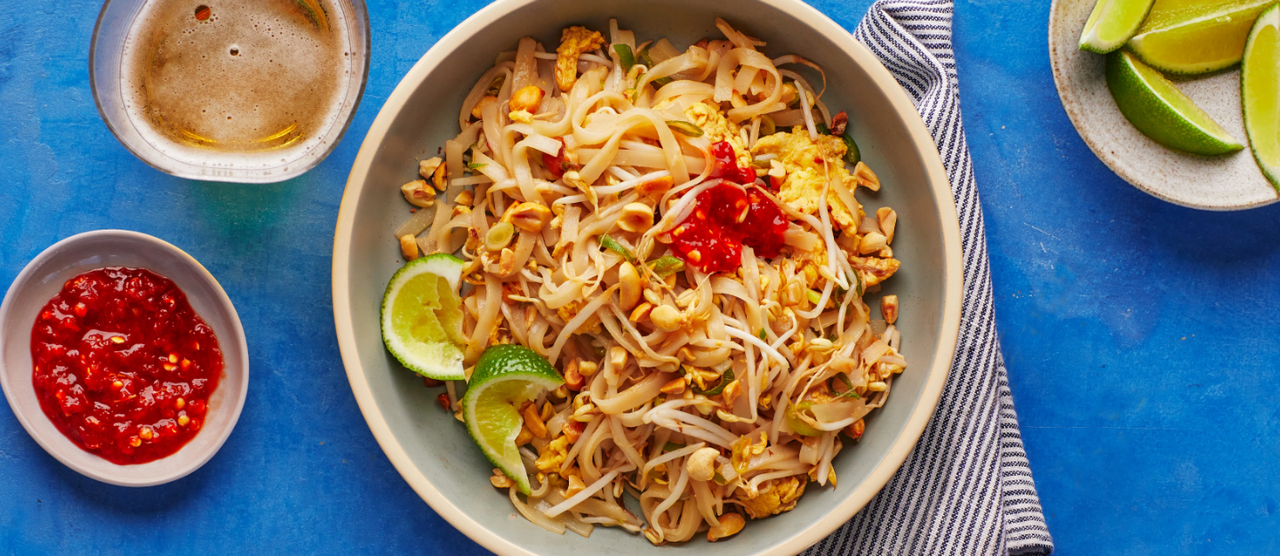
Budget: Prices for Pad Thai would range from inexpensive street food for a roughly $2–$5 dish to about $8–$15 for something more formal; in upscale Thai restaurants, it can exceed a whopping $20 for highly perfected variations.
Ingredients: The key ingredients are rice noodles, eggs, tofu or shrimp, sprout beans, garlic, peanuts, tamarind paste, fish sauce, lime, and chili. The unique mingle of sweet, salty, sour, and spicy creates this very famous Thai dish.
Best Time to Eat: Pad Thai is usually eaten around lunchtime or dinnertime, often outdoors from street carts or at informal restaurants. One could indulge in Pad Thai all year round, but it finds maximum acceptance among festival times or social gatherings in Thailand.
7. Pizza
Every person loves pizza, and who will not? Crispy crust, tasty sauce, melted cheese, and a variety of lovingly prepared toppings- all of these embodied in one slice served hot and fresh. From Italy, it has undergone numerous adaptations and found countless regional varieties of its own across the globe. This will include all kinds of pizzas- classic Margherita, deep-dish Chicago-style or hardcore truffles. Because of the infinite variety of ways to enjoy and prepare the dish, pizzas have been used to celebrate casual outings, after-parties, or sudden late-night cravings.
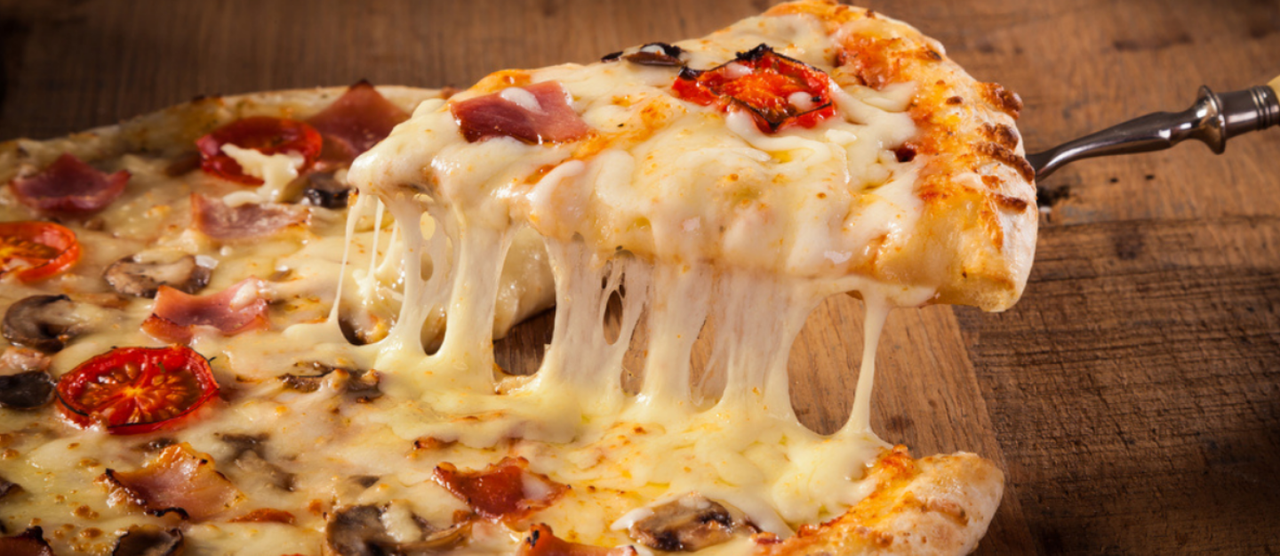
Budget: Pizza fits into all budgets-from a street slice to a fast-food joint to the mid-range artisanal pizzeria to a five-star establishment serving the finest ingredients like truffle oil, aged cheeses, and imported meats.
Ingredients: The hallmark of a classic pizza is a hand-tossed crust or a slightly thicker pan-baked crust; a tangy tomato sauce for that added kick; and the freshest of mozzarella. Basic toppings would include pepperoni, mushrooms, olives, and sweet peppers. In masterpieces, arugula, prosciutto, burrata, or truffle oil adorn the pizzas, adding their own unique flavors and textures.
Best Time to Eat: Pizza is great any time for lunch or dinner or even as a midnight snack. Perfect for casual get-togethers, weekend indulgences, or even game nights. In Italy, it is best served right out of a wood-fired oven.
8. Ramen
Ramen, one of Japan's most beloved noodles, possesses a rich soup base, chewy noodles, and tasty toppings. Different areas in Japan all do their own take on it, such as Hakata's pork-based broths or Sapporo’s miso ramen. Extra toppings--chashu pork, boiled eggs, nori--add flavor contrast and texture; a warm bowl of this dish is always enjoyed. Ramen, which satisfies anyone at any time--be it at a busy shop or even an open-air solo stall late at night--is gaining popularity around the world as the perfect gastronomic solution for comfort, umami, and joy; it is a meal that brings people together.
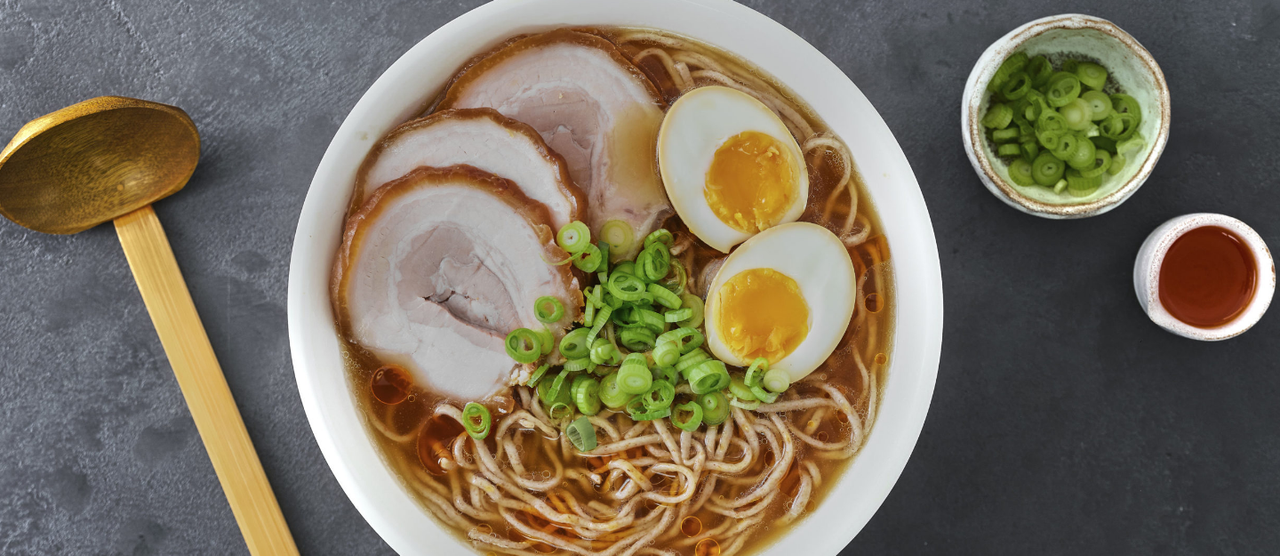
Budget: This dish is available at numerous price points. The vending stalls and casual diners sell it for $5 to $10 a bowl, typical sit-down restaurants sell it for $12 to $20, with a fancy upper end over $25 to $30, especially with a few prime ingredients.
Ingredients: The build-up of Ramen includes yellow wheat noodles, a broth (soy ramen, miso ramen, or pork bone ramen), and toppings such as wheat noodles, soy sauce, miso, and pork bone, with extra toppings in the form of chashu pork, menma (bamboo shoots), nori (dried seaweed), scallions, and soft-boiled eggs. Many areas provide a seafood, butter, or spicy note to mix up the flavor.
Best Time to Eat: Although weather-wise, it is warmer and inviting in cold months, with a minimum of 4 big bowls of it, Ramen is meant to be enjoyed around all four seasons. The late-night Ramen service is one aspect that thrills the general public, being rapaciously nice after work or drinks. Across Japan, Ramen enjoys a long-standing presence in the casual, comforting dining realm.
9. American Food
American cuisine is very much a blend of flavor coming from various cultures. Typical American foods include the hamburger, hot dog, barbecue, and fried chicken, representing comfort food like macaroni and cheese, meatloaf, and apple pie with good home-cooked taste. Other specialties throughout the nation include New England clam chowder, Southern biscuits and gravy, and Tex-Mex tacos. Fast food is the casual face of food in America, while steakhouses and seafood restaurants provide its elegant incarnation.
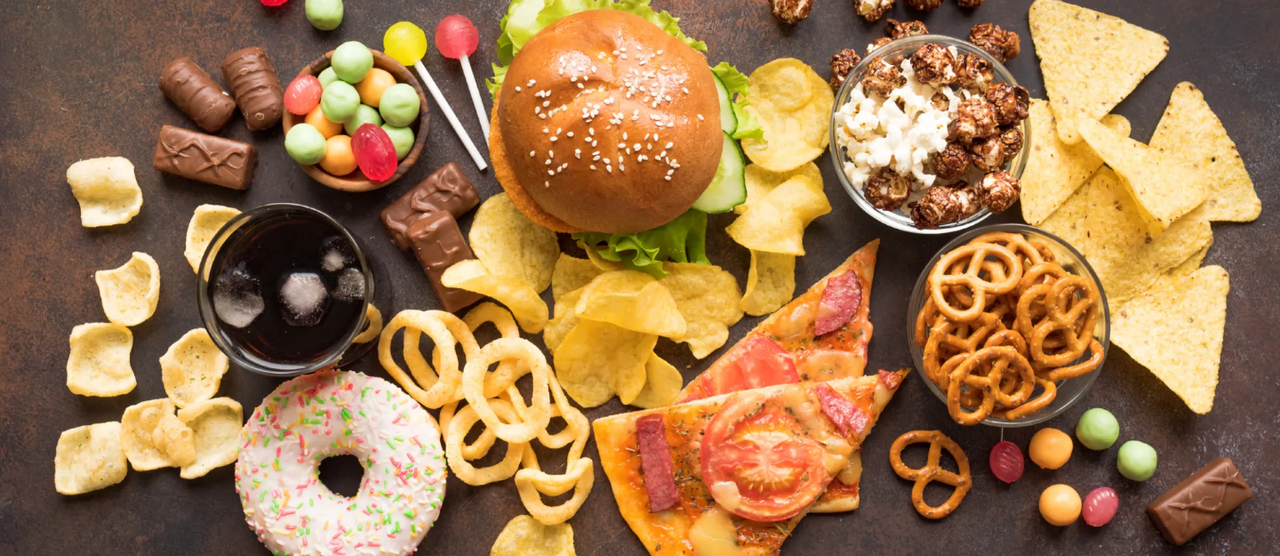
Budget: American food embraces the spectrum from cheap fast food and diners to midrange casual eateries and high-end steakhouses. Street food and food trucks offer low-cost fare, while upscale places are offering an extravagant experience with premium ingredients.
Ingredients: Common ingredients are grass-fed beef, chicken, pork, potatoes, cheese, wheat flour, maize, and fresh farm produce. Typical seasoning mixtures assigned to different regions are butter, barbecue sauce, ketchup, mustard, peppers, and a variety of spices. In some regions, this might also include seafood, beans, chili peppers, and local specialties like grits or maple syrup.
Best Time to Eat: American cuisine runs through all the seasons. Barbecue is mostly a summer affair, pumpkin pie in autumn, and heavy stews in the winter. Breakfast foods shine during the morning; burgers and steaks take their rightful places on dinner menus.
10. Italian Food
From traditional pasta dishes such as Carbonara and Pesto to rich Risottos and fragrant Neapolitan Pizzas, with each bite comes a slice of history steeped in tradition and passion. The use of fresh ingredients, such as olive oil, ripe tomatoes, and artisanal cheese, enhance the authentic flavors. While local trattorias create a somewhat homely way of eating, the fine-dining establishments have reinterpreted long-standing recipes with a modern twist.
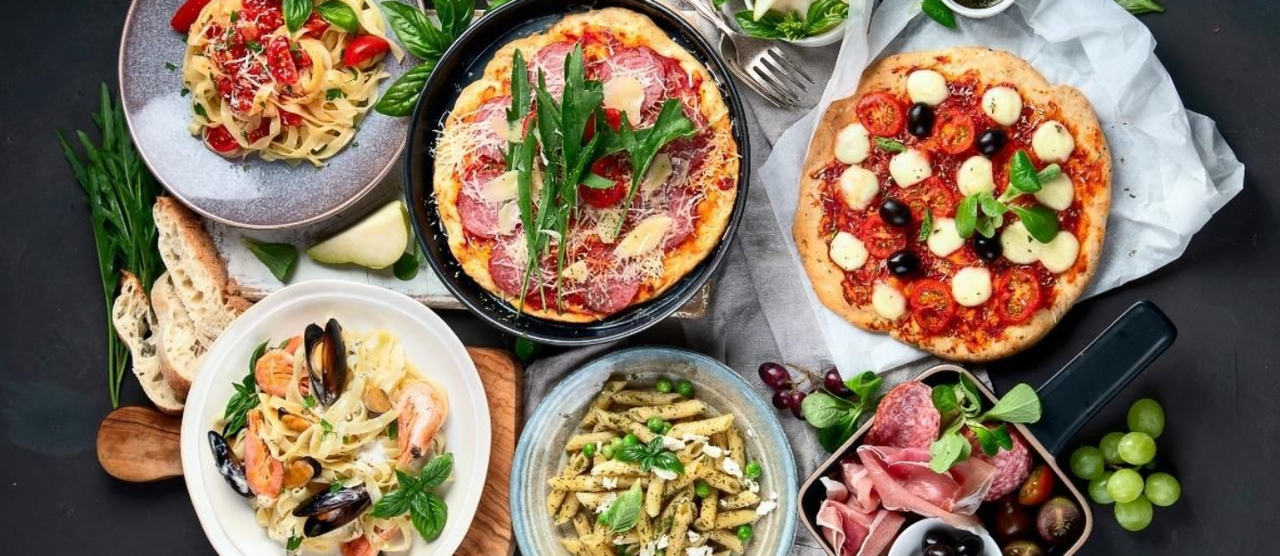
Budget: Price varies budget-wise for trattorias and street fare such as panini and pizza by the slice; mid-range for those typical restaurants; high-end for Michelin-starred restaurants with fine ingredients and refined service.
Ingredients: Major ingredients essential include extra virgin olive oil, fresh pasta, mature tomatoes, basil, garlic, and cheeses, including parmesan and pecorino. Add to that taste beef, fish, and mushrooms. Each dish brings out local ingredients to guarantee quality and authenticity.
Best Time to Eat: Dishes differ from season to season, springtime for fresh pasta, summertime for fish, autumn for mushrooms and truffles, and winter for rich fare. Lunch and dinner are both ideal times for local eating.
Conclusion
Food is the most vital window to understanding cultures around the world. Every dish tells a story of heritage and traditions, whether it be Spanish paella made rich with saffron or delicate sushi made in Japan. From street food to high gastronomy, these ten must-try local specialties will take you on an unforgettable culinary journey. Wherever a traveler goes, tasting authentic local flavors is the best way to experience the cradle of a country.